Natural active ingredients best tolerated by sensitive skin

Natural active ingredients best tolerated by sensitive skin


By Emilie Ondet

Published on: Wednesday, February 25, 2026, Updated on: Monday, October 12, 2026

Sensitive skin is clinically defined by characteristic sensory perceptions, including tightness, burning, stinging, pain and itching. These unpleasant sensations occur in response to stimuli that would not normally cause such sensations. 50 per cent of the world’s population report having sensitive skin (1) and the impact on quality of life is now clearly recognised. Sensitive skin can be caused by age, hormonal changes or individual sensitivity, and is exacerbated by an allergic predisposition. However, external factors can also play a role, such as extreme temperatures (hot or cold), wind, UV rays, pollution, tobacco, household products… or cosmetics applied to the face. This article provides an in-depth look at the most extensively studied active ingredients for sensitive skin to help you build a reliable skincare routine tailored to your skin’s reactivity and sensitivity.

Contents

Related products

In brief

  • Sensitive skin, characterised by unpleasant skin sensations, requires specialised care to restore the skin barrier, minimise water loss and soothe inflammation.

  • Recognised active ingredients such as ceramides, phytosterols and prebiotics, amongst others, can help to soothe this reactive skin.

  • To ensure that the active ingredients mentioned in this article are well tolerated, a minimalist skincare routine tailored to sensitive skin is recommended.

What are the needs of sensitive skin?

Identifying the active ingredients best suited to sensitive skin first requires defining what is expected of these ingredients. The reactivity of sensitive skin is linked to a weakened skin barrier, whose protective function is impaired, leading to increased water loss (increased transepidermal water loss) and heightened sensitivity to environmental or cosmetic irritants. Physiologically, sensitive skin often exhibits an imbalance in the lipids of the stratum corneum, notably a reduction in ceramides—key components of the protective barrier—which facilitates the entry of irritants and triggers inflammatory responses in the skin (2).

What natural active ingredients can offer

  • Strengthen the skin barrier: this is important for limiting transepidermal water loss. Choosing skincare products rich in the skin’s natural components, such as ceramides, helps to protect and restore weakened skin.

  • Rebalance and rebuild your skin barrier: as prebiotics and ceramides can do

  • Continuously hydrate and nourish the skin: when it comes to hydration, the essential skin component found in many skincare products is hyaluronic acid. To nourish the skin, we turn to plant-based oils that replenish lipids or ceramides

  • To provide a feeling of being enveloped: oily textures are often more suitable for this type of need. They soothe the skin

  • Reducing the use of known irritants: in order to minimise skin inflammation and potential allergic reactions.

The benefits of a minimalist routine

Those with sensitive skin should also take care to limit the number of products in their skincare routine: reactive skin benefits from minimising the number of products used. Quality takes precedence over quantity here.  The aim is to provide the skin with only what is strictly necessary to protect, moisturise and soothe it, without overloading it with products or potentially irritating ingredients. This consists of gentle cleansing, appropriate moisturising and daily sun protection. Exfoliants, fragrances and multi-step skincare routines increase the risk of skin reactions and are not suitable for sensitive skin.
Summary table of targeted active ingredients

With a minimalist skincare routine in mind, the active ingredients listed below should not all be used together, to ensure they are well tolerated. They should be selected with the aim of tailoring your skincare routine to your individual needs. It is worth noting that finding this ‘ideal’ routine can sometimes take time, particularly as tolerance to a cosmetic product varies from person to person. However, the active ingredients listed below, due to their beneficial effects on fragile skin, appear to be well tolerated by the majority of people with sensitive skin.

Active Ingredients

Characteristics

Ceramides

ceramides are natural components of the skin barrier, helping to maintain the skin’s moisture levels and regulate its pH. They strengthen the skin barrier to make it less reactive and protect it from external aggressors. (3) They help to rebalance damaged and atopic-prone skin by promoting the skin’s comfort.

Phytosterols

phytosterols have the same structure as cholesterol and help to strengthen the skin’s barrier function. (4) They have a soothing effect by reducing inflammatory reactions in the skin.

Vitamin B12Prebiotics

vitamin B12 combats inflammation in the skin by reducing the synthesis of nitric oxide (a vasodilator) and by inhibiting the release of pro-inflammatory cytokines. (5) It improves skin comfort by reducing redness, itching and skin dryness by inhibiting the release of histamine (which causes itching when released into the bloodstream). (6)

Prebiotics

prebiotics help to increase the presence of ‘healthy’ bacteria on the skin’s surface and contribute to skin repair. (7)

Wild acanthus

Wild acanthus repairs, restructures and restores the skin barrier: it stimulates the differentiation process of keratinocytes and strengthens cellular cohesion. It improves the skin’s resistance to dehydration and environmental stressors and stimulates collagen synthesis, thereby strengthening sensitive skin. (8)

Bisabolol

Bisabolol soothes and repairs.

Allantoin

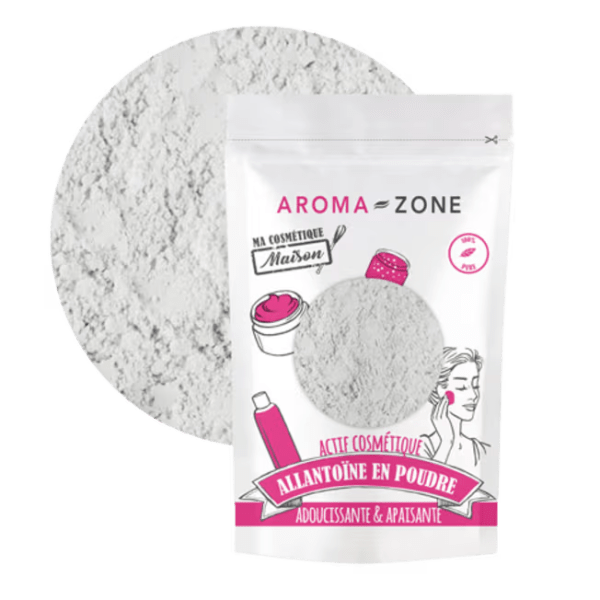
Allantoin repairs and soothes: it stimulates skin renewal, regulates the inflammatory process and improves the skin’s ability to retain moisture.

Squalane

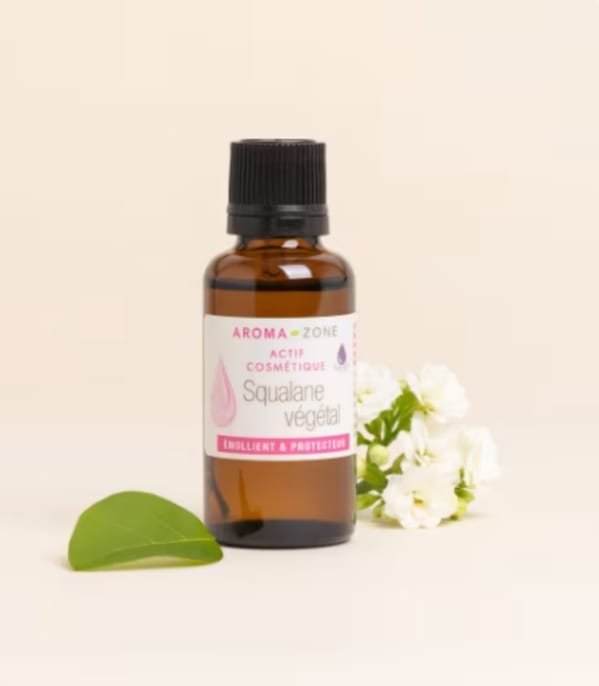
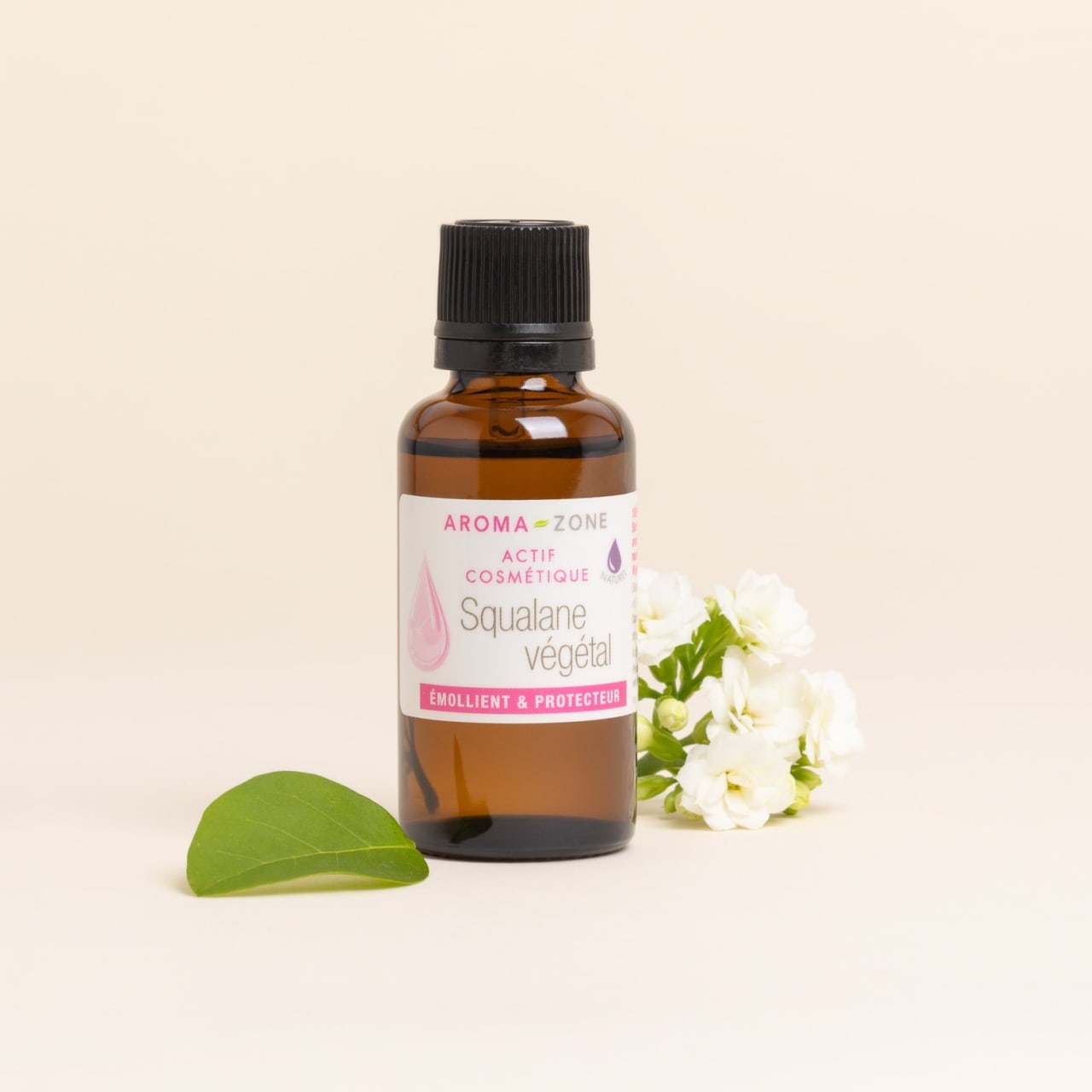
Squalane moisturises and restores the skin’s lipid barrier thanks to its excellent affinity with the skin, which stems from its similarity to the skin’s natural lipids.

Oat Vegetable Oil

Oat plant oil is exceptionally rich in ceramides and phytosterols, which provide the skin with soothing, protective, nourishing, restructuring and softening benefits.

Coconut oil

Coconut oil is highly nourishing and significantly reduces skin dehydration.

Shea butter

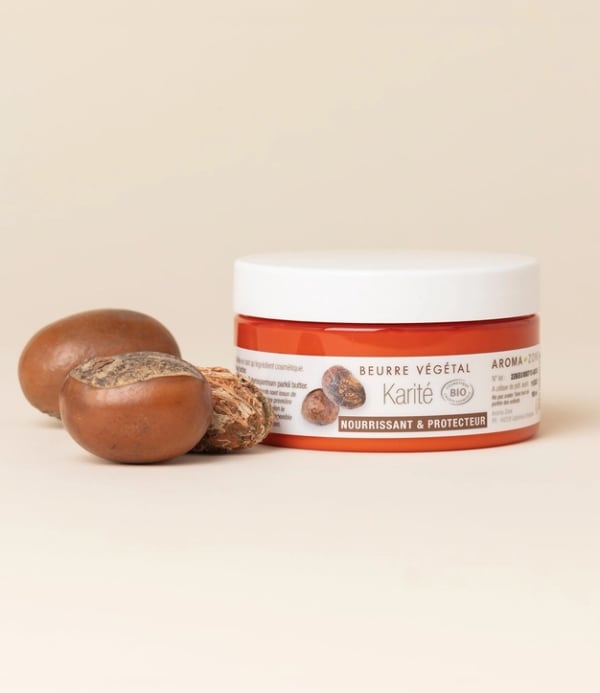
Shea butter promotes skin regeneration and helps to calm and soothe tight, irritated skin. It also aids skin healing thanks to the terpene alcohols it contains.

Which active ingredients for which specific skin concerns?

We’ll help you make sense of the range of active ingredients, based on the potential underlying issues affecting your problem skin.

Damage to the skin barrier

This might apply to you if… Your skin feels tight, shows diffuse redness or reacts easily to skincare products. A compromised skin barrier allows irritants to penetrate and perpetuates inflammation (11).

Active ingredients to look for: Active ingredients that support the skin barrier include ceramides, phytosterols, squalane and wild acanthus. They help to restore the skin’s integrity and thus soothe the inflammation caused by a compromised skin barrier.

Imbalance in the skin microbiome

This may apply to you if… your skin is reactive, red or itchy. These signs may indicate a disrupted skin microbiome. 

The active ingredients to look for: prebiotics are the essential solution for rebalancing the skin’s microbiome. Soothing active ingredients such as allantoin or bisabolol also help to regulate the inflammatory process associated with microbial imbalance (11).

Excessive dryness

This may apply to you if… your skin is flaking or cracking. It may feel rough to the touch. A lack of sebum is usually to blame, which can lead to increased permeability of the stratum corneum. 

Active ingredients to look out for: Plant-based oils are ideal, as are squalane, allantoin and bisabolol.

A lack of hydration

This may apply to you if… Your complexion is dull and superficial fine lines caused by dehydration are starting to appear. As the skin is more sensitive, it may also show patches of redness.

Active ingredients to look out for: Hydrating your skin with hyaluronic acid is a good option. Preserving the integrity of the skin’s barrier by maintaining a balanced hydrolipidic film is also important, for example by using ceramides.

A word from the dermatologist: which active ingredients should be used with caution?

Sensitive skin (or reactive skin) is characterised by the occurrence of unpleasant sensations (tingling, burning, itching), with or without redness, triggered by various factors such as contact with water, the cold, cosmetic products or UV rays. Certain ingredients are known to trigger discomfort, foremost among which are surfactants, the use of which should be limited. The use of AHAs such as lactic or glycolic acid should be avoided on this skin type.

Dr Reyhan Amode, dermatologist and member of the Aroma-Zone College of Dermatologists

Active ingredients

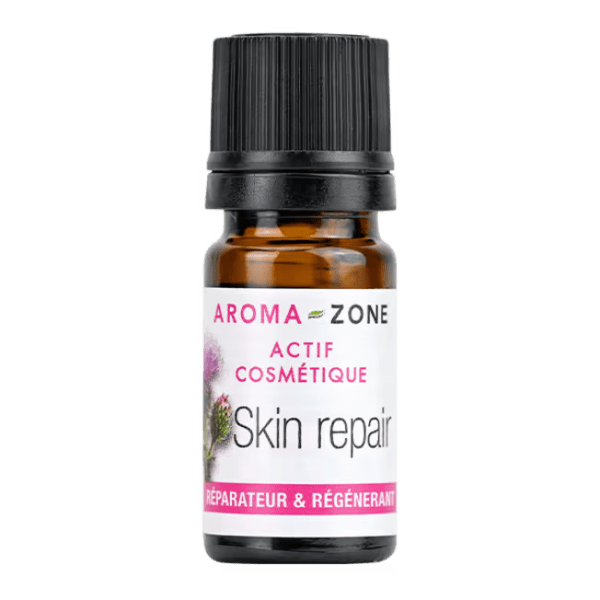
Skin Repair Cosmetic Active Ingredient : this concentrated extract of organic wild Acanthus from Auvergne has been proven effective in restoring the skin’s barrier function. When incorporated into your cosmetic formulations, it is a powerful ally for repairing and regenerating irritated or damaged skin, and an excellent active ingredient for dry and mature skin. Dosage: 2 per cent of the total weight of your formulation, in an aqueous solution.

Discover our Skin Repair Cosmetic Active Ingredient

Organic Bisabolol: A compound found in several plants, including chamomile and candeia, alpha-bisabolol is known as a powerful soothing ingredient that is highly effective even at low doses. It is an excellent choice for the care of sensitive and irritated skin. It can be incorporated into your balms, oils and creams. Dosage: 0.05 to 0.5 per cent in your oil-based formulations.

Discover the organic plant-based cosmetic active ingredient Bisabolol

Cosmetic active ingredient: Allantoin

Active ingredient: Allantoin: Allantoin is renowned for its softening and soothing properties. It stimulates skin renewal and regulates the inflammatory process. It is an ingredient of choice for your ‘homemade’ restorative skincare products and formulations for sensitive skin. Concentration: 0.5% in aqueous solutions. For higher concentrations and in oil-based formulations (balms, butters), it should be dispersed throughout the product.

Discover the cosmetic active ingredient Allantoin

Active ingredient: Plant-based olive squalane

Olive-derived plant-based squalane: Extracted from olive oil, plant-based squalane is an oily active ingredient with a silky, non-greasy feel. Its excellent affinity with the skin and its emollient properties help to restore the lipid barrier and protect the skin from dehydration. Concentration: 5–15% in creams and balms, 30–70% in ‘dry’ oils.

Discover the Olive-derived Plant-based Squalane Cosmetic Active Ingredient

Plant-based oils

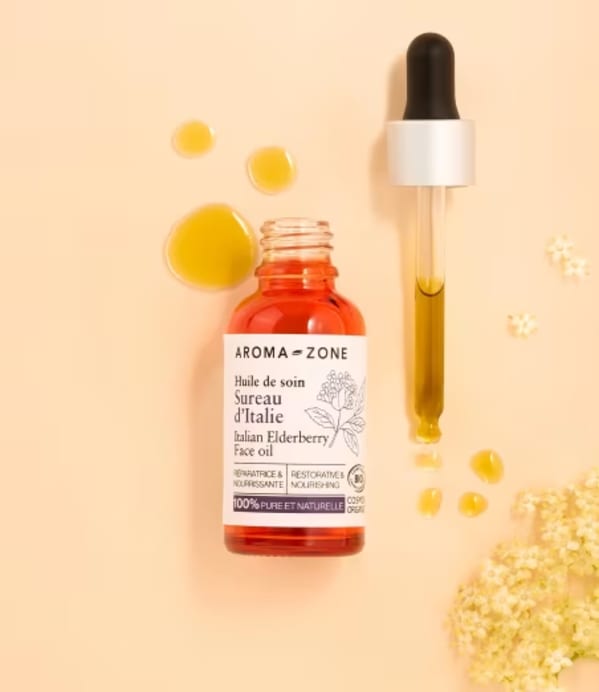
Organic Italian Elderberry Skincare Oil

Organic Italian Elderberry Skincare Oil: This restorative, soothing and nourishing oil is rich in vitamin E and essential fatty acids to combat skin ageing. Ideal for sensitive and damaged skin, it can be applied neat or customised with the plant-based active ingredient Bisabolol for a soothing and restorative treatment.

Discover our Organic Italian Elderberry Skincare Oil

Organic Raw Shea Butter: this shea butter protects, softens and restores damaged skin. Rich in phytosterols, alpha and beta amyrin, it helps to calm and soothe tight, irritated skin. It promotes healing thanks to the terpene alcohols (lupeol, parkeol) and phytosterols it contains.

Discover our pure organic shea butter

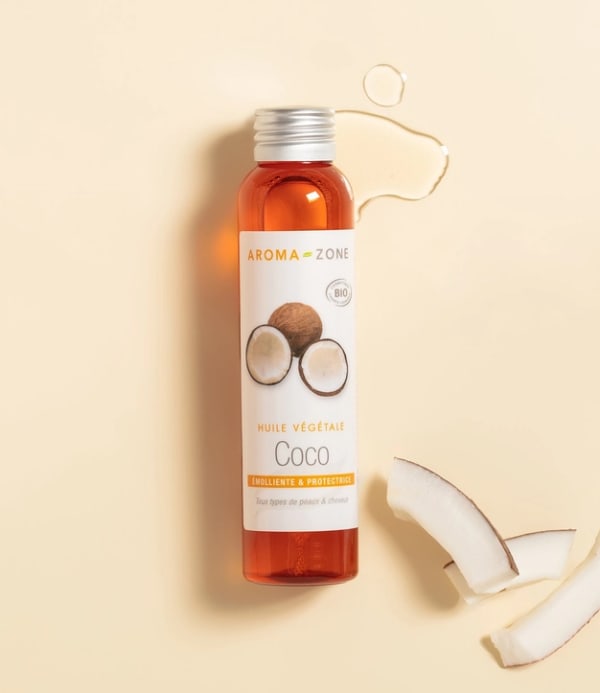
Organic Coconut Oil: also known as coconut butter, this oil is a highly prized ingredient for its protective, softening and emollient properties on the skin.

Discover Organic Coconut Oil

Ready-to-use formulations

Coconut & Shea Cleansing Cream

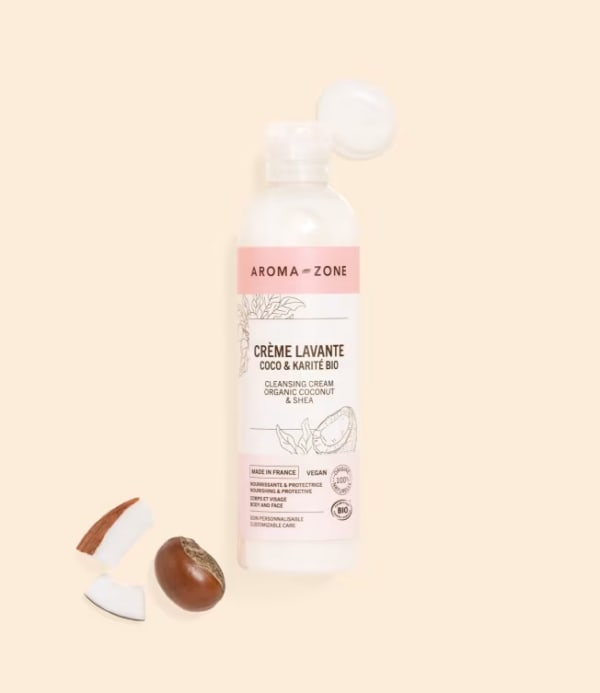
Coconut & Shea Cleansing Cream: Fragrance-free and sulphate-free, this cleansing product respects the skin’s natural pH balance. Its 100% natural formula, enriched with moisturising shea butter, provides a rich, protective cleanse and helps reduce feelings of tightness.

Discover the Organic Coconut & Shea Cleansing Cream

Concentrated Vitamin B12 & Prebiotics Serum

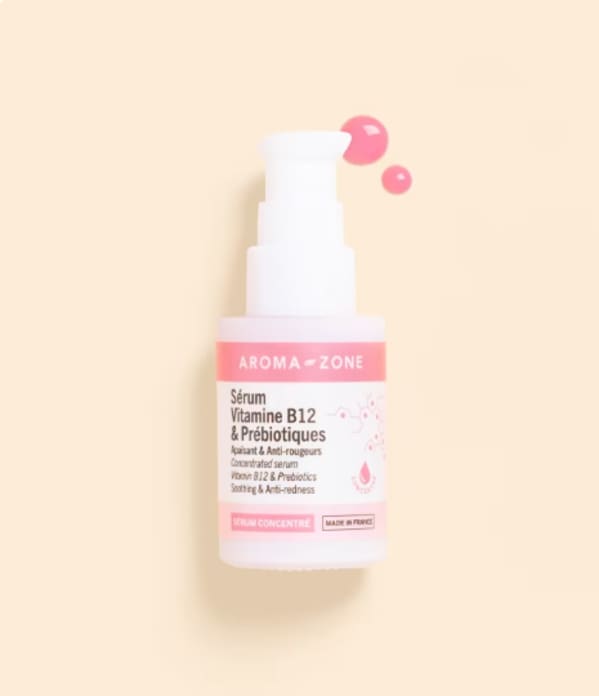
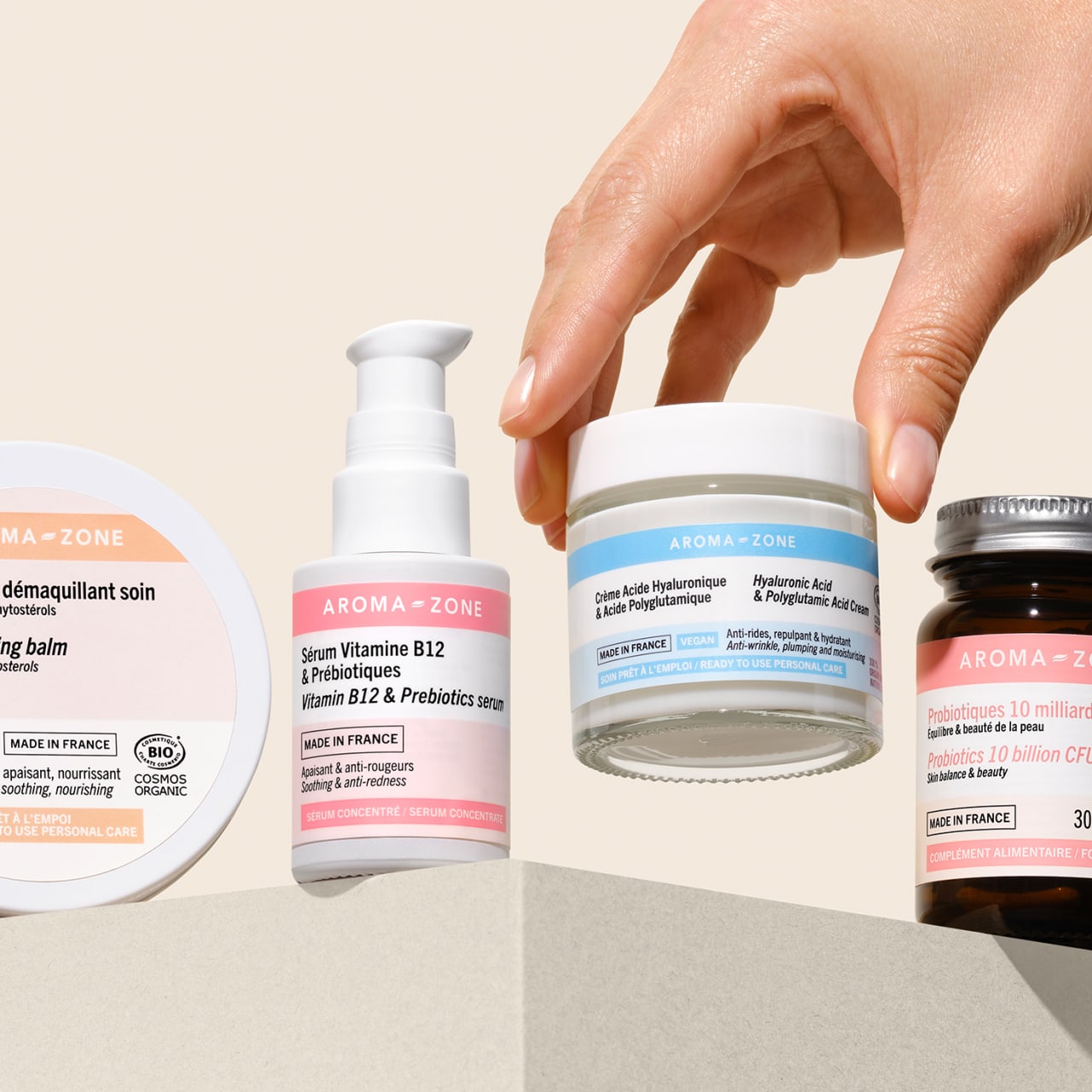
Concentrated Vitamin B12 & Prebiotics Serum: Help your skin regain its calm with this highly tolerable serum. Its proven effectiveness immediately reduces all signs of discomfort (redness, tightness, itching) and supports your skin’s future by restoring its skin barrier. Ideal for sensitive skin.

Discover our Vitamin B12 & Prebiotics Concentrated Serum

image

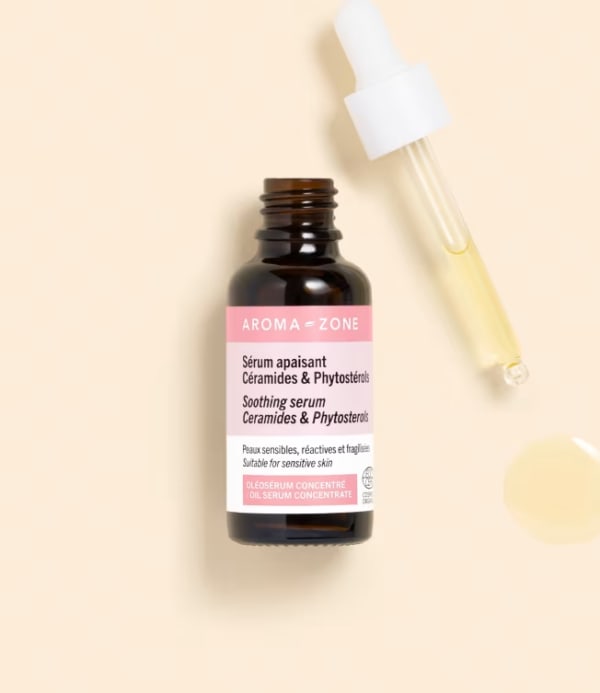
Soothing Ceramide & Phytosterol Oil Serum: A nourishing treatment for reactive skin, this silky-textured, high-tolerance oil serum immediately soothes, reduces redness, restores and strengthens the skin barrier, and relieves itching. Ideal for sensitive skin.

Discover our Soothing Ceramide & Phytosterol Oil Serum

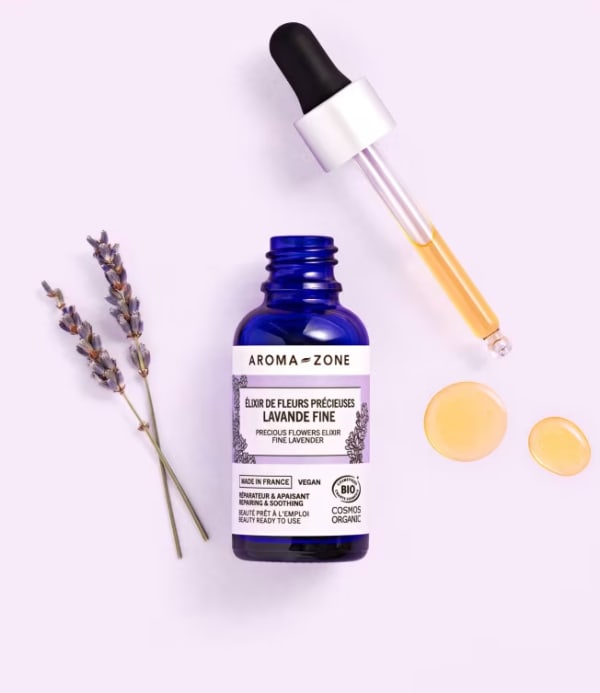
Elixir of precious organic fine lavender flowers

Elixir of precious organic fine lavender flowers: this elixir soothes, repairs and nourishes all skin types, even the most delicate. The sprigs of fine lavender have been cold-infused for an extended period in organic jojoba oil, which is what makes this elixir so precious. This treatment offers soothing, balancing and restorative benefits. 

Discover our Organic Fine Lavender Floral Elixir

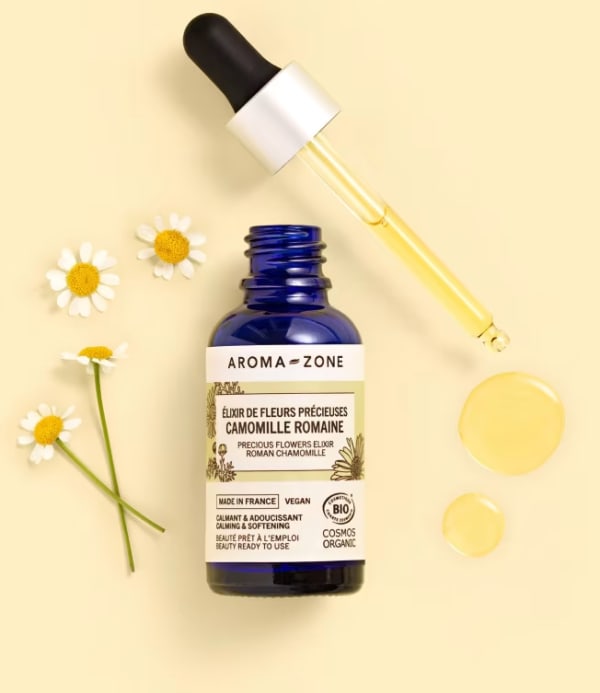
Elixir of precious organic Roman chamomile flowers

Organic Roman Chamomile Precious Flower Elixir: immediate softness and comfort for your skin thanks to our serum made with organic sweet almond oil and Roman chamomile flowers – nourishing and soothing, ideal for relieving skin discomfort.

Discover our Organic Roman Chamomile Floral Elixir

Capture 02 02

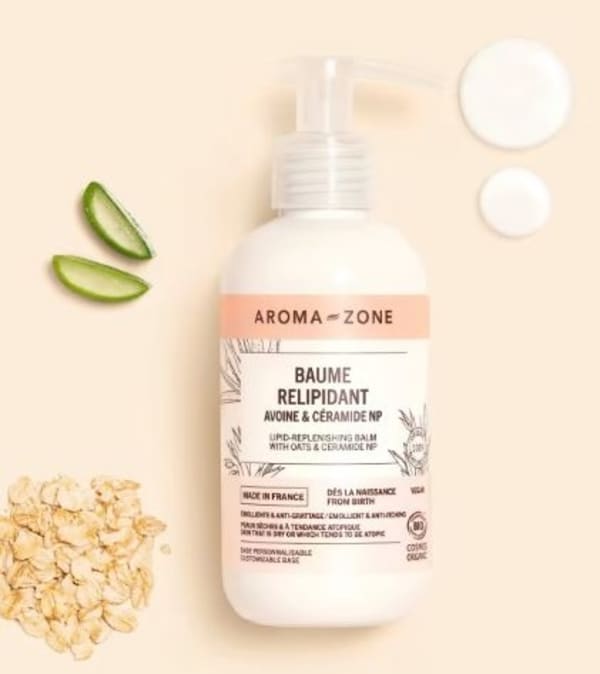
Oat & Ceramide NP Lipid-Restoring Balm : clinically tested and proven, designed for dry, fragile or atopic-prone skin, this triple-action lipid-restoring balm soothes irritation and redness, reduces itching and intensely nourishes the skin. 

Discover our Oat & Ceramide NP Lipid-Restoring Balm

Dietary supplements

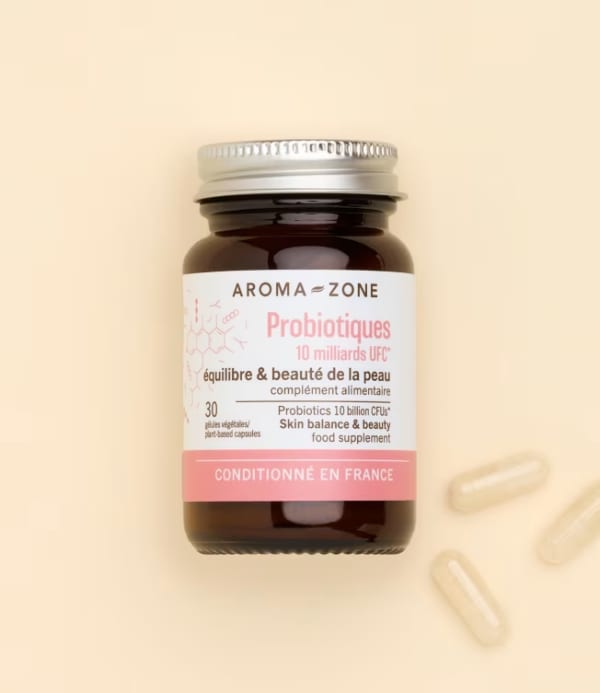
Probiotics Balance & Skin Beauty - 30 capsules - Dietary supplement

Probiotic dietary supplement for skin balance & beauty: a formula specially developed to promote healthy skin balance. Thanks to its beneficial effects on the gut microbiota, it acts on the gut-skin axis and helps to improve skin quality. Take one capsule a day, to be swallowed with a glass of water. For adults only. Not recommended for pregnant or breastfeeding women.

Discover Skin Probiotics

Precautions

Cosmetics are also recognised as triggers for sensitive skin, so caution is advised. Read the labels carefully and avoid skincare products containing irritants such as fragrances, essential oils, alcohols or certain exfoliating agents (e.g. high concentrations of AHAs/BHAs), which can disrupt the skin barrier and lead to the onset of inflammatory symptoms (9).

Expert advice

Excessive or harsh cleansing is a major factor in aggravating skin sensitivity. Indeed, inappropriate cleansing alters the skin’s natural lipids (ceramides, cholesterol, free fatty acids), which are essential for the integrity of the skin barrier. In practice, it is recommended that you cleanse your skin no more than once or twice a day, use soap-free cleansers with a physiological pH, and avoid water that is too hot.

Article Written by Emilie Ondet, Biochemistry Engineer

Photo: Emilie Ondet (1)

Emilie is a biochemistry and natural active ingredients engineer, as well as a naturopath, nutrition consultant, and writer specialising in health, food, and well-being. She spent over 10 years working in the pharmaceutical industry and scientific communication, giving her a broad, well-rounded view of health, one she's able to speak about with both rigour and clarity. Science is her foundation, words her tools. She champions an approach to health that's more preventive, more considered, more scientific, and, of course, more natural!

Bibliography

  1. Wollenberg A, Giménez-Arnau A. Sensitive skin: A relevant syndrome, be aware.

    J Eur Acad Dermatol Venereol. 2022 Apr;36 Suppl 5:3–5. doi: 10.1111/jdv.17903. PMID: 35315153.

  2. Chen, B.; Tang, H.; Liu, Z.; Qiao, K.; Chen, X.; Liu, S.; Pan, N.; Chen, T.; Liu, Z. Mechanisms of Sensitive Skin and the Soothing Effects of Active Compounds

    A Review. Cosmetics 2024, 11, 190. https://doi.org/10.3390/cosmetics11060190

  3. Tze Lek Yong, Rahela Zaman, Navedur Rehman, Chung Keat Tan.

    Ceramides and Skin Health: New Insights. February 2025 Experimental Dermatology, Volume 34, Issue 2 https://doi.org/10.1111/exd.70042

  4. Lin TK, Zhong L,

    Santiago JL. Anti-Inflammatory and Skin Barrier Repair Effects of Topical Application of Some Plant Oils. Int J Mol Sci. 27 December 2017;19(1):70. doi: 10.3390/ijms19010070. PMID: 29280987; PMCID: PMC5796020

  5. Abdalla S, Aroua MK, Gew LT.

    A Comprehensive Review of Plant-Based Cosmetic Oils (Virgin Coconut Oil, Olive Oil, Argan Oil, and Jojoba Oil): Chemical and Biological Properties and Their Cosmeceutical Applications. ACS Omega. 25 October 2024;9(44):44019–44032. doi: 10.1021/acsomega.4c04277. PMID: 39524627; PMCID: PMC11541506

  6. Brescoll J, Daveluy S.

    A review of vitamin B12 in dermatology. Am J Clin Dermatol. February 2015;16(1):27–33

  7. Nistico SP, Del Duca E, Tamburi F, Pignataro E, De Carvalho N, Farnetani F, Pellacani G.

    Superiority of a vitamin B12-barrier cream compared with standard glycerol-petrolatum-based emollient cream in the treatment of atopic dermatitis: A randomised, left-to-right comparative trial. Dermatol Ther. September 2017;30(5)

  8. Zeng M, Li Y, Cheng J, Wang J, Liu Q. Prebiotic Oligosaccharides in Skin Health

    Benefits, Mechanisms, and Cosmetic Applications. Antioxidants (Basel). 18 June 2025;14(6):754. doi: 10.3390/antiox14060754. PMID: 40563386; PMCID: PMC12189978

  9. Kanlayavattanakul M, Khongkow M, Lourith N.

    Wound healing and photoprotection properties of Acanthus ebracteatus Vahl. extracts standardised for verbascoside. Sci Rep. 22 January 2024;14(1):1904. doi: 10.1038/s41598-024-52511-8. PMID: 38253627; PMCID: PMC10803370

  10. Duarte I, Silveira JEPS, Hafner MFS

    Toyota R, Pedroso DMM. Sensitive skin: a review of an emerging concept. An Bras Dermatol. 2017 Jul–Aug;92(4):521–525. doi: 10.1590/abd1806-4841.201756111. PMID: 28954102; PMCID: PMC5595600.

  11. Elias P.M., Steinhoff M., Barrier function and inflammatory skin diseases

    Journal of the German Society of Dermatology (2008): https://onlinelibrary.wiley.com/journal/16100387

Frequently Asked Questions

Frequently Asked Questions