Skincare: When Should You Use Coconut Oil?

Skincare: When Should You Use Coconut Oil?


By Marine Leleux

Published on: Wednesday, December 20, 2023, Updated on: Friday, October 02, 2026

Coconut oil has been cherished for generations for its richness and delicate fragrance, but what are its real benefits for the skin on your face? Naturally nourishing and protective, it features in many beauty routines as part of daily skincare. Make-up removal, nourishment, protection of the skin barrier, and more, it has many uses, provided you choose the right one and use it appropriately. Discover how to incorporate coconut oil into your skincare routine to make the most of its benefits, whilst respecting your skin's needs.

Contents

Related products

What is coconut oil?

Coconut oil is a vegetable oil extracted from the fresh or dried pulp of the coconut, the fruit of the coconut palm (Cocos nucifera), a tropical palm tree emblematic of warm, sunny regions. Used for centuries in traditional beauty rituals, it is now prized for its versatility, its melt-in-the-skin texture and its natural properties.

It is generally extracted by first-press cold-pressing of fresh coconut pulp, a gentle method that best preserves its natural components and cosmetic quality. When unrefined, it retains its rich, indulgent fragrance and abundance of active ingredients. There are also refined, deodorised coconut oils with a more neutral scent, but these are often less rich in compounds beneficial to the skin.

In terms of composition, coconut oil is characterised by its high content of medium-chain saturated fatty acids, particularly lauric acid. This characteristic gives it a solid texture below approximately 25 °C and a melt-in-the-skin texture on contact with the skin. It is renowned for its nourishing, softening and protective properties, which make it a popular ingredient in skin and hair care products.
Why use coconut oil?

Depending on your skin’s condition and the imbalances it faces on a daily basis, certain skincare products can provide a targeted solution. For the face, coconut oil is often chosen when the skin feels uncomfortable, lacks protection or needs extra softness. It is frequently used with great success in the following situations: 

For dry skin

Dry skin lacks lipids and may feel tight, or even show signs of flaking. In this context, coconut oil can be used as a nourishing treatment to soothe and soften the skin. Its rich texture helps to compensate for the lack of natural oils in the skin.

When the skin barrier is compromised

Cold weather, wind, overly harsh cleansers or repeated exfoliation can damage the skin barrier. This leaves the skin more vulnerable and uncomfortable. Applying a plant-based oil such as coconut oil can help to strengthen the hydrolipidic film and temporarily protect the skin from external aggressors.

If your skin feels tight or uncomfortable

After a shower, cleansing your face or exposure to the elements, your skin may feel tight. These sensations often indicate a lack of lipid protection. A small amount of coconut oil can then be applied to restore suppleness and comfort.

When the skin is dehydrated on the surface

Skin can be dehydrated whilst still needing lipids to help retain moisture. Used alongside a moisturiser, coconut oil helps to minimise water loss by forming a protective film on the skin’s surface.

To remove stubborn make-up

Some make-up that is long-lasting or water-resistant can be difficult to remove with a standard cleanser. A plant-based oil can help with make-up removal. For the face, coconut oil is sometimes used to dissolve the oily components of make-up before a gentle cleanse.

What are the benefits of coconut oil for the face?

Long used in natural cosmetics, coconut oil owes its properties to its composition, which is rich in saturated fatty acids, particularly lauric acid. This unique composition gives it powerful emollient and protective properties, which are highly valued in skincare. Discover its many benefits for skin wellbeing below: 

  • Intensely nourishes the skin: Its high content of saturated fatty acids helps to compensate for the lipid deficiency in dry skin and to support the hydrolipid film

  • Reduces water loss: By forming an occlusive film on the surface of the facial skin, coconut oil helps to reduce insensible water loss (IWL), a key mechanism in skin dehydration

  • Strengthens the skin’s barrier function: The lipids it provides help maintain the cohesion of the stratum corneum, which is essential for skin protection

  • Softens the skin: Its emollient action improves the suppleness and elasticity of the outermost layer of the epidermis

  • Provides comfort for dry skin: Its lipid-replenishing effect helps to reduce the tightness associated with a lack of lipids

  • Makes make-up removal easier: Its high fat content helps to dissolve make-up, sun filters and excess sebum through lipid affinity

  • Helps protect against external aggressors: When used on the face, coconut oil creates a protective film that helps the skin cope with wind, cold or dry air

  • It serves as a base in homemade cosmetics: Its resistance to oxidation and its texture make it a commonly used base for balms and nourishing skincare products

A closer look at our organic coconut oil

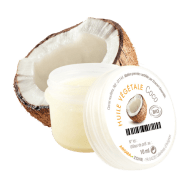
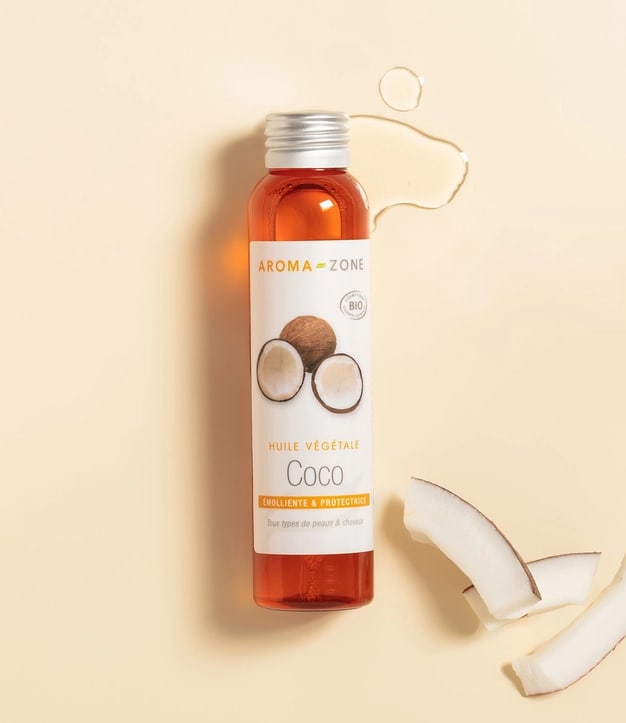
Our organic coconut oil is a high-quality vegetable oil, obtained by first cold-pressing the fresh pulp of organically grown coconuts. Its natural composition of saturated fatty acids, particularly lauric acid, gives it nourishing, protective and softening properties, ideal for dry or sensitive skin. It provides comfort and softness, helps maintain the skin’s balance and can be used in a wide range of homemade preparations, whether for body care, hair care or moisturising balms. Its delicate, slightly sweet fragrance, typical of coconut, makes application a pleasant and enveloping experience, making this oil ideal for caring for your skin and hair in a natural and gentle way. 

Focus on Organic Coconut Oil: benefits and uses - Aroma-Zone

Our favourite coconut oil-based products

For the face, coconut oil is prized for its melt-in texture, its nourishing and protective properties, and its delicate fragrance that immediately evokes softness and comfort. It features in many skincare, lip and hair care products, offering deep nourishment and a pleasant feel tailored to your daily needs. Discover our top coconut oil-based products below:

For skincare

Coconut oil, when combined with other rich botanical ingredients, helps to strengthen the hydrolipidic film, nourish dry areas and soothe sensitive or dehydrated skin. 

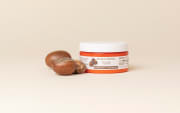
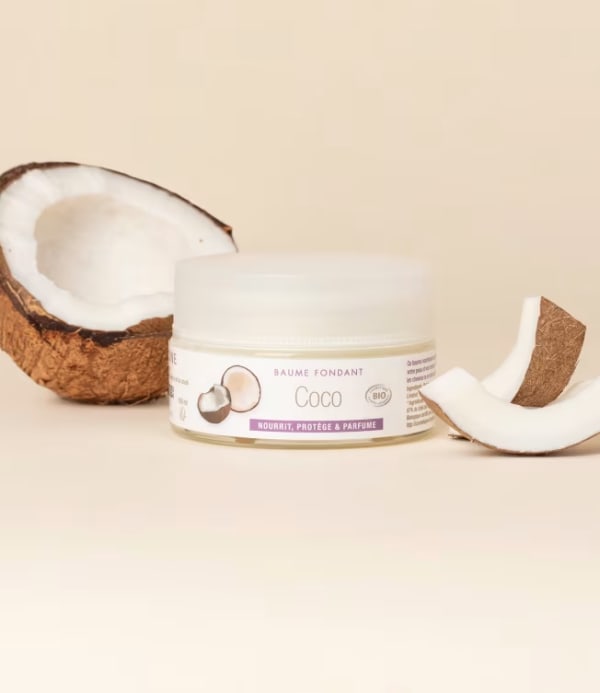
Organic Shea & Coconut Melting Balm: This rich treatment combines shea butter and coconut oil to nourish, protect and revitalise the skin. Its melt-in-the-skin texture makes for a pleasant application after a shower, massaged gently onto the face, body or hands, helping to combat tightness and dehydration. Coconut oil provides softness and nourishment whilst enveloping the skin in a subtle, exotic fragrance. For combination or sensitive skin, apply a small amount to clean skin to avoid a greasy film.

Discover the Organic Shea & Coconut Melting Balm

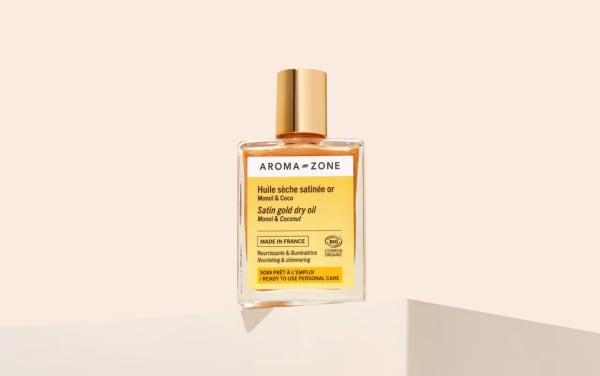
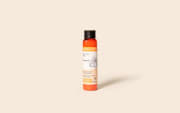
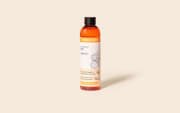
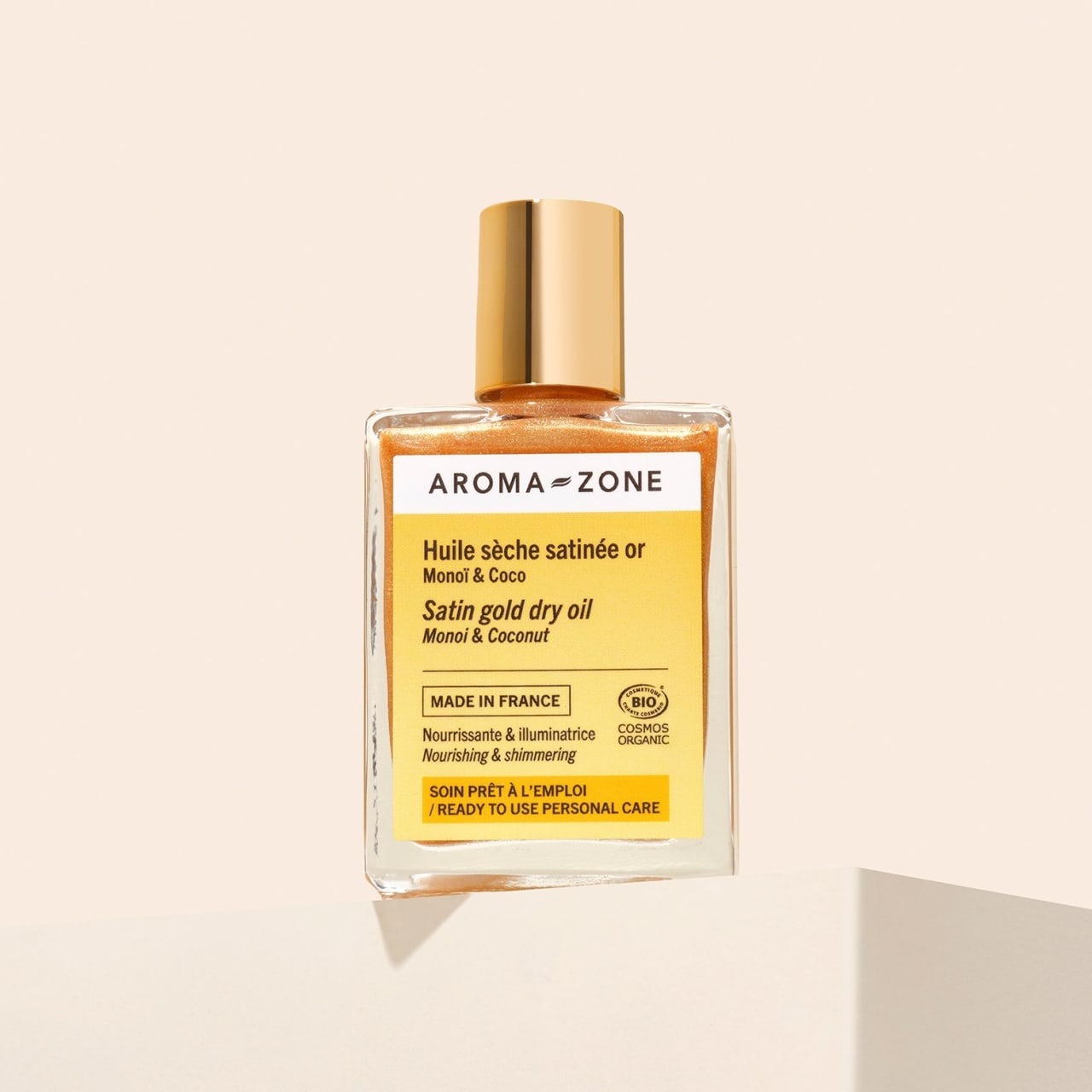
Satin Gold Dry Oil

Satin Gold Dry Oil: This light, satiny oil, enriched with coconut oil and Monoï macerate, nourishes and illuminates the skin, leaving a subtle golden sheen. It can be applied to the body or hair to enhance the complexion and provide comfort and suppleness. Just a few drops are enough, and it is recommended to apply them with light, gentle strokes to clean or slightly damp skin. Avoid contact with the eyes and test on a small area if your skin is sensitive or has recently been irritated.

Discover the Satin Gold Dry Oil

For lip care

Lips, which are often exposed to external aggressors, benefit from a lipid-replenishing treatment that moisturises, softens and protects. Here, coconut oil contributes to a creamy texture that melts on application.

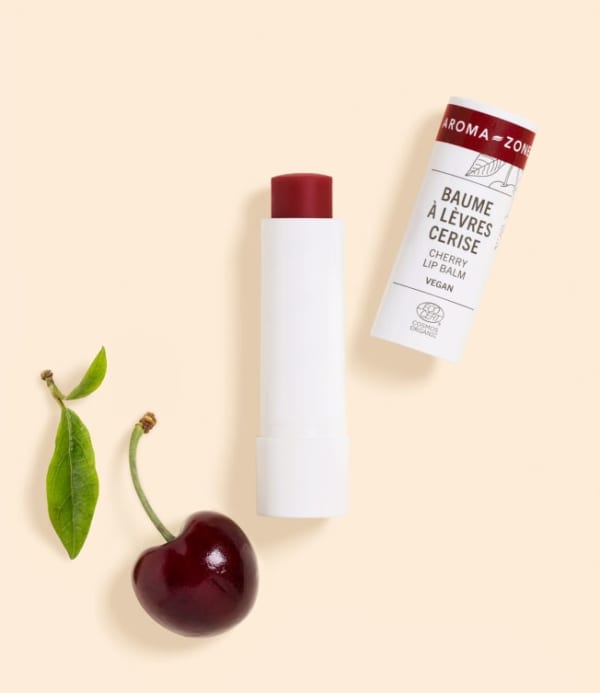
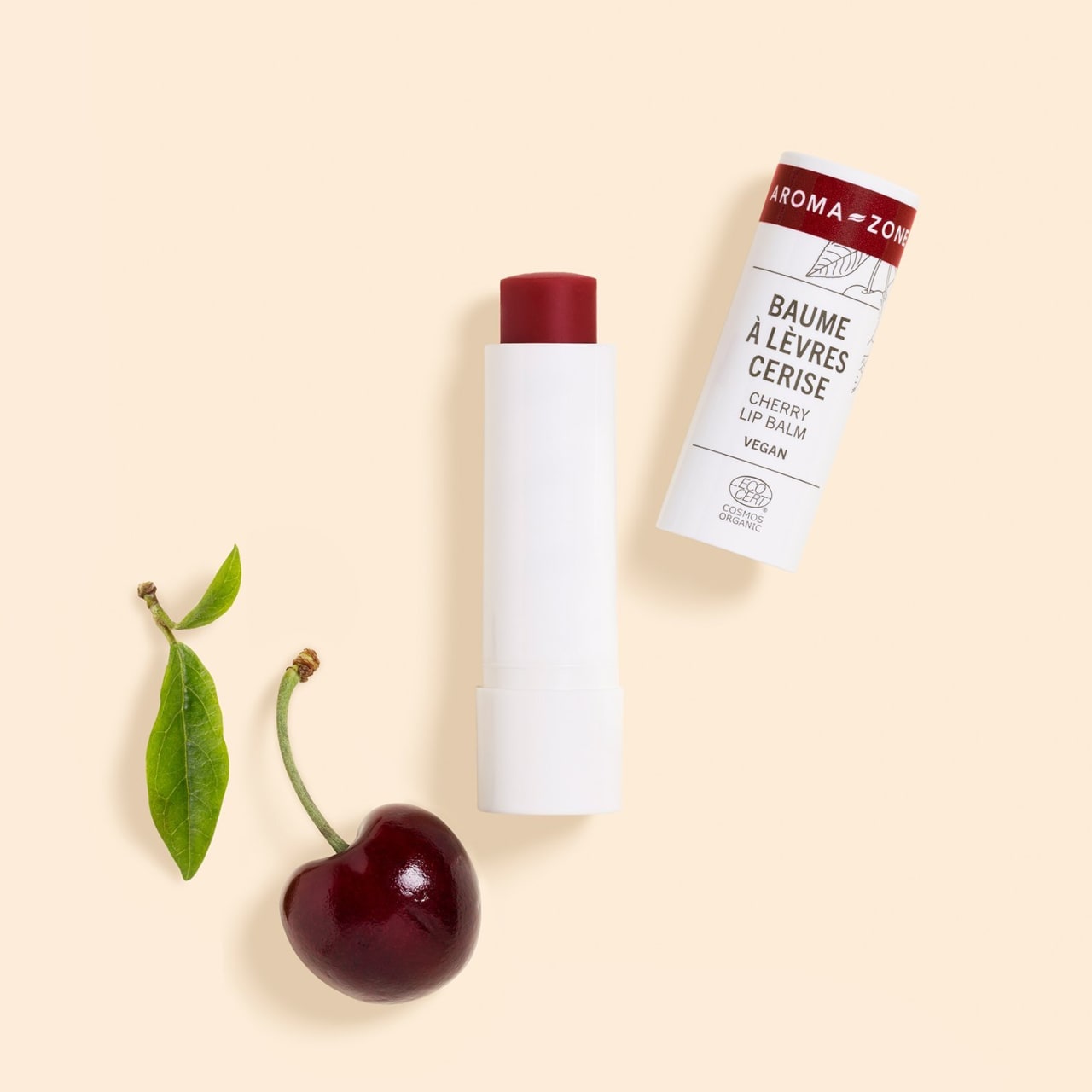
Organic Vegan Cherry Lip Balm

Organic Vegan Cherry Lip Balm: This stick, enriched with shea butter and coconut oil, intensely nourishes dry or chapped lips. Its delicious scent makes you want to apply it regularly, and the formula absorbs easily to provide comfort and suppleness. Use it as often as needed throughout the day, paying particular attention to the driest areas. Avoid direct contact with the eyes. If irritation occurs, discontinue use.

Discover the Organic Vegan Cherry Lip Balm

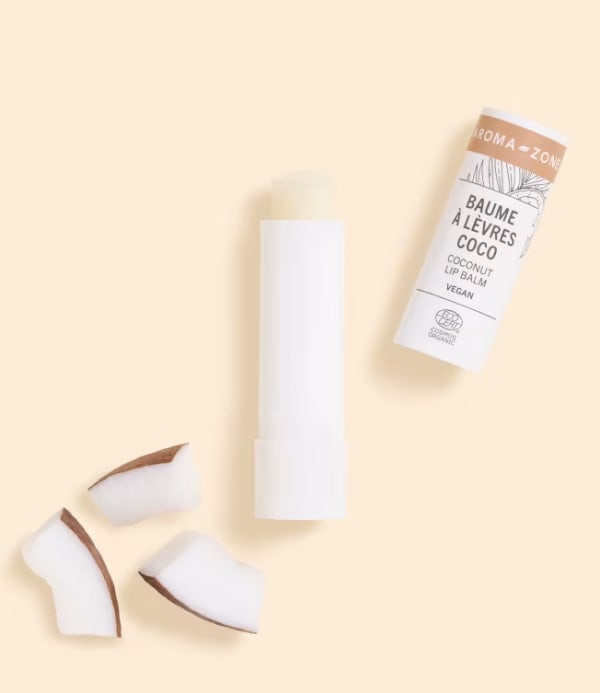
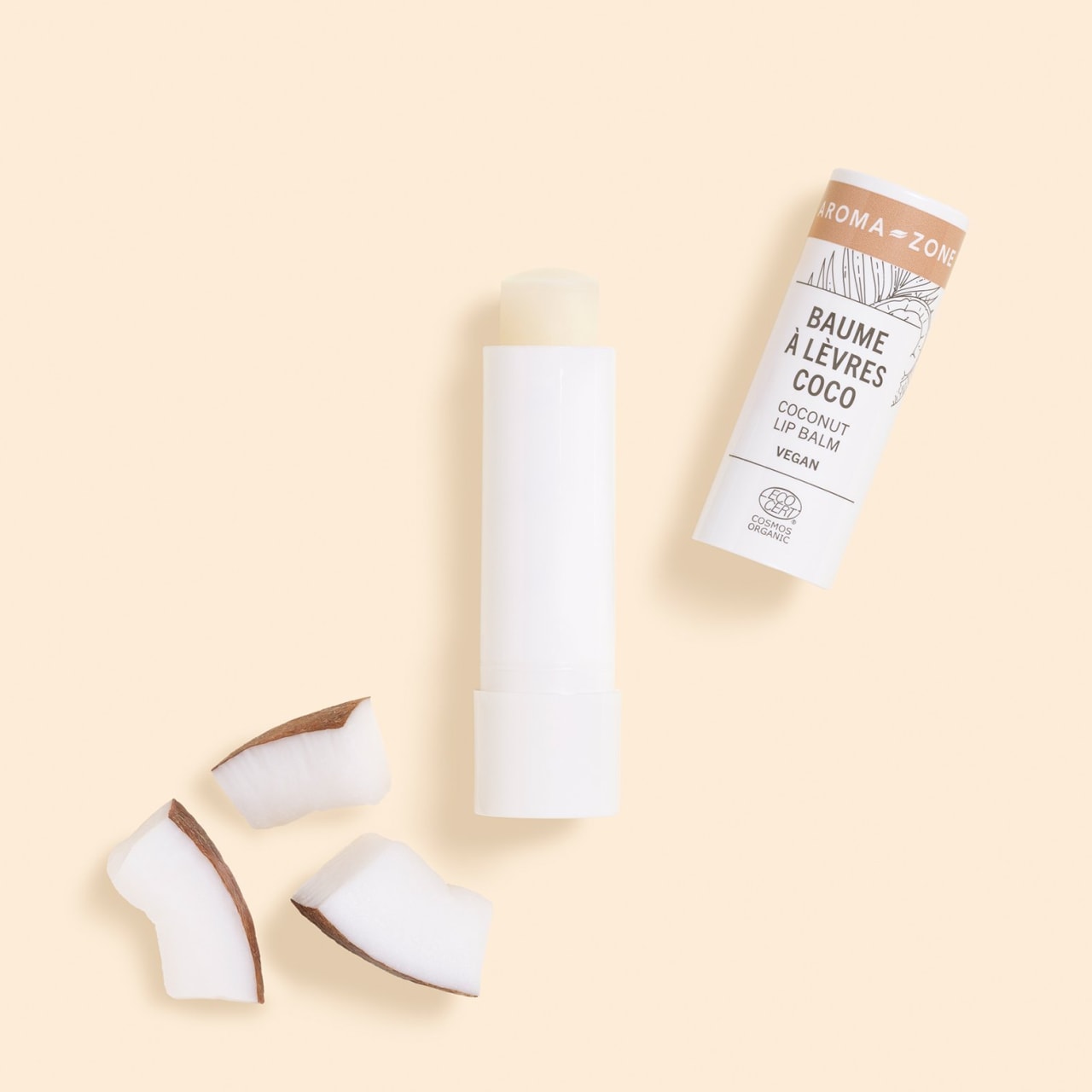
Organic Vegan Coconut Lip Balm: This lip balm combines shea butter and coconut oil to nourish, soften and protect dry or chapped lips. Its melt-in texture melts on contact with the lips, providing comfort and suppleness throughout the day. Apply as often as necessary, focusing on the driest areas. Avoid contact with the eyes and test on a small area first if you have very sensitive or irritated lips.

Discover the Organic Vegan Coconut Lip Balm

For hair care

Coconut oil is also a nourishing and protective hair care product suitable for all hair types, thanks to its ability to penetrate the hair shaft and leave hair shiny and soft. 

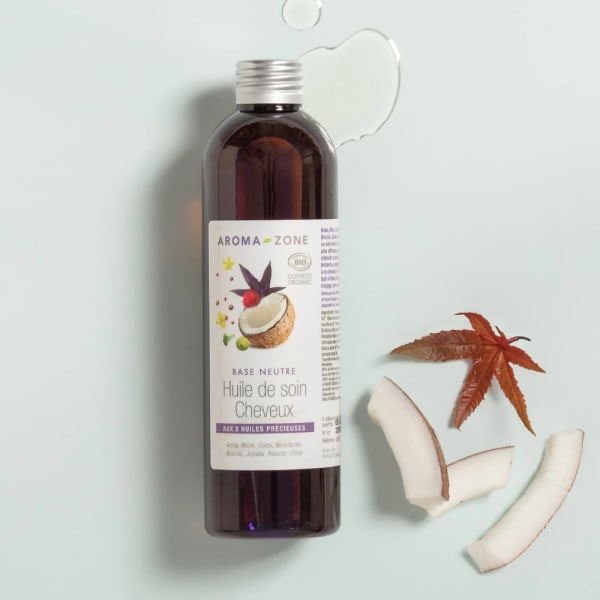
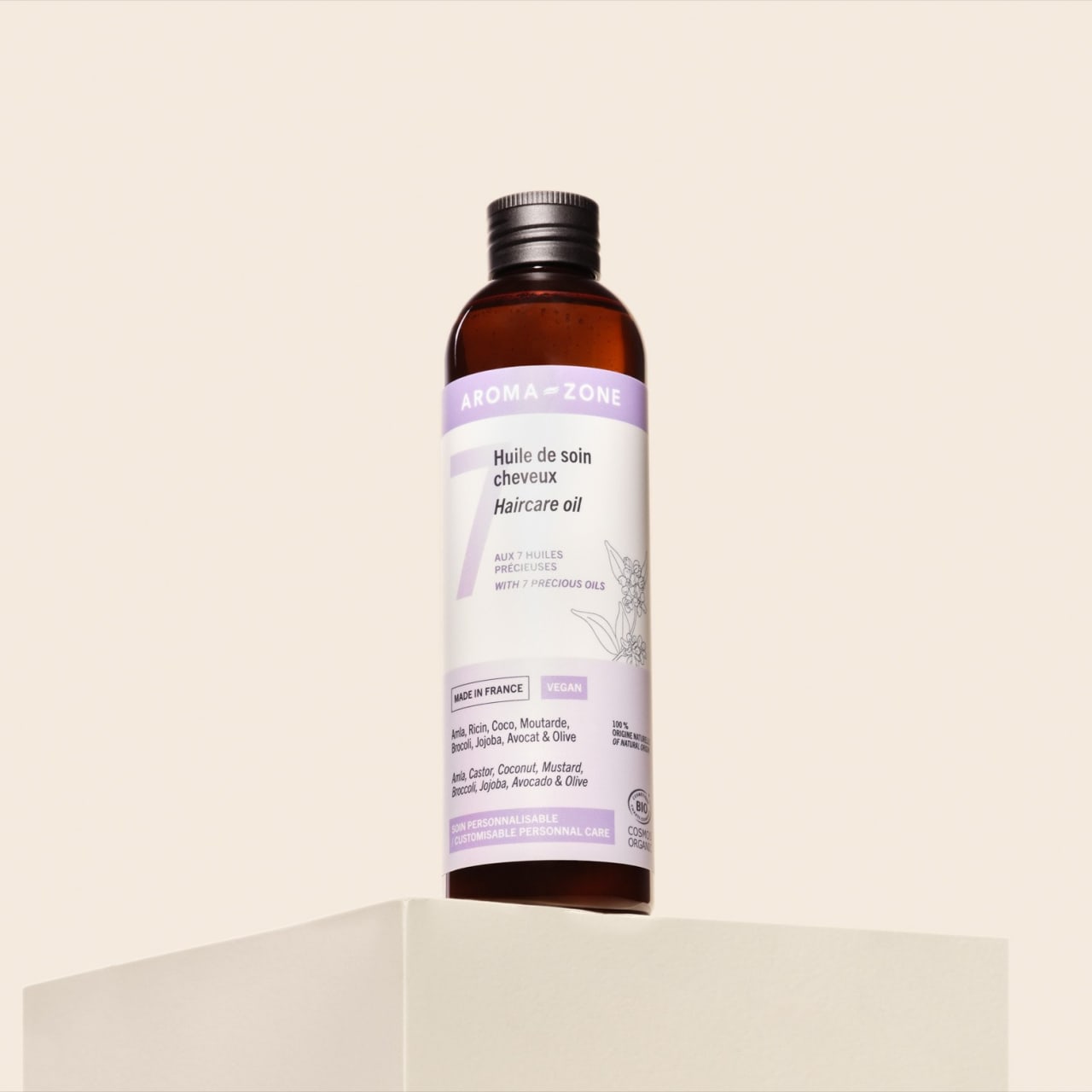
Hair Care Oil: This hair care product combines coconut oil with other plant-based oils to nourish the lengths and revitalise the ends. It can be used as an oil treatment before shampooing or as a leave-in treatment on the ends to maintain hydration throughout the day. For best results, adjust the amount according to your hair’s thickness and avoid applying directly to the scalp if your skin tends to get oily quickly.

Discover the Hair Care Oil

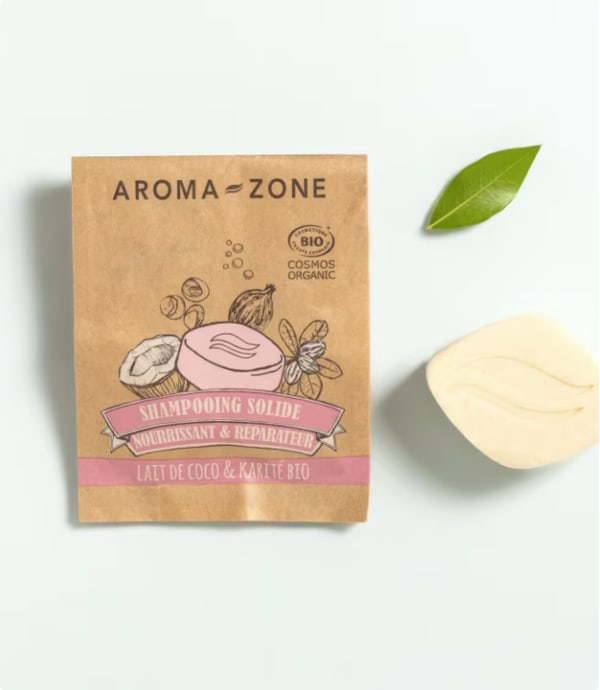
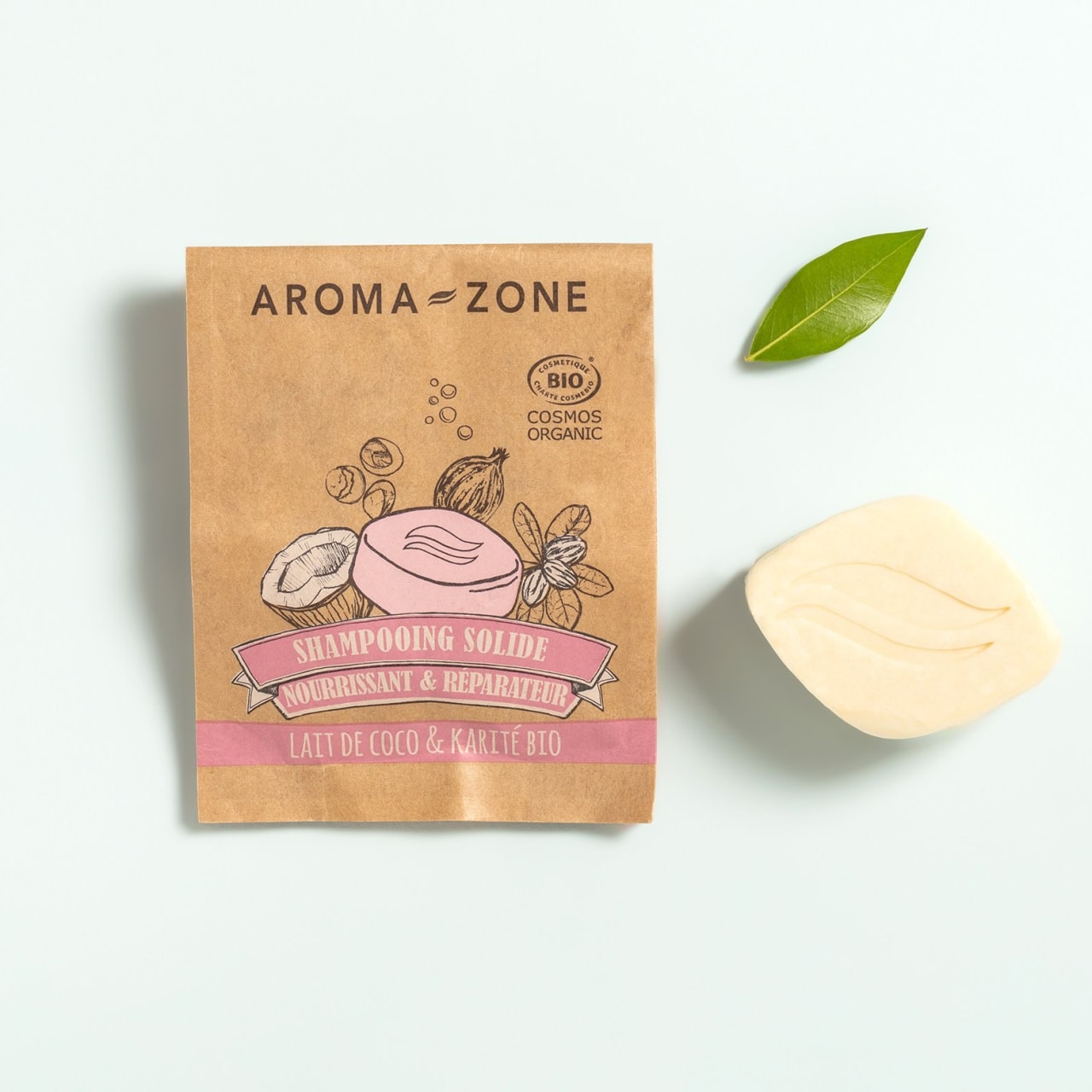
Nourishing & Repairing Solid Shampoo: This solid shampoo, enriched with coconut oil and other plant-based oils, nourishes and strengthens dry or damaged hair whilst making it softer. Use on wet hair: rub the bar directly onto the scalp and massage gently, then rinse thoroughly. For best results, adjust how often you use it according to your hair type. Avoid contact with the eyes and, if you have a sensitive or irritated scalp, test on a small area before applying to the whole scalp.

Discover the Nourishing & Repairing Solid Shampoo

Uses of coconut oil

Coconut oil is a versatile ingredient that lends itself to many daily skincare steps. It can be easily incorporated into your beauty routine, whether for moisturising, protecting, soothing or cleansing, offering simple and effective applications suited to every skin type. Discover 10 ways to use coconut oil for your face and body below:

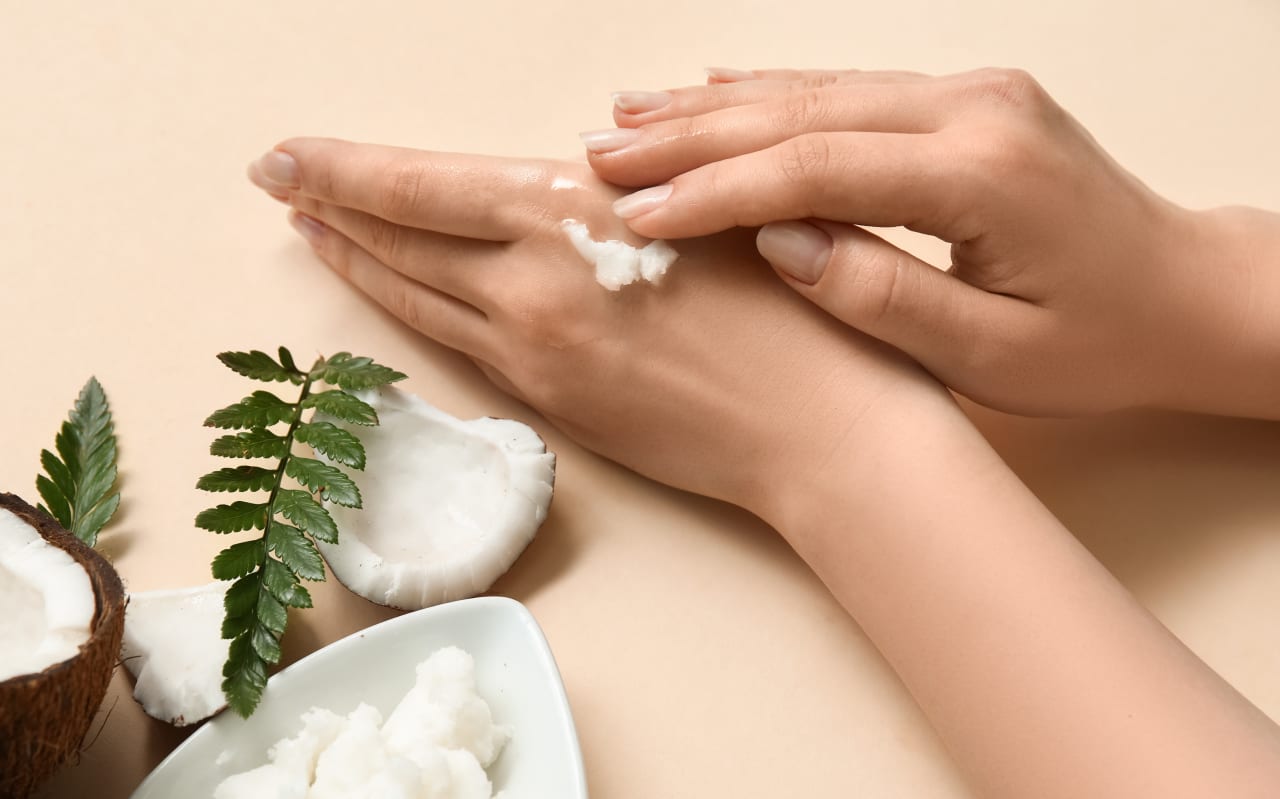
  • Body moisturiser: Apply coconut oil to slightly damp skin after a shower or bath to help it absorb and lock in moisture. Massage in circular motions, paying particular attention to dry areas such as elbows and knees for immediate and long-lasting comfort

  • Natural make-up remover: Gently massage coconut oil onto your face to dissolve make-up and impurities. For a thorough cleanse, emulsify with a little lukewarm water before rinsing. Avoid using on combination to oily skin, or use it only on the eyes or to remove waterproof make-up

  • Lip balm: Apply a small amount of oil to bare lips to moisturise and soften them. You can mix it with a little honey or beeswax to create a nourishing, homemade balm that protects against chapping

  • Cuticle treatment: Gently massage the oil into your cuticles and leave it to soak in for a few minutes before gently pushing back the cuticles. This nourishes the skin and protects the nails from drying out

  • Foot care: Apply coconut oil to clean, dry feet, paying particular attention to the heels and rough areas. For an enhanced effect, cover your feet with cotton socks and leave on overnight for soft skin when you wake up

  • Body scrub: Mix coconut oil with sugar or coffee grounds for a gentle yet effective homemade scrub. Massage into damp skin using circular movements, then rinse thoroughly. This technique nourishes and exfoliates at the same time, whilst respecting the skin’s natural balance

  • After-sun: Apply the oil to exposed areas to soothe and moisturise. You can combine it with a few drops of a soothing plant-based oil such as aloe vera or carrot oil to prolong the calming and nourishing effect

  • Care for wrinkles and fine lines: Apply a little coconut oil to your face in the evening, paying particular attention to the eye area and delicate areas. It has an emollient effect that helps maintain the skin’s suppleness, which can give the skin a smoother appearance, particularly when fine lines are caused by dehydration

  • Stretch mark care: To improve skin suppleness in the case of stretch marks, apply to at-risk areas such as the stomach, thighs or hips. Massage in circular motions until fully absorbed. The oil can be used on its own or combined with plant-based oils rich in vitamin E to enhance its regenerative properties

  • Relaxing massage: Warm the oil slightly between your hands before massaging the body or back. Slow, deep movements promote muscle relaxation whilst deeply nourishing the skin, for a pleasant sensory experience that respects the skin’s natural balance.

Don’t forget to check your tolerance to coconut oil by carrying out a skin sensitivity test before using it on a larger area of your skin. If you have combination to oily skin, avoid using coconut oil on your face, as this may further clog your pores and lead to blemishes.

How to incorporate coconut oil into your skincare routine

Beyond its uses for the face and body, coconut oil proves to be a versatile ingredient for everyday wellbeing. Its stable texture and gentleness make it a valuable ally for many simple, natural routines: 

Natural mouthwash

Coconut oil can be used for oil pulling to promote oral health and freshen your breath. Swish a teaspoon of oil around your mouth for 5 to 10 minutes, then spit it out and rinse with lukewarm water. This gentle practice helps to eliminate certain bacteria whilst maintaining the balance of your mouth.

Homemade toothpaste

It can be used as a base for natural homemade toothpastes, combined with bicarbonate of soda or white clay. The oil gives a creamy texture and helps to gently polish the teeth, whilst reducing dryness of the gums.

Gentle deodorant

It can be used in the formulation of homemade deodorants, combined with clay, bicarbonate of soda or essential oils. 

Oil treatment for the hair

Coconut oil is ideal for a oil treatment before shampooing. Apply it to the lengths and ends of your hair, leave it on for 30 minutes to several hours as required, then wash your hair. It nourishes, protects and adds shine and softness, whilst making it easier to detangle.

Recipes using coconut oil

Precautions for use

The advice provided in this article is for information purposes only. It is in no way a substitute for the expert recommendations of your dermatologist. Before using it on your face or body, always carry out a skin test on a small area to check your tolerance. On the face, coconut oil can be comedogenic on combination to oily skin or skin prone to blemishes. If this is your skin type, apply it preferably to dry areas or in conjunction with a light skincare product. Avoid applying it to irritated skin or skin with open wounds, and store the oil away from heat and light. 

Expert advice

When applied to the face, coconut oil melts naturally on contact with the skin: apply a small amount and massage gently into dry or sensitive areas. Its texture deeply nourishes and softens the skin. You can also mix it with a few drops of aloe vera gel for a lighter moisturising effect and a non-greasy finish.

Spotlight on Our Naturopathic Writer: Marine Leleux

Marine is a naturopath specialising in children's well-being and a parenting coach. With 10 years' experience in supporting families, she draws on her experience to help her community by sharing natural, caring advice.

Photo by Tijana Dmdarski on Unsplash

Bibliography

  1. Verallo-Rowell, V. M., Dillague, K. M., & Syah-Tjundawan, B. S. (2008).

    Novel antibacterial and emollient effects of coconut and virgin olive oils in adult atopic dermatitis. https://pubmed.ncbi.nlm.nih.gov/19134433/

  2. Nevin, K. G., & Rajamohan, T. (2006).

    Effect of topical application of virgin coconut oil on skin components and antioxidant status during dermal wound healing in young rats. Skin Pharmacology and Physiology. https://pubmed.ncbi.nlm.nih.gov/20523108/

  3. Madison, J. (2015).

    Miracle Coconut Oil. Marie Claire Publications.

  4. Cleveland Clinic. (29 December 2022).

    Should you use coconut oil on your skin? Health Essentials – Skin Care & Beauty. https://health.clevelandclinic.org/coconut-oil-for-skin

  5. Huvenne, S. (2017).

    Coconut oil cosmetics. Propos Bio.

Frequently Asked Questions

Frequently Asked Questions