
Tips for Caring for Your Cuticles and Enhancing the Appearance of Your Hands

Tips for Caring for Your Cuticles and Enhancing the Appearance of Your Hands


By Gipsy Dauge

Published on: Wednesday, October 25, 2023, Updated on: Wednesday, October 28, 2026

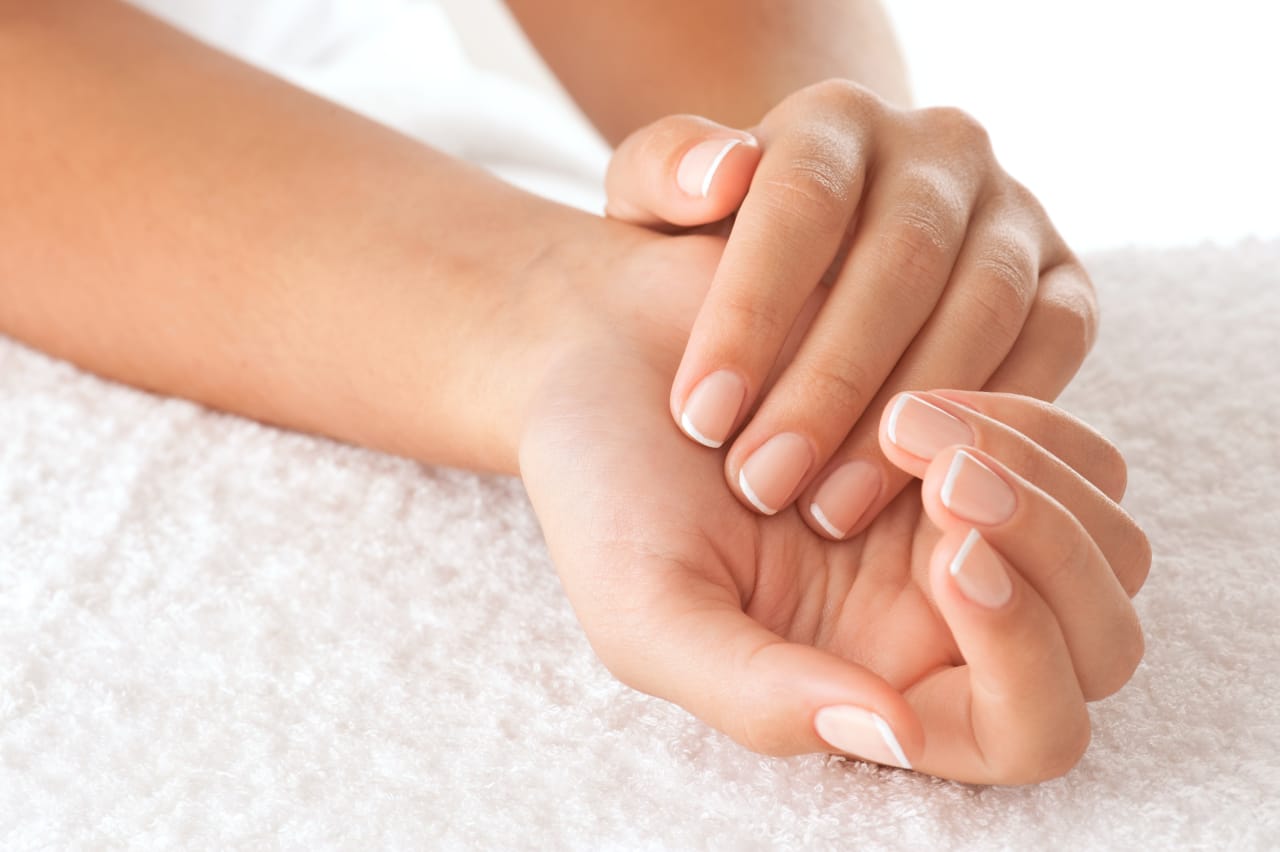
This thin layer of skin, known as the cuticle, protects the nail matrix. Looking after this natural barrier between the nail root and potential external aggressors is essential for maintaining healthy, beautiful nails. Nail technician Alison Eyeghe Minko shares her top tips for caring for your hands.

Contents

Related products

What Are Cuticles?

The cuticle is a layer of tissue whose main role is to seal the nail matrix. This layer of skin adheres to the nail plate, protecting the matrix at the root of the nail. The matrix, which is invisible to the naked eye, produces keratin and enables the nails to grow. The cuticle therefore protects the matrix and allows the nail to grow without infection or other problems.

It is worth noting that the cuticle is part of the stratum corneum. The skin, or more precisely the epidermis, consists of several layers, with the stratum corneum being the outermost layer and consisting of dead cells. When trimming the cuticle, the aim is to remove only dead tissue. Bleeding can occur if living tissue is cut.

Why Do We Need to Look After Our Cuticles to Have Beautiful Hands?

To keep your hands looking their best, your cuticles deserve special attention. This is because the cuticle is a layer of hardened skin made up of dead cells. Dead skin generally looks far from attractive. It's dry and rough. Visually, your hands won't look well-groomed. "If cuticles aren't looked after, the skin around the nail looks dry. What's more, the cuticle beneath the skin won't be exfoliated. The idea behind looking after your hands and cuticles is to remove all the dead skin or, at the very least, to push back the cuticles to achieve a neat and well-groomed appearance," explains nail technician Alison Eyeghe Minko, who works from home in the Hauts-de-Seine.

Looking after your cuticles also helps ensure a neat manicure afterwards. Indeed, if the cuticle isn’t pushed back or trimmed, it can take up a lot of space on the nail. Although this varies from person to person, the cuticle will grow over the nail and sometimes fold back over it, making it harder to apply nail varnish neatly.

How Should You Trim Your Cuticles?

The safest and most careful way to trim your cuticles is to visit a beauty salon. However, you should check that the professional in question is proficient in manicure techniques and that strict hygiene protocols are followed. “When you have your cuticles trimmed, there’s a risk of bleeding and, consequently, infection,” points out Alison Eyeghe Minko. The equipment must therefore be sterilised and disinfected after each client to avoid any risk.

A nail technician specialising in Russian manicures, such as Alison Eyeghe Minko, can trim cuticles using various methods:

  1. Using a Nail File: Diamond-tipped bits and attachments are used to remove the cuticle. This is a ‘dry manicure’, meaning that no water is used during the procedure

  2. Trimming Cuticles with Special Scissors: As with a nail file, the specialist works on the cuticle and dead skin before trimming it with scissors or cuticle nippers. This technique produces a neater result than the first method

Is It Possible to Trim Your Cuticles at Home?

It is technically possible to trim your cuticles at home. However, Alison Eyeghe Minko does not recommend doing so. If cuticles are trimmed incorrectly or with the wrong tools, you can hurt yourself and cause bleeding, as the cuticles are still skin. As a non-professional, distinguishing between dead and living skin can be very tricky. If an injury occurs while cutting your cuticles, an open wound could result, with a risk of infection beneath the nail matrix, potentially leading to a number of complications. Alison Eyeghe Minko also advises against using the small, fork-like tools sold in shops. Whatever tool you use, never pull the cuticle. Simply trim it to avoid tearing the cuticle and causing dead skin to form.

Nevertheless, there are simple daily steps you can take to look after your cuticles at home. Using a small boxwood stick, you can gently push back your cuticles. “You should avoid metal cuticle pushers, as they’re very thick and aren’t designed for this purpose,” warns Alison Eyeghe Minko. Once you have your boxwood stick to hand, you can gently push back your cuticles after a shower or washing your hands, when they are soft and supple, so that they do not take up space on the nail. If possible, this should be done every day.

How and Why Should You Moisturise Your Cuticles?

Moisturising your cuticles helps to keep them healthy. Generally, it’s recommended to apply hand cream to moisturise and nourish the whole hand, thereby reducing dry and dead skin. “I personally recommend that my clients try, especially as winter approaches, to nourish their cuticles and skin daily using a cuticle oil,” says Alison Eyeghe Minko, adding that sweet almond oil, for example, is very beneficial. The oil won’t moisturise the skin itself, but it will create a sort of waterproof barrier around the skin, thereby maintaining optimal moisture levels within the cuticle.

Why Do Cuticles Sometimes Hurt?

Sometimes cuticles can be particularly painful. This pain may be caused by a bacterial infection or by having handled them incorrectly. “If it hurts, don’t touch your cuticles any further – don’t pick at them,” advises Alison Eyeghe Minko. A consultation with a doctor is strongly recommended if the cuticle swells, turns red, or oozes.

Everyday Steps to Look After Your Cuticles

On a day-to-day basis, it’s essential to keep your cuticles healthy by making sure you stay well hydrated. Drinking enough water throughout the day is helps support their well-being. The recommended daily water intake varies depending on various factors such as weight, level of physical activity, climate, and each individual’s general health. However, a general recommendation is for adult women to drink around 2 to 2.5 litres of water a day, roughly eight 250mL glasses, and for adult men to drink 2.5 to 3 litres. Furthermore, eating a balanced diet can also contribute to healthy cuticles. The skin can reflect our diet and lifestyle more generally. At the same time, it is recommended to apply a moisturising or nourishing cream suited to your skin’s needs to help protect the epidermis.

Spotlight on Our Writer: Gipsy Dauge

Gipsy Dauge

Gipsy graduated from ESJ Paris and spent 10 years working in general and women’s magazines before specialising in health and wellbeing. Now a certified Yin Yoga teacher, she combines her passion for writing with her love of yoga. Through her articles, she aims to share simple, practical habits that support wellbeing and encourage a more mindful approach to everyday life.