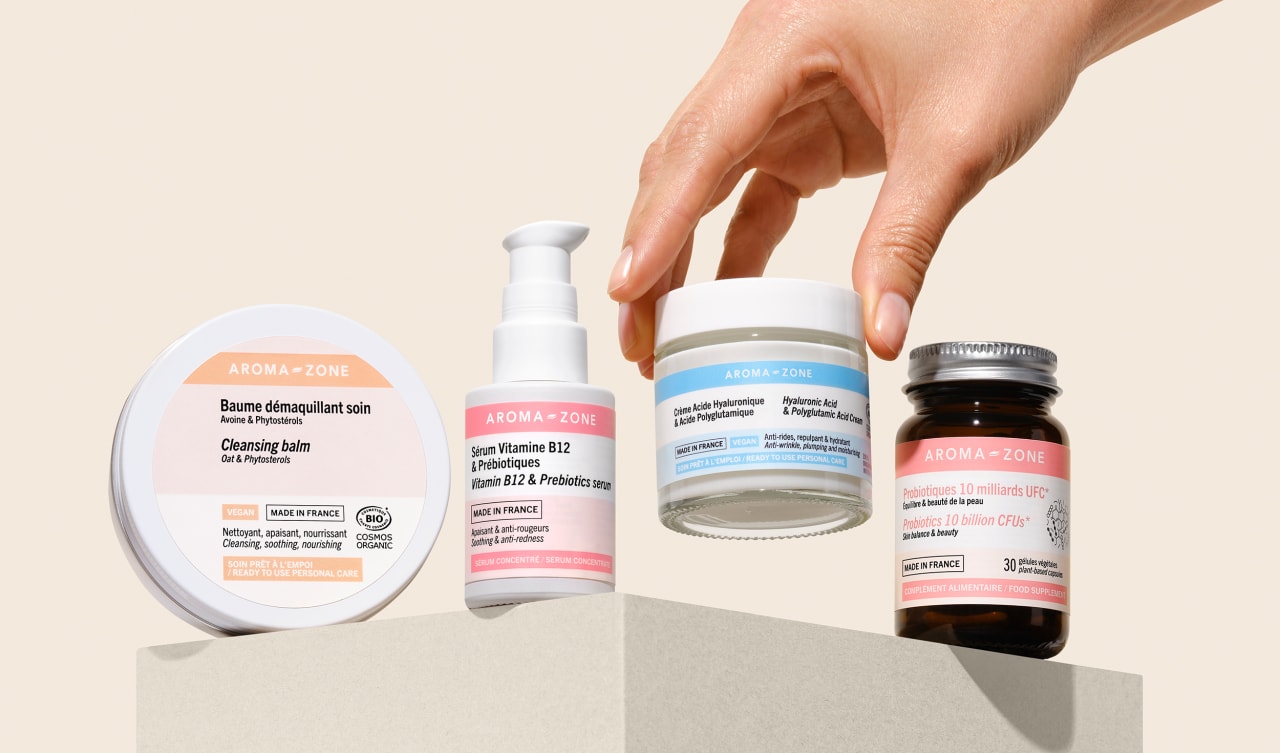
A Soothing Routine for Sensitive Skin, Recommended by Our Experts
By The Aroma-Zone editorial team
Published on: Thursday, December 05, 2024, Updated on: Friday, October 09, 2026
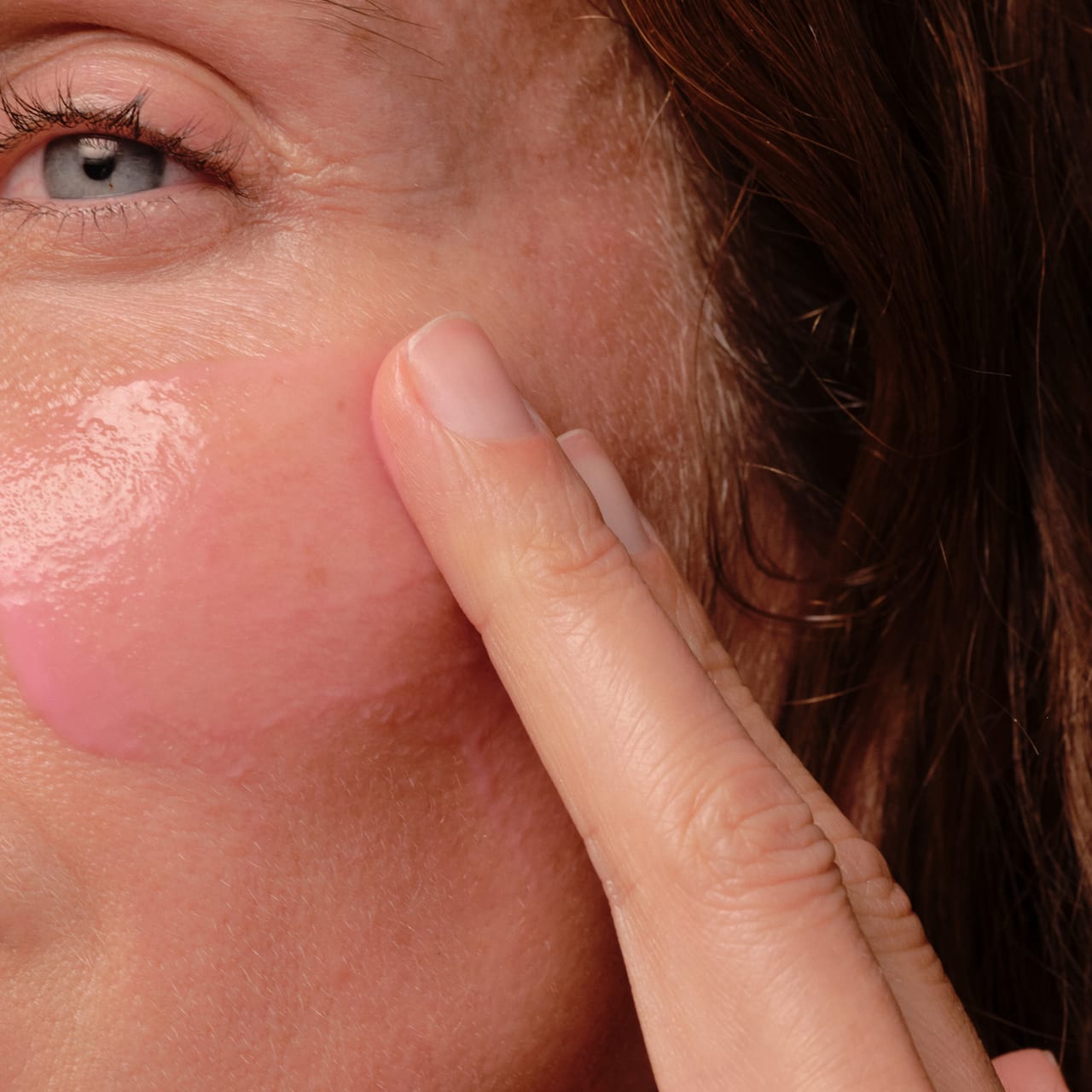
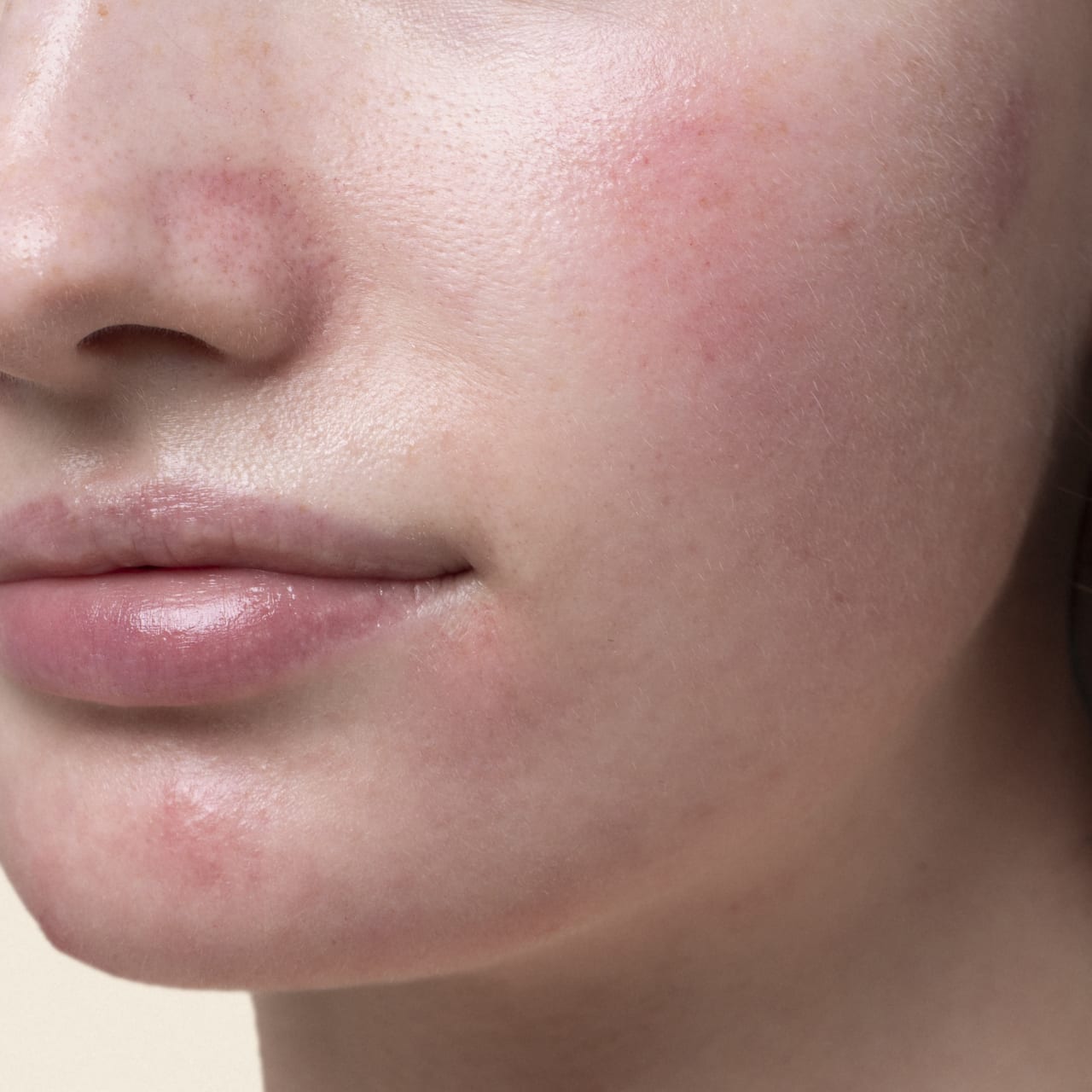
Sensitive skin has a weakened skin barrier, leading to increased water loss and excessive reactivity (redness, tightness, itching).
It therefore needs to be intensely moisturised, but also replenished with lipids and protected to limit water evaporation and strengthen its resilience.
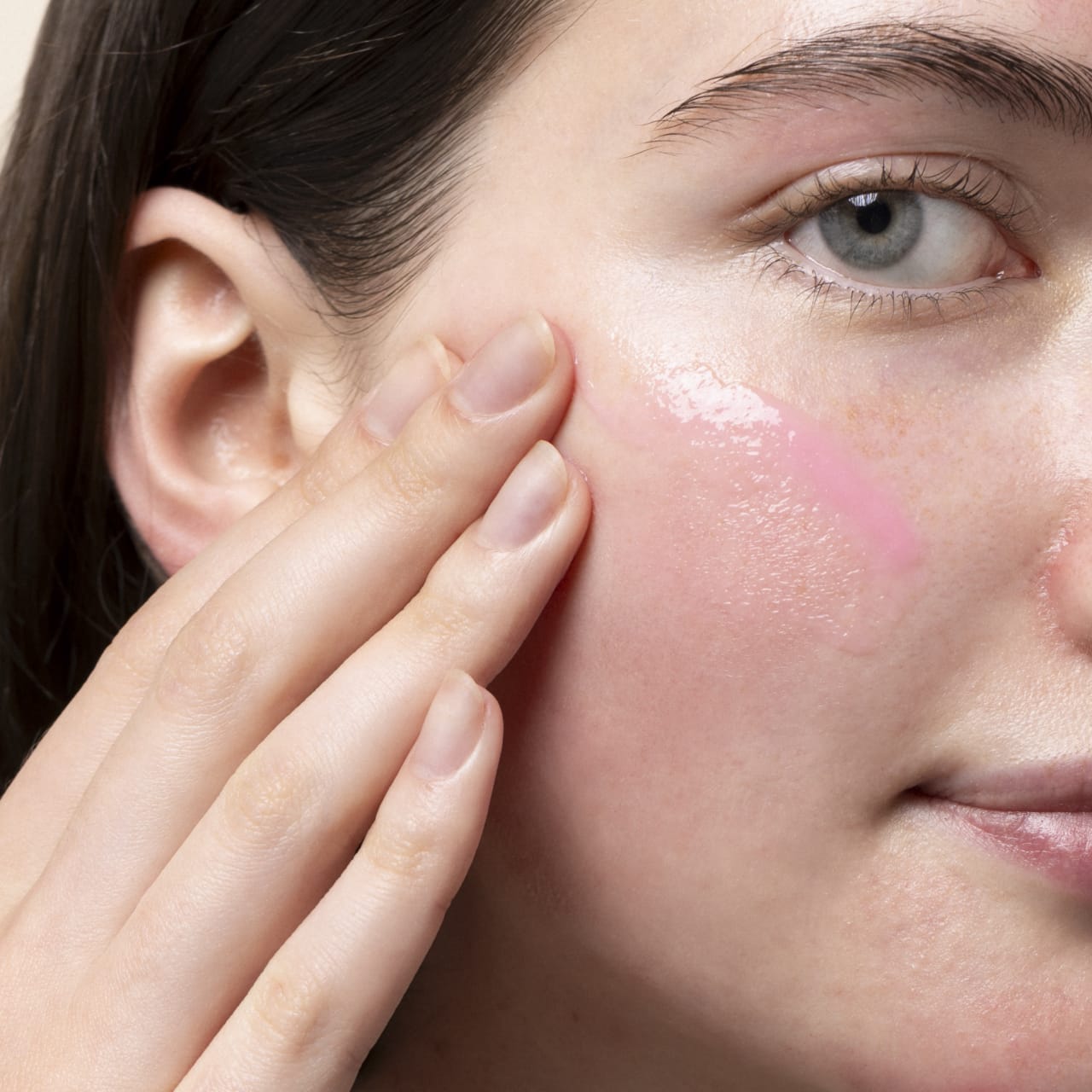
Approved by our dermatologist, this routine works on every level: it gently cleanses, soothes, deeply moisturises and restores the skin barrier to leave skin feeling more comfortable, soothed and strengthened.
Contents
Related products
Cleansing
Makeup remover
£10.00
80 ml
Soothing
Repairing
£9.00
30 ml
2 options
Plumping
Moisturising
£10.00
50 ml
£16.00
article
Soothing
Protective
£9.00
30 ml
Repairing
Nourishing
£12.00
200 ml
My 4-step routine
Step 1 – Cleansing my skin
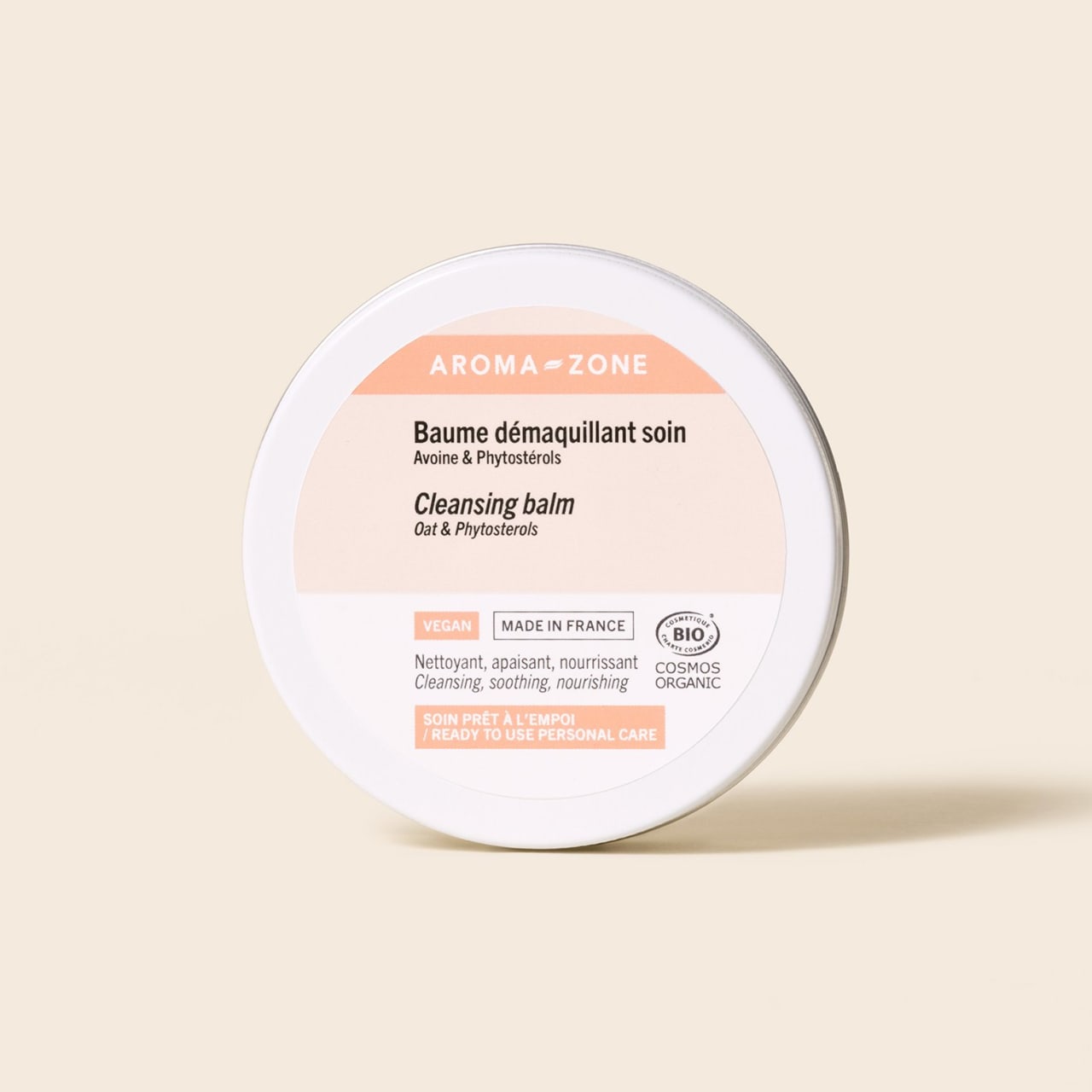
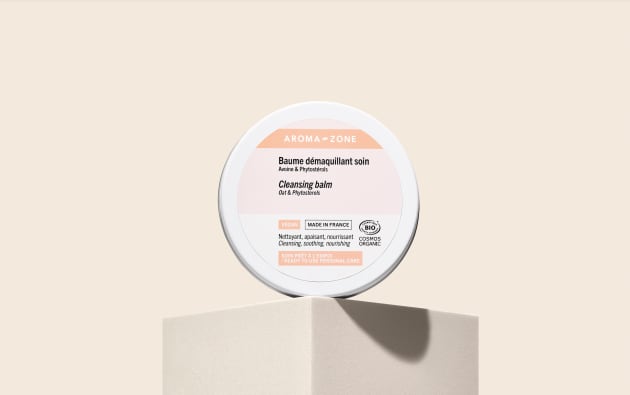
Oat & Phytosterols Make-up Remover Balm
Enriched with biomimetic active ingredients and soothing oat oil, this cleansing balm removes make-up, deeply cleanses and soothes sensitive skin prone to redness. On contact with water, its enveloping texture transforms into a milky veil to remove make-up and impurities. For skin that is perfectly clean, clear and comfortable.
Recommended use: Place a small amount of make-up remover balm in the palm of your hand and warm the product between your hands. Apply to dry skin on the face, lips and eyes, massaging gently in circular motions. Add a little water and massage again; the balm emulsifies and transforms into a milky texture.
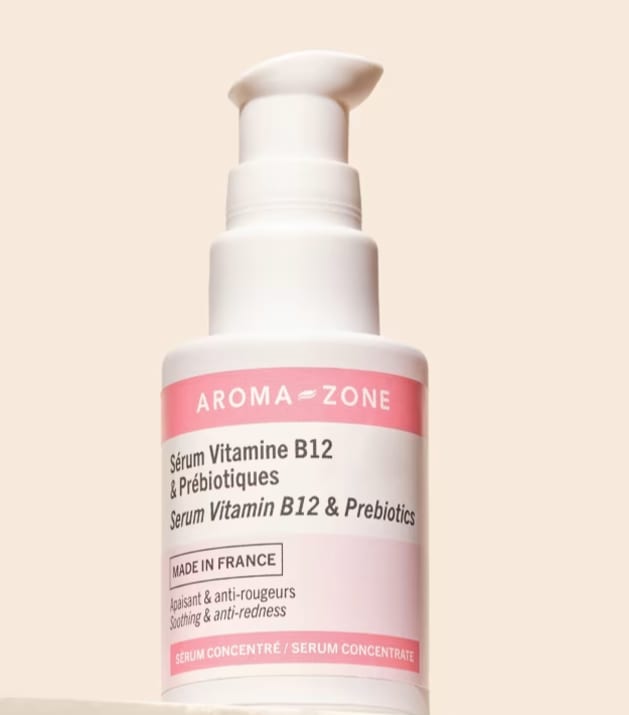
Step 2 – Identifying my skin concern
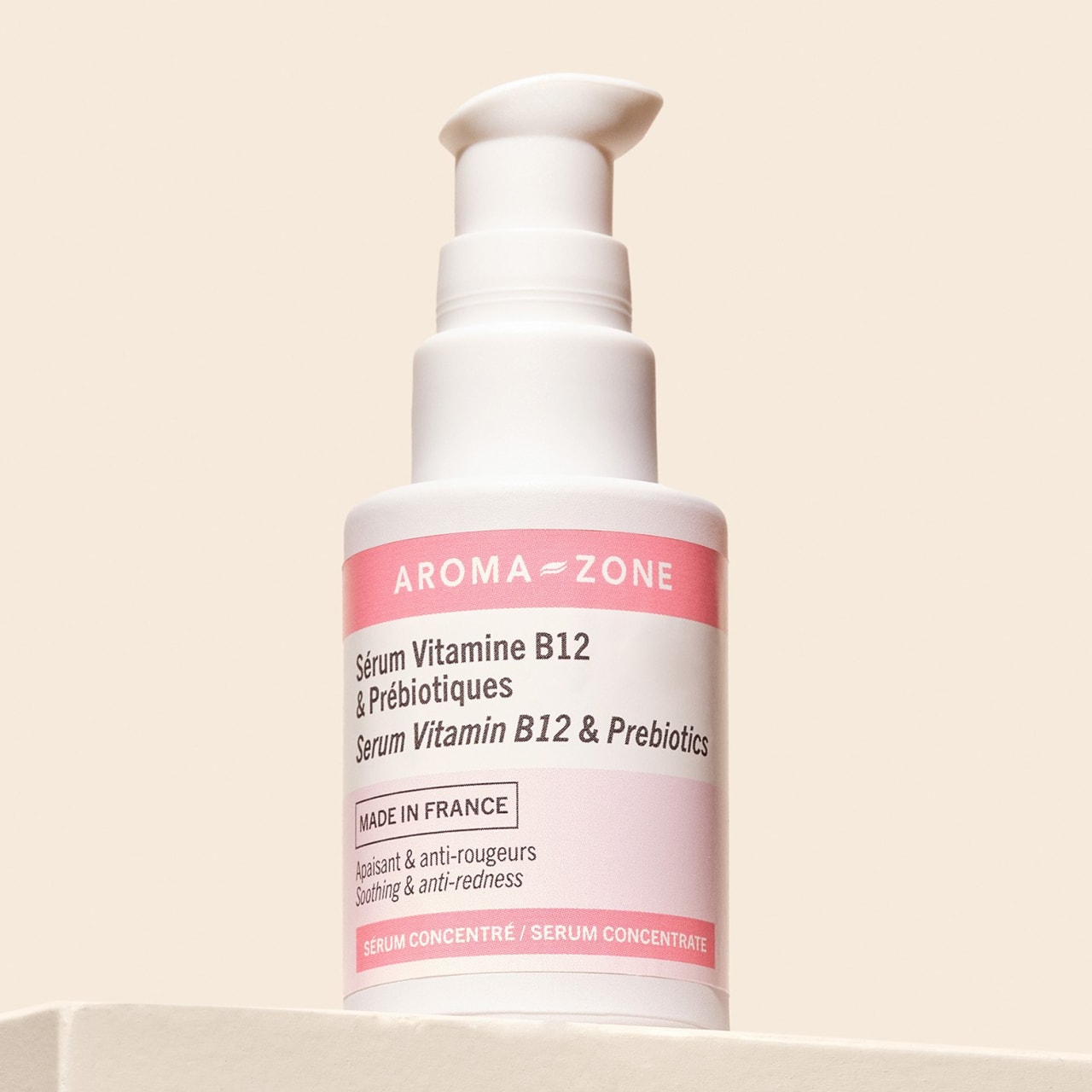
Concentrated Vitamin B12 & Prebiotics Serum
Its prebiotic complex maintains the balance of the skin’s microbiome and strengthens the skin barrier. A synergy of Vitamin B12, NP Ceramides and Barley Polypeptides with soothing, anti-redness and restorative properties targets the main concerns of sensitive, reactive and damaged skin.
Recommended use: Apply a few drops to the face and neck before your usual cream.
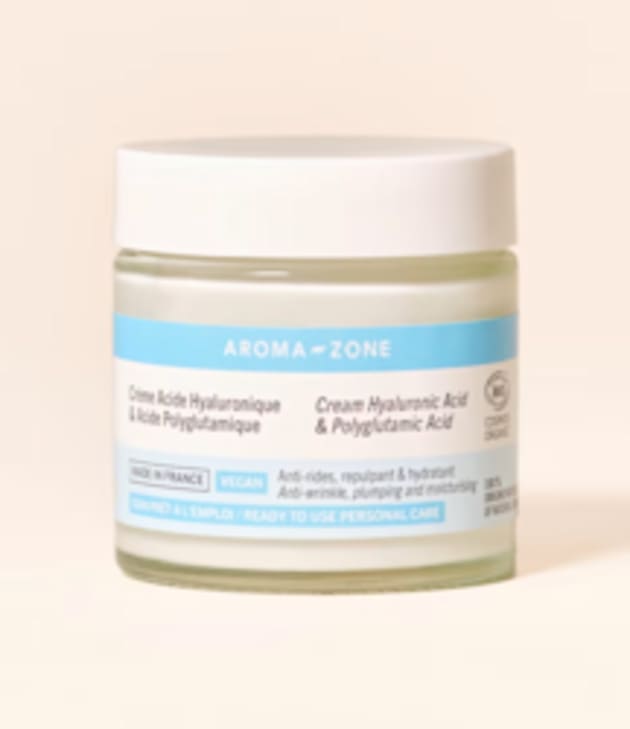
Step 3 – Moisturising my skin
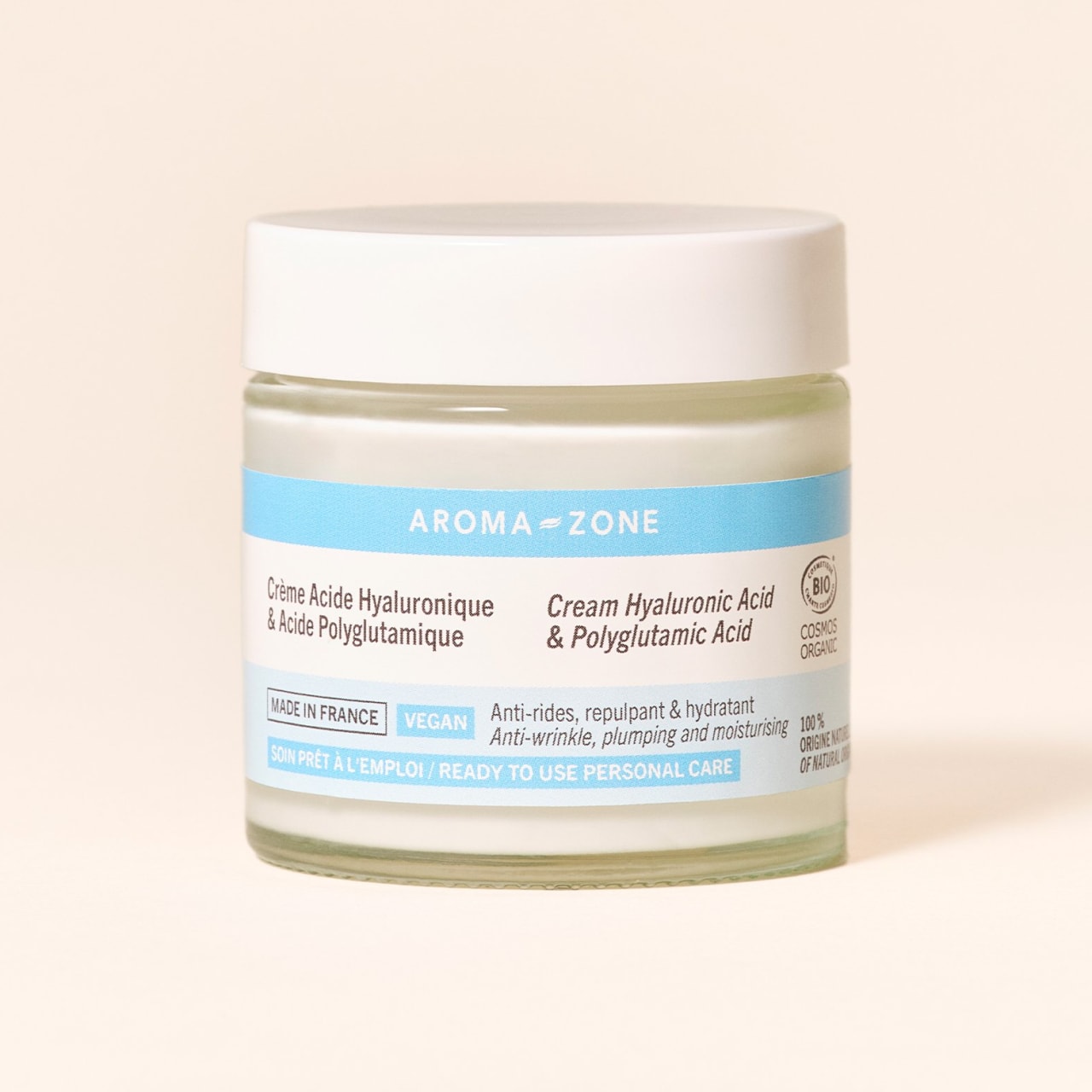
Hyaluronic Acid & Polyglutamic Acid Cream
A formula combining hyaluronic acid of various molecular weights and polyglutamic acid, capable of retaining 5,000 times its weight in water for intense hydration. Ideal for protecting the skin barrier of sensitive skin and providing long-lasting hydration.
Recommended use: morning and/or evening; apply to the entire face and neck.
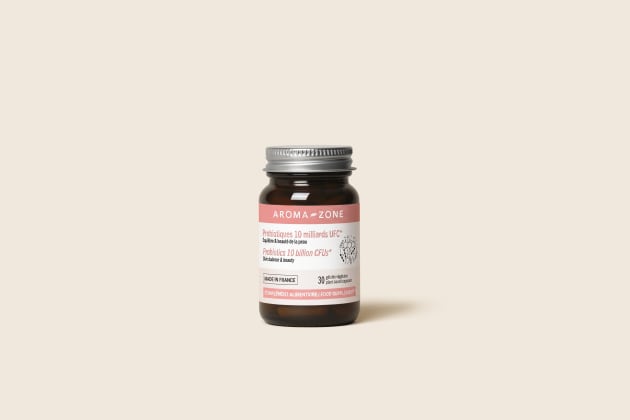
Step 4 – Taking action from within
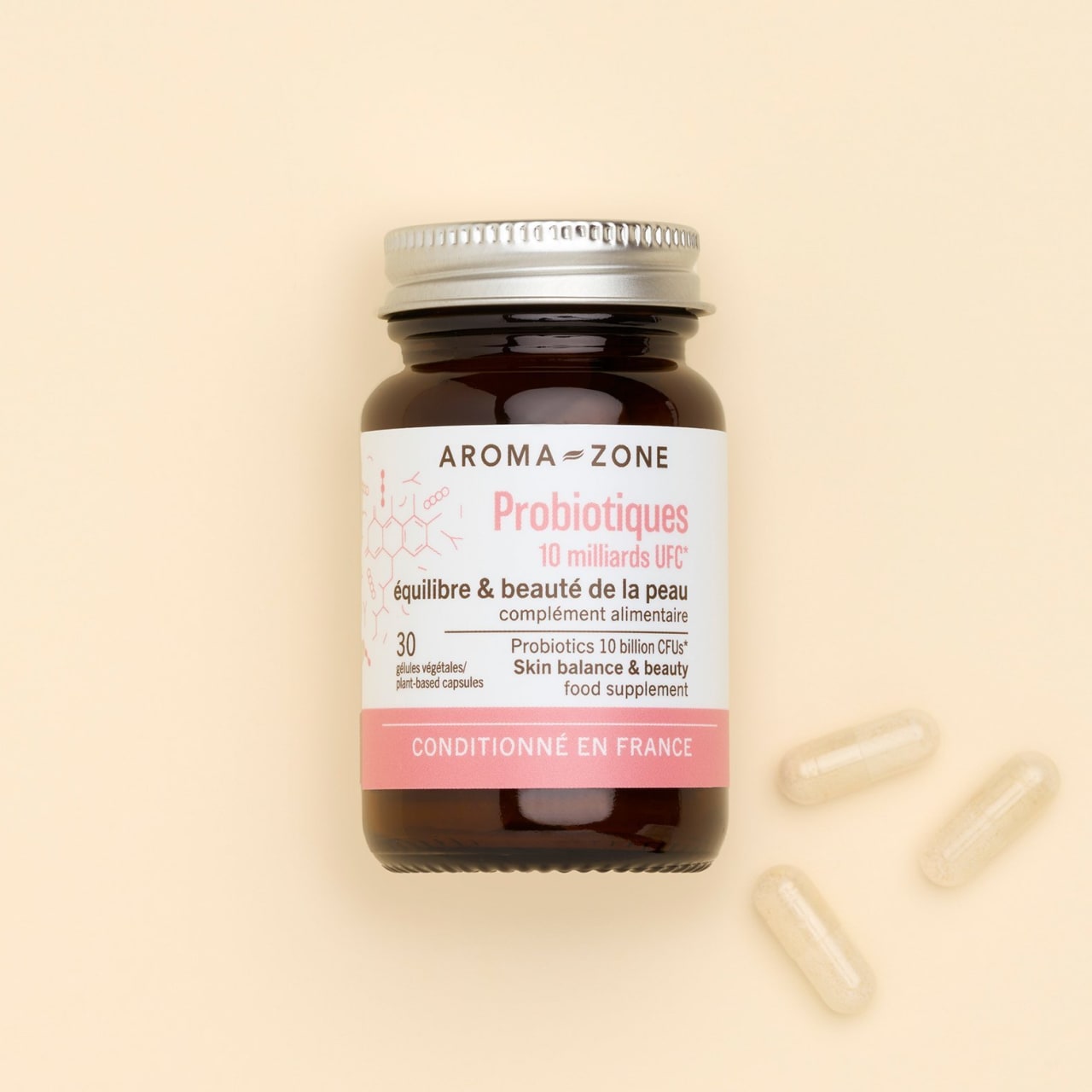
Probiotics: Skin Balance & Beauty
A formula specially developed to promote healthy skin balance. Thanks to its beneficial effects on the gut microbiota, it acts on the gut-skin axis and helps improve skin quality.
Recommended use: 1 capsule per day, to be swallowed with a glass of water.
The soothing evening boost
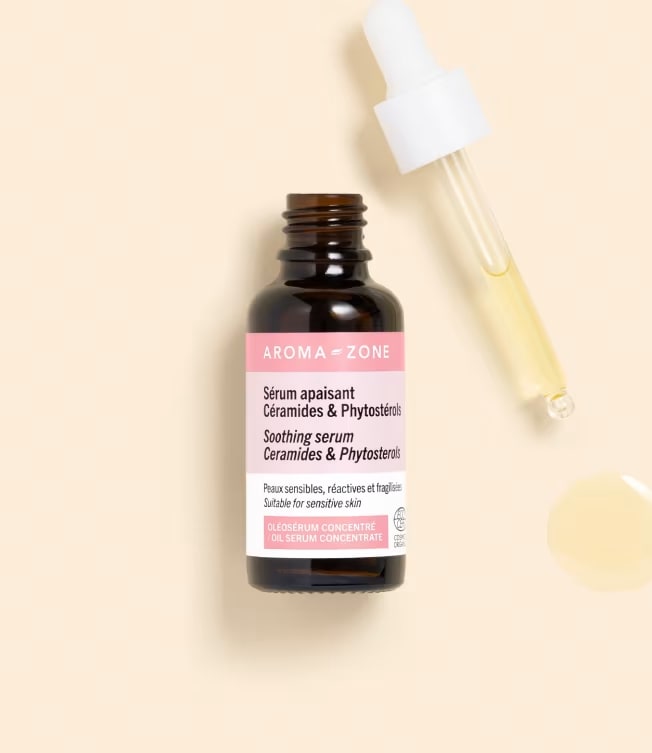
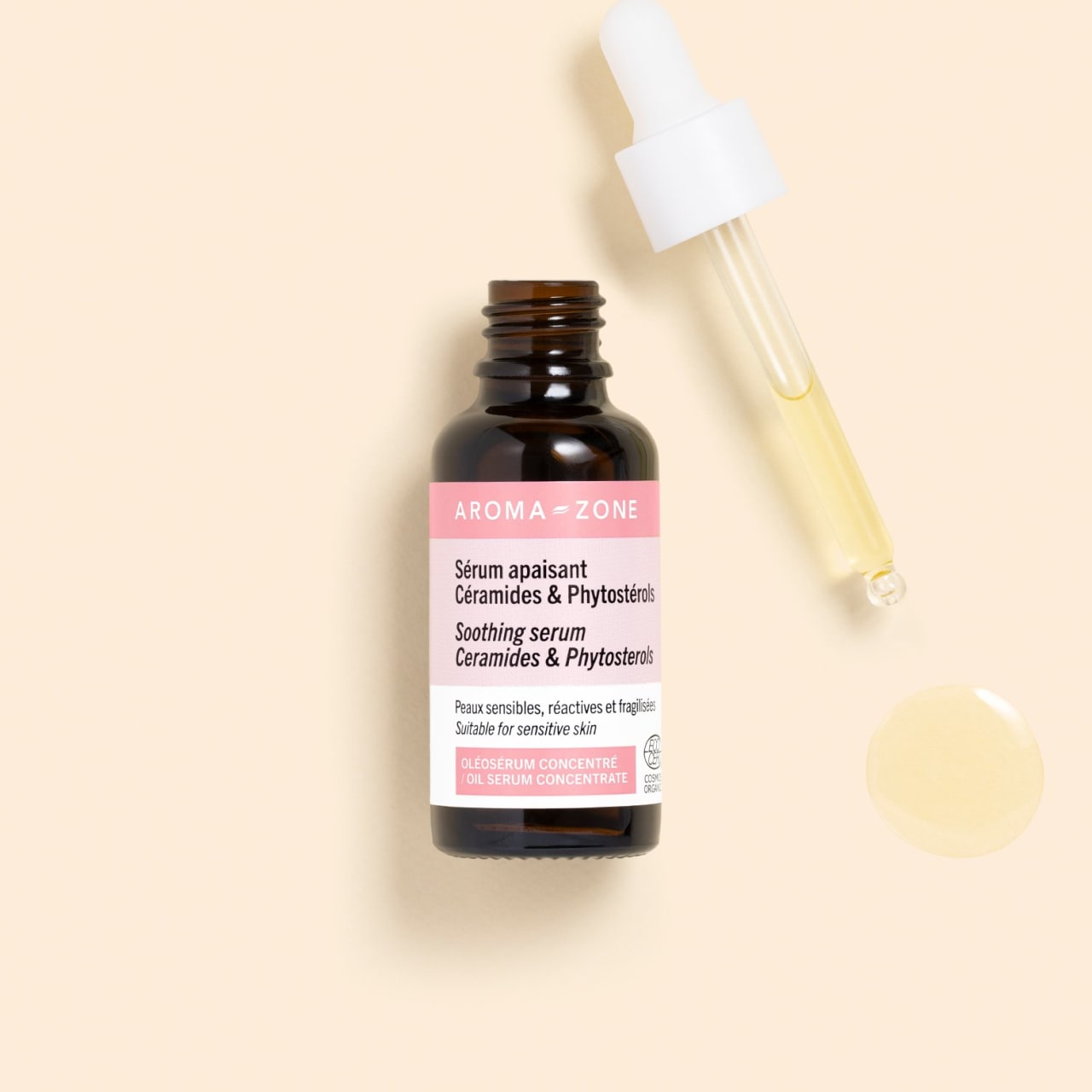
Soothing Ceramide & Phytosterol Oil Serum
The oil-based texture is ideal for use in the evening, when the skin repairs itself and absorbs lipids more effectively.
This light, silky oil, with its high-tolerance formula, has been developed to immediately soothe reactive and sensitive skin. This treatment nourishes, restores and strengthens the skin barrier whilst providing a great deal of comfort to skin prone to tightness.
Recommended use: Apply in the evening to cleansed skin, after the Vitamin B12 & Prebiotics serum. Its deeply soothing, oil-based texture leaves the skin supple and feeling very comfortable, without the need to follow up with a cream.
A word from the experts
Dr Dima HAIDAR, Dermatologist

"Prebiotics boost the presence of the ‘good microbes’ naturally found on the surface of our skin. By supporting this ecosystem, they improve the skin’s natural defences and reduce inflammation and dehydration. They are therefore particularly beneficial for sensitive, reactive, redness-prone or atopic skin. They can very easily be incorporated into your routine, in the morning and/or evening, alongside a suitable moisturiser."
Dr Valerie ESPINASSE, Micronutritionist

"Essential fatty acids (omega-3, omega-6, particularly linoleic acid) are components of cell membranes and play a role in the formation of the hydrolipidic film. They contribute to the suppleness and cohesion of the skin barrier, helping to prevent dryness and dehydration."
Emilie Ondet, Naturopath and Engineer specialising in biochemistry and natural active ingredients

Adopting an anti-inflammatory diet: “Diet is a key factor in supporting skin health and providing relief for atopic skin. It has been established that a diet rich in plant-based foods, fibre, probiotics (yoghurts, fermented drinks and foods), omega-3, antioxidants and protein preserves the integrity of the gut barrier and, consequently, the skin’s barrier function. The Mediterranean diet has been the most extensively studied in this regard. Conversely, pro-inflammatory diets, based on ultra-processed foods, saturated fats and refined sugars, weaken the gut barrier, promoting systemic inflammation which in turn weakens the skin microbiome."
Precautions for use
References