Our top-rated skincare products for redness and irritation

Our top-rated skincare products for redness and irritation


By Lou Dumas

Published on: Friday, October 24, 2025, Updated on: Friday, October 09, 2026

When the skin becomes red, sensitive or prone to a stinging sensation, the discomfort isn’t just visual – it should also serve as a warning sign. Persistent redness, reactions to cosmetic products or a sensation of heat may indicate that the skin barrier has been compromised. In this context, how can you choose skincare products that soothe without causing further irritation, restore this barrier function and minimise recurrence? In this article, we explore the root causes of redness as well as cosmetic and nutritional approaches to combating irritation. Finally, we present our selection of top-rated skincare products, backed by expert commentary and feedback from the community.

Contents

Related products

In brief

Redness, irritation, tight skin… There can be many causes: dryness, rosacea, an imbalance in the skin microbiome, oxidative stress. This article explains the dermatological and nutritional mechanisms behind these issues and presents a selection of expert skincare products from Aroma-Zone: from hydrosols to soothing serums, and from ceramides to restorative probiotics. These are all natural solutions and active ingredients that have been validated and combined by our specialists.

Why does my skin flush easily?

Before choosing a skincare product, it is essential to understand why the skin is reacting. Sudden redness, a burning sensation or tingling often indicate a deeper imbalance linked to the skin barrier, the microbiome or microcirculation.

A weakened skin barrier: a loss of lipids, increased permeability, or a deficiency in ceramides or essential fatty acids can leave the skin more vulnerable to external aggressors (pollution, UV rays, heat). A 2024 review, for example, highlights the importance of restoring the skin barrier in the management of rosacea by supplying lipids and ceramides and avoiding irritants (1).

Low-grade inflammation or local immune activation: the release of pro-inflammatory mediators, vasodilation and nerve sensitisation sustain inflammatory responses in the skin.

Dysbiosis of the skin microbiota: when the balance between protective and pathogenic microorganisms is disrupted, the skin loses some of its natural defences. This disruption promotes the proliferation of opportunistic bacteria and amplifies reactions and sensations of heat (2).

Internal disturbances : oxidative stress, nutritional deficiencies, insufficient intake of omega-3s or certain other micronutrients, and disorders of the gut-skin axis are all internal factors that further compromise the skin’s resilience.

Triggering factors: exposure to the sun (UV), temperature fluctuations, wind, heat, the consumption of spicy foods and alcohol, and the use of harsh cosmetics can all exacerbate skin reactivity and trigger redness or a sensation of heat. 

Vascular sensitivity: in cases of couperose and/or rosacea, the dilation of blood vessels, combined with a compromised barrier function, plays a key role (3): the skin becomes highly reactive, sometimes even to stimuli that are normally well tolerated.

In many cases, these mechanisms are intertwined: a weakened barrier promotes inflammation, which in turn disrupts the microbiome and exacerbates skin reactivity. This is why a holistic approach remains the most effective way to provide long-lasting relief for skin prone to redness or irritation.
Which skincare products can soothe, protect and strengthen without causing irritation?

When choosing a soothing skincare product, it’s worth scrutinising it closely: its formulation, texture, active ingredients and application technique. This analysis guide helps you develop the right habits to soothe, protect and strengthen your skin without overloading or irritating it.

Key principles

Things to bear in mind

Don’t overcomplicate your routine

Less is more: each product should serve a clearly useful purpose.


Opt for very gentle formulations

Free from strong fragrances, alcohol, harsh sulphates, menthol or camphor… All of these ingredients are likely to trigger a reaction on sensitive skin.

Opt for soothing and restorative active ingredients

Ceramides, phospholipids, phytosterols, niacinamide, bisabolol, aloe vera, peptides, polysaccharides… A systematic review from 2023 notes that these natural active ingredients help to reduce redness and restore the skin barrier (4).

Incorporate ingredients beneficial to the microbiome

Prebiotics, probiotics and postbiotics strengthen the skin’s tolerance and resistance to external aggressors (2).

Opt for lipid-replenishing textures

Balms and light oils are ideal textures for dry or stressed skin, whilst taking care to avoid an overly occlusive effect on very inflamed skin.

Take your Skin Silence routine a step further to give your skin three days’ rest.

Redness and irritation: our 10 top-rated skincare products

Once the foundations for balanced skin have been laid, it’s time to turn to the skincare products that support your skin day to day. Discover here the list of products for which we’ve received the most positive feedback, tested by our experts and approved for sensitive skin prone to redness and irritation. Each product has been highly praised for its gentle formula and its ability to restore comfort to sensitive skin.

Note for reactive skin: before applying, carry out a patch test on a small area of skin (e.g. the nape of the neck) and monitor for 48 hours before wider or repeated use.

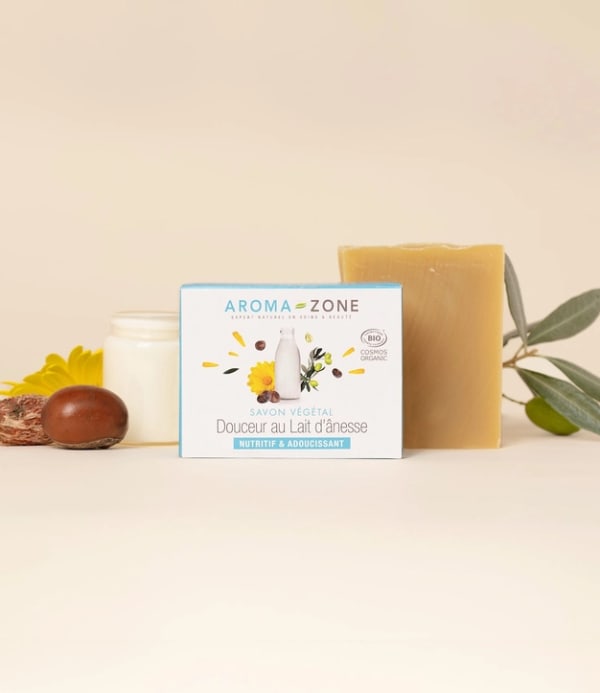
Gentle organic donkey milk soap – plant-based & SAF

Gentle organic donkey milk vegetable soap : an ultra-gentle cleansing bar suitable for sensitive skin. Enriched with 40% fresh donkey’s milk, shea butter and organic calendula and avocado oils, with soothing and softening properties, this soap is a soothing balm crafted by a passionate couple in Corrèze, with the utmost respect for animal welfare.

Discover the Gentle Organic Donkey’s Milk Vegetable Soap

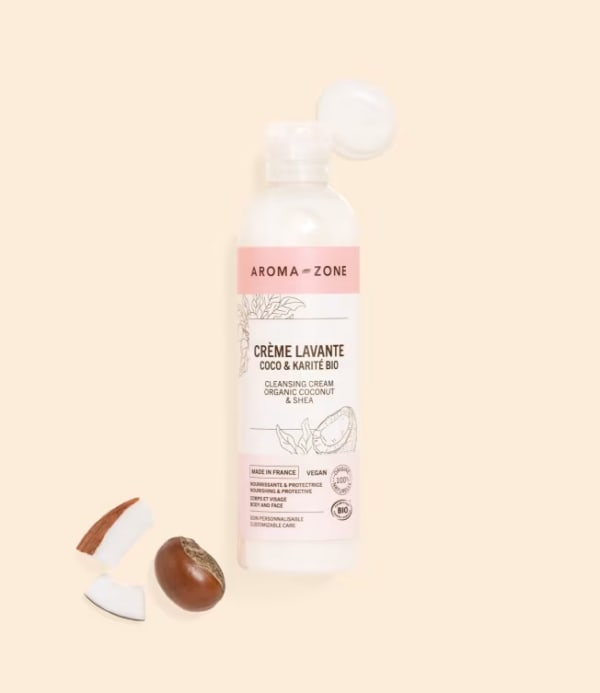
Coconut & Shea Cleansing Cream

Coconut and Shea Cleansing Cream: this creamy, 100% natural formula combines lipid-replenishing shea butter, nourishing coconut oil and soothing aloe vera to leave skin perfectly cleansed, soft, supple and moisturised. Fragrance-free, this cleansing product respects the skin’s natural pH balance and is suitable for all skin types from the age of 3.

Discover the Coconut and Shea Butter Cleansing Cream

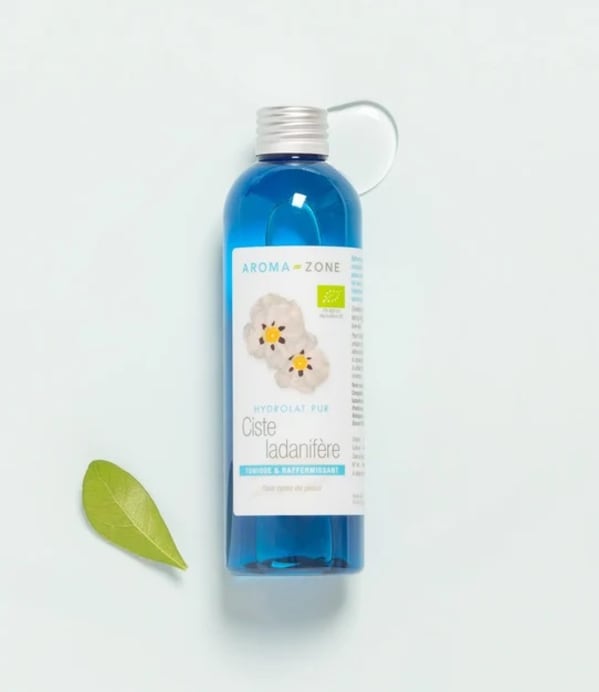
Organic Cistus ladaniferus Hydrosol.jpg

Organic Cistus ladaniferus Hydrosol : with its soothing and astringent properties, this hydrosol is ideal for use as a compress or spray after cleansing skin prone to redness. Store in the fridge once opened.

Discover the Organic Cistus ladaniferus Hydrosol

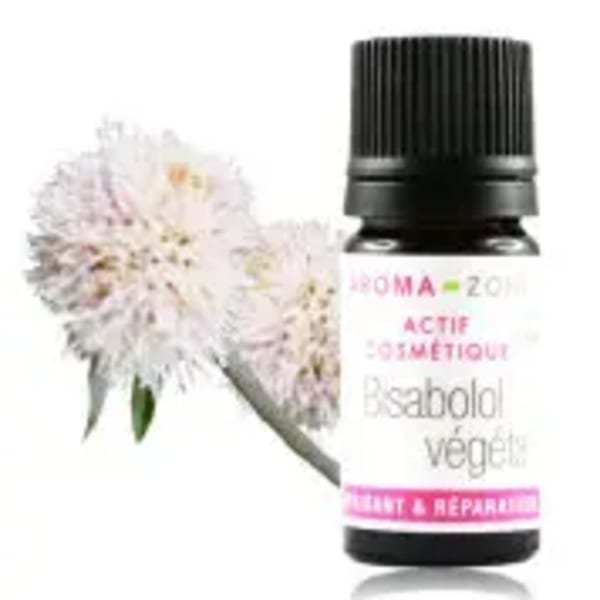
Organic Bisabolol Active Ingredient: found naturally in several plants, including chamomile, alpha-bisabolol is known as a powerful soothing active ingredient, highly effective even at low doses. It is an excellent choice for the care of sensitive and uncomfortable skin. It can be incorporated into your balms, oils and creams. Dosage: 0.05 to 0.5 per cent of the total weight of these oil-based preparations.

Discover the Organic Bisabolol Active Ingredient

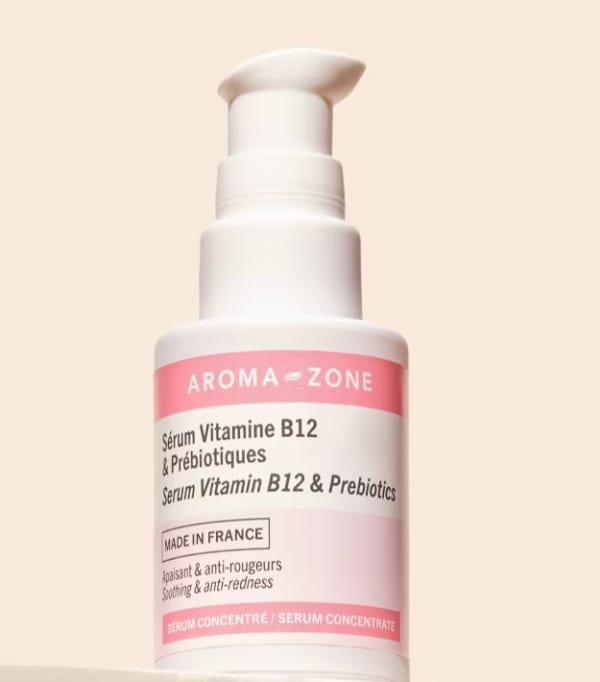
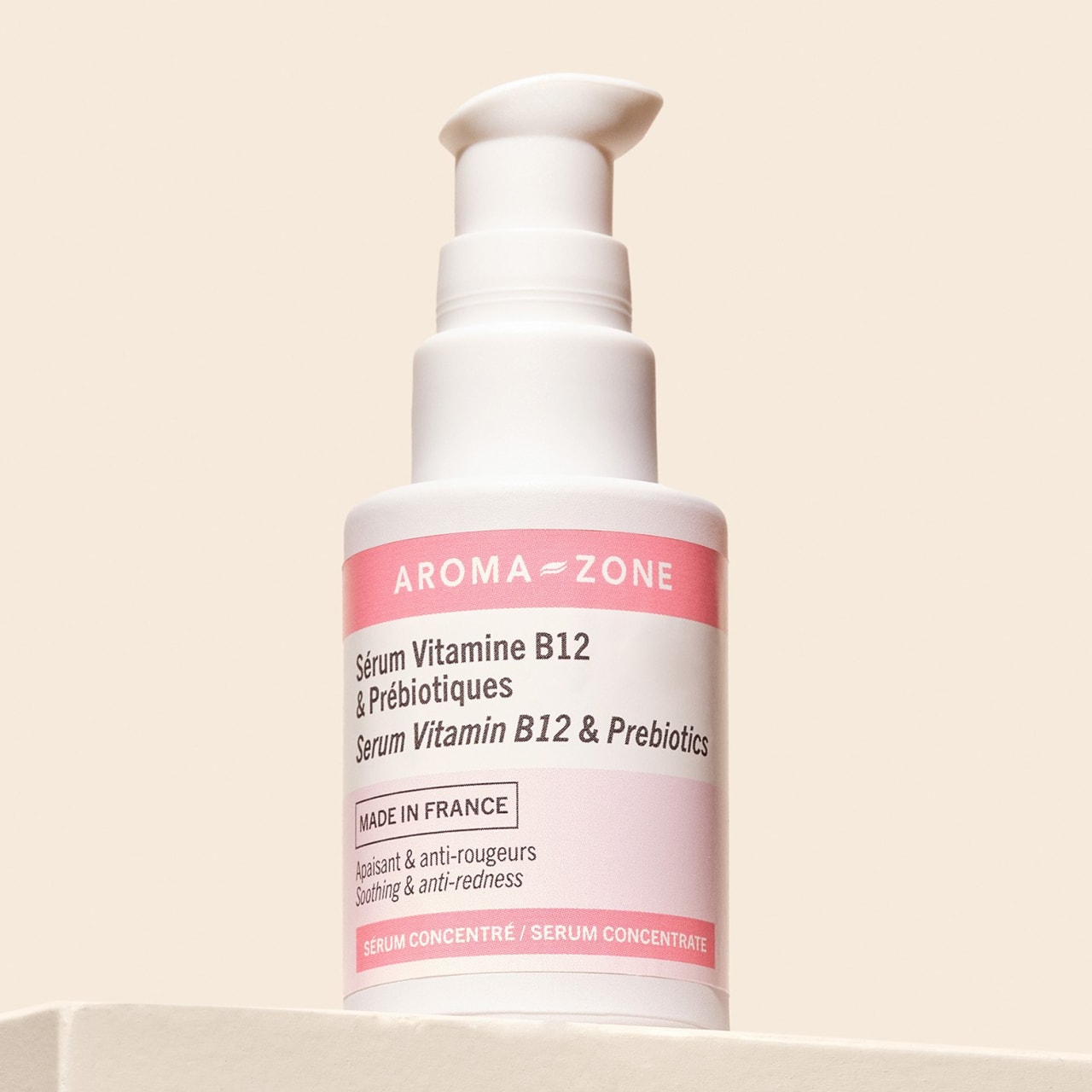
Concentrated Vitamin B12 & Prebiotics Serum : its proven effectiveness immediately reduces all signs of discomfort (redness, tightness, itching) and restores the skin barrier, whilst being highly tolerable on sensitive skin.

Discover the Vitamin B12 & Prebiotics Concentrated Serum

image

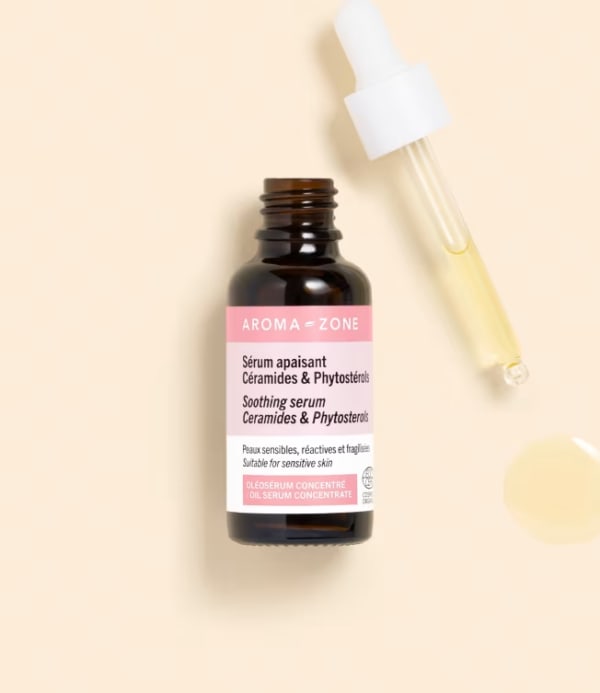
Soothing Ceramide & Phytosterol Oil Serum : a nourishing treatment for reactive skin, this silky-textured oil serum – with a formula that is also very well tolerated – immediately soothes, reduces redness, restores and strengthens the skin barrier, whilst relieving itching. 

Discover the Soothing Ceramide & Phytosterol Oil Serum

az 22072025 az packshot serum nia 1325

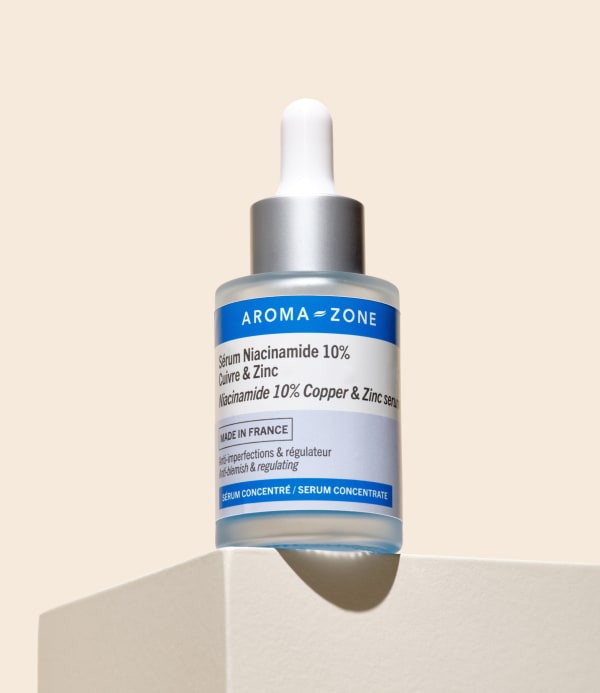
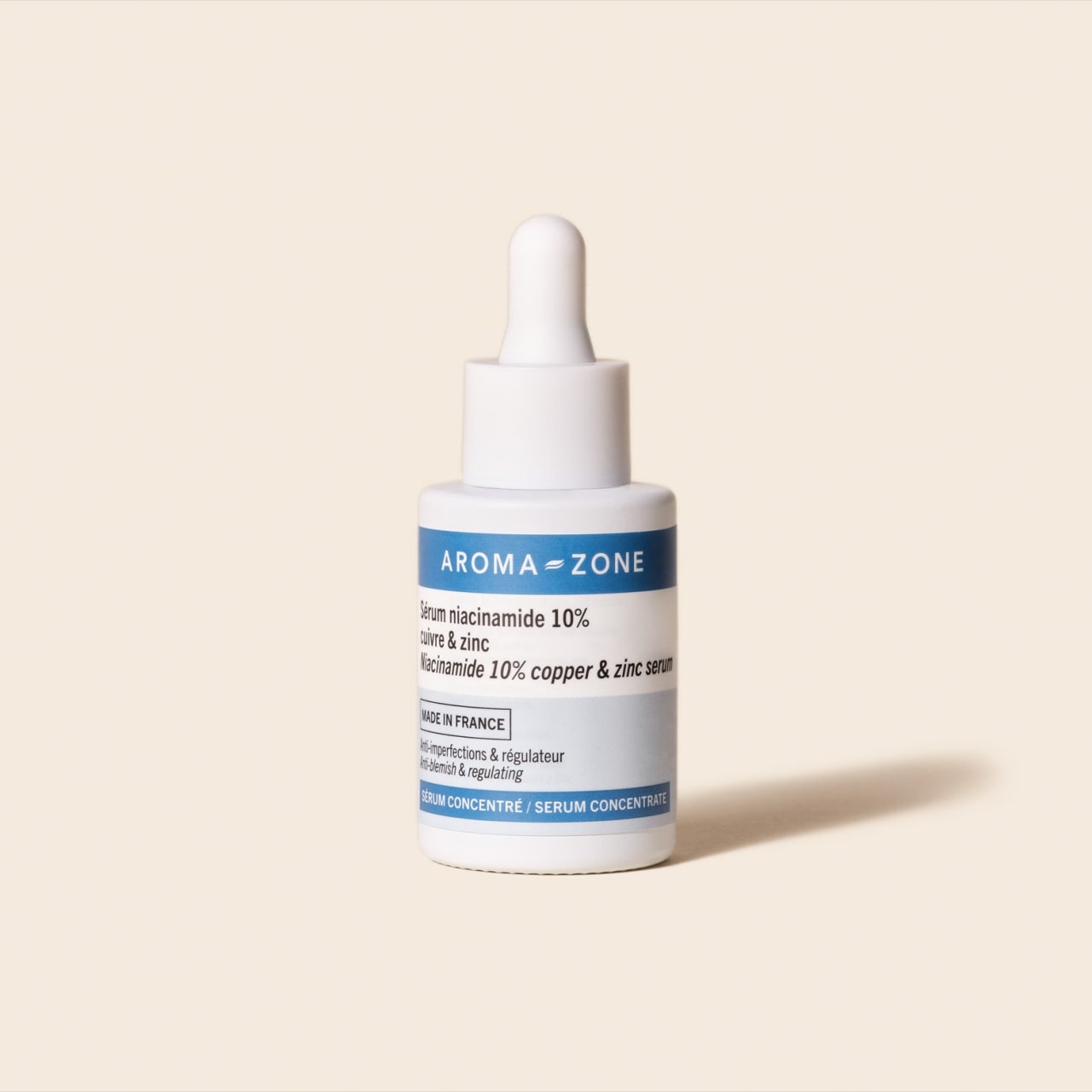
10% Niacinamide, Copper & Zinc Concentrated Serum: with a high concentration of niacinamide (vitamin B3), zinc and copper, this clinically proven serum tightens pores, regulates sebum production, prevents blemishes and reduces redness and dark spots. Enriched with moisturising hyaluronic acid, it evens out the complexion and refines the skin’s texture.

Discover the 10% Niacinamide, Copper & Zinc Concentrated Serum

native-aloe-vera-gel-nourishing-and-protective-mc

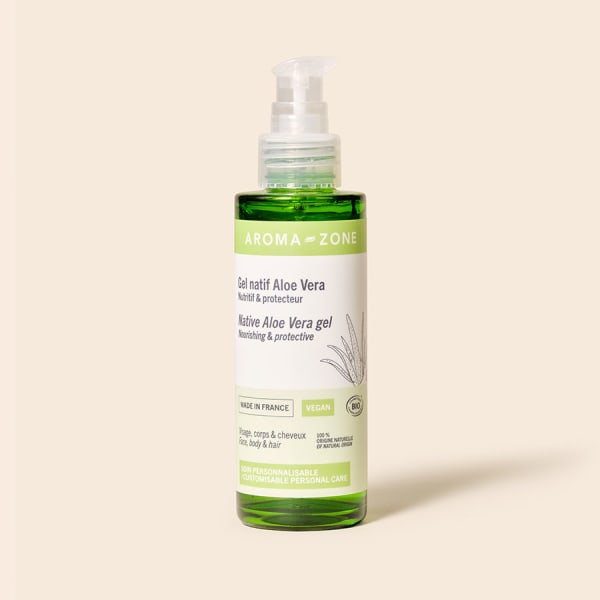
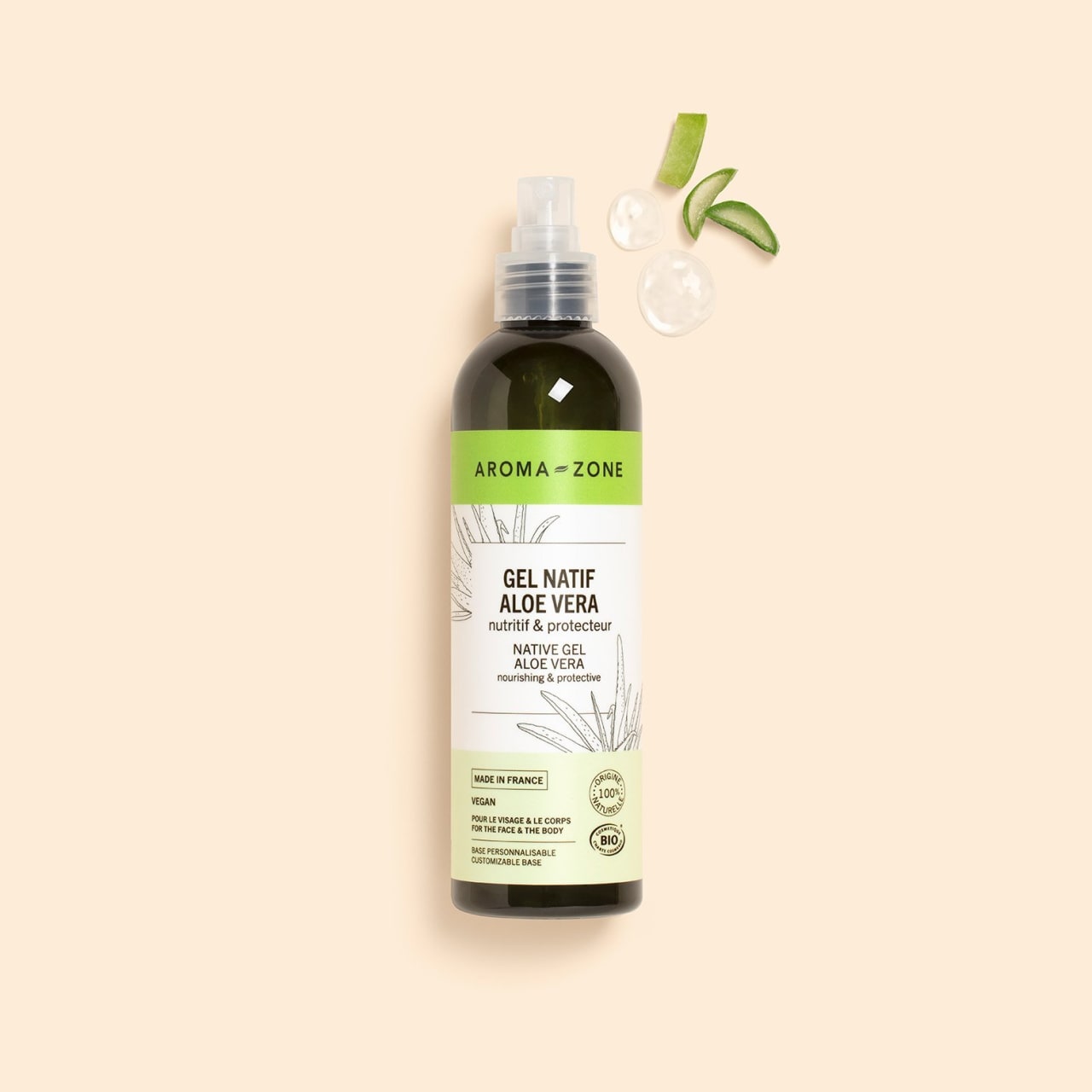
Organic Aloe Vera Native Gel: ideal for moisturising and soothing redness, this 100% natural product is rich in aloeverose (minimum 1200 mg/L), giving it exceptional restorative properties. 

Discover the Organic Aloe Vera Native Gel

Capture 02 02

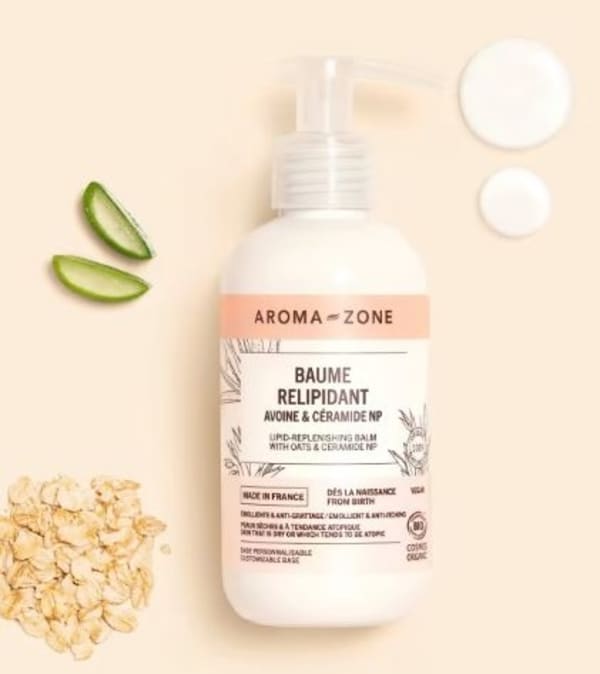
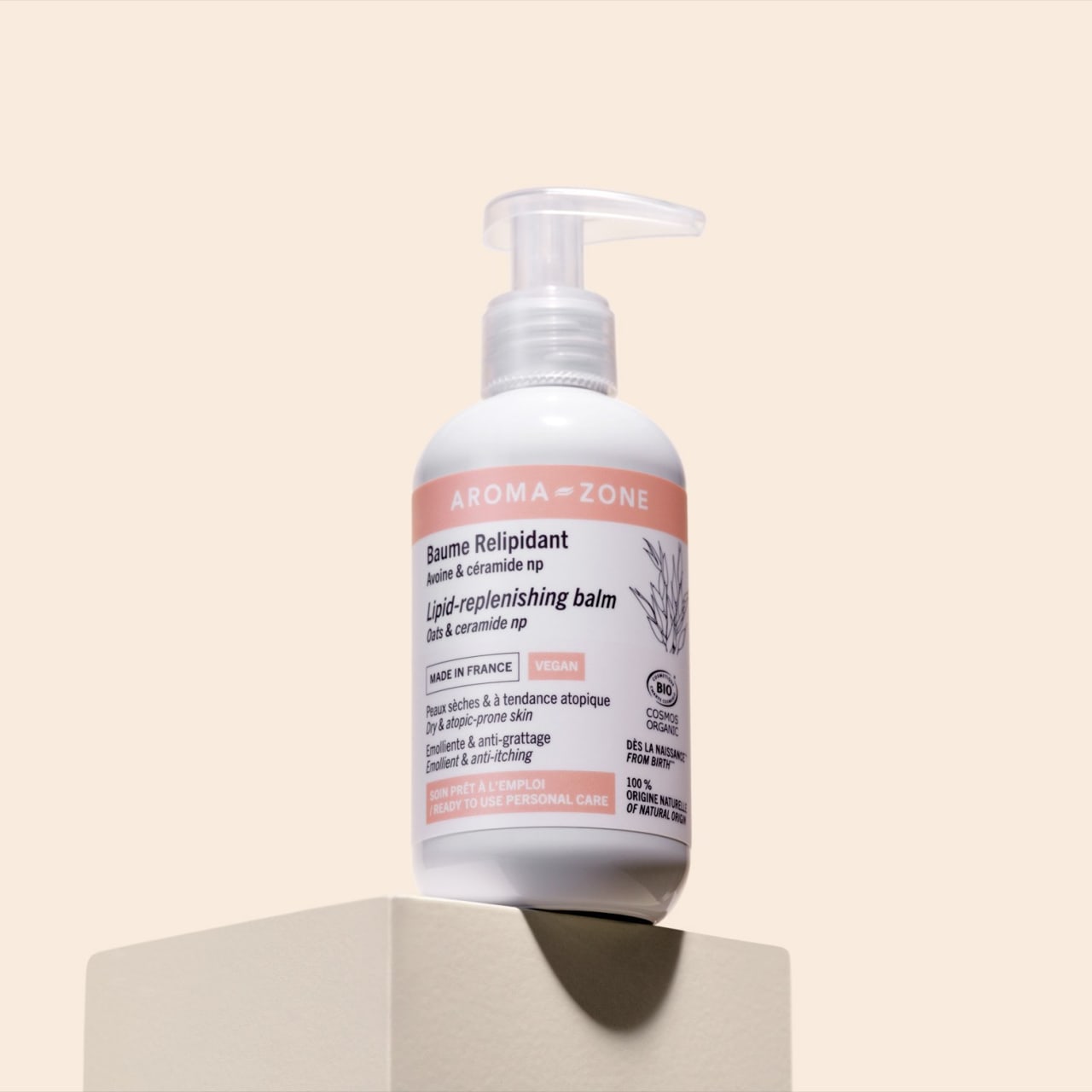
Oat and Ceramides NP Lipid-Restoring Balm : clinically tested and proven, designed for dry, fragile or atopic-prone skin, this triple-action balm soothes irritation and redness, reduces itching and intensely nourishes the skin. Its anti-dryness formula strengthens the skin barrier and protects even the most sensitive skin. Suitable for the whole family from birth onwards, for use on the face and body, it can be used on its own or mixed with other products.

Discover the Oat and Ceramides NP Lipid-Restoring Balm

Dietary_supplements_Probiotics_Balance_&_skin_beauty

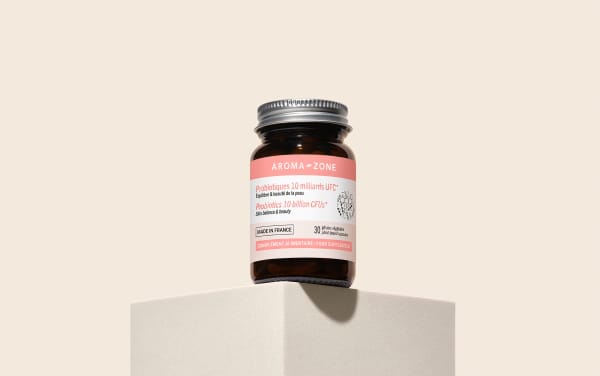
Probiotic dietary supplement for skin balance and beauty: this natural dietary supplement combines six patented probiotic strains with clinically proven efficacy on blemish-prone skin and skin prone to redness. It helps to rebalance the skin from within by acting on the gut-skin axis. Take one capsule a day, with a glass of water. Not recommended for pregnant or breastfeeding women.

Discover the ‘Probiotics for Skin Balance and Beauty’ dietary supplement

What our customers say

At Aroma-Zone, feedback from our community complements the work of our experts and confirms the products’ genuine long-term effectiveness.

“It’s become my favourite product! Excellent for skin like mine, which is hypersensitive.”

Sana, on the Coco Karité Cleansing Cream

“Best product ever – nothing soothes and moisturises my skin like this serum.”

Elisa, on the Vitamin B12 and Prebiotics Serum

“I’m undergoing treatment for rosacea. This serum has a protective, revitalising and soothing effect right from the very first applications.” 

Caroline, on the Soothing Ceramides & Phytosterols Oil Serum

Shared honestly on our website, these testimonials illustrate how a gentle, consistent and natural skincare routine can radically transform sensitive skin.

Our experts’ advice

Our Biochemistry and Natural Active Ingredients Engineer, Emilie Ondet

“When it comes to skin prone to rosacea, it is essential to understand that the priority is not to hydrate the skin, but to repair the lipid barrier. Oily textures, such as those found in oil-based serums or balms, naturally complement the composition of the skin’s hydrolipidic film. They create a protective environment that limits water evaporation, soothes nerve endings and reduces sensations of heat. Conversely, water-based gels, whilst moisturising, can sometimes exacerbate feelings of tightness or tingling on already sensitised skin, particularly when they contain gelling agents or preservatives that are poorly tolerated. The best approach is to layer the two: a very gentle water-based product (such as a hydrolat or a light serum), followed by a lipid-replenishing oil-based texture to lock in moisture and restore long-lasting skin comfort.”

Our naturopath, Lou Dumas

“As you’re no doubt aware, skin health starts on your plate. A nutritional imbalance or low-grade inflammation can weaken the skin barrier and make the skin more reactive. To minimise redness and irritation, it’s therefore essential to adopt a diet that supports anti-inflammatory processes and maintains the skin’s suppleness. Omega-3s play a key role here: found in small oily fish (sardines, mackerel, herring), walnut or hemp seed oils, and in linseeds or chia seeds, they help produce protective skin lipids. A 2025 publication also highlights the importance of essential fatty acids – particularly omega-3s and omega-6s, ceramides and phytosterols – as well as vegetable oils rich in structural lipids and oats, in preventing inflammation and maintaining a balanced skin microbiome (3). Added to these are vitamins A, C and E, as well as zinc, copper and selenium, which are essential for cell renewal and resistance to external aggressors. Probiotics, meanwhile, represent a promising complementary approach. By modulating the gut and skin microbiota, certain well-documented strains help to reduce inflammation, improve hydration and strengthen the skin barrier (2). Consuming lacto-fermented foods (kefir, sauerkraut, miso, etc.) or using them as part of a treatment regimen—whether applied topically or taken orally—can therefore effectively complement a soothing skincare routine. Finally, as every skin type has its own sensitivity, it is advisable to monitor how your skin reacts to certain foods: alcohol, spicy dishes, ultra-processed foods and excessive sugar are known to exacerbate redness.

At the same time, achieving skin balance often requires inner calm. Blushing is not just a physical reaction; it is also an emotional response. Stress, fear of others’ judgement or fatigue activate the autonomic nervous system, causing rapid vasodilation of the small blood vessels in the face. When repeated, this mechanism weakens the skin and perpetuates redness. In naturopathy, the aim is to regulate the nervous system by working on both the body and the mind: conscious breathing and gentle adaptogenic plants such as Rhodiola or lemon balm may be avenues worth exploring if you feel this applies to you.”

Precautions

Using anti-redness and anti-irritation skincare products, even gentle ones, requires certain precautions to ensure they are both effective and safe. Never apply such products to open wounds or areas of acute inflammation without medical advice. Introduce active ingredients gradually: start with just one new product at a time, using it infrequently, and monitor how your skin reacts. Avoid combining potentially irritating active ingredients in the same skincare routine. Opt for simple, lipid-replenishing textures when the skin is compromised. And above all, listen to your skin: a localised reaction (tingling, slight redness) is possible, but if it persists or worsens, this should be a sign to stop using the product.

Article written by Lou Dumas, Naturopath

Lou_Dumas_02.JPG

Lou graduated from HEC in 2012. She gained ten years of experience in marketing for cosmetics and perfumes before becoming an independent consultant in this field. She recently completed a three-year naturopathy program at the European College of Holistic Naturopathy (CENATHO, Paris) with the goal of supporting the physical and mental health of the people she works with through a holistic approach to lifestyle.

Bibliography

  1. Review of the skin barrier in rosacea (2024)

    https://www.jdermis.com/full-text/epidermal-skin-barrier-and-skin-care-in-rosacea-a-narrative-review

  2. Probiotics, skin microbiota and inflammation (2024–2025)

    https://www.dovepress.com/efficacy-of-probiotic-supplements-and-topical-applications-in-the-trea-peer-reviewed-fulltext-article-JEP

  3. Skin lipids, nutrition and the microbiota (2025)

    https://pubs.acs.org/doi/10.1021/acsomega.4c11687

  4. Systematic review on natural active ingredients (2023)

    https://www.sciencedirect.com/science/article/pii/S094471132300185X

Frequently Asked Questions

Frequently Asked Questions