Rhodiola: Definitions, benefits and uses

Rhodiola: Definitions, benefits and uses


By Catherine Gilette

Published on: Tuesday, August 27, 2024, Updated on: Friday, October 02, 2026

Rhodiola is a plant with remarkable properties that has been the focus of significant interest in recent years. Rhodiola has been classified as an adaptogenic plant due to its ability to increase the body’s resistance to a variety of stressors (chemical, biological and physical). In a world where stress and fatigue are ever-present, Rhodiola offers a natural solution to help us manage our stress, improve our concentration and strengthen our immune systems. Let’s explore the many benefits this ancient plant can bring to our everyday wellbeing.

Contents

Related products

What is Rhodiola rosea?

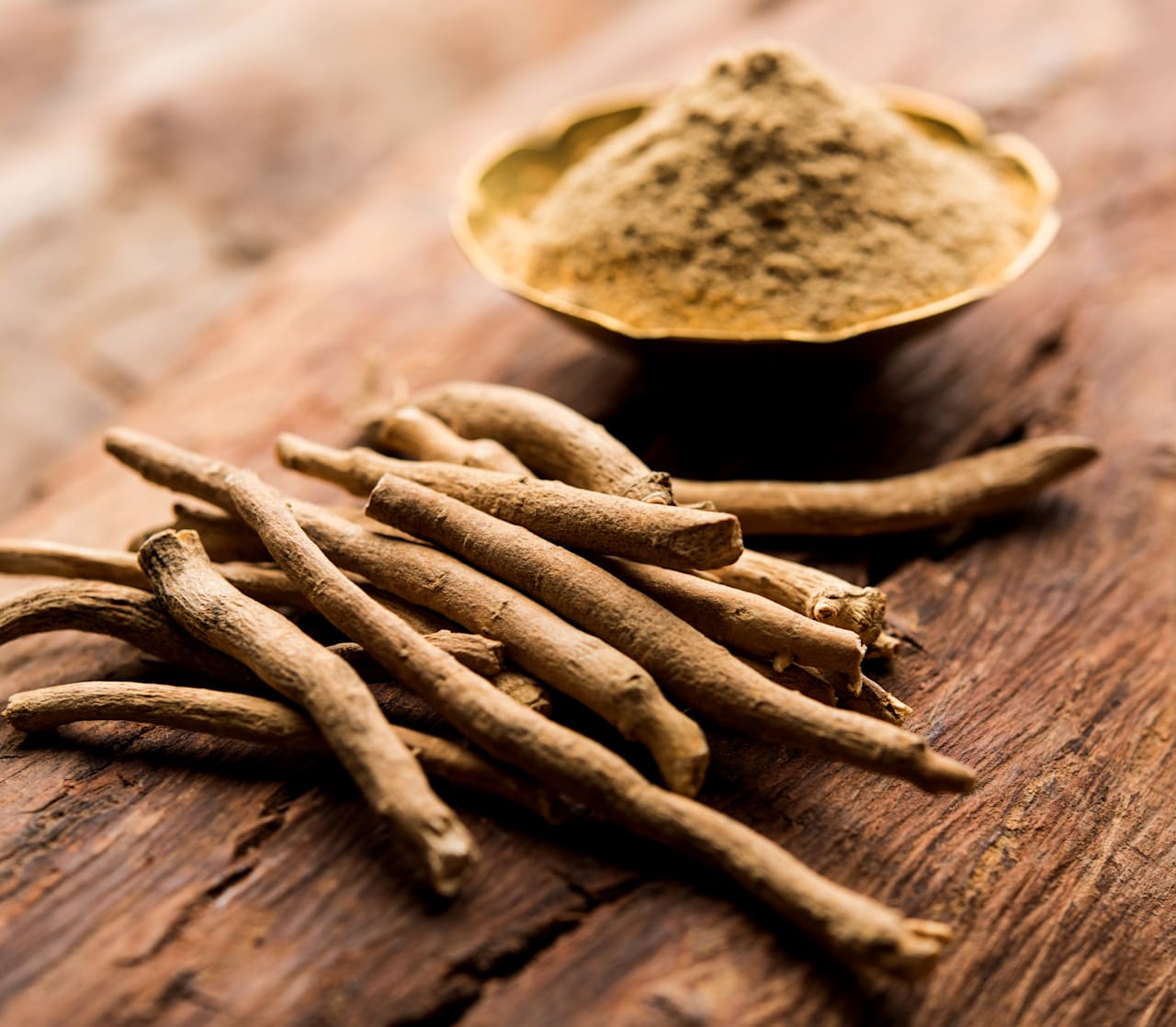
Rhodiola (Latin: Rhodiola rosea) is a succulent plant belonging to the Crassulaceae family. The name Rhodiola is derived from the Greek rhodios, which refers to the rose-like scent given off by the root, whilst rosea comes from Latin and also means ‘rose’. It is also known as the ‘Golden Root’ due to its pale yellow colour, its reputation as a valuable plant, and the parts of the plant used in herbal medicine (the rhizomes and roots).

Native to the mountains of Siberia, Rhodiola is adapted to survive in extreme environments. It grows in very cold regions, such as the Arctic or Iceland, and at altitudes of up to 4,000 metres. It is found on stony and rocky terrain in high mountains. In France, it can be found in the Vosges or the Pyrenees.

Rhodiola is a perennial plant 15 to 30 cm tall that grows in the form of bushes. Its roots, which are between 5 and 20 cm long, are used in Russian, Scandinavian and Chinese traditional medicines.

Rhodiola first appeared in Western literature from the 1960s onwards. It is recognised as an adaptogenic plant.

As their name suggests, adaptogenic plants increase the body’s ability to adapt to various stresses and situations (stress, fatigue, etc.). They therefore have a bimodal effect: they can both stimulate and soothe the body depending on its needs.

Find out more about adaptogenic plants.

What are the properties of Rhodiola?

Physical stimulant: Physically, Rhodiola helps boost performance and increase tolerance for exertion, thereby building up stamina and physical strength. It is widely used by athletes.

Mental stimulant: Mentally, Rhodiola is widely used to stimulate the nervous system, improve performance at work and relieve fatigue. It has also been shown to enhance learning and memory functions.

Natural stress reliever: Rhodiola is known to help the body adapt better to emotional or physical stress. It helps to balance mood and improve stress resistance.

Antioxidant: Thanks to its high content of phenolic compounds, Rhodiola exhibits antioxidant activity, which helps to protect cells against oxidative stress.

Regulating the metabolism: Preliminary studies suggest that Rhodiola may play a role in regulating the metabolism, particularly in relation to physical exertion. However, these effects should be considered within the context of an active lifestyle.

Supporting circulation: Rhodiola may help improve blood circulation by facilitating tissue oxygenation. These effects are primarily linked to its adaptogenic and antioxidant properties.

What are the benefits of Rhodiola?

  • Improves stamina, particularly athletic performance,

  • Improves intellectual and cognitive performance, particularly learning and memory skills.

  • Relieves chronic fatigue, temporary or latent depression, and states of generalised anxiety.

  • Studies suggest that Rhodiola may support the body’s natural immune defences, but these effects are not recognised by health authorities.

  • Helps to support blood circulation.

  • Promotes healthier, more restorative sleep.

  • Helps protect the cardiovascular system.

What are the natural ways of using Rhodiola?

As a decoction: Simmer the root for 2 minutes in gently simmering water, then leave to infuse for about ten minutes. Use 1 teaspoon of chopped root per 300 ml of water.

As dietary supplements: There are many different forms of Rhodiola root available, which are easier to use than the raw root. These dietary supplements come in the form of capsules, tablets, chews, liquid extracts (such as Fresh Plant Extracts), mother tinctures, etc. Care should be taken to ensure the quality, origin and active ingredient content are correct. It is advisable to choose Rhodiola root extracts with the following characteristics: 3% rosavin and between 0.8 and 1% salidroside.

Rhodiola lends itself to being combined with other plants as required:

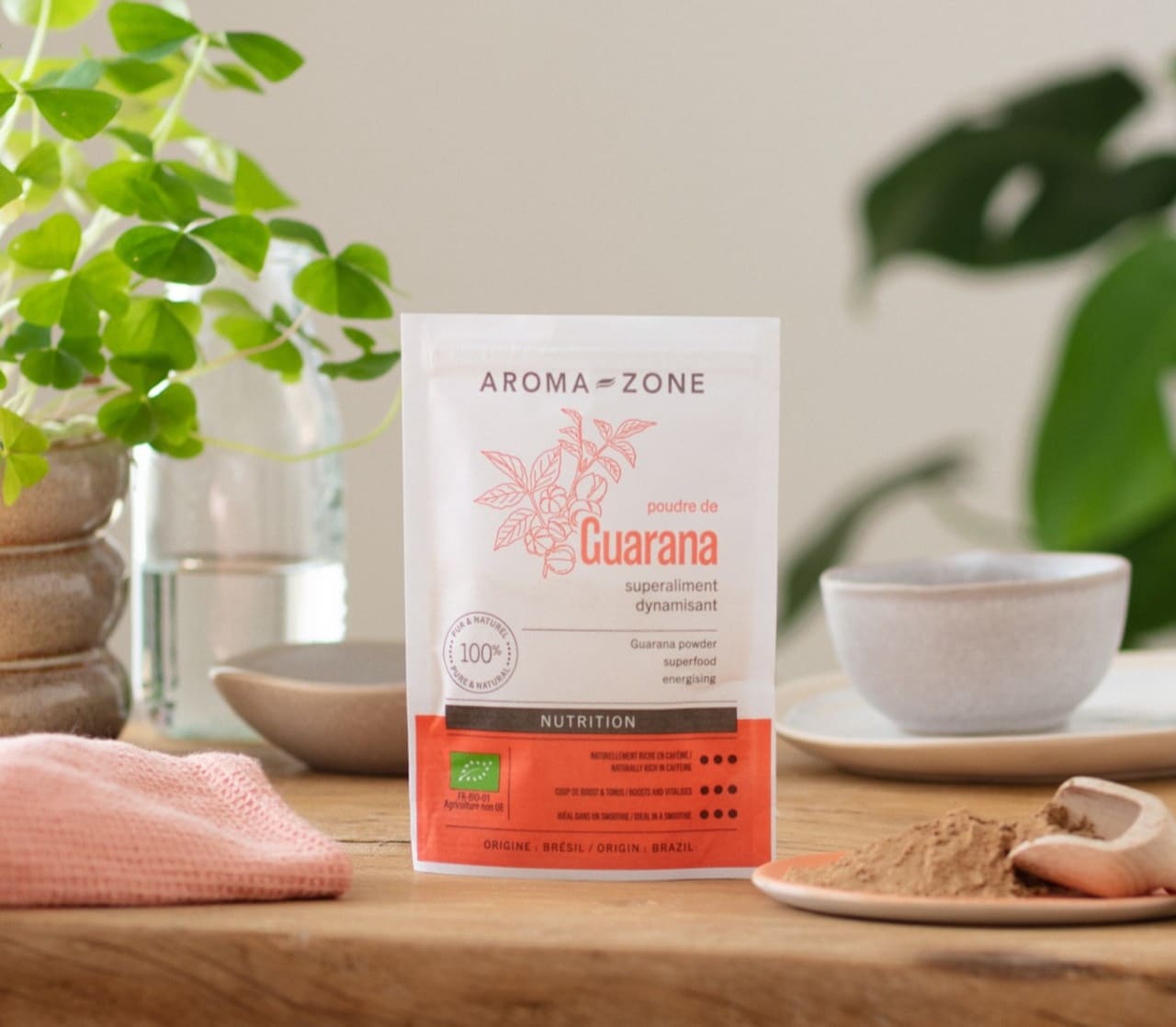
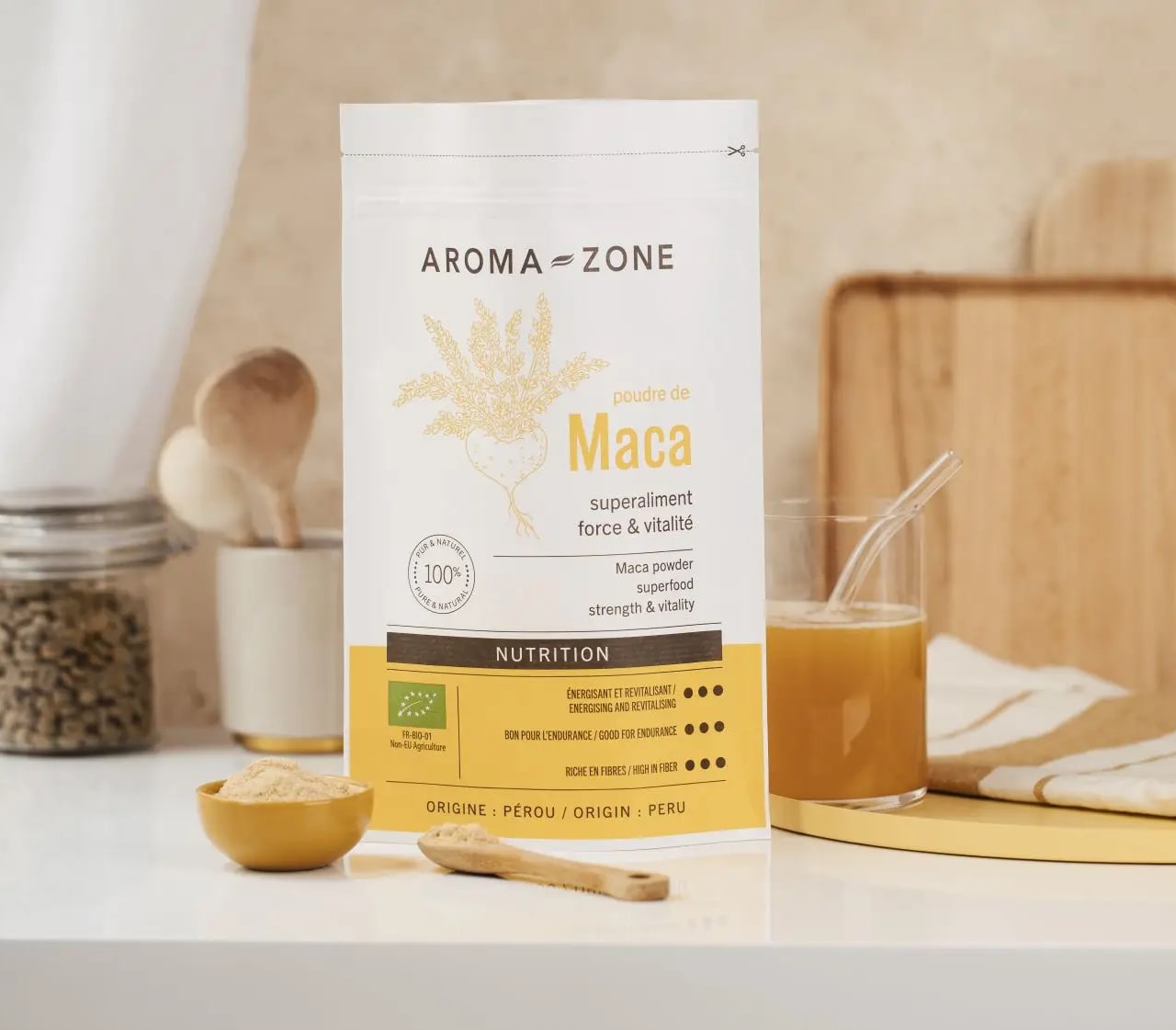
  • Athletes and those wishing to regain physical vigour will appreciate combining it with either Panax ginseng, Guarana or even Maca.

  • For those seeking relaxation and emotional balance, it can be combined with saffron.

  • Those suffering from stress and mental fatigue will find it beneficial as part of a course of Ashwagandha or magnesium.

  • To combat anxiety, it can be combined with either Passionflower, Hawthorn, Valerian or even Lemon balm

An alternative to Rhodiola: Gomphrena or Brazilian ginseng

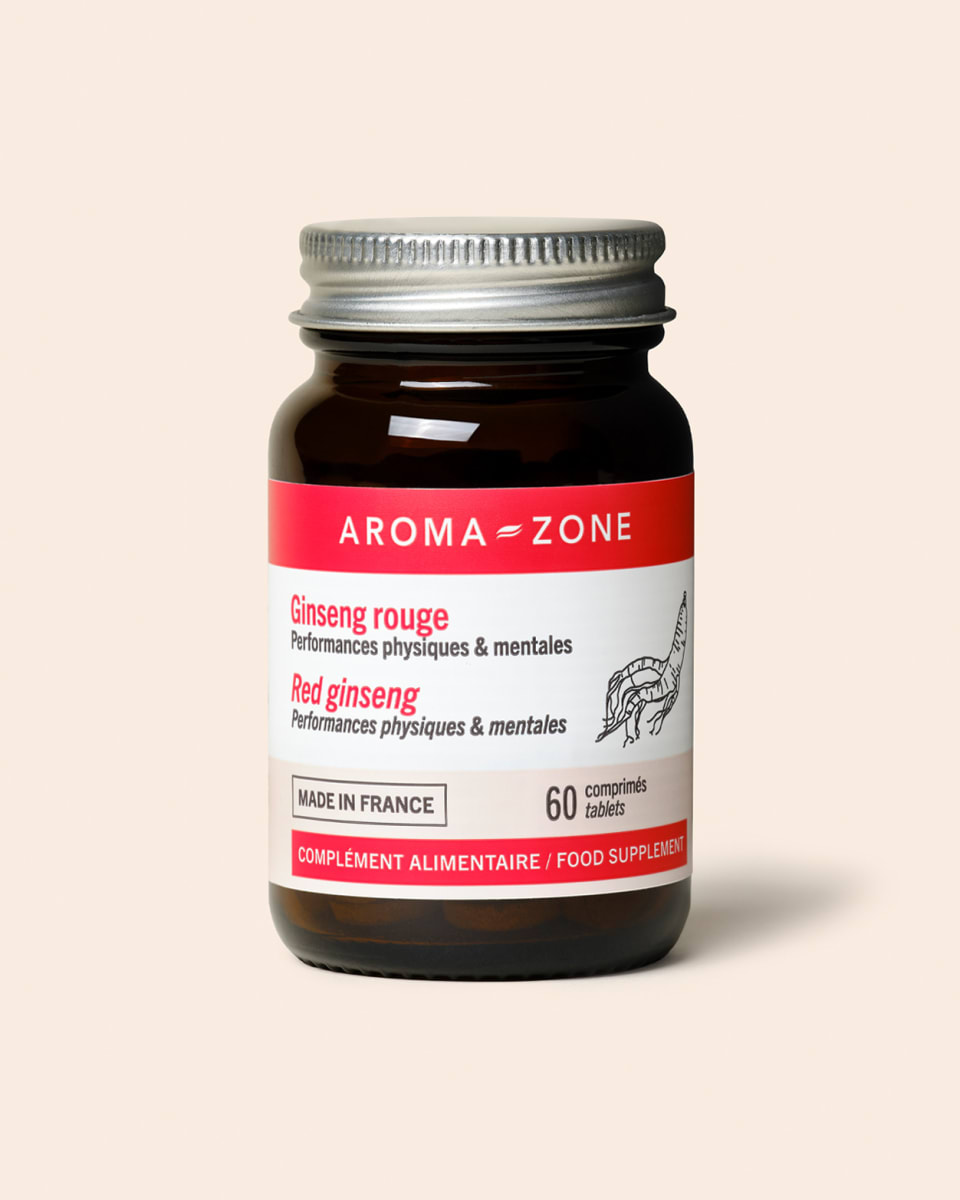
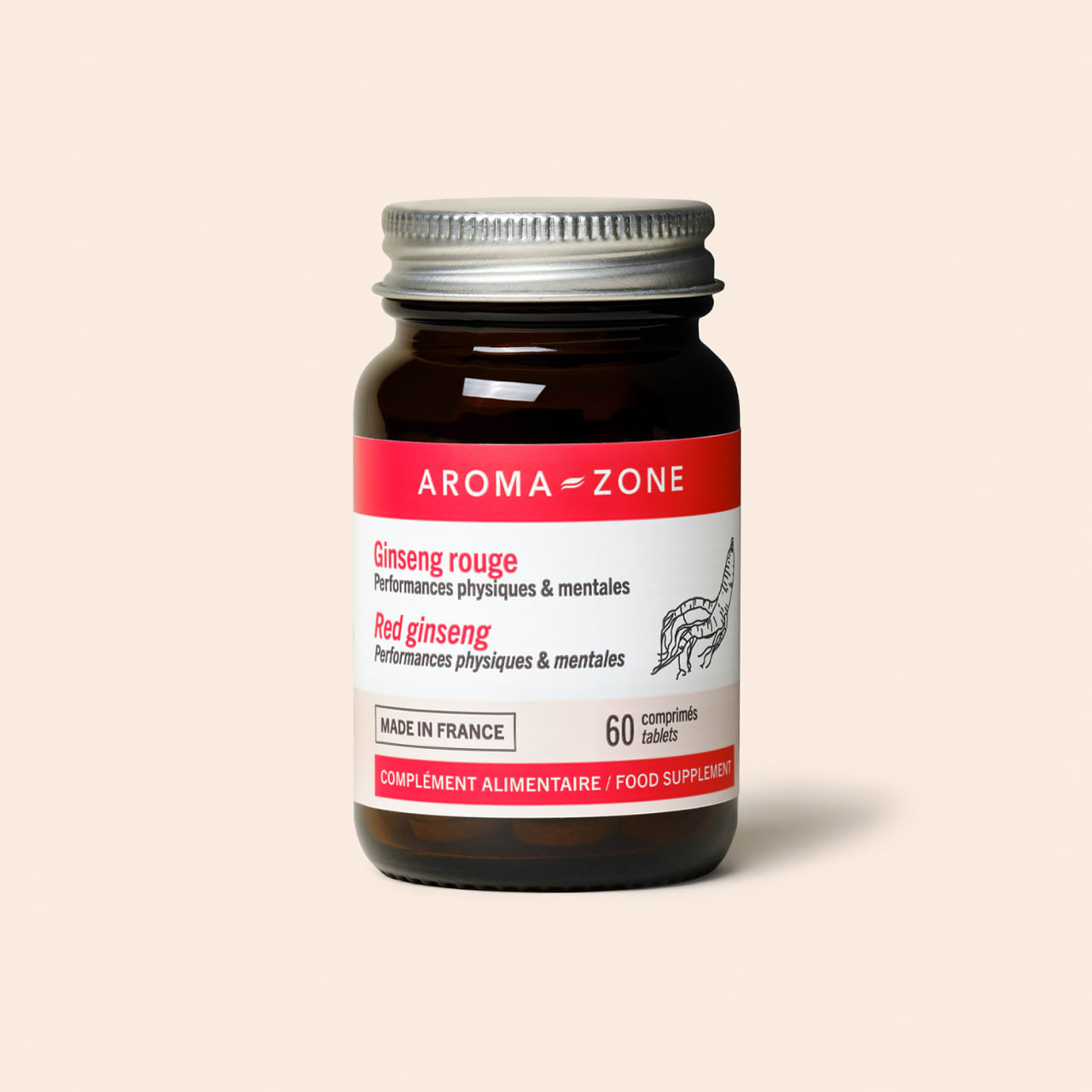
Red ginseng

REFOCUS – Helps You Stay Focused

Red Ginseng

Premium-quality red ginseng, grown in Belgium, has proven effectiveness on memory and overall resilience to occasional stress. Ideal for supporting cognitive performance, reducing fatigue, and promoting physical stamina.

Recommended Use: Take 1 to 2 tablets per day, to be swallowed with a glass of water.

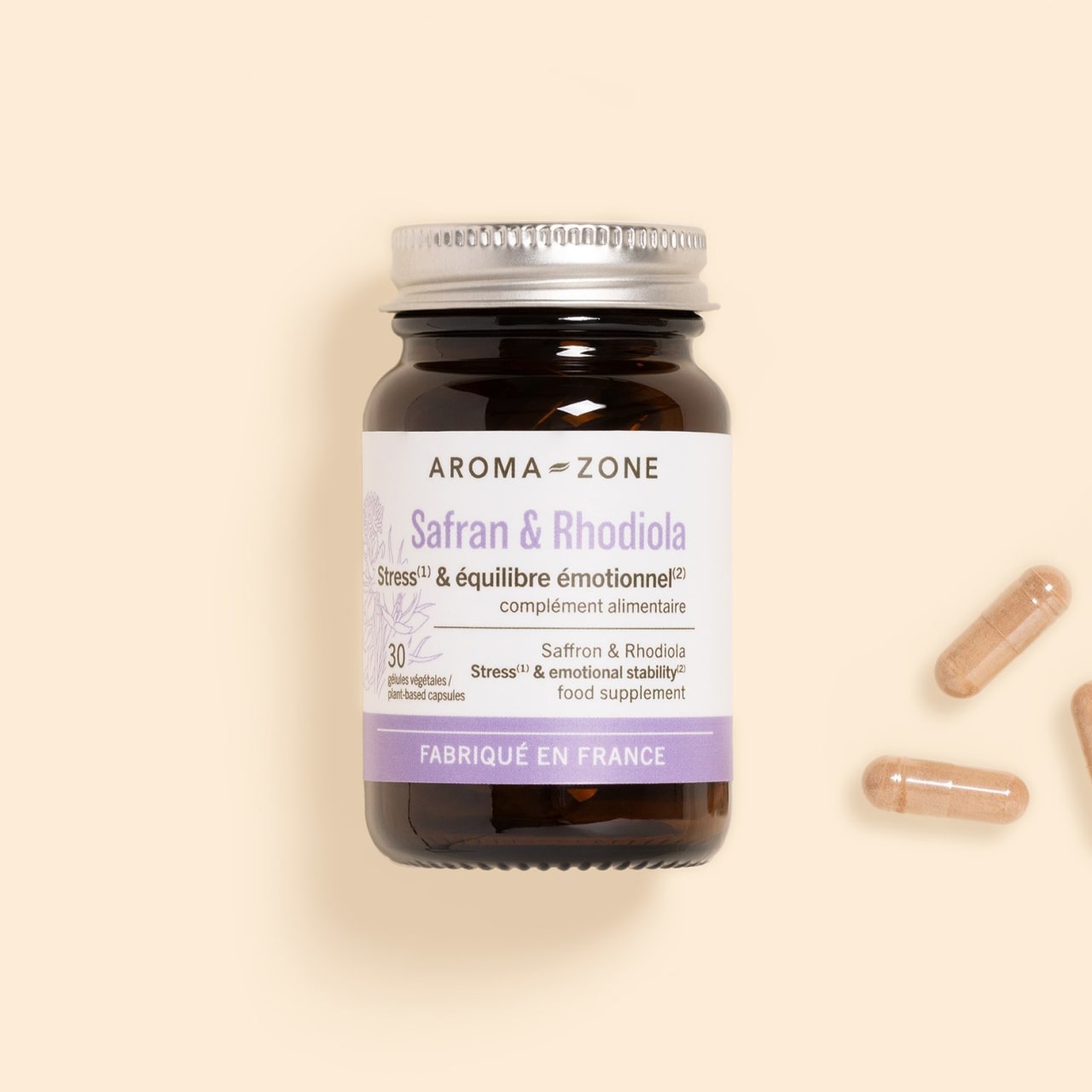
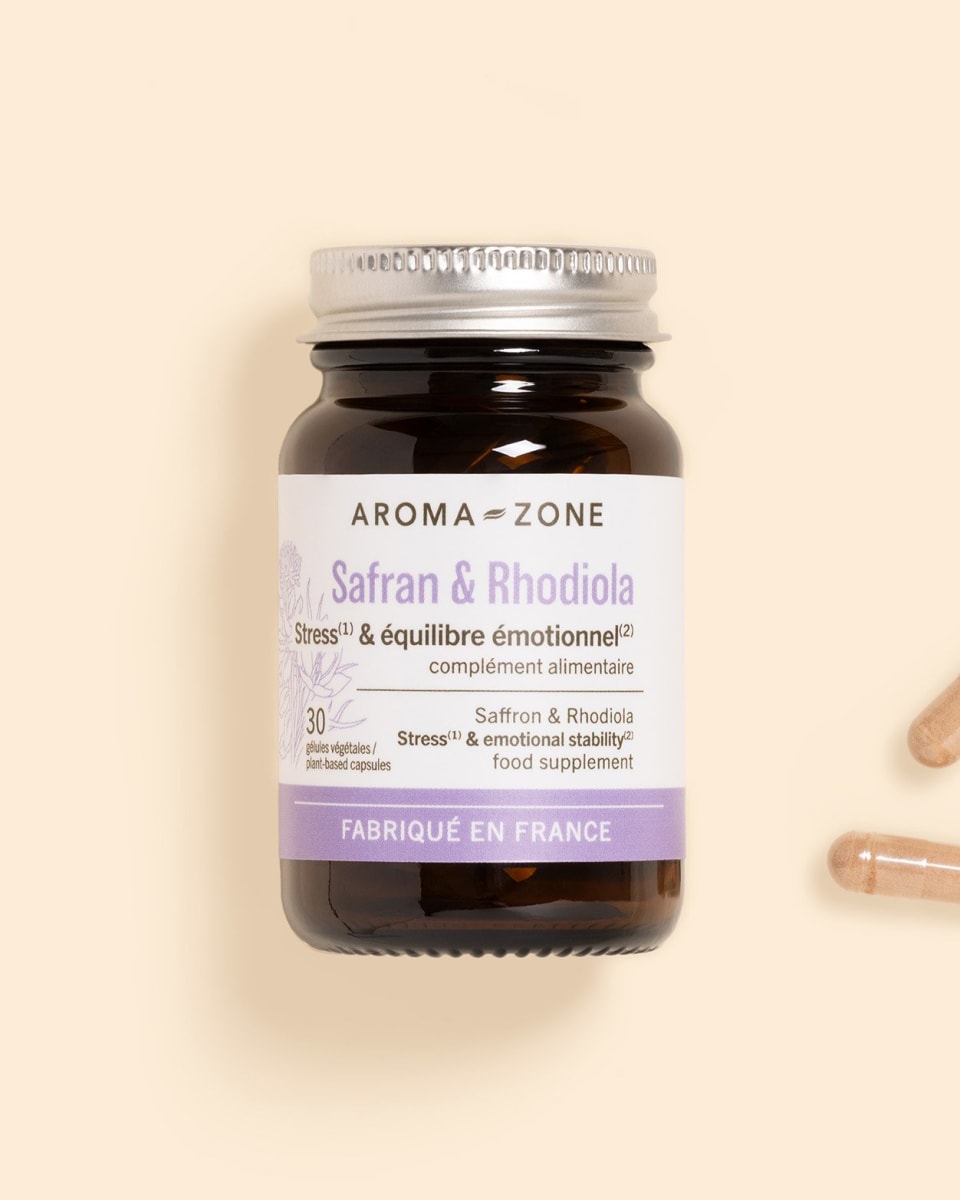
Saffron & Rhodiola – 30 capsules – Dietary supplement

STABILISE – Helps You Cope Better With Stress

Saffron & Rhodiola – 30 Capsules – Dietary Supplement

This combination brings together two plant-based active ingredients with complementary effects, as saffron helps maintain a positive mood and reduce nervous tension, while rhodiola, an adaptogenic plant, supports the body’s resistance to temporary stress.

Recommended Use: Take 1 capsule a day with a glass of water.

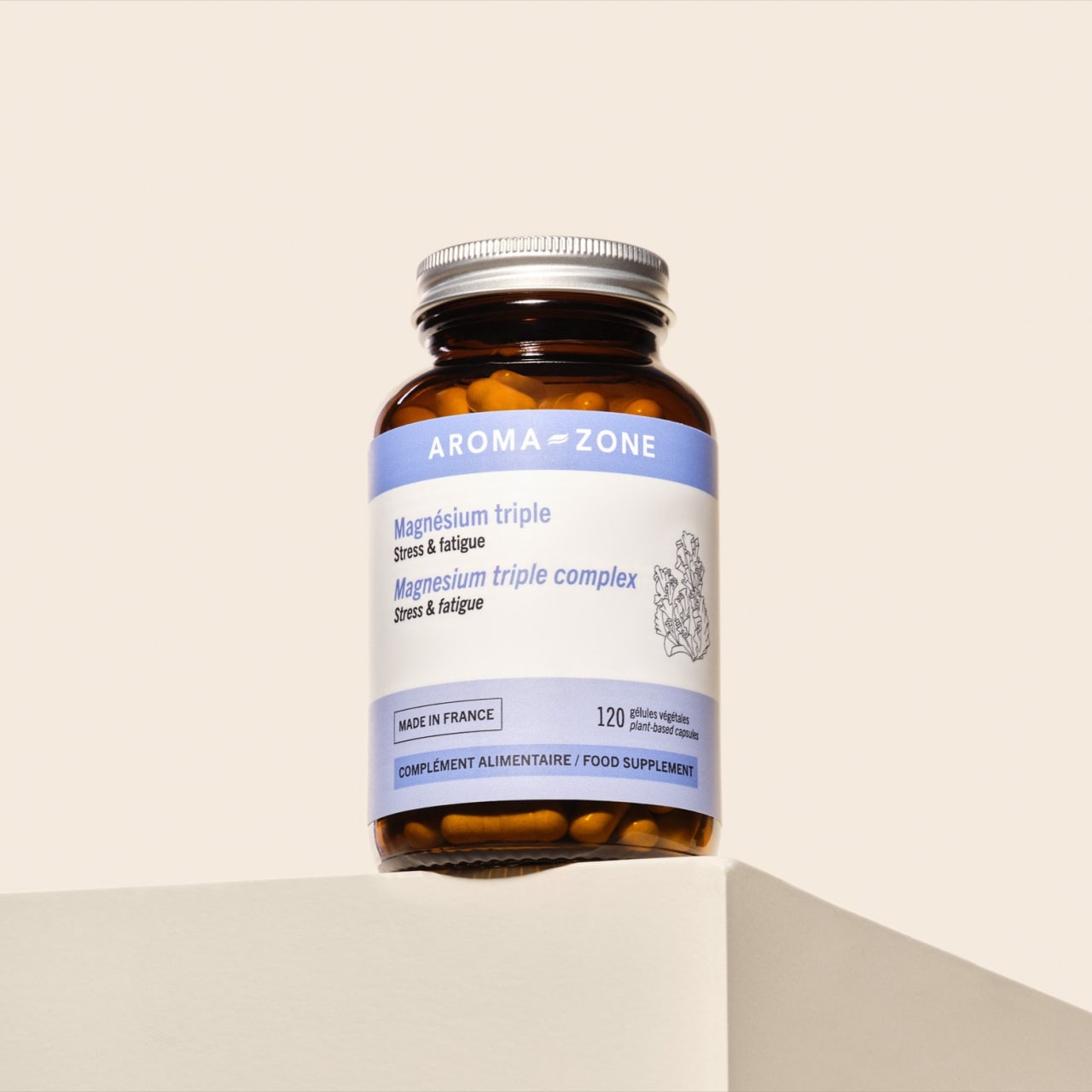
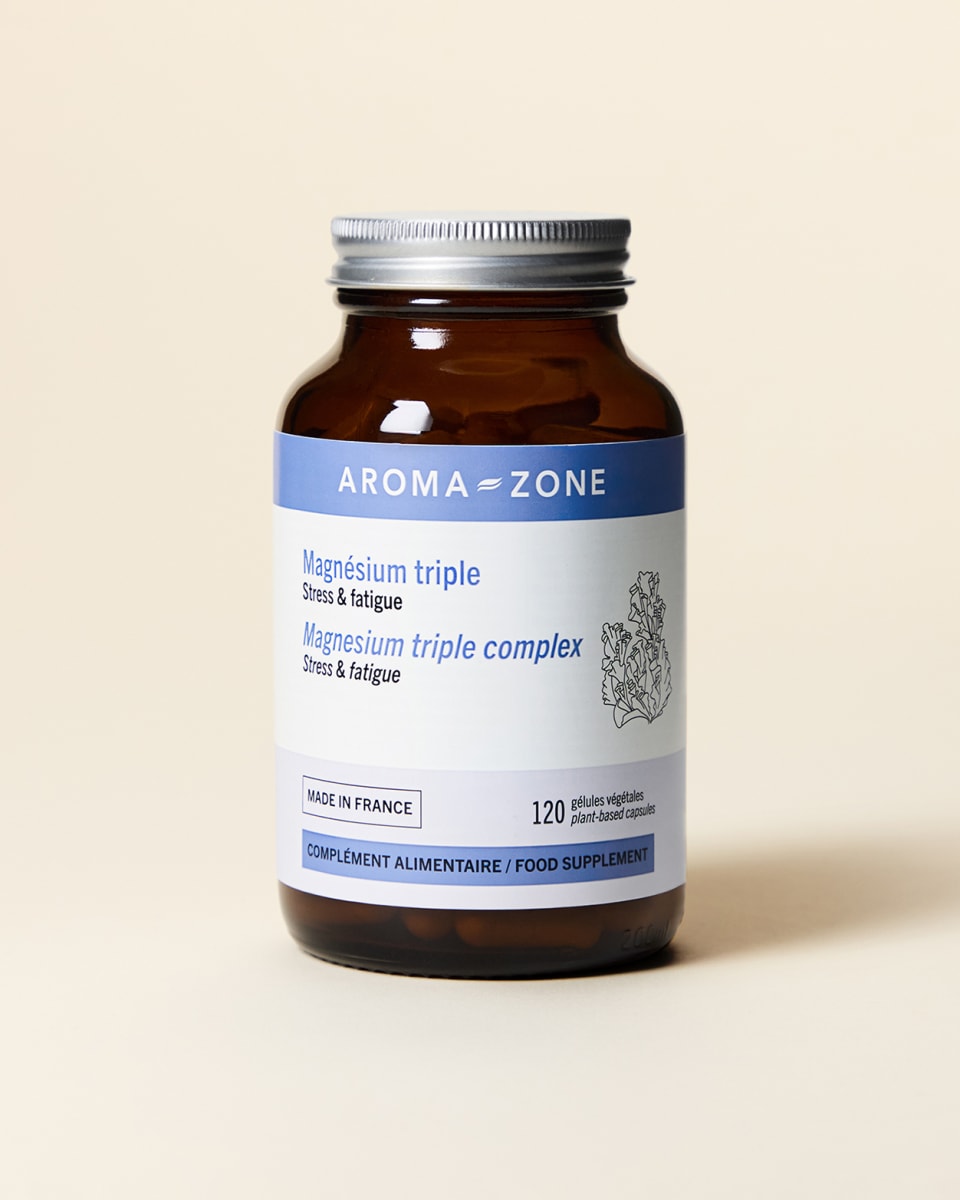
Magnesium_Triple_120_capsules_-_Dietary_supplement

SUPPORT - Helps Reduce Nervous Exhaustion

Triple Magnesium 120 Capsules – Dietary Supplement

A combination of three forms of magnesium for effective absorption and optimal intake, helping to reduce fatigue and support the proper functioning of the nervous system.

Recommended Use: Take 1 to 3 capsules a day, to be swallowed with a glass of water.

The usual dosage ranges from 100 to 300 mg per day and should not exceed 500 mg. It is advisable to divide this daily dose into two doses, preferably in the morning and at lunchtime before a meal. Due to its energising and stimulating properties, it is not recommended to take it in the evening to avoid sleep disturbances.

The dosage may vary depending on individual needs. Always seek advice from a healthcare professional or therapist, and follow the dosages recommended by the manufacturers.

Warning: what are the side effects of rhodiola?

Precautions and contraindications for the use of Rhodiola

Taking Rhodiola requires a few precautions.

As Rhodiola stimulates the immune system, it is contraindicated in cases of autoimmune diseases such as multiple sclerosis or rheumatoid arthritis.

It is also not recommended if you are taking prescription antidepressants, as an increased heart rate has been observed.

Rhodiola may affect blood pressure and blood sugar levels. People with diabetes or high blood pressure should avoid using it.

Rhodiola may interact with anticoagulant and anti-inflammatory medicines.

Rhodiola is not recommended for pregnant and/or breastfeeding women, or for children under the age of 12, as the safety of the herb has not yet been established in these groups.

Similarly, Rhodiola should not be taken by people suffering from psychotic and neuropsychiatric disorders (bipolar disorder, obsessive-compulsive disorder, etc.).

Generally speaking, before starting a course of Rhodiola, anyone undergoing medical treatment is advised to seek advice from a healthcare professional.

It is not advisable to take Rhodiola after 5 pm, as it is a stimulant.

Expert’s advice

There's a Scandinavian saying that has stood the test of time: “The man who uses the pink root remains strong for two hundred years”. Legend has it that the Scandinavian gods gave Rhodiola to the Vikings to restore their strength, courage and confidence. This perfectly sums up the properties of this incredible plant!

Spotlight on Our Specialist Writer, Catherine Gilette

ada2d2_d8651e3eb63b4f06b1e322964cd90ca6-mv2.webp

Catherine is passionate about plants and their properties. She studied natural cosmetics at the École Lyonnaise des Plantes Médicinales in the early 2000s. Driven by curiosity, she has continued to explore the richness and potential of plants. This led her to train in aromatherapy at the École Française d’Aromathérapie Intégrative. She discovered an almost unexplored world in olfactotherapy, and valuable tools for getting to know herself better and practising what she calls inner ecology.

Bibliography

  1. Kelly GS. Rhodiola rosea: a possible plant adaptogen.

    Altern Med Rev. 2001 Jun;6(3):293-302. PMID: 11410073.

  2. Kosakowska O, B?czek K, Przyby JL, Pióro-Jabrucka E, Czupa W, Synowiec A, Gniewosz M, Costa R, Mondello L, W?glarz Z. Antioxidant and Antibacterial Activity of Roseroot (Rhodiola rosea L.) Dry Extracts. Molecules.

    18 July 2018;23(7):1767. doi: 10.3390/molecules23071767. PMID: 30022015; PMCID: PMC6099734.

  3. Lekomtseva Y, Zhukova I, Wacker A.

    Rhodiola rosea in Subjects with Prolonged or Chronic Fatigue Symptoms: Results of an Open-Label Clinical Trial. Complement Med Res. 2017;24(1):46-52. doi: 10.1159/000457918. Epub 17 Feb 2017. PMID: 28219059.

  4. Punja S, Shamseer L, Olson K, Vohra S.

    Rhodiola rosea for mental and physical fatigue in nursing students: a randomised controlled trial. PLoS One. 30 September 2014;9(9):e108416. doi: 10.1371/journal.pone.0108416. PMID: 25268730; PMCID: PMC4182456.

  5. Lu Y, Deng B, Xu L, Liu H, Song Y, Lin F.

    Effects of Rhodiola Rosea Supplementation on Exercise and Sport: A Systematic Review. Front Nutr. 7 April 2022;9:856287. doi: 10.3389/fnut.2022.856287. Erratum in: Front Nutr. 20 June 2022;9:928909. PMID: 35464040; PMCID: PMC9021834.

  6. Ma GP, Zheng Q, Xu MB, Zhou XL, Lu L, Li ZX, Zheng GQ. Rhodiola rosea L.

    Improves Learning and Memory Function: Preclinical Evidence and Possible Mechanisms. Front Pharmacol. 4 December 2018;9:1415. doi: 10.3389/fphar.2018.01415. PMID: 30564123; PMCID: PMC6288277.

  7. Limanaqi F, Biagioni F, Busceti CL, Polzella M, Fabrizi C, Fornai F.

    Potential Antidepressant Effects of Scutellaria baicalensis, Hericium erinaceus and Rhodiola rosea. Antioxidants (Basel). 12 March 2020;9(3):234. doi: 10.3390/antiox9030234. PMID: 32178272; PMCID: PMC7139475.

  8. Bystritsky A, Kerwin L, Feusner JD.

    A pilot study of Rhodiola rosea (Rhodax) for generalised anxiety disorder (GAD). J Altern Complement Med. 2008 Mar;14(2):175-80. doi: 10.1089/acm.2007.7117. PMID: 18307390.

  9. Chiang HM, Chen HC, Wu CS, Wu PY, Wen KC. Rhodiola plants: Chemistry and biological activity.

    J Food Drug Anal. 2015 Sep;23(3):359-369. doi: 10.1016/j.jfda.2015.04.007. Epub 2015 May 29. PMID: 28911692; PMCID: PMC9351785.

  10. Chen Y, Tang M, Yuan S, Fu S, Li Y, Li Y, Wang Q, Cao Y, Liu L, Zhang Q.

    Rhodiola rosea: A Therapeutic Candidate for Cardiovascular Diseases. Oxid Med Cell Longev. 27 February 2022;2022:1348795. doi: 10.1155/2022/1348795. PMID: 35265260; PMCID: PMC8898776.

  11. Liu J, Li D, Dun Y, Li H, Ripley-Gonzalez JW, Zhang J, Qiu L, You B, Liu S.

    Rhodiola activates macrophage migration inhibitory factor to alleviate non-alcoholic fatty liver disease. Life Sci. 1 November 2022;308:120949. doi: 10.1016/j.lfs.2022.120949. Epub 10 September 2022. PMID: 36096243.

  12. J. Houppe, Looking After Your Heart: An Introduction to Psychocardiology, Dunod, June 2015, 396 pages.

  13. A. Panossian, G. Wikman, J. Sarris

    Rosenroot (Rhodiola rosea): traditional use, chemical composition, pharmacology and clinical efficacy, Phytomedicine, June 2010, 17(7):481-93.

  14. S. C. Huang et al

    Attenuation of long-term Rhodiola rosea supplementation on exhaustive swimming-evoked oxidative stress in the rat, Chin J Physiol, Oct 2009, 52(5):316-24.

  15. Perfumi M, Mattioli L

    ‘Adaptogenic and central nervous system effects of single doses of 3% rosavin and 1% salidroside Rhodiola rosea L. extract in mice’, Phytother Res, vol. 21, no. 1, January 2007, pp. 37–43

  16. Jafari, M., Juanson Arabit, J.G., Courville, R. et al.

    The impact of Rhodiola rosea on biomarkers of diabetes, inflammation, and microbiota in a leptin receptor-knockout mouse model. Sci Rep 12, 10581 (2022).

  17. Skopńska-Rózewska E, Wójcik R, Siwicki AK, Sommer E, Wasiutyński A, Furmanowa M, Malinowski M, Mazurkiewicz M.

    The effect of Rhodiola quadrifida extracts on cellular immunity in mice and rats. Pol J Vet Sci. 2008;11(2):105–11.

  18. Rhodiola rosea and stress-induced fatigue

    - A double-blind crossover study of a standardised SHR-5 extract administered in repeated low doses on the mental performance of healthy doctors during night shifts. Darbinyan V. et al., Phytomedicine, 2000.

  19. Rhodiola rosea for physical and mental fatigue: a systematic review

    Ishaque S, Shamseer L, Bukutu C, Vohra S. BMC Complement Altern Med. 2012;12:70.

  20. Effect of Rhodiola rosea extract on endurance exercise performance

    De Bock K. et al. Int J Sport Nutr Exerc Metab. 2004.

  21. A double-blind, placebo-controlled pilot study of the stimulating and adaptogenic effect of Rhodiola rosea SHR-5 extract on student fatigue caused by stress during an examination period, using a repeated low-dose regimen

    Spasov A. et al. Phytomedicine, 2000.

Frequently Asked Questions

Frequently Asked Questions