Natural remedies for couperose and rosacea

Natural remedies for couperose and rosacea


By Aude Maillard

Published on: Tuesday, December 06, 2022, Updated on: Tuesday, September 15, 2026

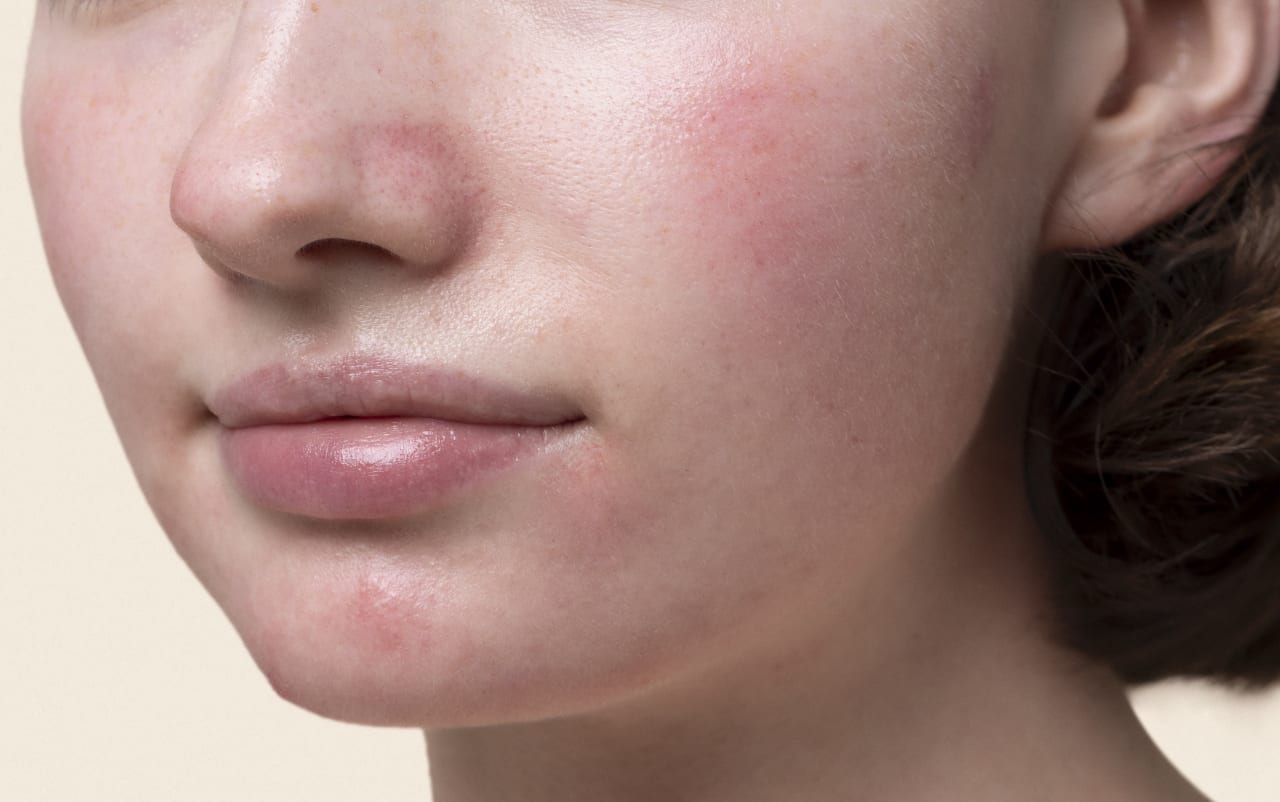
Couperose or rosacea is a disease of the small blood vessels located mainly on the forehead, nose, cheeks and chin. Redness, sensations of "flushing" or burning, visible dilated vessels and even pimples that develop in flare-ups are common symptoms of rosacea. This chronic condition can be very embarrassing because of its appearance.

Our experts reveal the most effective essential oils and natural recipes for reducing redness, preventing the dilation of small vessels, and calming rosacea flare-ups to restore healthy, even-toned skin.

Contents

Related products

What is couperose?

Rosacea is a visible symptom linked to abnormal and persistent dilation of the small blood vessels in the face, known as telangiectasias. It manifests as fine red or purple vessels, particularly visible on the cheeks, sides of the nose, and sometimes the chin or forehead. This phenomenon occurs most often in people with fair skin, generally between the ages of 40 and 50, and mainly affects women.

Rosacea is often part of a broader context of reactive skin or skin prone to redness, such as rosacea. It can follow transient redness (flushing), sensations of heat, tingling, or discomfort. Over time, this redness becomes persistent, and the dilated vessels become more clearly visible. Couperose is therefore a visible sign of vascular fragility, which requires appropriate care to strengthen the skin barrier and maintain daily skin comfort.

Rosacea or couperose?

Couperose is a specific form of rosacea. Rosacea is a chronic dermatosis, i.e., a persistent skin condition that mainly affects the face. It encompasses several clinical manifestations. Rosacea corresponds to the erythematotelangiectatic form. It combines erythema, the medical term for redness caused by dilated blood vessels, and telangiectasia, which are small dilated vessels that become visible on the surface of the skin. Not all rosacea manifests as couperose. Some forms mainly involve inflammatory lesions, such as papules or pustules, which require a different treatment approach.


Compared element

Rosacea (overall)

What triggers rosacea or couperose?

Here are the main triggers: 

Vascular factors

Rosacea is caused by fragile skin capillaries. These vessels dilate excessively and repeatedly. Over time, their ability to return to normal size decreases, which promotes the development of permanent redness.

Environmental factors

Climate factors are known to play a role. Cold, heat, wind, and repeated sun exposure stimulate vasodilation and increase the visibility of redness.

Dietary factors

Certain foods and drinks can cause transient vasomotor flushes. Alcohol, very spicy foods, and very hot drinks are often implicated in exacerbating redness.

Hormonal and physiological factors

Hormonal variations influence vascular reactivity. Stress also acts through neurovascular mechanisms, promoting flushing and persistent redness.

Skin factors

Thin, fair, and reactive skin is more sensitive. Repeated use of irritating or overly harsh cosmetics weakens the skin barrier and increases vascular susceptibility.

Traditional remedies for couperose and rosacea

Here is a selection of natural solutions to reduce redness: 

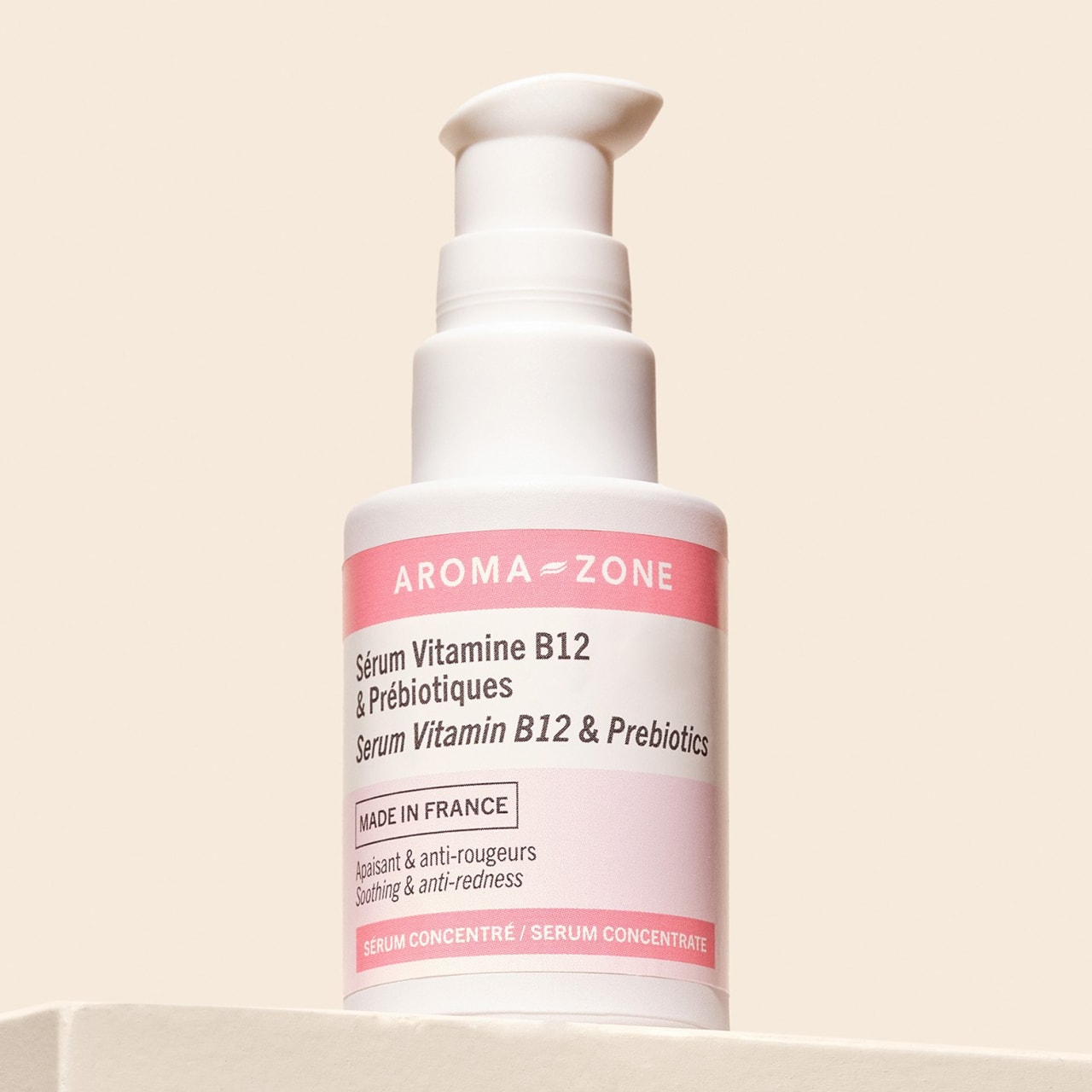
  • Use a serum : the Concentrated Vitamin B12 & Prebiotics Serum is formulated for sensitive and reactive skin. Its formula combines vitamin B12, prebiotics, ceramides, and barley polypeptides to soothe discomfort such as redness, tightness, stinging, and itching, and reduce the appearance of visible redness in just a few minutes. By nourishing and moisturizing the epidermis, this serum also helps to strengthen the skin barrier, supporting the skin's resistance to daily aggressions. Apply twice a day, morning and evening. Store at room temperature away from heat, closing the bottle tightly after use. Avoid contact with the eyes. In case of contact, rinse immediately with clean water.

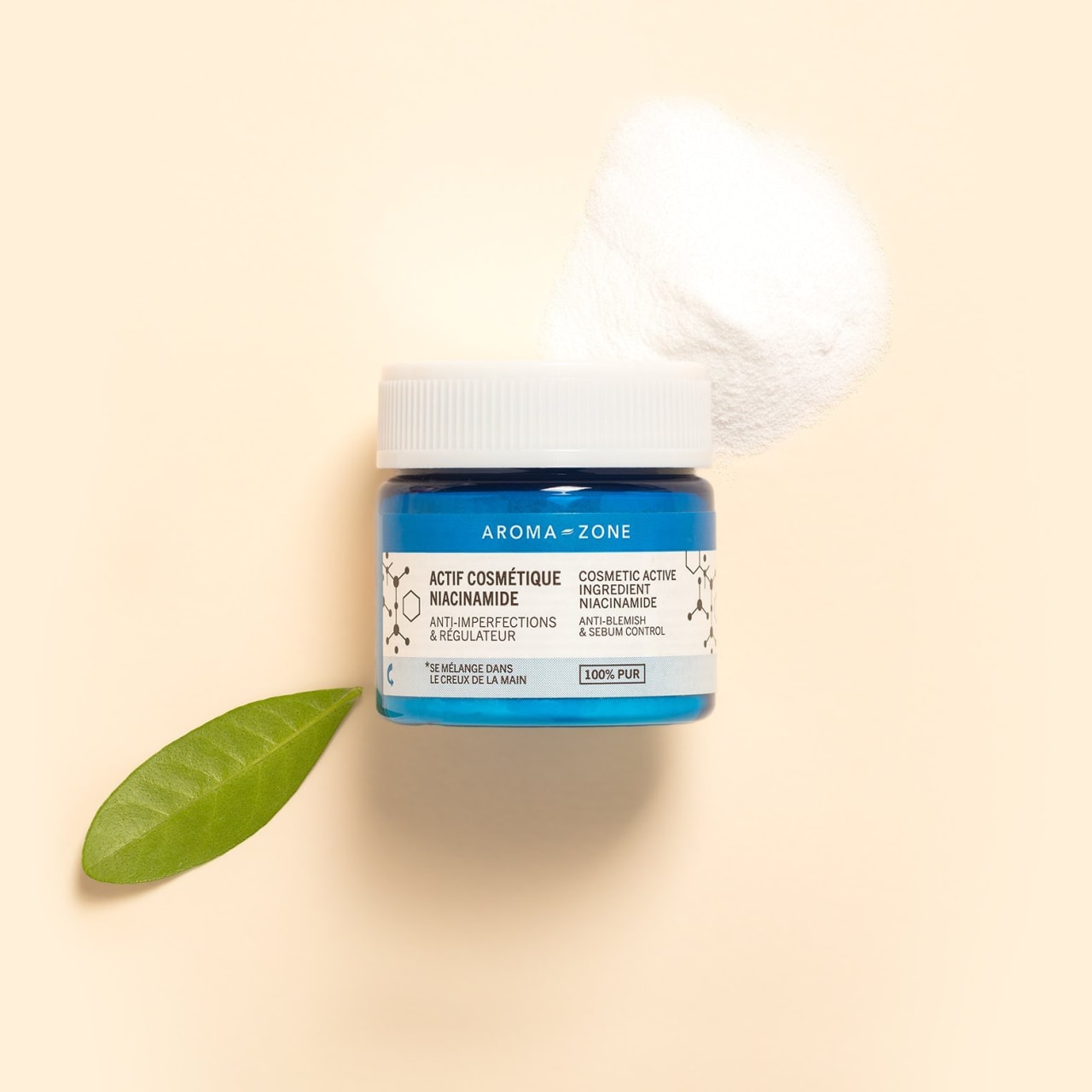
  • Make your own homemade skincare product: Active Niacinamide is a 100% pure cosmetic ingredient consisting of niacinamide, the water-soluble form of vitamin B3, used in cosmetics for its multiple skin properties. This molecule helps reduce visible redness by exerting an anti-inflammatory effect on the epidermis, while improving the overall appearance of the complexion and helping to even out skin tone. When incorporated into homemade skincare products, it also helps improve skin microcirculation, regulate sebum production, and visually refine pores, contributing to a more even appearance with less redness. Store at room temperature away from moisture, light, and heat sources.

  • A little comfort with a hydrosol: theOrganic Italian Helichrysum Hydrosol from Corsica is a 100% pure and natural floral hydrosol obtained by steam distillation of Helichrysum italicum, a Mediterranean plant also known as "immortelle." It is valued for its toning and soothing properties, which help to reduce visible redness on sensitive areas of the face, while providing a feeling of skin comfort. This hydrosol is suitable for delicate skin care and can be incorporated into homemade formulas.  

How to treat couperose naturally?

Medical treatment depends on the specific type of lesions observed.

Step 1: Clinical evaluation

A healthcare professional confirms the diagnosis and identifies any associated rosacea.

Step 2: Topical treatments with temporary effects

Certain vasoconstrictor gels, such as brimonidine, temporarily reduce redness by acting on the dilation of blood vessels. Their effect is limited in time.

Step 3: Vascular laser and targeted physical techniques

Vascular lasers can be used to selectively treat the vessels responsible for rosacea. They are performed on untanned skin and are considered a cosmetic procedure.

Step 4: Management of associated forms

When inflammatory lesions are present, specific treatments for papulopustular rosacea may be offered. They do not act on isolated couperose.

How can I get rid of rosacea or couperose on my face naturally?

Couperose, with its redness and dilated vessels, can be a source of discomfort and embarrassment for many people. To naturally reduce couperose or rosacea on the face, several approaches are recommended. Firstly, regular use of soothing, anti-inflammatory ingredients such as plant oils, hydrosols and essential oils can help reduce redness and strengthen blood vessel walls. In addition, proper skin hydration, daily sun protection and a balanced diet can also help improve skin condition and reduce the symptoms of rosacea.

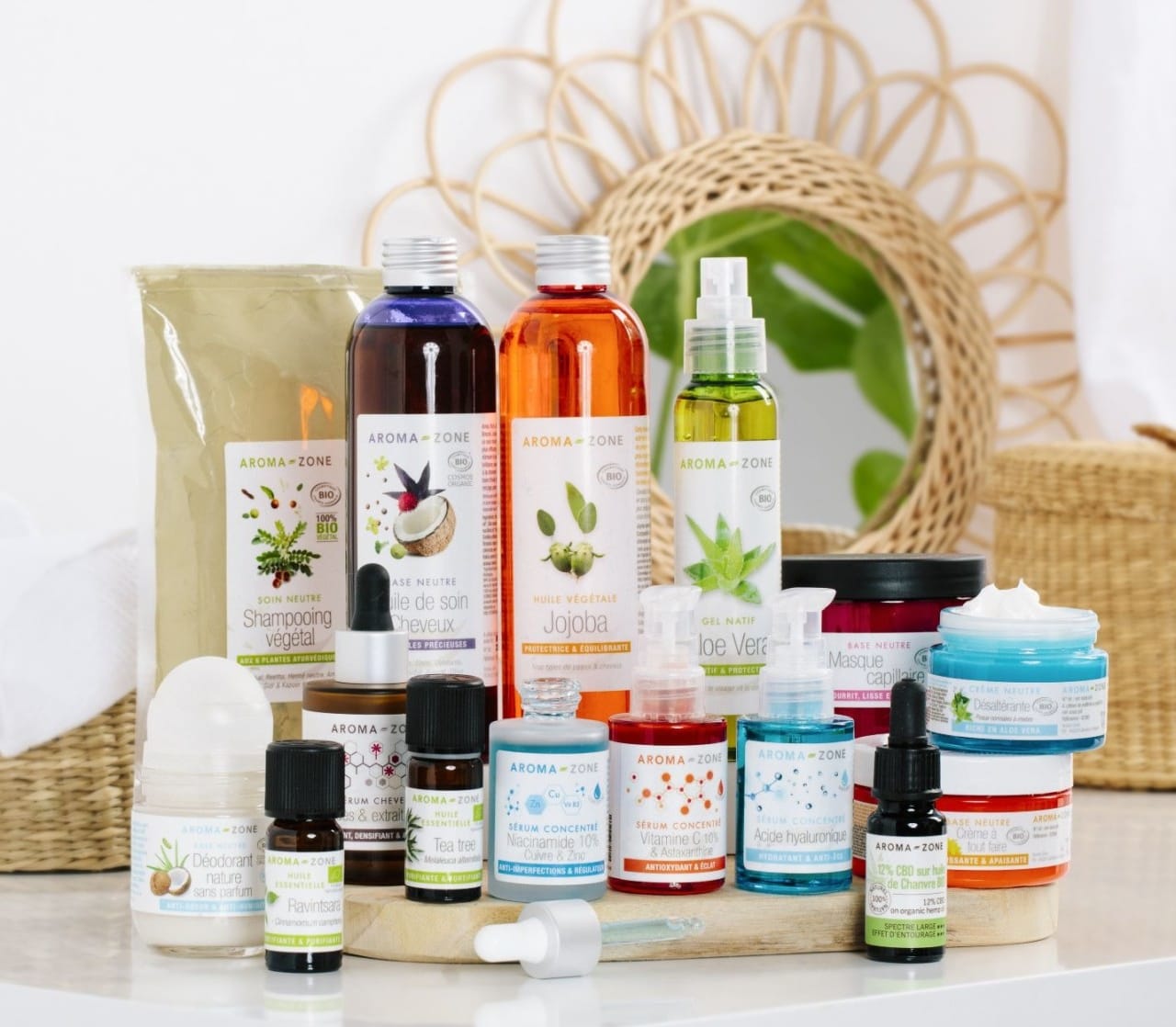
Discover our selection of Aroma Zone anti-redness products.

Precautions

Even when they are natural, skincare products are not without side effects. It is important to adopt a gradual approach, always testing products on a small area (such as the crook of the elbow) before using them more extensively, especially on sensitive or reactive skin. Certain formulas, particularly those containing concentrated active ingredients, are not suitable for everyone: pregnant or breastfeeding women, young children, or people with specific medical conditions should exercise caution. In addition, natural products are often formulated without preservatives. Good hygiene practices (clean hands, disinfected utensils) and proper storage conditions (away from heat and light, sometimes in the refrigerator) are essential to preserve their effectiveness and avoid any risk of contamination. If in doubt or if symptoms persist, it is essential to seek the advice of a healthcare professional to tailor your skincare routine to your specific needs.

Expert advice

In cases of chronic overwork, the nervous system is exhausted, and a paradox arises: the more tired you are, the less easily you fall asleep, and the more frequent and persistment your insomnia is. To regain quality sleep cycles, it is essential to recharge the entire nervous system with essential oils whose molecules are both sedative and revitalising. This therapeutic effect is commonly referred to as the neurotonic property, which is very valuable in this context of high stress and general exhaustion.

Aude Maillard, Doctor of Pharmacy, Aromatherapist, and Reflexologist.

Expert Aude Maillard

Aude Maillard, a practitioner and graduate in scientific aromatherapy, foot reflexology, and olfactotherapy, takes a comprehensive approach to essential oils, combining scientific and energetic perspectives. She is passionate about essential oils and eager to share her knowledge. Aude Maillard now leads aromatherapy workshops at Aroma-Zone and is also available for personalised consultations.

Bibliography

  1. The Covid-19 infection is thought to be linked to changes in our microbiota. A reaction that could explain the appearance of long Covid

    Science et Avenir article, 28 January 2022

  2. Vitamin D supplementation to prevent acute respiratory infections: systematic review and meta-analysis of aggregate data from randomised controlled trials

    Jolliffe DA, Camargo CA, Sluyter JD, et al

  3. Farshchian M, Daveluy S. Rosacea. 2023 Aug 8. In: StatPearls [Internet]. Treasure Island (FL): StatPearls Publishing; 2025 Jan–. PMID: 32491506.

  4. Algarin YA, Pulumati A, Jaalouk D, Tan J, Nouri K. The role of vitamins and nutrients in rosacea. Arch Dermatol Res. 2024 May 2;316(5):142. doi: 10.1007/s00403-024-02895-4. PMID: 38695936; PMCID: PMC11065919.

  5. Ameli. Treatment of couperose and rosacea. Website: ameli.fr; March 21, 2025; Accessed December 2025.

  6. Ríos-Yuil JM, Mercadillo-Perez P. Evaluation of Demodex folliculorum as a Risk Factor for the Diagnosis of Rosacea In Skin Biopsies. Mexico's General Hospital (1975-2010). Indian J Dermatol. 2013 Mar;58(2):157. doi: 10.4103/0019-5154.108069. PMID: 23716816; PMCID: PMC3657226.

Frequently Asked Questions

Frequently Asked Questions