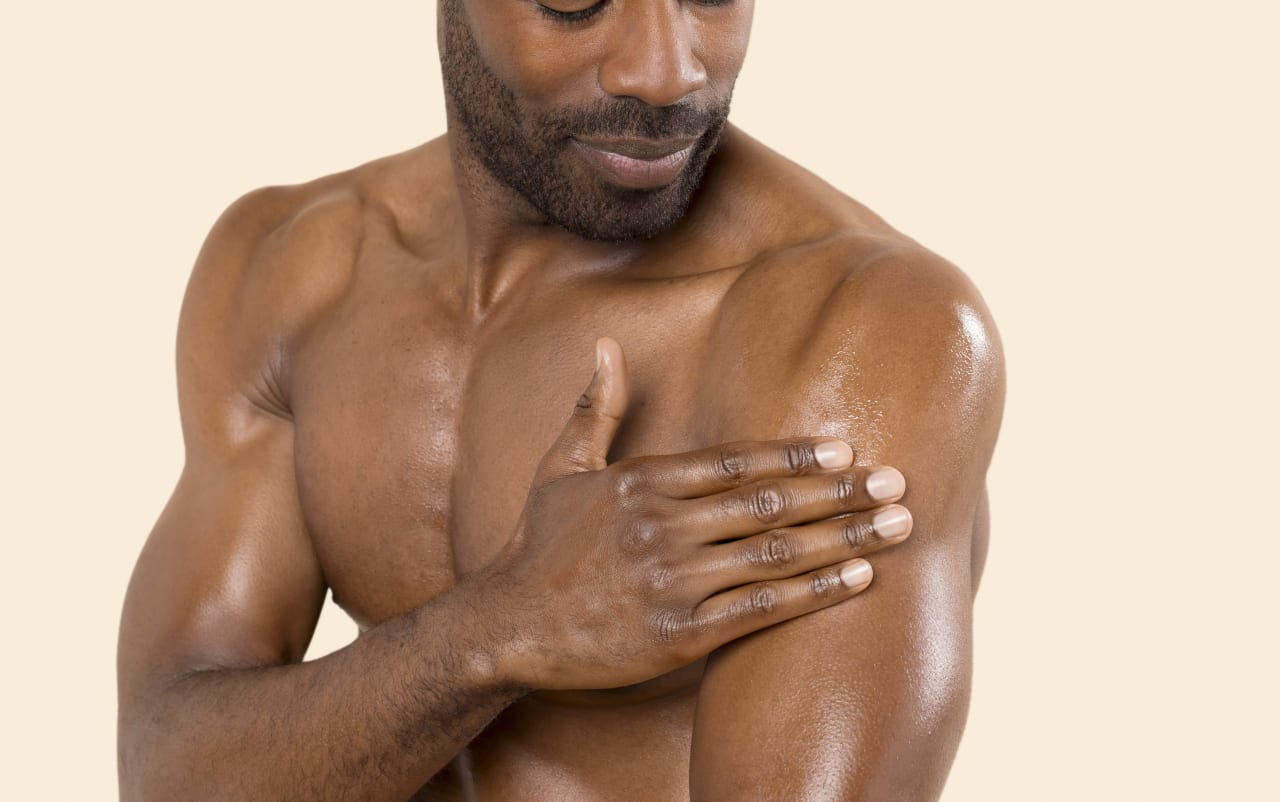
Creamy, fragrance-free body moisturiser
Keratosis pilaris (dry skin): information and solutions
Keratosis pilaris is a common and benign condition, but it can psychologically impact those who suffer from it. It's non-contagious and takes the form of small light red or brown spots on the arms, thighs, face and buttocks. These are clogged hair follicles that give the skin an irregular appearance. Urea, salicylic acid, moisturisers, and so forth, there are various natural solutions in existence to reduce keratosis pilaris. We tell you our advice and the most effective active ingredients for relieving keratosis pilaris naturally.
By The Aroma-Zone editorial team
What is keratosis pilaris?
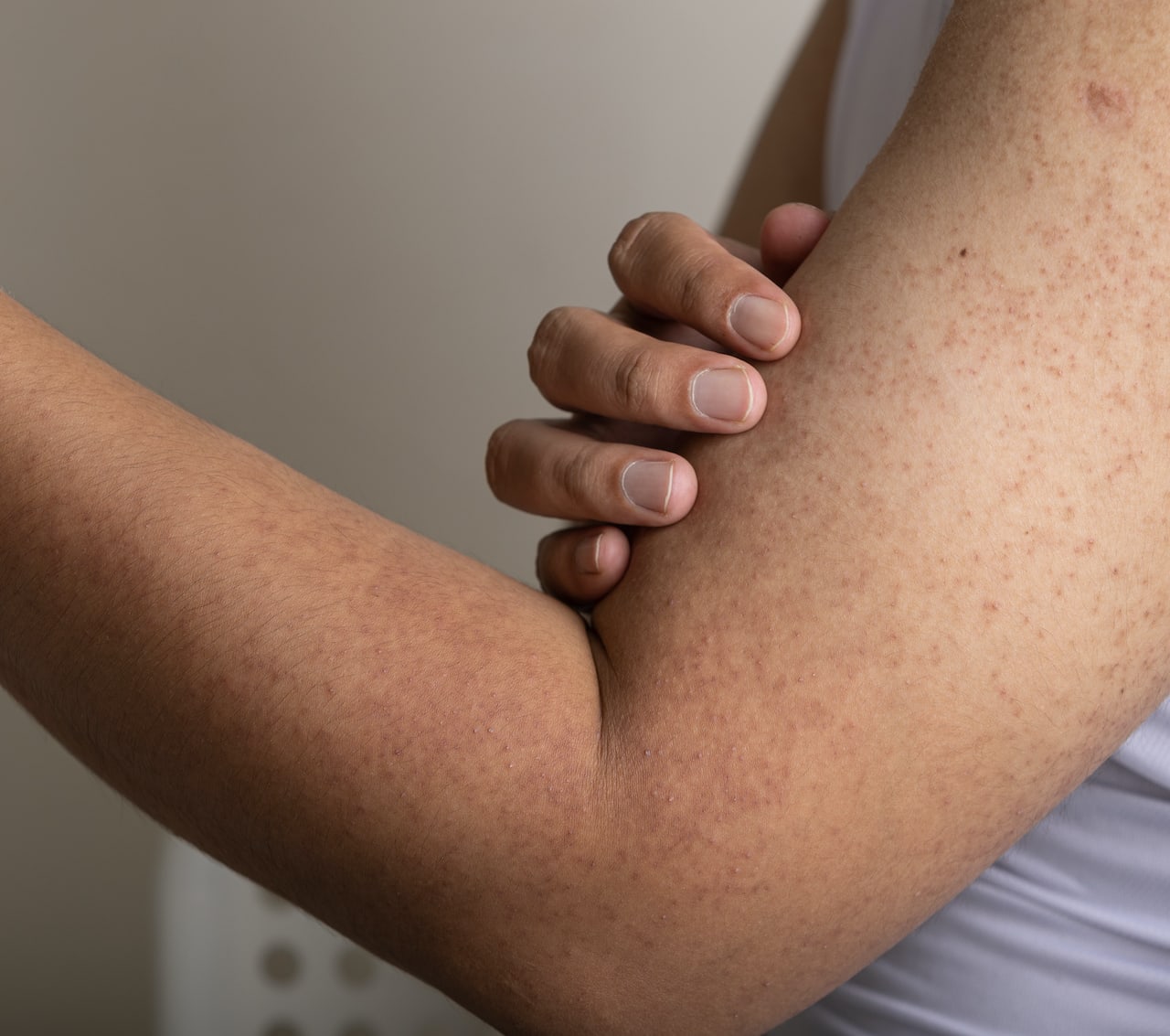
Keratosis pilaris (also known as keratosis follicularis, lichen pilaris and follicular keratosis) is a harmless, non-contagious dermatosis characterised by the presence of small, rough bumps on the skin (papules), particularly on the face, buttocks, thighs and back of the arms. But it can also affect the face, particularly in children. Small pimples appear, and the skin becomes rough and uneven, giving it a "chicken-skin" appearance. It is caused by severe skin dryness and an abnormal build-up of keratin in the hair follicles. The follicles become clogged with horny plugs, giving the skin an irregular appearance.
Keratosis pilaris affects almost 25% of French people, and is one of the most common skin diseases. It affects children, teenagers and young adults in particular, and women more often than men. From the age of 30, it diminishes. It may intensify with the seasons, with more papules in winter and fewer in summer.
The diagnosis of keratosis pilaris is purely clinical and based on observation of the lesions.
What causes keratosis pilaris?
As we have seen, keratosis pilaris is caused by an accumulation of keratin. Keratin is the protein that gives the body's tissues their stability, and is the basic building block of our hair and nails. In keratosis pilaris, excess keratin accumulates in the hair follicles and clogs them. The skin thickens, and pimples become hard plugs.
The exact cause of keratosis pilaris remains unknown, but it seems that this skin disorder is hereditary and genetic, as it is frequently found within the same family. In fact, 30-50% of patients have a family history. Dry skin is also more prone to this condition, as are people with atopic dermatitis or ichytosis. Vitamin deficiencies (particularly C and A) may also be the cause.
In most cases, keratosis pilaris appears in childhood, may intensify in adolescence and persist into adulthood, with phases when it recedes and then returns. It is generally not painful, but it can be a source of stress and undermine self-esteem, as it is often considered unsightly by sufferers. Finally, it can sometimes cause discomfort or itching.
What are the symptoms of keratosis pilaris?
Symptoms of keratosis pilaris include:
Small, rough pimples, flesh-coloured on fair skin and brown on black skin. These papules may be slightly raised and sometimes slightly red.
Ingrown hairs or hairs that do not grow normally and appear to be trapped under the skin.
A feeling of roughness or dryness of the skin.
Slight itching or irritation of the skin.
Keratosis pilaris can be more visible and irritating during winter, when the skin is drier due to lower humidity. However, symptoms can vary from person to person and be more or less pronounced depending on the severity of the condition.
How can keratosis pilaris be prevented?
Unfortunately, there is no proven method for completely banishing keratosis pilaris, as it can be linked to genetic factors. However, certain preventive measures can help to prevent or reduce the appearance of keratosis pilaris:
Moisturise your skin regularly: use an unscented moisturiser after showering to reduce dryness and the appearance of papules.
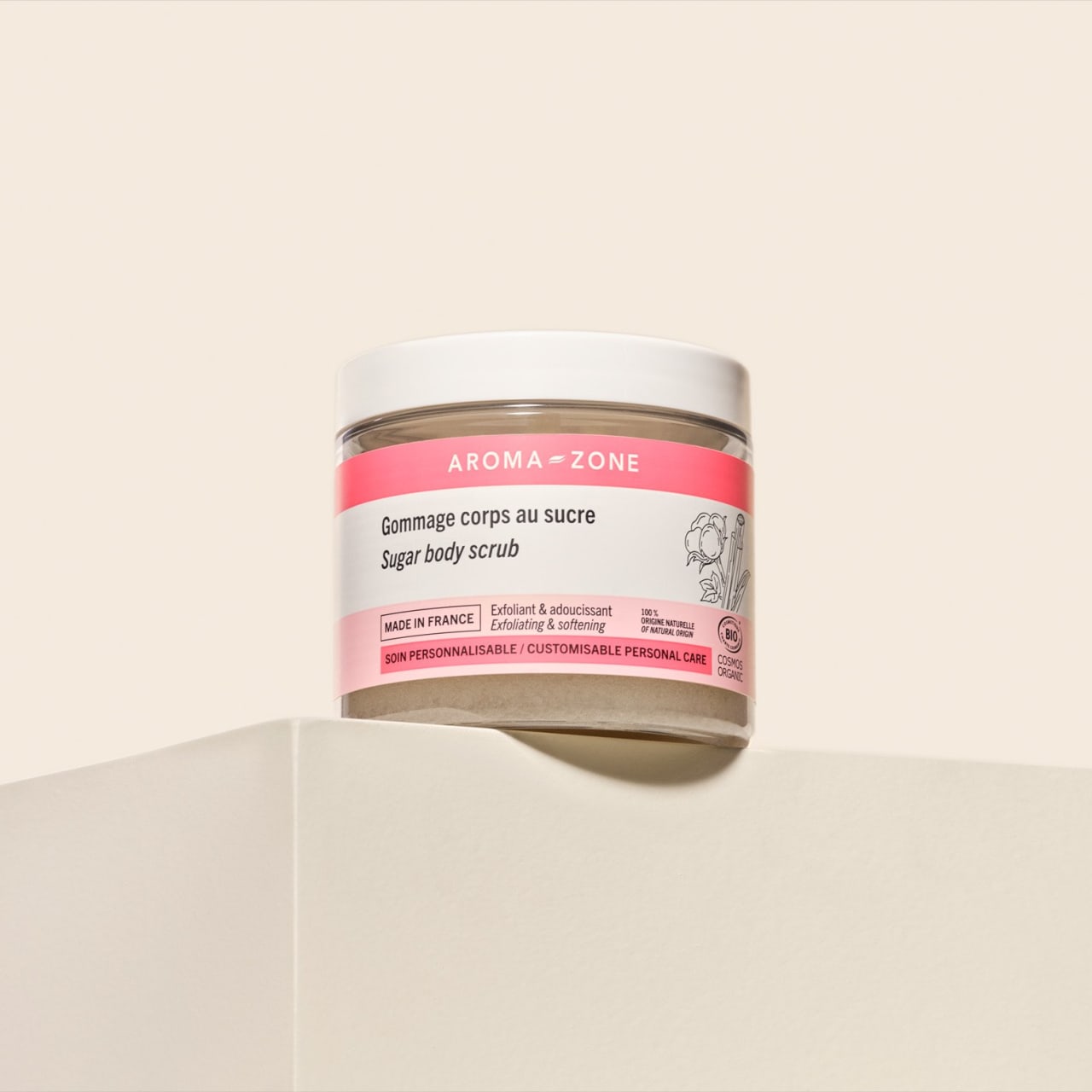
Exfoliate your skin: use a gentle exfoliating scrub to remove dead skin cells and soften the epidermis, while helping to unclog corneal plugs.
Avoid skin irritants: cut out overly aggressive cleansers and products with synthetic ingredients that can irritate the skin.
Avoid tight-fitting clothes: tight-fitting clothes can worsen the appearance of keratosis pilaris by rubbing against the skin and encouraging irritation.
Choose natural cosmetics with simple, short, fragrance-free formulas.
Eat a balanced diet: a healthy, varied diet can help maintain healthy skin and reduce the appearance of keratosis pilaris.
Possible solutions to relieve keratosis pilaris
Keratosis pilaris is a common dermatological condition that is benign, but it can psychologically impact those who suffer from it. It's non-contagious and takes the form of small light red or brown spots on the arms, thighs, face and buttocks. These are clogged hair follicles that give the skin an irregular appearance. Urea, salicylic acid, moisturisers, and so forth, there are various natural solutions in existence to reduce keratosis pilaris. We tell you our advice and the most effective active ingredients for relieving keratosis pilaris naturally.
Which cream is most effective against keratosis pilaris?
The number one natural solution to keratosis pilaris is to keep the skin well hydrated. Always opt for skin care products with natural ingredients, rich in carrier oils and free from irritating or controversial ingredients.
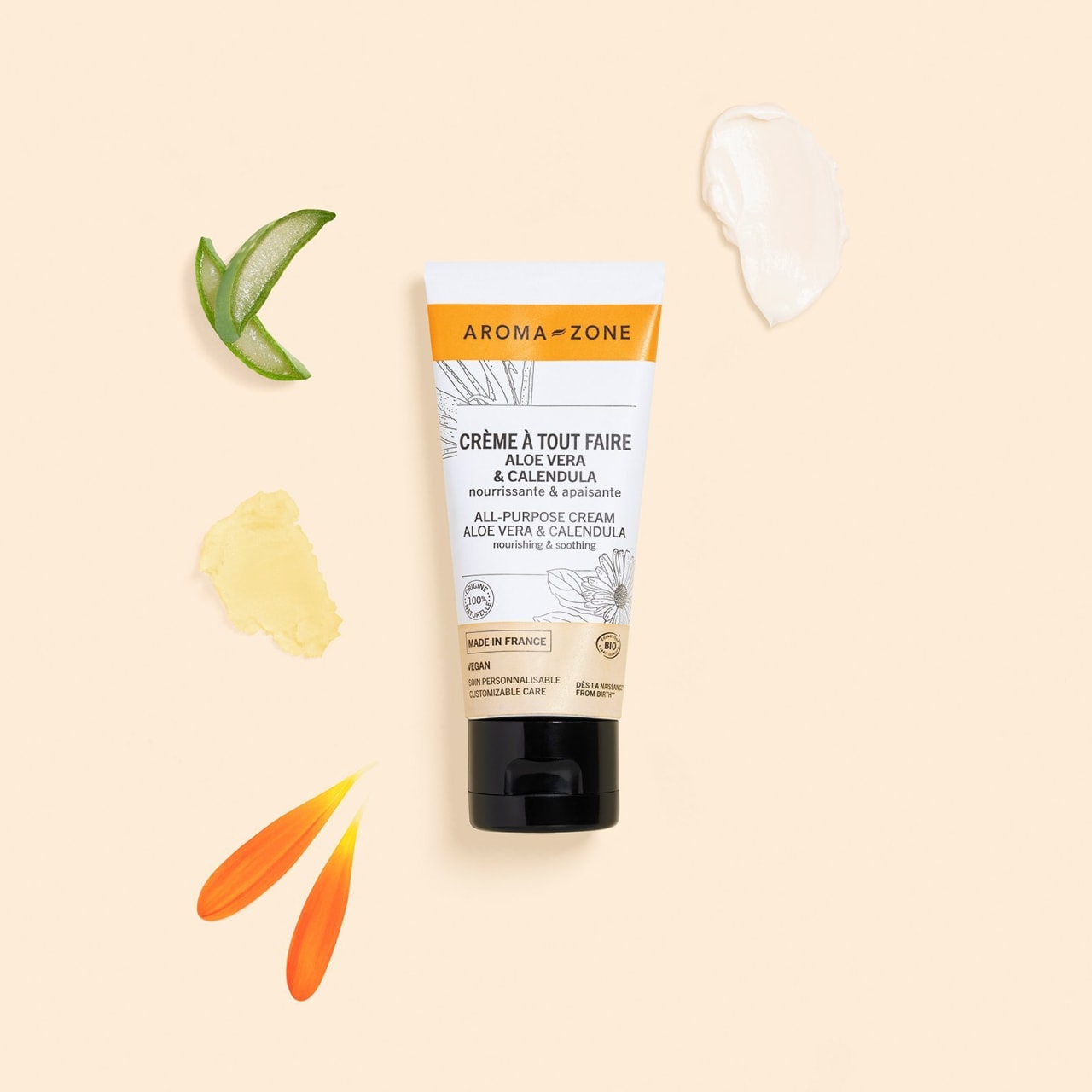
Our All-In-One Cream is ideal for moisturising and softening skin prone to keratosis pilaris. It can be used on the body as well as the face, and is suitable for the whole family. Extremely gentle, it combines moisturising aloe vera, soothing calendula, protective cocoa butter and a restorative plant extract, Bisabolol. Our All-In-One Cream can be used pure, the perfect solution for children, or personalised with active ingredients (urea, salicylic acid) for adult skin.

All-purpose cream
It can be used as a neutral base or as a daily hair care product for all of your hair, right down to the ends. Use as is or customise!
Our natural solutions to reduce keratosis pilaris
There are multiple natural solutions to alleviate this 'chicken skin' appearance. As well as daily moisturising, regular exfoliation will unclog pores and hair follicles while softening skin texture. Targeted skin care products containing keratolytic ingredients such as salicylic acid and urea can improve the appearance of the skin. Carrier oils rich in vitamin E are also known to have a positive effect on keratosis pilaris. Finally, applypink clay masks regularly to the face or body areas prone to keratosis.
The best active ingredients to relieve keratosis pilaris

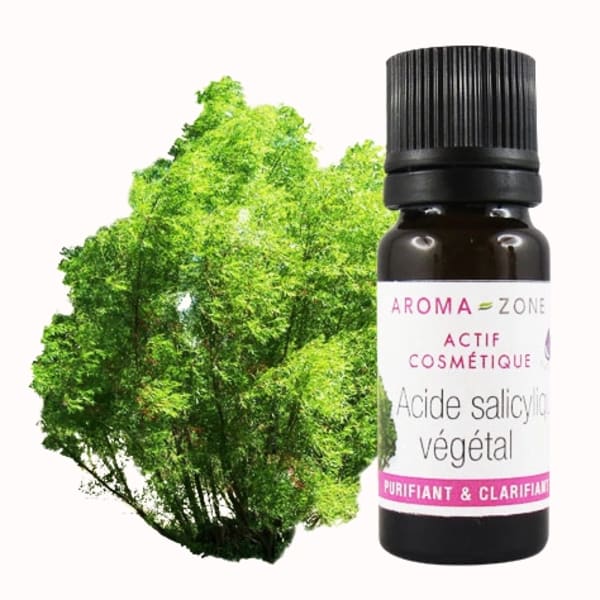
Salicylic acid
Purifying and keratolytic, it stimulates skin renewal, unclogs pores, combats ingrown hairs and reduces roughness.

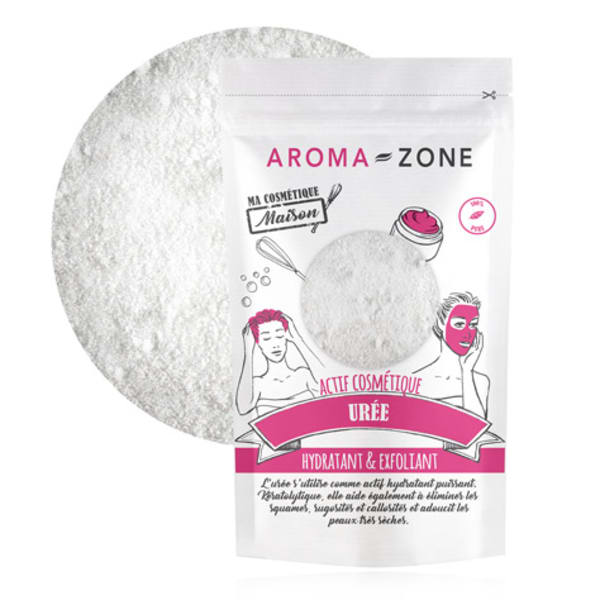
Urea
Widely used in dermatological products, this active ingredient has moisturising and keratolytic effects. It smoothes out irregularities, exfoliates and promotes the renewal of corneocytes (cells in the stratum corneum).

Allantoin
Restorative, keratolytic and softening, allantoin helps maintain good skin hydration. Ideal for sensitive skin or skin prone to blemishes.
Carrier oil and pink clay to reduce keratosis

Organic cranberry carrier oil
Highly moisturising and emollient, it restores and regenerates dry skin, soothes and softens damaged skin.

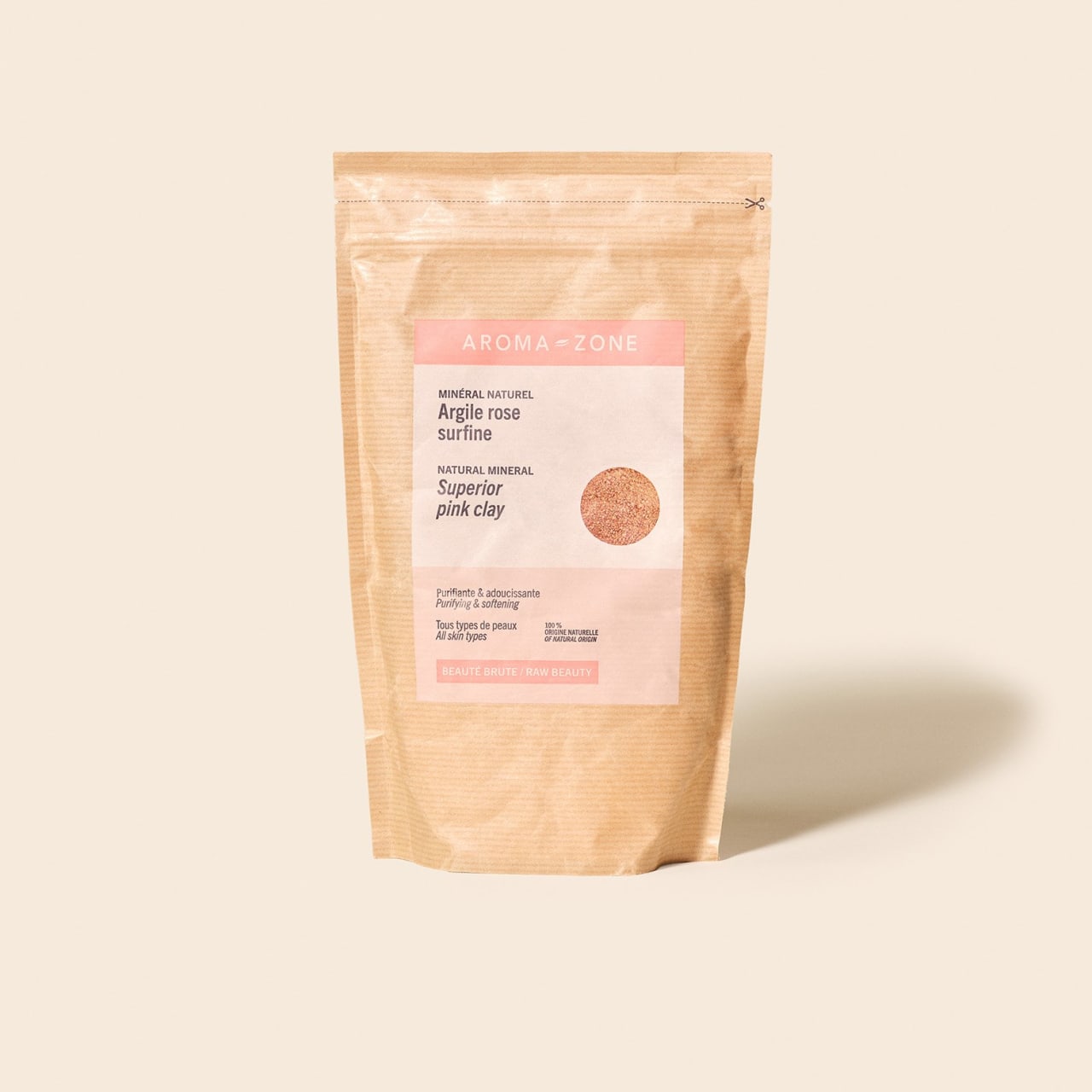
Pink clay
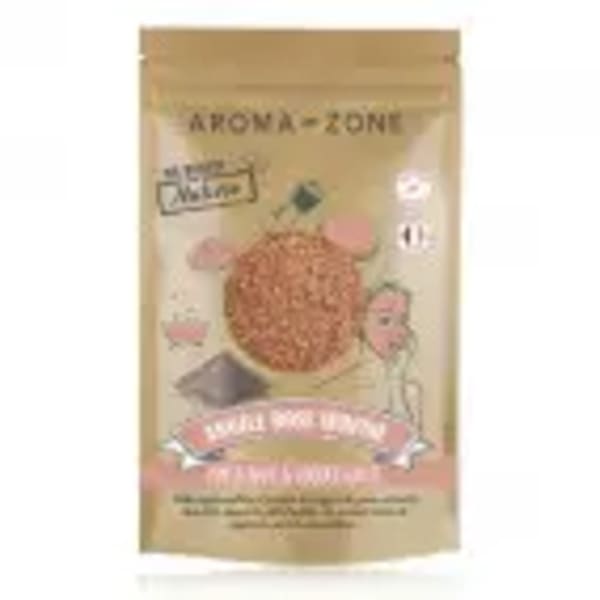
Cleansing, purifying and restorative, it gently purifies the skin without damaging the skin barrier.
Gels and serums to reduce keratosis pilaris on the face

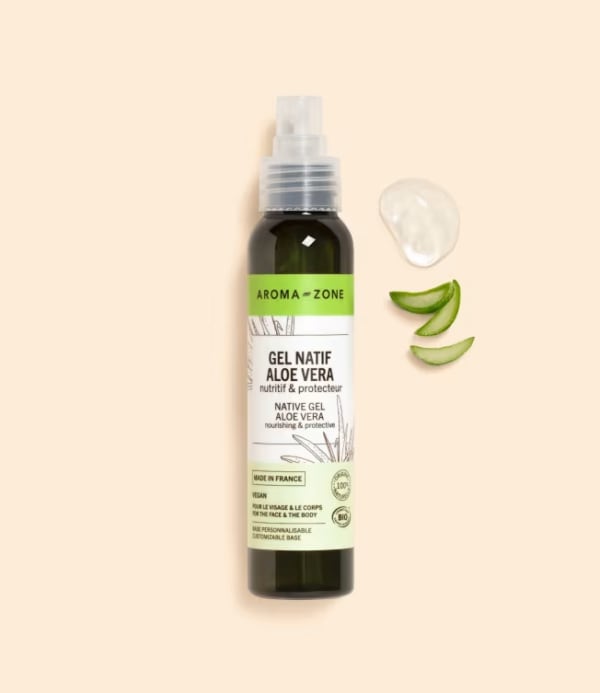
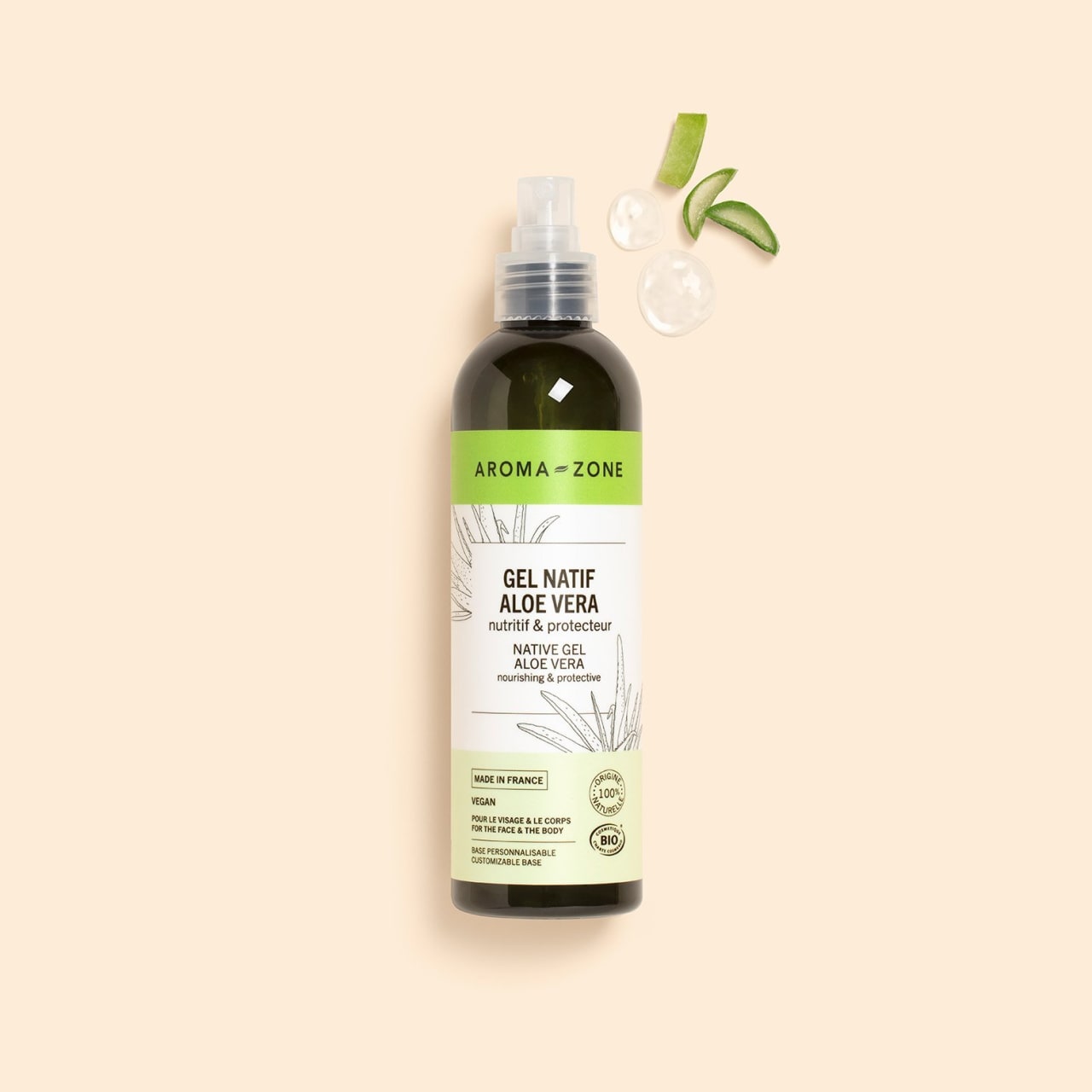
Organic aloe vera gel
Ideal for fragile skin, this gel will hydrate and purify the skin, while encouraging cell regeneration. It can be used pure or personalised with active ingredients.

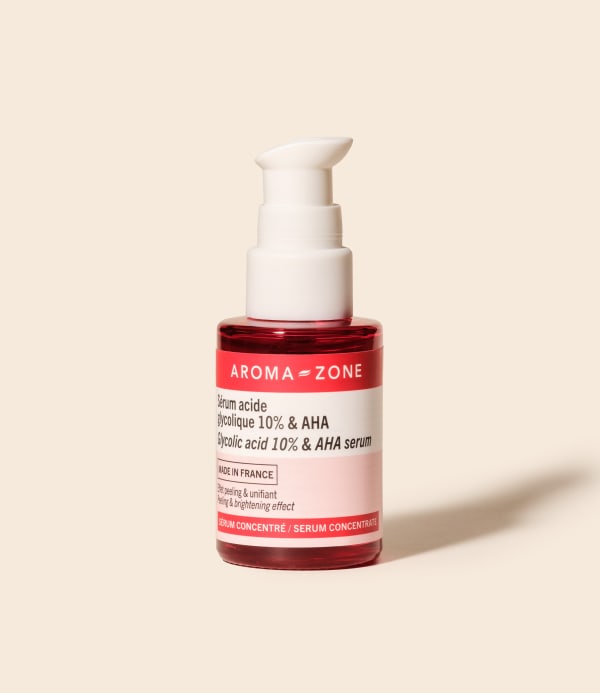
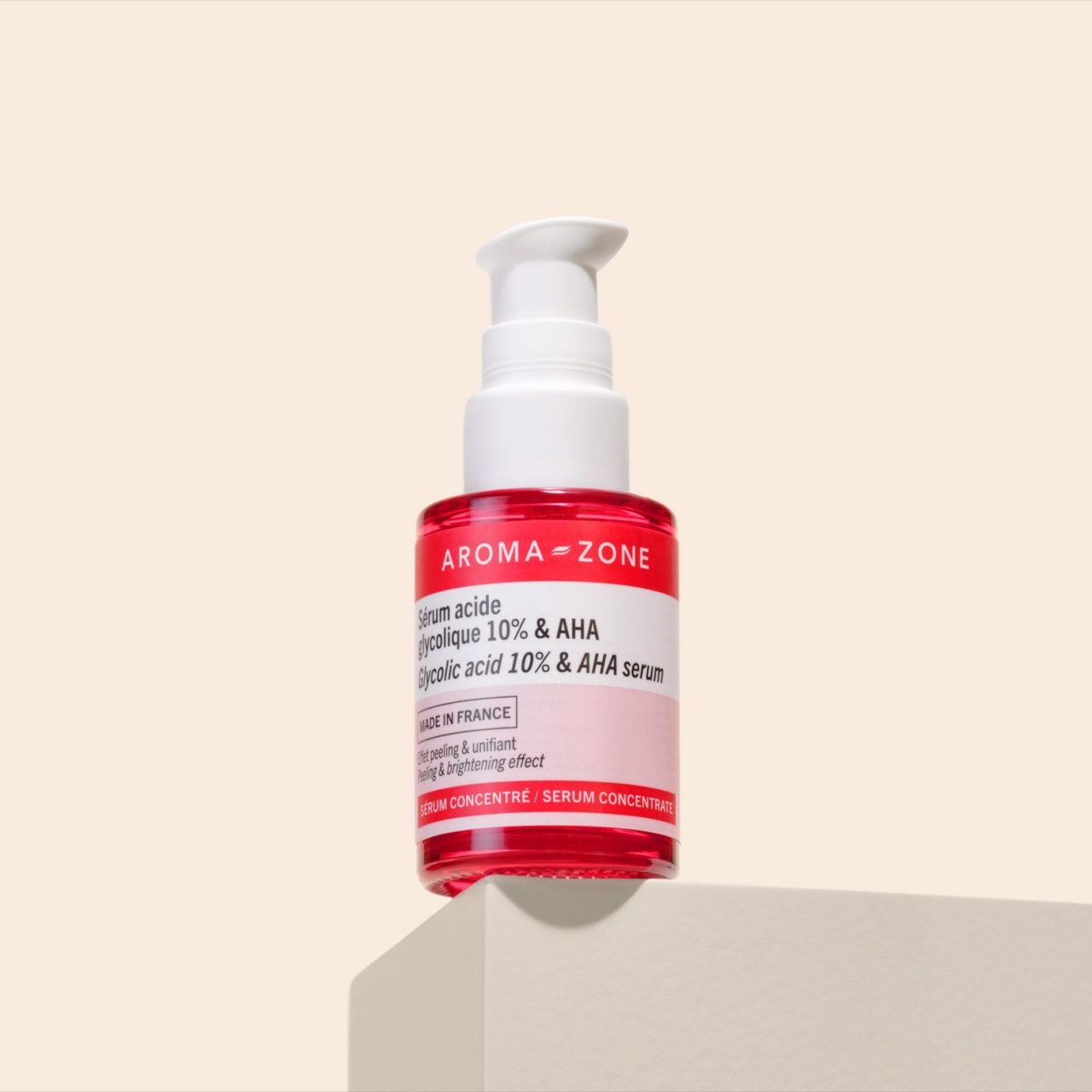
10% Déc & AHA Acid Face Serum Concentrate
This exfoliating, regenerating treatment for adult skin provides targeted action and a powerful peeling and keratolytic effect without irritating the skin.
This peeling serum should only be used in the evening. Use daily sun protection and avoid exposure to the sun for up to a week after the last application.
Our natural recipes
To reduce keratosis pilaris, choose moisturising, natural skin care products with simple, non-irritating formulas. Choose your skincare products and recipes according to your skin type. If you have oily skin, opt for light, penetrating gels. Go for creams and lotions if you have dry or dehydrated skin. Don't forget to cleanse and remove your make-up every evening to encourage cell renewal and eliminate impurities. Once a week, use a scrub followed by a clay mask to remove impurities.

Creamy, fragrance-free body moisturiser

Creamy, fragrance-free body moisturiser

Lavender and chamomile soft skin cream

Lavender and chamomile soft skin cream
Mix 100ml of Neutral Plant Milk + 30g of Plant-Derived Salicylic Acid + 4 spoons of urea + 11g of PDO Lavender Fine essential oil + 3g of organic German chamomile essential oil

Concentrated moisturising face serum

Concentrated moisturising face serum
Mix 30ml of organic native aloe vera gel + 1 spoonful of urea + 10g of organic furocoumarin-free Sicilian lemon essential oil

Comforting fragile skin cream

Comforting fragile skin cream
Mix 100ml of All-In-One Cream + 2 spoonfuls of allantoin + 8 spoonfuls of urea + 31g of Natural Orange Blossom Fragrance
Find out more

Can keratosis pilaris appear on the face?

Can keratosis pilaris appear on the face?
Keratosis pilaris can occur on the face, although it is less common than on other parts of the body. When it occurs on the face, it usually appears on the cheeks, forehead and chin. Symptoms of keratosis pilaris on the face can include small, rough bumps, ingrown hairs, dry, flaky skin, redness and increased skin sensitivity. Keratosis pilaris on the face can be particularly worrying as it affects appearance and self-confidence. If this is the case for you, don't hesitate to consult a dermatologist, who will offer you appropriate solutions.

What makes keratosis pilaris worse?

What makes keratosis pilaris worse?
Certain conditions can aggravate keratosis pilaris, including smoking, taking medication and certain autoimmune diseases.
Clothes that rub against the skin if they are too tight, synthetic materials, detergents and perfumes with synthetic compositions and cleansing products that are too abrasive are also factors that can aggravate keratosis pilaris.
Finally, it seems that skin dryness and winter increases the symptoms of keratosis pilaris.

When does keratosis pilaris disappear?

When does keratosis pilaris disappear?
Keratosis pilaris is a chronic skin condition that can persist for years or even a lifetime. However, the symptoms of keratosis pilaris can vary in intensity and frequency throughout life.
Some people may see an improvement in their symptoms during childhood and adolescence, while others will experience more intensive symptoms as they get older.
Regular natural skincare products combined with a healthy lifestyle can help you cope better with keratosis pilaris and relieve it. Don't hesitate to ask a naturopath for help with a check-up and appropriate advice.