What mistakes should you avoid if you have sensitive skin?

What mistakes should you avoid if you have sensitive skin?


By Hélène Betoux

Published on: Tuesday, March 10, 2026, Updated on: Monday, October 12, 2026

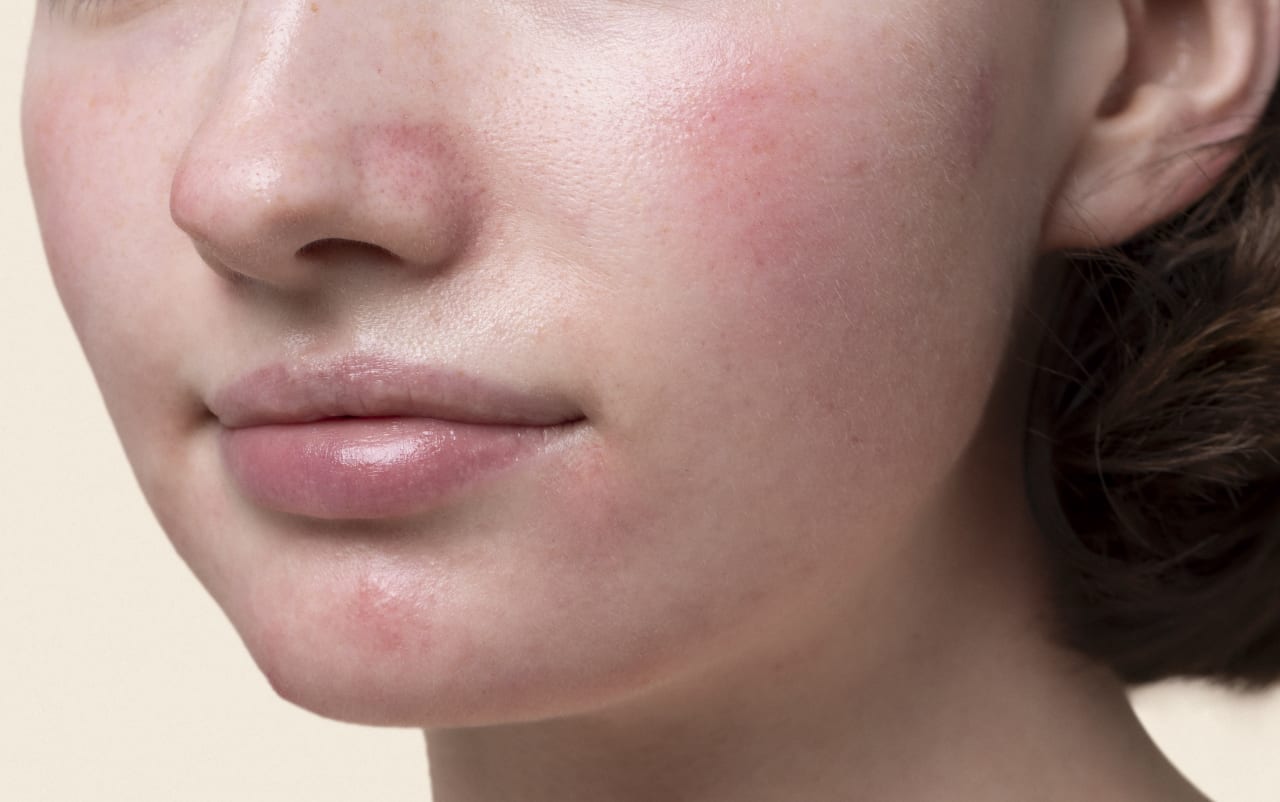
Overusing cosmetics, over-cleansing your skin, neglecting protective formulas… These are all common mistakes that affect sensitive skin and exacerbate its discomfort. When your skin becomes red, hot or tingly, it’s tempting to head straight to the cosmetics aisle in the hope of improving its condition. Although well-intentioned, this reflex is generally the main factor that aggravates intolerant skin. It’s a paradox that may seem difficult to resolve, but which actually calls for a more consistent approach. This article outlines the most common mistakes and their consequences for your reactive skin, backed by expert input from our dermatologists. 

Contents

Related products

In brief

  • It’s common to make mistakes when caring for sensitive skin.

  • Persistent skin discomfort is very often caused by an unsuitable skincare routine.

  • Adopting the right protective habits and using high-tolerance formulations is essential for maintaining skin balance and improving skin comfort.

What are the common mistakes to avoid if you have sensitive skin?

Even with the best will in the world, mistakes are as common as they are underestimated when it comes to sensitive skin. This skin type can react to the slightest misstep, for example by suddenly becoming irritated by a product that once seemed to suit it. Here are the main mistakes to be aware of.

One of the biggest mistakes is using cosmetics that are unsuitable for sensitive skin. In fact, this is the main aggravating factor identified in a 2022 study carried out by the Department of Dermatology at the University of Brest (1). Products sometimes contain substances that exacerbate skin discomfort, such as fragrance, soap, certain surfactants or preservatives.

Failing to protect your sensitive skin from environmental factors can also increase its reactivity. These include ultraviolet rays from the sun, wind, extreme temperatures and excessively dry air (2). It is particularly in the morning that the skin needs to be ‘shielded’ with protective skincare products; neglecting this step makes it more vulnerable.

Another common mistake is cleansing hypersensitive or reactive skin too frequently. Discomfort stems partly from a weakened skin barrier. Cleansing, by its very nature, weakens it even further. Overuse of cleansers, particularly in the morning when the skin doesn’t really need them, is a common bad habit. When it comes to cleansers, less is more.

Finally, neglecting the impact of the exposome (that is, the totality of environmental factors) specific to modern lifestyles risks having harmful consequences on your skin’s tolerance threshold. A 2025 study suggests that skin exposed to urban, stressful and polluted environments—which are sources of free radicals—exhibits an inflammatory response up to three times greater than that of other skin types (3).

You may be making these mistakes if:

  • Your skin problems persist despite adopting a more natural skincare routine

  • Your skin seems to be becoming increasingly sensitive, with symptoms getting worse

  • Certain products that your skin did not react to before now cause a stinging sensation, redness or irritation.
Why do certain habits make the discomfort worse?

Dermatologists consider it highly likely that the reactivity of sensitive skin is caused by hyperreactivity of the cutaneous nervous system (4). More specifically, the current hypothesis is that this hyperreactivity results from abnormal activation of sensory proteins (notably TRPs) located on nerve fibres. Once activated, these proteins release neuropeptides that trigger an inflammatory response. This is known as “cutaneous neurogenic inflammation” (CNI). This inflammatory process is capable of being self-perpetuating, as it disrupts the cellular activity of the skin on a wider scale, particularly that of keratinocytes (the name given to the cells in your epidermis). (1).

These proteins are characterised by their ability to react under the influence of chemical, physical and thermal factors alike. This would explain why skin sensitivity is multifactorial. Indeed, water that is too hot when rinsing, a towel that is too rough, or repeated rubbing – all these seemingly innocuous elements within a daily routine will in fact exacerbate discomfort.

This hypersensitivity is also modulated by several factors, meaning that its intensity varies depending on exogenous and/or endogenous factors. The permeability of the skin barrier, in particular, can make the skin more susceptible to irritants and allergens that breach its defences. It is therefore associated with reduced protection of the nerve endings (2). A skin barrier weakened by an unsuitable skincare routine thus paves the way for excessive reactions.

Good to know: In women, hormonal fluctuations in the run-up to their period also increase skin sensitivity (5). This is therefore a time when even greater care is required.

What are the best habits to adopt?

To avoid common mistakes when caring for sensitive skin, the priority is to strengthen its protective barrier and, whilst waiting for it to improve, to use skincare products that are compatible with your skin’s tolerance level:

  1. Adopt a minimalist skincare routine. Limit yourself to three essential steps (cleanse, soothe, protect) and avoid combining too many potent active ingredients (e.g. retinol). If you’ve recently experienced a reaction, gradually reintroduce your skincare products to identify the culprit (6).

  2. Use only high-tolerance skincare products, formulated for sensitive skin, to avoid exposing the skin to triggers or aggravating factors. You may also wish to opt for formulations enriched with ingredients capable of inhibiting neurogenic inflammation (5).

  3. Cleanse your skin very gently, without over-cleansing. It is best to choose cleansers with a pH level close to that of the skin’s surface. Soaps, which are inherently alkaline, are, for example, not particularly suitable for sensitive skin. There are surfactants known to be gentle and compatible with sensitive skin.

  4. Wear sun protection every day, particularly to limit the impact of UV rays and oxidative stress on your hyper-reactive skin. We recommend opting for mineral sunscreens, which are inert and generally better tolerated by easily irritated skin (6).

Key points to remember for a beneficial skincare routine

  • Minimalism is the golden rule for caring for sensitive skin: few products, few active ingredients, few changes.

  • Respecting and strengthening the skin barrier is a priority. The aim is to correct its permeability whilst, at the same time, preventing it from becoming stripped of lipids again.

  • Sensitive and irritable skin needs to be protected with emollients, humectants, ceramides, biocompatible lipids and mineral sun filters.

A dermatologist’s advice

Their advice will help you gain a better understanding of your sensitive skin as a whole, so that you can adapt your daily skincare routine accordingly.

A word from the dermatologist

"Most people with sensitive skin do not tolerate surfactants well. Double cleansing is therefore not suitable in this case. You need to experiment to find the gentlest cleansing method that your skin tolerates best: micellar water with a low concentration of surfactants, an enzymatic powder or a soap-free, ultra-moisturising bar. Similarly, products known to be irritating will not be well tolerated by sensitive skin. This is the case with retinol or AHAs. Mechanical stimulation will also cause discomfort: mechanical exfoliants are therefore not recommended."

Dr Reyhan Amode, dermatologist and member of the Aroma-Zone College of Dermatologists

Our tailored skincare products

Below you’ll find our selection of skincare products designed to replenish the skin’s natural oils and strengthen your skin whilst soothing any persistent discomfort. You don’t need to incorporate them all into your routine, let alone all at once. Simply choose the ones that best suit your needs, your habits and your skin type. Keep the key word in mind: minimalism.

Step 1: Cleanse gently

048-pack-aromazone-0335

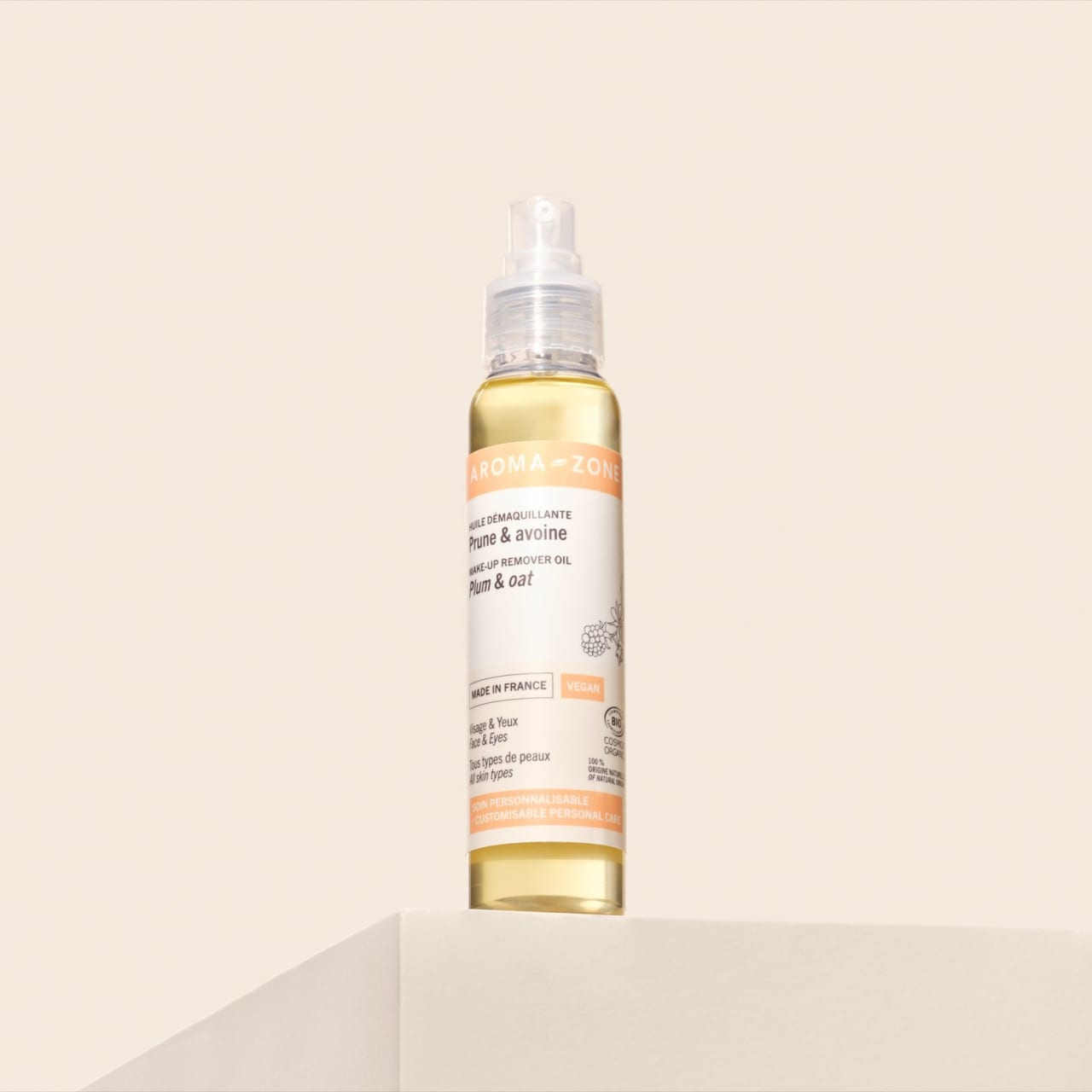
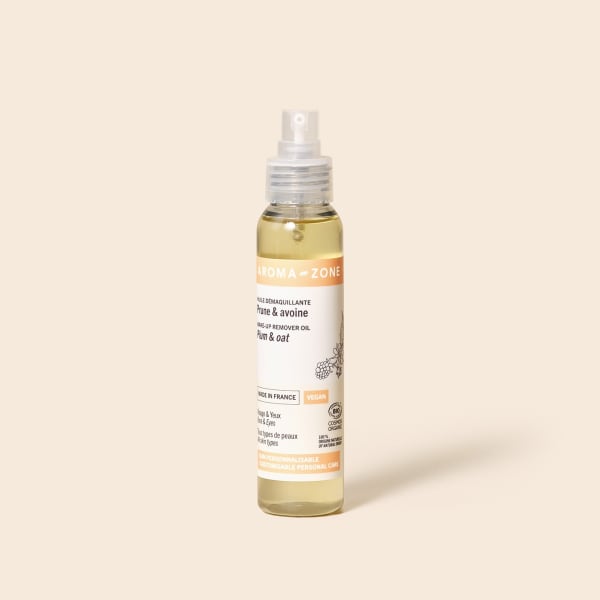
Plum & Oat Cleansing Oil. Its minimalist formula, containing four precious oils, removes all types of make-up, even waterproof make-up. Ultra-gentle, it preserves the skin’s hydrolipidic film and cares for delicate skin. Dermatologically tested, made with 100 per cent naturally derived ingredients, fragrance-free and free from essential oils, certified organic, vegan and made in France.

Coconut & Shea Cleansing Cream

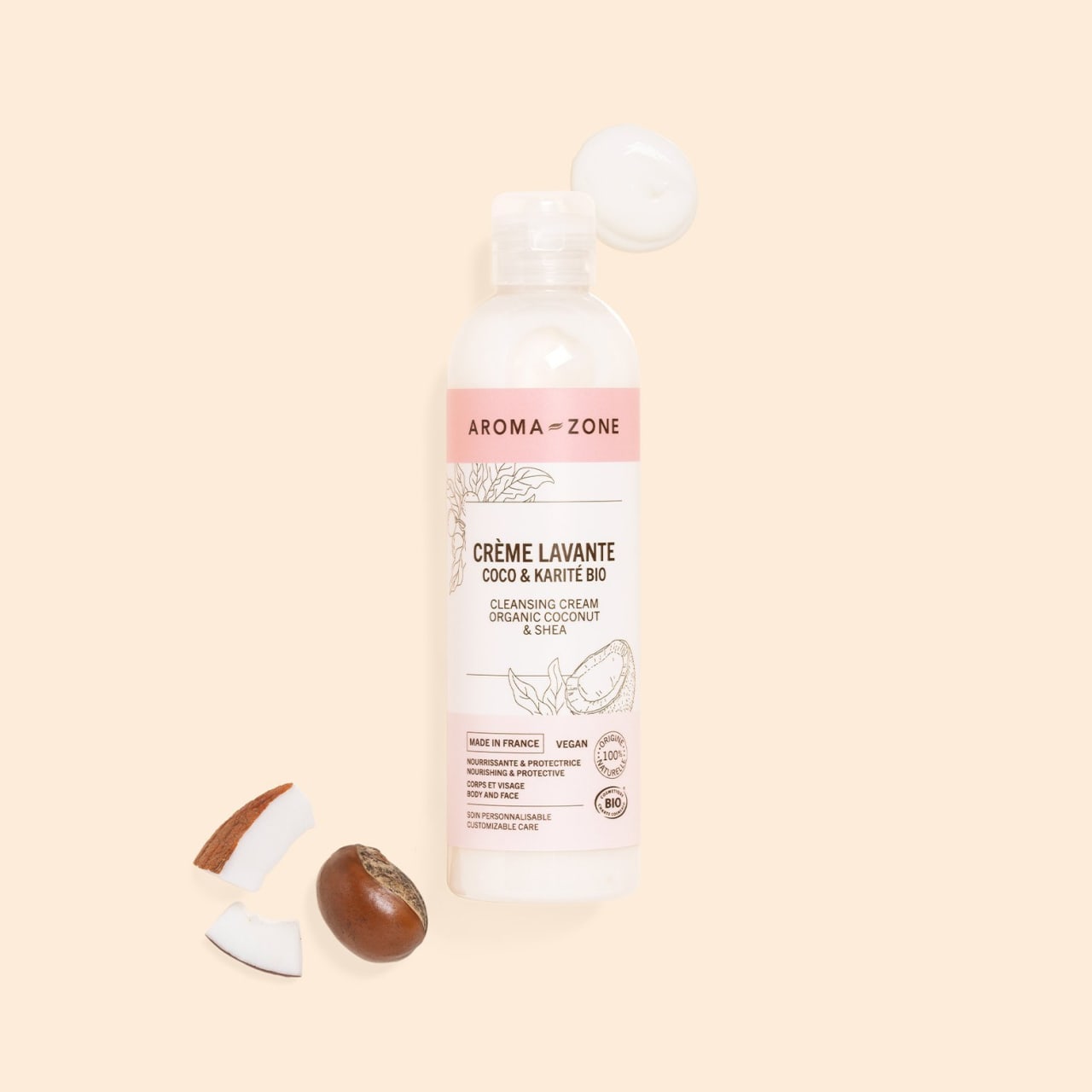
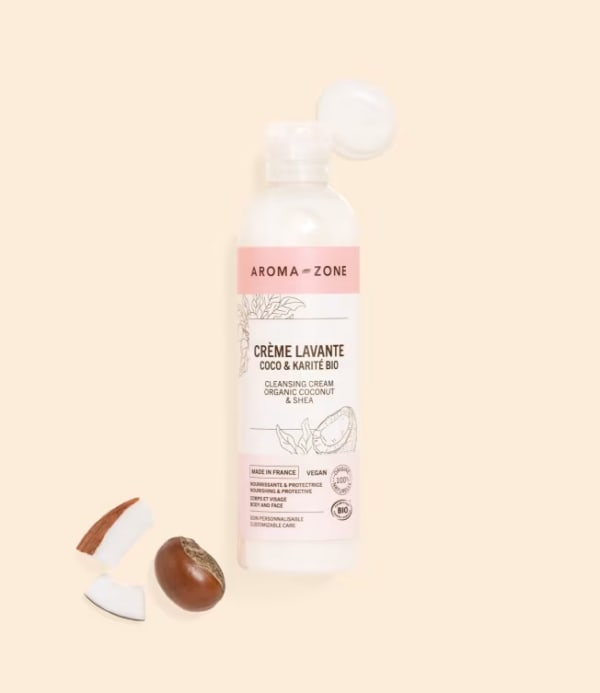
Coconut & Shea Cleansing Cream. Developed for the whole family’s delicate, atopic-prone skin, it cleanses the face and body whilst respecting the skin’s natural pH balance. Enriched with lipid-replenishing and protective active ingredients, it reduces feelings of discomfort. Formulated with 100 per cent naturally derived ingredients, fragrance-free, sulphate-free, certified organic, vegan and made in France.

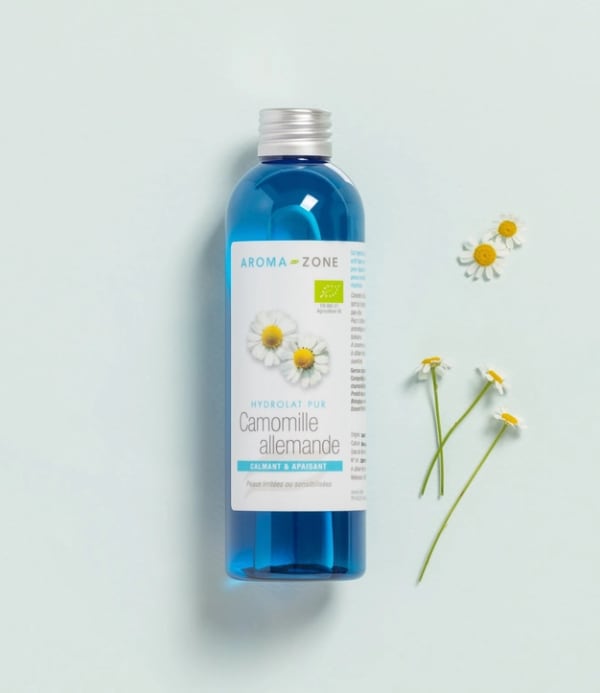
Organic German Chamomile Hydrosol (Matricaria). Renowned for its soothing properties, it provides relief for sensitive skin prone to redness or allergies. It can be used on its own, sprayed onto the face, or as an ingredient in your homemade soothing remedies. It can also be applied to the eye area for a calming effect. A 100% pure and natural product, certified organic, sourced in France. Please remember to store this product in the fridge between uses.

Step 2: Strengthen and repair

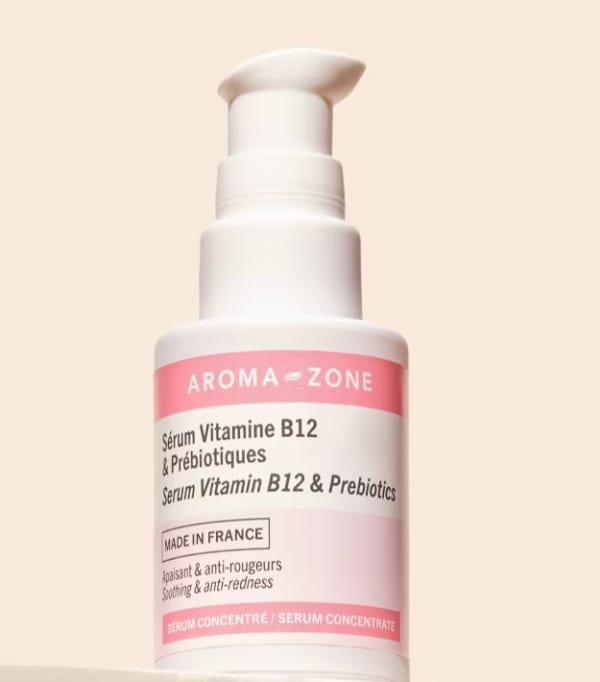
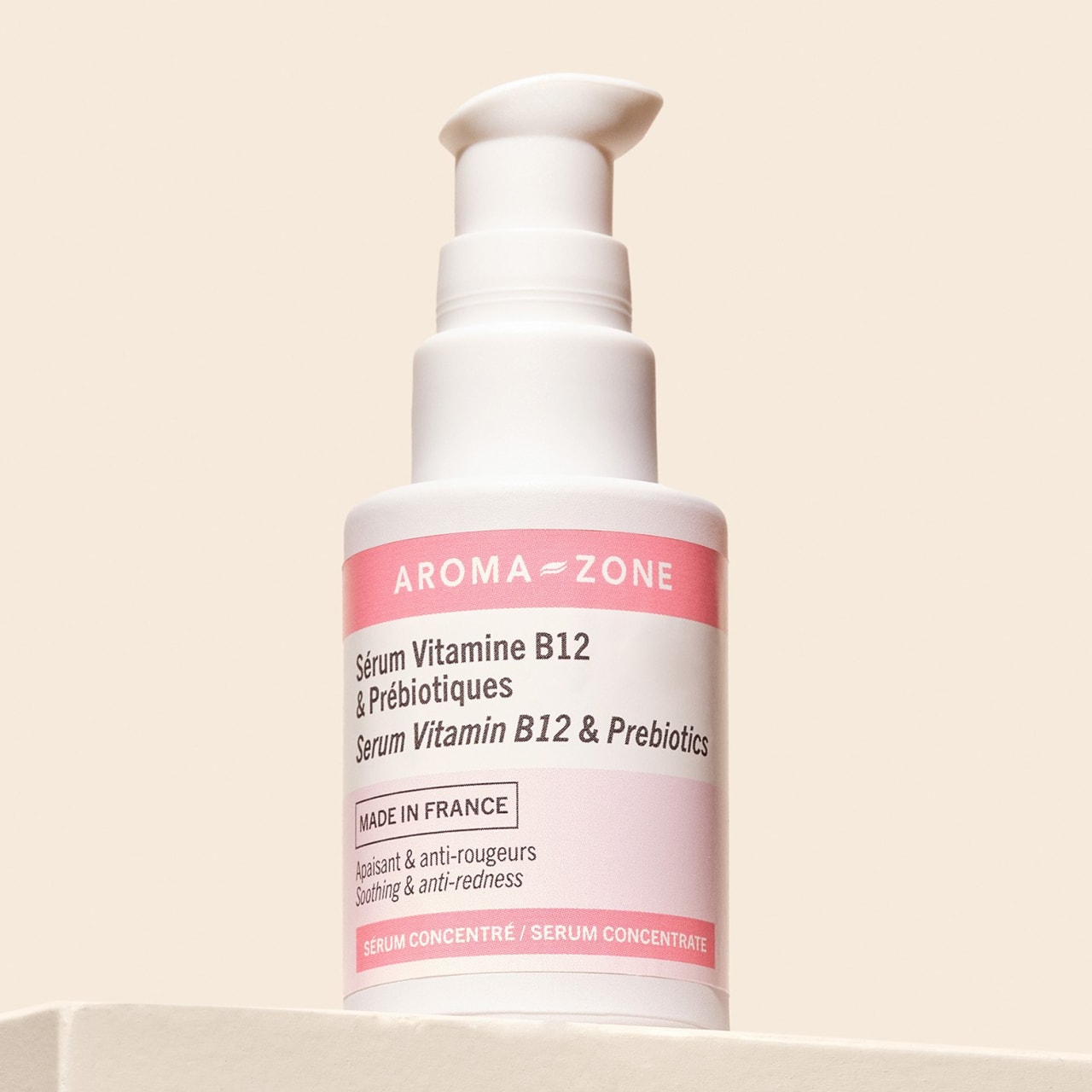
Concentrated Vitamin B12 & Prebiotics Serum. Proven effectiveness. Its all-round soothing action provides immediate relief (in just 1 minute) for sensitive skin, whilst working over the long term to restore the skin barrier and provide lasting relief from signs of discomfort. High-tolerance formula, dermatologically tested, vegan, made in France. Available as an eco-refill.

image

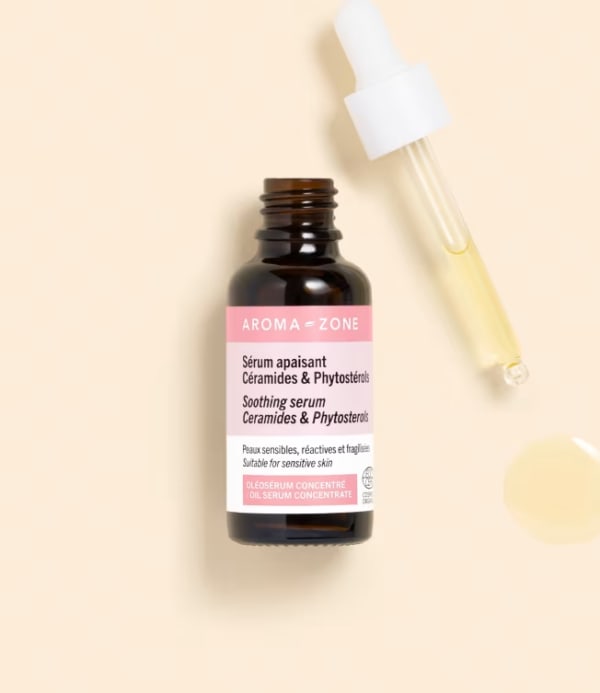
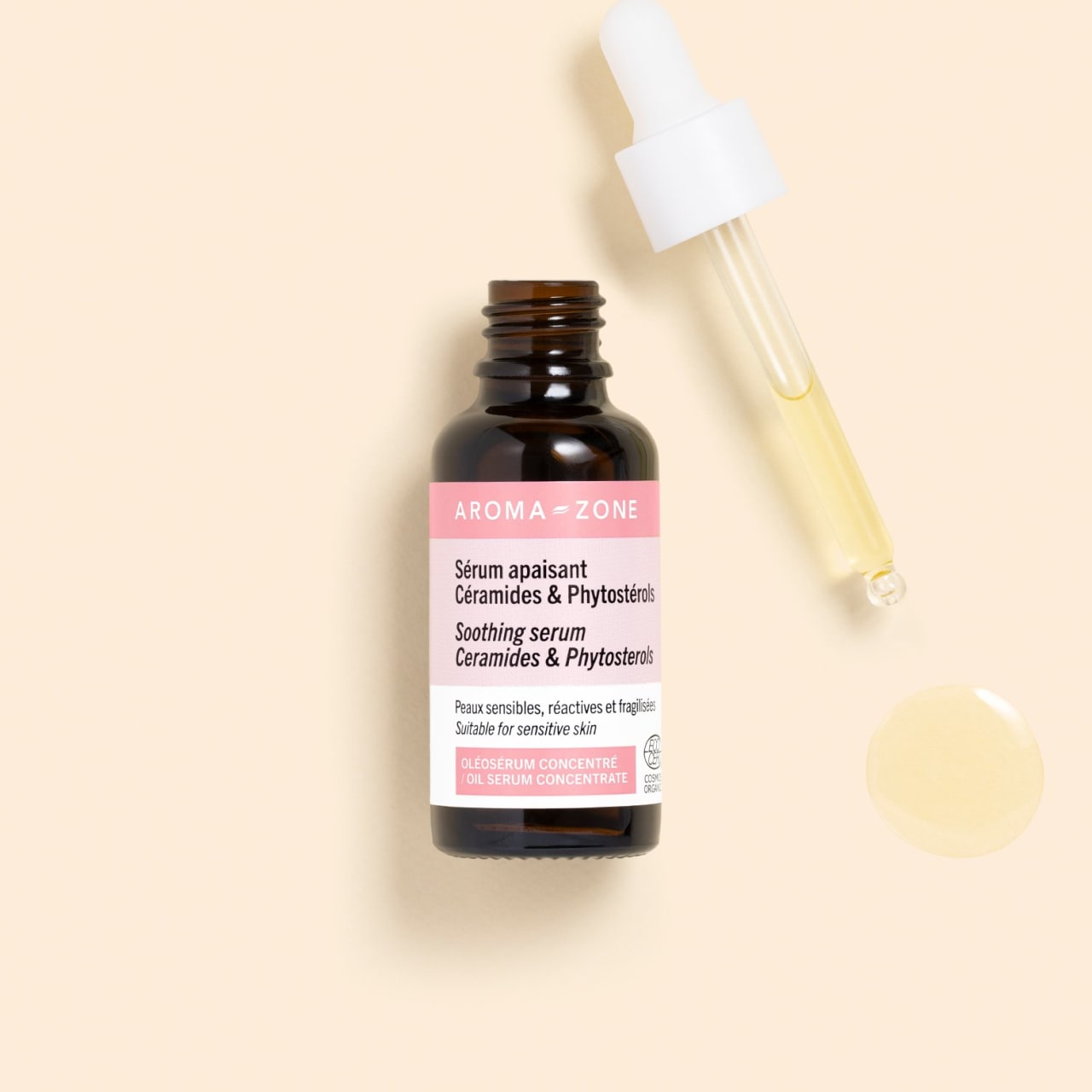
Soothing Ceramides & Phytosterols Oil Serum. It soothes skin that can no longer tolerate anything. Its light oil texture, enriched with biomimetic active ingredients, strengthens the skin barrier and reduces redness from the very first application. A high-tolerance, non-comedogenic formula, dermatologically tested, containing 100 per cent naturally derived ingredients, certified organic, vegan and made in France.

Probiotics Balance & Skin Beauty - 30 capsules - Dietary supplement

Probiotics for Skin Balance & Beauty (dietary supplement). Proven effectiveness. Comprising a combination of six patented probiotic strains, it helps to soothe sensitive skin prone to redness. Recommended dosage: 1 capsule per day, to be taken with a glass of water. Formula made from 100 per cent natural ingredients; vegan. Not recommended for pregnant or breastfeeding women.

Step 3: Daily protection

Capture 02 02

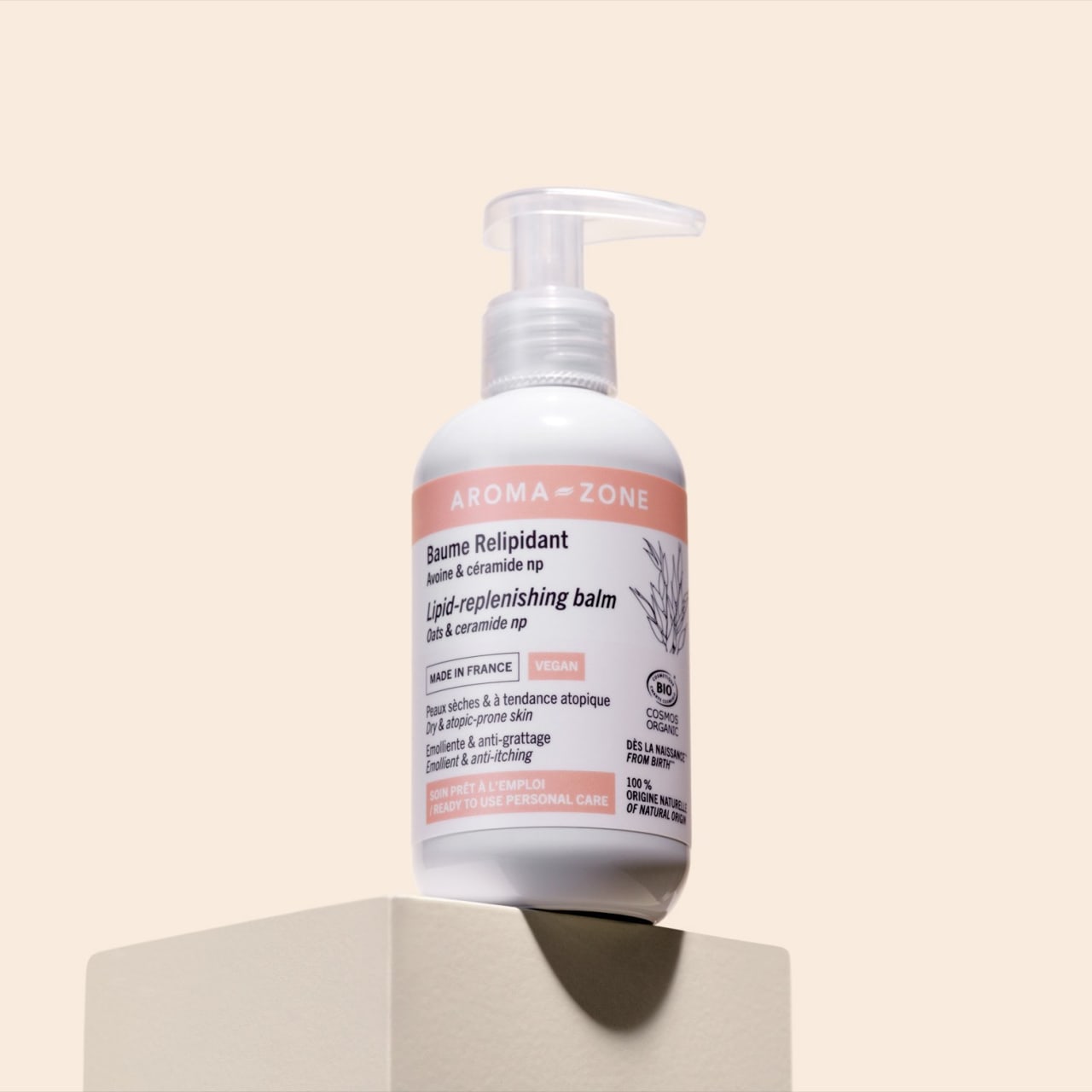
Oat & Ceramide NP Lipid-Restoring Balm. Enriched with 35% lipid-restoring complex, it provides immediate comfort to the skin on the face and body. Its triple action – relipidising, soothing and anti-itch – offers enhanced effectiveness for fragile skin. A high-tolerance formula, dermatologically tested, containing 100 per cent naturally derived ingredients, certified organic, vegan and made in France.

Organic Amazonian Acai Skincare Oil

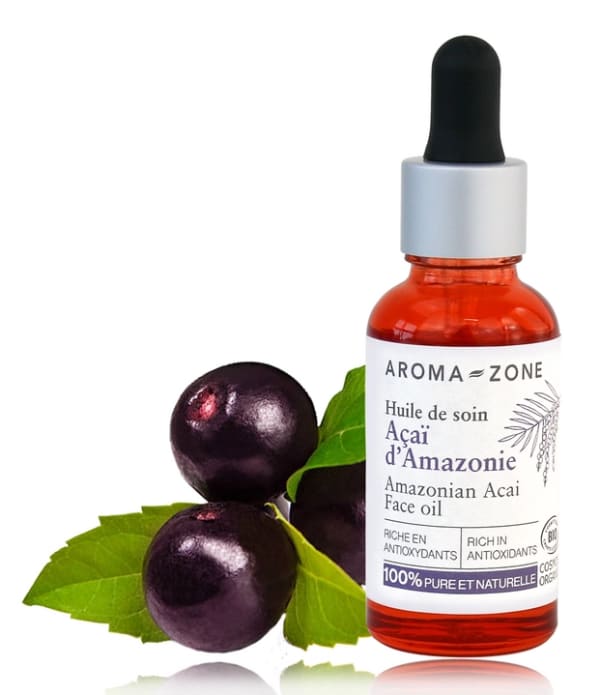
Organic Amazonian Acai Skincare Oil. Naturally rich in omega-9 fatty acids and phytosterols, this plant-based oil helps maintain the skin’s moisture levels and elasticity whilst soothing sensitivity. It is also beneficial due to its content of antioxidant flavonoids, which protect the skin from the effects of free radicals and accelerated ageing. A 100% natural product, certified organic.

Mineral Sun Balm SPF 50

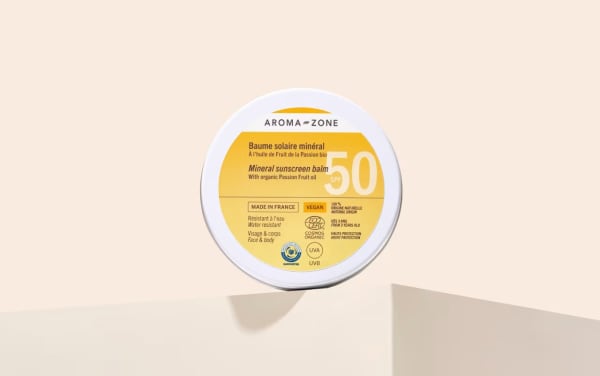
Mineral Sun Balm SPF 50. This high-protection sun care product relies exclusively on a mineral filter: zinc oxide. Thanks to its melt-in, non-greasy texture, it leaves the skin nourished, more supple and softer, whilst being water- and sweat-resistant. Formulated with 100 per cent naturally derived ingredients, dermatologically tested, certified organic, vegan and made in France.

Precautions

Now more than ever, for those with sensitive, intolerant or reactive skin, a sensitivity test is an essential first step. Avoid, as far as possible, changing your routine too often, layering powerful active ingredients or introducing new products in quick succession. If you’re thinking of adding a new product to your skincare routine, test it first on a small, hidden area of skin. Wait 48 hours to check for any adverse reactions. Try to carry out this test for all new substances, including those that seem harmless to you. When the skin barrier is compromised, the skin can hold some real surprises… The dietary supplements mentioned in this feature are not a substitute for a varied and balanced diet and a healthy lifestyle. Adhere to the recommended daily doses. Read the detailed precautions for use on our product information sheets before use.

Expert advice

Stress, discomfort, pleasure, pride, anger… Sensitive skin, even when not affected by rosacea (characterised by the well-known ‘flush’), shares a heightened sensitivity to emotions. Psychological factors therefore play a role (1) that is often overlooked in the onset of redness and discomfort. If your skin seems unable to tolerate anything anymore, if you feel literally ‘on edge’, it can be liberating to consider revising your skincare routine to take into account the emotional dimension of your skin’s reactivity.  

Focus on Our Writer: Hélène Betoux

Hélène Betoux is a French beauty journalist specialising in web media. Every day she writes tips, advice, and guides to help consumers choose the right beauty products. With a strong interest in natural, organic, and clean cosmetics, she analyses and shares trends and innovations in the sector.

Bibliography

  1. Misery L et al. (2022) Sensitive Skin Syndrome: A Low-Noise Small-Fibre Neuropathy Related to Environmental Factors?, Front. Pain Res. (25 March 2022)

    doi: 10.3389/fpain.2022.853491

  2. Wollenberg A, Giménez-Arnau A. Sensitive skin: A relevant syndrome, be aware. J Eur Acad Dermatol Venereol (April 2022), volume 36, issue S5, pp. 3–5.

    doi: 10.1111/jdv.17903. PMID: 35315153.

  3. Galderma’s groundbreaking real-world study reveals the biological toll of modern living and urban environments on sensitive skin (17 September 2025).

    https://www.galderma.com/news/galdermas-study-modern-living-sensitive-skin

  4. Misery L. et al. Definition of Sensitive Skin: An Expert Position Paper from the Special Interest Group on Sensitive Skin of the International Forum for the Study of Itch. Acta Derm Venereol (2017), issue 97, pp. 4–6.

    https://www.medicaljournals.se/acta/content/html/10.2340/00015555-2397

  5. Misery L. Sensitive skin, reactive skin. Annales de Dermatologie et de Vénéréologie (September 2019), volume 146, issue 8–9, pp. 585–591.

    https://doi.org/10.1016/j.annder.2019.05.007

  6. T. McCormick E. et al. Practical Approaches to the Diagnosis and Management of Sensitive Skin: A Scoping Review. JDD (February 2023), volume 22, issue 2, p. 228.

    doi:10.36849/JDD.2021.NVRN1022

Frequently Asked Questions

Frequently Asked Questions