Using powerful active ingredients on sensitive skin: myth or reality?

Using powerful active ingredients on sensitive skin: myth or reality?


By Emilie Ondet

Published on: Wednesday, February 25, 2026, Updated on: Monday, October 12, 2026

You may wish to use so-called ‘powerful’ active ingredients to alleviate various skin concerns, even though you have sensitive skin: blemishes, oily skin, wrinkles and fine lines… It is possible, but caution is advised. Here’s an overview of the active ingredients available to you, and the precautions required when using them.

Contents

Related products

In brief

In brief: Powerful active ingredients are characterised by intense biological activity and varying levels of tolerance from one person to another, particularly in the case of sensitive skin. Although they may be beneficial for certain skin concerns, most powerful active ingredients are not suitable for sensitive skin. However, one should not make sweeping generalisations. Scientific literature has shown that certain active ingredients classified as potent can relieve redness or help maintain the skin’s barrier function, provided they are used sensibly and in a controlled manner.

What is meant by a ‘powerful active ingredient’ in cosmetics?

Strong biological activity

In cosmetics, an active ingredient described as “powerful” is characterised by an intense and measurable biological effect on skin processes, implying rapid efficacy, but with tolerance depending on dosage, formulation and skin type. This biological effect can take various forms: promoting cell renewal, influencing collagen synthesis, regulating inflammatory reactions, and so on. These should be distinguished from supporting active ingredients, whose action is protective, indirect and gradual. These are generally natural constituents of the skin, such as ceramides or hyaluronic acid.

A low tolerance threshold

Generally, the efficacy of a so-called potent active ingredient is observable at low concentrations. The higher its concentration within the cosmetic product, the greater the risk of irritation. This is therefore where the problem arises for sensitive skin. To be applied to sensitive skin, the dosage of the potent active ingredient must be precise, its pH physiological, and its introduction gradual.  Indeed, the drawbacks of potent cosmetic active ingredients can include creating imbalances within the skin barrier, increasing insensible water loss and thus causing redness and flaking. A potent active ingredient is not necessarily harsh, but it can become irritating if it is incorrectly dosed, formulated or introduced.

See also: Why is Green Beauty particularly suitable for reactive skin?
A table of cosmetic active ingredients considered to be powerful

Below is a list of some of the active ingredients that fall into this category (non-exhaustive list) (1):

Active Ingredients

Cosmetic uses

Fruit acids (AHAs)

Fine lines and wrinkles, blemishes, dark spots

Azelaic acid

Blemishes, dark spots

Glycolic acid

Blemishes, dark spots

Niacinamide

Redness, dark spots

Retinol

Fine lines and wrinkles, blemishes, dark spots, enlarged pores

Salicylic acid

Blemishes, oily skin

Vitamin C

Wrinkles and fine lines, dark spots

Which potent active ingredients are suitable for sensitive skin?

Scientific literature suggests that certain powerful active ingredients can be used on sensitive skin, provided certain precautions are taken.

Niacinamide (vitamin B3)

Cosmetic uses:

  • improves skin texture

  • tighten pores

  • regulate excess sebum

  • improves skin microcirculation

  • soothe redness

  • reduce pigmentation spots

  • help maintain the skin’s barrier function.

Precautions for sensitive skin: niacinamide is one of the most extensively studied active ingredients for sensitive skin (2)(3). Its concentration ranges from 1 to 7 per cent. For sensitive skin, lower concentrations are therefore preferable.

Azelaic acid

Cosmetic uses:

  • regulating excess sebum

  • normalising the skin’s microflora

  • help to clarify the complexion

  • helps to reduce inflammation and redness on the face in people suffering from rosacea.

Precautions for sensitive skin: a number of studies (4)(5)(6) have been carried out using a 15 per cent concentration of azelaic acid for the treatment of inflammatory lesions associated with rosacea. All showed a reduction in the number of inflammatory lesions. However, the occurrence of adverse effects (less than 10 per cent) among participants was reported: itching, a burning sensation, oedema and scaling.

Retinal (retinoids)

Cosmetic uses:

  • to reduce the appearance of wrinkles and fine lines

  • stimulate cell differentiation and renewal

  • provide an antioxidant effect

  • fade hyperpigmentation spots

  • improve the appearance of skin affected by rosacea by reducing redness.

Precautions for sensitive skin: It has been shown that retinoids may be a valid option for rosacea, but the scientific literature on the subject is not yet sufficiently robust (8).

Other solutions

Other active ingredients are known for their high efficacy and are perfectly suited to sensitive skin. With their rebalancing and restructuring properties, their long-term efficacy is a quality that can be perceived as ‘powerful’. 

Prebiotics: they maintain the balance of the skin’s microbiome, restore, strengthen and protect the skin’s natural barrier function, and stimulate the skin’s defences. They help increase the presence of ‘good bacteria’ on the skin’s surface, which are key to its defence. Finally, they have a long-term effect in maintaining healthy skin.

Allantoin: it stimulates skin renewal and regulates the inflammatory process. As such, it repairs and soothes the skin, and improves its ability to retain moisture.

Provitamin B5: like allantoin, it stimulates the proliferation of skin cells. It soothes the skin and also prevents dehydration.

Find out more about natural active ingredients that are genuinely well-tolerated by sensitive skin in our dedicated article.

Exfoliating active ingredients and sensitive skin: are they compatible?

For sensitive skin, exfoliation is not strictly contraindicated, but it must be approached with caution, favouring gentle, slow-acting exfoliants once the skin barrier has been restored, in order to minimise the risk of irritation and hyper-reactivity. Sensitive skin is characterised by a compromised skin barrier, increased epidermal permeability and skin hyper-reactivity. However, when using an exfoliant, the aim is to accelerate cell renewal, which alters the structure of the stratum corneum and its pH, and destabilises the integrity of the skin’s surface. This is why, for sensitive skin, exfoliation is not a trivial matter.

When is exfoliation appropriate?

If the skin barrier is stable, the skin is properly moisturised, and there is no inflammatory skin condition, then exfoliation may be considered on an occasional basis. 

Enzymatic exfoliation without grains is preferable. It is gentle on even the most delicate skin. 

Salicylic acid is useful for blocked pores, but it is a drying active ingredient, so its concentration and frequency of use must be carefully controlled. 

AHAs should generally be avoided on sensitive skin, as they significantly disrupt the skin’s balance.

When is exfoliation contraindicated?

Although it may seem obvious, it is important to remember that exfoliants are contraindicated in cases of a compromised skin barrier. Some specific examples (non-exhaustive list):

  • Peeling skin, burns (sunburn)

  • Dermatitis, eczema, active rosacea

  • Following dermatological procedures.

Our conclusion, based on the scientific literature

Myth or reality?

Cosmetics are, in fact, the main triggers of sensitive skin. The presence of potentially irritating substances in their formulation significantly increases the clinical manifestation of symptoms. (7) It is therefore very much a reality: certain cosmetic substances can weaken the skin or irritate skin that is already sensitive. Paracelsus’s well-known quote takes on its full meaning here: “Everything is poison, nothing is poison: it is the dose that makes the poison”. Bear in mind that individual sensitivity depends on three factors: the concentration of active ingredients, the frequency of use, and the specific skin tolerance of each sensitive skin type. This is why it is always advisable to test more potent active ingredients on more sensitive areas, such as the crook of the elbow, in order to assess your skin’s specific sensitivity.

Compatible potent active ingredients and those that are less so

As mentioned earlier, niacinamide and azelaic acid are active ingredients considered to be potent. However, scientific literature has shown that, at low concentrations, these active ingredients can improve the skin’s barrier function or soothe redness. Conversely, salicylic acid, AHAs, vitamin C and glycolic acid should be avoided if you have sensitive skin. Indeed, there are alternatives that are better tolerated.

Food for thought

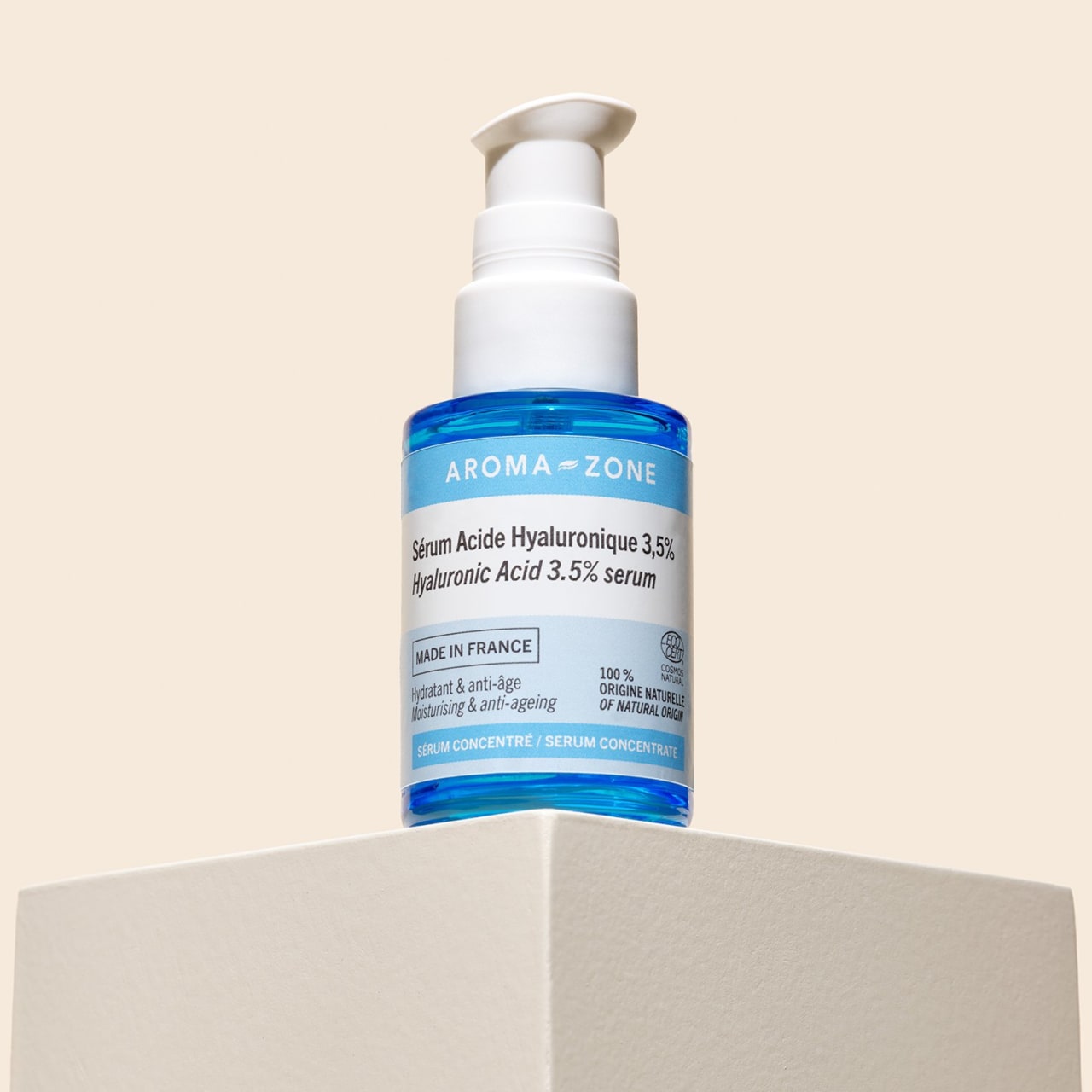
If your sensitive skin has blemishes, niacinamide or azelaic acid may be temporary solutions, provided they are used in low concentrations. If your skin feels dry or tight, you should opt for hyaluronic acid due to its moisturising benefits. Furthermore, ceramides, allantoin or provitamin B5 will help improve moisture retention and stimulate skin renewal. If your skin is unbalanced and weakened, prebiotics may be a suitable solution. As we are all unique, based on the advice provided in this article, the best approach is to test the active ingredients and tailor them to your needs. Bear in mind that for sensitive skin, minimalist routines are generally preferable. Finally, sun protection remains essential for all skin types.

A word from the dermatologist

In cases of acne-prone skin in patients with easily irritated skin, the use of salicylic acid or an AHA may be considered if balanced by a soothing serum and/or oleoserum applied in the morning. Spacing out applications to every other evening can also improve tolerance.

Dr Reyhan Amode, dermatologist and member of the Aroma-Zone College of Dermatologists

Our best skincare products for sensitive skin

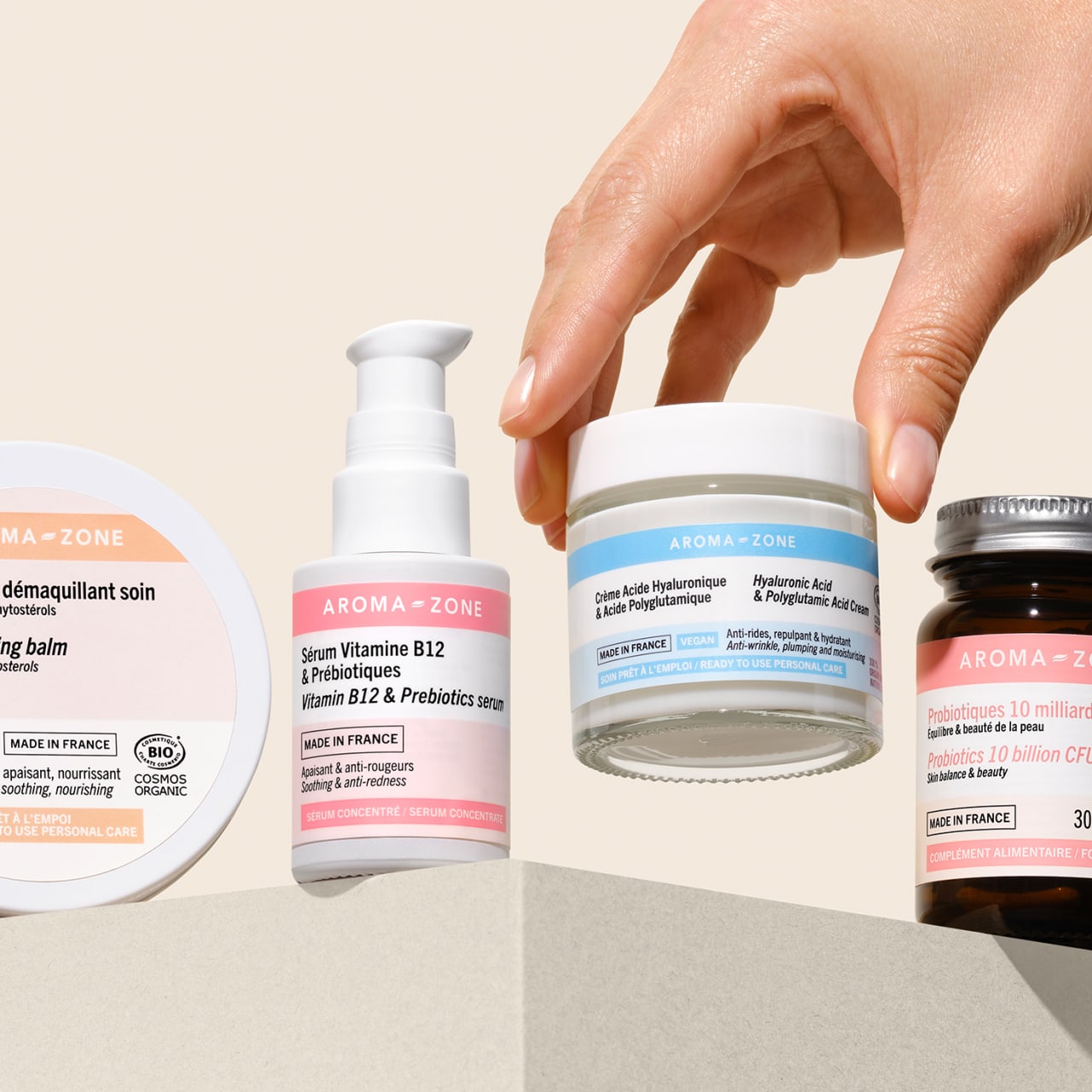
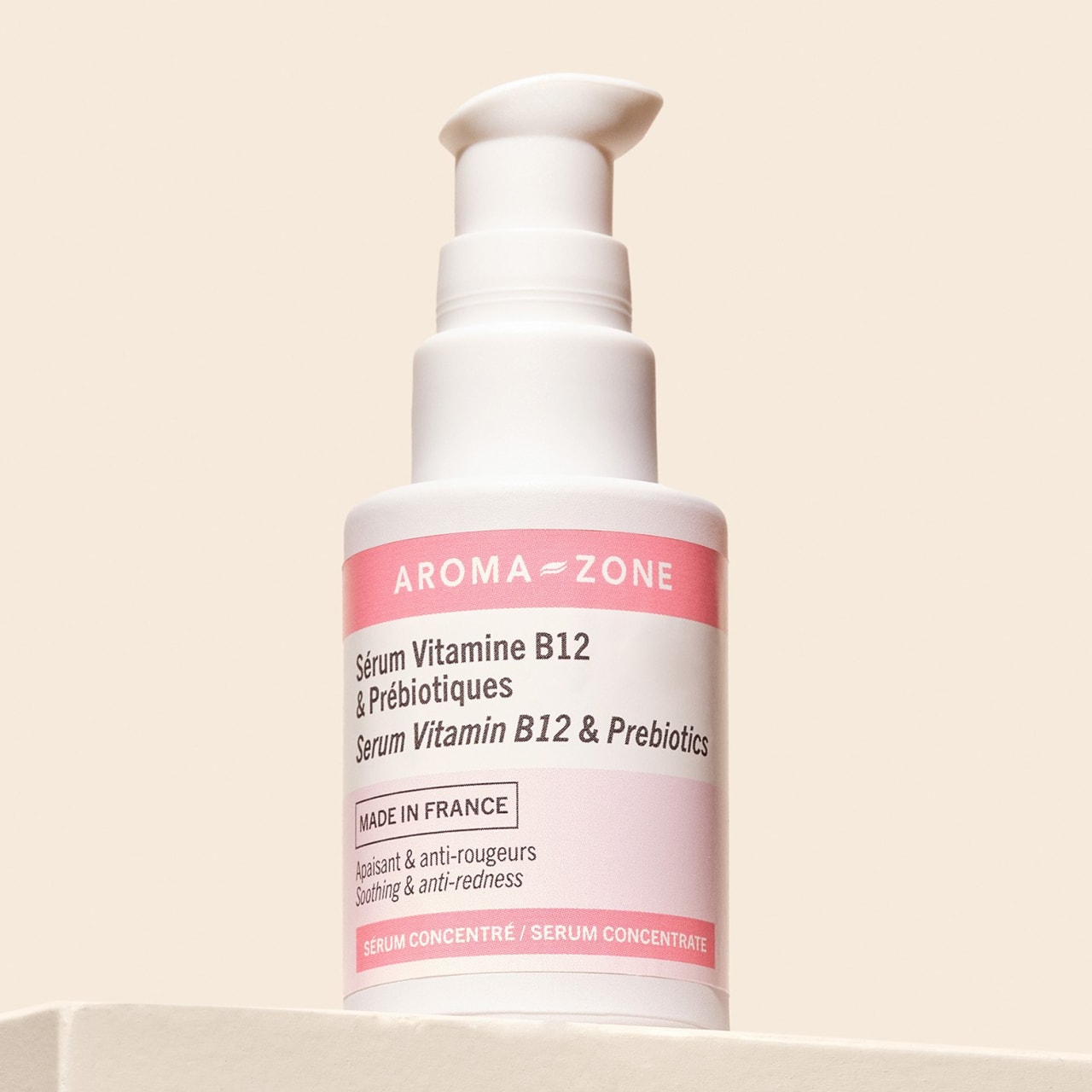
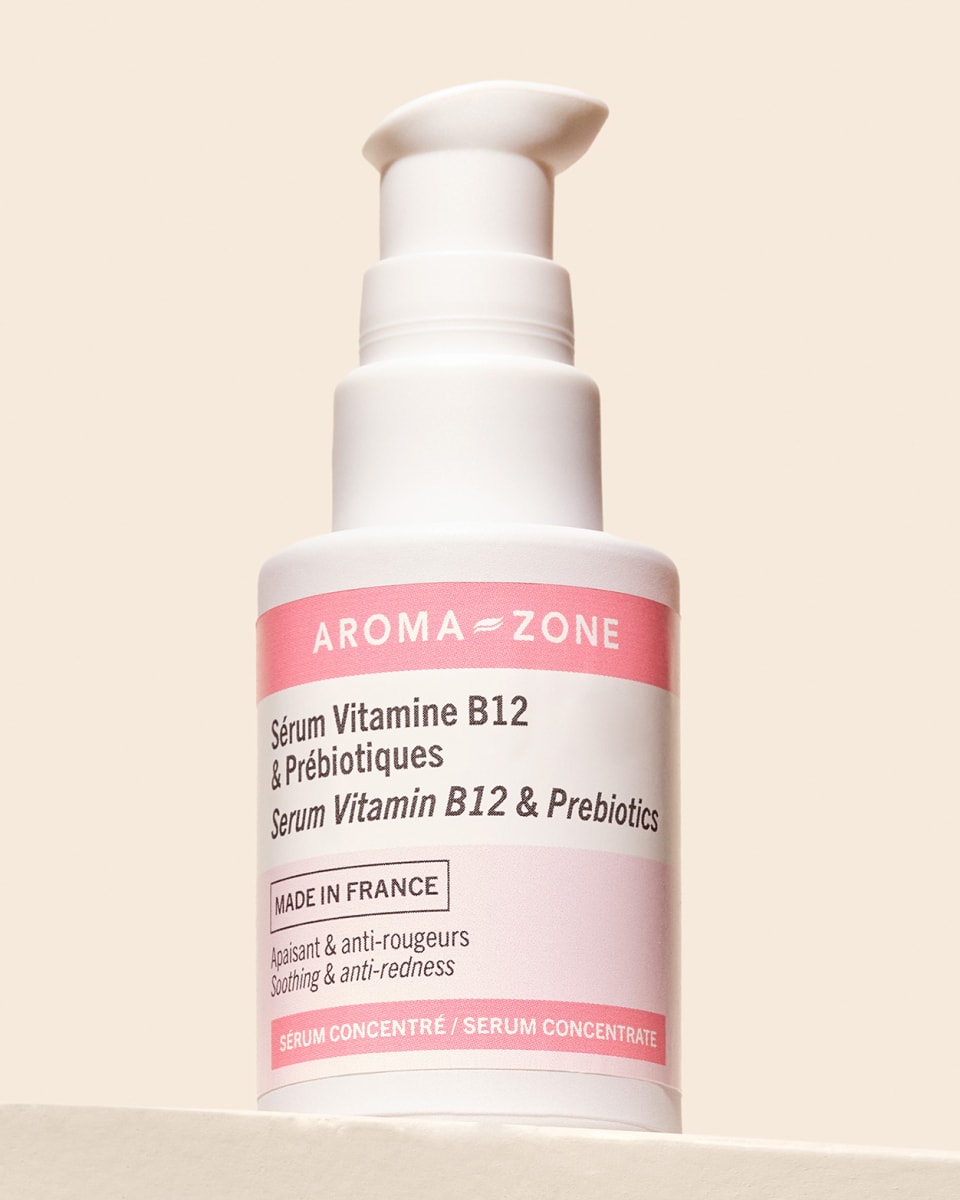
Vitamin B12 & Prebiotics Concentrated Serum

Concentrated Vitamin B12 & Prebiotics Serum

Help your skin regain its calm with this highly tolerable serum. Its proven effectiveness immediately reduces all signs of discomfort (redness, tightness, itching) and supports your skin’s future by restoring its skin barrier. Ideal for sensitive skin.

Discover our Vitamin B12 & Prebiotics Concentrated Serum
image

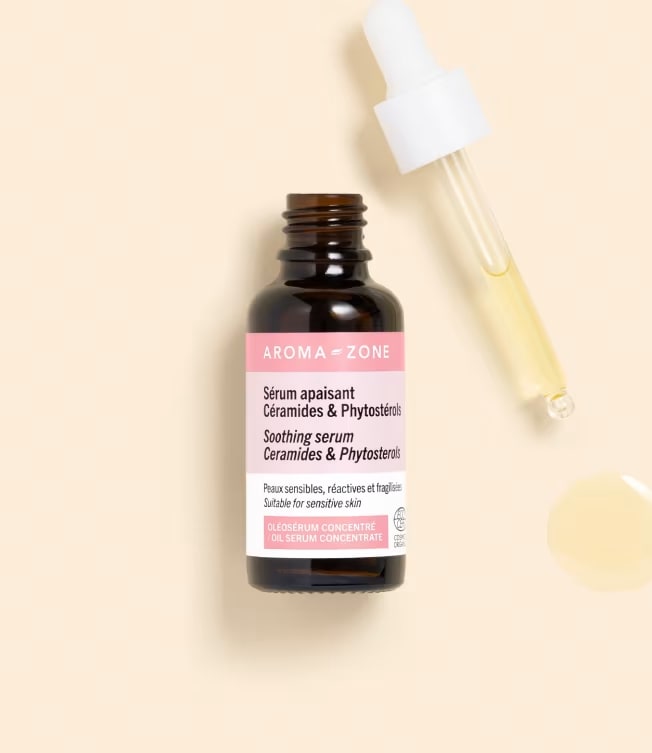
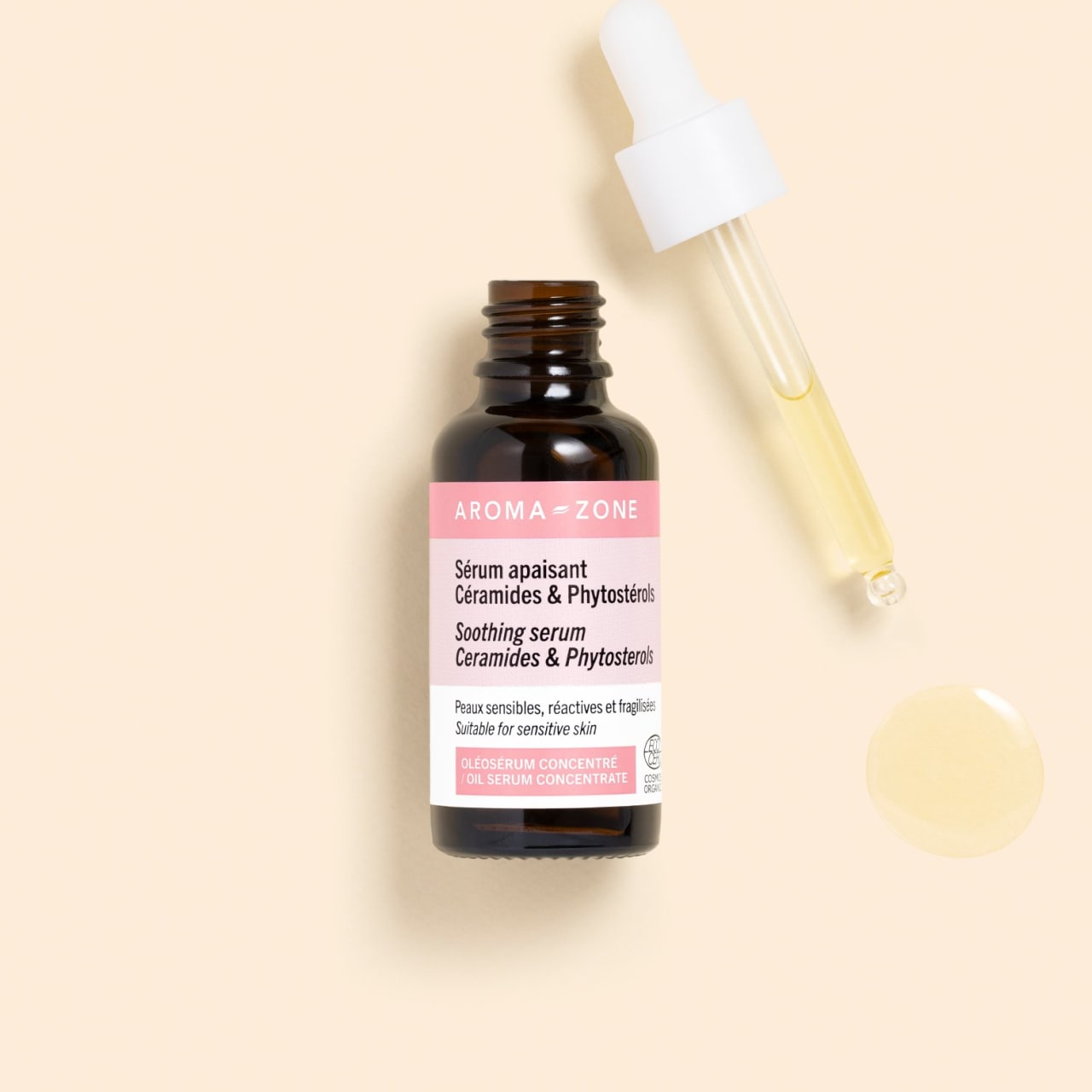
Soothing Ceramide & Phytosterol Oil Serum

A nourishing treatment for reactive skin, this silky-textured, oil-based serum with a high-tolerance formula immediately soothes, reduces redness, restores and strengthens the skin barrier, and calms itching. Ideal for sensitive skin.

Discover our Soothing Ceramide & Phytosterol Oil Serum
Capture 02 02

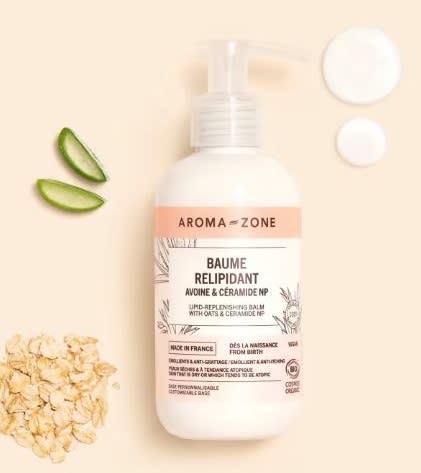
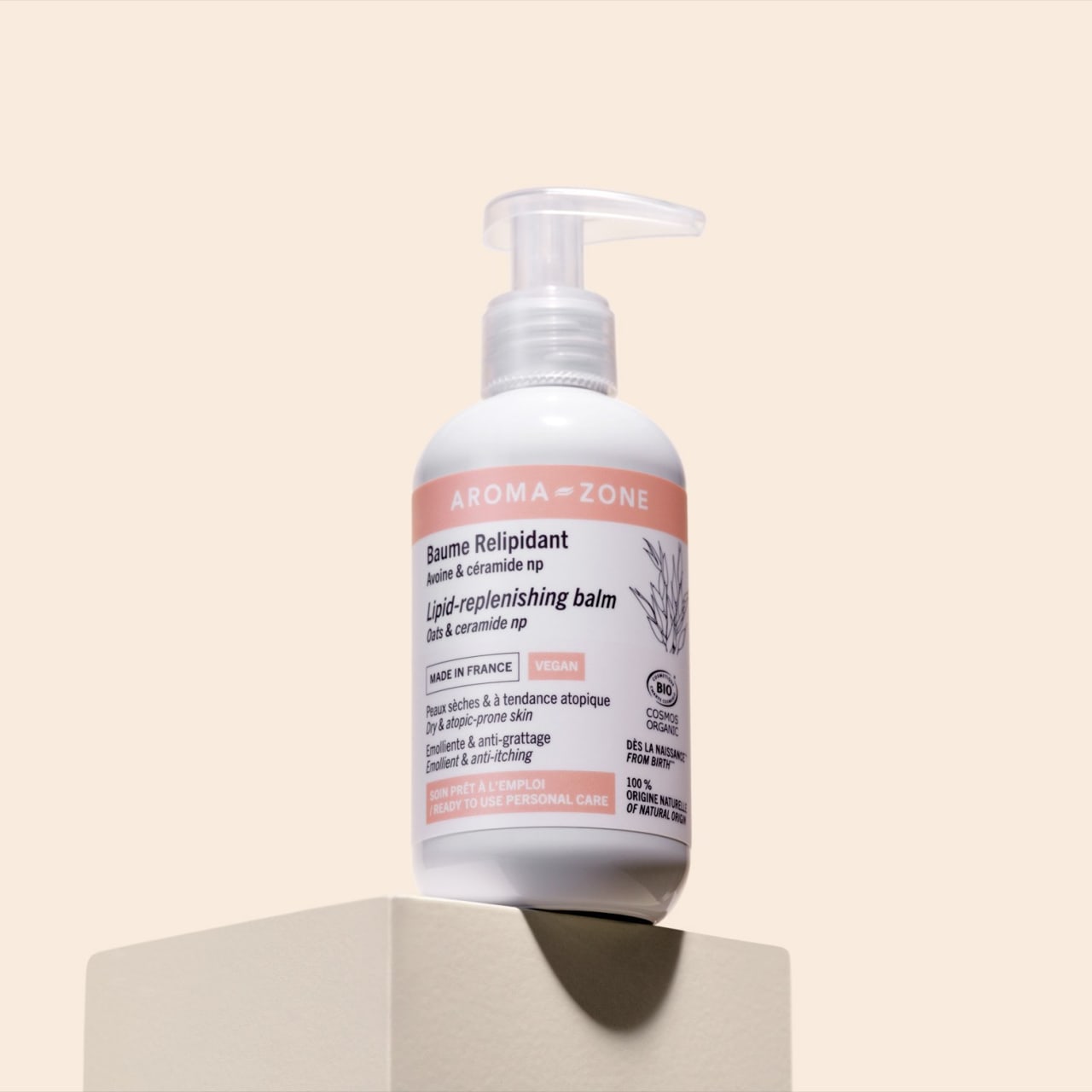
Oat & Ceramide NP Lipid-Restoring Balm

Clinically tested and proven, designed for dry, fragile or atopic-prone skin, this triple-action lipid-replenishing balm soothes irritation and redness, reduces itching and intensely nourishes the skin.

Discover our Oat & Ceramide NP Lipid-Restoring Balm

Precautions

The powerful active ingredients mentioned above are not the only irritants for sensitive skin. Certain excipients in cosmetic formulations should also be considered: fragrances are potential allergens; sulphated surfactants (SLS, LSS or SDS) have powerful detergent properties and disrupt the skin’s hydrolipidic film. Finally, the use of alcohol or essential oils is also not recommended for the care of sensitive skin.

Expert advice

Beyond skincare products, other factors can irritate your skin: hot water, the sun, pollution and smoking are all factors that can exacerbate skin sensitivity. Stress can also contribute to the appearance of redness, as can a pro-inflammatory diet (rich in refined sugars, saturated fats, alcohol and coffee). Your overall lifestyle is therefore an effective way to look after your reactive skin.

Article Written by Emilie Ondet, Biochemistry Engineer

Photo: Emilie Ondet (1)

Emilie is a biochemistry and natural active ingredients engineer, as well as a naturopath, nutrition consultant, and writer specialising in health, food, and well-being. She spent over 10 years working in the pharmaceutical industry and scientific communication, giving her a broad, well-rounded view of health, one she's able to speak about with both rigour and clarity. Science is her foundation, words her tools. She champions an approach to health that's more preventive, more considered, more scientific, and, of course, more natural!

Bibliography

  1. Alvarez GV, Kang BY, Richmond AM, Hoss E, Sulewski R, Minkis K, Rozenberg SS, Antonovich D, Boucher A, Bernstein EF, Bertucci V, Chapas AM, Cohen JL, Council ML, Dover JS, Geronemus R, Given KML, Goldbach HS, Goldman MP, Hooper D, Kaufman J, Munavalli G, Pacheco TR, Rossi AM, Wilson S, Alam M. Skincare ingredients recommended by cosmetic dermatologists: A Delphi consensus study.

    J Am Acad Dermatol. Dec 2025;93(6):1509–1525. doi: 10.1016/j.jaad.2025.04.021. Epub 14 Apr 2025. PMID: 40233838.

  2. Ferreira MS, Sousa Lobo JM, Almeida IF. Sensitive skin: Active ingredients in the spotlight.

    Int J Cosmet Sci. February 2022;44(1):56–73. doi: 10.1111/ics.12754. Epub 14 December 2021. PMID: 34813665.

  3. Camillo L, Zavattaro E, Savoia P. Nicotinamide: A multifaceted molecule in skin health and beyond.

    Medicina (Kaunas). 1 February 2025;61(2):254. doi: 10.3390/medicina61020254. PMID: 40005371; PMCID: PMC11857428.

  4. King S, Campbell J, Rowe R, Daly ML, Moncrieff G, Maybury C. A systematic review to evaluate the efficacy of azelaic acid in the management of acne, rosacea, melasma and skin ageing.

    J Cosmet Dermatol. October 2023;22(10):2650–2662. doi: 10.1111/jocd.15923. Epub 7 August 2023. PMID: 37550898.

  5. ARSONNAUD S. et al. Efficacy and safety of once-daily 1% metronidazole gel compared with twice-daily 15% azelaic acid gel in the treatment of rosacea.

    Cutis (2006).

  6. SHAKERY K. et al. Randomised, phase III, double-blind, vehicle-controlled clinical trial to evaluate the safety and efficacy of 12 weeks of twice-daily 15% azelaic acid foam in papulopustular rosacea.

    Journal of the American Academy of Dermatology (2015).

  7. Wollenberg A, Giménez-Arnau A. Sensitive skin: A relevant syndrome, be aware.

    J Eur Acad Dermatol Venereol. April 2022;36 Suppl 5:3–5. doi: 10.1111/jdv.17903. PMID: 35315153.

  8. Sticchi A, Fiorito F, Kaleci S, Paganelli A, Manfredini M, Longo C. Rosacea and treatment with retinoids: a systematic review and meta-analysis.

    Ther Adv Chronic Dis. 31 May 2025;16:20406223251339964. doi: 10.1177/20406223251339964. PMID: 40453533; PMCID: PMC12126652.

  9. L Misery

    Sensitive skin, reactive skin; Annals of Dermatology and Venereology, Volume 146, Issues 8–9, September 2019, Pages 585–591

Frequently Asked Questions

Frequently Asked Questions