Rice Water for Hair: What Are the Benefits?

Rice Water for Hair: What Are the Benefits?


By Laetitia De Rosa

Published on: Monday, October 06, 2025, Updated on: Wednesday, October 28, 2026

An ancient remedy from Asia, rice water remains a popular natural hair treatment today. Made by soaking or boiling rice grains, it's traditionally used to strengthen hair, restore shine and support growth. Its suggested effects, linked to its richness in starch, vitamins, minerals and antioxidants, are the subject of early research. Easy to prepare, it's most commonly used as a rinse or a homemade mask. However, its benefits remain scientifically under-documented, and results can vary depending on hair type. Here's a closer look at its benefits, how to use it, and the precautions to keep in mind.

Contents

Related products

Rice water: composition, properties, and traditional uses

Rice water is the liquid collected after soaking or cooking rice. For centuries, it has been used in Asia as a natural hair care treatment. The Yao women of Huangluo Village in China are famous for their exceptionally long, shiny and strong hair, which they maintain through regular rinses with rice water. In Japan, court ladies of the Heian period already practised Yu-Su-Ru, an ancient hair ritual involving soaking their hair in fermented rice water to make it stronger and shinier. Passed down from generation to generation, these practices are based primarily on experience and observation.

If rice water continues to attract interest today, it is primarily due to its nutritional richness. It contains nearly 75 to 80% starch, which adds volume and texture to the hair, as well as proteins and amino acids capable of strengthening the hair fibre and promoting its repair. It also contains B vitamins (B1, B3, B6) and vitamin E, as well as minerals such as zinc, magnesium, phosphorus and iron, which nourish the scalp. Inositol, a natural sugar, is being studied for its protective role on the hair shaft, while antioxidants like phytic acid help protect the hair and scalp from external aggressors.

Now a trending ingredient in natural hair care routines, rice water is currently experiencing a real resurgence in popularity. Its purported benefits are beginning to be explored by researchers, although scientific evidence remains limited and results vary depending on hair type.
Why incorporate it into your hair care routine?

Stemming from traditional practices and making a comeback today, the use of rice water appeals for its simplicity. Often mentioned in natural beauty routines, it is known for:

Strengthen the hair shaft

Rich in starch and minerals, rice water is said to form a protective film that helps reduce breakage and make the hair strands more resilient. This is a treatment often recommended for hair weakened by external aggressors.

Adds shine and softness

Used as a rinse, rice water is often employed to restore shine to dull hair. It is also known for making hair more supple and reducing frizz.

Stimulate hair growth

It contains B vitamins, which are associated with hair follicle cell renewal and hair growth. Regular use is often recommended to support hair growth and maintain hair density.

What are its benefits for hair?

Rice water is most often cited for its effects on the hair shaft and scalp:

  • Strengthening the hair shaft: Thanks to its high content of starch, proteins, and inositol, it is believed to help strengthen the hair shaft, reduce breakage, and make hair more supple.

  • Natural shine: By smoothing the hair’s surface, it promotes light reflection and restores luster to dull strands.

  • Softness and manageability: When used as a rinse-out treatment, it makes detangling easier, reduces frizz, and enhances curls.

  • Growth stimulation: By nourishing the scalp and protecting the follicles, it creates an environment conducive to hair growth and maintaining hair density.

  • Scalp wellness: Its use is reported to soothe scalp irritations, rebalance pH, and help limit the appearance of dandruff.

For which hair types?

The effects of rice water may vary depending on hair type. It is most commonly recommended in the following cases:

For dry and brittle hair

Thanks to its starch content, it forms a protective film around the hair shaft, reducing breakage while protecting damaged ends. When used as a mask or rinse, it is said to help strengthen the ends and prevent split ends.

For dull, lackluster hair

By smoothing the hair’s surface, it is said to enhance light reflection and revive shine. The hair thus gains softness, suppleness, and luminosity.

For curly or coily hair

Its coating effect is said to help define curls, tame frizz, and add more suppleness. It is also said to make styling easier while respecting the hair’s natural texture.

Good to know: On very dry or porous hair, using it too frequently can exacerbate the feeling of dryness and make it less supple. It’s best to alternate with moisturising treatments like aloe vera or light plant oils.

How do you make rice water?

Rice water can be made at home in several ways. Each method has its own specifics:

  • Soaking: First, rinse the uncooked rice to remove impurities, then let it soak in two to three times its volume of clean water for about fifteen minutes. Gently rub the grains to release the starch: the water will become cloudy; all that’s left is to strain it before use.

  • Cooking: Cook the rice in a large quantity of water and save the excess cooking water. Richer in nutrients thanks to the heat, this water is particularly well-suited for fortifying skincare treatments.

  • Fermentation: Prepare rice water by soaking the rice, then let it sit for 24 to 48 hours at room temperature in a sealed container. A slight sour odour will develop: this is a sign that fermentation is complete. This more concentrated version is traditionally considered more potent.

In any case, store the rice water in the refrigerator in a sealed container and use it within 2 to 3 days to preserve its freshness.

How to use it?

Easy to prepare, rice water can be incorporated into a hair care routine in various ways:

  • As a pre-shampoo treatment: applied directly to the scalp before washing, it helps purify, rebalance the pH, and prepare the hair.

  • As a rinse after shampooing: used on clean, damp hair, it smooths the hair shaft, adds shine, and makes styling easier.

  • As a homemade mask: left on for 15 to 20 minutes under a towel, it strengthens the hair shafts and reduces breakage.

  • As a hair soak: Soak hair in rice water for 20 to 30 minutes before rinsing to deeply nourish the hair shaft and strengthen weakened hair. 

  • As a light spray between washes: Sprayed in small amounts, it is said to restore suppleness and help tame frizz.

  • As a weekly treatment: Used once or twice a week, it helps soothe the scalp and stimulate hair growth.

Good to know: In some traditional practices, rice water is left to ferment for 24 to 48 hours before use. This fermentation increases its nutrient concentration and is said to enhance its strengthening effects, although it does develop a stronger odour. It can then be used in the same way as traditional rice water—as a rinse, mask, or hair bath.

What natural hair care routine should you adopt with rice water?

Rice water can be incorporated into a simple, natural routine, combined with other Aroma-Zone products:

Organic plant-based shampoo

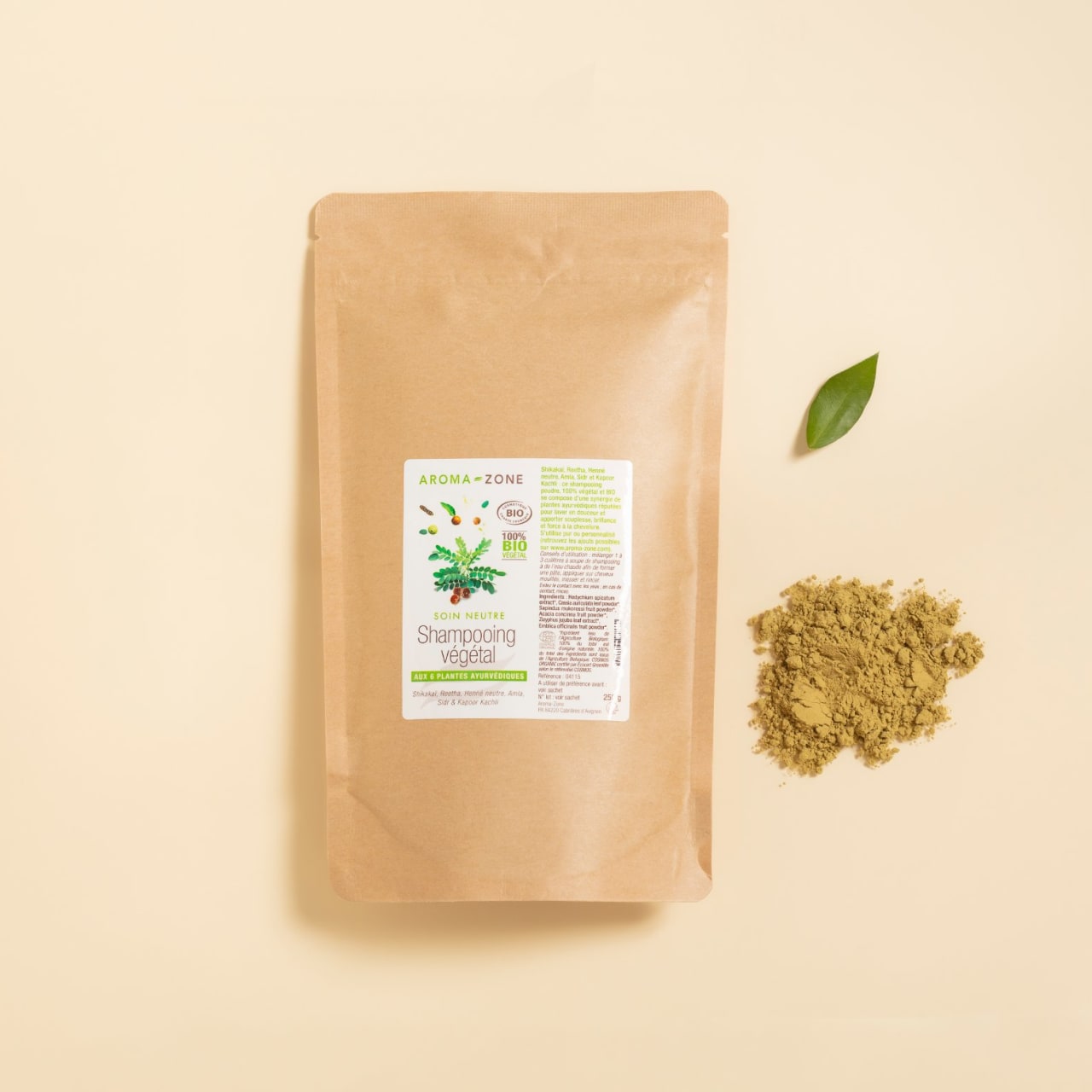
1. Gently cleanse: Made with 6 Ayurvedic plants, the Organic Botanical Shampoo cleanses gently and strengthens the hair fibre. Rice water can then be applied as a rinse, left on for a few minutes before a final rinse with clean water.

native-aloe-vera-gel-nourishing-and-protective-mc

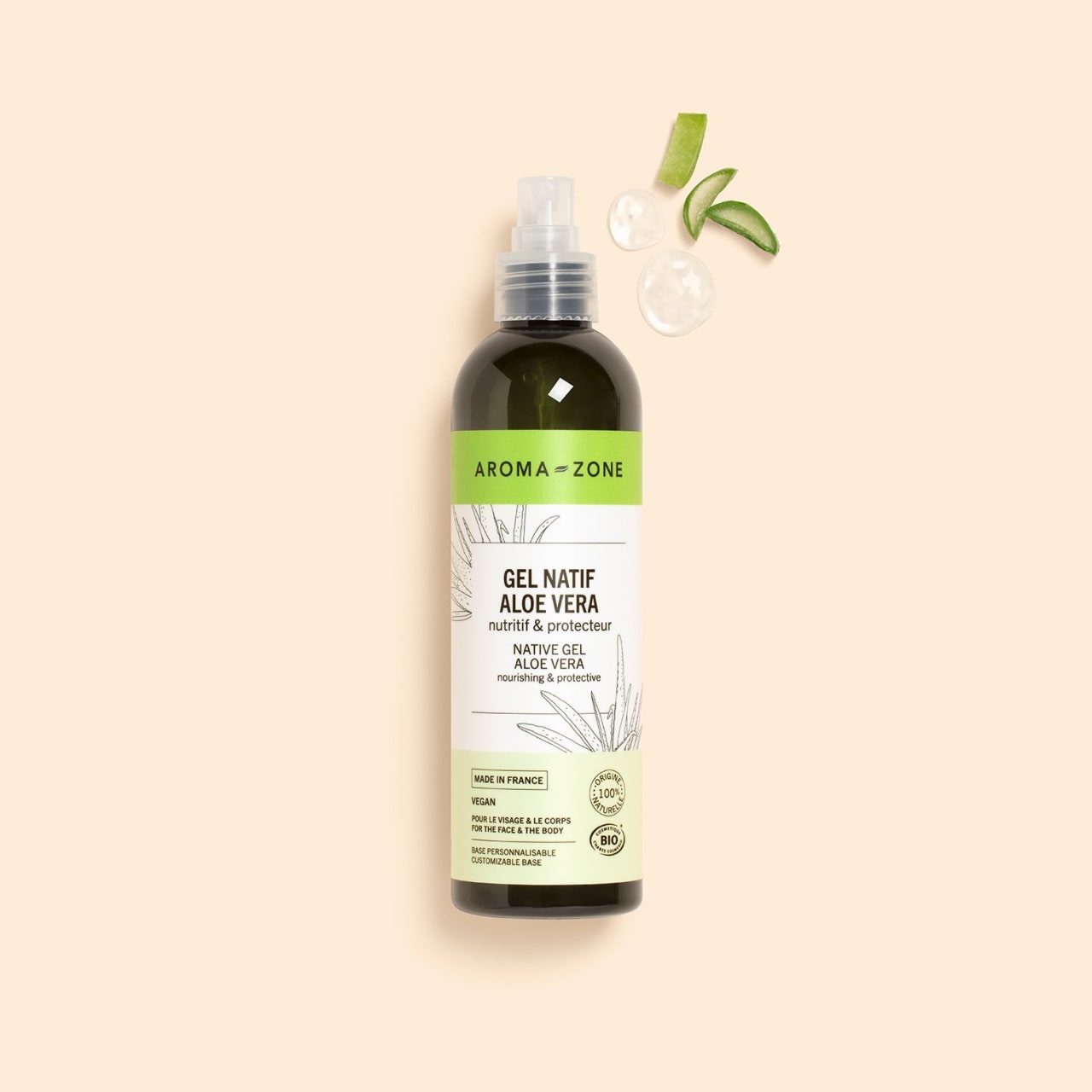
2. Moisturise after washing: Applied to towel-dried hair, the Organic Aloe Vera Gel counteracts the coating effect of rice water, maintains hydration, and restores suppleness to the hair strands.

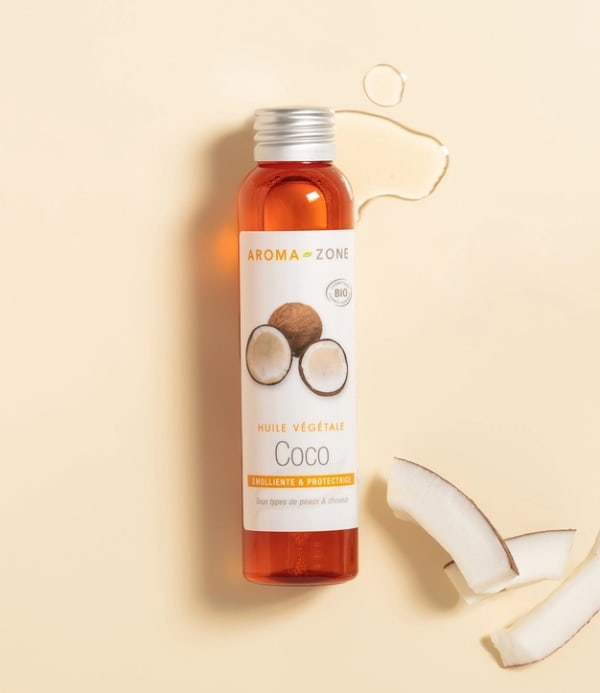
3. Nourish the lengths: Just a few drops of Organic Coconut Oil are enough to prevent split ends, protect dry ends, and restore shine to dull hair.

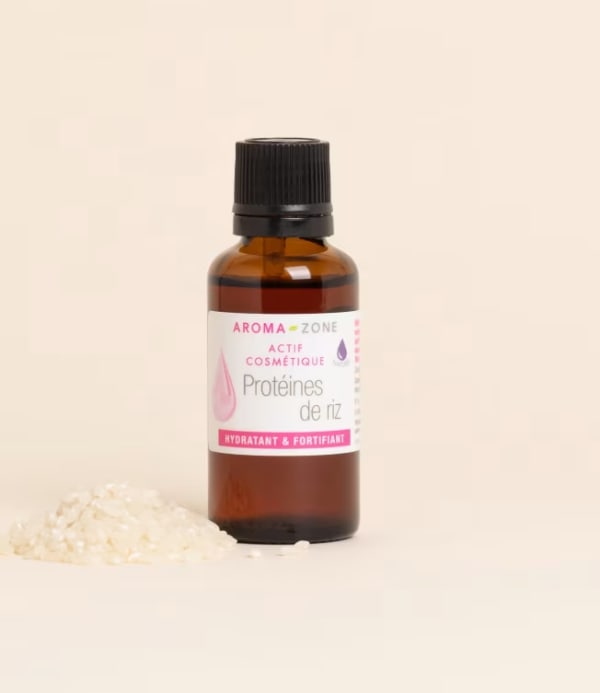
4. Strengthen the hair fibre: fortifying and volumising, the Active Ingredient: Hydrolyzed Rice Proteins coats the hair shaft, improves hydration, and restores strength and body to fine, dry, or damaged hair.

Organic_Castor_Oil

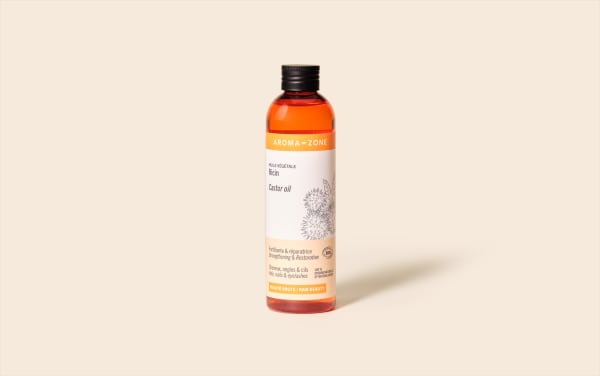
5. Stimulate growth: With a weekly scalp massage, the Organic Castor Oil complements the strengthening action of rice water.

What other natural solutions offer the same benefits?

Rice water isn’t the only ingredient used to strengthen hair and restore its shine. Other natural treatments can also help maintain the hair fibre’s strength and the hair’s shine:

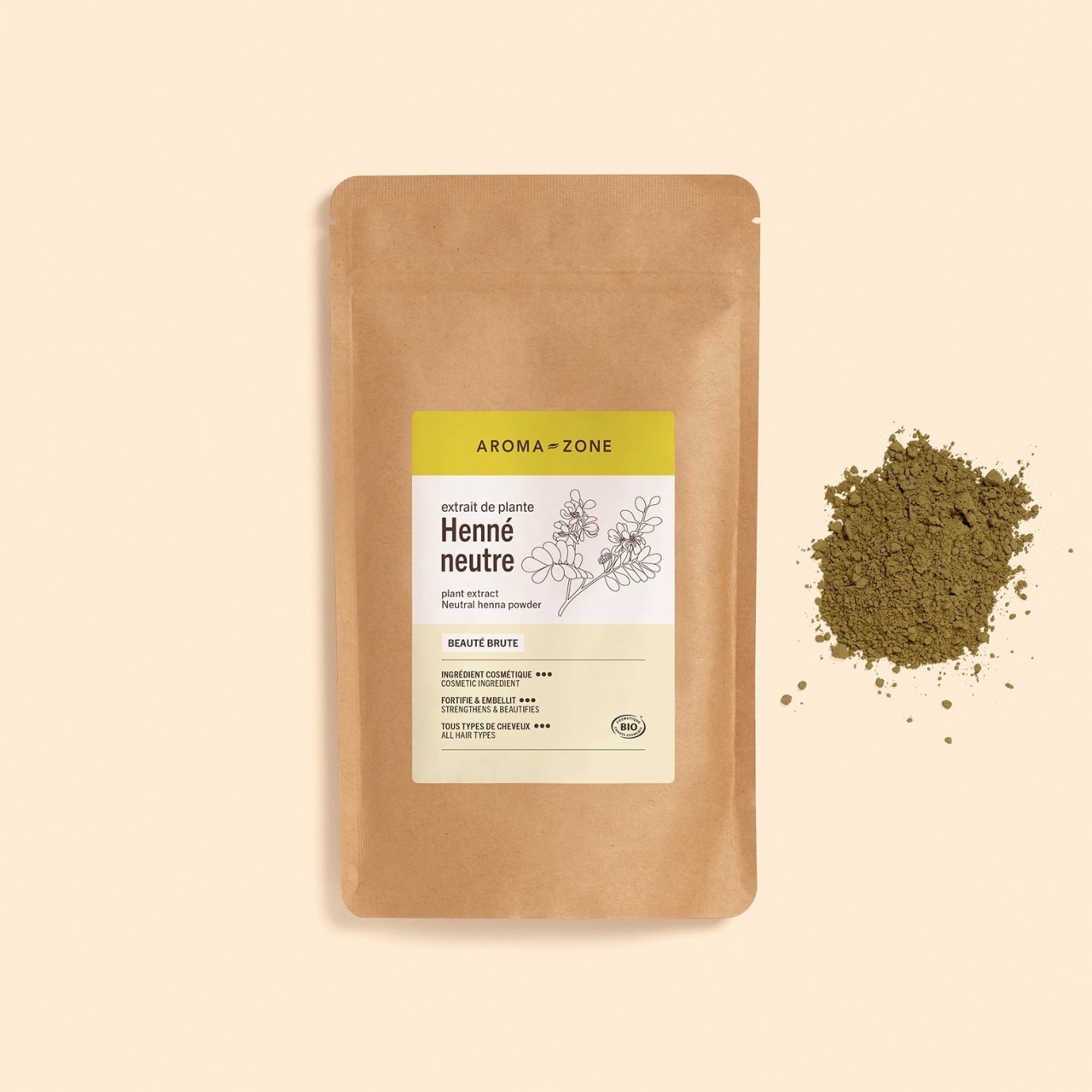
Organic Neutral Henna: A natural alternative to rice water, neutral henna strengthens the hair shaft without colouring the hair. Derived from the leaves of Cassia auriculata, it coats the hair, adding volume and shine, while helping to regulate excess sebum. It can be used as a hair mask to strengthen the lengths, as a plant-based shampoo with cleansing powders, or mixed with colouring henna to soften its intensity. Not recommended for prolonged use on light-coloured hair (blonde, white, grey).

Discover Organic Neutral Henna

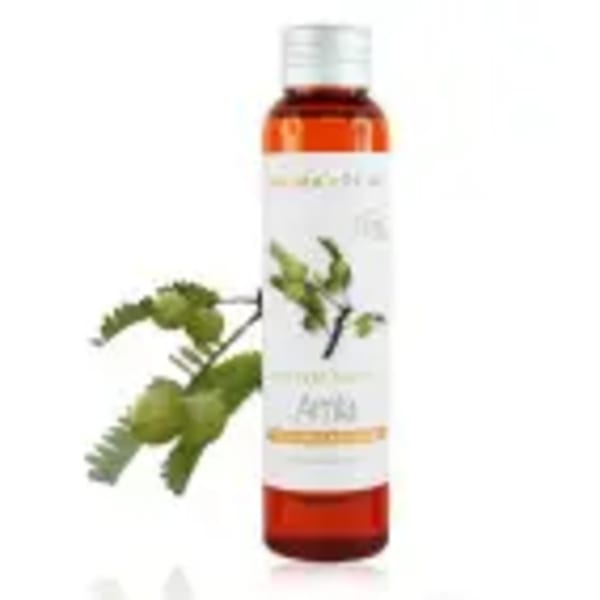
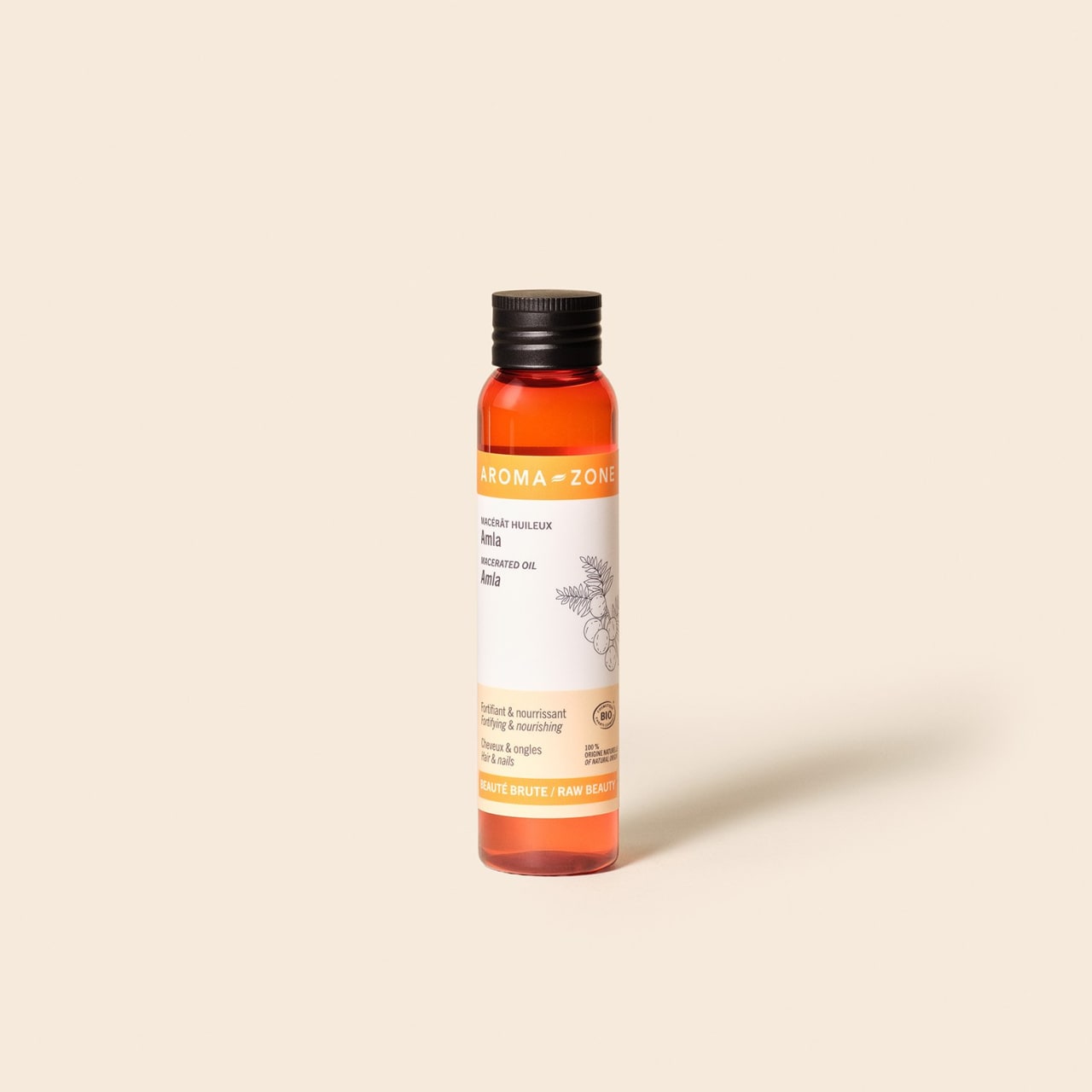
Organic Amla Oil (Macerated Oil): A beauty secret of Indian women, amla oil combines the regenerating properties of amla with the strengthening properties of castor oil. A true hair tonic, it coats, nourishes and stimulates growth while slowing hair loss. It adds shine and volume, nourishes the ends to reduce split ends, and helps prevent premature greying. Used as a pre-shampoo oil treatment or as a serum on the lengths, it perfectly complements the coating action of rice water to thicken and beautify the hair.

Discover Organic Amla Oil (oily macerate)

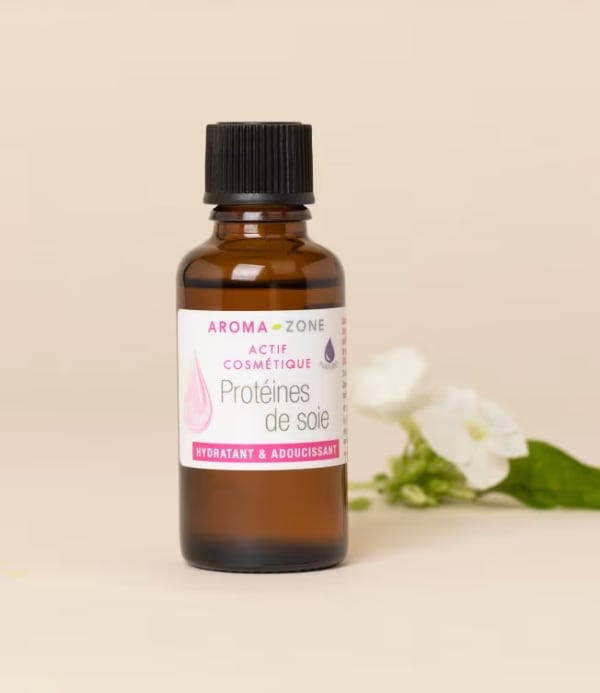
Active Ingredient: Hydrolysed Silk Protein: Used as a hair care active ingredient, silk proteins impart softness, shine and suppleness to the hair while helping the hair fibre stay hydrated. Their coating and smoothing action strengthens the fibre, tames the lengths and protects fragile ends. Particularly suited for fine, dry or damaged hair, they can be easily incorporated into shampoos, conditioners, masks or serums to restore vitality and radiance to the hair (dosage: 0.1 to 3% of the total weight of your formulation).

Discover the Hydrolysed Silk Protein Active Ingredient

Precautions for use

Natural and simple to prepare, rice water is generally well-tolerated, but its use requires some precautions. It should not be applied daily: the starch it contains can, over time, stiffen the hair shaft and make hair drier. People with very dry or porous hair should limit its use and combine it with suitable nourishing treatments. Rice water can be stored in the refrigerator for a maximum of two to three days. After that, it spoils and develops an unpleasant odour that renders it unusable. Note: There are also fermented rice water preparations, obtained after a controlled resting period, which involve a specific process. It’s best to start with small applications and observe the results before incorporating it regularly into your hair care routine.

Expert Tip

Rice water is particularly effective when combined with a moisturising treatment. Its starch may have a coating effect on the hair shaft, but to minimise any feeling of stiffness, it can be combined with a little aloe vera or a few drops of a light plant oil, such as jojoba. It is also recommended to use water from simply soaking the rice rather than from prolonged cooking, in order to preserve as many vitamins and minerals as possible. Finally, adding a floral hydrosol can subtly scent the mixture and make its application more pleasant.

Spotlight on Our Specialist Writer, Laetitia de Rosa

Laetitia de Rosa 3.jpg

Laetitia is an editorial communications consultant specialising in beauty and wellness content. Passionate about natural cosmetics, she works with brands that share her vision of authentic and responsible beauty. Always on the lookout for the latest developments, she enjoys analysing trends and innovations in the sector.

Bibliography

  1. Secrets of Natural Beauty: The Precious Rituals of Women Around the World in 50 Profiles and 30 Recipes,

    Sabrina Romeo-Dussart, 2024

  2. The Larousse Bible of Our Grandmothers’ Secrets,

    Martina Krcmar, 2019

  3. Cook Up Your Cosmetics,

    Jade Freslon, 2022

  4. Inamasu, S., Ikuyama, R., Fujisaki, Y., & Sugimoto, K.-I. (2010). The effect of rinse water obtained from the washing of rice (YU-SU-RU) as a hair treatment

    https://doi.org/10.1111/j.1468-2494.2010.00605_3.x

  5. 5. Rice Water: A Natural Remedy for Hair Health, Mr. Abhishek Kharde, Mr. Kardile Omkar, Mr. Kadam Shrikant, Mr. Kakde Prathamesh, 2024,

    https://oeilresearch.com/wp-content/uploads/2024/11/19-ORJ1499.pdf

Frequently Asked Questions

Frequently Asked Questions