
What are the best active ingredients for preventing hair loss?
Published on: Thursday, July 30, 2026, Updated on: Friday, October 09, 2026
Let’s be clear: there is no such thing as the ‘best active ingredients for preventing hair loss’ strictly speaking. The fact is, you can lose your hair for a surprisingly wide variety of reasons. Understanding the mechanisms behind hair loss is a crucial first step that will point you towards the most suitable active ingredients for your situation. Follow the guide.
Contents
Related products
Anti-hair loss
£12.50
50 ml
2 options
Anti-hair loss
Hair strengthening
£7.00
£10.00
30 ml
2 options
£4.00
30 ml
2 options
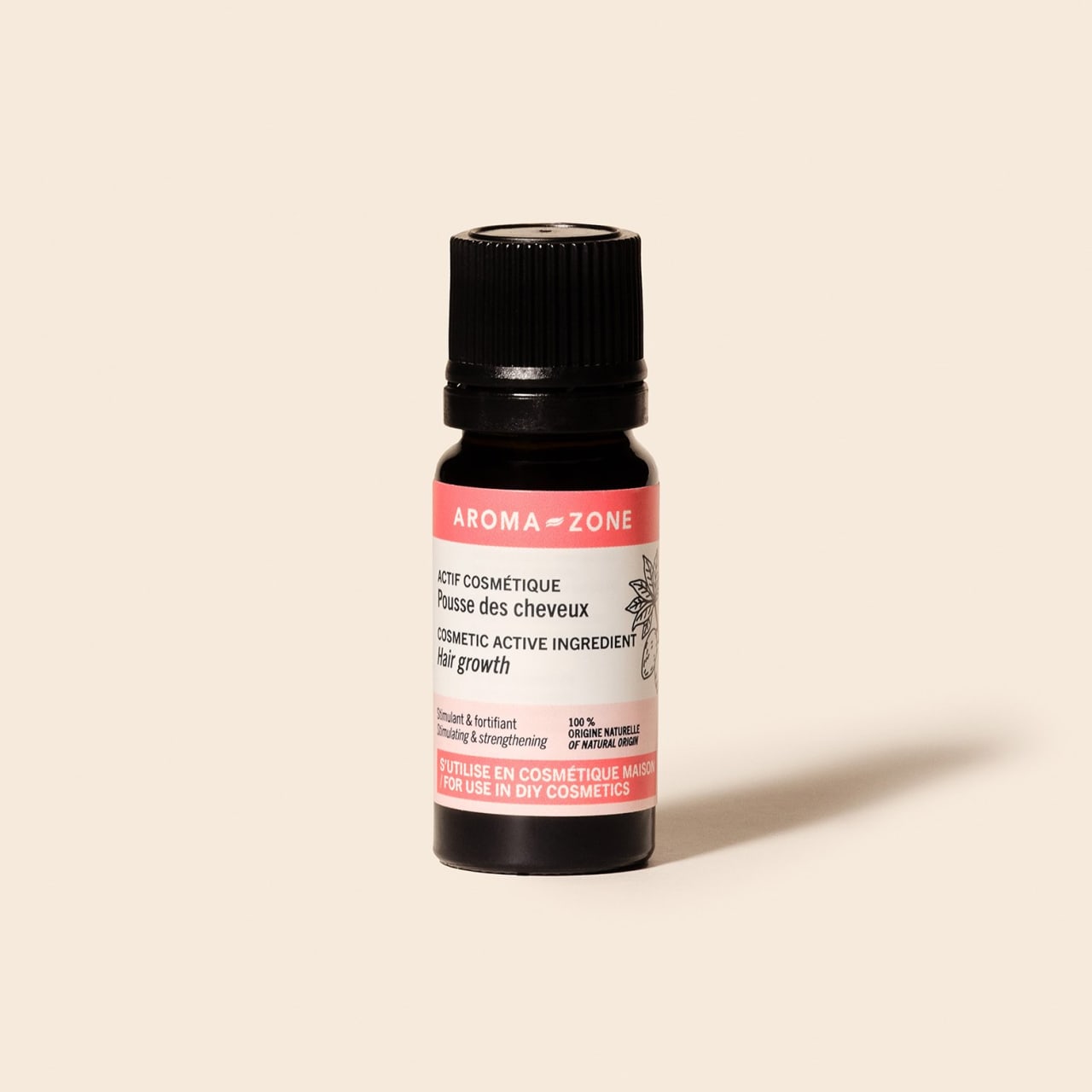
Hair strengthening
£6.00
10 ml
Anti-hair loss
£18.00
33.5 g
In brief
Choosing the best active ingredient for preventing hair loss requires taking into account the cause of the hair loss.
Across all causes, adenosine ranks amongst the best anti-hair loss active ingredients studied by science.
However, even effective active ingredients need a certain amount of time to visibly reduce the effects of hair loss.
Which is the most effective active ingredient for preventing hair loss?
The most effective active ingredient for preventing hair loss identified to date appears to be adenosine.
Hair loss straddles two fields of expertise: medicine and cosmetics. At Aroma-Zone, skincare is at the heart of what we do. Natural active ingredients for preventing hair loss do indeed exist: it’s simply that they may take longer to prove their worth. Their effectiveness remains less well documented and their results can vary.
To date, adenosine appears to take the top spot among the best active ingredients for combating hair loss. It is a molecule naturally present in our bodies. When it is included in the formulation of anti-hair loss treatments, it is generally derived from biotechnology or microbial fermentation. It is a nucleoside, i.e. a building block of RNA and other essential molecules involved in energy production, such as ATP.
As regards hair, this active ingredient is thought to have the ability to prolong the anagen phase (1), thereby increasing hair diameter and density. It is believed to act on the dermal papilla, a tiny structure that regulates cell proliferation in the hair follicle and supplies it with the nutrients it needs.
Which active ingredients for hair loss should you choose for reactive or chronic hair loss?
Reactive hair loss requires active ingredients that regulate the hair growth cycle, whilst chronic hair loss linked to DHT requires targeted action on the hormonal signal.
Reactive hair loss and chronic hair loss are caused by completely different mechanisms: the best active ingredients for preventing hair loss will therefore inevitably vary depending on your situation.
In the case of reactive hair loss (or telogen effluvium), stress shortens the anagen phase (growth) and causes the hair follicle to enter the catagen phase (resting) and then the telogen phase (shedding) (2). The aim in this specific case is to address the triggering factor. With topical treatment, the aim is to help your hair follicle return to a normal anagen phase: you can support this by creating a favourable microenvironment, in particular using antioxidant and soothing active ingredients, as well as follicular cycle modulators (e.g. adenosine, signalling peptides).
In the case of chronic hair loss such as androgenetic alopecia, we are dealing with a progressive miniaturisation of the hair follicle. This is the result of increased sensitivity and chronic exposure to DHT, an androgenic hormone produced from testosterone via the enzyme 5α-reductase. The strategy for selecting active ingredients therefore bears little resemblance to that for telogen effluvium: here, the main focus must be on addressing the hormonal signal that causes your follicles to miniaturise (3). You can achieve this by prioritising active ingredients with anti-androgenic activity (for example, green tea extract appears capable of inhibiting the aforementioned 5α-reductase (4)).
However, reactive hair loss can also become chronic without DHT being involved (5). If this applies to you, your priority is to identify and eliminate the persistent stress causing the problem. At the same time, consider incorporating active ingredients into your hair care routine that regulate the balance of your scalp whilst helping to keep your hair in the anagen phase.
To find out more, read: How can I tell if my hair loss is temporary or long-term?
Which active ingredients for preventing hair loss have the most scientific evidence?
Adenosine and caffeine are the two cosmetic active ingredients with the best-documented anti-hair loss effects.
The five ingredients listed below are the best active ingredients in cosmetics for preventing hair loss. All have been studied for topical application (directly onto the skin). Some, such as Florida palm, are also being studied for oral use. However, even for the substances that appear to be the most effective to date, the quality of the evidence is still limited.
Active Ingredients | Key features |
Adenosine | It is thought to prolong the anagen phase by promoting the production of growth factors (6). |
Caffeine | It is thought to support the activity of hair follicle cells (7). |
Rosemary | Its mechanism of action against hair loss is still unclear. Researchers suggest it has antioxidant, soothing and stimulating properties, particularly regarding microcirculation (8). |
Melatonin | As well as protecting the hair follicle from oxidative stress, it is thought to support the hair growth cycle by helping to maintain the anagen phase (9). |
Saw palmetto | It is thought to inhibit 5α-reductase, the enzyme responsible for converting testosterone into DHT (10). |
What are the best active ingredients for preventing hair loss, depending on the cause of hair loss?
The choice of active ingredients should vary depending on the underlying causes of hair loss.
In cases of androgenetic alopecia
This may apply to you if… Your hair seems to be getting thinner and breaks easily. In women, hair loss usually begins at the centre parting. In men, baldness usually begins at the temples. A family history of hair loss may also be a warning sign.
Active ingredients to look out for: adenosine, and possibly caffeine as a supportive measure.
In the case of stress-related hair loss
This may apply to you if… You’re looking for the best anti-hair loss active ingredients following a particularly stressful episode. This could be childbirth, weight loss, illness, surgery, a stressful situation at work or even simply a change of season. Hair usually starts to fall out three months after the trigger event.
Ingredients to look out for : adenosine, once again, but also melatonin to limit further damage caused by oxidative stress.
In the event of a scalp imbalance
This might apply to you if… Your scalp is irritated: you scratch it, it reddens, it stings, it flakes and becomes even more irritated. Sensitive scalps are prone to inflammatory imbalances that contribute to hair loss. This could be chronic irritation or seborrhoeic dermatitis, for example.
The active ingredients to look for: niacinamide, as well as soothing ingredients such as rosemary, to restore a healthy follicular environment.
In the event of a nutritional deficiency
This may apply to you if… Your hair loss is accompanied by other warning signs. Iron deficiency, for example, is well known to slow down hair follicle activity. As well as hair loss, it causes a pale complexion, severe fatigue, shortness of breath and difficulty concentrating. Other deficiencies to watch out for in the event of hair loss: zinc and protein.
Active ingredients to consider: possibly suitable dietary supplements, with your doctor’s approval and under their supervision, to monitor the progression of the deficiency.
A trichologist’s opinion
"The true effectiveness of an anti-hair loss active ingredient is assessed using several scientific criteria. Above all, it must respect the scalp’s balance by maintaining its physiological pH and causing neither irritation nor redness – conditions that are essential for optimal hair growth.
Its effectiveness must also be based on a clearly identified mechanism of action, be used at a sufficient concentration, and be demonstrated by high-quality clinical studies. Finally, an anti-hair loss active ingredient must be well tolerated and incorporated into a stable formulation to ensure its effectiveness throughout its use. It is also important to note that the efficacy of an anti-hair loss active ingredient can only be assessed after at least three months’ use, a period corresponding to the hair’s biological cycle and the time required to observe clinically significant results.
In short, an active ingredient can only be considered effective if it combines safety, efficacy and scientific validation. "
Dalila Belmokhtar, PhD in Pharmacy and trichologist @dalilahairscience
Our related active ingredients
When creating your own homemade hair care products, several active ingredients can be combined to strengthen the hair, maintain the scalp’s balance and create an environment conducive to hair growth. Choose them according to your hair’s needs and follow the recommended dosages for each formula.
Our ready-to-use hair care products, rich in active ingredients to prevent hair loss
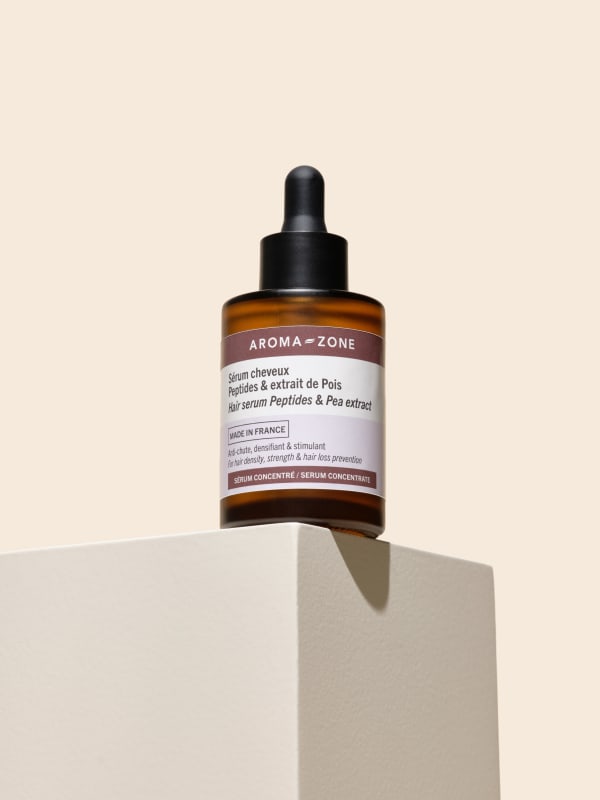
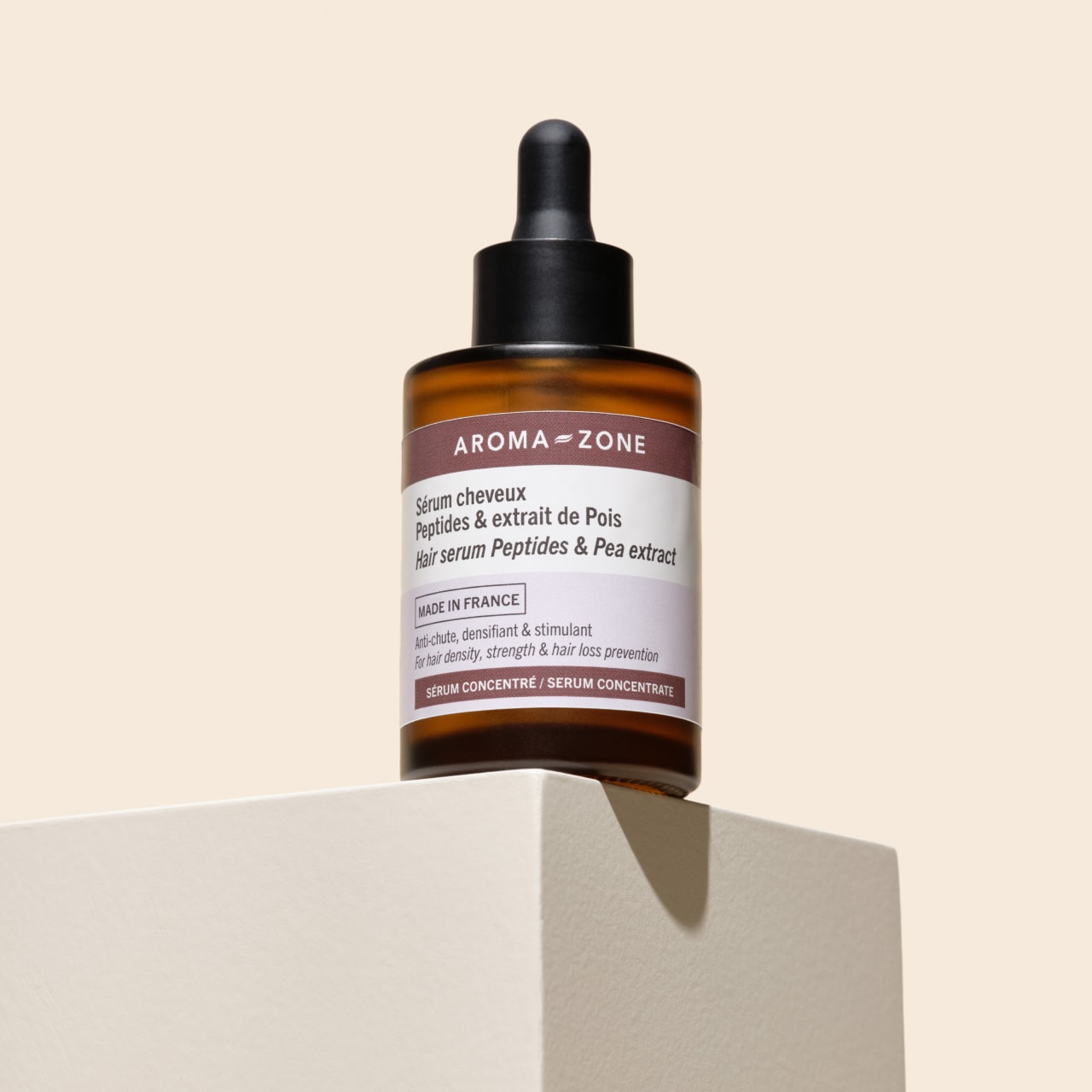
Anti-hair loss hair serum with peptides and pea extract.
This leave-in treatment, which leaves no greasy residue, targets several types of hair loss: chronic, androgenetic, stress-related, deficiency-related, hormone-related or seasonal. It prolongs the anagen phase, helps anchor hair follicles and optimises their regeneration. Use it once a day, massaging it into your scalp.
Discover the Peptides & Pea Extract Anti-Hair Loss Hair Serum.
Our natural active ingredients to support hair growth
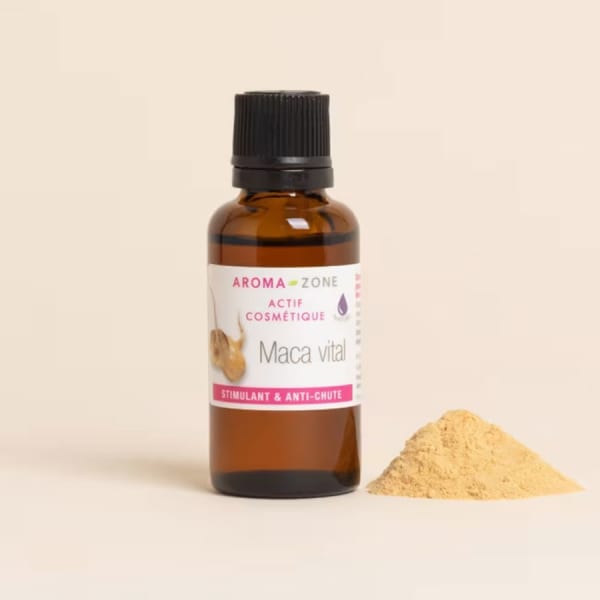
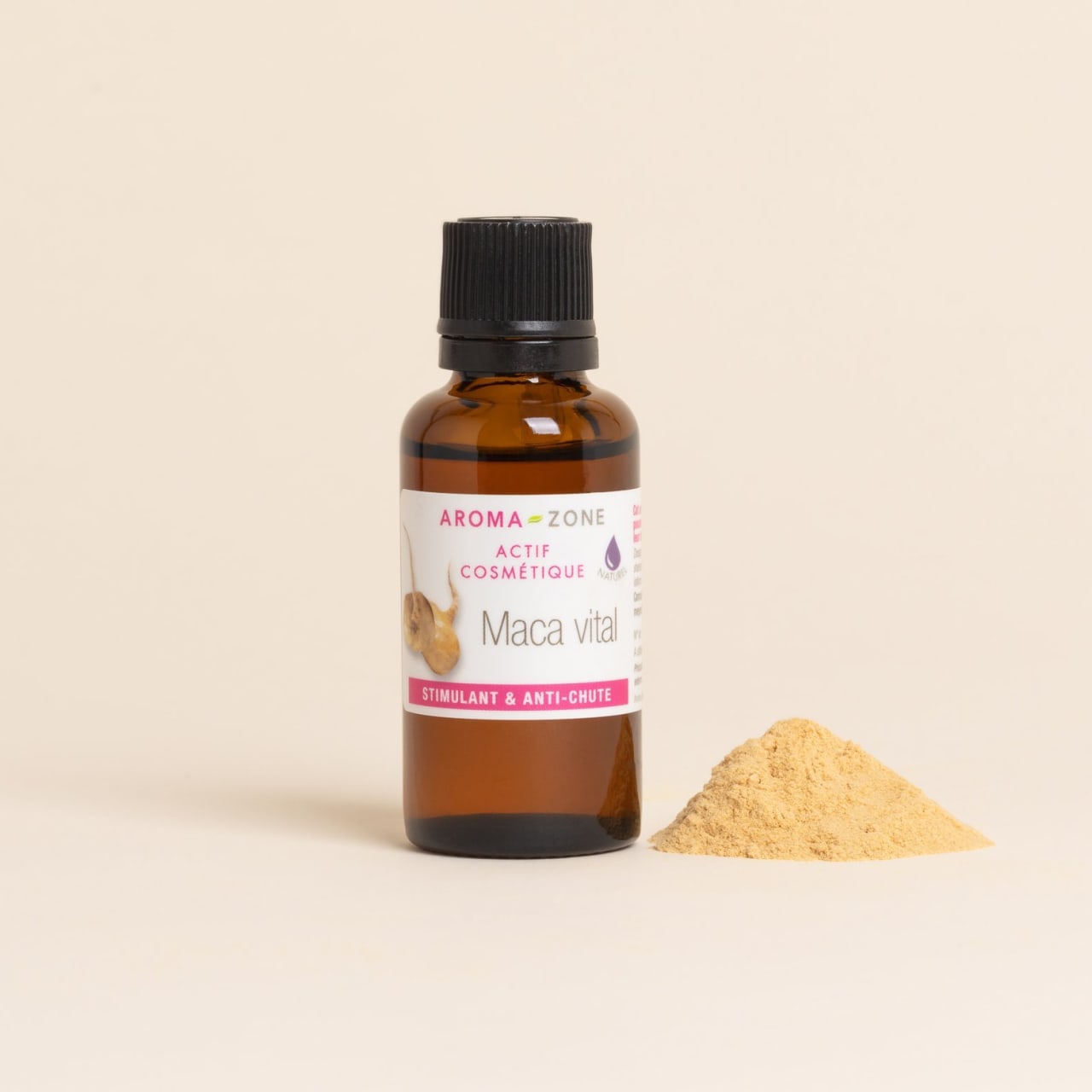
Maca Vital Active Ingredient
It is known to increase the hair bulb’s resistance to most stress factors and to improve the hair’s attachment to the scalp. Use it to formulate a stimulating shampoo or an anti-hair loss lotion, for example. Recommended dosage: 1–5 per cent of the total weight of your formulation.
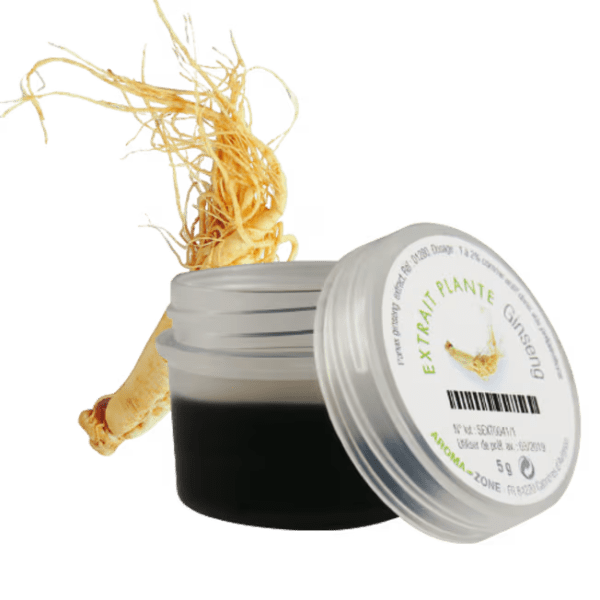
Ginseng extract
It is traditionally used as a hair strengthener and scalp tonic, particularly to promote hair growth. You can incorporate it into your hair serum or revitalising shampoo recipes. Recommended dosage: 1 to 2 per cent of the total weight of your formulation.
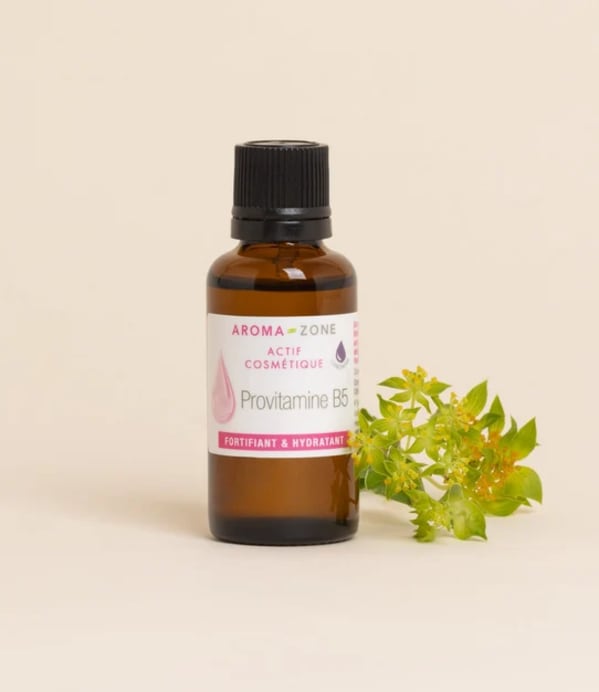
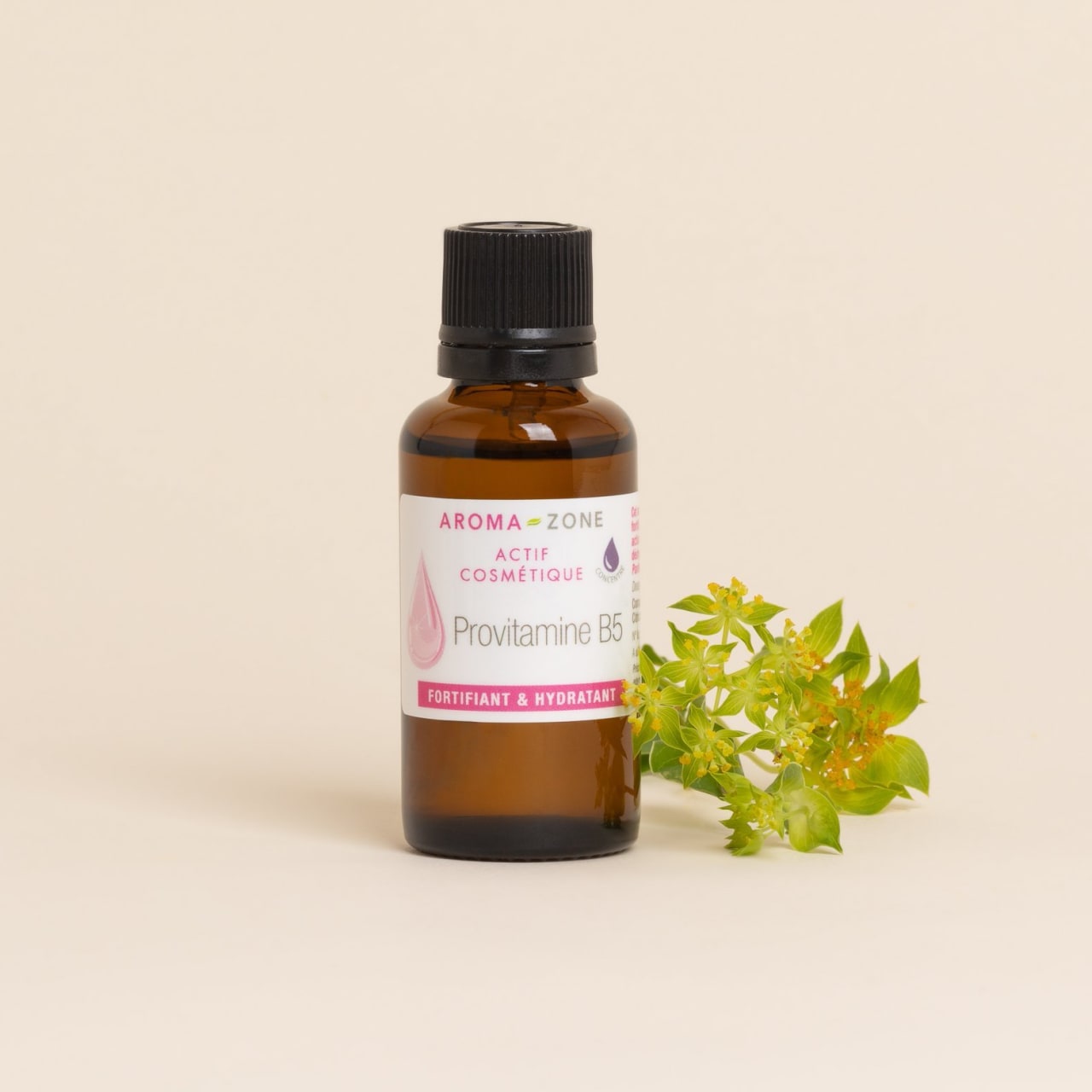
Provitamin B5
Also known as panthenol, it is renowned for strengthening and beautifying the hair, promoting hair growth and soothing sensitive scalps. It can easily be incorporated into a scalp lotion, shampoo, conditioner or hair mask. Recommended dosage: 2–5 per cent of the total weight of your formulation.
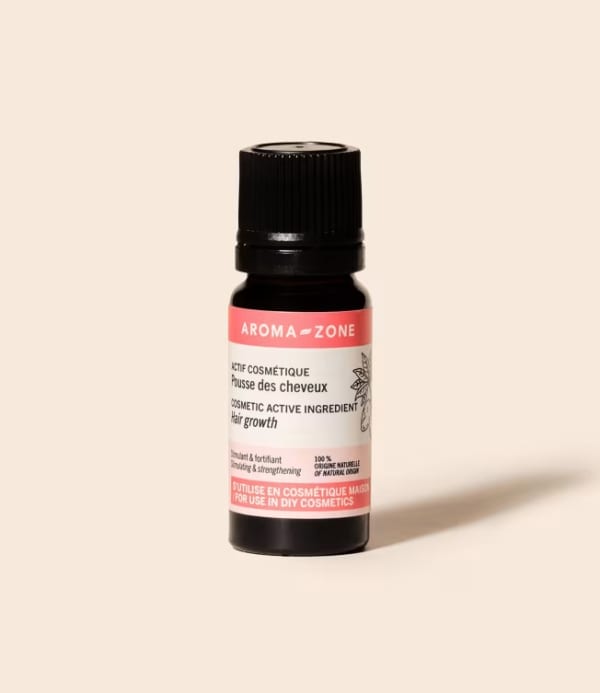
Hair Growth Active Ingredient
This plant-based active ingredient helps to stimulate hair follicle activity and support the maintenance of hair in the growth phase. It is used in particular in lotions, serums and shampoos designed for fine hair or hair prone to shedding. Recommended dosage: 0.5 to 5 per cent of the total weight of your formulation.
Our dietary supplement: a synergy of targeted active ingredients
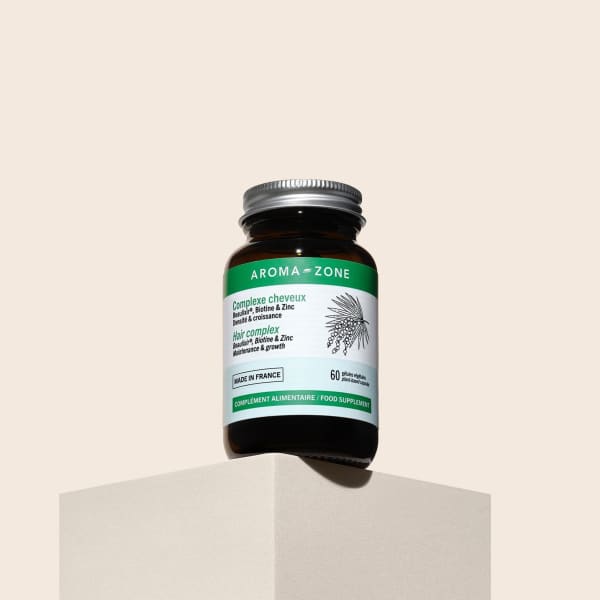
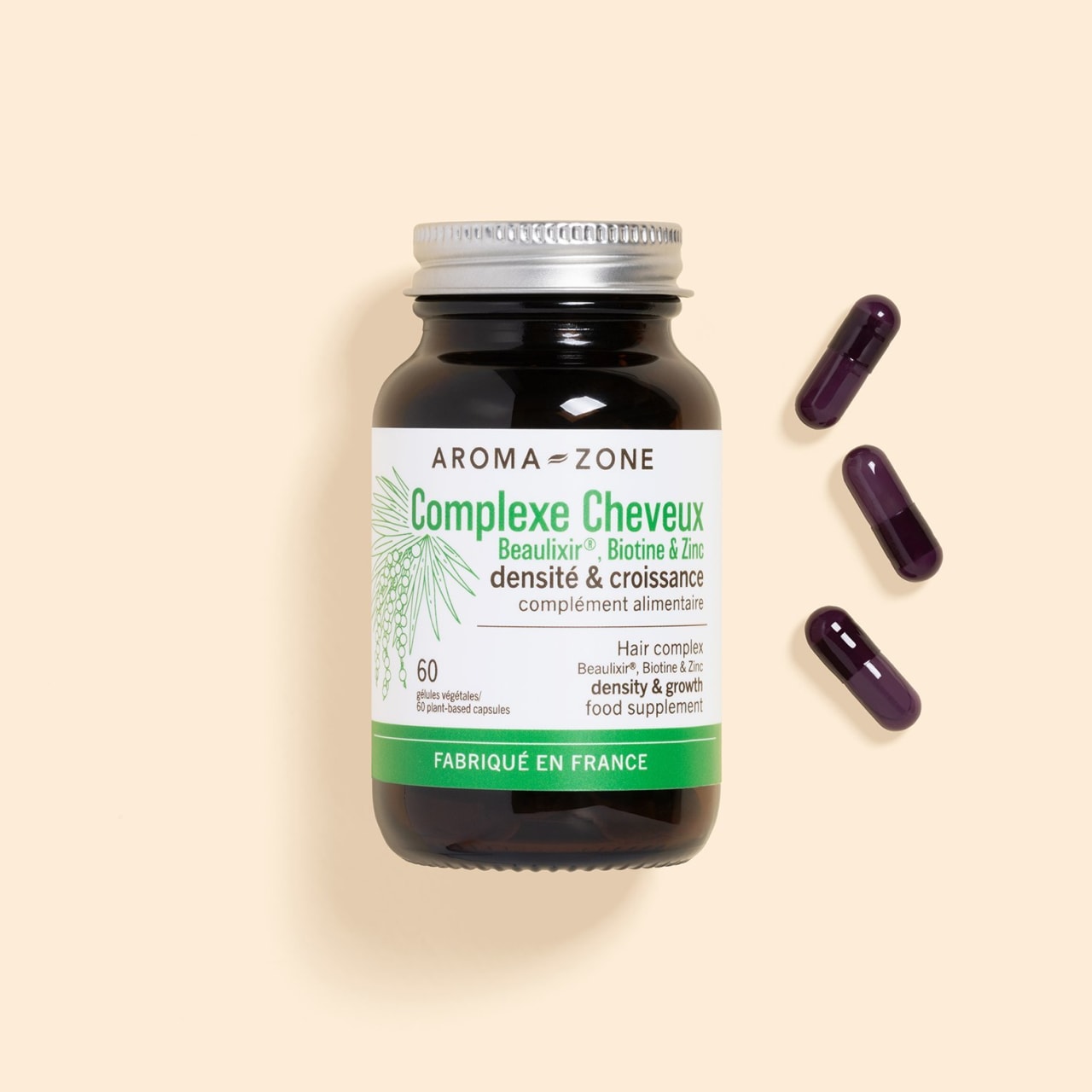
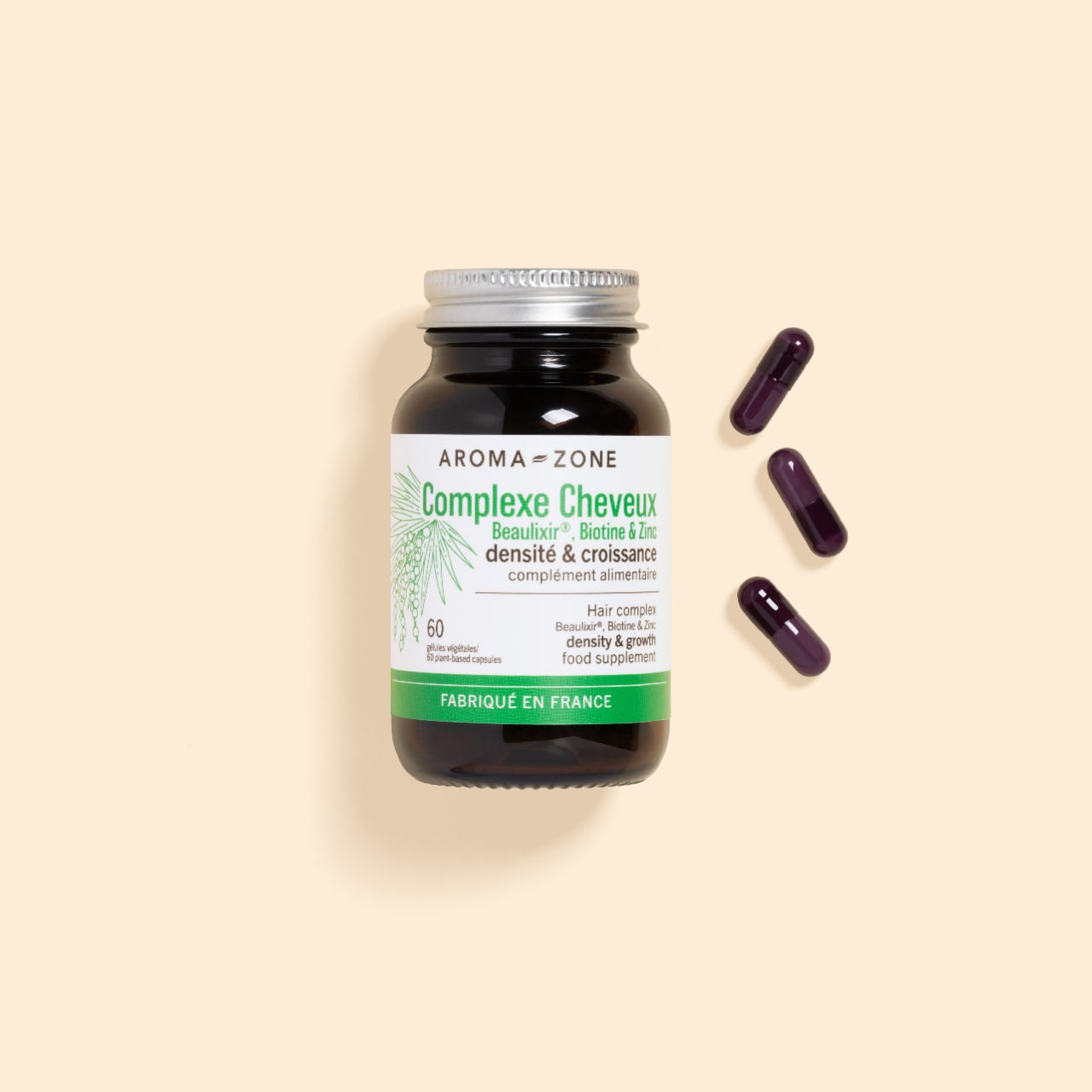
Hair Complex
It is based on the benefits of the active ingredient Beaulixir®, a combination of oily extracts of saw palmetto, borage, linseed, wheat and rye, and pine bark phytosterols, which have been clinically proven to reduce hair loss. Recommended dosage: 2 capsules per day. Not recommended for women who are pregnant or breastfeeding, or who have a personal or family history of breast cancer; should be used in addition to a regular intake of fruit and vegetables to maintain carotenoid levels. Take at a separate time from any medication (at least 60 minutes apart). Do not take whilst on anticoagulant treatment; avoid consuming more than 3 grams of added plant sterols/stanols per day; patients undergoing cholesterol-lowering treatment should only take this product under medical supervision.
Precautions
The best active ingredients for preventing hair loss in cosmetics are not a substitute for medical treatment. You should consult your GP as a matter of priority if you feel your hair is falling out more heavily or for longer than usual.
Focus on Our Writer: Hélène Betoux

Hélène Betoux is a French beauty journalist specialising in web media. Every day she writes tips, advice, and guides to help consumers choose the right beauty products. With a strong interest in natural, organic, and clean cosmetics, she analyses and shares trends and innovations in the sector.
Bibliography
Szendzielorz E, Spiewak R. Adenosine as an Active Ingredient in Topical Preparations Against Hair Loss: A Systematic Review and Meta-Analysis of Published Clinical Trials. Biomolecules. 28 July 2025;15(8):1093.
doi: 10.3390/biom15081093. PMID: 40867538; PMCID: PMC12383921.
Asghar F, Shamim N, Farooque U, Sheikh H, Aqeel R. Telogen effluvium: A review of the literature. Cureus. 27 May 2020;12(5):e8320.
doi: 10.7759/cureus.8320. PMID: 32607303; PMCID: PMC7320655.
Inui S, Itami S. Molecular basis of androgenetic alopecia: From androgen to paracrine mediators via the dermal papilla. J Dermatol Sci. January 2011;61(1):1–6.
doi: 10.1016/j.jdermsci.2010.10.015. Epub 3 November 2010. PMID: 21167691.
Liao S, Hiipakka RA. Selective inhibition of steroid 5-alpha-reductase isozymes by tea epicatechin-3-gallate and epigallocatechin-3-gallate. Biochem Biophys Res Commun. 25 September 1995;214(3):833–8.
doi: 10.1006/bbrc.1995.2362. PMID: 7575552.
Malkud S. Telogen effluvium: a review. J Clin Diagn Res. September 2015;9(9):WE01-3.
doi: 10.7860/JCDR/2015/15219.6492. Epub 1 September 2015. PMID: 26500992; PMCID: PMC4606321.
Szendzielorz E, Spiewak R. Adenosine as an active ingredient in topical preparations against hair loss: a systematic review and meta-analysis of published clinical trials. Biomolecules. 28 July 2025;15(8):1093.
doi: 10.3390/biom15081093. PMID: 40867538; PMCID: PMC12383921.
Szendzielorz E, Spiewak R. Caffeine as an Active Ingredient in Cosmetic Preparations Against Hair Loss: A Systematic Review of Available Clinical Evidence. Healthcare (Basel). 12 February 2025;13(4):395.
doi: 10.3390/healthcare13040395. PMID: 39997270; PMCID: PMC11855793.
Panahi Y, Taghizadeh M, Marzony ET, Sahebkar A. Rosemary oil versus 2% minoxidil for the treatment of androgenetic alopecia: a randomised comparative trial. Skinmed.
Jan–Feb 2015;13(1):15–21. PMID: 25842469.
Fischer TW, Burmeister G, Schmidt HW, Elsner P. Melatonin increases the anagen hair rate in women with androgenetic alopecia or diffuse alopecia: results of a pilot randomised controlled trial. Br J Dermatol. 2004 Feb;150(2):341–5.
doi: 10.1111/j.1365-2133.2004.05685.x. PMID: 14996107.
Wessagowit V, Tangjaturonrusamee C, Kootiratrakarn T, Bunnag T, Pimonrat T, Muangdang N, Pichai P. Treatment of male androgenetic alopecia with topical products containing Serenoa repens extract. Australas J Dermatol. 2016 Aug;57(3):e76-82.
doi: 10.1111/ajd.12352. Epub 25 May 2015. PMID: 26010505.
Frequently Asked Questions
Associated tips
Hair and scalp care tips

Aromatherapy advice
Hair care tips


