How can you tackle hair loss by taking the hair growth cycle into account?

How can you tackle hair loss by taking the hair growth cycle into account?


By Lou Dumas

Published on: Monday, February 09, 2026, Updated on: Monday, October 12, 2026

Hair loss is often experienced as a worrying warning sign. It can occur without warning, several weeks or months after a period of stress or hormonal fluctuations, giving the impression that something is wrong. However, this phenomenon is part of a natural physiological process. To better understand what hair loss actually reveals, we spoke to Marion Pezard, a naturopath specialising in supporting women. In this Ask-Aroma-Zone special edition, she answers the four most frequently asked questions on the subject and shares a holistic perspective that takes into account the hair cycle and women’s health.

Contents

Related products

In brief

In brief: Hair loss in women, often triggered by physical or emotional stress, hormonal imbalances or nutritional deficiencies, follows a specific biological cycle and may become apparent several weeks after the initial event. This explains why it can sometimes be disconcerting and why a holistic approach that respects the hair growth cycle is necessary. An effective treatment plan combines nutritional support, stress management and topical treatments: insights from Marion Pezard, naturopath.

Why can hair loss occur long after a significant event?

One of the most confusing aspects of hair loss is the time lag involved. Marion Pezard points out that hair does not react instantly to what the body is going through. It follows a well-defined life cycle, consisting of several phases: growth, transition, rest, then shedding.

When significant stress occurs – whether it be an emotional shock, childbirth, illness or a nutritional deficiency – many hairs simultaneously enter the telogen phase, a resting phase. The hair is still there, but it is no longer growing. It is only two to three months later, as it transitions into the shedding phase, that the loss becomes visible.

In other situations, particularly when the cause is an androgen imbalance, it is not the resting phase that is the issue, but rather the growth phase, which becomes shorter. The hair then becomes finer and more fragile, and the hair can gradually lose density.

This mechanism explains why hair loss can occur even when the triggering event seems to be a distant memory. The body, however, has not forgotten a thing. Understanding this time lag is a first step towards letting go of feelings of guilt and avoiding inappropriate reactions.
What are the most common causes of hair loss in women?

Hair loss in women is rarely linked to a single cause. Marion Pezard emphasises the importance of a multifactorial approach, taking into account the overall health context:

  • Among the most commonly observed factors are micronutrient deficiencies, particularly in iron, zinc and B vitamins, which are essential for hair metabolism. An insufficient intake of protein is also common, even though the hair shaft is mainly composed of keratin, which is itself made up of amino acids

  • Other factors come into play, such as reduced microcirculation in the scalp, which limits oxygenation of the hair follicles, or certain hormonal imbalances, such as hypothyroidism or hyperandrogenism

  • The postpartum period is a special case. During pregnancy, oestrogen keeps a large number of hairs in the growth phase, which often results in thicker hair. After childbirth, when hormone levels return to more normal levels, these hairs gradually enter the shedding phase. This phenomenon is striking but physiological and temporary

  • Finally, mechanical factors can exacerbate the situation: repeated use of heat-styling tools, aggressive styling methods or unsuitable products.

How can diet and lifestyle support the hair growth cycle?

Before looking for targeted solutions, Marion Pezard recommends going back to basics. After all, hair is a living tissue, sensitive to both nutrition and lifestyle.

As mentioned, vitamins and minerals play a key role in hair vitality, as does an adequate intake of protein, estimated on average at around 1 g per kilogram of body weight per day, with increased requirements for female athletes, pregnant women and those who are breastfeeding.

Beyond nutritional intake, Marion Pezard emphasises the importance of limiting oxidative stress by favouring a diet rich in plant-based foods, antioxidants and minimally processed foods. Stimulants such as coffee, alcohol or sugar can also weaken the body’s defences when consumed in excess.

Finally, chronic stress plays a central role in hair loss. It affects hormonal balance, digestion, nutrient absorption and microcirculation. Calming the nervous system through rest, breathing exercises, appropriate physical activity or recovery periods is a factor that is generally underestimated, yet essential.

Key nutrient

Role in hair health and main sources

Vitamin B8 (biotin)

Strengthens the hair shaft, reduces breakage

Eggs, almonds, sweet potatoes, bananas

Vitamins B6, B9, B12

Support keratin production and oxygenation of the hair

Green vegetables, eggs, meat, whole grains

Vitamin D

Helps stimulate hair follicles

Oily fish, eggs

Iron

Promotes oxygenation of the hair

Red meat, spinach, lentils 

Zinc

Supports hair growth and regulates sebum production

Seeds, nuts, oysters

Omega-3s

Contribute to scalp hydration and comfort

Oily fish, avocado, nuts, linseeds and chia seeds

Silicon

Plays a part in keratin synthesis

Wholemeal cereals, horsetail, banana.

Can topical treatments really help with hair loss?

In short, topical treatments are not enough on their own, but they can play a crucial role when formed part of a holistic approach. Marion Pezard emphasises that the scalp is living tissue and that stimulating it regularly can promote an environment more conducive to regrowth:

  1. Pre-shampoo treatments based on plant oils and essential oils, combined with gentle massages, help to support microcirculation and the vitality of the hair follicle.

  2. A scalp-friendly shampoo, thoroughly massaged in, then helps to maintain a healthy scalp

  3. After washing, certain lightweight treatments applied directly to the scalp can enhance comfort and hydration, provided they do not weigh the hair down.

The key is consistency: these are simple habits, repeated over time, which gently support the hair growth cycle.

Which Aroma-Zone products are most effective?

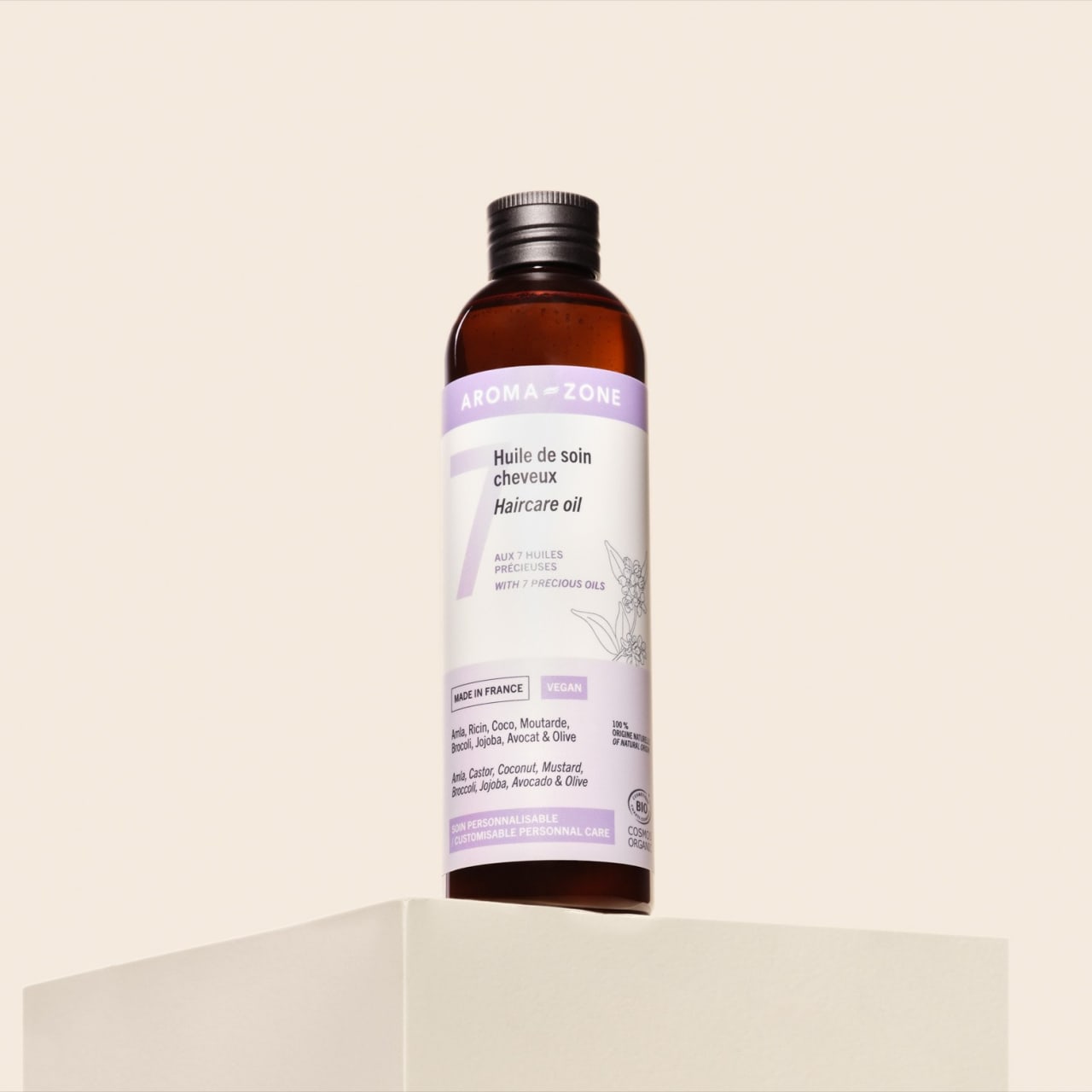
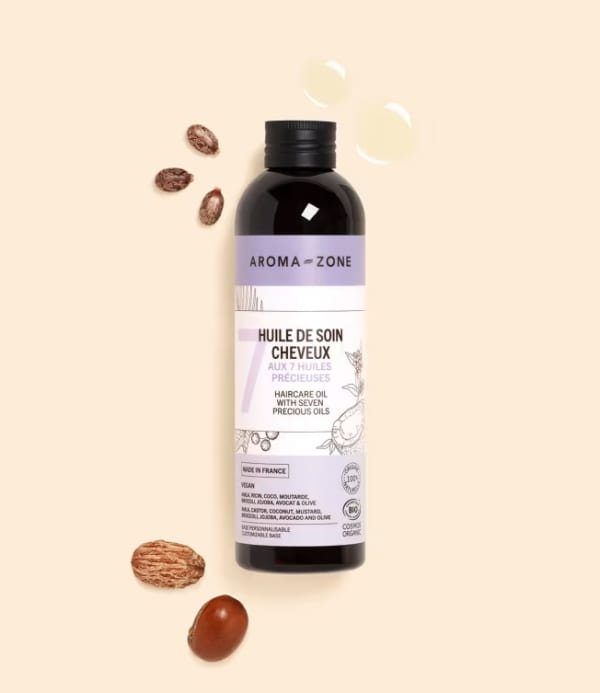
Hair Care Oil

This hair care oil nourishes the hair shaft and helps maintain the suppleness and shine of the lengths, which are often weakened during periods of hair loss. It can be applied to the scalp and to dry or damp hair, using a small amount on the lengths and ends, without rinsing.

Discover the Hair Care Oil

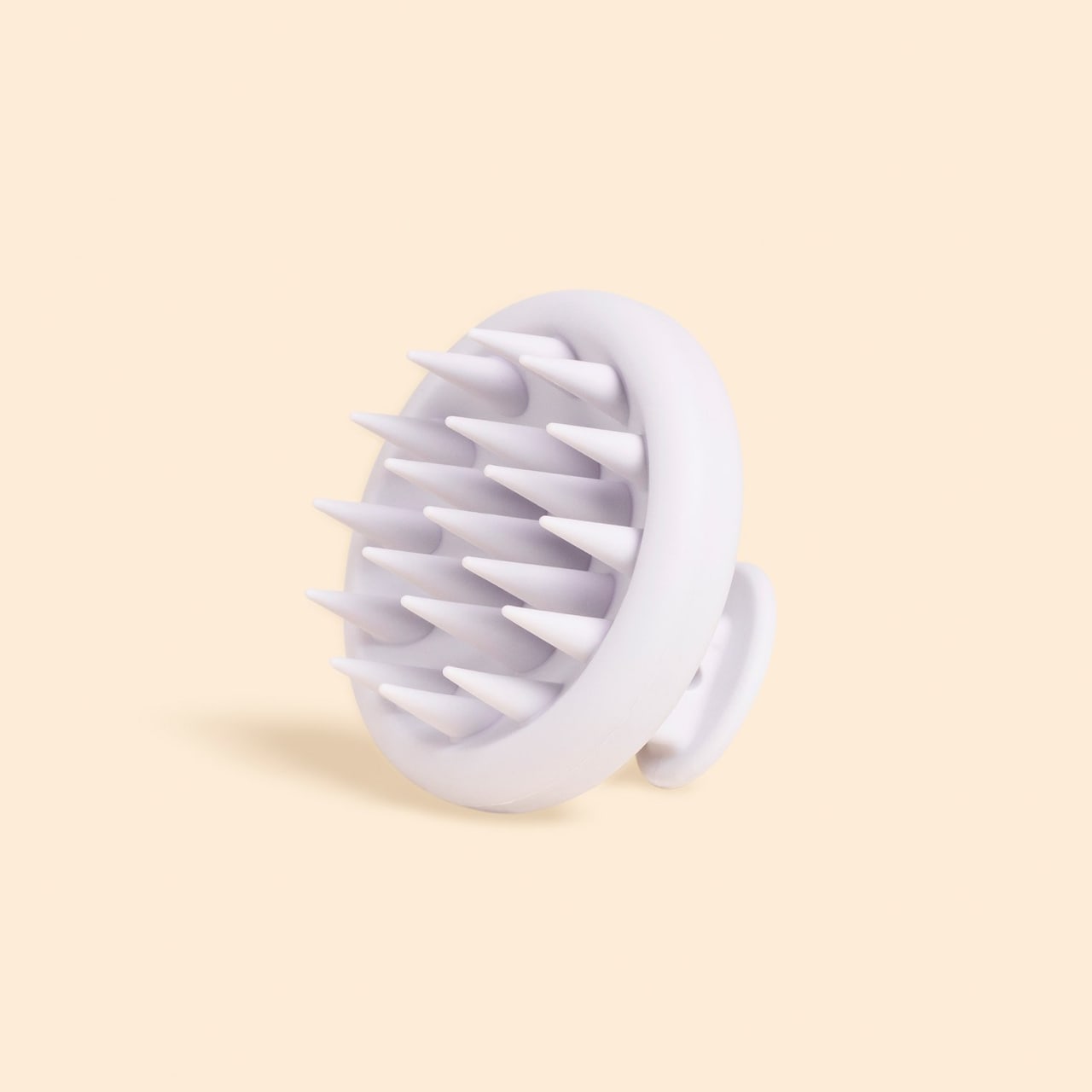
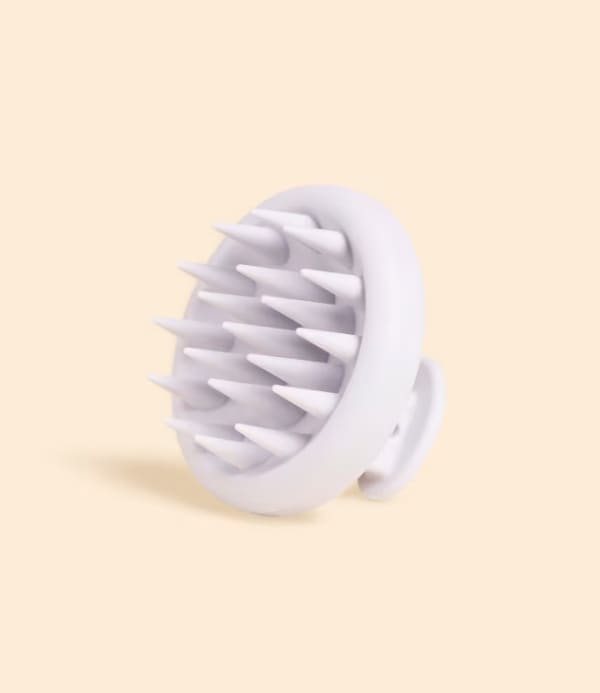
Scalp massage brush

This brush stimulates microcirculation in the scalp, a key factor in maintaining the vitality of the hair follicles. It should be used on a dry or slightly damp scalp, using gentle, circular movements for a few minutes a day.

Discover the Scalp Massage Brush

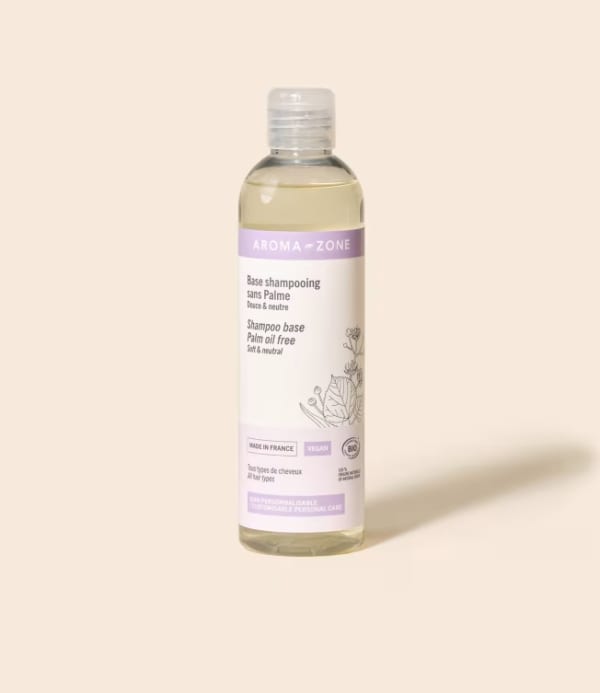
Neutral, palm-oil-free shampoo base

Palm-free neutral shampoo base

This gentle cleansing base cleanses the scalp without irritating it, whilst respecting its natural balance. It can be used as it is or customised with suitable active ingredients or essential oils, massaged gently into the scalp.

Discover the palm-free neutral shampoo base

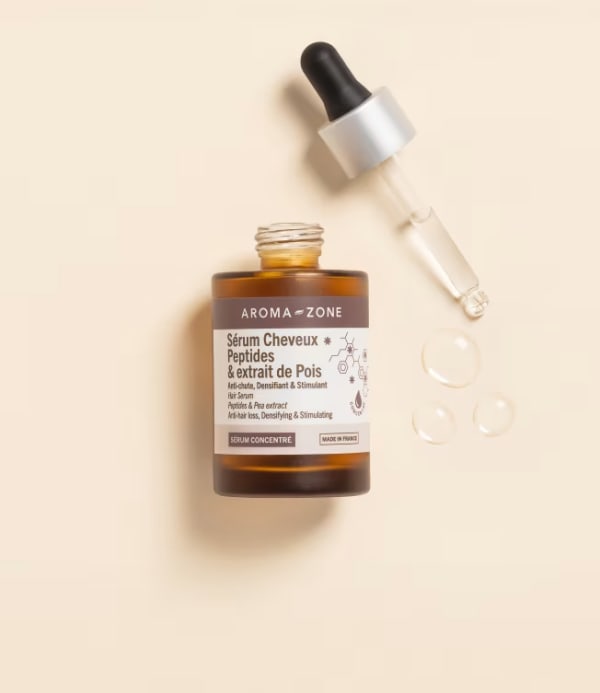
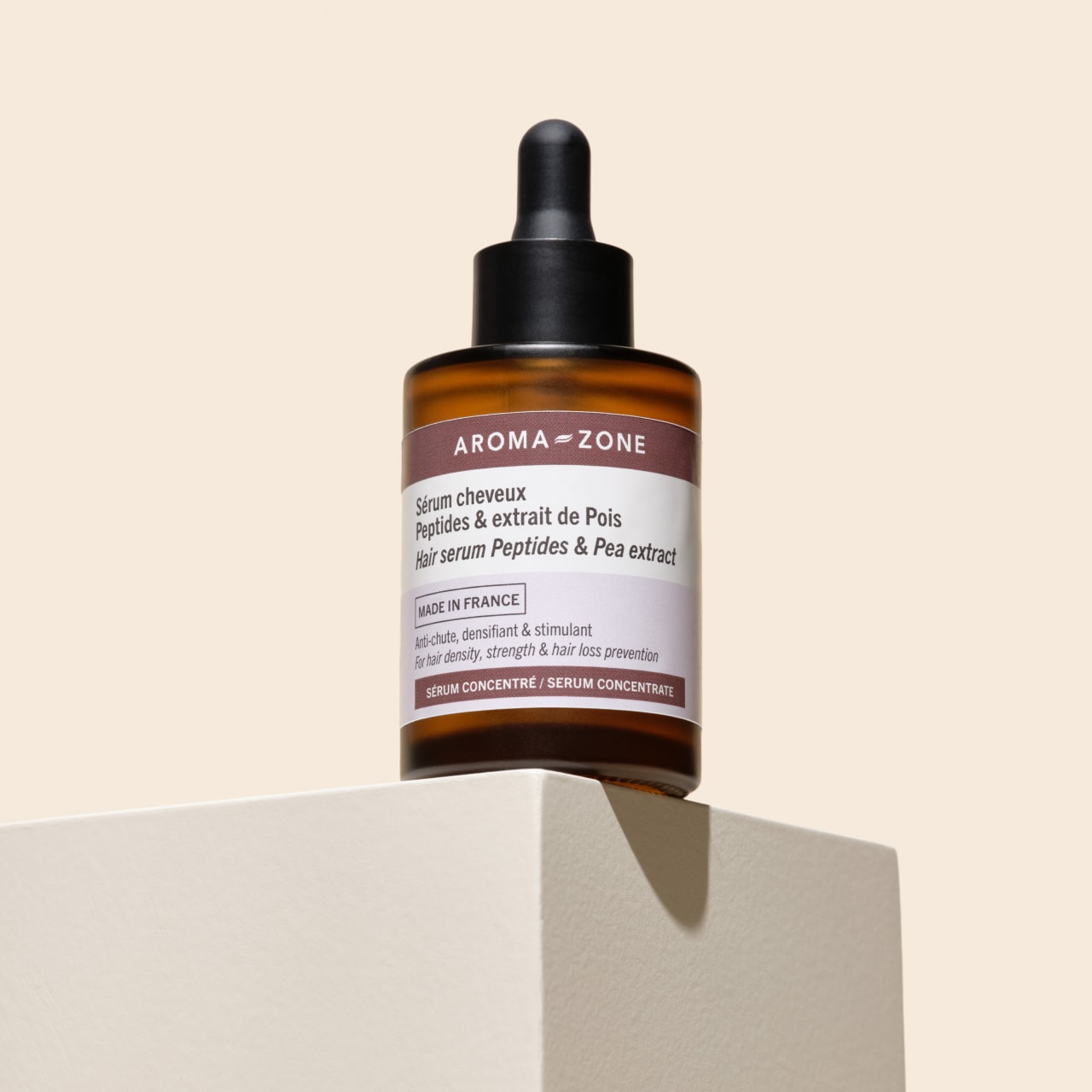
Anti-hair loss serum with peptides and pea extract

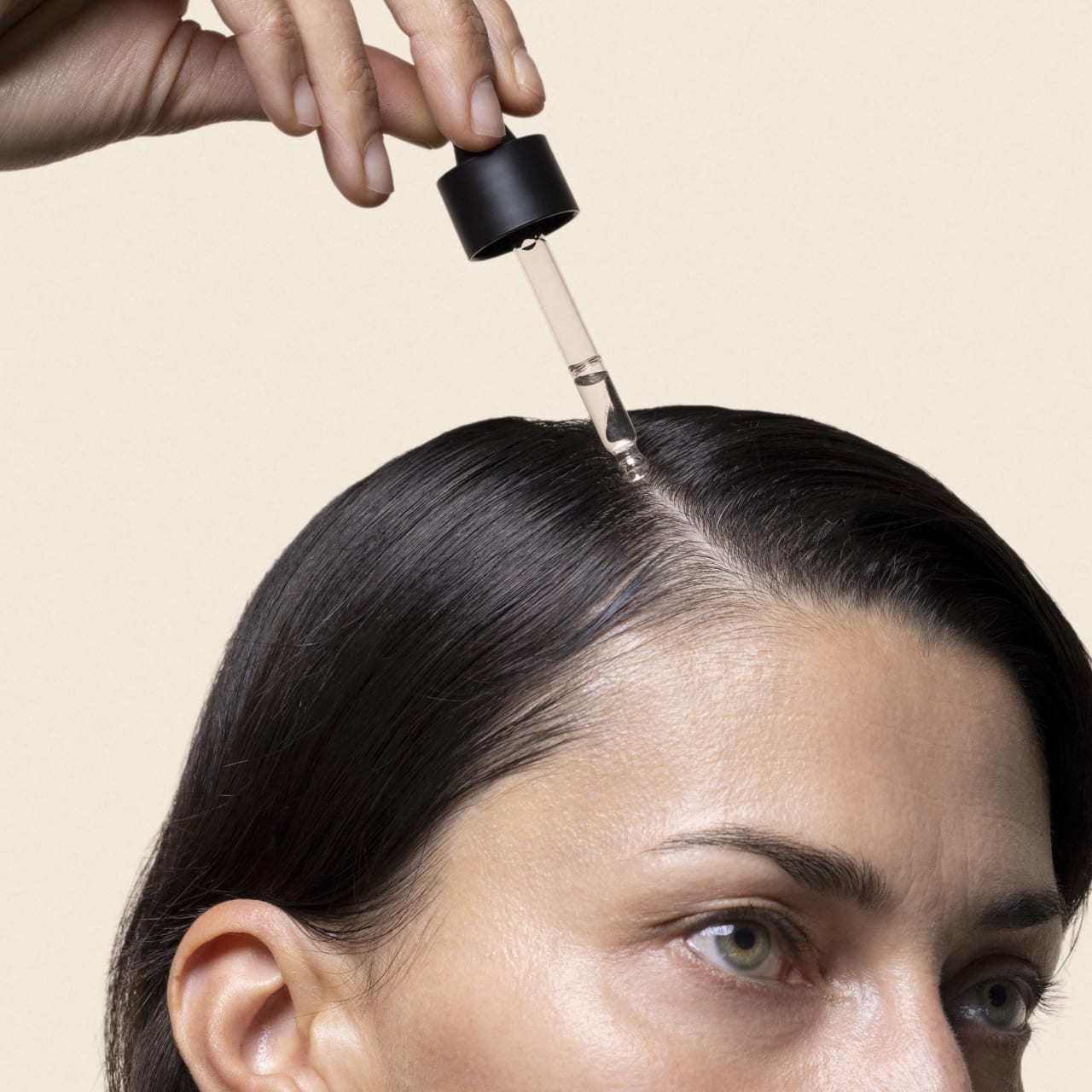
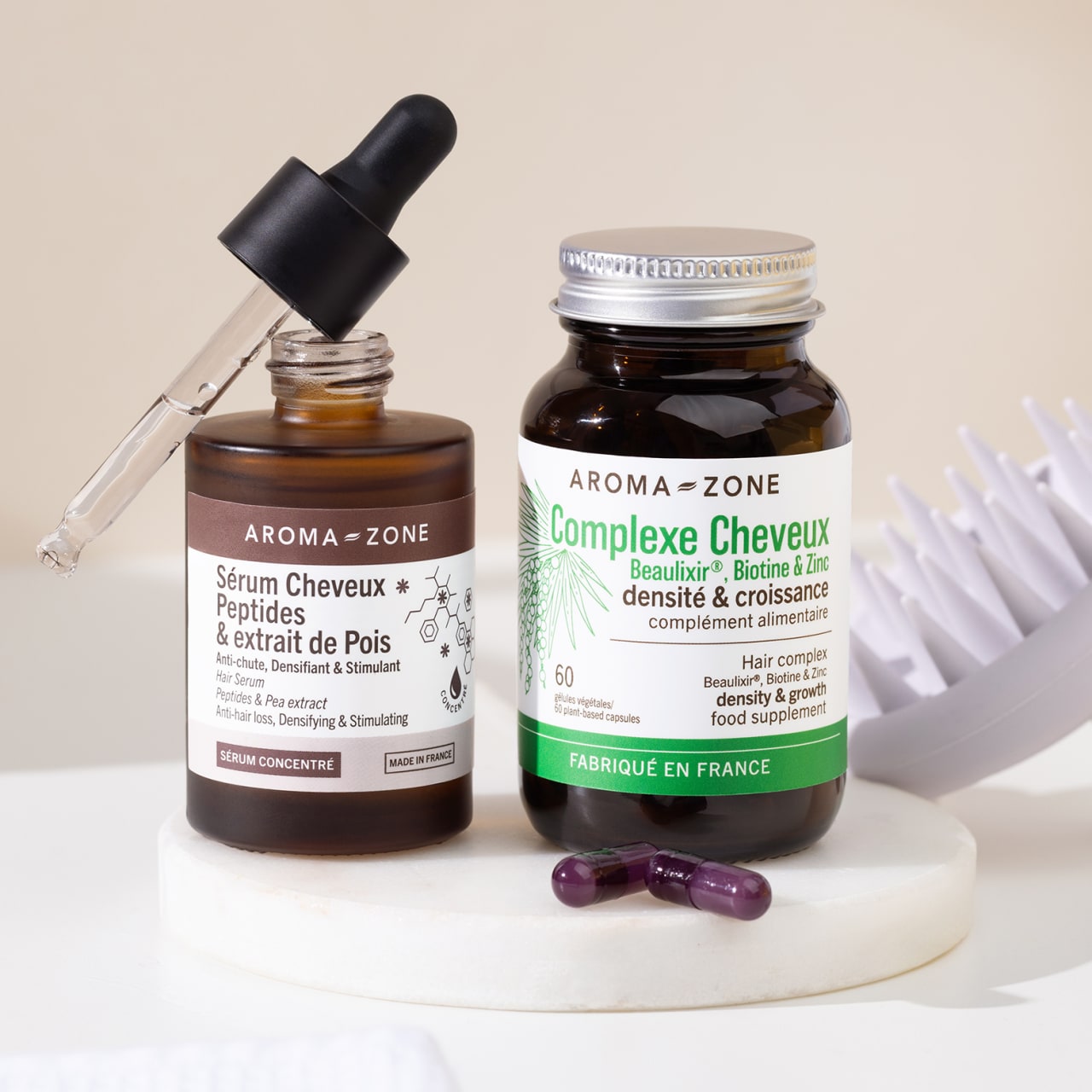
This concentrated serum combines peptides and pea extract to support scalp vitality and hair density. It is applied directly to the clean scalp, section by section, with a gentle massage, and does not require rinsing.

Discover the Anti-Hair Loss Serum with Peptides and Pea Extract

Capture d'écran 2026-07-28 113529

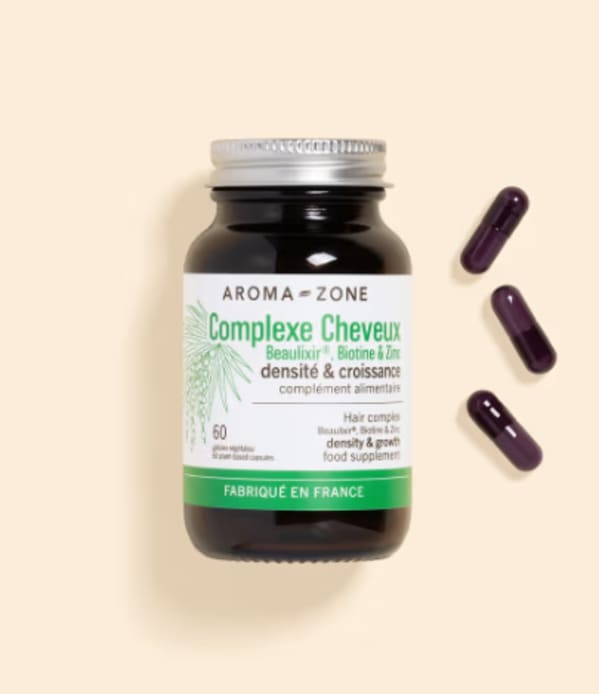
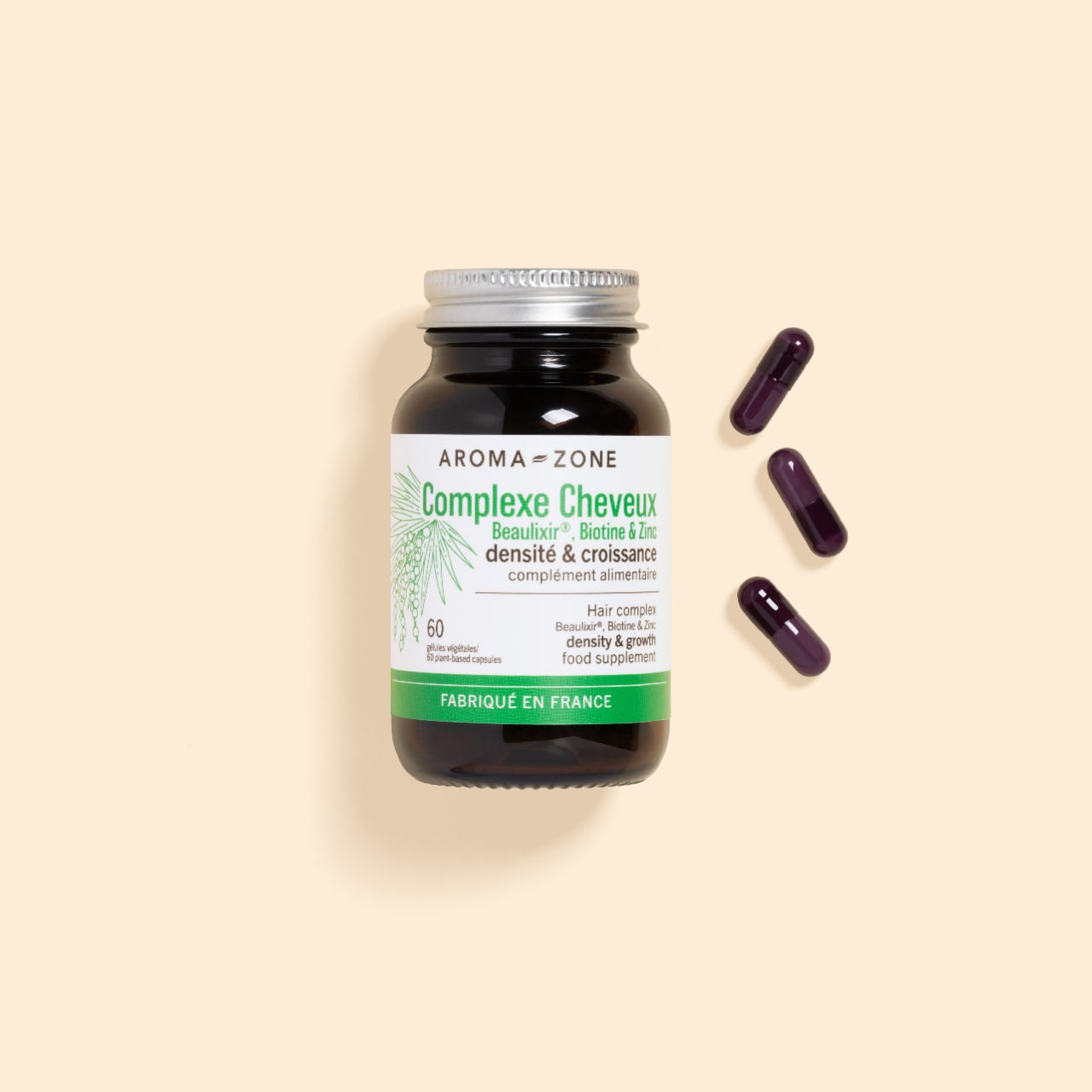
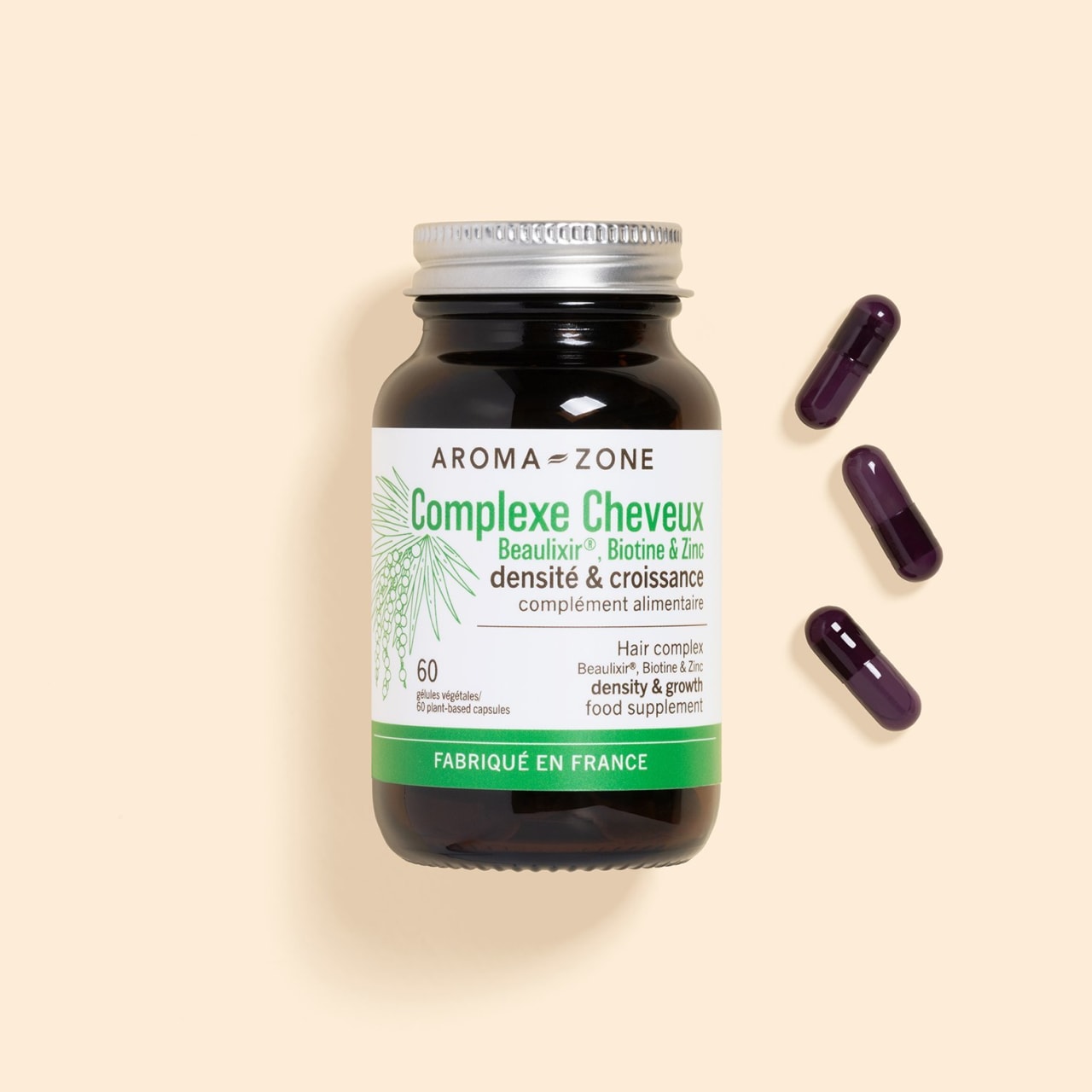
Hair Complex

This food supplement is formulated to support the nutritional requirements for healthy hair, as part of a balanced diet. Take 2 capsules a day, to be swallowed with a glass of water. Not recommended for women who are pregnant or breastfeeding, or who have a personal or family history of breast cancer. Should be used in addition to a regular intake of fruit and vegetables to maintain carotenoid levels. Take at a separate time from any medication (at least 60 minutes apart). Do not take if you are also taking anticoagulant medication. Avoid consuming more than 3 grams of added plant sterols/stanols per day. Patients undergoing cholesterol-lowering treatment should only take this product under medical supervision.

Hair Complex

Who is Marion Pezard, naturopath?

Marion Pezard 01

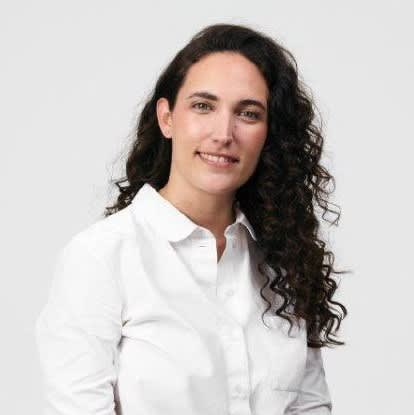
Marion Pezard is a naturopath specialising in supporting women, with an approach centred on the female cycle, hormones and overall balance. She is also the founder and host of the podcasts Healthy Living and Healthy Mamma, and author of the book Reconnecting with the Female Cycles.

Through her consultations, educational content and collaborations with Aroma-Zone, Marion advocates a nuanced and personalised approach to natural health. Her work aims to help women better understand their bodies’ signals, let go of feelings of guilt and take consistent action that respects their physiology.

A word from Marion Pezard

"If, despite following several lifestyle recommendations, the problem persists, it may be worth having your hormone balance checked by your doctor, particularly the function of the thyroid and your androgen levels."

In her Aroma-Zone masterclass on hair loss, Marion Pezard explores the mechanisms in depth and offers a comprehensive approach, combining an understanding of the hair cycle, diet, lifestyle and topical treatments, to support every woman according to her individual circumstances.

Lou_Dumas_02.JPG

Lou graduated from HEC in 2012. She gained ten years’ experience in marketing within the cosmetics and perfumery sectors before setting up as an independent consultant in this field. She recently completed a three-year course in naturopathy at the European College of Holistic Naturopathy (CENATHO, Paris) with the aim of supporting the physical and mental health of the people she works with through a holistic approach to lifestyle.

Bibliography

  1. Aroma-Zone Masterclass with Marion Pezard, Hair Loss, 2026

  2. Pezard M., Reconnecting with Women’s Cycles: Living in Harmony with Your Cycles through Naturopathy, Éditions La Plage, 2022

  3. The Role of Vitamins and Minerals in Hair Loss: A Review, Hind M Almohanna, Azhar A Ahmed, John P Tsatalis, Antonella Tosti, 2018

  4. Assessing the Relationship Between Dietary Factors and Hair Health: A Systematic Review, Nuno Gomes, Nuno Silva, Beatriz Teixeira

  5. An Integrative and Mechanistic Approach to the Hair Growth Cycle, Nicole Natarelli, Nimrit Gahoonia, Raja K Sivamani, 2023.

Frequently Asked Questions

Frequently Asked Questions