Food supplements for the hair: our complete guide
There's no secret to healthy, beautiful hair: as far as possible, we need to do the right things, use the right care products, and live a healthy lifestyle. This means eating a varied and balanced diet, staying well hydrated, getting enough sleep, managing stress and getting regular exercise.
However, there are times when we can't combine all these factors, and food supplements come in handy to compensate for imbalances and temporarily support or boost the proper functioning of our body.
But which supplements should we choose for brittle or dry hair? Or for hair loss? How should food supplements be used, in what form, how often and for how long? We'll help you choose the best food supplement for your hair.

Hair supplements: are they the best solution?
Our tips for healthy hair
The hair fibre is primarily made up of a fibrous protein called keratin, which gives the hair its strength, coating, shine and protection. It is naturally produced by the body, using amino acids (cystine (17.5%), serine (11.7%), glutamic acid (11.1%), as well as others in smaller quantities).
In addition to keratin, hair is also made up of water, lipids (which also make up sebum), mineral salts and pigments (mainly melanin).
Keratinisation is governed by numerous metabolic factors, in which vitamins, minerals and trace elements, proteins, fatty acids and hormones play a major role.
Food naturally provides the body with these essential nutrients, but it is often the case that certain factors such as stress, fatigue, too low a calorie intake, an unbalanced diet or health problems cause certain deficiencies. These can have an impact on hair quality and growth.
That's why it's so important to visit your doctor regularly for check-ups and to take explore the option of a blood test every two years to detect any potential deficiencies or imbalances in the body.
It's important to look for the causes of hair loss or brittle, dry, damaged hair before deciding to take food supplements.
Why is my hair tired?
There are many different causes of brittle, dry, damaged or thinning hair or hair loss: a food deficiency (lack of protein, fatty acids, vitamins or minerals), anaemia (lack of iron), a hormonal imbalance (e.g. hypothyroidism), poor cholesterol metabolism, demineralisation, acid-base imbalance, psoriasis, fatigue or chronic stress, taking an in-depth pharmaceutical treatment or hormone treatment, or unsuitable shampoo or haircare.
Once the cause has been determined and treated with the help of a health professional, it may be a good idea to take one or more food supplements to support your body.
What nutrients are important for hair care?
There are many natural food supplements to help your hair. The best nutrients for your hair are B vitamins, vitamin D, unsaturated fatty acids, proteins, zinc, selenium, iron, copper and magnesium.
B vitamins primarily help in the synthesis of keratin:
Vitamin B5 prevents ageing, maintains hydration, and stimulates hair growth and melanin production (to maintain shine and colour).
Vitamin B8 activates hair growth and strengthens hair.
As for vitamin B9, its role is to oxygenate and nourish hair to inhibit hair loss.
So supplements based on these nutrients are unquestionably the best for hair.
Certain products, known as superfoods, or even certain plants, can combine many or all of these nutrients with their recognised benefits for hair, while also having an overall effect on your health.
These include Spirulina, Stinging nettle, Horsetail, Brewer's yeast and Royal Jelly.
The inner action of active ingredients to strengthen hair
Food supplements support hair health by intervening in the metabolism of keratin, the main protein in hair. They provide B vitamins (such as B5, B8 and B9) that stimulate hair growth and provide vitality. In addition, minerals such as zinc, selenium and iron strengthen the hair by acting as enzyme cofactors. Unsaturated fatty acids and proteins help to maintain the hair's suppleness and structure. By taking these supplements, you support keratin metabolism, resulting in stronger, healthier hair.
What are the benefits of food supplements for hair?
The role of food supplements is to:
Stimulate the production of keratin
Strengthen and regenerate the hair fibre
Preserve the hair's natural colour
Delay the appearance of grey hair
How can I take food supplements for my hair?
Taking food supplements for your hair is easy. You can choose from different forms, such as capsules, tablets, powders, oils, ampoules or syrups, depending on your preferences. Dosage depends on many factors, including your age, weight, specific needs and the type of supplement you choose. In general, it is recommended that food supplements be taken in courses of one to three months, and repeated if necessary. However, it is essential to seek advice from a health professional before starting a course of treatment to determine the exact dosage that is right for you.
What food supplements are suitable for stimulating hair growth and combatting hair loss?
If your aim is to stimulate hair growth or combat hair loss, you have several food supplement options. Spirulina, rich in proteins, vitamins and minerals, is ideal for promoting hair growth. Royal Jelly, rich in proteins, fatty acids, vitamins and minerals, is recommended for combatting hair loss. Brewer's yeast, rich in B vitamins, proteins and minerals, is an excellent choice for boosting hair health. Choose the food supplement that best suits your needs and follow the recommended dosage for optimal results.
How do you choose the right food supplement for your hair?
First of all, we advise you to determine the food supplement that will meet the needs of your body and your hair. This could be Brewer's yeast, Stinging nettle, Spirulina, Royal Jelly or even a complex of B vitamins and/or Zinc, Selenium or other trace elements. We'll look at the most effective hair supplements for different hair problems.
Hair supplements should be taken in the form of a course of treatment to ensure the best possible results. If in doubt, always seek the advice of a health professional before starting a course of treatment.
Dosage will depend on a number of factors, such as biological dosages, nutritional reference values (NRVs), goals, age, weight and interactions with other substances.
Ideally, a course of treatment should last between one and three months, and can be repeated if necessary. However, we advise against supplementing all year round with the same product.
What type of food supplements should I choose for my hair?
Food supplements come in many forms: capsules, powders, tablets, gums, oils, ampoules, syrups and other liquid forms. It's up to you to choose the one that suits you best, in terms of convenience, preferences and habits.
1. Spirulina: the food supplement for fine, brittle hair
Spirulina is very rich in:
Protein, with a composition of around 65 g per 100 g of Spirulina (it contains all the essential amino acids that make up your hair fibre)
Vitamins A, B1, B2, B3, B5, B6, B7, B8, B9, B12, D, E, K: all the vitamins your hair needs
Minerals (iron, magnesium, phosphorus, potassium, calcium) and trace elements (zinc, copper, selenium, chromium)
Omega 6 (GLA) and carotenoids (beta-carotene and lutein)
Its richness in nutrients makes it a great asset during periods of fatigue, deficiency or even illness or medical treatment recovery. It will help restore your hair's strength, vigour and health.
Dosage:
We advise you to take 2 to 6 spirulina tablets a day, to be swallowed with a large glass of water, as part of a two- to three-month course of treatment, to be repeated if necessary. You can start your treatment with 2 spirulina tablets a day for a few days, then gradually increase the dose to 4 or even 6 tablets a day, depending on your needs. If in doubt, we advise you to seek advice from a healthcare professional before supplementing.
Contraindications:
For adults, spirulina has no contraindications when consumed in the recommended quantities.
During pregnancy or while breastfeeding, we recommend that you seek medical advice before consuming spirulina.
Warning
However, we do not recommend spirulina supplements in cases of haemochromatosis (excess iron in the blood), phenylketonuria, kidney failure or gout (excess uric acid), autoimmune diseases or hyperthyroidism. Ask your doctor for advice.

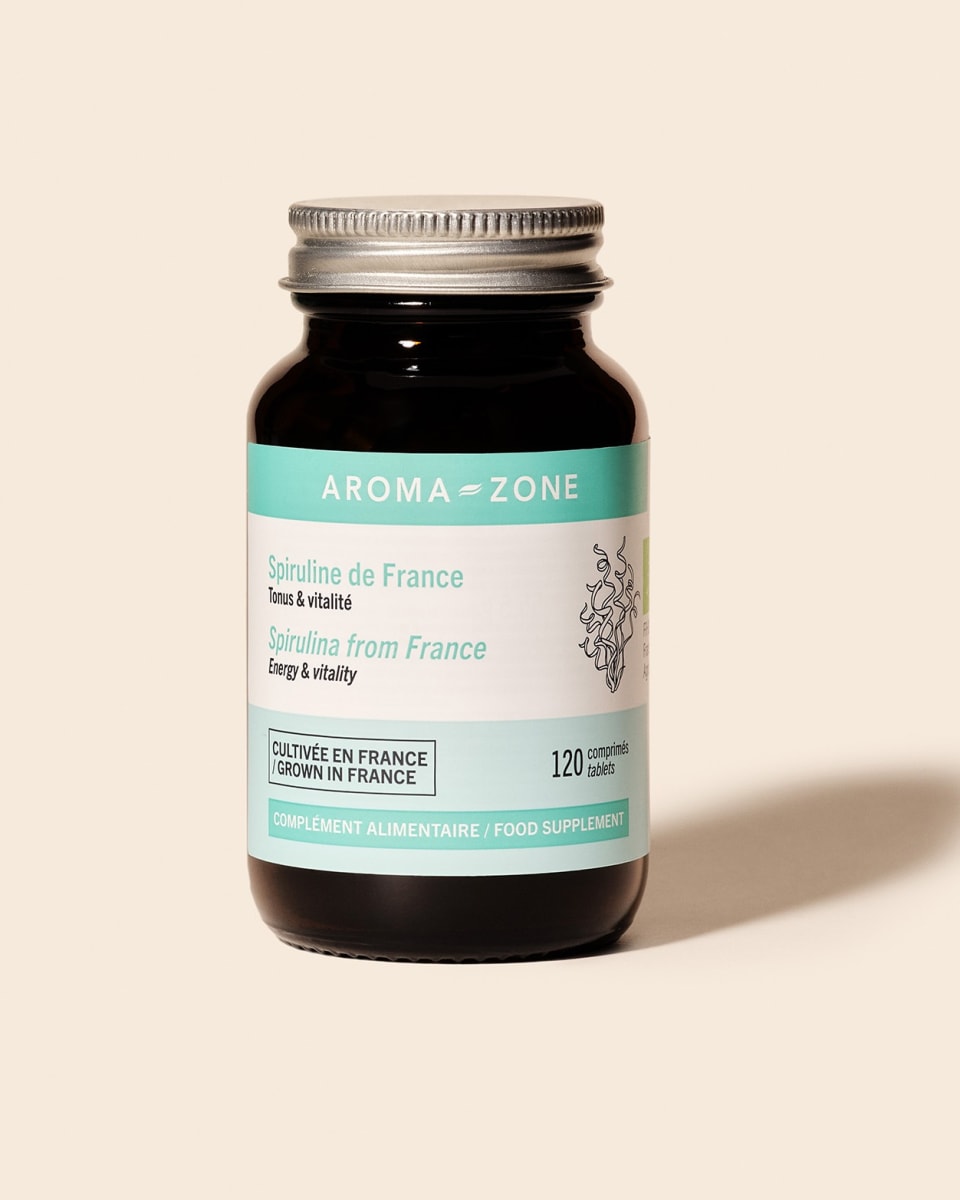
Organic French Spirulina
For brittle, fine, dry or dull hair, Spirulina can be a real ally . This micro-algae from the cyanobacteria family belongs to the category of superfoods, because it is such a nutritional powerhouse.
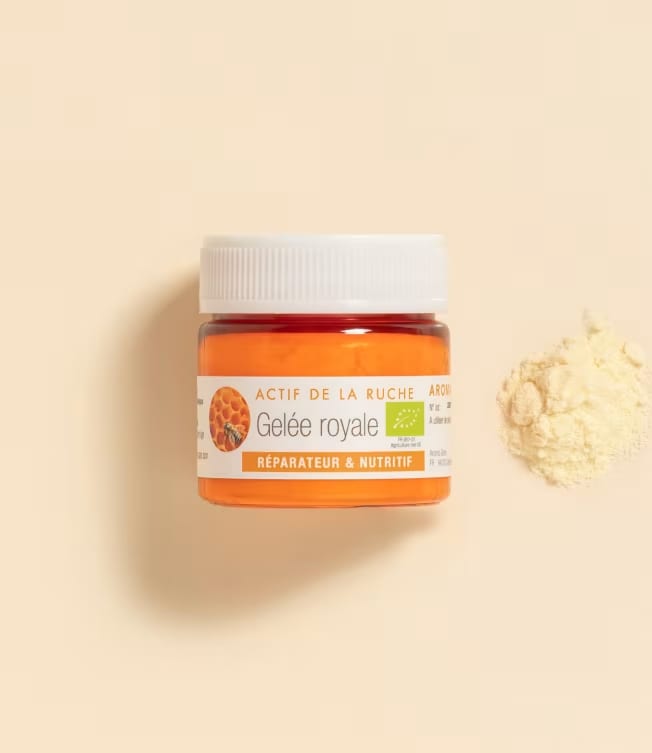
2. Royal Jelly: the food supplement to combat hair loss
Royal Jelly is particularly recommended for hair loss, thanks to its incredible impact on immunity, intense physical and nervous fatigue, stress and anxiety, inflammation, hormonal balance, blood circulation, improving the appearance of skin, nails and hair, and its antibacterial/antimicrobial action (thanks to the royalisin it contains).
Its composition is rich in proteins (it contains the eight essential amino acids), fatty acids (including 10-2 DHA, which slows down the body's ageing process), vitamins (B1, B2, B3, B5, B6, B8, B9 and B12, A, C, D, E, K), minerals and trace elements (copper, calcium, zinc, silica, phosphorus, iron, potassium, sulphur, manganese, magnesium), antioxidants (flavonoids) and acetylcholine (which acts on the central nervous system and memory). This gives it a fundamental role in the constitution of your phanera (nails, hair).
Dosage:
We recommend taking 1 to 2 g a day as a course of treatment lasting at least 3 weeks.
When fresh, consume on an empty stomach in the morning, and allow to melt under the tongue. We recommend keeping it in a cool place away from light to preserve its valuable properties. If you don't like the taste, you can mix it with a little honey.
In phials, we recommend taking 1 phial a day diluted in a large glass of water. When freeze-dried, 3 to 4 capsules a day (always refer to the dosage indicated on your product).
Warning
Bee products can be highly allergenic. We advise you to consult a doctor before consuming them if you have an allergic condition.
3. Brewer's Yeast: the food supplement to promote hair growth
Once again, this supplement is a 'superfood', with so many beneficial properties. It activates and boosts hair growth, promotes shine, tones hair and promotes overall hair health. It also helps treat soft, brittle, split nails.
You can choose inactive brewer's yeast, which is best suited to the skin, nails and hair. This is consumed in the form of capsules, tablets or even flakes to sprinkle over dishes.
Recommended dosage:
We recommend that you take up to 2 g a day for 3 months, as and when required. The course of treatment can be repeated once or twice a year if necessary. Brewer's yeast can be consumed during pregnancy or while breastfeeding and by children over the age of 3. Ask a health professional for advice before taking any supplements.
Contraindications:
Brewer's yeast is not recommended in cases of allergy, coeliac disease or intestinal disorders (IBD). It is also not recommended for people who are immunocompromised, taking antidepressants or painkillers, undergoing chemotherapy or those with a central catheter.
Warning
Brewer's yeast can cause bloating and flatulence. If you notice any undesirable effects, we advise you to stop taking it and speak to a health professional if necessary.

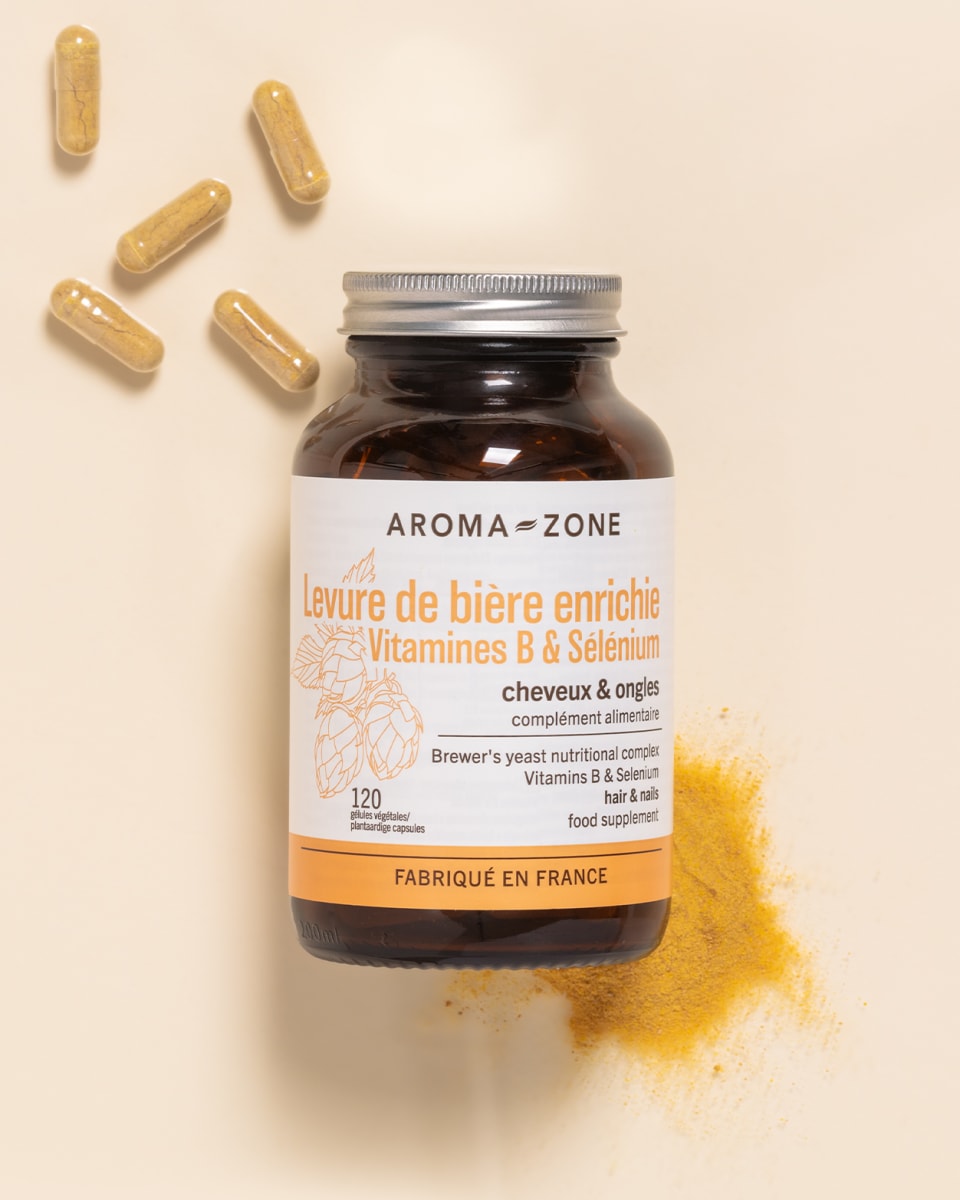
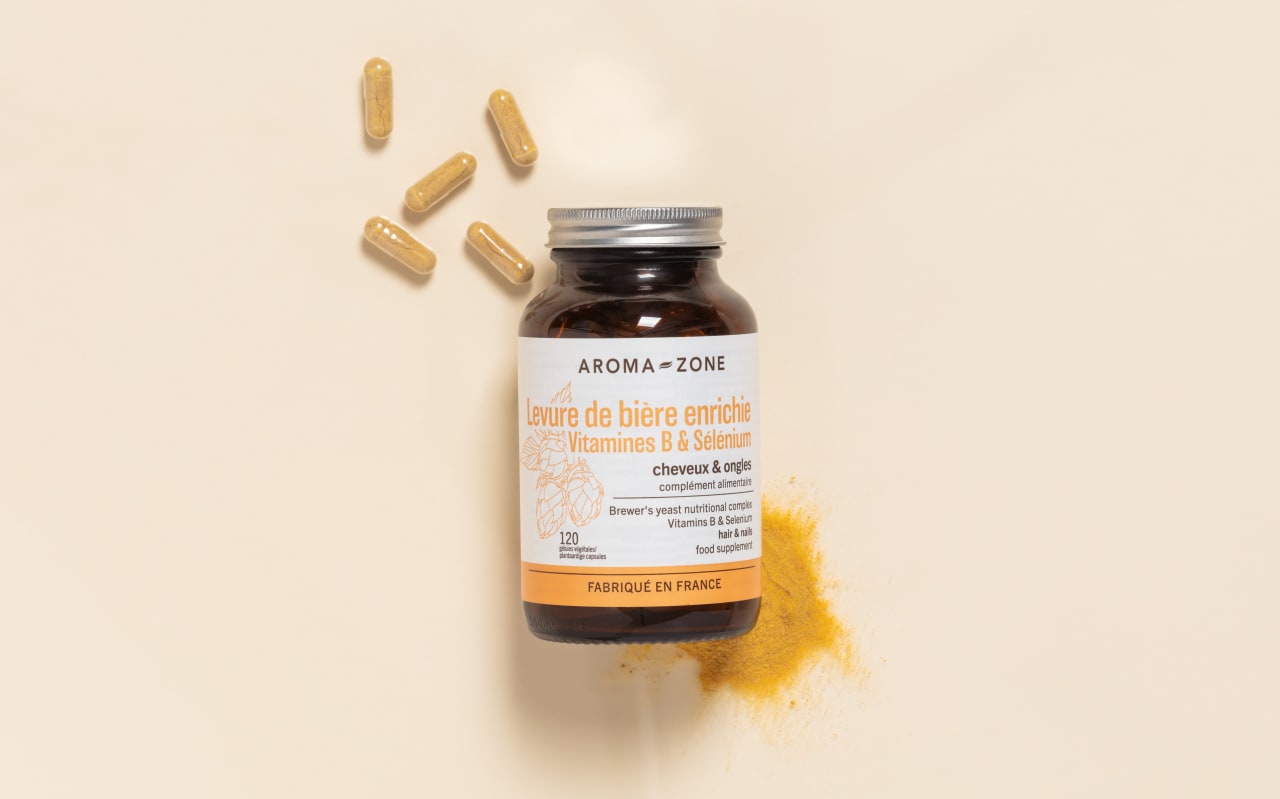
Brewer's yeast enriched with B vitamins and selenium
In addition to health benefits, its high protein content (35 to 40 g, and it contains the eight amino acids essential for the body), B vitamins (B1, B2, B3, B5, B6, B8), minerals and trace elements (copper, iron, selenium, calcium, magnesium, phosphorus) make brewer's yeast essential for healthy hair, nails and skin.
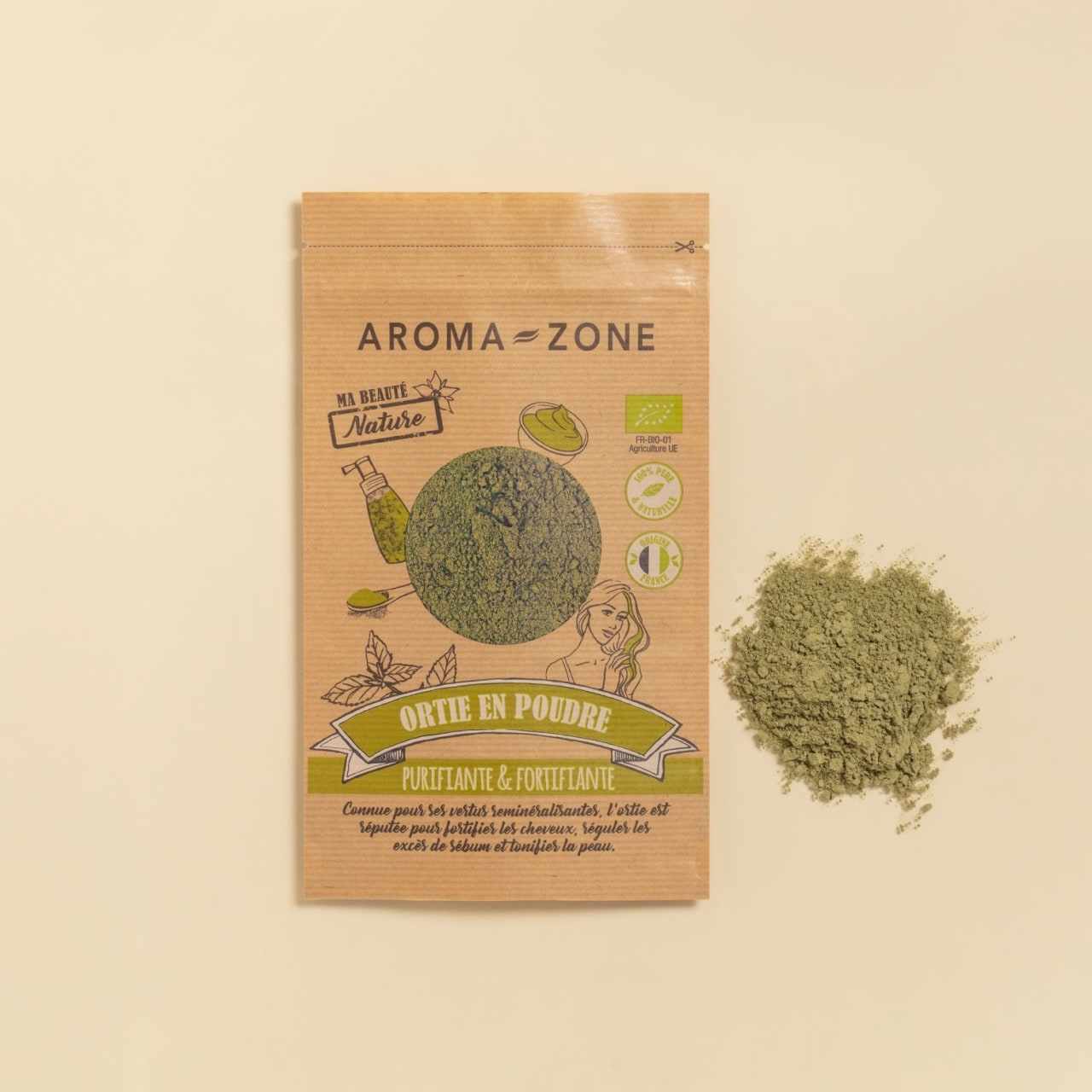
4. Stinging nettle: the food supplement for oily hair
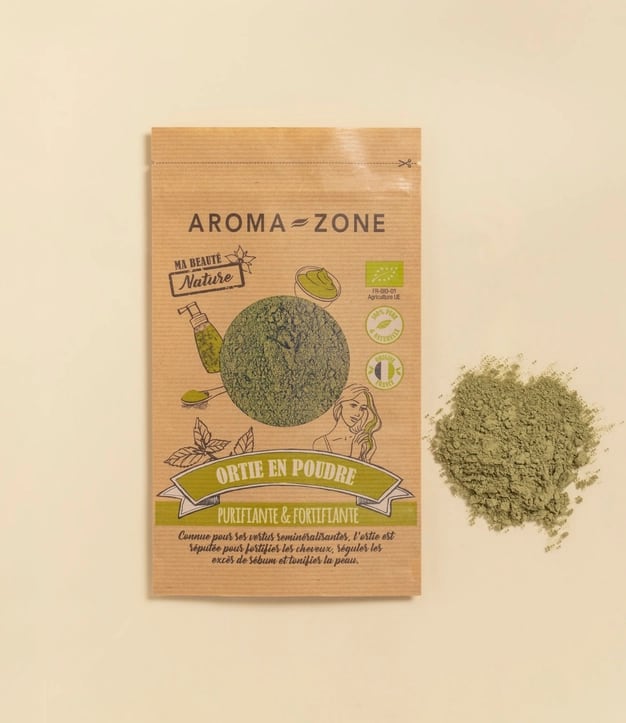
Nettle is very rich in proteins and amino acids (including the eight essential ones), minerals and trace elements (silica, iron, calcium, potassium, magnesium, zinc, sulphur), vitamins (A, B1, B2, B3, B9, C, E, K), unsaturated fatty acids (omega 3) and antioxidants (flavonoids).
Recommended dosage:
It can be taken as an herbal tea or decoction, or in powder, capsule or tablet form.
We advise you to consume up to 3 cups of herbal tea a day for 1 month, repeated if necessary.
Contraindications:
Stinging nettle is not recommended during pregnancy, for children under the age of 12, or for people with heart or kidney problems or oedema.
Alternatives to hair supplements
Food supplements remain optional. The most important thing for your hair is to maintain a healthy, varied and balanced diet, as well as good hydration. Before looking for the miraculously hydrating shampoo or mask, remember to drink enough water – at least 1.5 litres a day.
Take an oil bath
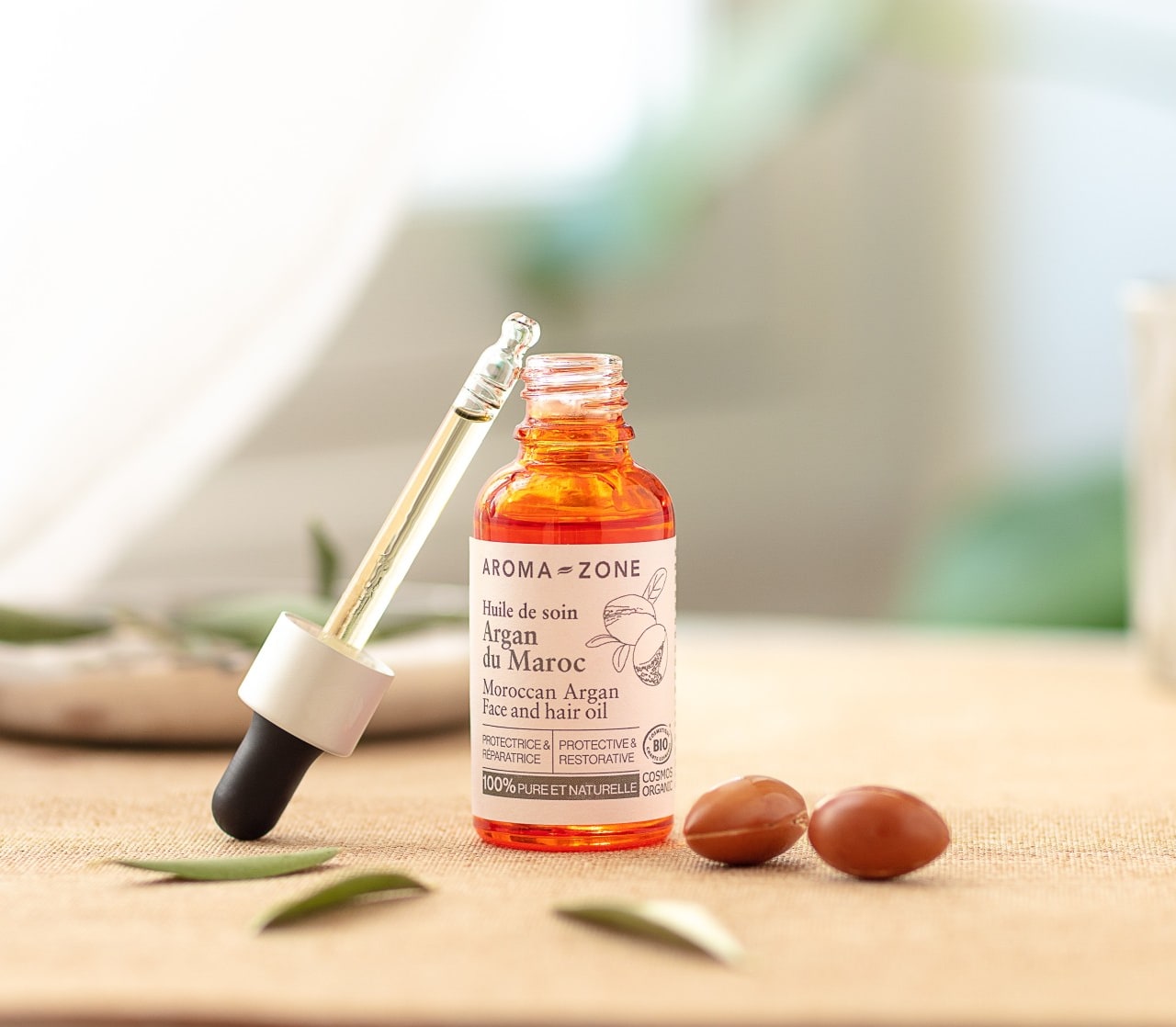
Oil baths are also miracles for the hair: apply the plant oil of your choice or the blend of oils suited to your hair to the lengths and leave on for 1 or 2 hours, or even overnight.
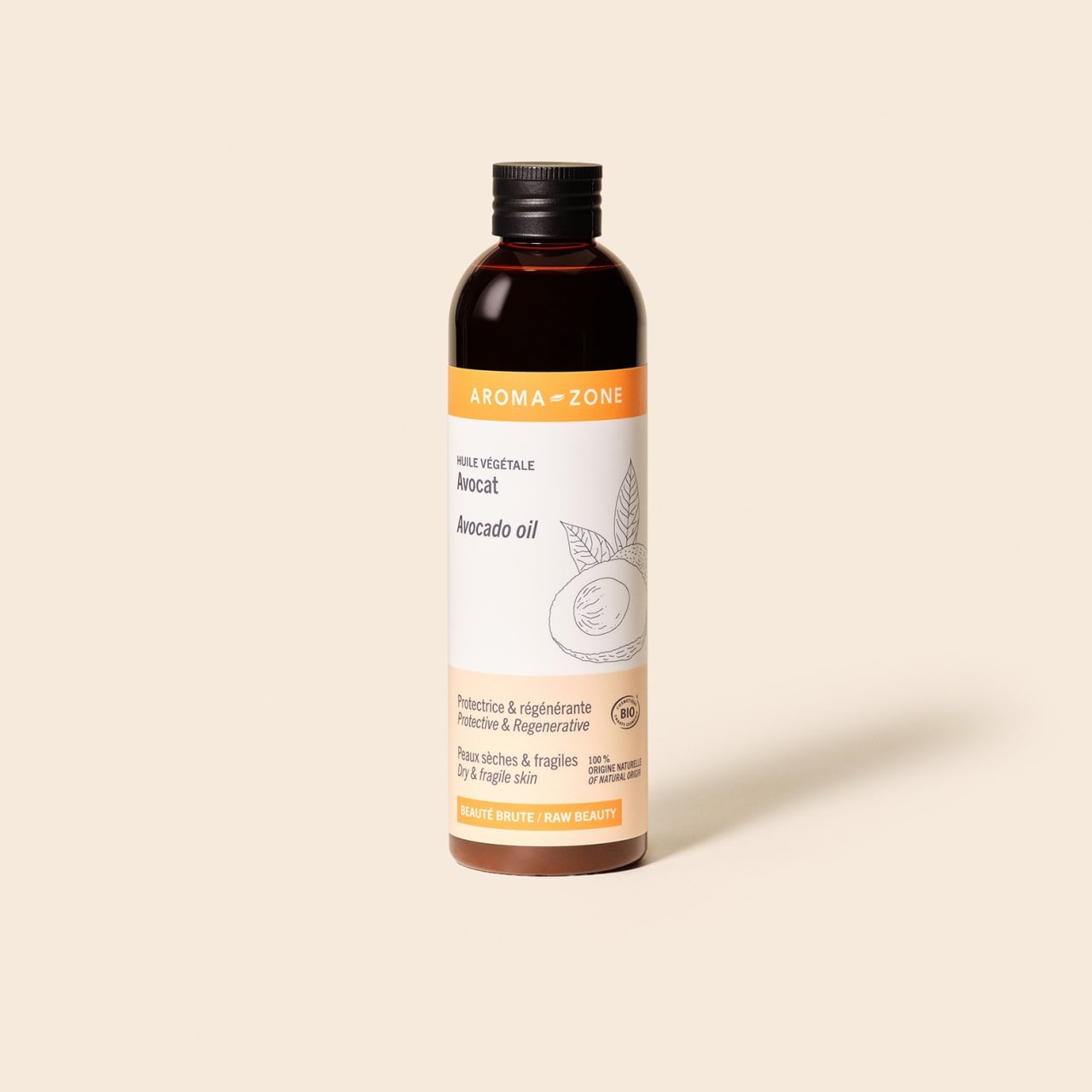
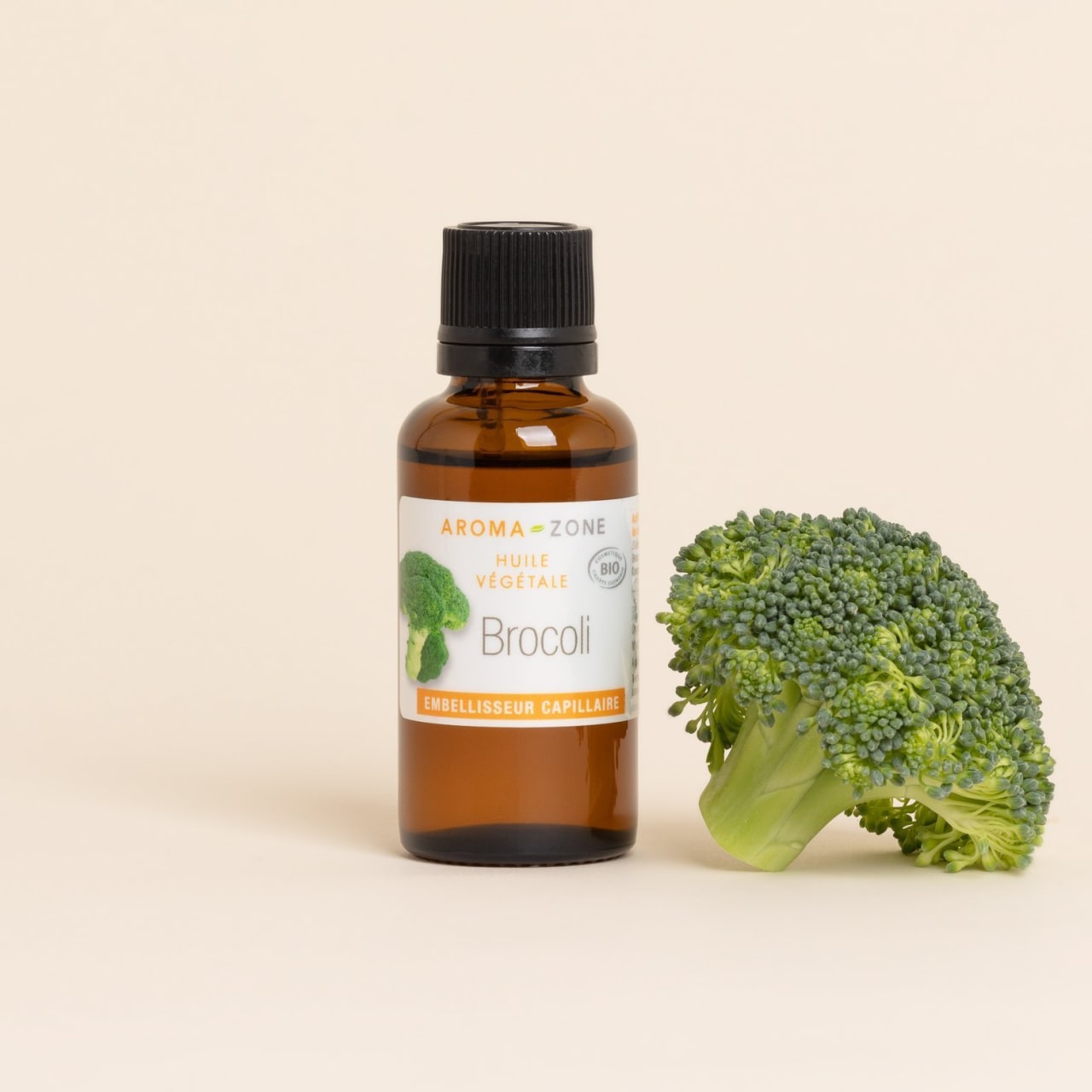
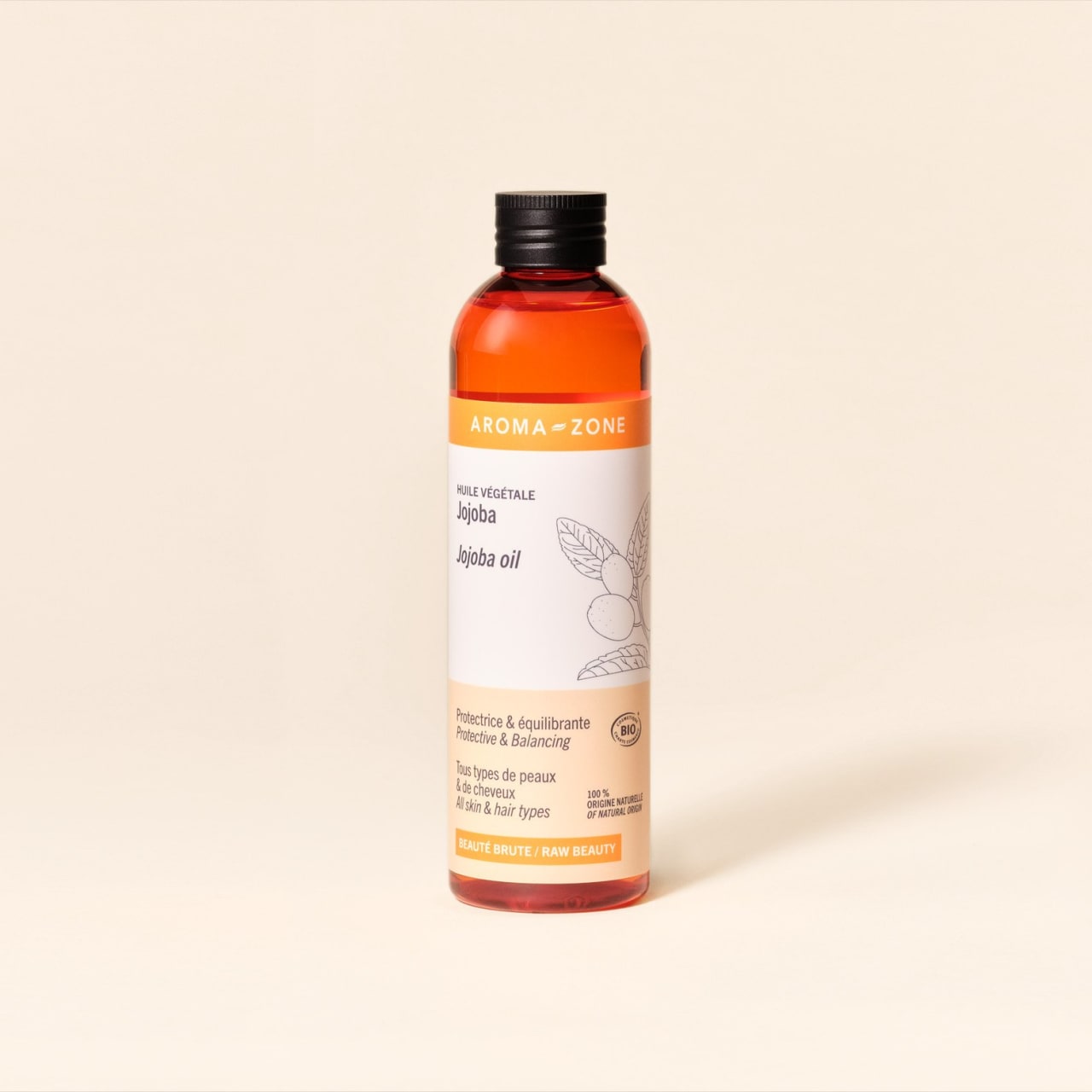
Oils to apply to the lengths: Avocado oil, Coconut oil, Broccoli oil or Jojoba oil.
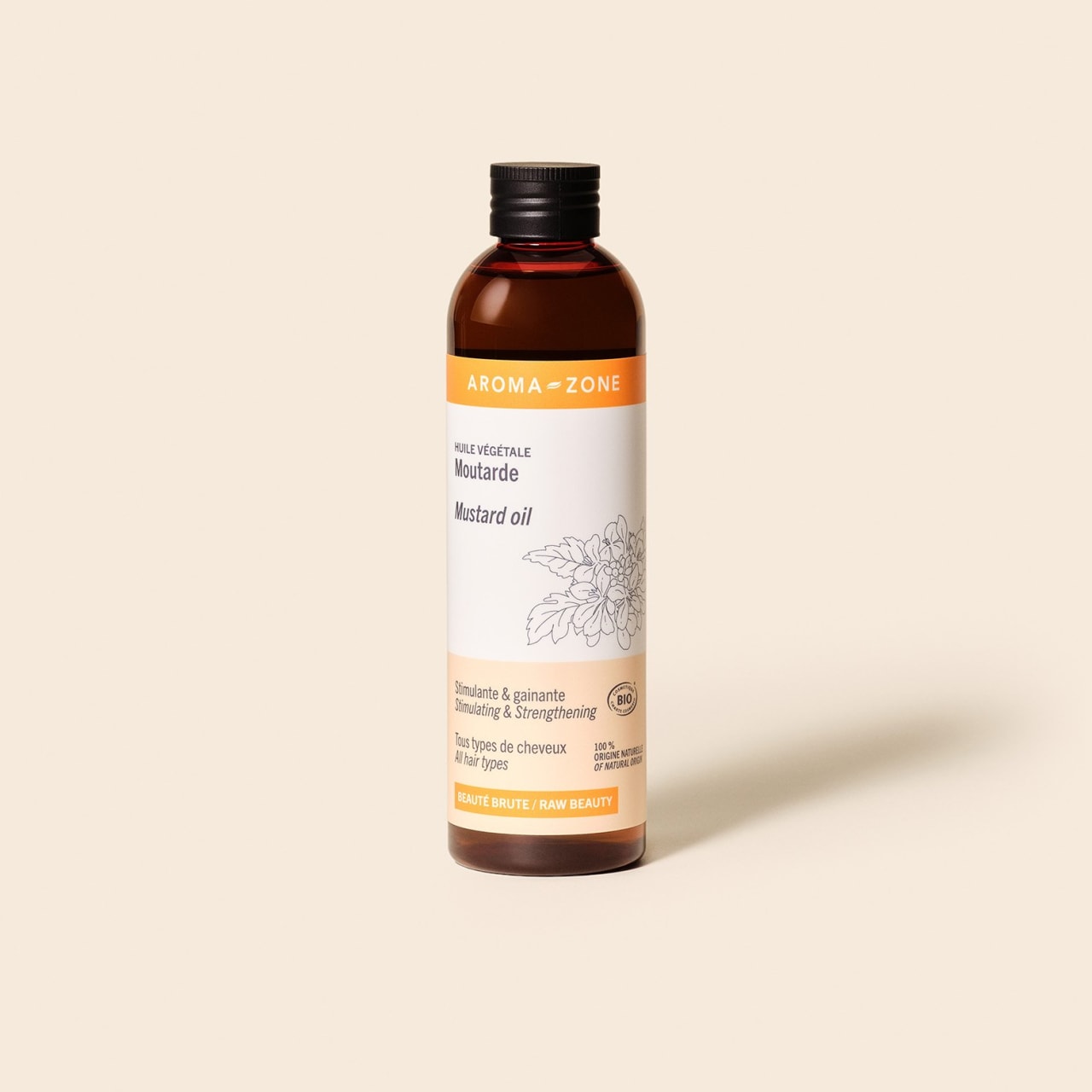
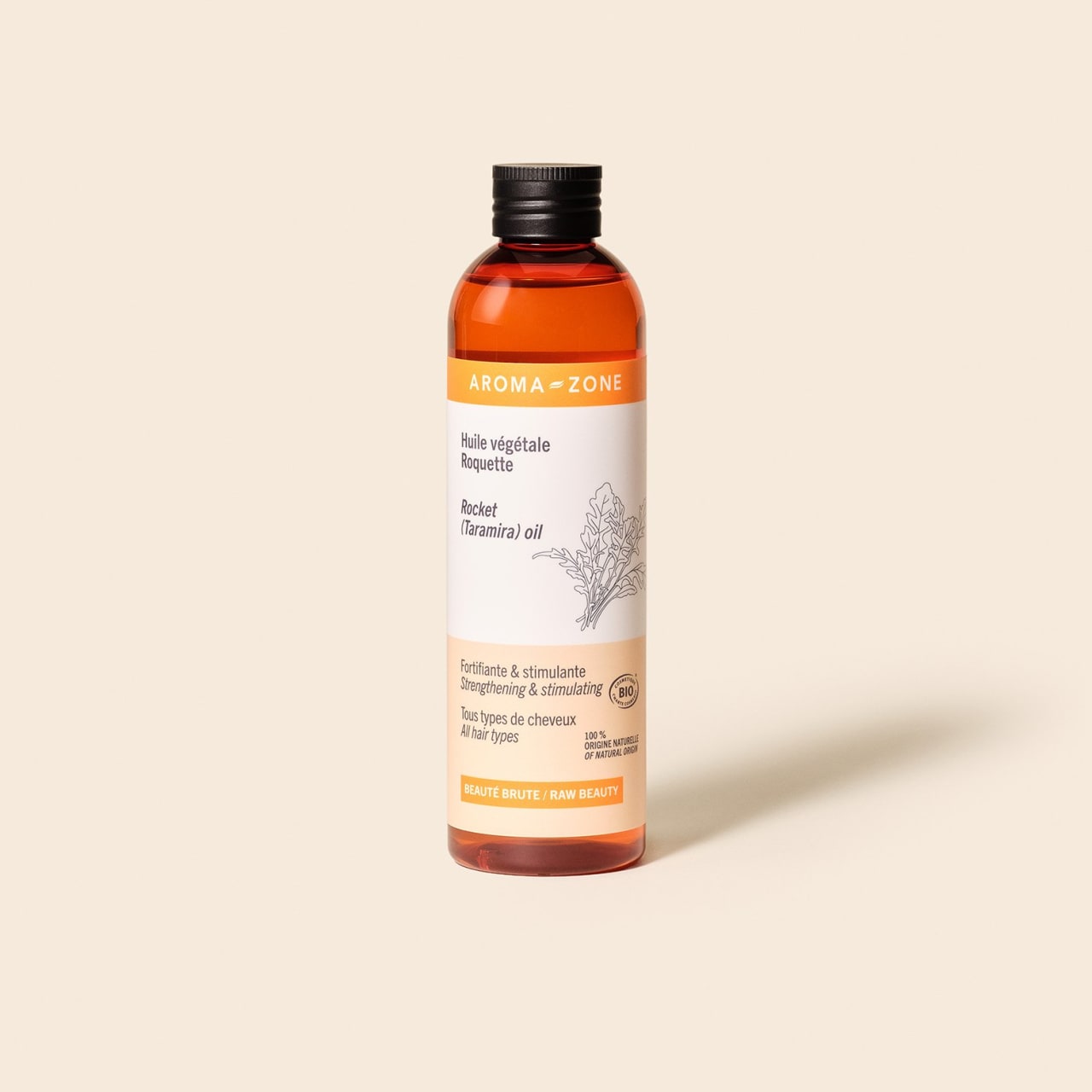
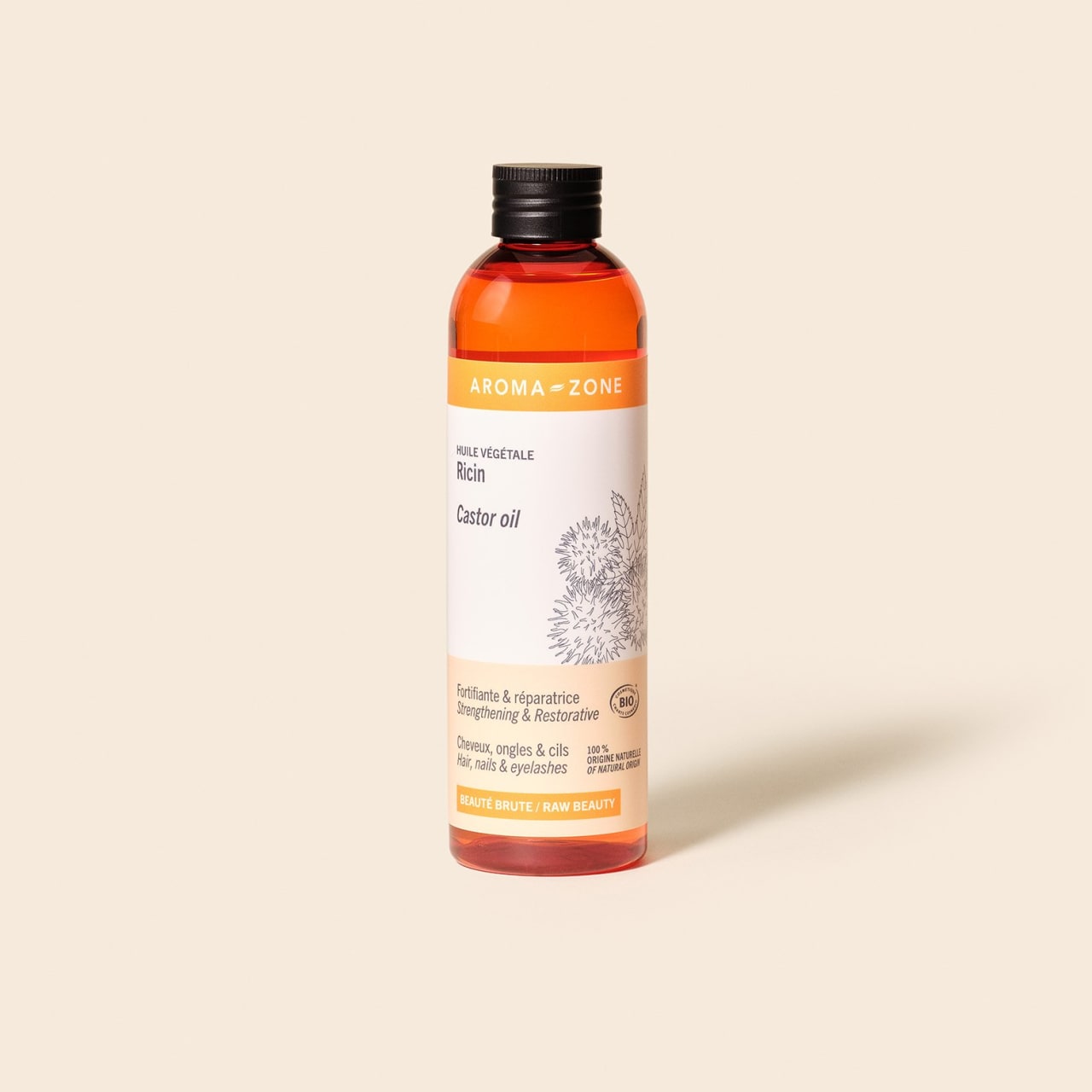
Oils to massage into the scalp: Mustard oil, Castor oil, Rocket oil or Nigella oil (which should be diluted in another oil such as Grapeseed oil).
Our ready-to-use special care oil blends
You can also use our ready-to-use special care oil blends for your hair:

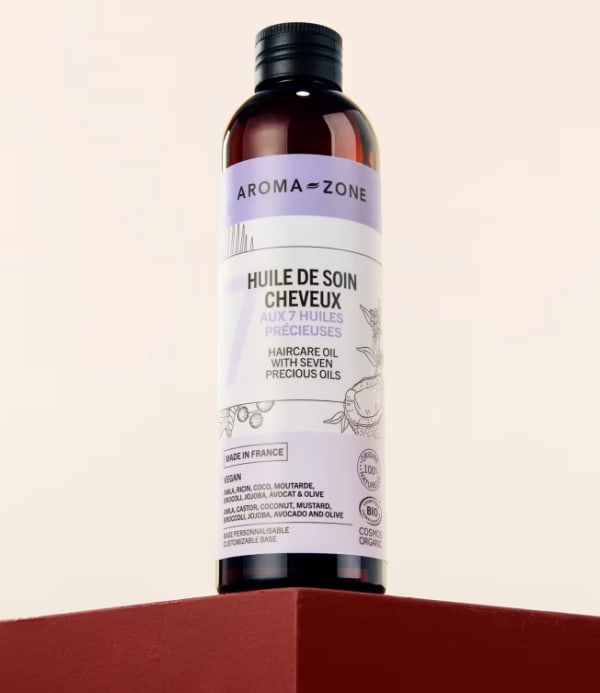
Aroma-Zone Hair Oil
Our Aroma-Zone Hair Oil is comprised of eight carrier oils with fortifying properties (castor, coconut, amla, avocado, olive, broccoli, jojoba and mustard) to strengthen, nourish, repair, shine and tame your hair with ease. Use in oil masks, rubbed into the scalp or as a daily leave-in treatment to nourish and protect the ends of your hair.

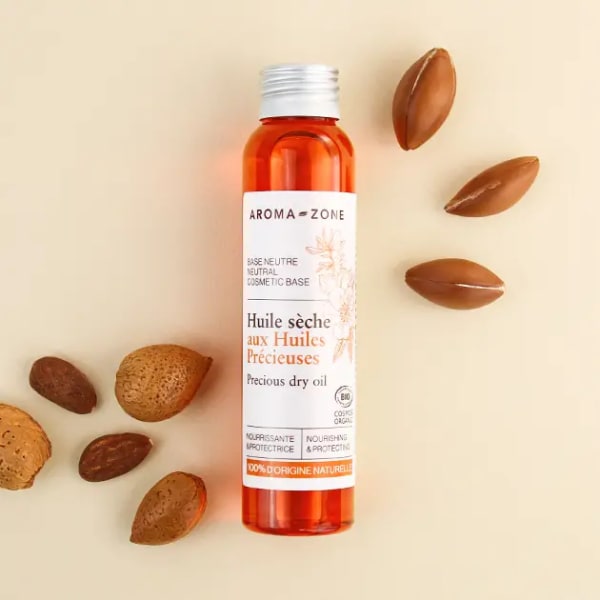
Organic Dry Oil with precious oils
Made with Argan, Musk Rose, Jojoba and Sweet Almond oils, you can apply this product to your lengths and ends every day to nourish, protect and repair your hair. Don't hesitate to make it a multi-purpose dry oil and use it as a body or facial care oil, or as a glittery dry oil for the summer or evenings out.

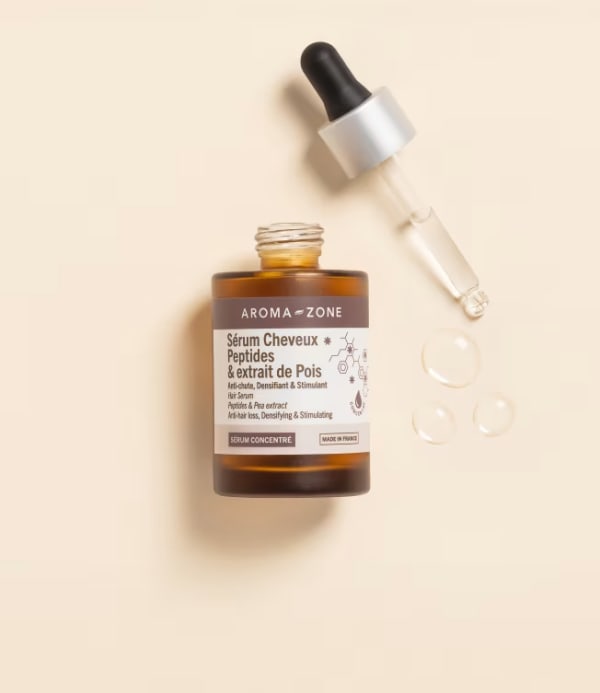
Aroma-Zone Anti-Hair Loss Serum
This formula contains peptides and extracts of Pea, Red Clover and Panthenol. Apply it daily to the roots and massage it gently into your scalp in circular motions to help it penetrate and activate your blood microcirculation. It doesn't need rinsing and is invisible once dry. Your hair will be fortified and denser, hair loss will be slowed and hair growth stimulated.
Little things you can do on a daily basis
We also recommend:
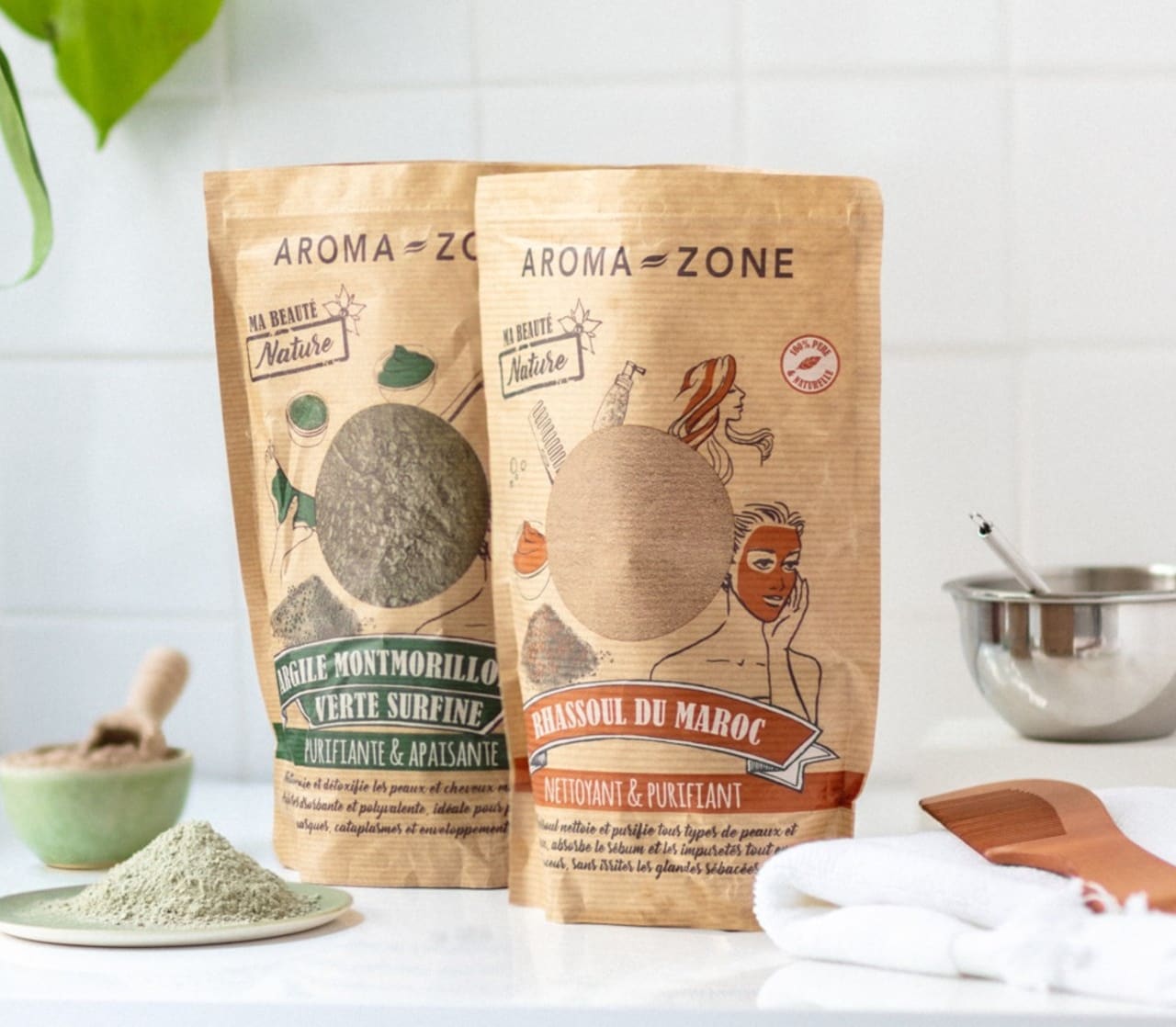
Using gentle cleansing products or plant powders, and gentle care products suited to your hair type
Adding specific active ingredients to your care products (Provitamin B5 Panthenol, Honeyquat, Keratin'protect) or essential oils depending on the targeted action (Ylang-Ylang, Rosemary cineole, Clary sage) or even superfine green clay
Avoiding brushing wet hair, and brush only when the hair is completely dry
Using accessories that are gentle on the hair fibre (covered hair elastics or scrunchies, claw clips rather than flat clips)
Getting into the habit of using protective hairstyles or products to avoid rubbing against the sheets at night (e.g. plaits, buns, scarves)
Moisturising and protecting ends with Aloe Vera ge
You now have all the tools you need to restore your hair's strength, vigour and shine naturally and, above all, over the long term!
Article written by Stéphanie Catrysse, naturopath

Stéphanie Catrysse is a naturopath (FENA-certified), a practitioner of well-being massage and lymphatic drainage and a personal development consultant.
Passionate about alternative medicine, she takes a holistic approach to health.