Looking after your hair with ashwagandha: all our advice

Looking after your hair with ashwagandha: all our advice


By The Aroma-Zone editorial team

Published on: Wednesday, August 23, 2023, Updated on: Wednesday, September 30, 2026

Ashwagandha, a medicinal plant known in the ayurvedic tradition, has now made its way into 21st-century wellness routines, and for good reason. In addition to its many health benefits, this Indian plant also has a beneficial impact on our hair health. So what exactly can ashwagandha do for your hair? From improved growth to effectively combatting scalp problems, this article explores how this adaptogenic plant can transform your hair into lustrous locks.

Contents

Related products

What is ashwagandha?

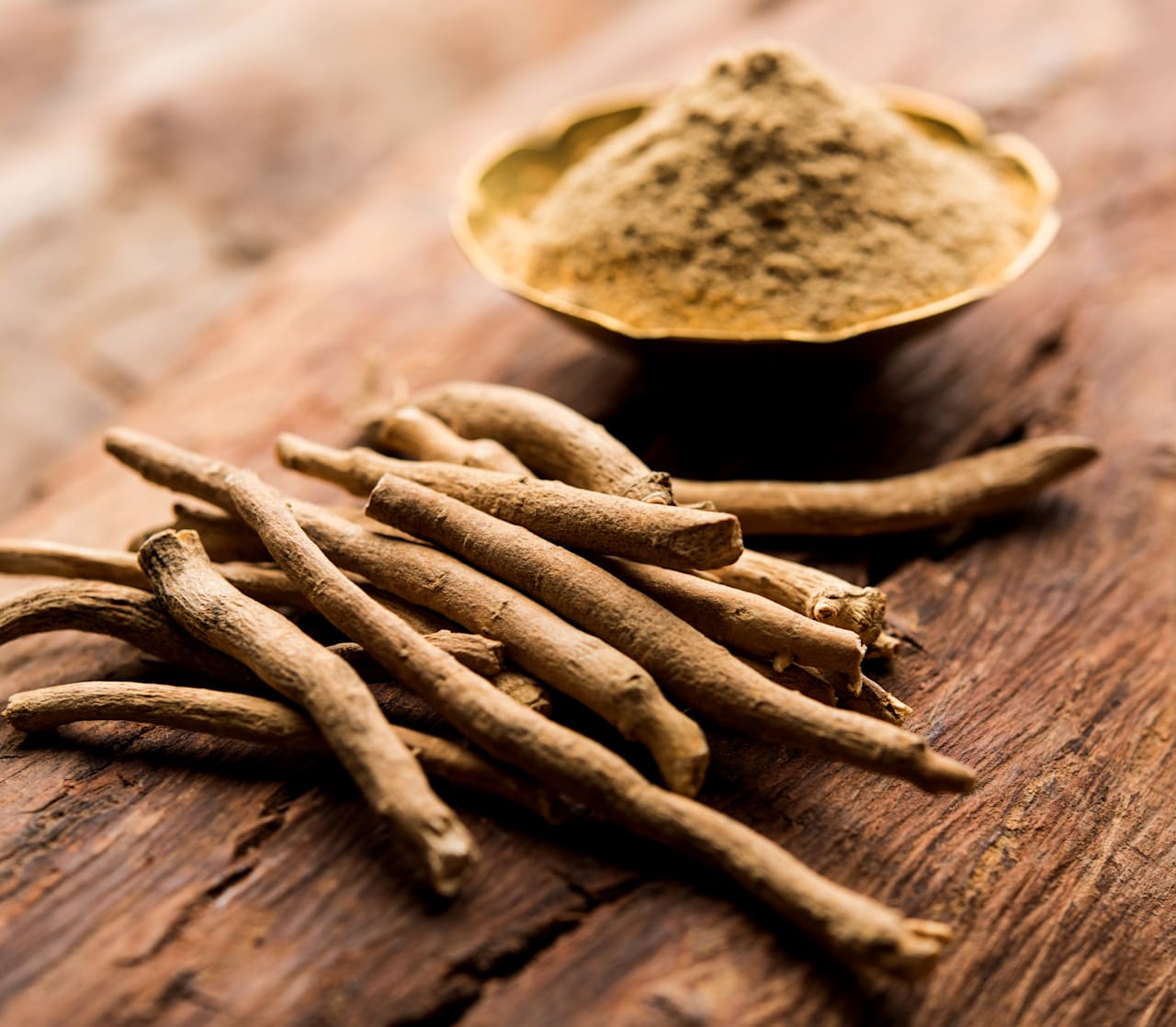
Ashwagandha, also known as Withania somnifera, is a plant that has been used for thousands of years in traditional Indian medicine, also known as ayurveda. Its name in Sanskrit means "smell of the horse", an allusion both to the plant's distinctive odour and to the traditional belief that it gives those who take it strength and vitality.

Known as an adaptogen, ashwagandha is reputed to help the body deal with stress. It is also used to improve concentration, boost energy, combat insomnia and reduce inflammation. Recent research has highlighted its beneficial effects on a range of health problems, from anxiety to certain chronic illnesses.

As far as hair care is concerned, ashwagandha is reputed to promote hair growth, prevent hair loss and combat scalp problems. As science continues to unravel the potential of this ancient plant, it's fascinating to see how ashwagandha has the ability to contribute to our health and wellbeing – hair included.
Why take ashwagandha?

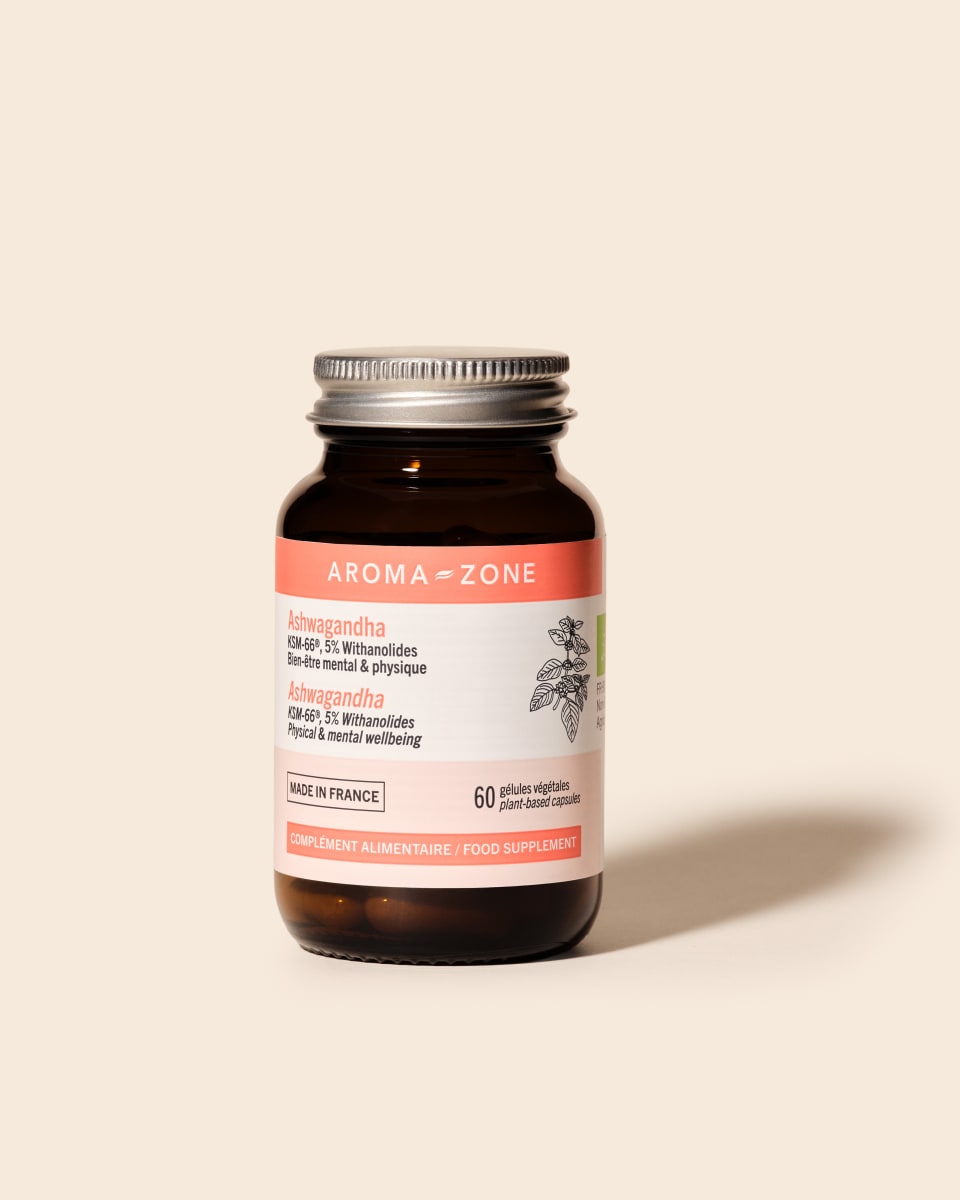
Ashwagandha, known for its adaptogenic properties, is widely taken as a food supplement to help the body manage stress. It is capable of reducing levels of cortisol, the stress hormone, and can alleviate the symptoms of disorders such as anxiety and depression. In addition to its beneficial effects on stress management, ashwagandha is known to have positive effects on cognitive health. It may improve brain function, memory and concentration, while providing neuronal protection that could help prevent or slow the progression of neurodegenerative diseases such as Alzheimer's.

Ashwagandha can also support the immune system thanks to its immunomodulating properties. By strengthening the body's natural defences, it can help you fight infections and diseases effectively. For those looking to improve their energy levels and stamina, ashwagandha is a useful supplement. It is often recommended for boosting your energy, which can be particularly beneficial for those who do intense physical activities.

In terms of reproductive health, ashwagandha has shown benefits for both men and women. In men, it has been associated with improved sperm quality and fertility. In women, it may help regulate menstrual cycles and relieve symptoms of premenstrual syndrome (PMS).

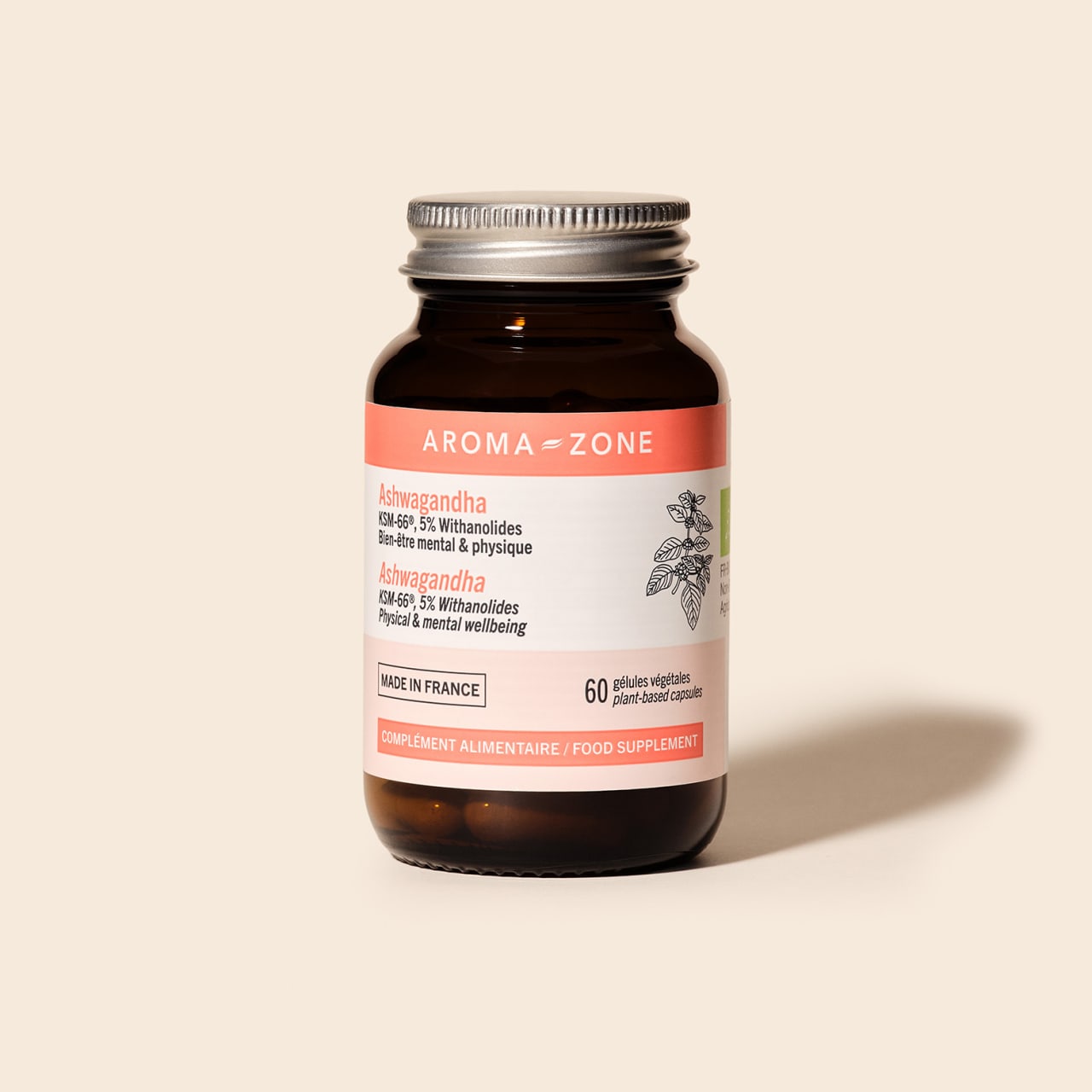
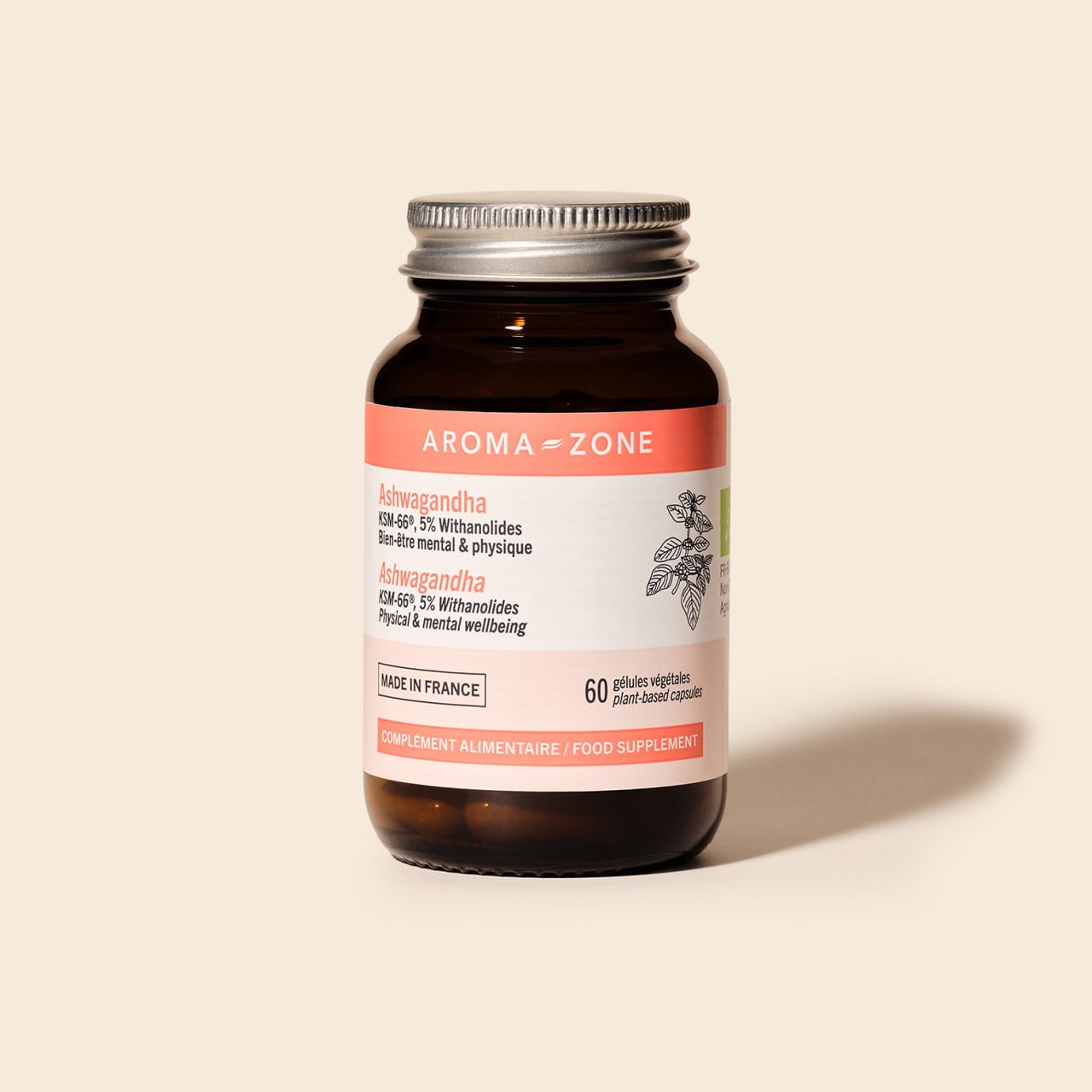
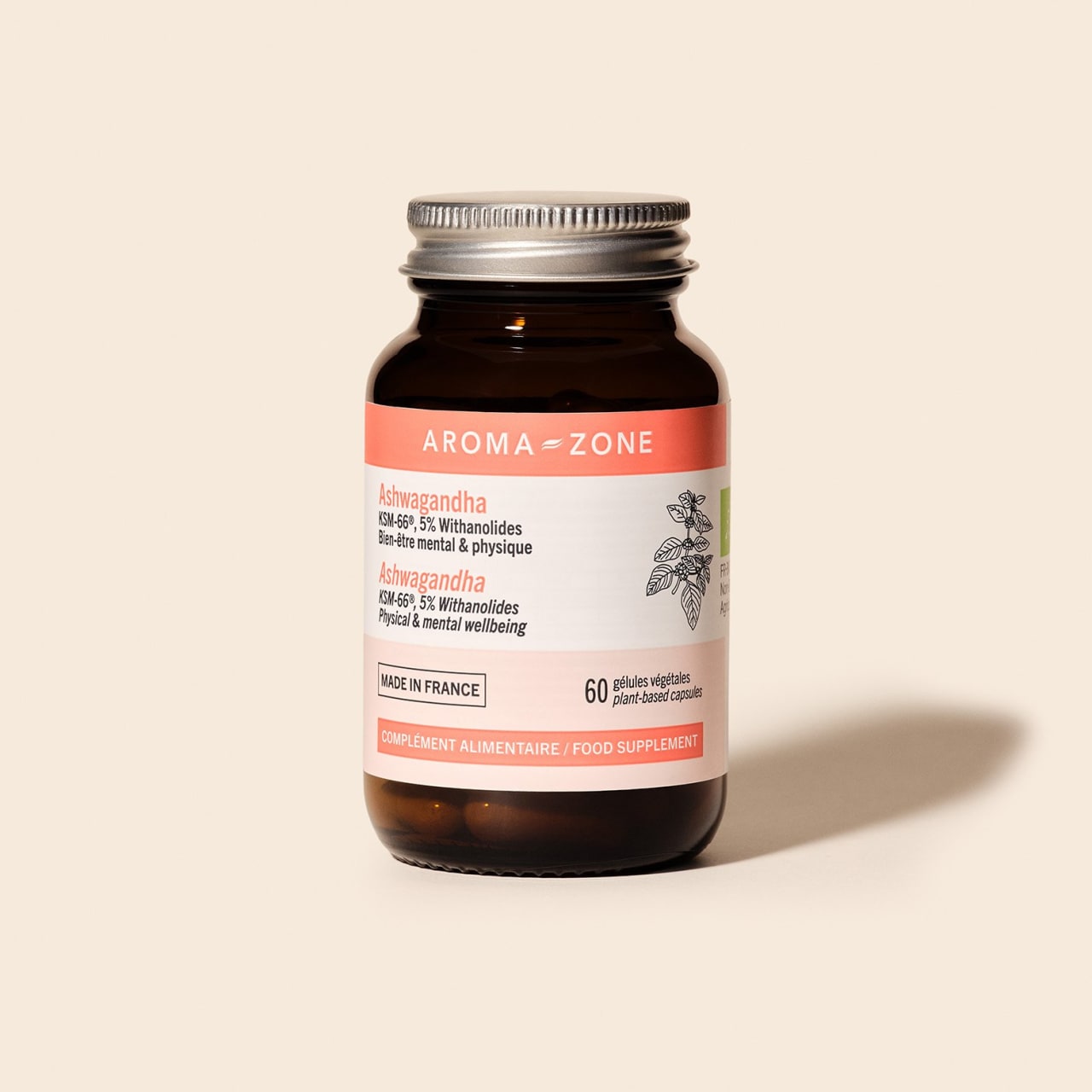
Complément_alimentaire_Ashwagandha_BIO_60_gélules

What are the benefits of ashwagandha for the hair?

Ashwagandha is rich in antioxidants, iron and amino acids, so it offers a cocktail of nutrients for healthy hair as well as plenty of additional benefits, including:

  1. Stimulation of hair growth: ashwagandha stimulates the production of nitric oxide, which improves blood circulation in the scalp. Better blood circulation means hair follicles receive more nutrients, promoting faster, healthier hair growth. See also our tips for naturally stimulating hair growth.

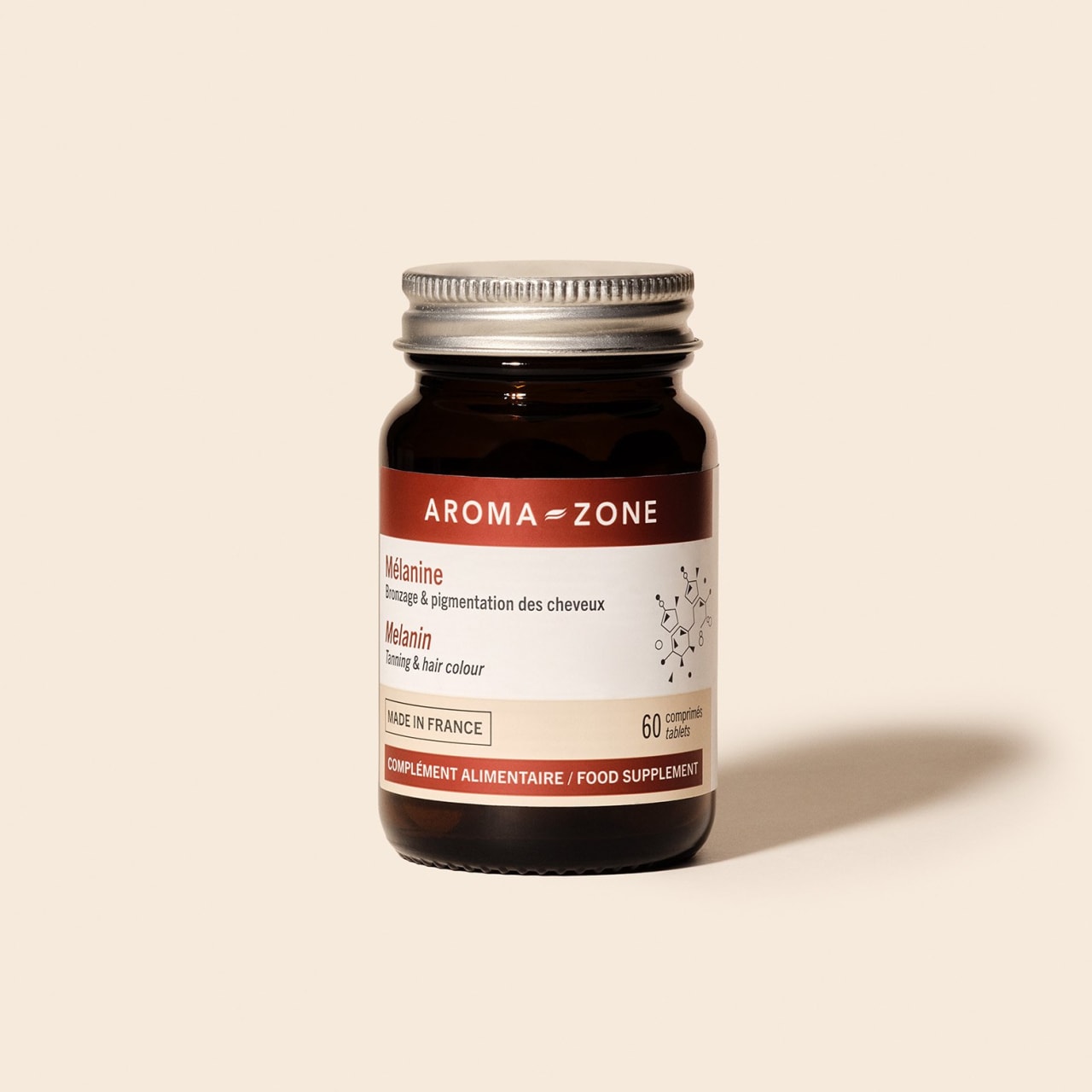
  2. Reducing hair loss: stress is a major cause of hair loss. Ashwagandha, as an adaptogen, helps to regulate the production of cortisol, the stress hormone, thereby reducing the harmful effects of stress on hair. Ashwagandha can also stimulate the production of melanin, the pigment responsible for hair colour, which also helps to strengthen hair and prevent hair loss.

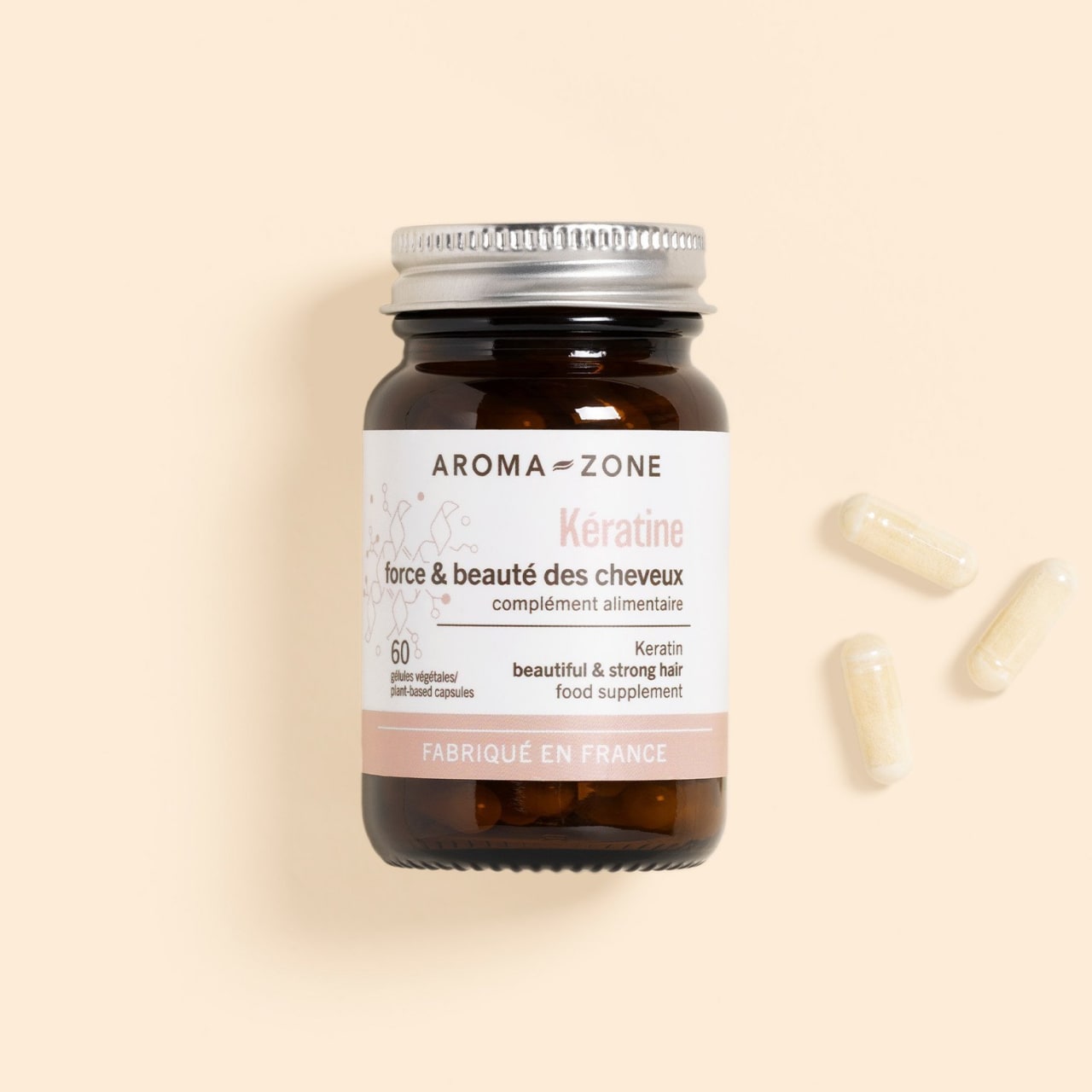
  3. Hair fortification: the amino acids present in ashwagandha, such as cysteine, help to produce keratin, the protein that makes up the main structure of our hair. This can help reinforce hair and make it less likely to break.

  4. Treating scalp problems: thanks to its anti-inflammatory and anti-fungal properties, ashwagandha can help fight scalp infections, reduce inflammation and treat problems such as dandruff.

  5. Prevention of premature grey hair: ashwagandha stimulates the production of tyrosinase, an enzyme which is essential for the production of melanin, the pigment responsible for hair colour. Adequate melanin production can help prevent the appearance of premature grey hair.

How do I use ashwagandha powder on my hair?

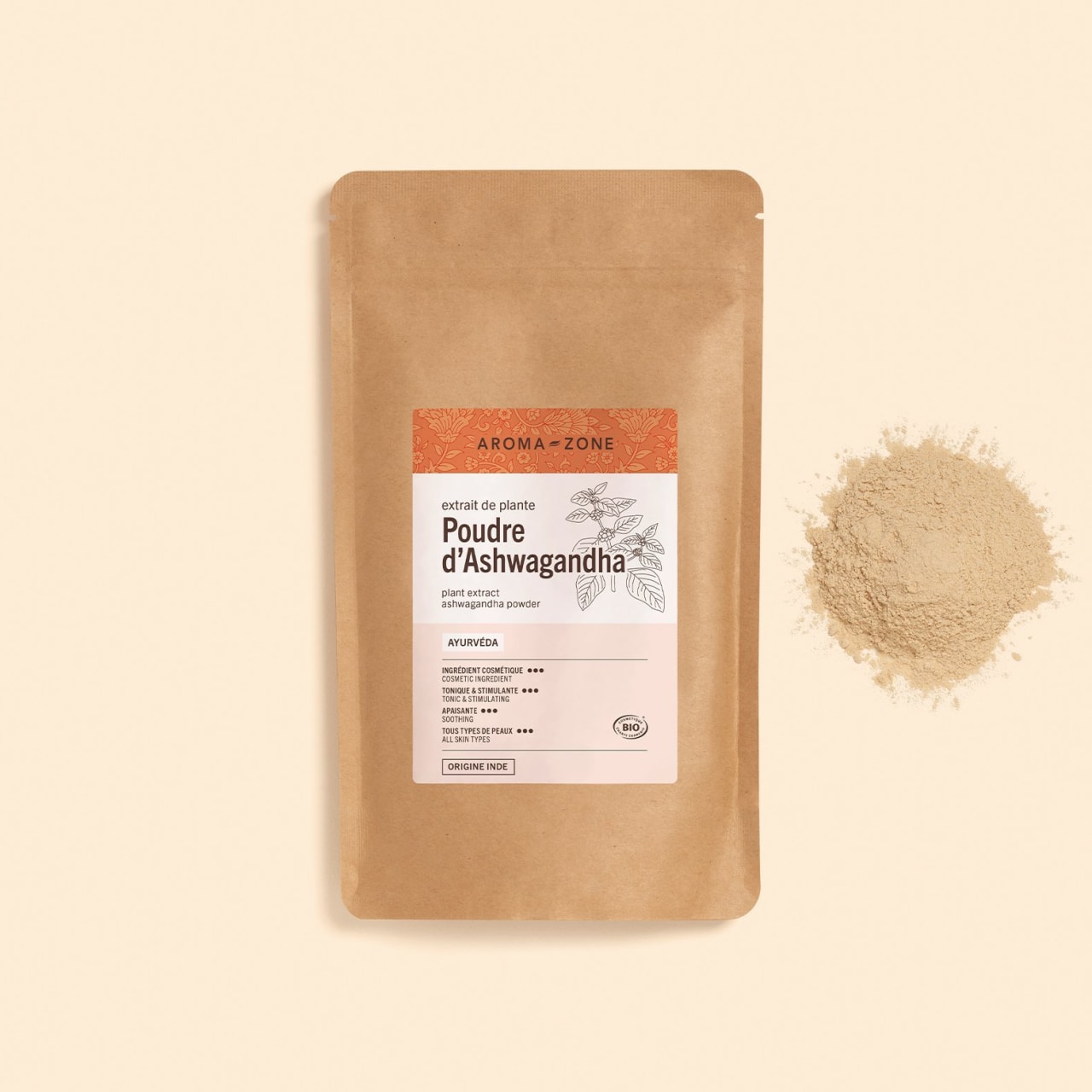
Ashwagandha powder can be used as a topical hair treatment to stimulate hair growth and improve scalp health. If you want to improve and revitalise your hair, opt for hair care products based on ashwagandha powder, while taking ashwagandha capsules is best reserved if you want to improve your physical and mental wellbeing. Here's a simple method for using this ayurvedic hair powder:

  1. Make a hair mask: mix the ashwagandha powder with hot water to form a smooth, evenly mixed paste. You can also add a small amount of plain yoghurt or coconut oil to obtain a creamier consistency, while adding other nutrients that are good for your hair. If you want to maximise the benefits of this treatment, you can add other natural ingredients that improve your hair, such as aloe vera gel or sweet almond oil.

  2. Apply the mask to your hair and scalp: apply your ashwagandha powder paste to your scalp and hair, making sure to cover all the strands. Gently massage the scalp to improve blood circulation.

  3. Leave to work: cover your hair with a shower cap and leave the mask on for about 30 minutes to an hour. This will allow your hair and scalp to absorb all the nutrients.

  4. Rinse: rinse the mask off with warm water, then wash your hair as usual with your favourite shampoo and conditioner.

You can use this mask once every fortnight and you will soon see its results on your scalp and hair growth.

Capture d'écran 2026-07-28 113529
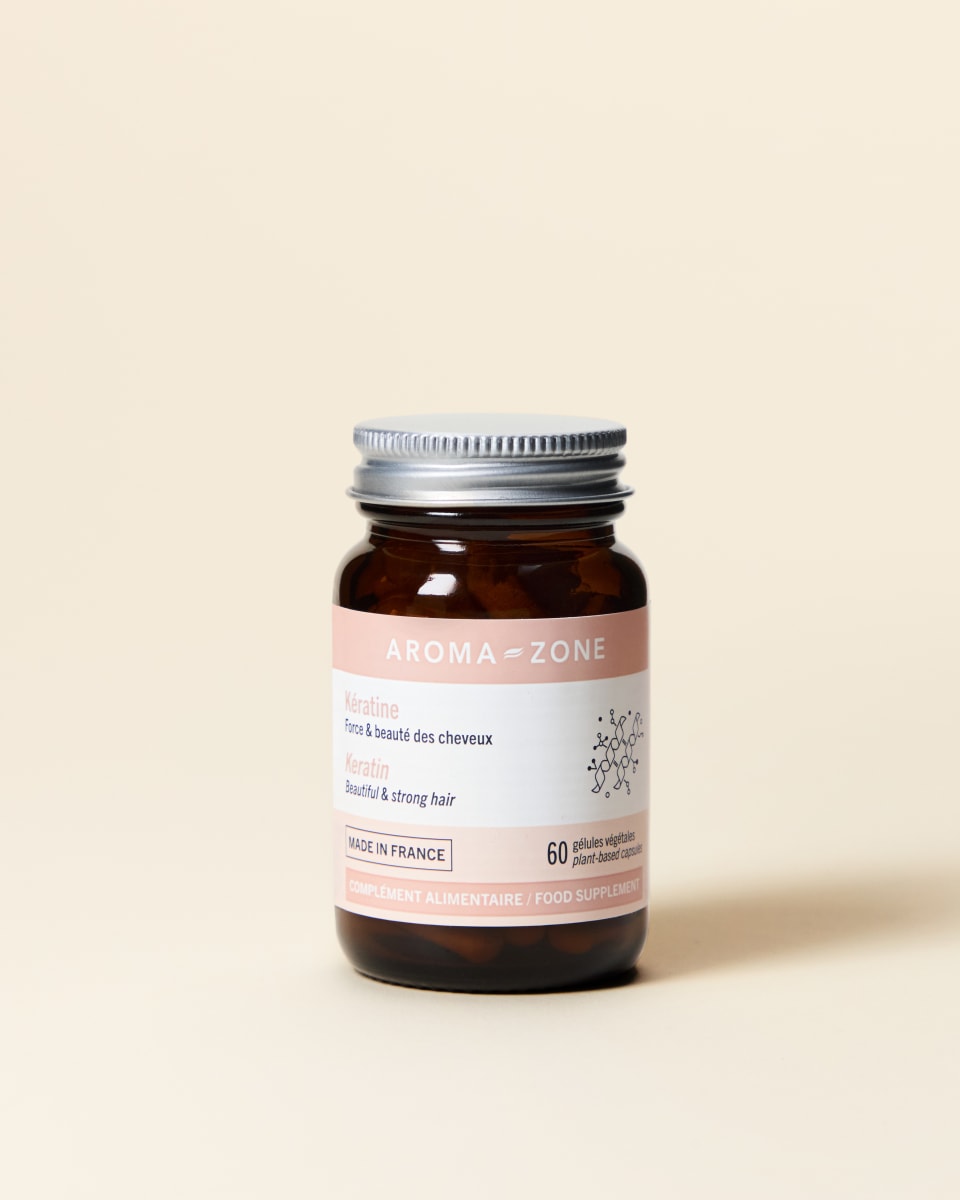
Keratine

Bibliography

Frequently Asked Questions

Frequently Asked Questions