
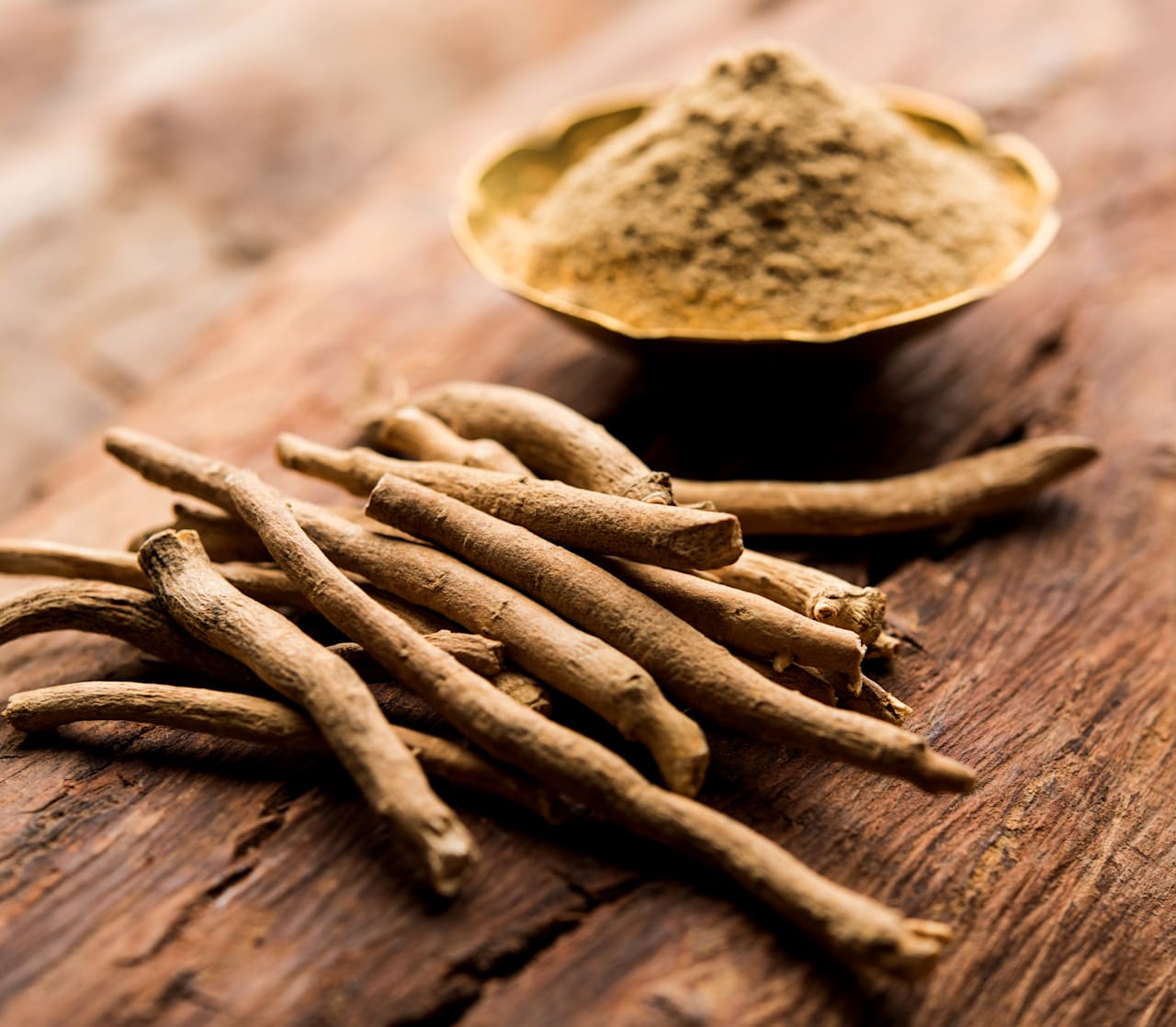
Ashwagandha (botanical name: Withania somnifera) is a leafy shrub found in India, the Middle East and parts of Africa. It has long been used in traditional Indian medicine, better known as Ayurvedic medicine. Sometimes referred to as Indian ginseng, in Ayurvedic medicine, ashwagandha is regarded as a 'rasayana' capable of regenerating and invigorating the body, and even helping you live longer.
What are the muscle-building benefits of ashwagandha?
By Sonia Mérité
Published on: Wednesday, October 04, 2023, Updated on: Wednesday, September 30, 2026
Ashwagandha is a traditional Ayurvedic medicinal plant, which has been used for thousands of years for its health benefits. It is particularly popular with athletes and bodybuilders. Let's find out how ashwagandha supplements can support you during sports and how you can maximise the beneficial effects by taking a course.
Contents
Related products
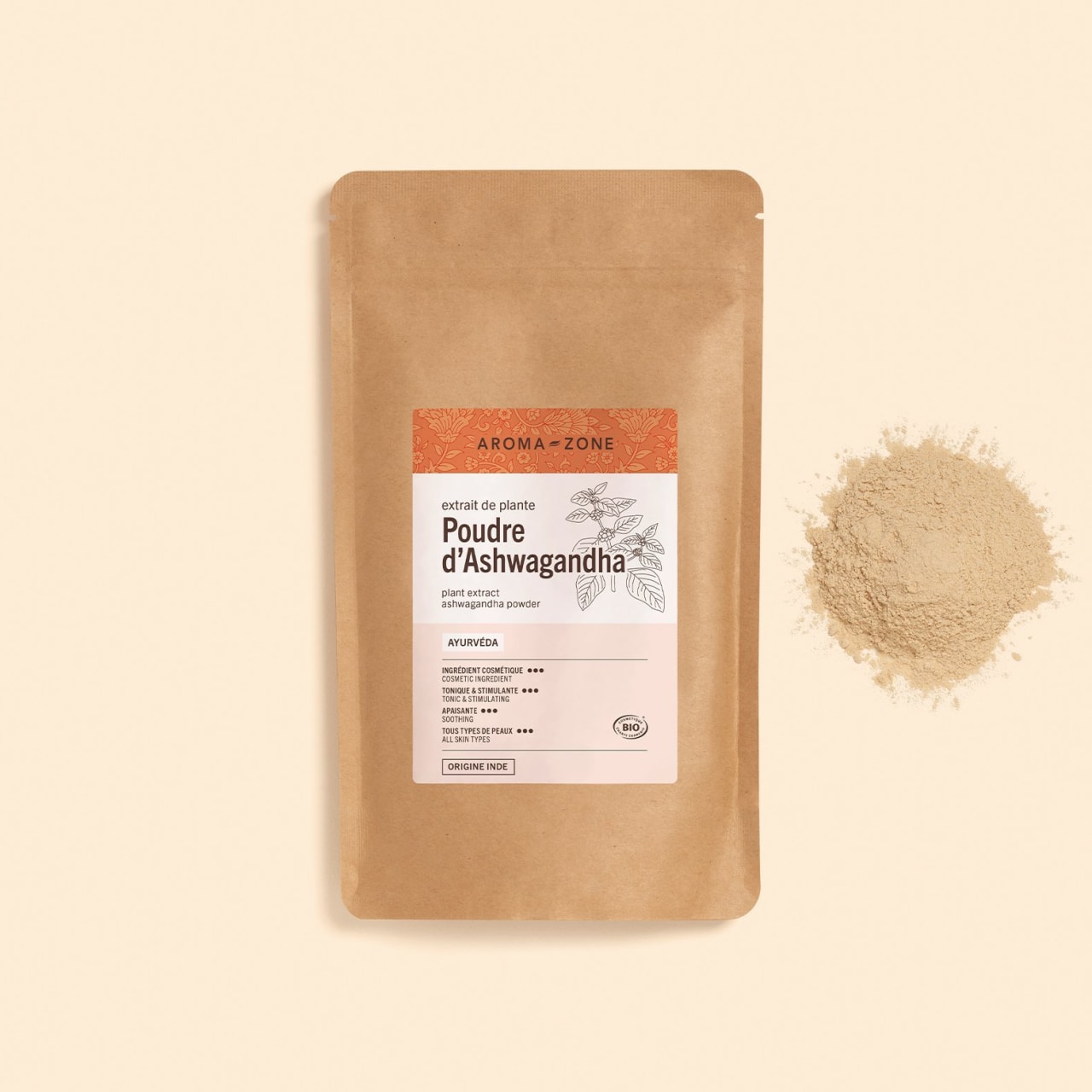
Organic Ashwagandha Powder
Anti-ageing
Repairing
£4.00
100 g
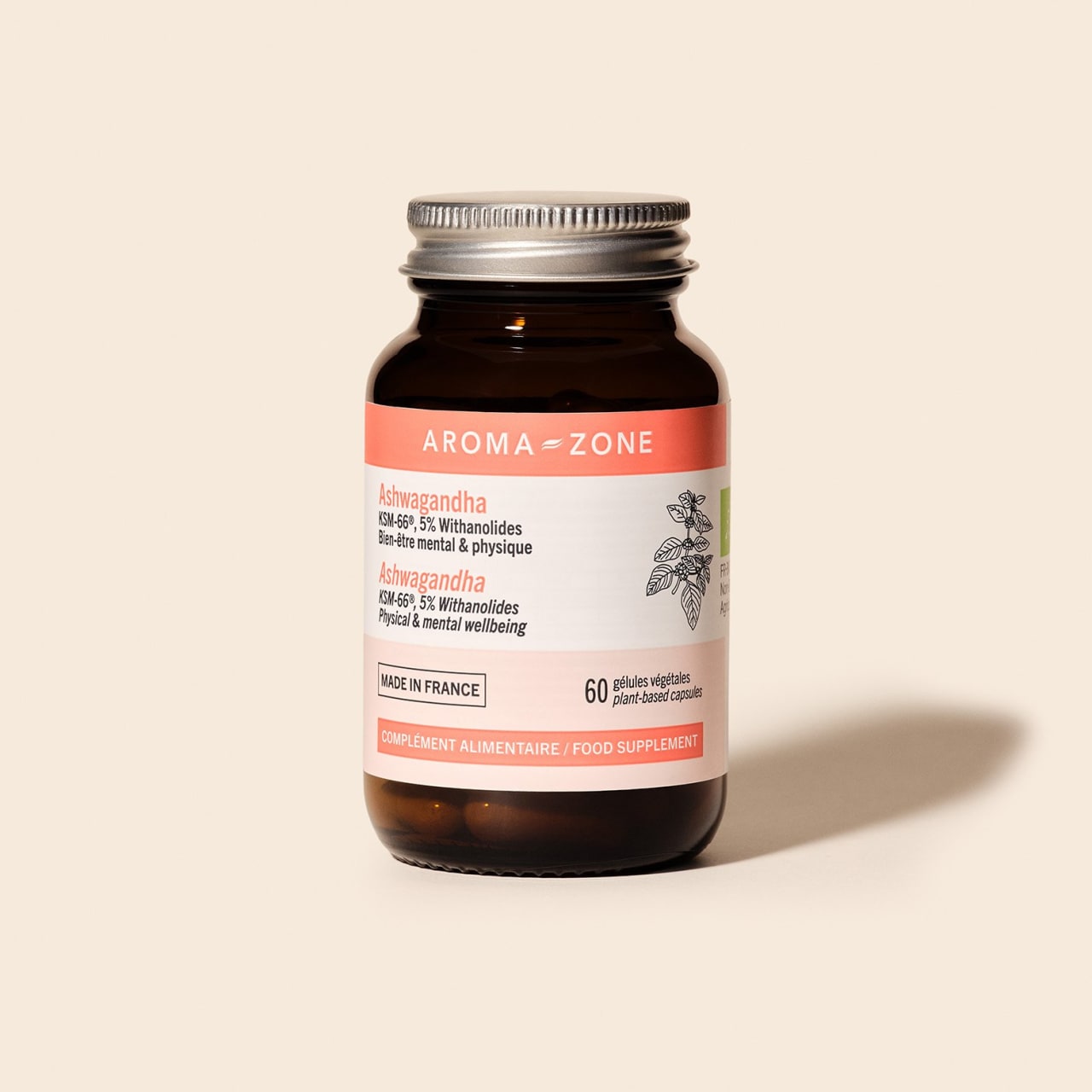
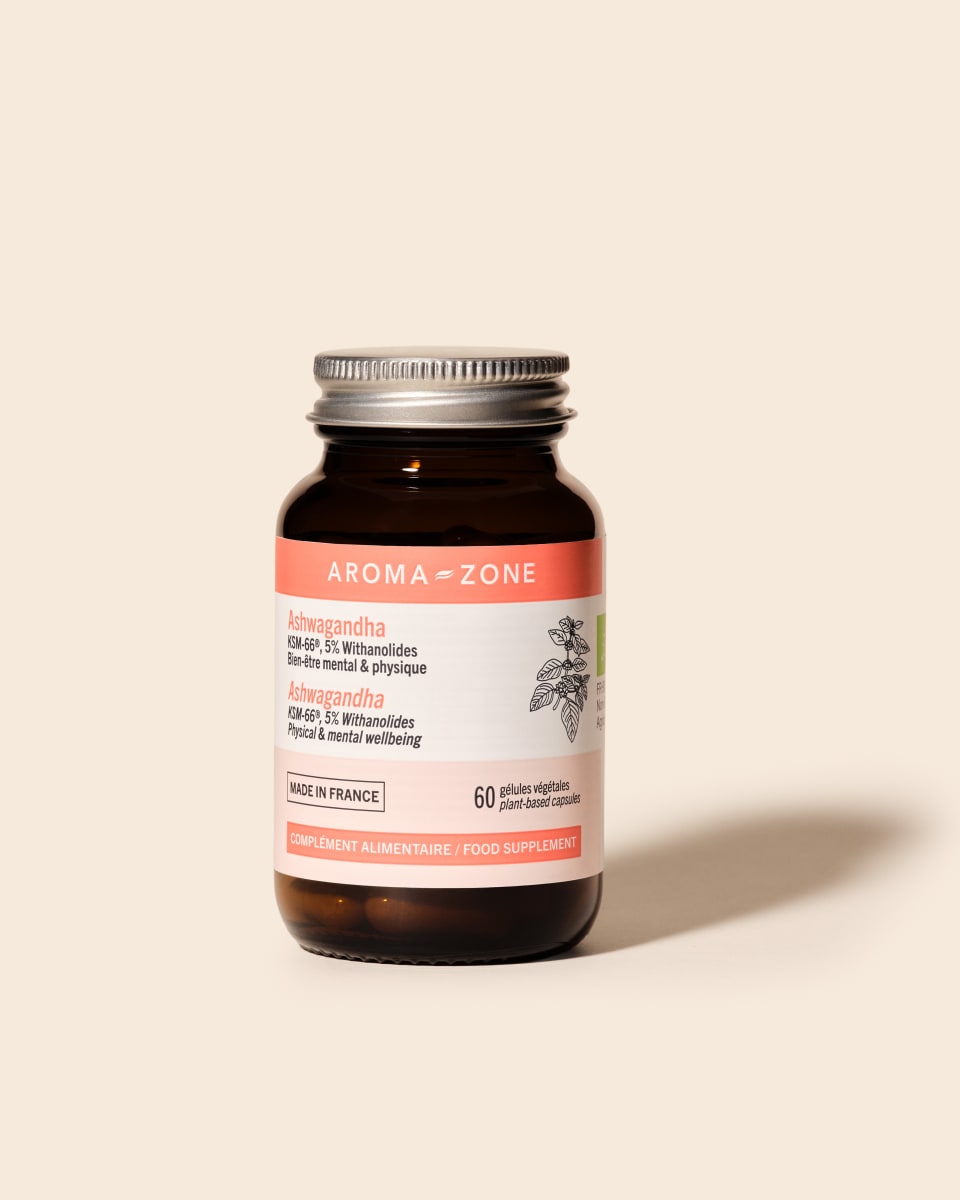
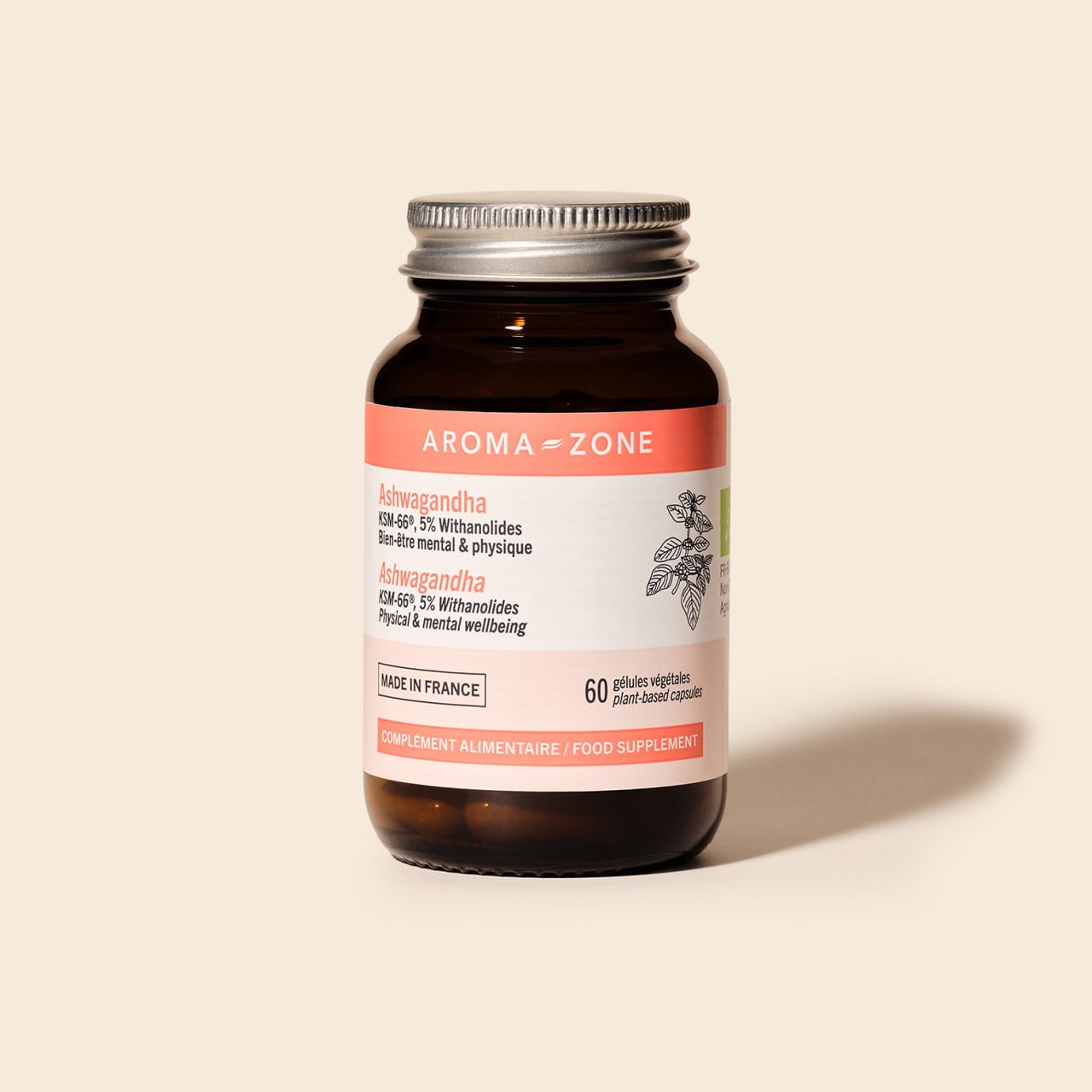
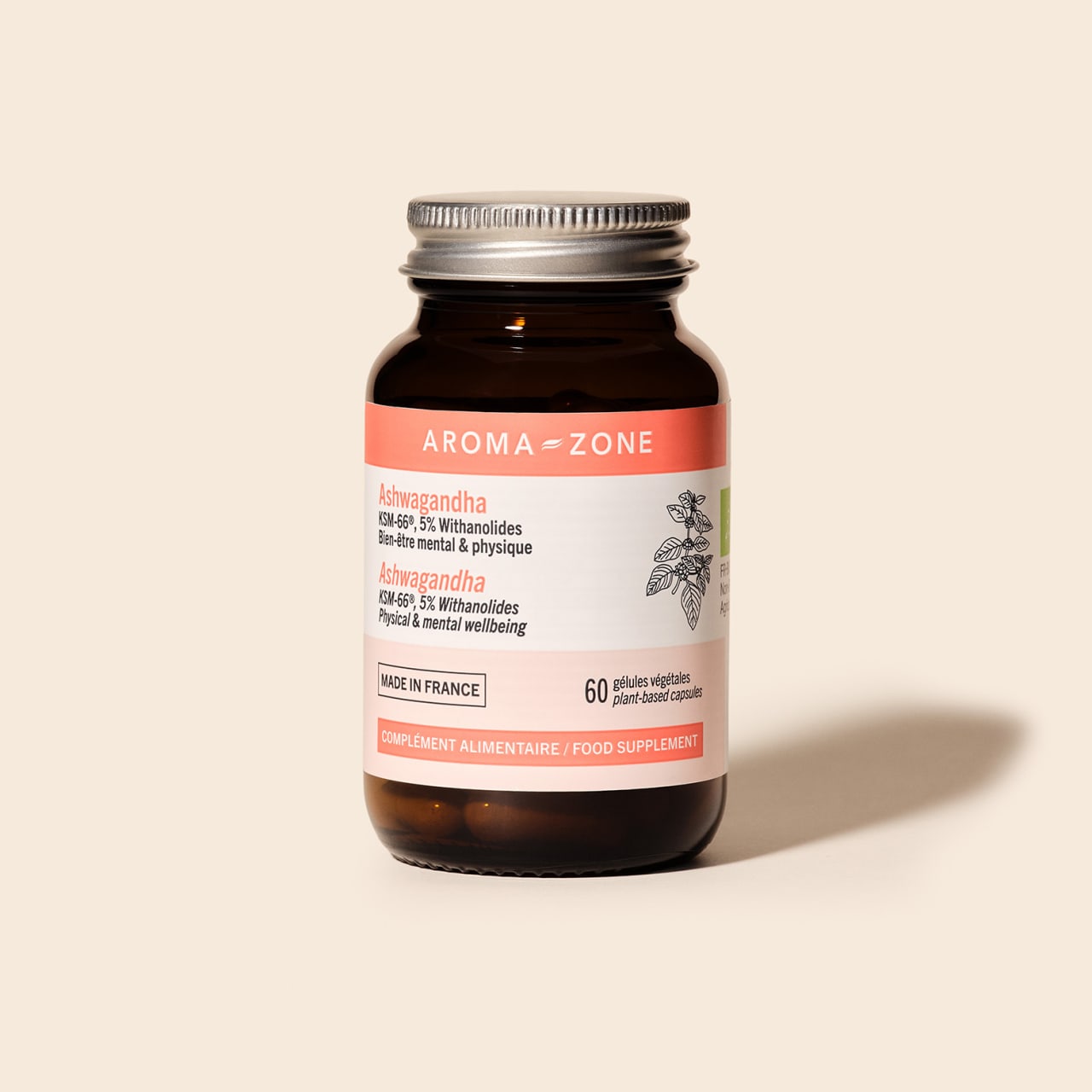
Ashwagandha - 60 Capsules
Mental & physical well-being
£15.00
article
Fat Binder - 90 Capsules
Weight management
£13.00
1 article

Electrolyte Powder
Moisturising
Sport
£16.00
200 g

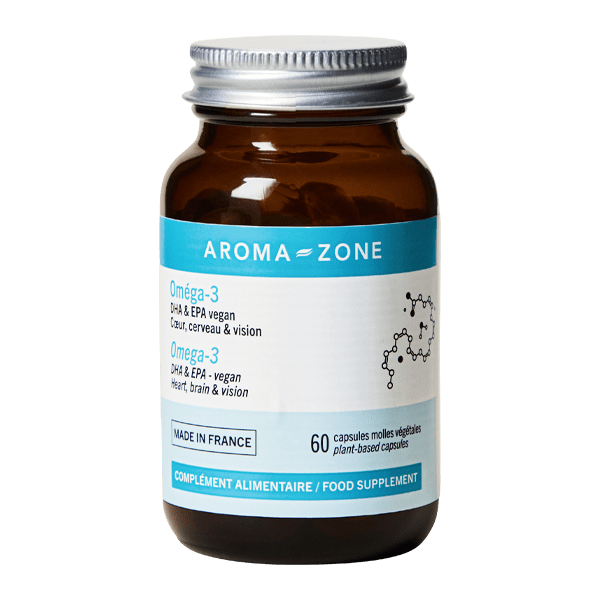
Vegan Omega-3 - 60 Capsules
Heart
Vision
£20.00
article
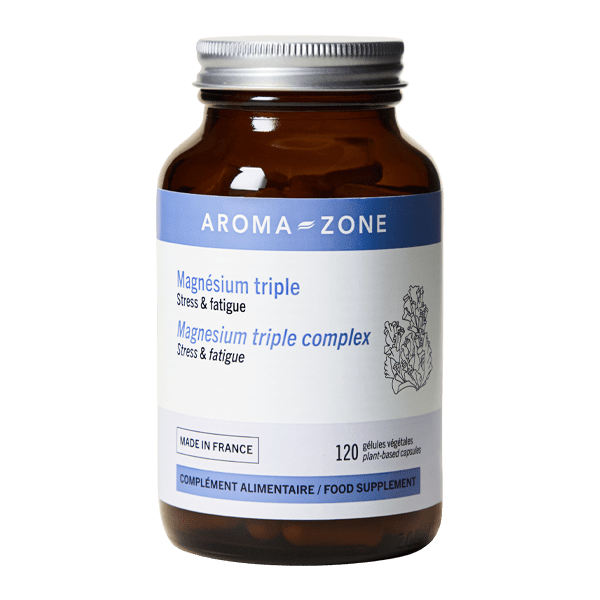
Triple Magnesium Complex - 120 Capsules
Vitality
Stress
£15.00
article
What is ashwagandha?
What are ashwagandha's properties?
Ashwagandha is beneficial due to its composition. It is high in withanolides. These bioactive compounds are known for their anti-inflammatory, antioxidant and adaptogenic properties. They help to reduce stress by regulating cortisol (the stress hormone) production. Other components, such as fatty acids and antioxidants, promote cell regeneration, support immune function and improve physical endurance. Ashwagandha is also high in alkaloids, which can reduce anxiety and improve sleep quality.
What are the muscle-building benefits of ashwagandha?
Ashwagandha and strength gain: Ashwagandha increases strength. This is attributed to the plant's antioxidant properties, which optimise the muscular adaptation and recovery process, and therefore, increase muscular strength. [1] Ashwagandha contains withaferin A (a compound belonging to the withanolide family). This natural anabolic promotes myogenesis (the formation of muscle tissue) and oxidative metabolism (the conversion of food into energy) [2]. Although the mechanisms are still being studied, consuming ashwagandha can help you gain more strength when building muscle.
Ashwagandha and muscle recovery: Ashwagandha acts on different levels in regard to muscle recovery. It improves sleep [3][4]. This partly explains why it has been shown to reduce fatigue and promote muscle recovery. A balanced, restorative sleep allows for much more optimal and healthy physical activity. Ashwagandha also competes with cortisol (the stress hormone). Its levels rise significantly when we lack sleep. And, when cortisol levels are too high, muscle fatigue sets in. Better sleep, therefore, leads to a much more optimal recovery for trained muscles. What's more, taking an ashwagandha food supplement is thought to delay muscle fatigue. [1]
Ashwagandha and VO2 Max: VO2 max, or maximum oxygen consumption, is an indicator of the maximum amount of oxygen the body can use during intense exercise. The higher the VO2 max, the greater the efficiency of the cardiovascular and respiratory systems. Ashwagandha supplementation significantly increases VO2max in both beginners and experienced athletes. [5][6]
Why take ashwagandha for bodybuilding?
A course of ashwagandha can be beneficial during physical training, particularly for reducing stress and promoting muscle recovery. Thanks to its ability to significantly improve cardiorespiratory endurance [5], it is ideal when you are looking to improve your stamina or manage intense exertion more effectively. Similarly, by reducing stress and anxiety, it also has a beneficial effect on sleep. In a 2019 study, participants taking ashwagandha reported improvements in sleep quality, a reduction in the time it took to fall asleep and a feeling of better overall recovery. These results can be attributed to ashwagandha's adaptogenic effects, which regulate cortisol levels and promote a state of relaxation. This is conducive to restful sleep and reducing fatigue [3]
When should I take ashwagandha as part of my sports training?
Ideally, you should start taking ashwagandha a few weeks before a period of intense training. In addition to its beneficial effects on sports performance, taking ashwagandha before the start of a period of intense physical activity helps to reduce the risk of injury and excessive fatigue.
How do I take a course of ashwagandha?
When should ashwagandha be taken?
To get the maximum benefits from ashwagandha during the day, we recommend taking it in the morning or at midday. To support muscle growth, improve sleep quality and boost your libido, we recommend taking it in the evening. You can also opt to take one capsule in the morning and one in the evening.
Dosage
Take 1 to 2 organic ashwagandha capsules a day, swallowed with a glass of water. A jar is sufficient for a 1- to 2-month course.
Contraindications
If you take more than the recommended quantity, ashwagandha powder may cause digestive pain and drowsiness. Always remember to take the dosage recommended by the manufacturer.
What is the best way to boost your bodybuilding routine?

Precautions for taking ashwagandha supplements
Keep ashwagandha out of the reach of children. This food supplement is not a substitute for a varied, balanced diet or a healthy lifestyle. Never exceed the recommended daily dose. Ashwagandha supplements are for adults only and are not recommended for pregnant or breastfeeding women. They are also not recommended if you have hyperthyroidism, excess iron, diabetes or are taking antidepressants. Consult your doctor if you have any specific medical conditions before using ashwagandha.
Expert advice
Getting into a regular routine is important if you want your food supplements to be effective, so we recommend taking your capsules at the same time every day.
Spotlight on our nutrition coach writer: Sonia Mérité

Sonia Caillol Mérité holds a doctorate in pharmacy and a university diploma in dietetics, nutrition and health.
Sonia has always been passionate about nutrition and its effects on our health. Diet is paramount for her, and she adjusts nutritional regimes to suit her patients' lifestyles, medical treatments, preferences and hopes to help them regain and maintain their well-being.
Sonia is a pharmacy assistant, nutrition coach and writer for Aroma-Zone. She shares advice on rebalancing your diet and using natural supplements to support a healthy lifestyle — all while still enjoying food that tastes good. And that really matters.
You can find all her advice on her Instagram page: nutrisonia13
Bibliography
Effects of ashwagandha (Withania somnifera) on Physical Performance: Systematic Review and Bayesian Meta-Analysis
Withaferin a suppresses estrogen receptor-α expression in human breast cancer cells
Adaptogenic and Anxiolytic Effects of ashwagandha Root Extract in Healthy Adults: A Double-blind, Randomized, Placebo-controlled Clinical Study
An investigation into the stress-relieving and pharmacological actions of an ashwagandha (Withania somnifera) extract: A randomized, double-blind, placebo-controlled study
Effects of eight-week supplementation of ashwagandha on cardiorespiratory endurance in elite Indian cyclists
Effects of ashwagandha (Withania somnifera) on VO2max: A Systematic Review and Meta-Analysis


Frequently Asked Questions
Associated tips
Superfoods
Hair care tips


