
Antioxidants: benefits and uses

Antioxidants play an essential role in the fight against free radicals, the unstable molecules that can cause cell damage. We take a closer look at the benefits of antioxidants, where they come from, and how to incorporate them into our daily lives to promote good health.

Reading time: 0 min.

What does antioxidant mean?

The term 'antioxidant' refers to a substance that has the ability to neutralise or reduce the effects of free radicals in the body. Free radicals are unstable molecules produced naturally during cellular metabolism or as a result of external factors such as exposure to UV rays, pollution, smoking and other forms of environmental stress.

Free radicals can damage the body's cells by causing a phenomenon known as oxidative stress. This oxidative stress is associated with various health problems, including premature ageing, cardiovascular disease, degenerative diseases and certain types of cancer.

Antioxidants, naturally present in many foods such as fruit, vegetables, nuts, seeds and certain types of fish, help to neutralise free radicals by providing them with extra electrons. This helps to prevent or reduce the damage caused by these unstable molecules, thereby helping to maintain cellular health and reduce the risk of various diseases. Vitamins C and E, beta-carotene, polyphenols and selenium are just a few examples of antioxidants present in our diet.
What antioxidants are used for: understanding their role

The concept of antioxidants is based on their ability to neutralise free radicals, unstable and reactive molecules produced during various biological reactions and in response to external aggressions such as UV rays, pollution and oxidative stress. Antioxidants act as cellular defenders, protecting cellular and molecular structures from damage potentially caused by these free radicals.

The role of free radicals

To better understand this concept, it is essential to understand the role of free radicals. These molecules, with an unpaired electron, can react in an uncontrolled way with other molecules, damaging cellular proteins, lipids and DNA. This can lead to cellular dysfunction, genetic mutations and, in the long term, contribute to premature ageing and the development of various diseases, including cardiovascular disease and certain types of cancer.

The effects of antioxidants against free radicals

Antioxidants, such as vitamin C, vitamin E, beta-carotene, zinc and selenium, act by neutralising these free radicals. They act by providing the missing electron needed to stabilise free radicals, thereby transforming these unstable molecules into harmless forms. By acting as cellular 'firefighters', antioxidants help prevent oxidative damage and maintain cell integrity.

It is important to stress that the balance between free radicals and antioxidants in the body is crucial to maintaining health. An excess of free radicals can exceed the capacity of antioxidants to neutralise them, leading to oxidative stress and contributing to the development of disease. Consequently, a balanced diet rich in antioxidants, combined with a healthy lifestyle, can play an essential role in promoting health and preventing a range of conditions linked to oxidative stress.

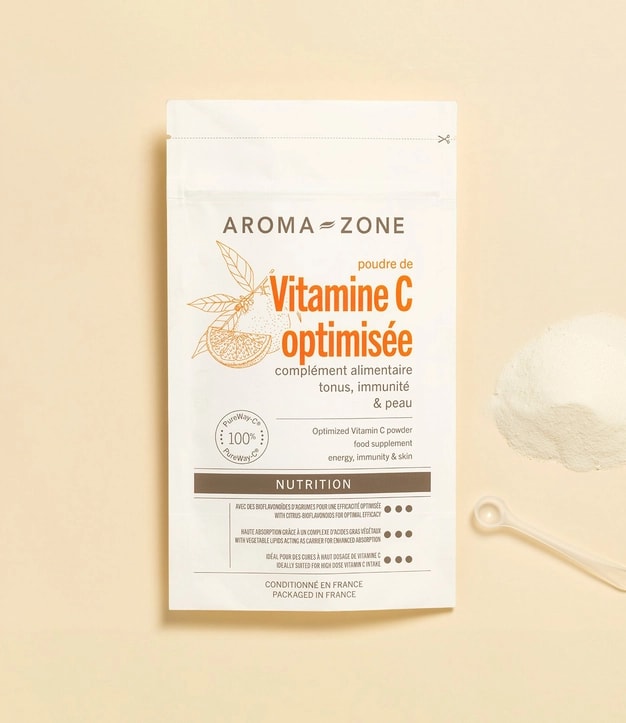
A closer look at our vitamin C food supplement

Natural sources of antioxidants


  • Berries: berries such as strawberries, blueberries and raspberries are packed with antioxidants, including vitamin C and polyphenols.

  • Green leafy vegetables: spinach, cauliflower, and other green vegetables provide carotenoids, antioxidant molecules.

  • Dark chocolate: because of its polyphenols, dark chocolate is a delicious source of antioxidants.

  • Pecans: pecans are rich in vitamin E, an antioxidant that contributes to cell health.

  • Wholegrain cereals: wholegrain cereals provide trace elements such as selenium, which play a role in the defence against free radicals.

  • Oily fish: oily fish, such as salmon, are rich in omega-3 fatty acids, which have antioxidant properties.

  • Dried beans: dried beans provide essential nutrients, including antioxidants, for a balanced diet.

  • Potatoes: potatoes contain beta-carotene, which, once ingested, is converted into vitamin A, a powerful antioxidant.

To maximise the benefits of antioxidants, choose a diet rich in fruit, vegetables, nuts and wholegrain cereals. Consume a variety of sources to ensure you get a wide range of nutrients.

Food supplements: an option to be considered with caution

Although food supplements may be an option for some, it is essential not to overlook the benefits of antioxidants from a varied diet. Studies have shown that the effectiveness of supplements can vary depending on their absorption capacity.

What is the best natural antioxidant? The power of beta-carotene

The antioxidant power of beta-carotene lies in its ability to neutralise free radicals, helping to prevent oxidative damage in the body. Beta-carotene belongs to the family of carotenoids, which are natural pigments found in many colourful fruits and vegetables, such as carrots, sweet potatoes, mangoes and spinach.

When we eat foods rich in beta-carotene, our bodies convert this substance into vitamin A, an essential nutrient that plays a crucial role in various biological processes. In particular, vitamin A is important for eye health, the immune system, cell growth and the regulation of cell differentiation.

When it comes to protecting the skin from UV rays, beta-carotene acts as a precursor to vitamin A, which plays a key role in skin health. Vitamin A promotes cell regeneration and the production of new skin cells, helping to maintain healthy skin and reduce the harmful effects of UV rays.

Beta-carotene, as an antioxidant, also helps to neutralise the free radicals generated by exposure to the sun's UV rays. The free radicals produced by this exposure can damage skin cells, contributing to premature ageing and increasing the risk of skin cancer.

Including sources rich in beta-carotene in the diet, such as carrots and sweet potatoes, can therefore help boost the body's antioxidant defence, offering protection against the harmful effects of free radicals. However, it is important to note that beta-carotene does not replace the need for external sun protection, and the use of sun creams remains essential to minimise the risks associated with exposure to UV rays.

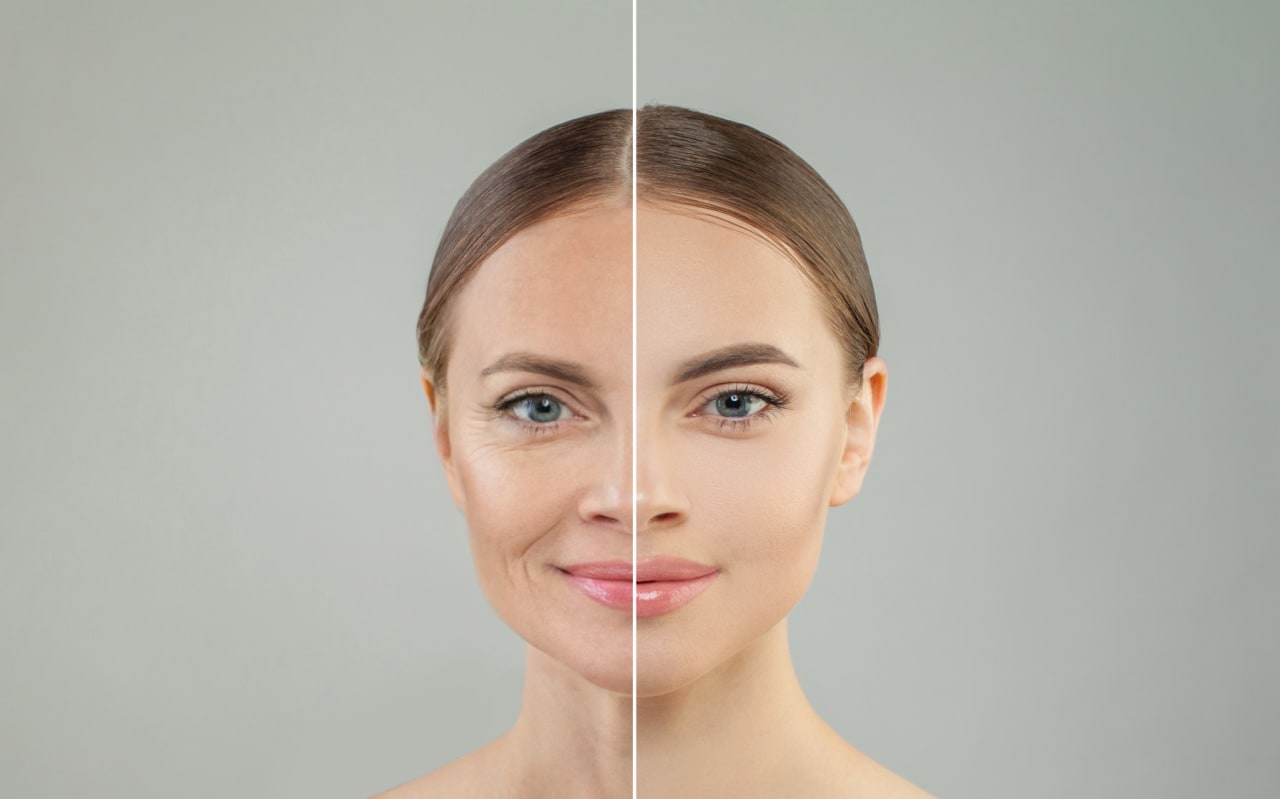
Antioxidants, valuable allies in the fight against premature skin ageing

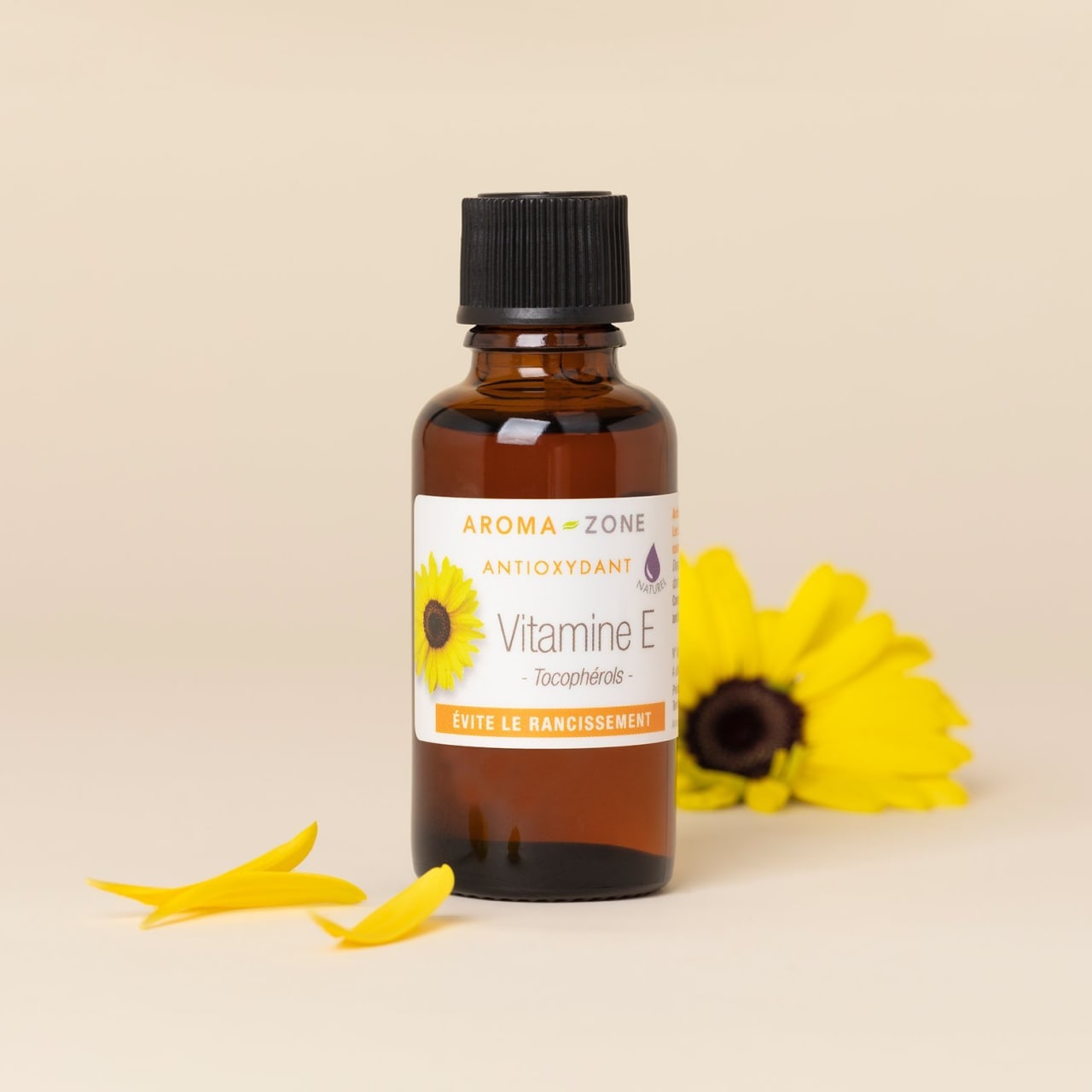
Protecting the skin from ageing is a primary goal for many people, and antioxidants, particularly vitamin E, play a crucial role in this process. Vitamin E is a powerful fat-soluble antioxidant found naturally in a variety of foods, such as nuts, seeds, vegetable oils and green leafy vegetables.

Skin ageing is a complex process influenced by various factors, including exposure to UV rays, pollution, oxidative stress and the passage of time. Oxidative stress results from the accumulation of free radicals in the skin, causing cellular damage and contributing to premature ageing. This is where antioxidants such as vitamin E come in.

Vitamin E works by neutralising free radicals, helping to prevent oxidative damage. By protecting cellular lipids from oxidation, it helps maintain the integrity of cell membranes. This is particularly important for skin cells, as healthy cell membranes promote a robust skin barrier and adequate hydration.

As well as neutralising free radicals, vitamin E can also help to reduce the visible signs of skin ageing. It promotes cell regeneration by supporting the synthesis of collagen, a structural protein essential for maintaining the skin's elasticity and firmness. What's more, vitamin E can help reduce the appearance of fine lines and wrinkles, giving the skin a younger, more radiant appearance.

Including sources rich in vitamin E in the diet, such as nuts, seeds, almonds and vegetable oils, can therefore help boost the skin's antioxidant defences. However, it's important to stress that protecting the skin against skin ageing is not limited to diet. The use of moisturisers, adequate sun protection and a healthy lifestyle, including sufficient hydration and stress reduction, are also important elements in maintaining healthy, youthful skin.

Spotlight on our editor: Coralie Técher

Coralie has spent seven years working as a journalist and editor specialising in women’s issues. With a particular passion for beauty and wellbeing, she is committed to highlighting nature’s self-care solutions. Always staying up to date with the latest research and trends, she enjoys sharing the most relevant and trustworthy insights with her readers.

Article published on 12 January 2024

Bibliography

1

Rolland, Y. (2004). Antioxydants naturels végétaux. Oléagineux, Corps gras, Lipides, 11(6), 419-424.

2

FERNANDEZ, X., MERCK, F., & KERDUDO, A. (2012). Conservateurs pour cosmétiques-Antioxydants et anti-UV.

3

Hokayem, M., Bisbal, C., Lambert, K., & Avignon, A. (2012). Quelle place pour les antioxydants dans la prévention du diabète de type 2?. Médecine des maladies métaboliques, 6(4), 327-331.