Is Your Moisturiser Really Suitable for Your Sensitive Skin?

Is Your Moisturiser Really Suitable for Your Sensitive Skin?


By Camille Clément

Published on: Thursday, February 20, 2025, Updated on: Friday, October 02, 2026

If your skin feels tight after applying cream, it’s a sign that your current skincare routine isn’t fully meeting your skin’s needs. Ideally, a moisturising solution should restore the skin’s natural protective barrier and maintain the water balance of the stratum corneum. But are you sure your moisturiser actually meets your skin’s needs? Some formulations can worsen discomfort instead of soothing it. Find out how to choose the right skincare product and which ingredients to look for to ensure gentle hydration.

Contents

Related products

Why Does Your Skin Feel Tight After Applying Moisturiser?

Persistent discomfort after applying your skincare product is often a sign of an imbalance in the skin’s barrier function or a formulation that isn’t suited to your specific needs.

Compromised Skin Barrier

When the stratum corneum, which acts as a natural shield, is compromised, it can no longer fulfill its essential role as a regulator of temperature and moisture. This disruption hinders the skin’s ability to retain moisture and compromises the epidermis’s integrity against external aggressors.

Excessive Tansepidermal Water Loss (TEWL)

If your skincare product doesn’t contain enough occlusive agents to “seal in” moisture, water evaporates from the epidermis outward. This phenomenon, known as insensible water loss (IWL), causes that uncomfortable tightness characteristic of dehydrated skin.

A Lack of Natural Moisturising Factors (NMF)

Natural Moisturising Factors (NMFs), such as urea or lactic acid, are molecules naturally present in the skin that attract and bind water. A deficiency in NMFs prevents the skin from maintaining its suppleness and optimal moisture balance.

Reaction to Irritating Substances

The presence of fragrances or certain preservatives can unnecessarily irritate reactive skin. These ingredients are often the cause of unpleasant sensory perceptions and feelings of discomfort that occur immediately after applying your skincare routine.
Signs That Your Moisturiser Isn’t Right for You

  • Persistent Tightness: If your skin continues to feel uncomfortable after application, this is a good indicator that the cream isn’t nourishing enough or that it isn’t retaining enough moisture in the epidermis

  • The Appearance of Dry Patches: Flaking or visible small flakes of dead skin indicate insufficient surface hydration

  • A Sensation of Heat or Tingling: These sensory perceptions are characteristic of reactive skin when exposed to a product with a formulation that is too harsh or unsuitable

  • A Rough Skin Texture: To the touch, the skin lacks softness and suppleness, a sign that the spaces between skin cells are not being properly filled by emollients

How to Choose a Moisturiser Based on Your Skin Type?

Your skincare routine should be personalised to ensure the well-being and health of your skin barrier. Using a product with the wrong texture can exacerbate issues, such as tightness after applying the cream or the appearance of breakouts.


Skin Type

Recommended Texture

Tips

Dry Skin

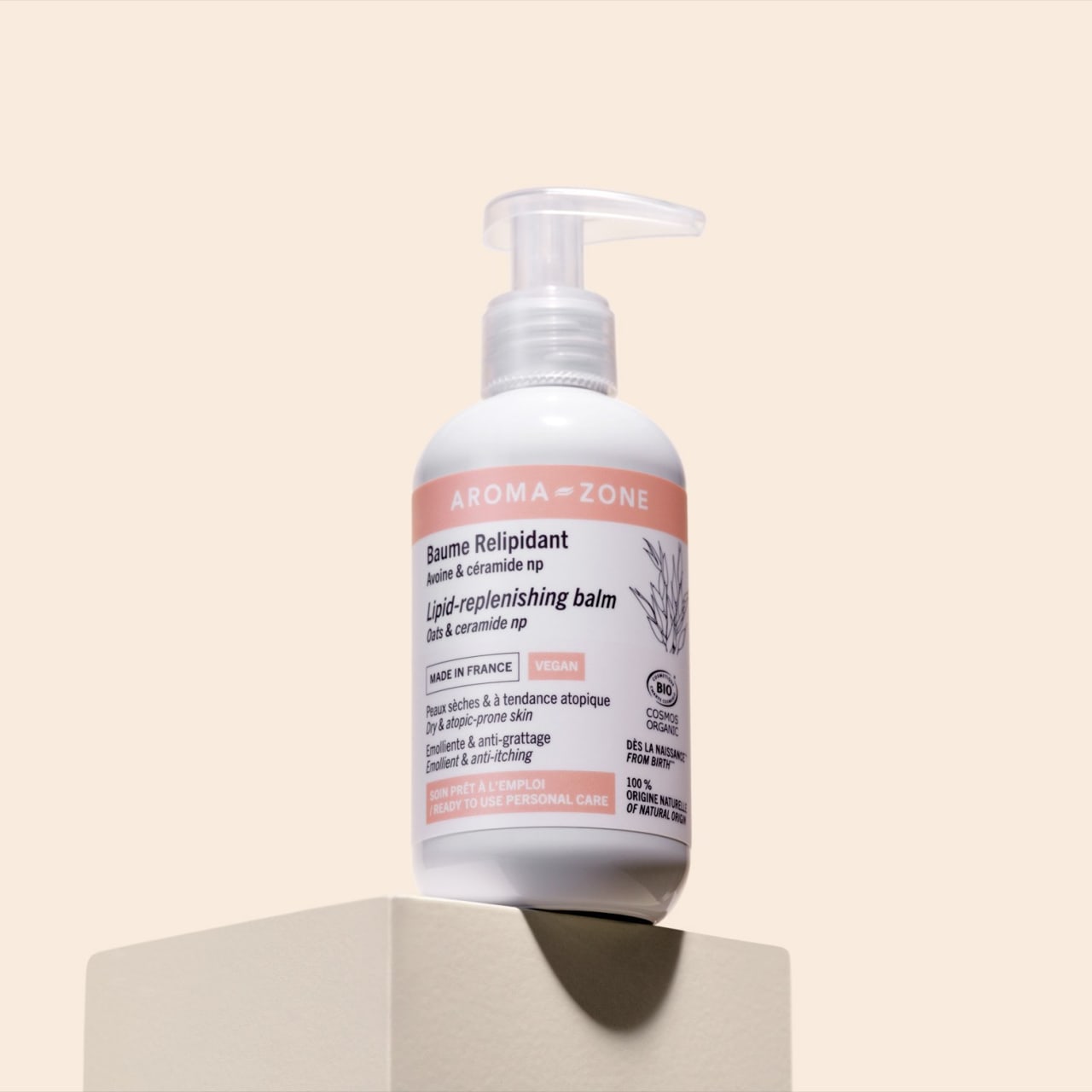
A rich, thick texture, such as a creamy lotion or balm

Avoid gels that are too light, as they won’t properly nourish and protect your skin

Oily Skin

Light, fluid, and oil-free texture (gel-like)

Choose formulas that absorb quickly so they don’t clog your pores

Combination Skin

A hydrating fluid with a richer texture for dry areas

Provide targeted hydration without overloading the oilier areas of your face

Sensitive Skin

A minimalist, fragrance-free, and hypoallergenic formula

Avoid harsh fragrances and preservatives, which are common sources of discomfort

Mature Skin

A very rich, enveloping texture

Over time, the skin becomes thinner, so a rich texture is essential to compensate for the natural loss of lipids

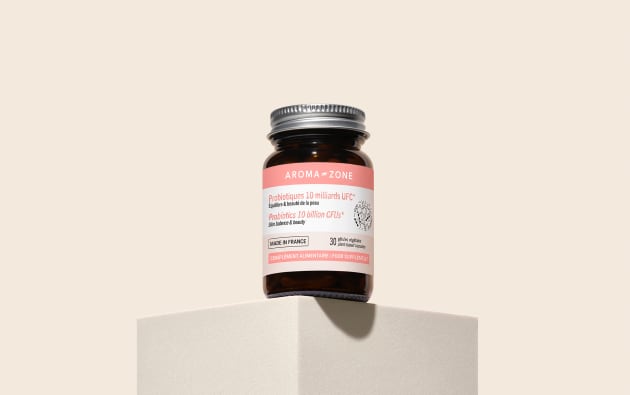
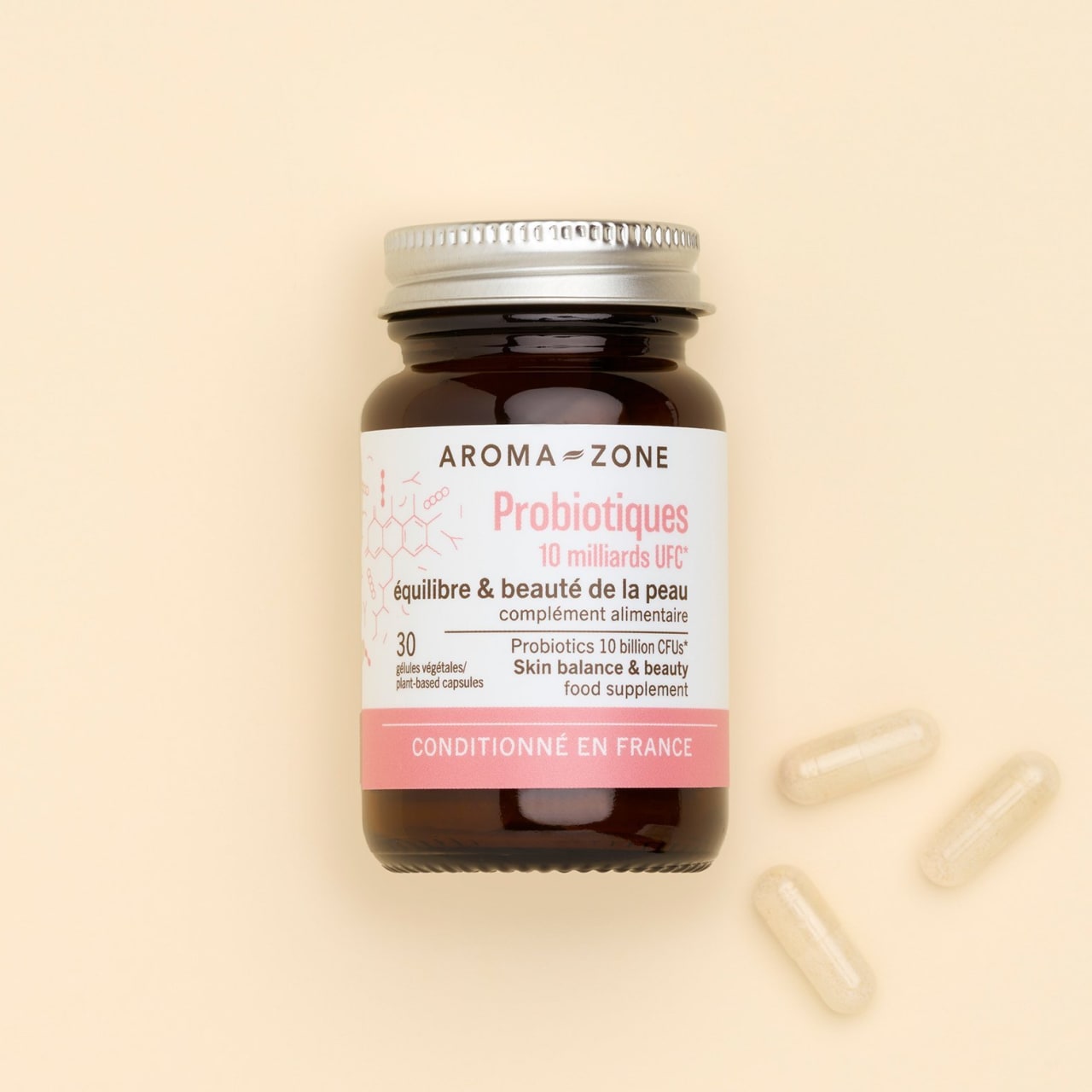
Directions for Use and Precautions: Take one capsule a day, with a glass of water. This product is not a substitute for a varied and balanced diet and a healthy lifestyle. Do not exceed the recommended daily dose. For adults only. Not recommended for pregnant or breastfeeding women. Keep out of reach of children.

To find out more, discover our routine soothing skincare routine for sensitive and atopic-prone skin.

Which Ingredients Should You Look for to Soothe Skin That Feels Tight After Applying Cream?

Gentle and Effective Moisturising Ingredients

Hydration is the key to soothing and strengthening sensitive skin. Opt for:

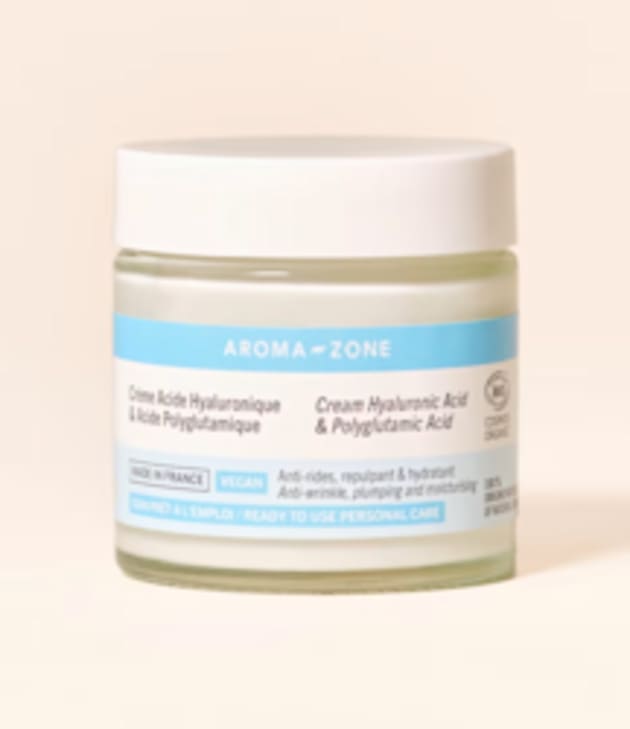
Hyaluronic Acid: Retains water and prevents dehydration

Glycerin: A humectant that attracts and retains moisture

Squalane: A natural emollient that protects the skin barrier without leaving a greasy residue

Soothing and Anti-Inflammatory Active Ingredients

To minimise redness and soothe irritation, choose skincare products containing soothing ingredients such as:

Aloe Vera: Known for its soothing and restorative properties

Rose Water or Thermal Water: Which soothe inflammation and strengthen the skin

Calendula and Chamomile: With anti-irritation and anti-redness properties

Nourishing Plant Oils

Certain plant-based oils are perfect for soothing sensitive skin without irritating it:

Sweet Almond Oil: Ideal for soothing and protecting

Avocado Oil: Which intensely nourishes and repairs

Jojoba Oil: Which balances sebum production without clogging pores

Ceramides to Strengthen the Skin Barrier

Ceramides are lipids naturally present in the skin that play a key role in protecting against external aggressors. A cream enriched with ceramides helps restore and strengthen the skin barrier, thereby reducing sensitivity.

Probiotics to Rebalance the Skin Microbiome

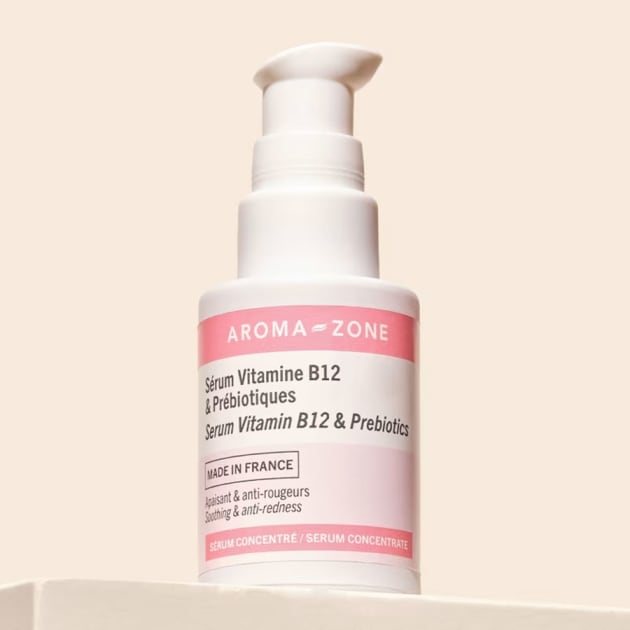
Probiotics are increasingly found in skincare products for sensitive skin because they help maintain the balance of the skin’s microbiome. Skin with a balanced microbiome is more resistant to environmental stressors and irritation.

What Mistakes Should You Avoid When Choosing Your Skincare Product?

  • Opting for Textures That Are Too Light When Your Skin Is Dry: Using only a gel or lotion when your skin is very dry prevents the formation of the occlusive barrier needed to prevent water evaporation

  • Neglecting to Determine Your Skin Type: Applying a rich cream to oily skin, or, conversely, a product that’s too runny to mature skin, can worsen skin issues

  • Using Too Many Products Containing Fragrances: For sensitive skin, the accumulation of fragranced substances significantly increases the risk of reactions and discomfort

  • Neglecting Consistency: A moisturiser is much more effective when applied consistently morning and night, helping to maintain the skin barrier’s homeostasis over the long term

Precautions for Use

Before starting a new skincare routine, always perform a patch test on the inside of your elbow 48 hours before your first use. If you experience persistent redness or a severe burning sensation, stop using the product. For greater comfort, avoid products containing drying alcohols or harsh surfactants that could further compromise your skin barrier.

Expert Advice

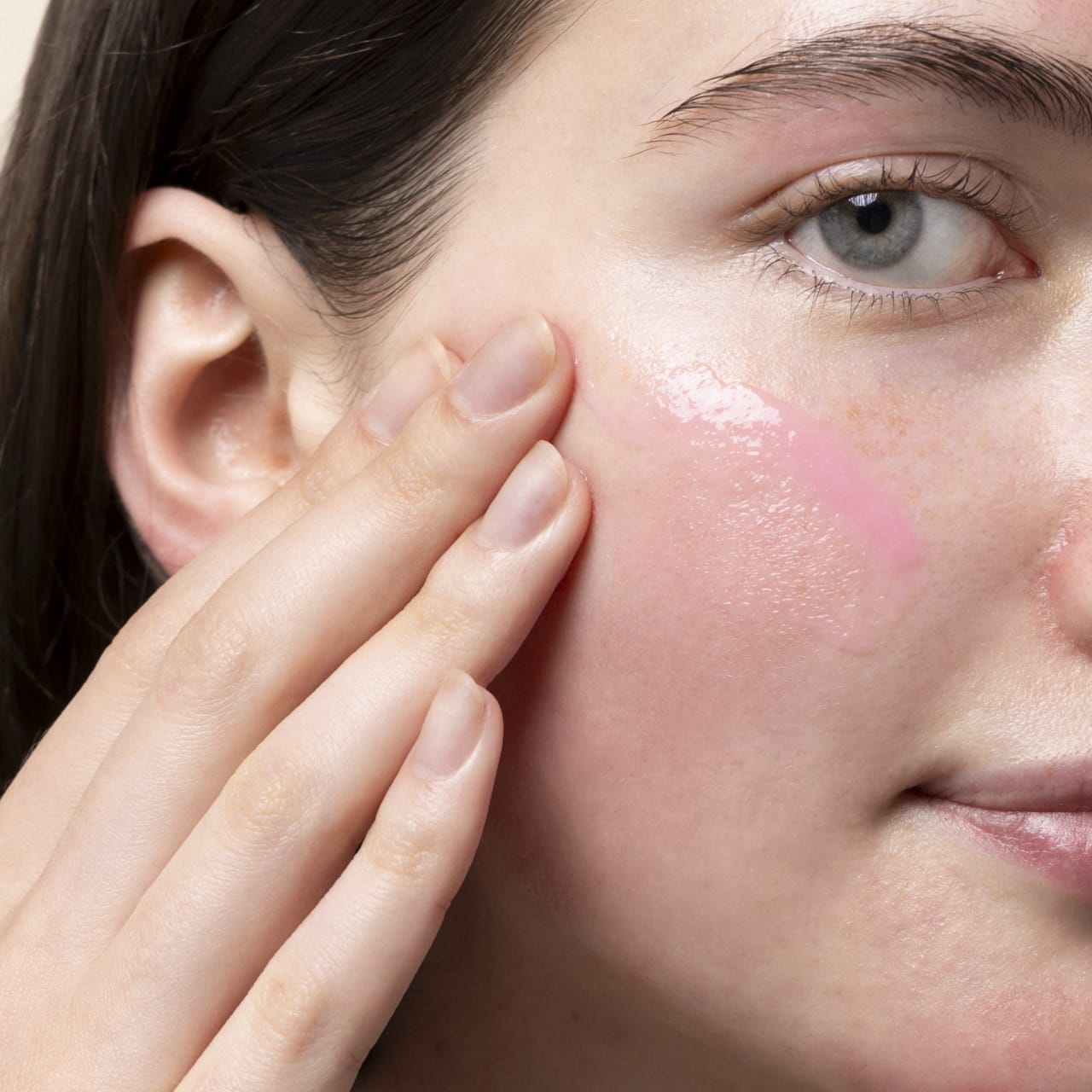
Apply your moisturiser to skin that’s still slightly damp. This helps lock in extra moisture and facilitates the penetration of active ingredients. Also, remember to adjust your skincare routine according to the seasons: a richer, more protective texture is often needed in winter to counteract the effects of cold and wind on water loss.

Spotlight on Our Writer: Camille Clément

Camille specialises in writing content on beauty, health, and natural well-being. She's passionate about these topics, and writes articles for major media outlets to help everyone take care of themselves in a natural, holistic way.

Bibliography

  1. Darlenski R, et al. Sensitive skin: Active ingredients in the spotlight. Int J Cosmet Sci. 2022.

  2. Moisturizers. StatPearls. NCBI Bookshelf. 2024.

  3. The Skin Barrier and Moisturization: Function, Disruption, and Repair. PubMed. 2023.

Frequently Asked Questions

Frequently Asked Questions