I have sensitive skin – should I adapt my skincare routine to suit the seasons?

I have sensitive skin – should I adapt my skincare routine to suit the seasons?


By Hélène Betoux

Published on: Tuesday, March 10, 2026, Updated on: Tuesday, October 13, 2026

We often hear that, for sensitive skin, it’s best to keep things simple and consistent. This is true, but flexibility is also essential. It may seem paradoxical, but changing your routine for sensitive skin is sometimes necessary to allow it to adapt more easily to its environment. And there’s no denying that the skin undergoes significant seasonal fluctuations, such as changes in temperature and humidity. These environmental changes can not only alter the skin’s physiology but also influence how it reacts to certain stimuli. Rather than a major upheaval to your well-established routine, we’re talking about small, meticulous adjustments tailored to the stresses that reactive skin faces at any given time of year. Spring, summer, autumn, winter: here are our tips for providing a bespoke solution to your skin concerns all year round.

Contents

Related products

In brief

  • Even when using high-tolerance formulas, sensitive skin can become more vulnerable and reactive from one season to the next.

  • Adjusting your skincare routine to suit seasonal changes is a good way to help keep your skin feeling comfortable all year round.

Does my sensitive skin really have different needs depending on the season?

Yes, because water loss varies from one season to the next

Our skin naturally loses small amounts of water through evaporation. This is known as transepidermal water loss (TEWL) or insensible water loss (IWL). When these losses increase, it is often a sign of a weakened skin barrier. However, a 2021 Korean study demonstrates precisely that TEWL is higher in winter than in summer (1). In other words: the skin becomes dehydrated more easily during the winter than in summer, autumn or spring. The protective barrier becomes less tight, which exposes the skin more to external aggressions and tends to increase feelings of discomfort.
CONCLUSION: Sensitive skin loses more moisture in winter, making it more reactive to external stressors. It may therefore need additional care to strengthen its barrier function and soothe any persistent discomfort.

Yes, because its microbiome is sensitive to seasonal external stressors

The skin’s surface is home to a resident flora comprising a wide variety of bacterial species. This is more commonly referred to as the skin microbiome. This bacterial ecosystem, provided it is sufficiently diverse, plays an essential role in maintaining skin homeostasis. For example, it is involved in modulating inflammation. However, a scientific publication from 2023 reveals that one group tends to dominate the others in winter: Cutibacterium. This seasonal dominance simultaneously creates an imbalance in the microbiome known as dysbiosis (2). The figures show that, as the numbers of this group increase, TEWL and skin dryness also rise.

CONCLUSION: The microbiome undergoes seasonal changes, particularly in winter, which alter the skin’s biophysical characteristics and its immune response. For those with sensitive skin, these surface changes may require a different skincare strategy depending on the season, whether cold or warm.

Yes, because its pH changes throughout the year

The pH of the skin’s surface averages 5.5, meaning it is slightly acidic. Of course, this measurement can vary from one area of skin to another. Nevertheless, this acid mantle plays a vital role in the skin’s balance. It influences the development of the skin’s microbiome and the effectiveness of its barrier function against pathogens. However, a 2022 dermatological study shows that this pH can change from one season to the next. It is higher in winter – that is to say, slightly less acidic – and potentially less effective at warding off unwanted microorganisms. Furthermore, this same study found a correlation between an increase in pH and a rise in sensitivity reactions, including an increase in sensations of burning and tingling (3).

CONCLUSION: In winter, the rise in skin pH weakens the skin’s acid mantle and its resistance to external aggressors. This phenomenon leads to increased discomfort in sensitive skin, which seems to confirm the need to adapt your skincare routine to the season.

Yes, because blood flow to the skin varies between summer and winter

Skin microcirculation influences skin temperature, the supply of nutrients and oxygen, and certain sensory experiences. However, this blood flow also undergoes significant changes between the cold and warm seasons. Researchers have found that winter promotes vasoconstriction (i.e. a reduction in the diameter of blood vessels) (4). Winter therefore tends to reduce the supply of oxygen to the skin tissues. This alteration in microvascular perfusion weakens the skin barrier and makes the skin’s surface more sensitive to irritants. At the same time, the alternation between vasoconstriction and reactive vasodilation, for example, when exposed to the cold, maintains the hyperreactivity of the sensory nerves, which is typical of sensitive skin (5).

CONCLUSION: Winter affects the skin’s metabolism by altering blood flow in the dermis, which increases the reactivity of sensitive skin.

Why is my sensitive skin particularly affected by changes in the seasons?

Sensitive skin is, by definition, irritable, intolerant, uncomfortable and hyper-reactive (6). Contrary to popular belief, the discomfort associated with it is not solely the result of a lack of sebum or dehydration. They stem from a combination of biological dysregulations that contribute to making skin sensitivity a multifactorial condition, determined primarily by a dysfunction of the skin barrier, hyperreactivity of the sensory nerves and microvascular reactivity (7).

In other words, the integrity of the skin barrier, the moisture content of the stratum corneum, microcirculation and the skin’s acid-base balance – to name but a few – are among the indicators most commonly assessed by dermatologists to determine a skin’s level of reactivity. As we saw in the previous section, these factors fluctuate with the seasons. These seasonal variations are therefore likely to further exacerbate feelings of discomfort in sensitive skin, particularly during the winter months.

Winter vs. summer: why are these seasons particularly challenging for reactive skin?

Winter and summer are the two seasons of the year that see the highest number of extreme weather events. Both can put reactive skin under considerable strain. When changing your skincare routine, the in-between seasons (spring and autumn) can serve as a transition period to prepare your skin for these more severe environmental stresses.

Weather changes

Effects on the skin

Winter: cold temperatures, dry air

Decrease in epidermal lipid production (ceramides, cholesterol, fatty acids) and disruption of the lipid composition of the stratum corneum: a less effective skin barrier.

Increased inflammatory response (cytokines, mast cells): worsening of the redness and inflammatory-type discomfort characteristic of sensitive skin.

Disruption of the balance of the surface microbiome: reduced skin immunity and disproportionate reactions to certain pathogens or irritants.

Stimulation of neurosensory receptors in the skin, such as TRPV1: a lower skin tolerance threshold and intensified sensations of discomfort (tingling, etc.).

Summer: high temperatures, humid air, exposure to ultraviolet (UV) rays

Increased TEWL: exposure to UV rays and very high temperatures (8) weakens the skin barrier and makes it more permeable to irritants.

Exacerbation of inflammatory reactivity: summer environments tend to stimulate vascular reactivity and exacerbate redness or a burning sensation (8).

Increased sebum production: sunlight stimulates the activity of the sebaceous (sebum) and sweat glands. The mixture of sebum and sweat can lower the skin’s pH and disrupt skin homeostasis.

Greater diversity of the microbial population on the skin’s surface: a shift in the balance of the microbiota which may contribute to the onset of irritation (2).

Adjust your routine, yes; completely overhaul it, no

Sensitive skin doesn’t cope well with change, especially when it’s too sudden. To best support your skin through the changing seasons, avoid changing your entire routine overnight.

All it takes is a few minor adjustments (adding a product and/or replacing one) to help it maintain optimal comfort from one season to the next. Introduce each change one product at a time, avoiding adding too many new products at once. Make sure you introduce each product gradually by applying it every other day at first and monitoring your skin’s reaction. Carry out a skin sensitivity test beforehand to check for any tingling, burning or irritation.

Season

Key changes

Spring

Finding the right balance of moisturisers: start alternating between winter’s protective formulas and lighter textures suited to summer. Layer on sun protection such as SPF 30 or another factor suitable for your environment and skin type.

Restoring the skin barrier’s homeostasis: use soothing active ingredients (panthenol, oats, vitamin B12) and biotics (prebiotics, postbiotics) to support the skin’s surface ecosystem following damage caused by the cold season.

Summer

Protect your skin from UV rays: swap your spring sun cream for a daily SPF50 or 50+ sun cream, formulated with mineral filters (which are considered gentler as they are inert).

Managing the inflammatory response: use soothing active ingredients (bisabolol, allantoin, aloe vera) and antioxidants (vitamin C derivatives, niacinamide) to prevent discomfort and premature ageing caused by sun exposure.

Autumn

Minimising the effects of oxidative stress: start alternating between the light summer formulations and more protective textures suited to winter. Opt for skincare products enriched with antioxidants to repair summer sun damage (coenzyme Q10, rice bran oil, vitamin E).

Restore the skin barrier’s homeostasis: use soothing active ingredients (panthenol, oats, vitamin B12) and biotics (prebiotics, postbiotics) to support the skin’s surface ecosystem following damage caused by the hot season.

Winter

Prevent dehydration: use gentle cleansers formulated with surfactants suitable for sensitive skin, and keep the stratum corneum sufficiently moisturised using humectants (glycerine, hyaluronic acid, honey).

Restoring the skin’s lipid barrier: use daily moisturisers with rich, nourishing textures, enriched with lipid-restoring active ingredients such as ceramides, phytosterols or squalane

Insight from our expert

A word from the dermatologist

"Sensitive skin is characterised by the occurrence of unpleasant sensations in response to various triggers such as contact with water, cold, heat, temperature fluctuations, wind, air conditioning, dry air and ultraviolet (UV) rays. The mechanism involved is a characteristic of the cutaneous nervous system, which becomes overactive. It follows, therefore, that it is important to adapt one’s habits in order to protect oneself from these triggers, most of which are seasonal. For example, using a cream that strengthens the skin’s barrier function will help protect against cold winds in winter. In the event of discomfort triggered by UV rays in summer, wearing protective clothing (such as a cap or hat) will be helpful, supplemented by sun cream."

Dr Reyhan Amode, dermatologist and member of the Aroma-Zone College of Dermatologists

What natural skincare routine can I follow to keep my skin soothed throughout the seasons?

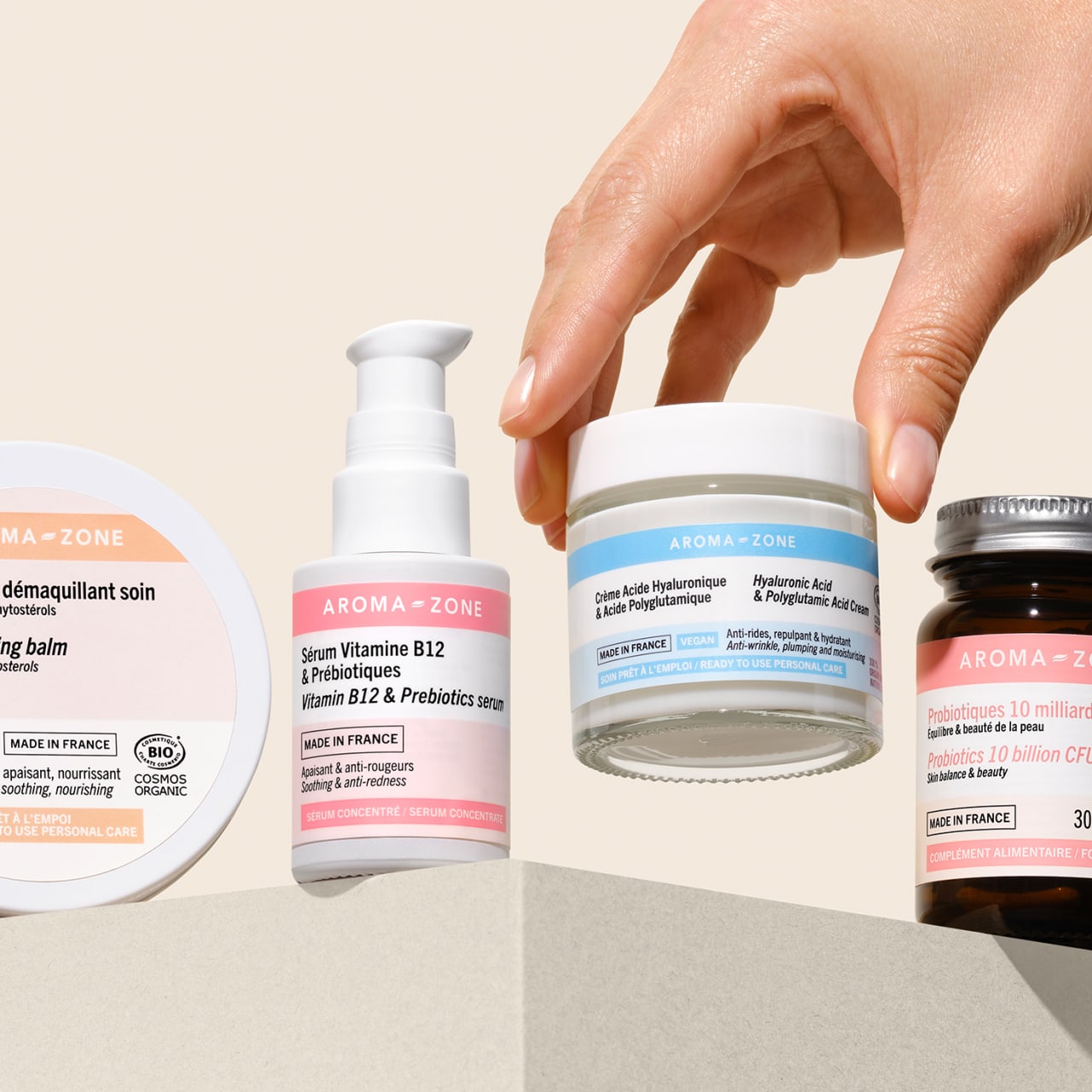
If you have sensitive skin, it’s best to keep an eye on how it changes throughout the year. To be effective, your skincare routine needs to remain flexible and adapt to your skin’s changing needs. Below is a natural skincare routine that can serve as a good foundation for any season. Feel free to personalise it with other products tailored to your current skincare concerns.

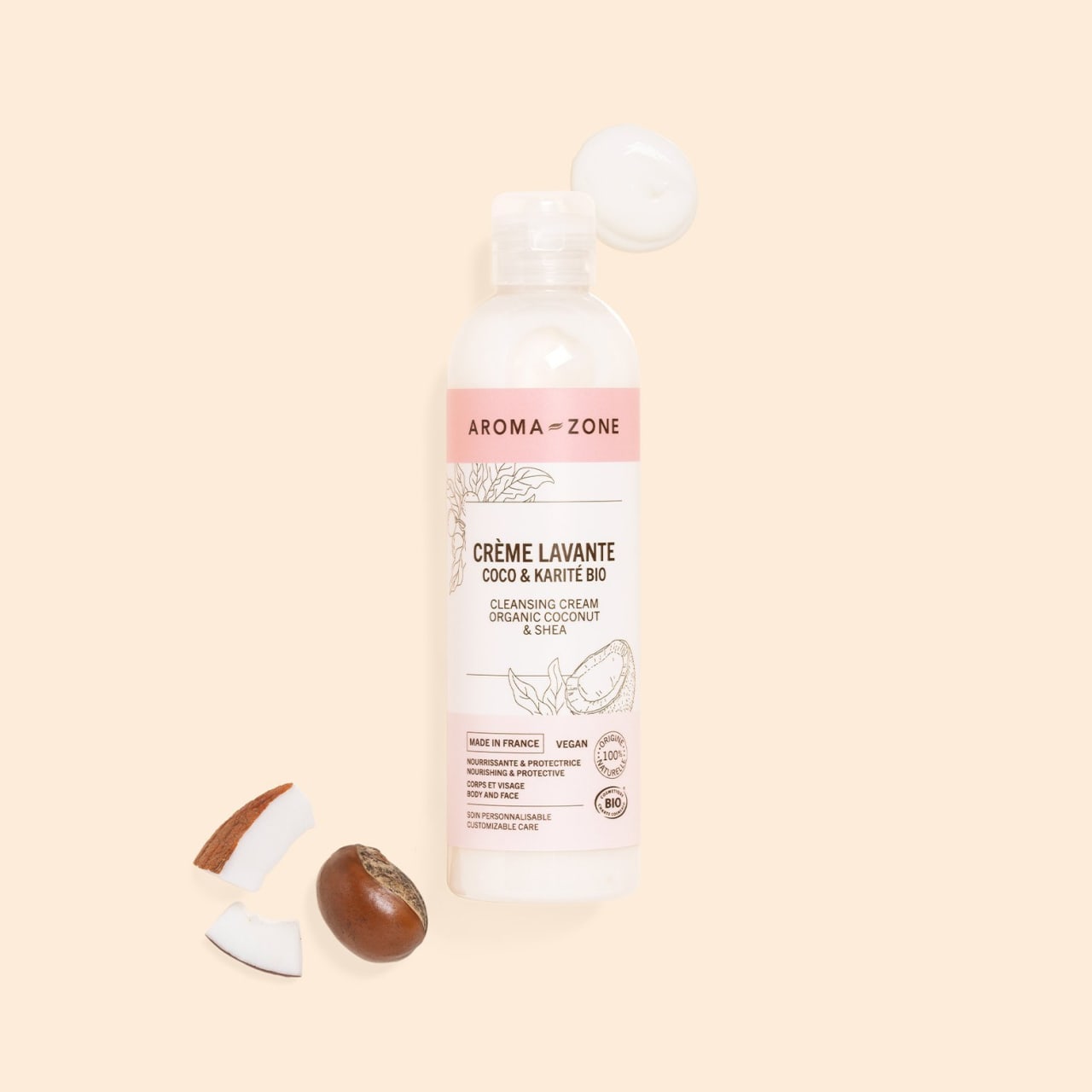
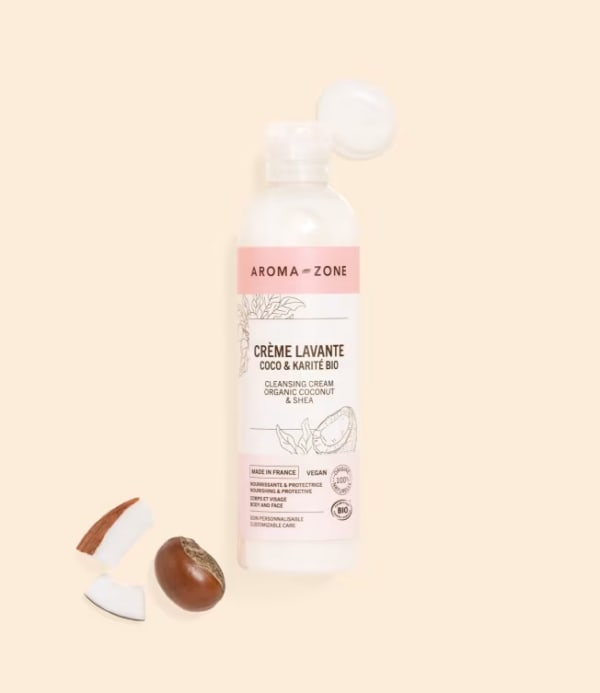
Coconut & Shea Cleansing Cream

1. Cleanse without stripping the skin of its natural oils. Work a small amount of Coconut & Shea Cleansing Cream onto damp skin, before rinsing with lukewarm water and immediately patting your skin dry with a disposable tissue. Its gentle, fragrance-free formula respects your skin’s natural pH balance as well as the oil phase of your precious surface hydrolipidic film.

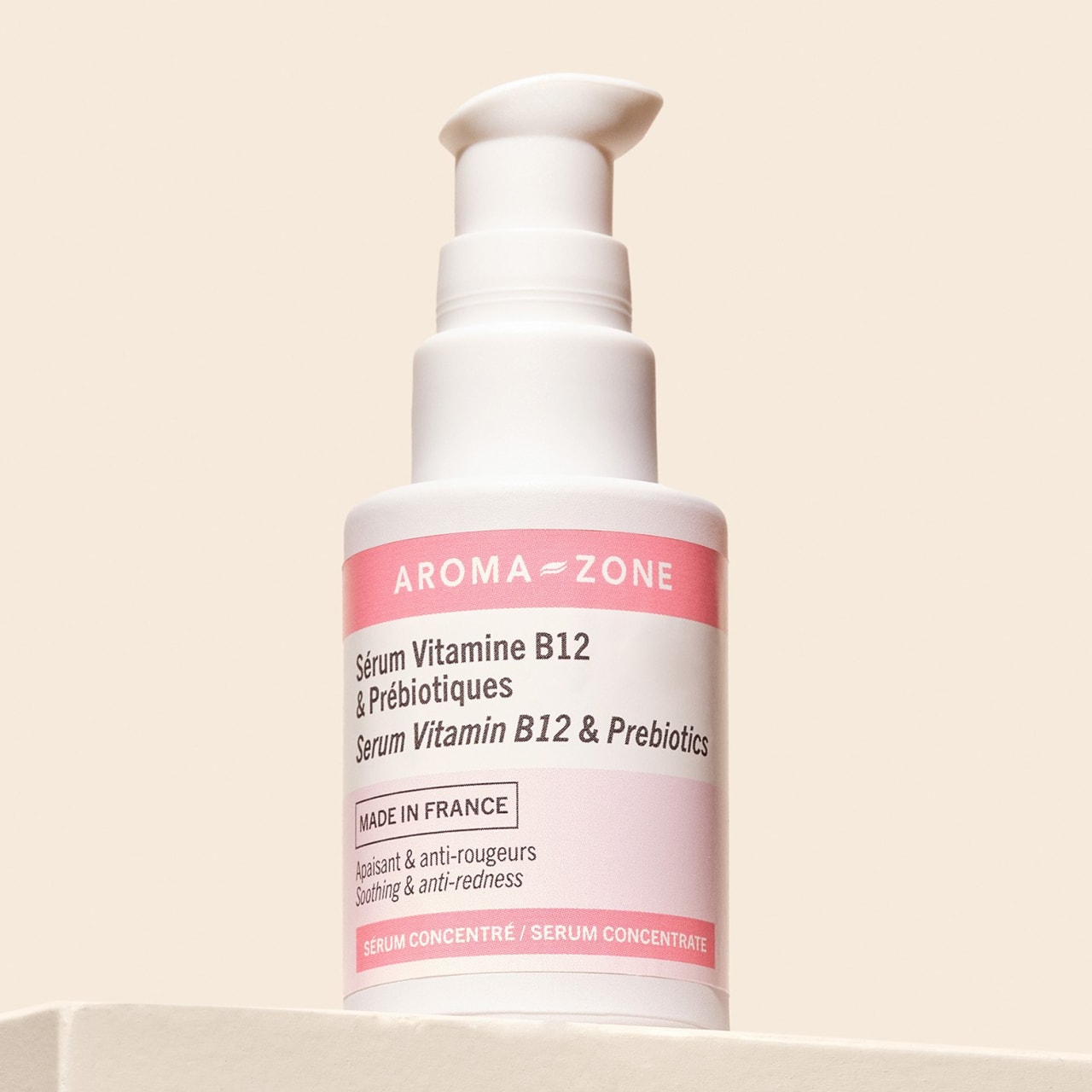
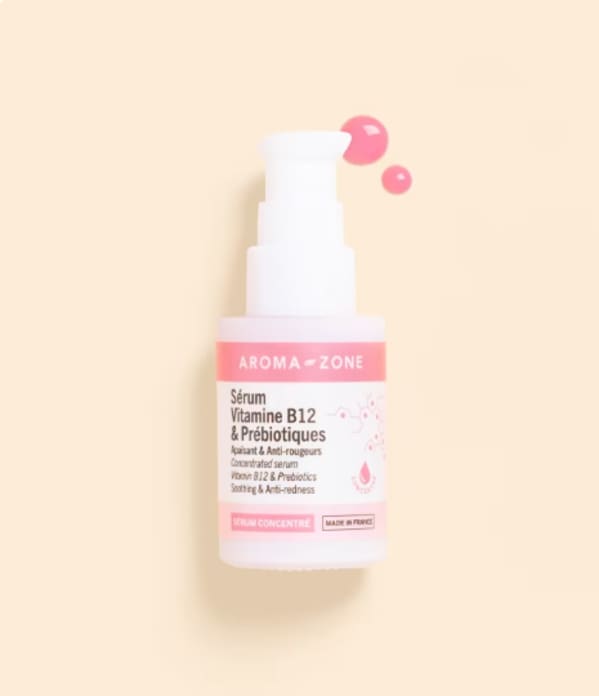
Concentrated Vitamin B12 & Prebiotics Serum

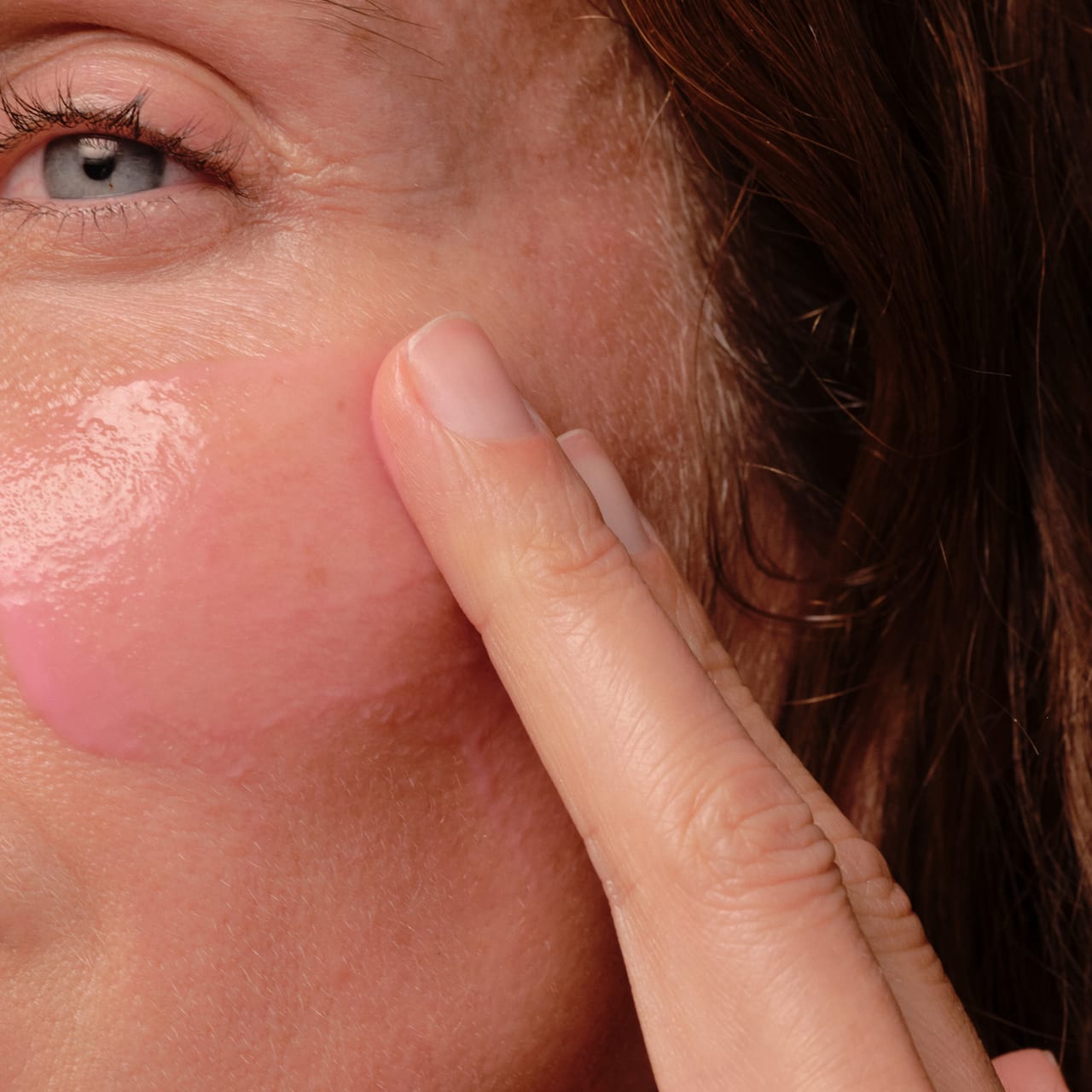
2. Soothing in spring/summer. Follow this with a few drops of the Vitamin B12 & Prebiotics Concentrated Serum, gently patting it onto your face (without massaging or rubbing to avoid overstimulating your microcirculation). Its water-based texture soothes any feelings of tightness, tingling and heat in just 1 minute.

image

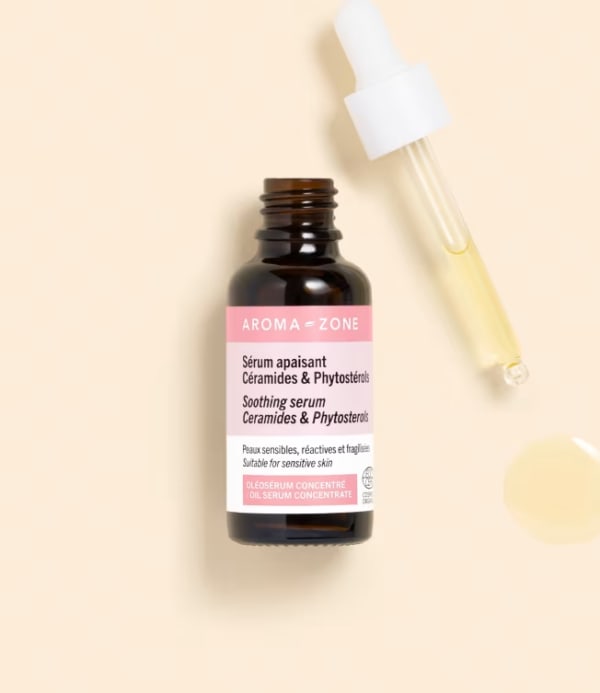
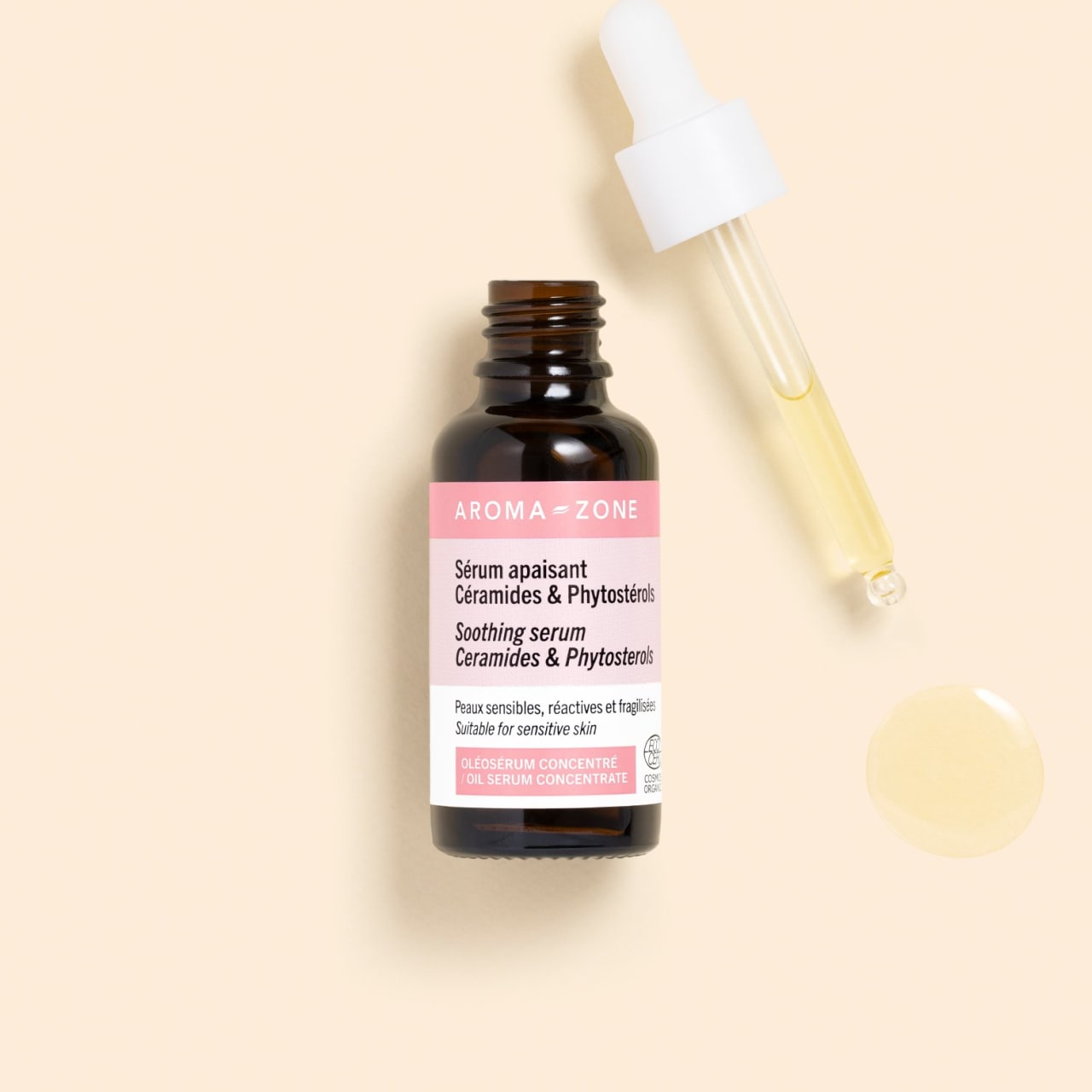
3. Soothing care for autumn/winter. Replace the water-based serum you used in previous seasons with theSoothing Ceramides & Phytosterols Oil Serum, massaging in two to three drops before applying your cream in the evening. Its high-tolerance oil-based formula restores the skin barrier, reduces the appearance of redness, and soothes feelings of discomfort and itching.

carrousel-hp 05067 hyaluronic-acid-and-polyglutamic-acid-cream mobile (1)

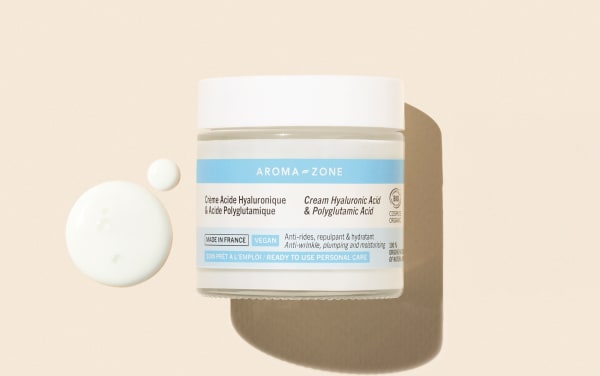
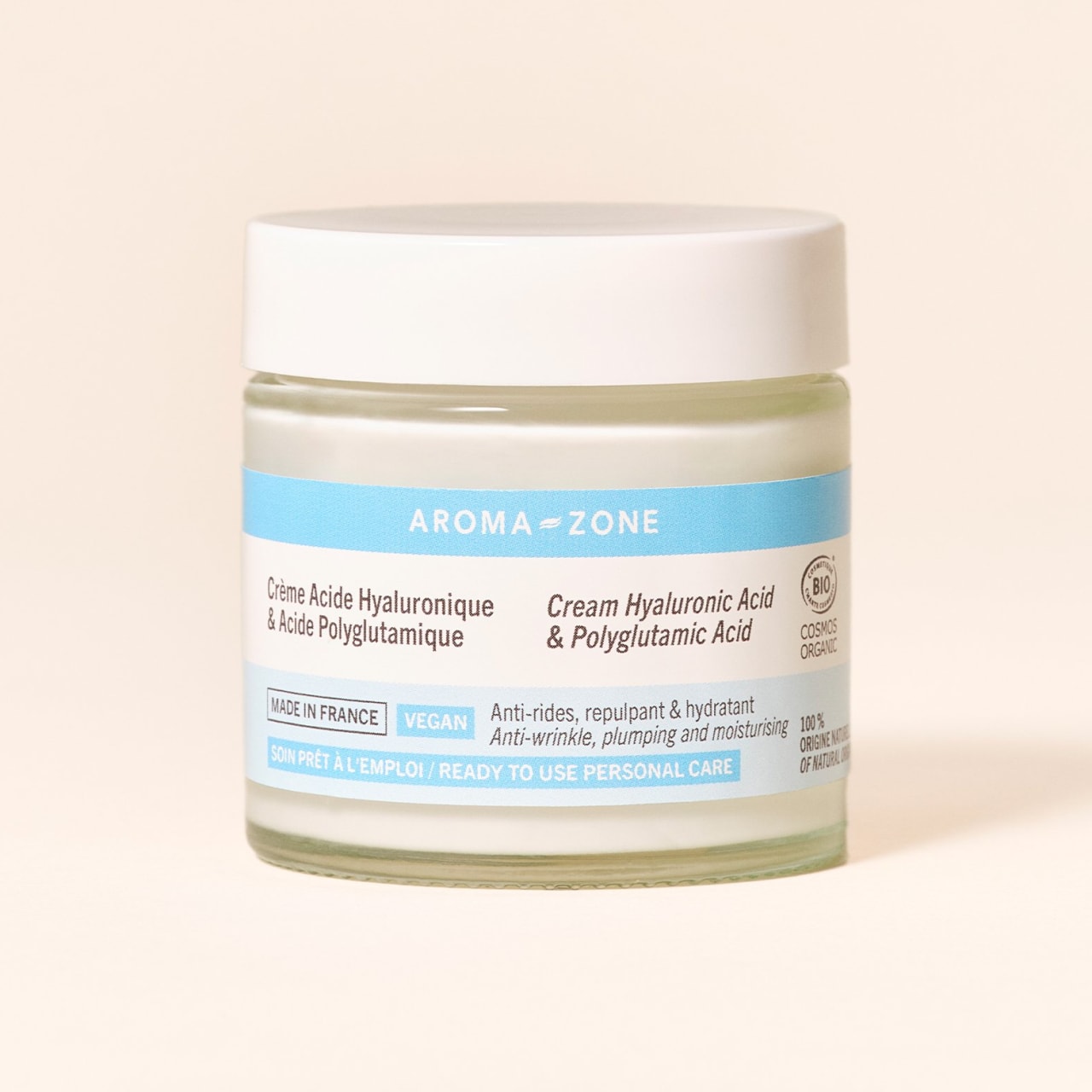
4. Moisturise and protect effectively. Finish with a generous dab of the Hyaluronic Acid and Polyglutamic Acid Cream to moisturise your skin for 48 hours and restore baby-soft, supple and plump skin.

Probiotics Balance & Skin Beauty - 30 capsules - Dietary supplement

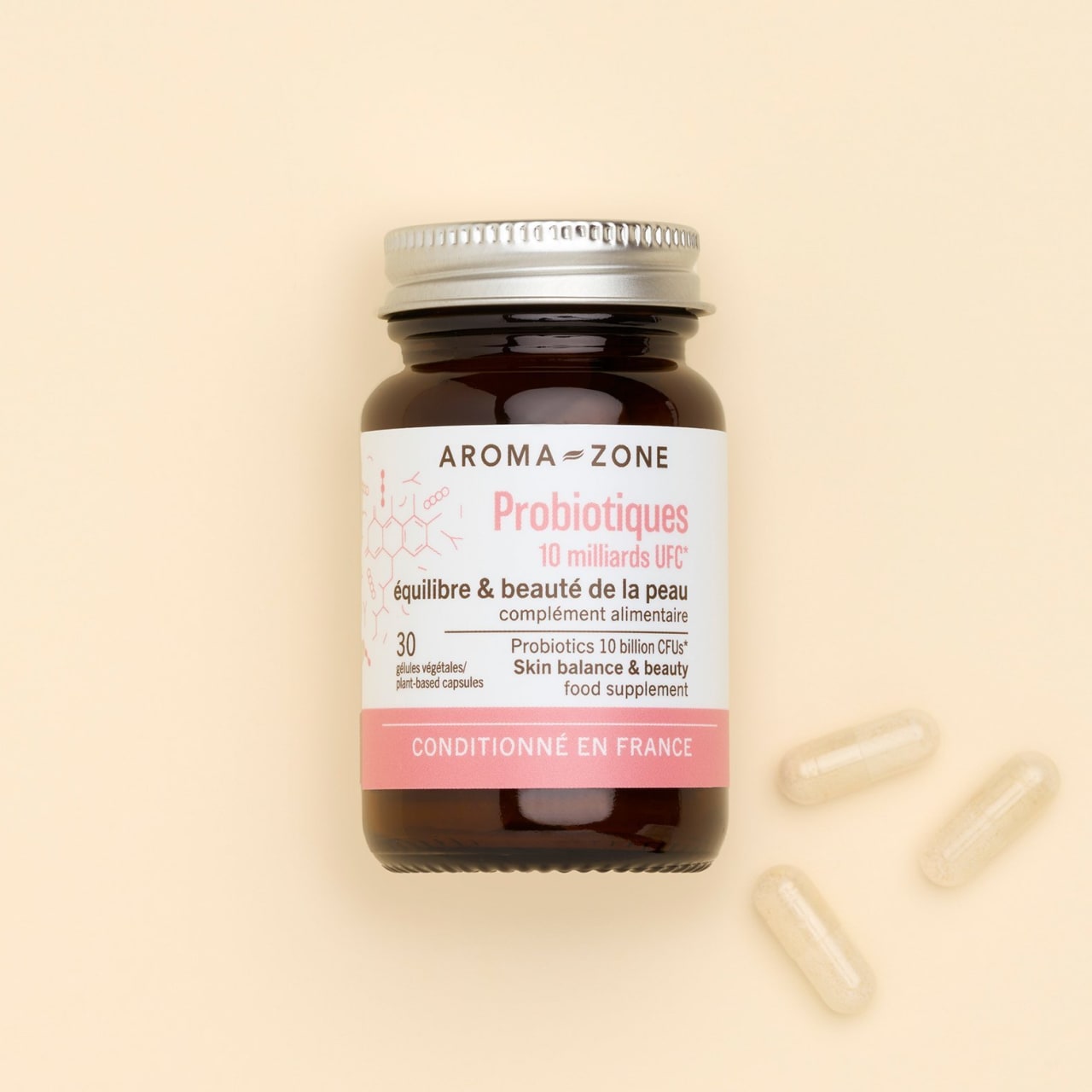
5. Support from within. The dietary supplement Probiotics for Skin Balance & Beauty combines six patented strains with clinically proven efficacy on blemish-prone and redness-prone skin, with naturally sourced vitamin B2, which helps maintain normal skin. Formulated with 10 billion CFU per capsule for optimal effectiveness, and presented in enteric-coated capsules for targeted release into the gut microbiota, it helps to rebalance the skin from within by acting on the gut-skin axis. Take one capsule a day, to be swallowed with a glass of water. For adults only; not recommended for pregnant or breastfeeding women.

Precautions

Always carry out a sensitivity test before using a new topical product. Apply a drop to an inconspicuous area of skin and wait 48 hours, monitoring your skin’s reaction. If your symptoms persist, or even worsen (e.g. redness that becomes more intense and spreads), we advise you to book an appointment with a dermatologist.

Expert advice

Adapting your routine to seasonal changes doesn’t mean you have to abandon your basic skincare habits. Even if they seem minor, they can make all the difference to the comfort of skin that feels like it can’t tolerate anything anymore. Here are a few examples: mist your skin with thermal water or a hydrosol to counteract the harmful effects of hard water; pat your skin dry straight away after cleansing rather than letting it air-dry; use a tissue to pat it dry rather than a terry towel (which harbours bacteria and is often too rough).

Focus on Our Writer: Hélène Betoux

Hélène Betoux is a French beauty journalist specialising in web media. Every day she writes tips, advice, and guides to help consumers choose the right beauty products. With a strong interest in natural, organic, and clean cosmetics, she analyses and shares trends and innovations in the sector.

Bibliography

  1. Seasonal Variability in the Biophysical Properties of Facial Skin: The Importance of Constant Temperature and Humidity for the Analysis of Skin Hydration in Busan

    Korea / Journal of the Korean Society of Dermatology, Jung-Eun SEOL; Gyeong-Je CHO; So-Hee PARK; In-Ho PARK; So-Young JUNG; Hyojin KIM. Korean Journal of Dermatology ; : 456–461, 2021. ID: wpr-901963

  2. Seo JY, You SW, Gu K-N, Kim H, Shin J-G, Leem S, Hwang BK, Kim Y and Kang NG

    (2023) Longitudinal study of the interplay between the skin barrier and facial microbiome over 1 year. Front. Microbiol. 14:1298632. doi: 10.3389/fmicb.2023.1298632

  3. Jiang W, Wang J, Zhang H, Xu Y, Jiang C, Yang J, Liu W, Tan Y. Seasonal changes in the physiological features of healthy and sensitive skin. J Cosmet Dermatol.

    June 2022;21(6):2581–2589. doi: 10.1111/jocd.14476. Epub 2 October 2021. PMID: 34599628.

  4. Bangle, James F et al. “Cutaneous microvascular function is reduced in winter compared with summer in healthy young adults.”

    Physiological Reports vol. 14,4 (2026): e70784. doi:10.14814/phy2.70784

  5. Aubdool AA, Brain SD. Neurovascular aspects of skin neurogenic inflammation.

    J Investig Dermatol Symp Proc. 2011 Dec;15(1):33–9. doi: 10.1038/jidsymp.2011.8. PMID: 22076325.

  6. Robin J., Practical Handbook of Cosmetology, Les Nouvelles Esthétiques, 2003.

  7. Duarte, Ida et al. “Sensitive skin: review of an ascending concept.”

    Anais brasileiros de dermatologia vol. 92,4 (2017): 521–525. doi:10.1590/abd1806-4841.201756111

  8. Herrero-Fernandez, Manuel et al.

    “Impact of Water Exposure and Temperature Changes on Skin Barrier Function.” Journal of Clinical Medicine vol. 11, no. 2, 298. 7 Jan. 2022, doi:10.3390/jcm11020298

Frequently Asked Questions

Frequently Asked Questions