
* TEWL: TransEpidermal Water Loss, which measures the amount of water that evaporates through the skin. A high rate indicates a compromised skin barrier.
What are the best moisturizing ingredients?
Published on: Monday, May 11, 2026, Updated on: Monday, October 12, 2026
Behind uncomfortable, tight, or reactive skin, there is most often a lack of skin hydration. However, hydrating the skin is not simply a matter of providing it with water: it is a complex mechanism involving several levels of the skin’s structure, from the stratum corneum to the intercellular lipid barrier. Recent studies highlight that effective hydration relies on the combination of three complementary mechanisms: the attraction and retention of water in the epidermis, the limitation of transepidermal water loss (TEWL*), and the maintenance of the skin barrier’s integrity (1, 2, 8). In this context, the choice of the best moisturizing ingredients is no accident: some molecules primarily act to attract water, others to restore the barrier, and still others to address both mechanisms simultaneously. An in-depth look at the most well-documented moisturizing ingredients to meet your actual hydration needs, regardless of your skin type.
Contents
Related products
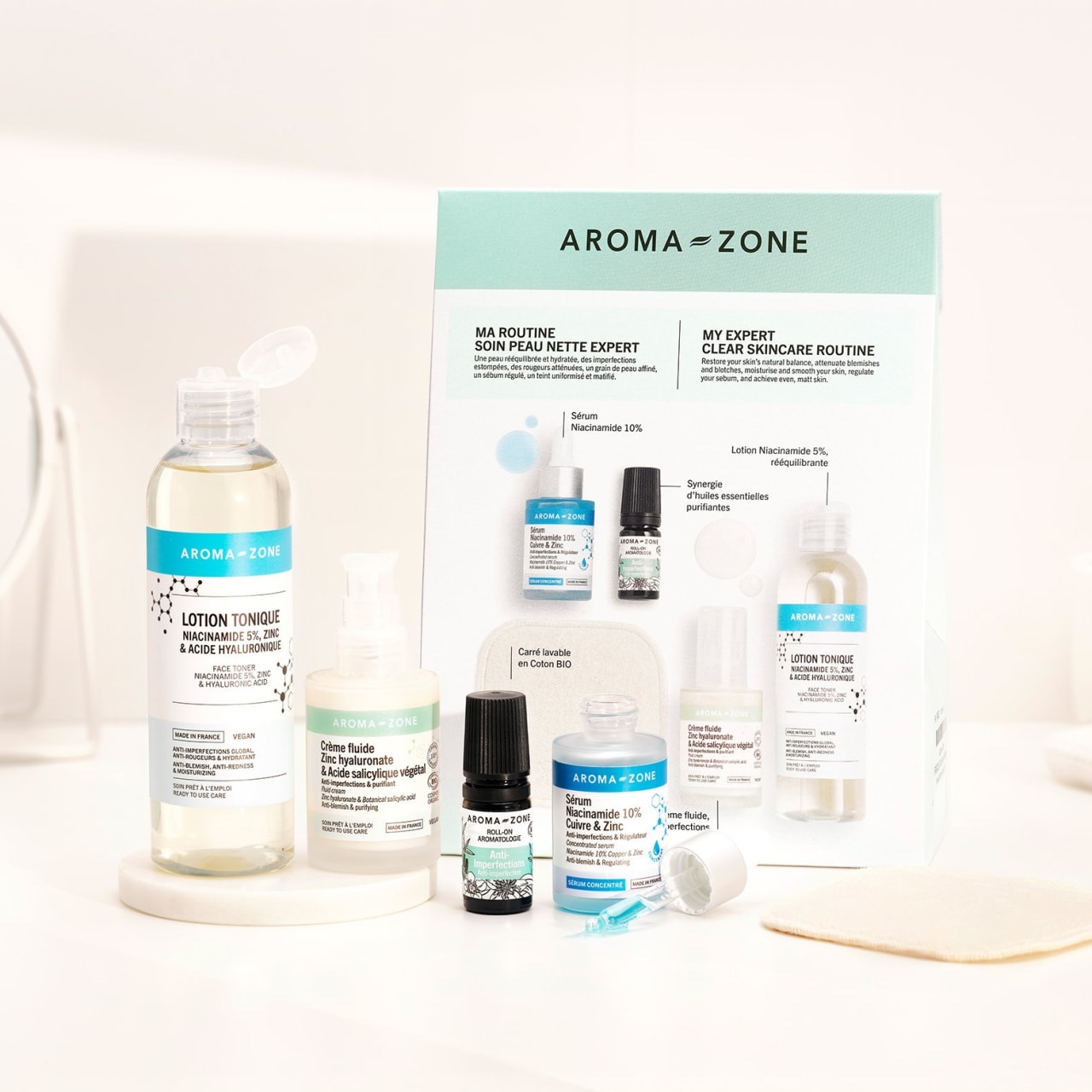
My Expert - Clear Skincare Routine
Anti-blemishes
£30.00
1 article
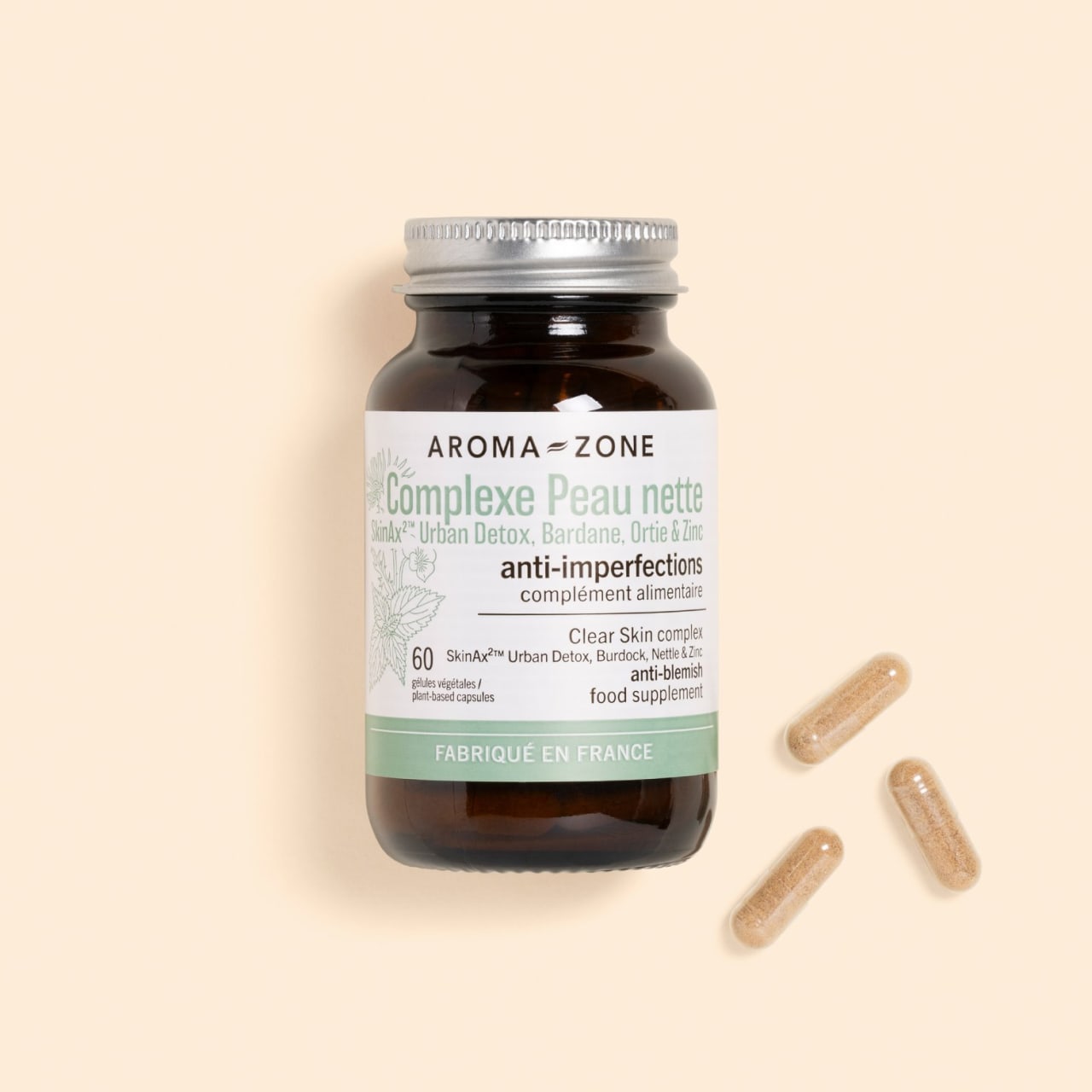
Clear Skin Complex - 60 Capsules
Anti-blemishes
Purifying
£17.00
article
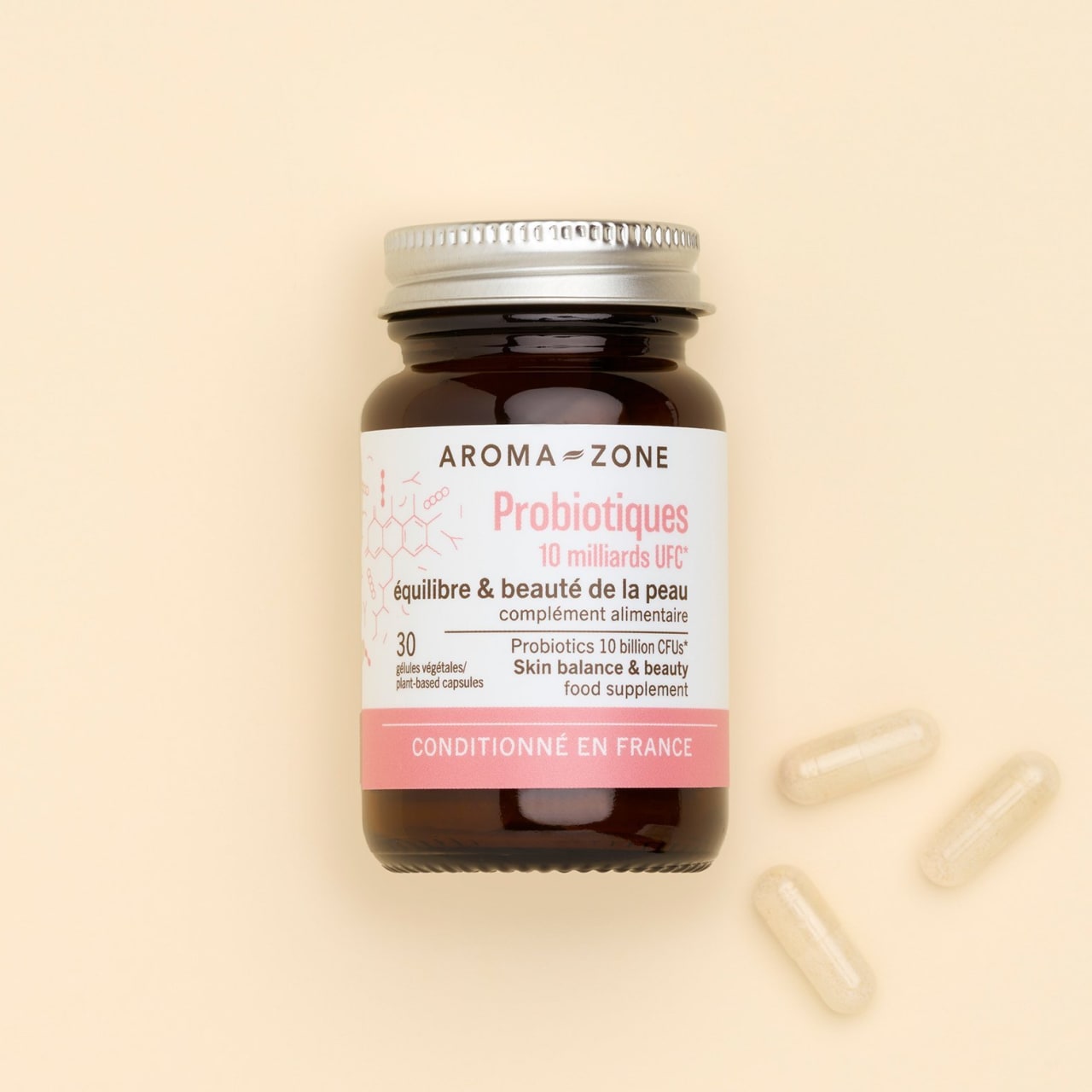
£16.00
article
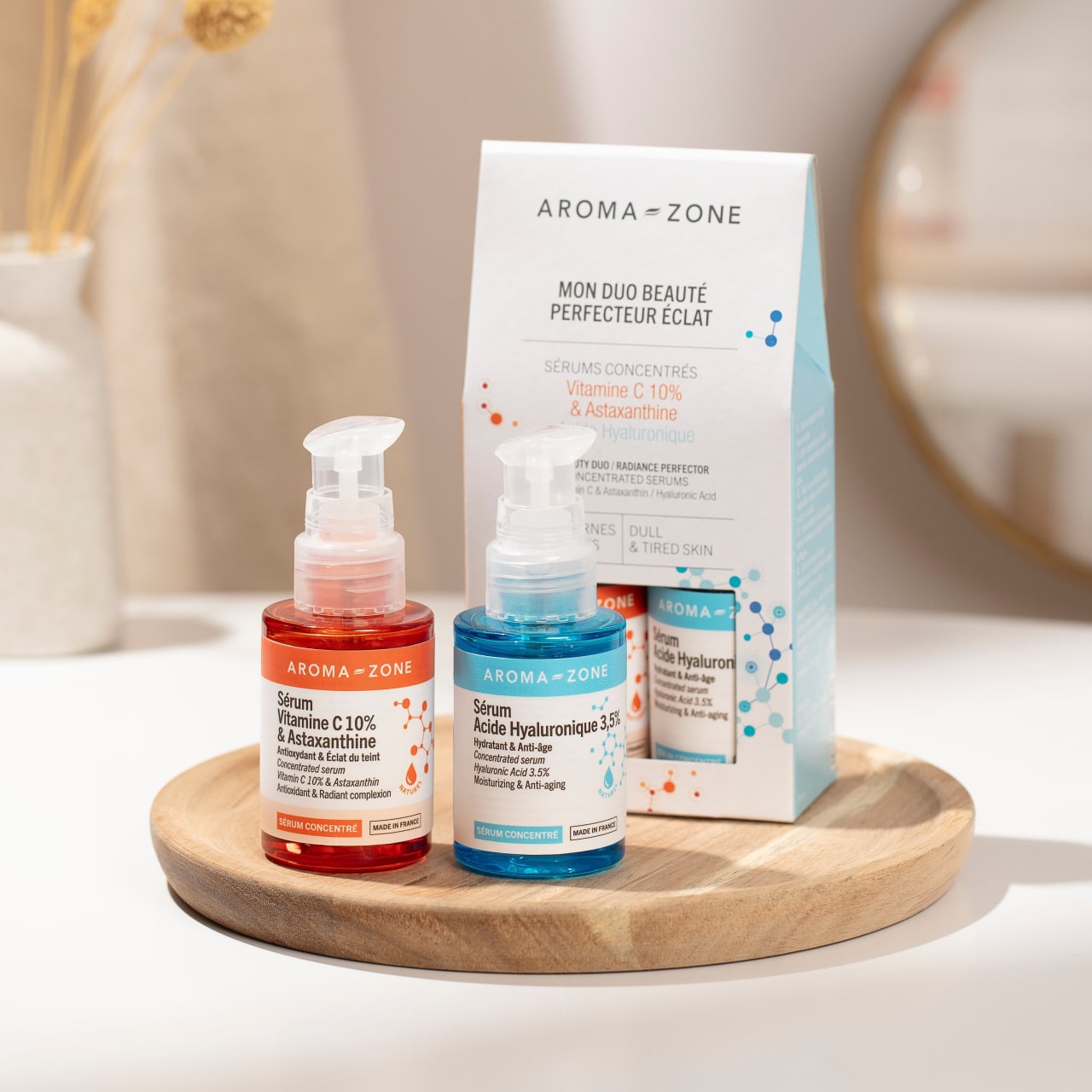
My Beauty Duo Radiance Perfector
Radiant complexion
Antioxidant
£15.50
1 article
In brief
In short:
Effective skin hydration relies on the combination of three complementary families of active ingredients: humectants that attract water, occlusives that retain it, and emollients that nourish the skin barrier.
When carefully selected and properly dosed, the best moisturizing active ingredients can restore skin comfort, regardless of skin type.
Learn how to identify them and combine them effectively in your skincare routine.
What is well-hydrated skin?
Well-hydrated skin well-hydrated skin is skin whose water content in the stratum corneum, measured by corneometry (a technique for measuring skin hydration using impedance measurement), remains within an optimal range, and whose skin barrier is sufficiently intact to limit water loss. It generally has a supple texture, a smooth surface, and reduced skin reactivity. (1, 8)
Natural moisturizing factors (NMF) play a fundamental role here. Naturally present in the cells of the stratum corneum, they are composed of amino acids, pyrrolidone carboxylic acid (PCA), lactic acid, urea, and other small hygroscopic molecules (which easily absorb moisture from the ambient air) that attract and retain water within the epidermis. Insufficient NMF production, whether genetic or age-related, directly contributes to skin dehydration (8).
Added to this is the intercellular lipid barrier, composed of ceramides, cholesterol, and free fatty acids in balanced proportions. When this barrier is compromised—by harsh detergents, extreme weather conditions, skin aging, or genetic predisposition—water loss increases significantly, creating a vicious cycle of skin discomfort (1, 2).
It is this understanding of the mechanisms—humectation, occlusion, and barrier repair—that allows us to select relevant active ingredients and integrate them coherently into a skincare routine.
Which ingredients are truly effective for dehydrated skin?
Effective skin hydration relies on the combination of three families of active ingredients with complementary mechanisms. Here are the most well-documented ones in each category: their full specifications are detailed in the table below.
Humectants: attracting and retaining water
These hygroscopic molecules capture water and lock it into the skin’s surface layers. They form the foundation of any moisturizing skincare product. The most effective: hyaluronic acid (a very powerful humectant capable of binding large amounts of water), glycerin (dual mechanism, excellent tolerance, well-documented), sodium PCA (a major component of the NMF, ideal for mature skin or skin exposed to dry environments), and low-concentration urea (a humectant and emollient, with keratolytic properties at higher doses) (2, 3, 8).
Occlusives: limiting water loss
They form a protective layer on the skin’s surface that slows evaporation (TEWL). Essential for dry skin or skin with a compromised barrier, they should be combined with humectants to optimize their effect. The essentials: shea butter (a gentle occlusive with nourishing and soothing properties) and ceramides (essential lipids of the stratum corneum, a deficiency of which is directly linked to increased TEWL) (1, 2, 5).
Emollients and soothing agents: nourishing and supporting the barrier
They fill intercellular spaces, improve suppleness, and act as an interface between humectants and occlusives. The most useful: panthenol (hydrating, soothing, and promoting skin barrier repair, with an exceptional tolerance profile), aloe vera (humectant and film-forming polysaccharides, lightweight, non-comedogenic), and prebiotics (support for the skin microbiome, relevant for sensitive or reactive skin) (4, 6, 7).
Summary table of moisturizing ingredients
The moisturizing ingredients presented below act on different and complementary mechanisms. The choice should be based on skin type, the severity of dryness, and tolerated textures, rather than on a “more is better” approach.
ACTIVES | Specific properties |
|---|---|
HYALURONIC ACID | Powerful humectant capable of retaining up to 1,000 times its weight in water, helping to hydrate the skin continuously without clogging pores. Available in high and low molecular weights with complementary effects. Suitable for all skin types, including oily and blemish-prone skin. |
GLYCERIN | Gentle, versatile plant-derived humectant, vegetable glycerin attracts moisture from the air and strengthens the skin barrier. Very well tolerated by all skin types, including sensitive skin. One of the most extensively documented active ingredients in dermatology for its moisturizing benefits. |
SODIUM PCA | Sodium salt of pyrrolidone carboxylic acid, a major component of the NMF (Natural Moisturizing Factor). Highly effective at binding water, with good skin compatibility. Particularly suitable for dehydrated and mature skin with depleted NMF reserves. |
UREA (LOW CONCENTRATION) | At concentrations below 10%, acts as a humectant by improving hydration, suppleness and comfort of the skin. At higher concentrations (10–40%), it develops keratolytic properties useful for very dry skin or hyperkeratosis. Clinically proven effectiveness supported by numerous studies. |
PANTHENOL (VITAMIN B5) | Precursor of vitamin B5, metabolized in the skin into pantothenate. Promotes hydration, soothes the skin and supports skin repair. Excellent tolerance profile, suitable for sensitive, irritated or sun-exposed skin. |
ALOE VERA | Contains polysaccharides with moisturizing and film-forming properties, soothing compounds and enzymes that support cell renewal. Lightweight, non-comedogenic texture. Ideal for combination to oily or dehydrated skin that does not tolerate rich textures well. |
NIACINAMIDE | Strengthens the skin barrier, may help reduce excess sebum and modulate inflammation. A versatile active ingredient particularly suitable for combination, oily, blemish-prone or dehydrated skin. Compatible with most other moisturizing active ingredients. |
PREBIOTICS | Support the balance of the skin microbiome and indirectly contribute to hydration by promoting skin barrier integrity. Particularly beneficial for sensitive, reactive skin or skin with an imbalanced microbiome. |
SHEA BUTTER | Rich in fatty acids and unsaponifiable compounds, it provides a gentle occlusive, nourishing and repairing effect. Helps restore the lipid barrier and reduce discomfort associated with dry skin. Its soothing action is beneficial for sensitive or atopic skin. |
CERAMIDES | Major lipids of the stratum corneum (approximately 50% of intercellular lipids), essential for maintaining the integrity of the skin barrier. Their topical application helps restore a compromised barrier and significantly reduce TEWL (transepidermal water loss). Essential for dry, atopic or mature skin. |
Which ingredients for which specific concerns?
We’ll help you make a clearer choice when selecting moisturizing ingredients, based on your skin type.
Dry skin
This might be your case if… Your skin feels rough to the touch, is sometimes flaky, uncomfortable, and chronically dull. Skin dryness indicates a lipid deficiency, often associated with a compromised skin barrier and high TEWL. It can worsen in winter or in air-conditioned environments (1, 2).
Key ingredients to look for: rich emollients like shea butter and occlusive agents like ceramides, to restore the lipid barrier and limit water loss. Low-concentration urea effectively complements this action by improving suppleness and facilitating the penetration of moisturizing ingredients. Glycerin and panthenol support daily skin comfort (2, 5, 7, 8).
Combination skin
This might be your case if… The T-zone (forehead, nose, chin) shows shine and enlarged pores, while the cheeks feel tight or uncomfortable. This paradoxical profile is common and requires a two-step approach, tailored to each area (1, 8).
Key ingredients to look for: hyaluronic acid and aloe vera as lightweight humectants, which hydrate without weighing the skin down or clogging pores. Niacinamide is particularly well-suited for this skin type: it regulates sebum in the T-zone while strengthening the skin barrier and hydrating dry areas. Avoid rich textures and occlusive butters on oily areas (3, 4, 9).
Oily skin
This might be your case if… Your skin is shiny first thing in the morning, pores are visible, and the texture feels thick. Contrary to popular belief, an oily skin can indeed be dehydrated—especially when overly harsh skincare products have damaged the skin barrier, leading to compensatory sebum overproduction (1, 8).
Key ingredients to look for: light, non-comedogenic humectants such as hyaluronic acid and Sodium PCA, which help maintain hydration in the stratum corneum and strengthen the skin barrier. Niacinamide is essential here for regulating sebum while reinforcing the barrier. Aloe vera is an excellent base for skincare, soothing and moisturizing without leaving a greasy residue (3, 4, 9).
Problem skin
This might be your case if… Breakouts (blackheads, inflammatory pimples) appear regularly, sometimes accompanied by tightness or increased sensitivity, a result of overly drying skincare products or prolonged use of strong purifying ingredients. A compromised skin barrier promotes inflammation and breakouts: moisturizing problem skin isn’t a luxury—it’s an essential step (1, 2).
Ingredients to turn to: Hyaluronic acid, which is non-comedogenic, hydrates without clogging pores. Niacinamide is likely the most relevant ingredient for this skin type: it hydrates, regulates sebum, and reduces inflammation simultaneously. Aloe vera soothes and hydrates without causing breakouts. Panthenol helps restore skin comfort and repair the skin barrier. Prebiotics support the microbiome, which is often disrupted in acne-prone skin (3, 4, 6, 7, 9). Avoid: rich plant butters and comedogenic oils on blemishes.
Mature skin
This may apply to you if… Mature skin lacks firmness, shows pronounced expression lines, and experiences increasing dryness. With age, NMF production decreases, the lipid barrier weakens, and the skin’s ability to retain water is significantly reduced (1, 8).
Key ingredients to look for: a combination of humectants (hyaluronic acid, Sodium PCA) and emollient-restoratives (ceramides, shea butter) to simultaneously address both compromised mechanisms. Panthenol complements this action by promoting cell regeneration. Niacinamide can also be included for its effect on skin tone evenness and barrier reinforcement (1, 2, 4, 5, 10).
These common mistakes that worsen skin dehydration
Certain well-intentioned practices or combinations of ingredients can perpetuate or worsen skin dehydration:
Over-exfoliating without compensating: Exfoliating ingredients (AHAs, salicylic acid, enzymes) accelerate cell turnover, but when used too frequently or at high concentrations without moisturizing support, they compromise the skin barrier and increase TEWL. Result: reactive, uncomfortable skin that is, paradoxically, duller. Always follow up with a moisturizing step after exfoliation (1,2).
Using cleansers that are too harsh: Aggressive surfactants remove not only impurities but also the intercellular lipids essential to the skin barrier. A cleanser that is too harsh can be enough to disrupt hydration, even if the skincare routine is otherwise appropriate (1).
Applying hyaluronic acid to completely dry skin: Hyaluronic acid is hygroscopic: when applied to completely dry skin in a low-humidity environment, it can temporarily draw water from the deeper layers to the surface and promote its evaporation. Best practice: apply it to slightly damp skin, then seal with an occlusive or emollient active ingredient. (3,8)
Stacking humectants without occlusives: Humectants alone are not enough to maintain long-lasting hydration. Without an occlusive or emollient layer to lock in the drawn-in water, it evaporates quickly. An effective moisturizing routine relies on combining both types of active ingredients. (2)
Neglecting the order of application: Hyaluronic acid applied directly after a concentrated AHA serum, without a waiting period, may see its effectiveness reduced due to pH incompatibility. Waiting 10 to 15 minutes between applications, or alternating them morning and night, helps optimize results.
Expert Opinion
"Naturally present in the skin barrier, hyaluronic acid acts like a sponge by retaining up to 1,000 times its weight in water, which helps hydrate and soften the skin. It is suitable for all skin types, and I recommend it especially for skin lacking hydration. Lightweight and non-comedogenic, it easily fits into any skincare routine without weighing down the skin and can be applied both morning and night."
@docteur_skin, dermatologist and member of the Aroma-Zone College of Dermatologists
"Gently exfoliate 2 or 3 times a week, leaving the Papaya and Vitamin C Enzymatic Cleansing Powder on for 1 to 3 minutes before rinsing to remove dead skin cells and allow moisturizing ingredients to penetrate effectively."
Pascale Ruberti, Director of Innovation & Products at Aroma-Zone
Our related products
The ingredients presented can be incorporated into custom formulations or used in ready-to-use skincare products, depending on the desired level of simplicity.
Our cosmetic active ingredients
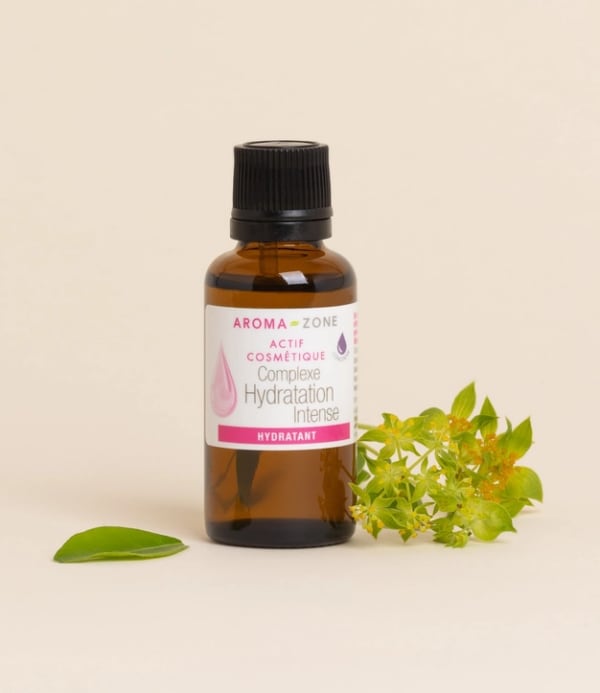
Intense Hydration Active Complex
This active ingredient replicates the skin’s natural moisturizing factor (NMF) by combining several synergistic components. Ultra-effective and versatile, it can be incorporated into all types of formulations—creams, gels, lotions, and foaming products—for the face, body, and hair. Dosage: 1–3% in your aqueous formulations.
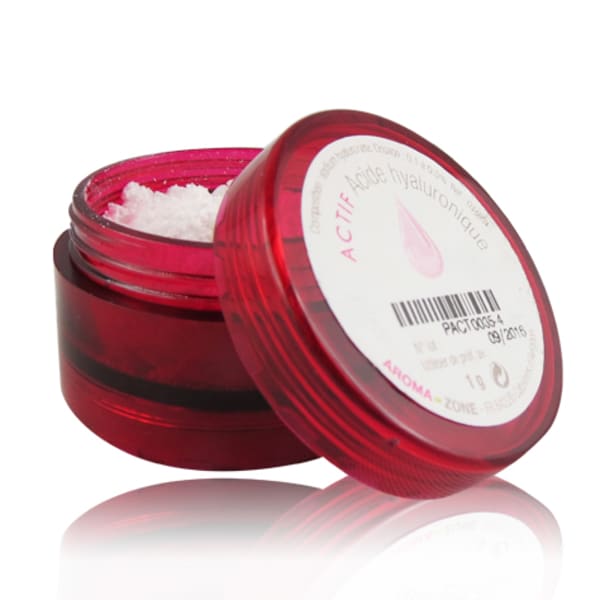
Natural hyaluronic acid active ingredient
High-end and highly effective even at low doses, this ingredient intensely hydrates and plumps the skin. A must-have in your lifting, firming, and anti-wrinkle moisturizers for the face and décolletage. Dosage: 0.1 to 0.5% in your aqueous formulations.
Fucocer active ingredient
Rich in polysaccharides of French origin, this 100% natural active ingredient hydrates, soothes, and restructures the skin while providing a soft feel. It also offers anti-aging potential through its action on sirtuins, the “longevity proteins.” Dosage: 0.1 to 20% in your aqueous formulations.
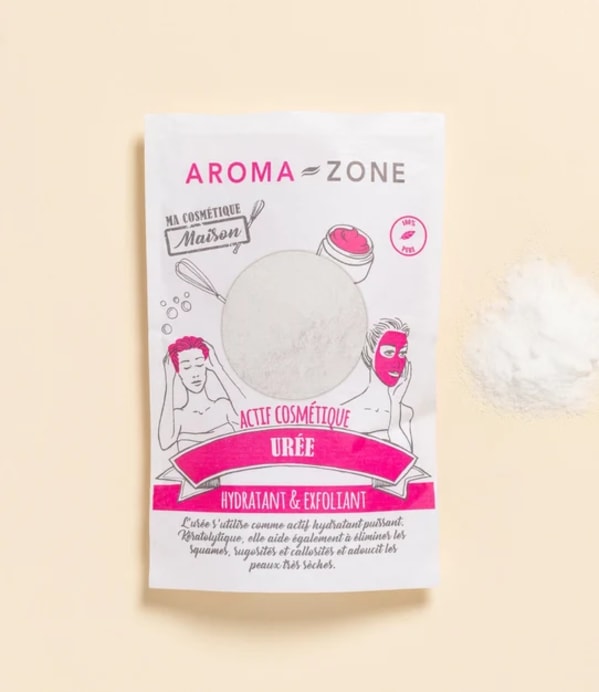
Urea
A natural component of the NMF, urea is known for its intense moisturizing properties and its keratolytic effect in cosmetics. It restores suppleness and softness to very dry, rough, or flaky skin, and is a good alternative to AHAs for smoothing out irregularities. Recommended concentration: 1–5% for moisturizing use; 5–10% for a moisturizing and keratolytic effect.
Discover the Urea Active Ingredient
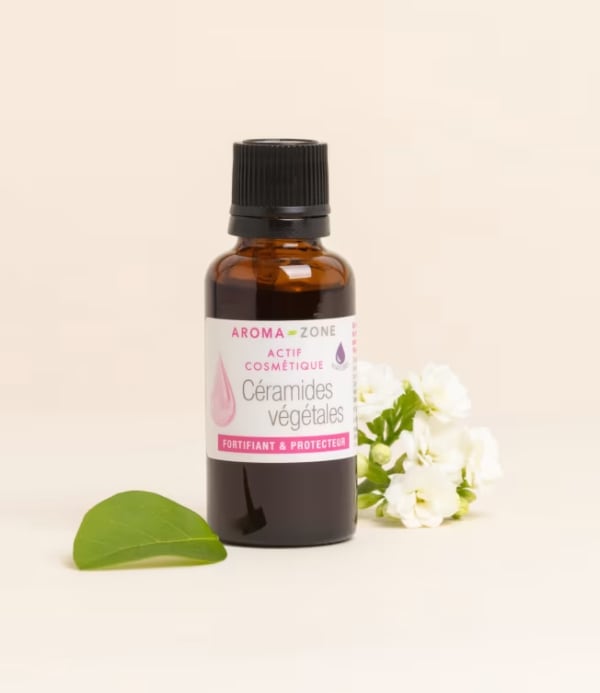
Plant-derived ceramides
Derived from sunflower oil, these plant-based ceramides protect against dehydration and restore the skin’s hydrolipidic film. They blend easily into your creams, lotions, and gels to strengthen the skin barrier. Dosage: 1–5% in your aqueous formulations.
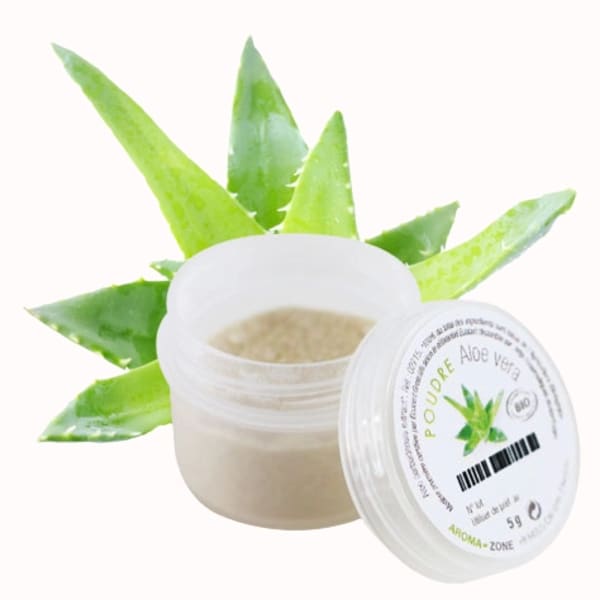
Organic Aloe Vera Powder Active Ingredient
Obtained through freeze-drying and concentrated 200 times, this powder captures all the benefits of Aloe vera: hydration, soothing, and regeneration. It easily rehydrates in water and can be incorporated into all your homemade water-based skincare products. Dosage: 0.1 to 0.5% in your water-based formulas.
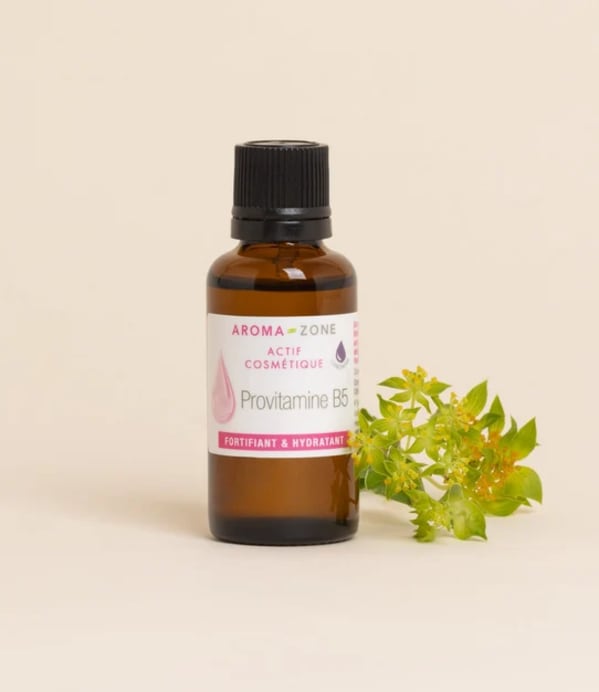
Provitamin B5 (panthenol)
Panthenol is a reparative and soothing active ingredient with documented moisturizing properties. It can be used in both your face and body care products as well as in your hair care formulations for its fortifying benefits. Dosage: 2 to 5% in your aqueous formulations.
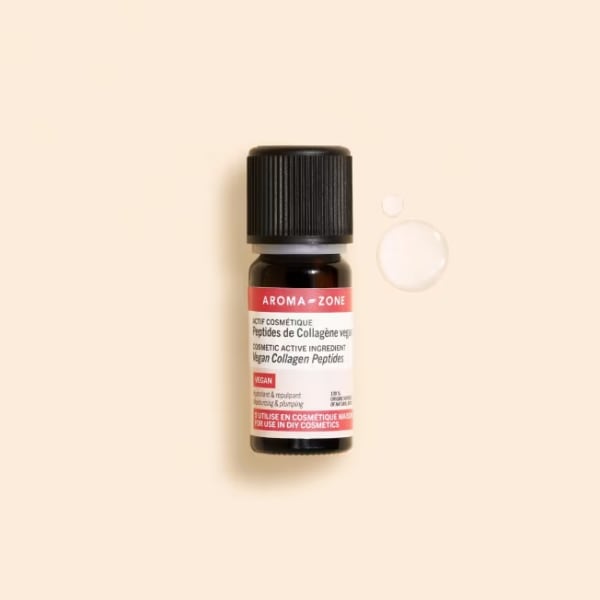
Vegan collagen peptide active ingredient
Composed of plant-derived amino acids, this active ingredient replicates the effects of collagen on the skin: hydration, enhanced skin density, and reduced water loss. Ideal for dry and mature skin. Dosage: 1 to 10% in your aqueous formulations.
Discover the Vegan Collagen Peptides Cosmetic Active Ingredient
Our ready-to-use formulas
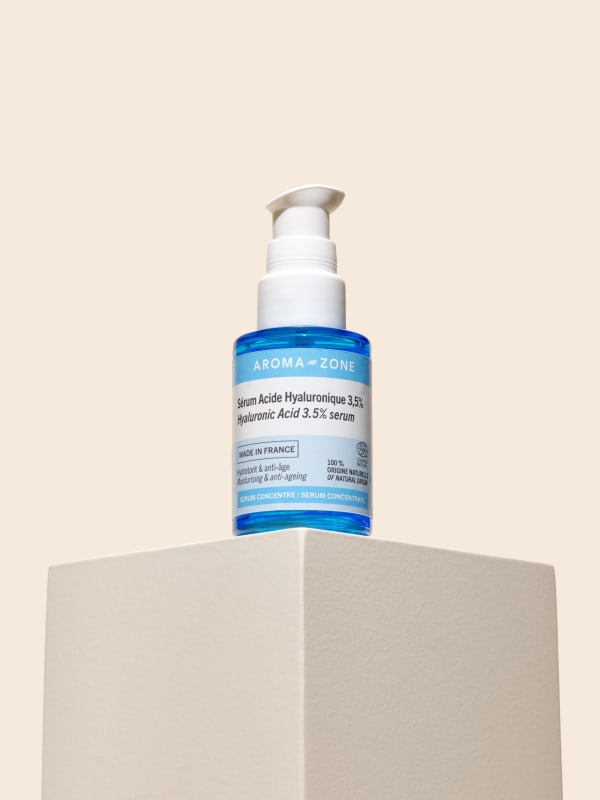
3.5% Hyaluronic Acid Concentrated Serum
One of the most concentrated HA serums on the market, 100% naturally derived. Its fresh, gel-like texture absorbs instantly to smooth, hydrate, and plump the skin. Proven efficacy on wrinkles, hydration, and elasticity. Use it undiluted or customize it with active ingredients.
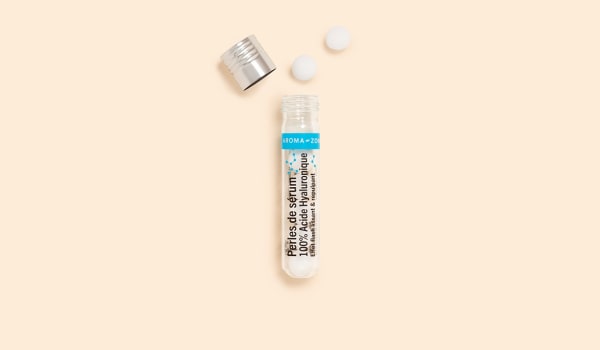
100% Hyaluronic Acid Serum Pearls
These pearls encapsulate four different molecular weights of 100% pure hyaluronic acid using innovative freeze-drying technology. Instant smoothing and plumping effect with a single application, or a 7-day intensive treatment for long-lasting hydration and visible results on signs of aging.
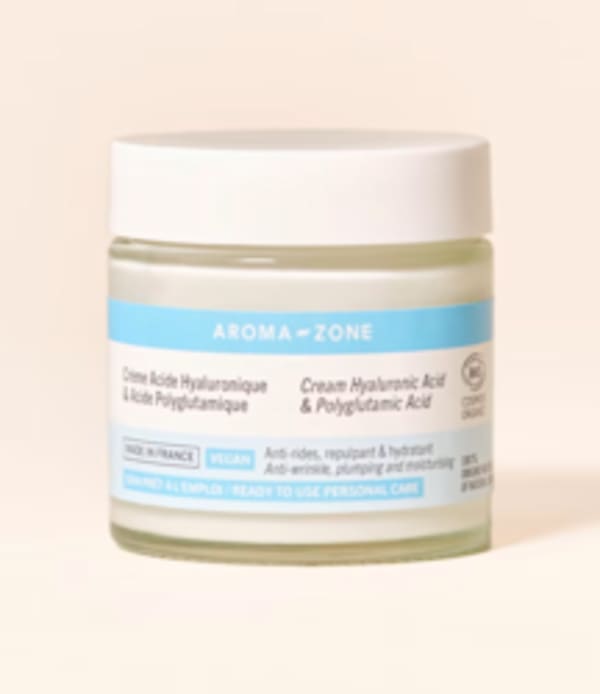
Hyaluronic Acid & Polyglutamic Acid Cream
This clinically proven and dermatologically tested face cream combines next-generation hyaluronic acid and polyglutamic acid for up to 48 hours of hydration. The result: soft, supple, and plump skin.
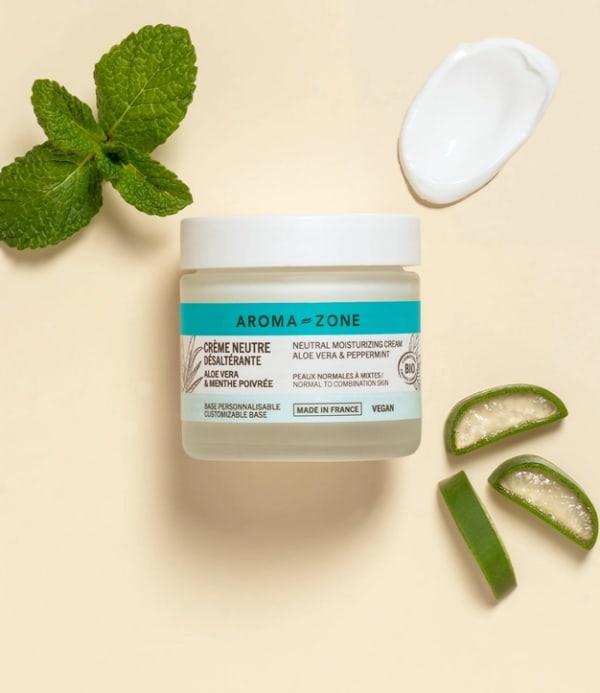
Organic Thirst-Quenching Face and Body Cream
Certified organic and 100% natural, this cream enriched with aloe vera and peppermint hydrosol provides intense hydration for up to 8 hours. Light, non-greasy texture, suitable for sensitive skin. Use it as is or customize it with your own active ingredients and essential oils.
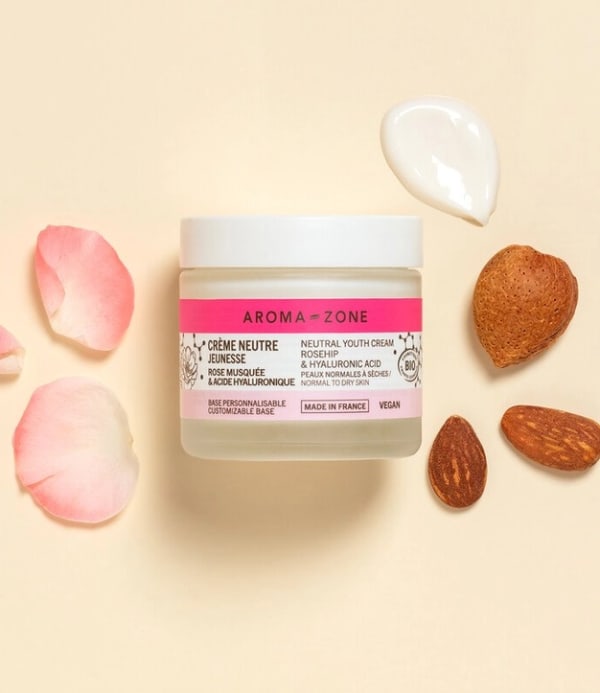
Organic Youth Face and Body Cream
A complete anti-aging, smoothing, and plumping skincare product, certified organic. It combines rosehip oil and hyaluronic acid for supple, soft, and visibly younger-looking skin. Customizable with your active ingredients according to your needs.
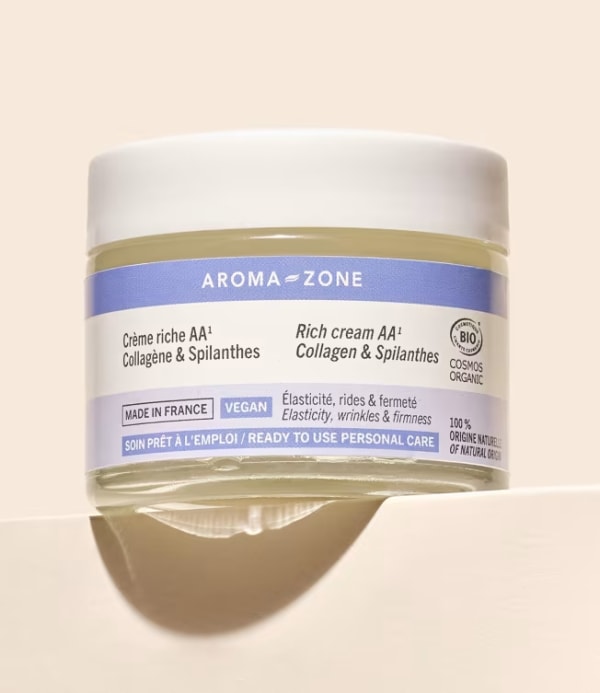
Rich Vegan Collagen & Organic Spilanthes Cream
Designed for mature skin, this certified organic cream—proven effective against 8 signs of aging—combines firming vegan collagen, Spilanthes extract with a plant-based Botox effect, and plumping hyaluronic acid. For redensified, smoothed, and hydrated skin.
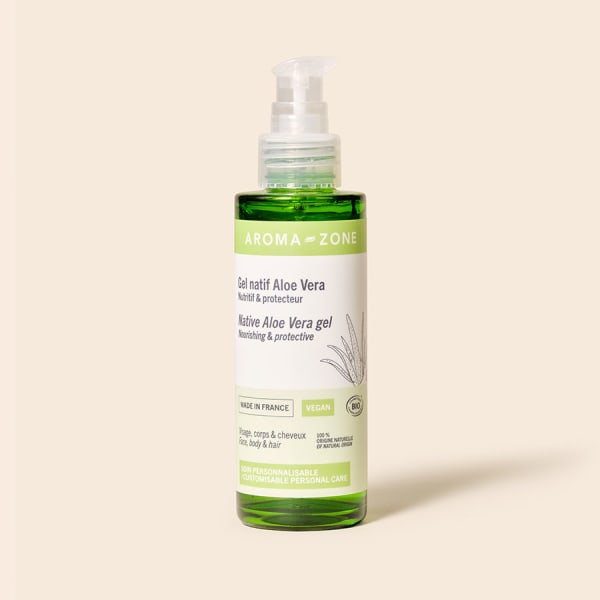
Organic Aloe Vera Native Gel
100% natural and with a guaranteed concentration of aloeverose, this gel hydrates, soothes irritation, and regenerates the skin. It can be used undiluted on the skin and hair or as a base for your homemade skincare products. Ideal after sun exposure or for reactive skin.
Discover the Organic Aloe Vera Gel
Community Insights
At Aroma-Zone, community feedback on the highest-rated moisturizers complements our experts’ work and confirms the long-term effectiveness of these products:
"You’ve always been my favorites—prices, products, and customer service, everything is perfect! I’m particularly thrilled with the hyaluronic acid cream, which is, I think, the best cream I’ve ever had. And it was also here that I finally found the urea ingredient I’d been searching for for so long!” Anima, April 7, 2026
"As soon as I need a skincare product, I don’t hesitate: I head straight to Aroma-Zone. Moisturizing face cream, hand cream, etc.... Very satisfied with the quality, selection, and products offered." Mia, February 2, 2026
Precautions
Humectants such as hyaluronic acid and glycerin are well-tolerated by the vast majority of skin types. In cases of very sensitive skin or an unusual reaction, it is recommended to test the product on the inner elbow for 48 hours before applying it to the face. Certain ingredients, such as high-concentration urea or panthenol in individuals with a known allergy to pantothenic acid, require special caution. Consult a healthcare professional if you have a skin condition before incorporating new ingredients into your skincare routine.
Expert advice
Well-hydrated skin is not skin flooded with active ingredients. The effectiveness of a moisturizing routine depends above all on the consistency of the combination of humectants and occlusives or emollients, and on regular application. The order of application also matters: applying the best moisturizing ingredients to slightly damp skin, starting with the lightest and moving to the most nourishing, helps optimize their effectiveness. Consistent use and paying attention to your skin’s signals remain essential factors.
Spotlight on Our Writer: Louise Hourcade

After graduating from ESCP Business School in 2020, Louise began her career as a writer in 2021. Today, she writes a newsletter where she shares cultural recommendations and more personal articles, such as dating apps, therapy, and career guidance. She also writes for the media, brands and agencies on subjects such as well-being, mental health, culture, and society.
Bibliography
Proksch E, Brandner JM, Jensen JM. The skin: an indispensable barrier. Experimental Dermatology (2008):
https://doi.org/10.1111/j.1600-0625.2008.00786.x
Lodén M. Role of topical emollients and moisturizers in the treatment of dry skin barrier disorders. American Journal of Clinical Dermatology (2003):
https://doi.org/10.2165/00128071-200304110-00005
Papakonstantinou E, Roth M, Karakiulakis G. Hyaluronic acid: a key molecule in skin aging. Dermato-Endocrinology (2012):
https://doi.org/10.4161/derm.21923
Dal'Belo SE, Gaspar LR, Maia-Campos PMBG. Moisturizing effect of cosmetic formulations containing Aloe vera extract in different concentrations assessed by skin bioengineering techniques. Skin Research and Technology (2006):
https://doi.org/10.1111/j.0909-752X.2006.00155.x
Akihisa T, Kojima N, Kikuchi T, Yasukawa K, Tokuda H, T Masters E, Manosroi A, Manosroi J. Anti-inflammatory and chemopreventive effects of triterpene cinnamates and acetates from shea fat. Journal of Oleo Science (2010):
https://doi.org/10.5650/jos.59.273
Grice EA, Segre JA. The skin microbiome. Nature Reviews Microbiology (2011):
https://doi.org/10.1038/nrmicro2537
Ebner F, Heller A, Rippke F, Tausch I. Topical use of dexpanthenol in skin disorders. American Journal of Clinical Dermatology (2002):
https://pubmed.ncbi.nlm.nih.gov/12113650/
Verdier-Sévrain S, Bonté F. Skin hydration: a review on its molecular mechanisms. Journal of Cosmetic Dermatology (2007):
https://pubmed.ncbi.nlm.nih.gov/17524122/
Bissett DL, Oblong JE, Berge CA. Niacinamide: a B vitamin that improves the appearance of aging facial skin. Dermatologic Surgery (2005):
https://pubmed.ncbi.nlm.nih.gov/16029679/
https://fr.trustpilot.com/users/5f2aaf43def28ca7f49e6d54
https://fr.trustpilot.com/reviews/69d4e194bddd7a39978d5e9f
https://fr.trustpilot.com/reviews/6998bbc2852add20313597d3



