



Metabolic recalibration: what is it?

You may have heard about metabolism and its importance for weight and health. Metabolic recalibration is indeed a relatively new and innovative nutritional approach. What exactly does this method involve? It aims to readjust the body’s various mechanisms to promote greater well-being and sustainable balance. Discover how to boost your metabolism, the good reasons to do so, and what routine to adopt. 

Reading time: 0 min.

What is metabolic recalibration?

First, it’s important to understand what metabolism is. Metabolism refers to the set of chemical reactions that occur in the body to maintain all vital functions: respiration, digestion, circulatory systems (lymphatic and blood), thermogenesis, which corresponds to the regulation of body temperature, cell renewal, etc. In other words, it is the body’s “engine,” the process that converts the food you eat into usable energy.

There are two processes:

  • Catabolism: the breakdown of nutrients (carbohydrates, fats, proteins) to produce energy.

  • Anabolism: the production of compounds necessary for the growth and repair of tissues (such as muscles).

Basal Metabolism (or BMR) represents the amount of energy, in calories, that the body expends at rest, and therefore the minimum amount of energy it needs. On average, basal metabolism accounts for 60 to 75% of your total energy expenditure, excluding the various activities you may perform each day. The higher your basal metabolism, the more calories you burn naturally.

Several factors influence your metabolism :

  • Gender: whether you are a man or a woman

  • Weight

  • Height

  • Age 

  • Body composition: distribution of muscle mass and fat mass

  • Level of physical activity 

  • Hormonal health 

  • Hereditary (genetic) factors

  • Diet

Metabolic recalibration, or a "metabolic reset," therefore involves addressing some of these factors—such as diet or exercise—to better boost metabolism and burn more energy on a daily basis. It is a useful strategy for weight loss, but not only for that purpose.
Why boost your metabolism?

A true cornerstone of our health, here are 4 good reasons to start a metabolic reboot

For more vitality: A more active metabolism helps the body better process ingested food after digestion—extracting nutrients, vitamins, and minerals. Thanks to improved mitochondrial activity within each cell, fatigue becomes less persistent and productivity increases.

For weight loss : Studies show that an active metabolism could increase fat burning by 5 to 15% and thus facilitate weight loss when adjusting your diet. When the body burns more calories at rest, it is less likely to store excess calories as fat.

For a stable, healthy weight: Metabolic recalibration helps you better manage your weight, as it directly influences how your body burns calories. A balanced metabolism is essential to avoid the weight fluctuations that are very common after weight loss, precisely because energy expenditure decreases as body weight decreases.

To age better and prevent metabolic disorders: Recalibration contributes to a better quality of life, longer-lasting mobility, and aging in good health. By boosting your metabolism, you improve insulin sensitivity, reduce inflammation, and support cardiovascular health.

What are the benefits of boosting your metabolism?

Rebalancing your metabolism offers multiple benefits. Here are the main benefits:

  • Optimizing fat loss

  • Facilitate weight loss and limit the yo-yo effect

  • Better energy management

  • Preserving muscle mass

  • Regulate appetite

  • Improve cardiovascular health

  • Support hormonal health

  • Optimize digestion

  • Prevent metabolic disorders

  • Strengthening the immune system

  • Improved skin, hair, and nail health

  • Better athletic recovery

  • Improved mental performance

What other natural solutions can you try to speed up your metabolism?

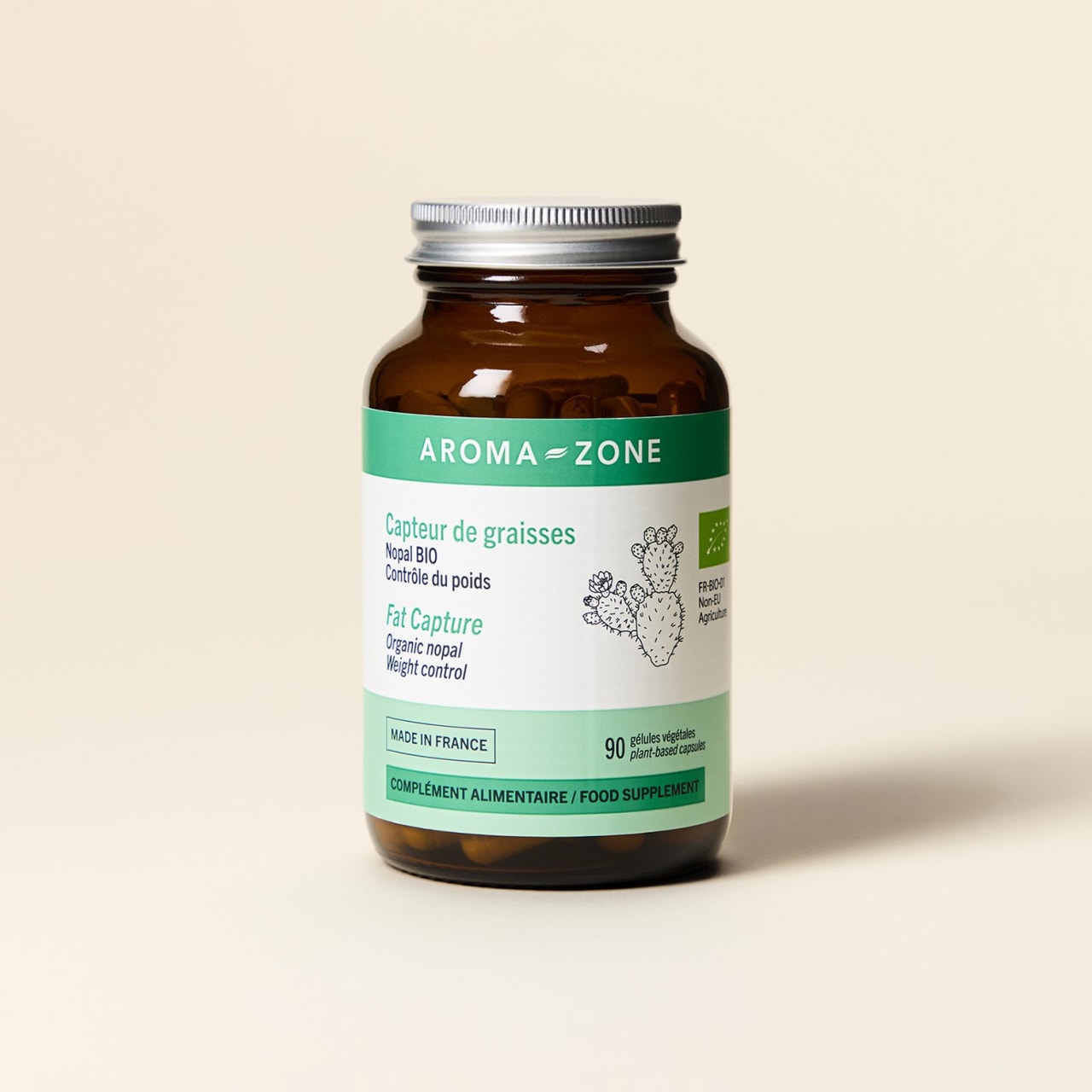
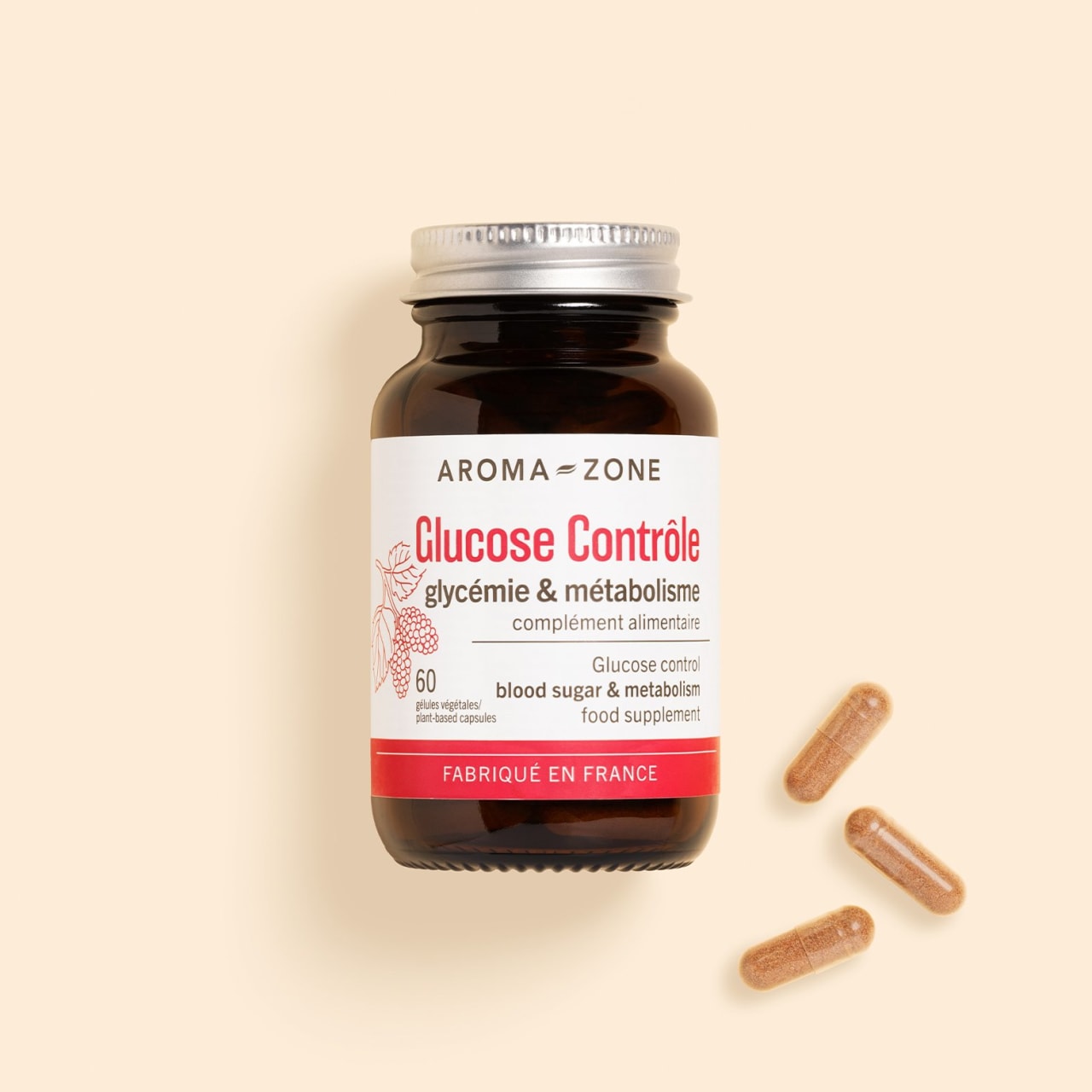
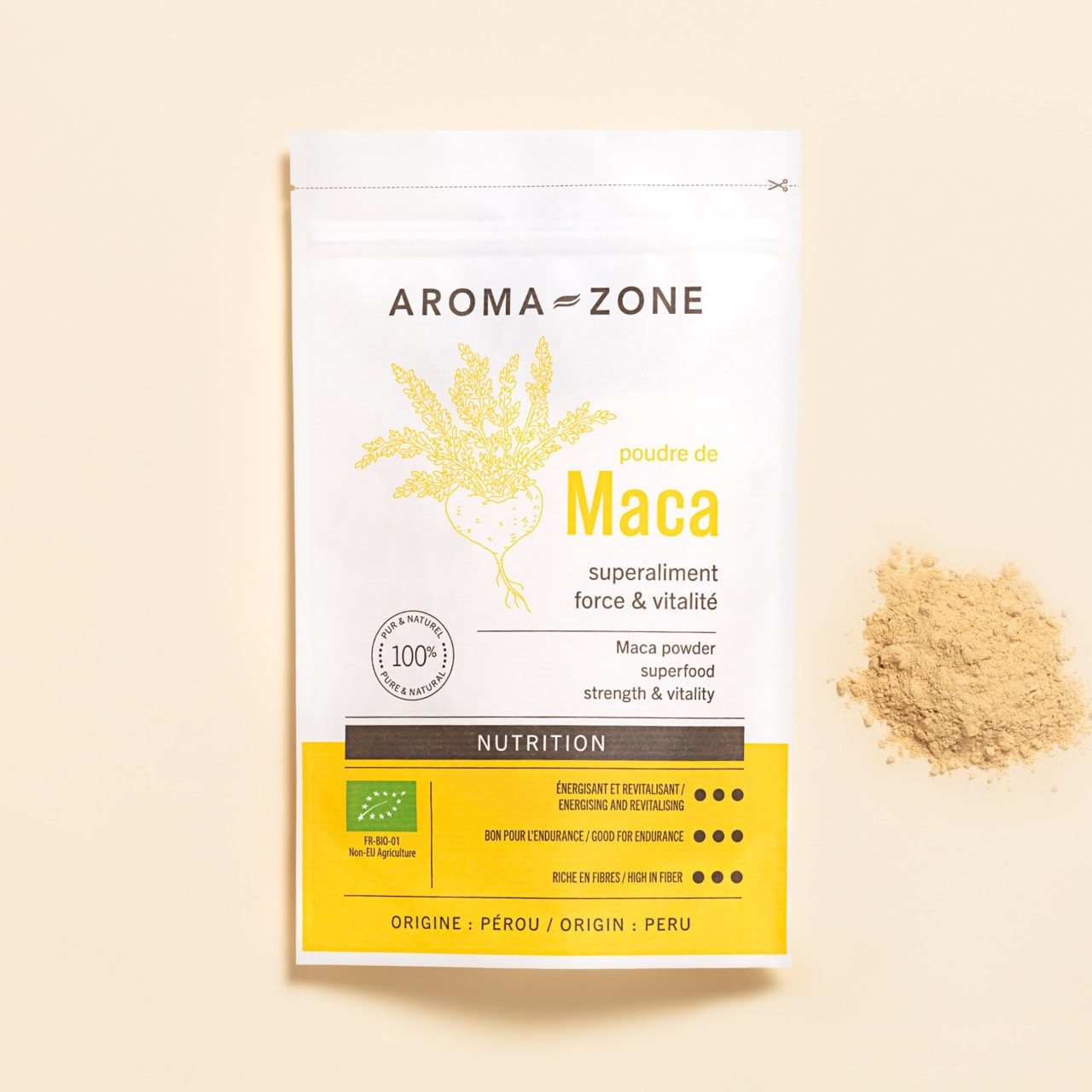
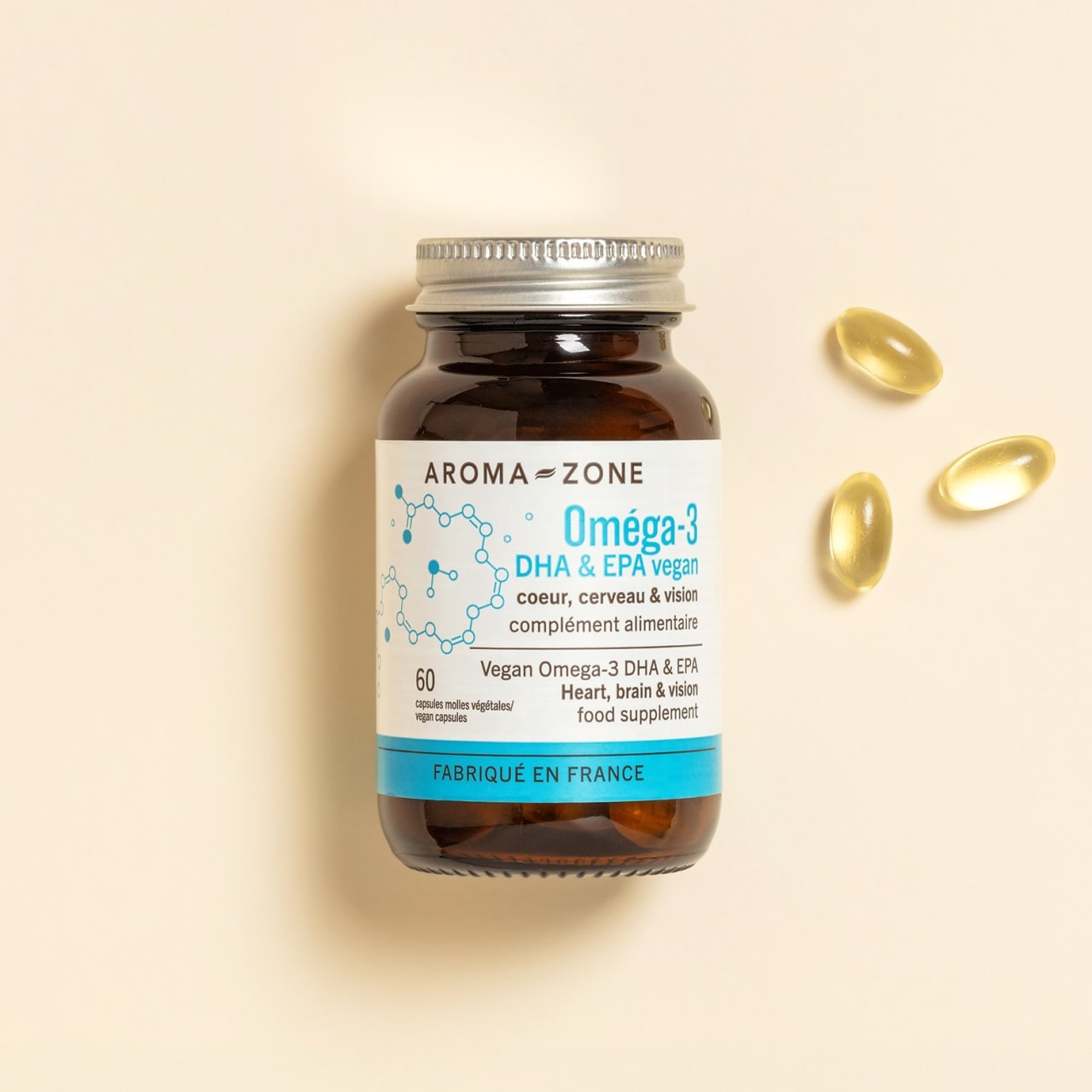
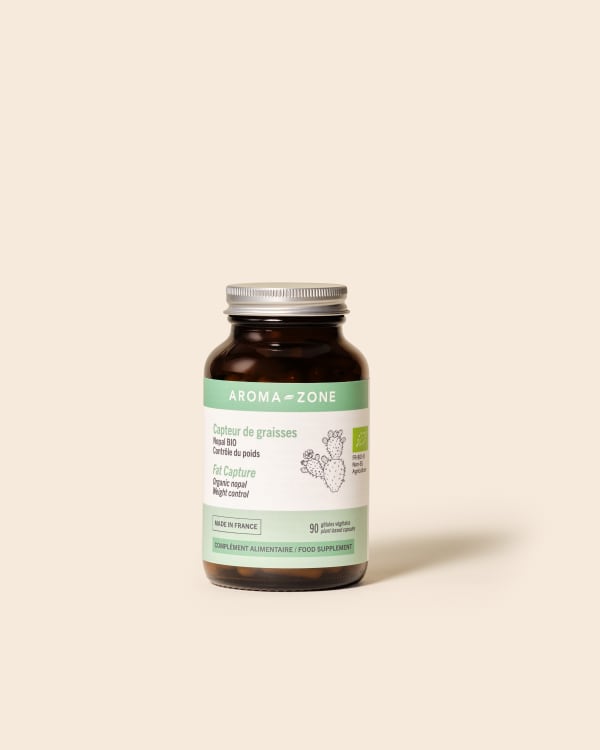
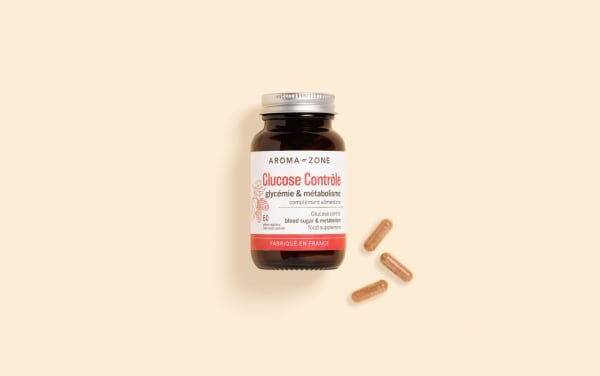
As a supplement to a balanced routine, certain ingredients can help you boost your metabolism. Here is a selection of 3 natural solutions from our Aroma-Zone range: 

How can you boost your metabolism?

There are several good habits that can help boost your metabolism:

What routine should you adopt to boost a slow metabolism?

  1. Morning Routine: Gently wake up your body. Start the day with a hot, energizing drink: 1 long black coffee. For lunch, enjoy fatty fish served with green vegetables and roasted sweet potato cubes. Add spices, herbs, and seasonings to spice up your dish

  2. Afternoon: Stay hydrated with a herbal tea of your choice, and if you get a little hungry, snack on a piece of fresh fruit and a handful of mixed nuts—almonds, walnuts, hazelnuts… As soon as work is over, take the opportunity to get moving by doing an activity you enjoy (dance class, Zumba, fitness, weight training) or to clear your head with a brisk 20- to 30-minute walk outdoors.

  3. Evening routine: light dinner and relax. For a change, prepare a meal rich in plant-based protein, made with legumes and whole grains, along with vegetables, and sprinkle 1 teaspoon of chia seeds. Prepare for sleep with 1 cup of soothing herbal tea and treat yourself to 5 minutes of deep breathing, a heart coherence exercise with calming benefits

Contraindications

Dietary supplements are intended for adults only and are not a substitute for a varied and balanced diet. Be sure to follow the recommended dosages.

If you are pregnant or breastfeeding, or if you are taking medication, consult your doctor.

Expert advice

To avoid disrupting your metabolism, steer clear of yo-yo dieting or overly strict calorie restrictions, which can permanently slow down your basal metabolic rate. Allow yourself one or two snacks a day, rather than large meals that may put extra strain on your digestive system. Finally, consult a dietitian if you’re having trouble losing weight to find the metabolic rebalancing approach that works best for you. You can also get a blood test to check for nutritional deficiencies and thyroid hormone levels. 

Learn more

How do you perform metabolic recalibration?

Metabolic recalibration is based on a holistic approach to rebalancing bodily functions. Here are the main dietary and lifestyle tips:

  • Staying well-hydrated

  • A balanced diet

  • Quality and sufficient sleep

  • Effective stress management

  • Daily physical activity

Which foods boost metabolism?

Certain foods help boost metabolism, such as: spices, green tea, coffee, high-fiber foods, and seeds.

Spotlight on our nutrition specialist, Raquel BARROS

Passionate about nutrition and wellness, it was above all her love of food and desire to share that led Raquel to make dietetics her career. With a BTS degree and a specialization in sports nutrition, she discovered the world of natural solutions (dietary supplements, oligotherapy, etc.) while working at various pharmaceutical companies. In recent years, she has added nutritional coaching and writing articles to her toolkit to satisfy both the taste buds and the thirst for knowledge of those who need it. Women’s health, anti-inflammatory diets, sports, and balanced nutrition are, among others, her favorite topics.

Bibliography

1

Ravussin, E., Lillioja, S., Anderson, T. E., Christin, L., & Bogardus, C., Determinants of 24-hour energy expenditure in man. Methods and results using a respiratory chamber, Journal of Clinical Investigation, 1986

2

Astrup, A., Gotzsche, P. C., van de Werken, K., Ranneries, C., Toubro, S., Raben, A., & Buemann, B., Meta-analysis of resting metabolic rate in formerly obese subjects, American Journal of Clinical Nutrition, 1999

3

Westerterp-Plantenga, M. S., Nieuwenhuizen, A., Tome, D., Soenen, S., & Westerterp, K. R., Dietary protein, weight loss, and weight maintenance, Annual Review of Nutrition, 2009

4

Ho KKY, Diet-induced thermogenesis: fake friend or foe? J Endocrinol, 2018