The benefits of Evening Primrose oil during menopause

During the complexity of the menopause, it's essential to look for effective strategies for navigating this natural, but often difficult, phase of life. One such tool may well be found in nature itself: evening primrose oil. This pale yellow oil, extracted from the seeds of the evening primrose plant, has long been recognised for its various health benefits in traditional medicine. More recently, it has received increased attention from the scientific community for its potential to alleviate certain menopausal symptoms. In this article, we take a closer look at evening primrose oil and its possible role as a natural and valuable supplement while going through the menopause.

By The Aroma-Zone editorial team

Reading time: 0 min.

What is Evening Primrose oil?

Evening Primrose oil is a type of plant oil extracted from the seeds of the Evening Primrose plant, also known as Oenothera biennis. This plant of the Onagraceae family, native to North America, produces small seeds with exceptional properties. They contain an oil rich in nutrients and essential fatty acids, notably gamma-linolenic acid (GLA) and linoleic acid.

GLA, an omega-6 fatty acid, has anti-inflammatory properties and is involved in various physiological processes, including immune function. Linoleic acid is another essential fatty acid that our body cannot produce on its own. It must therefore be obtained through the diet.

Evening primrose oil has been used for centuries in traditional medicine to relieve various health problems. Today, it is widely available as a food supplement and is often used for skin conditions such as eczema and psoriasis. It is also thought to be useful for hormonal disorders, such as premenstrual syndrome (PMS) and menopausal symptoms.

What are the benefits of evening primrose oil during the menopause?

Evening Primrose oil is often used to help manage various symptoms associated with the menopause. Although more research is needed to confirm its benefits, several studies suggest that Evening Primrose oil may help relieve some menopausal symptoms.


The benefits of Evening Primrose Oil for the skin

During menopause, changes in hormone levels can affect the skin, often resulting in increased dryness and reduced elasticity. Evening Primrose Oil, rich in essential fatty acids, is frequently used to improve the beauty of the skin. It may offer specific benefits for those going through the menopause.

One of the main benefits of Evening Primrose oil is its potential to preserve the skin's natural moisture. The fatty acids it contains can help to strengthen the skin's lipid barrier, thus alleviating the skin dryness often observed during the menopause.

Evening Primrose oil is also ideal for mature skin, thanks to its anti-wrinkle properties. Indeed, some research suggests that gamma-linolenic acid (a fatty acid contained in Evening Primrose oil) may help to maintain skin elasticity. This could be particularly beneficial during menopause, when collagen production declines. Indeed, during menopause, the skin produces less and less collagen and sebum, which encourages the appearance of wrinkles. Thanks to its linoleic acid-rich composition, Evening Primrose oil helps to slow the appearance of wrinkles and restore elasticity to mature skin. It rebuilds cell membranes and helps restructure collagen fibres, plumping up the skin. It is therefore a powerful anti-wrinkle oil, which you can apply as an emulsion or as a treatment.

What's more, its rich antioxidant and vitamin E content helps skin cells to limit the impact of free radicals on the epidermis, and therefore limit premature skin ageing.

Evening Primrose oil also has soothing properties, which can help to reduce the appearance of redness and combat discomfort. Although more research is needed, it has also been suggested that Evening Primrose oil may be helpful for a variety of skin conditions, such as eczema, psoriasis and acne. However, it should not be considered as a medicinal treatment, nor should it replace a medical visit.

The benefits of Evening Primrose oil for hot flushes

Hot flushes are one of the most common and uncomfortable symptoms of the menopause. They are characterised by a sudden sensation of heat in the upper body, often accompanied by redness and sweating. Evening Primrose oil is sometimes used as a natural remedy to help manage hot flushes, thanks to its essential fatty acid content.

Indeed, some research suggests that Evening Primrose oil may help reduce the frequency and severity of hot flushes. The gamma-linolenic acid present in Evening Primrose oil could play a role in regulating body temperature and reducing hot flushes. However, the results of studies remain mixed.

However, it is important to note that not all women respond in the same way to Evening Primrose oil. It is therefore possible that some individuals may not notice any significant improvement in their hot flushes.


The benefits of Evening Primrose oil for hair during the menopause

During menopause, hormonal changes can affect the beauty of your hair. They sometimes lead to thinning of the hair fibre, hair loss or drier hair. Evening Primrose Oil, with its richness in essential fatty acids, is sometimes used to maintain healthy-looking hair during this period.

Evening Primrose oil contains an essential fatty acid called gamma-linolenic acid (GLA). GLA has anti-inflammatory properties that can help soothe the scalp, prevent dandruff and combat excessive hair loss. In addition, the essential fatty acids in Evening Primrose oil can nourish hair follicles and encourage normal hair growth.

Evening Primrose oil can also help improve hair texture and shine. As a food supplement, it nourishes and moisturises hair from the inside out. These benefits are particularly interesting if your hair becomes drier during the menopause.

Its preventive action against osteoporosis

According to several studies, Evening Primrose oil helps protect the osteoarticular system. In fact, the presence of gamma-linolenic acid in its composition allows calcium to be absorbed and bound to the bones. Regular consumption therefore helps to reduce the risk of fractures and slow the progression of the disease 'osteoporosis'.

Taken as a supplement to fish oils and calcium supplements, Evening Primrose oil tends to reduce the symptoms of osteoporosis and improve bone mineral density, with beneficial effects on bone structure over the long term.

Evening Primrose oil and oestrogen, how does it work?

Evening Primrose oil is often used to help manage symptoms associated with hormonal fluctuations, particularly those that occur during the menstrual cycle or the menopause. This is partly due to its gamma-linolenic acid (GLA) content, a type of omega-6 fatty acid.

Omega-6 fatty acids, like GLA, are converted by the body into chemicals called prostaglandins. Prostaglandins are similar to hormones and play an important role in a wide variety of physiological functions. These include the regulation of inflammation, blood clotting and potentially hormone balance.

However, although Evening Primrose oil is often used to help manage hormone-related symptoms, it is important to note that it does not directly increase oestrogen levels in the body. Instead, it is possible that GLA's anti-inflammatory effects and its role in prostaglandin production may help to moderate some of the effects of hormonal fluctuations.

How should Evening Primrose oil capsules be used during the menopause?

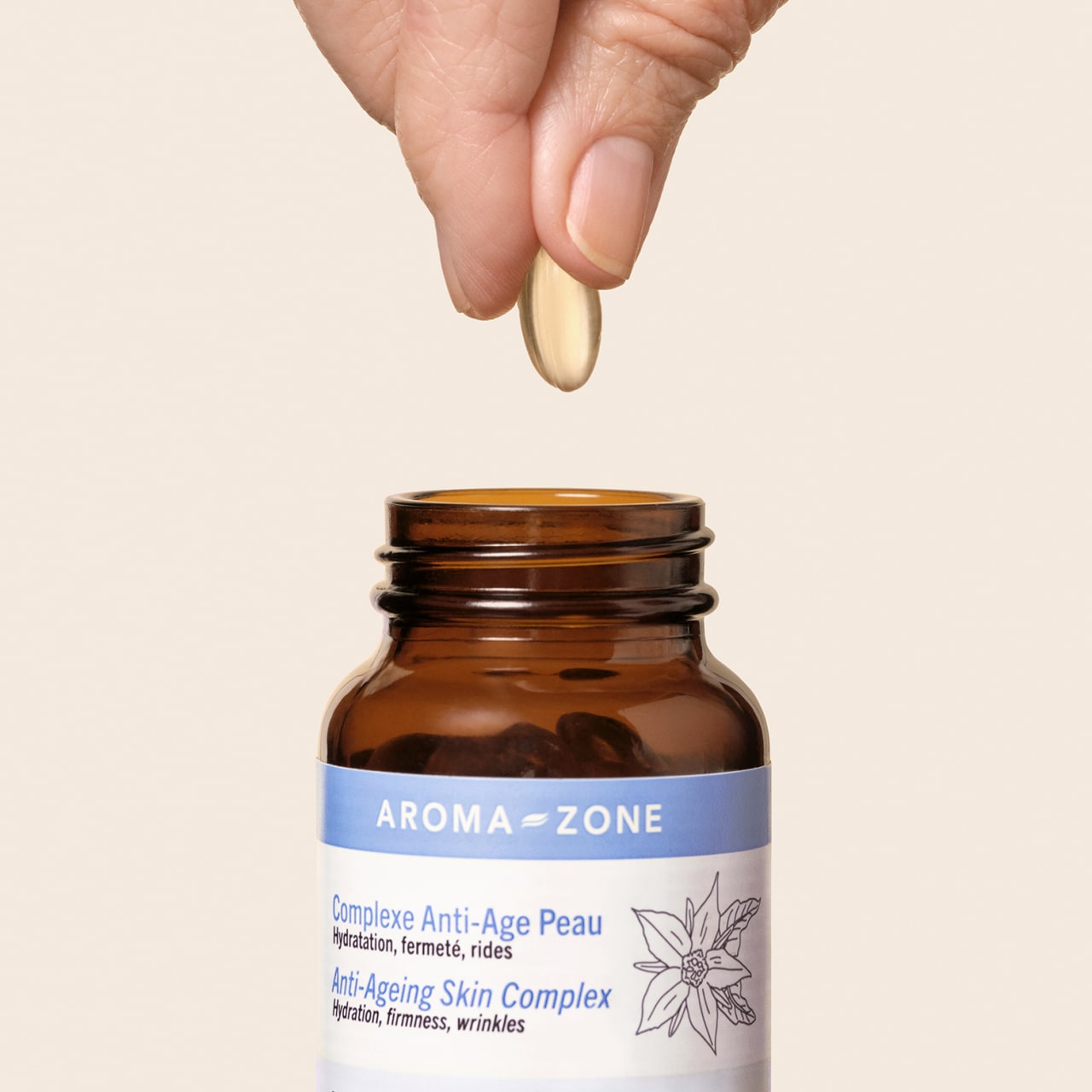
Evening Primrose oil is generally taken in the form of food supplement capsules. The recommended dose may vary depending on the manufacturer and the individual. The most common dosage is 500 to 1000 mg per day. It is generally recommended to take Evening Primrose oil with a meal to optimise its absorption.

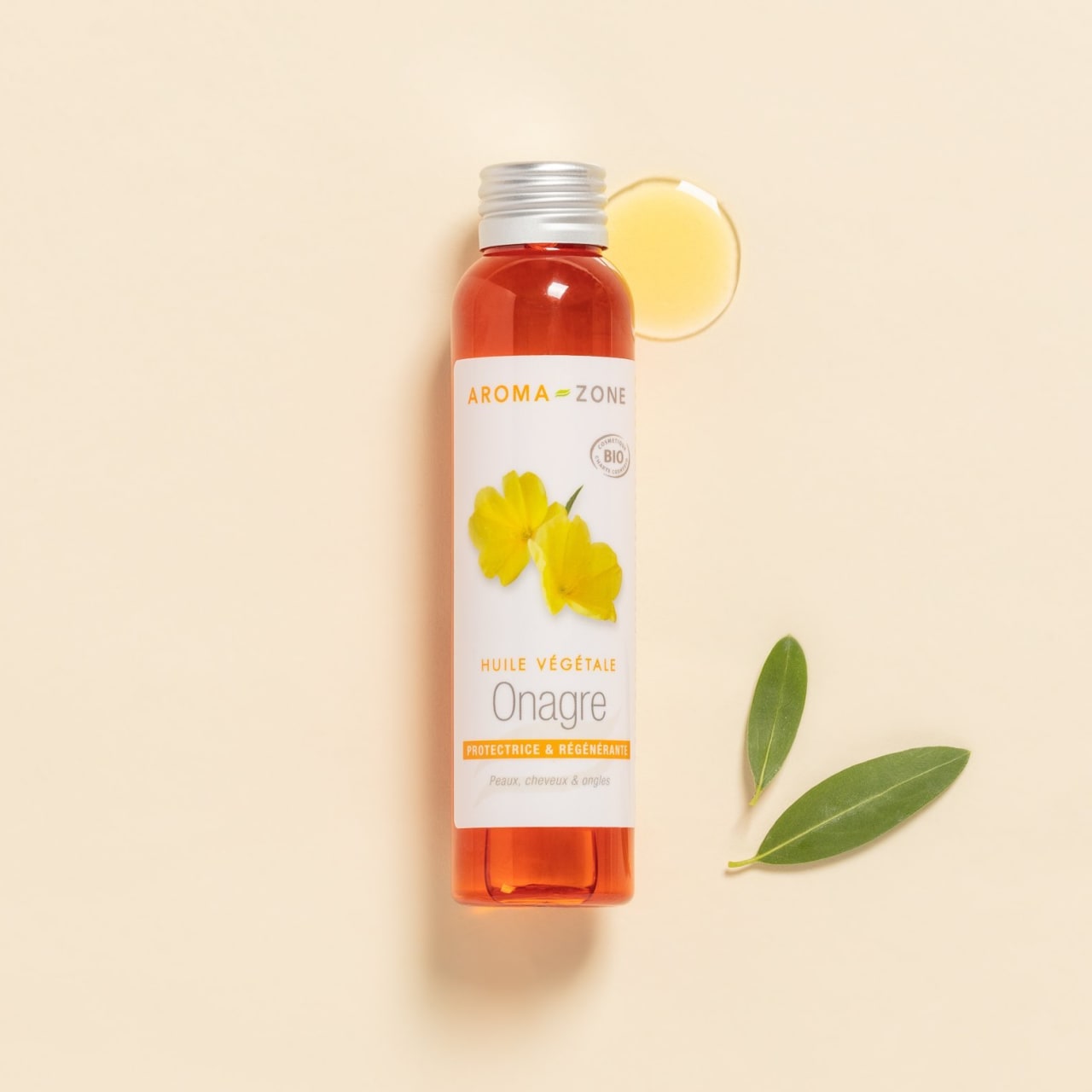
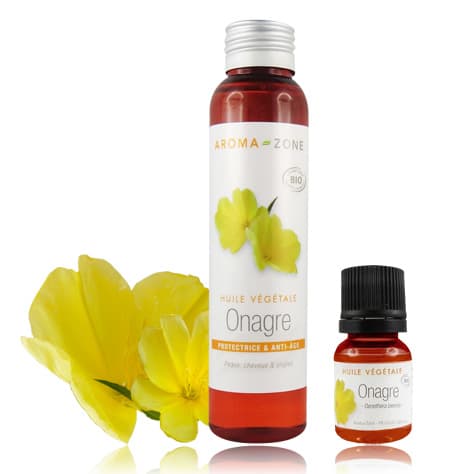
Focus on our Aroma-Zone ORGANIC Evening Primrose oil

Evening Primrose oil

Borage and Evening Primrose oils: the key duo for the menopause

Borage oil and Evening Primrose oil are often cited as two valuable food supplements to help manage the discomforts associated with the menopause. Both oils are rich in gamma-linolenic acid, which has anti-inflammatory effects and can help balance hormone levels in the blood.

Borage oil is often used to relieve the discomforts of the menopause, such as hot flushes, mood swings and irritability. What's more, because of its soothing properties, it can also be beneficial for the beauty of the skin. In fact, the skin can be affected by the hormonal changes that occur during the menopause.

Evening Primrose oil is also used during the menopause. It is often used to improve the appearance of the skin. Some women also find it helps to improve the appearance of their hair and nails.

What are the dangers of Evening Primrose oil?

Evening Primrose oil, widely used for its many benefits, can present certain risks and side effects. So before making this supplement part of your beauty or well-being routine, it's essential to understand its potential contraindications and precautions for use. Whether you are considering Evening Primrose oil to help with menopausal symptoms, to improve the beauty of your skin or for any other reason, it is always advisable to consult a health professional before starting to use it. This precaution is valid for any food supplement.


What precautions should I take when using Evening Primrose oil?

Evening Primrose oil is generally well tolerated when consumed appropriately. However, there are certain precautions you should take if you are considering using it.

It is crucial to watch out for potential interactions with other medications. Evening Primrose oil can interact with certain treatments, including anticoagulants, blood pressure medication and some epilepsy medication. Therefore, if you are taking these medications, it is important to consult a healthcare professional before starting to take Evening Primrose oil.

People with bleeding disorders should also be cautious, as Evening Primrose oil can affect blood clotting and increase the risk of bleeding. Similarly, it is advisable to avoid using Evening Primrose oil before surgery to prevent the risk of excessive bleeding.

If you suffer from mood disorders (such as bipolar disorder), it is advisable to consult a healthcare professional before taking Evening Primrose oil. There are rare cases where it has been associated with episodes of mania or hypomania.

During pregnancy or while breastfeeding, caution is recommended, as the effects of Evening Primrose oil on mother and baby have not yet been sufficiently studied.


What are the side effects of Evening Primrose Oil?

Some people may experience side effects such as headaches, stomach upsets or diarrhoea when taking Evening Primrose oil. If you experience side effects, it may be helpful to reduce the dose or swallow it with food.


What are the contraindications to evening primrose oil?

Like all supplements, Evening Primrose oil may not be suitable for everyone. Certain precautions should therefore be taken.

  • Coagulation disorders: Evening Primrose oil can slow down blood clotting, which may pose a problem for people with coagulation disorders. People taking anticoagulant or anti-platelet medication should also exercise caution.

  • Surgery: Because of its effect on blood clotting, it is generally recommended to stop taking Evening Primrose oil at least two weeks before surgery.

  • Epilepsy and other seizure disorders: Some research suggests that Evening Primrose oil may increase the risk of seizures in people with epilepsy or other seizure disorders. Those concerned should therefore consult a health professional before taking Evening Primrose oil.

  • Psychiatric disorders: Evening Primrose oil has been reported to cause manic or hypomanic episodes in people with mood disorders, particularly bipolar disorder.

  • Pregnancy and breastfeeding: Although some people use Evening Primrose oil to prevent pregnancy-related hypertension, its effects during pregnancy, while breastfeeding and on babies are not well studied. It is therefore preferable to avoid using Evening Primrose oil during pregnancy and while breastfeeding except on the advice of a health professional.

Find out more

What are the benefits outside of menopause?

Outside of menopause, Evening Primrose Oil is often used to help improve the beauty of the skin. Its soothing properties can be useful for conditions such as eczema and acne, although it is not a substitute for medical treatment. It can also help relieve the symptoms of premenstrual syndrome, such as irritability and breast tenderness. Some people also use it to brighten their hair and prevent bone deterioration.

Does Evening Primrose oil make you fat?

No, consuming evening primrose oil does not directly cause weight gain. However, like all oil-based products, it is relatively high in calories. Excessive consumption could therefore contribute to weight gain. It is therefore recommended to use it in a balanced way and as part of a healthy and varied diet.

What other plant oils are essential during the menopause?

Several plant oils can be beneficial during the menopause.

Linseed oil: Rich in omega-3 fatty acids and lignans, it can help regulate hormone levels and reduce some of the discomforts of the menopause, such as hot flushes.

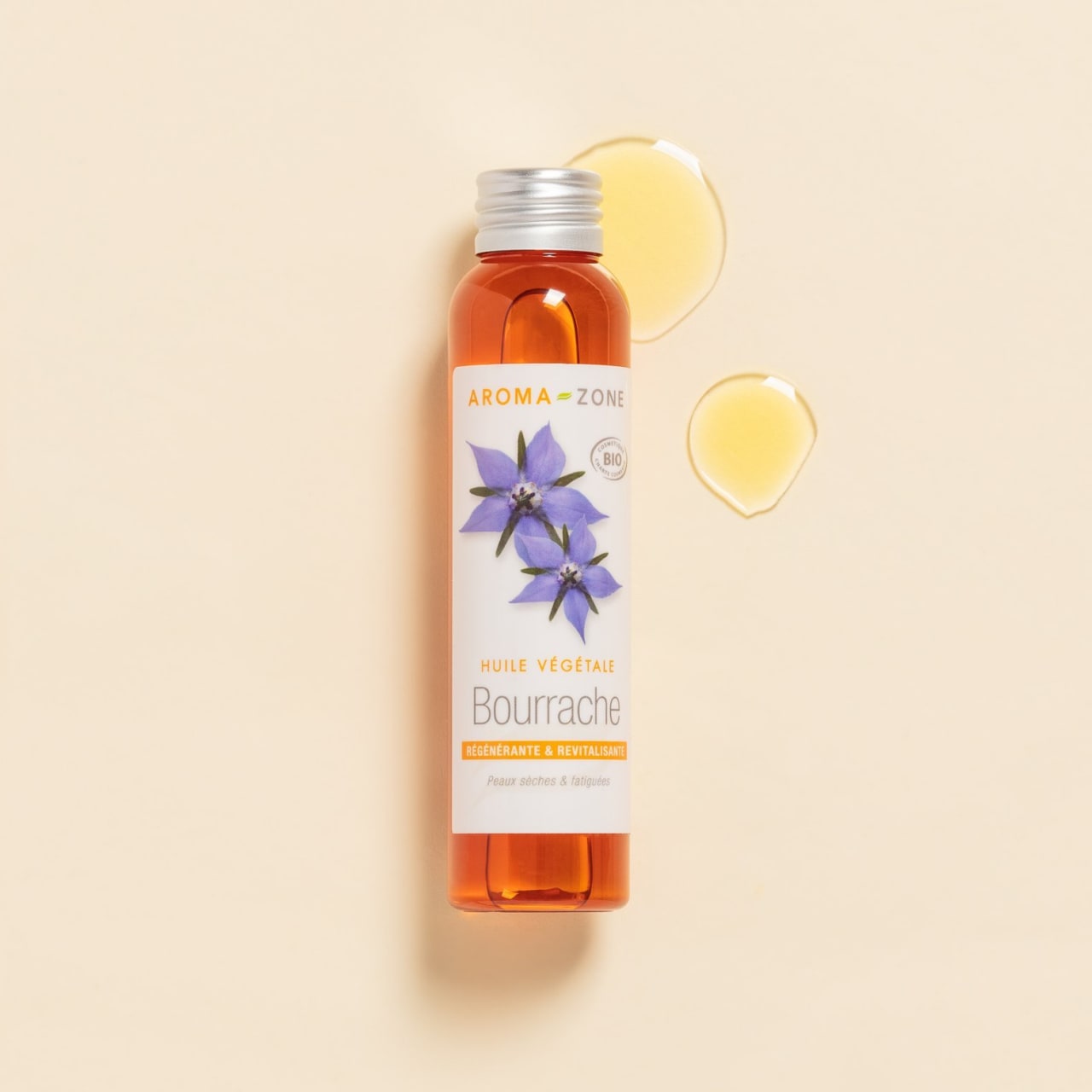
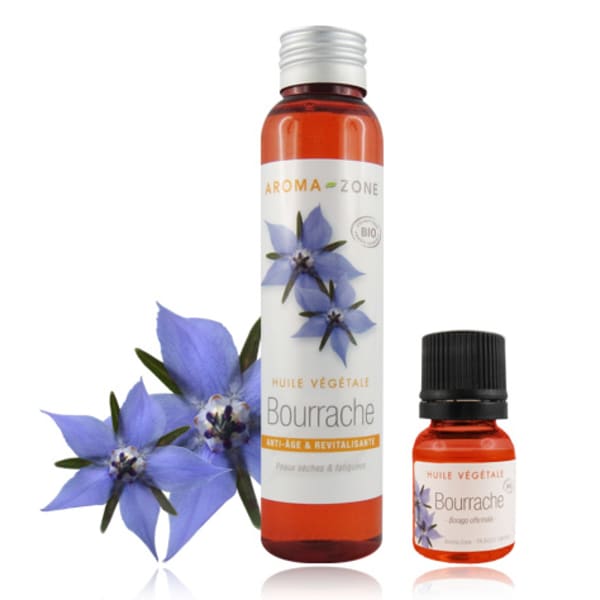
Borage oil

It also contains gamma-linolenic acid, recommended during the menopause.

Discover Borage Oil

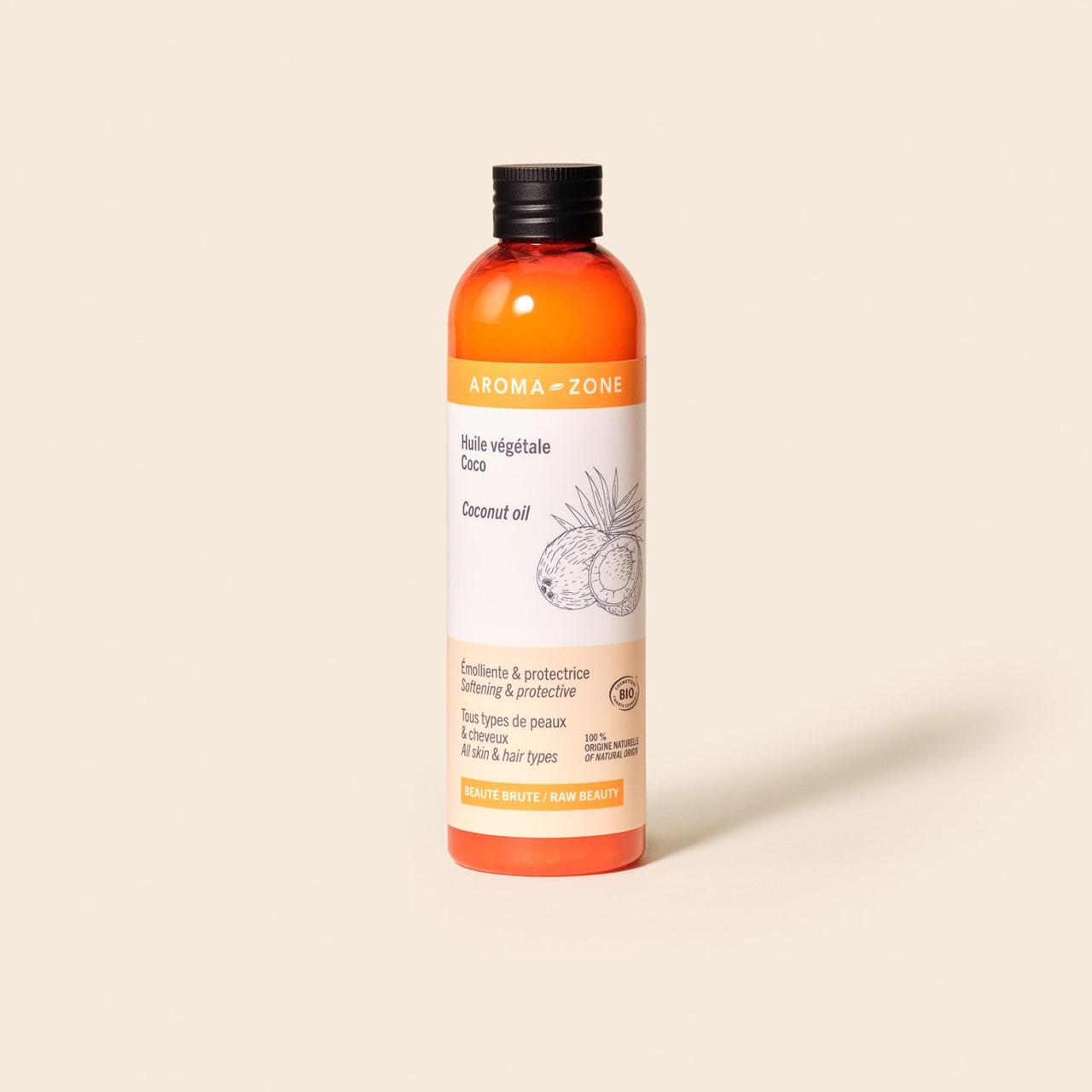
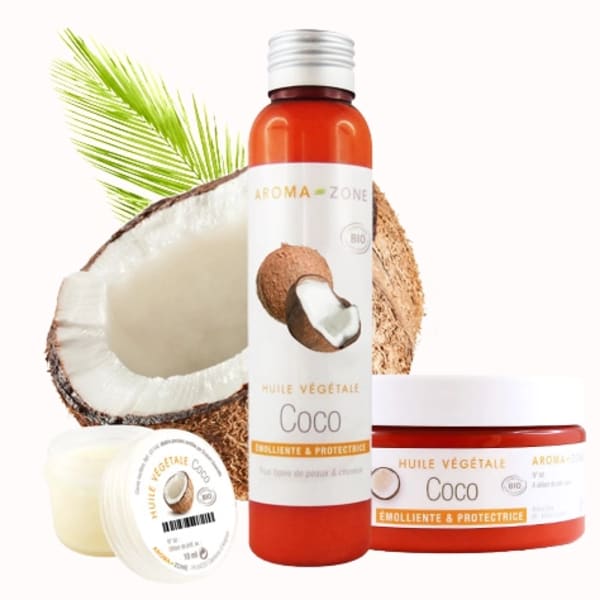
Coconut oil

Coconut oil can help maintain the beauty of the skin and hair, which can be affected by the hormonal changes linked to the menopause.

Discover Coconut Oil

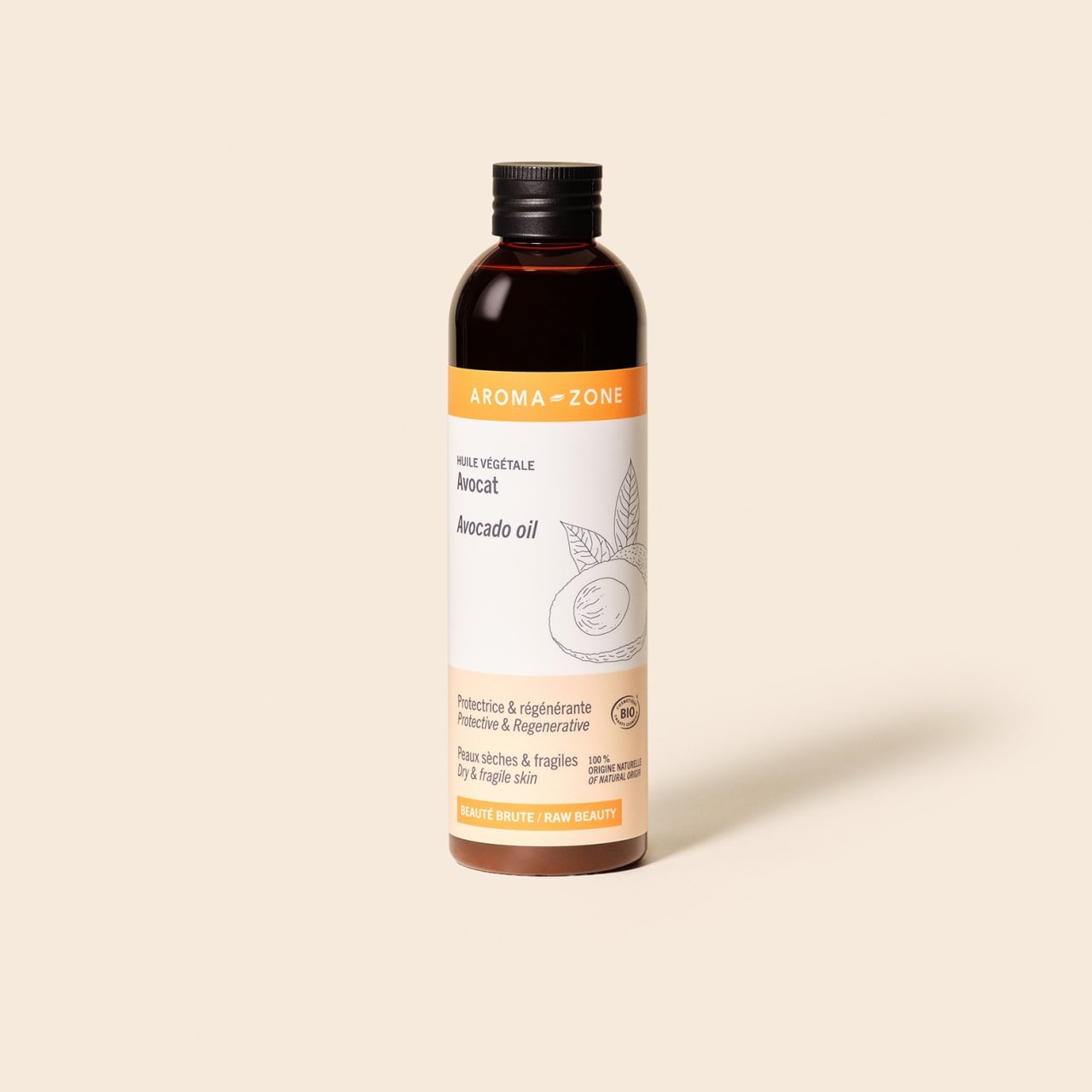
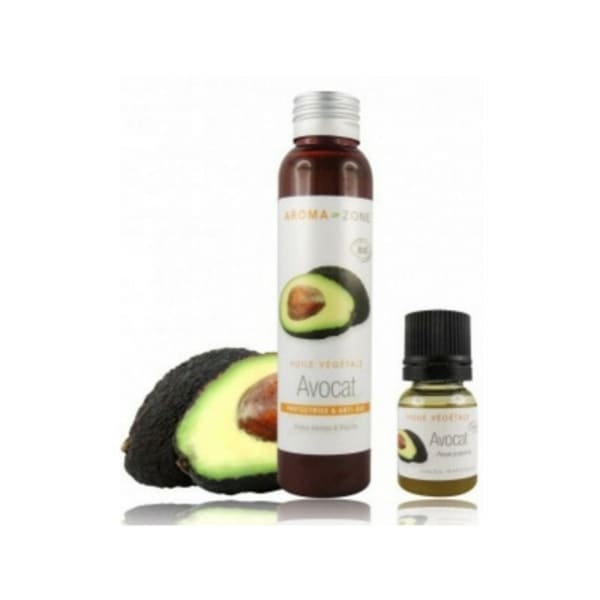
Avocado oil

Avocado oil is rich in vitamin E and monounsaturated fatty acids, which are beneficial for heart health, an important issue during the menopause.

Discover Avocado Oil