
Coily hair (type 4) has the tightest curl pattern of all, tight coils or zigzags rather than open spirals, and it behaves differently enough from wavy or looser curly hair that it deserves its own approach rather than a one-size-fits-all curl routine.
What is coily hair, exactly?
Coily hair is the tightest curl pattern of the hair-typing scale, springing into small, dense coils or sharp zigzags rather than open spirals.
It's usually split into three sub-types, and most heads have more than one within the same head of hair.
Coily hair type 4A
The most defined of the three, small, tight coils about the width of a crochet needle, holding a clear S-shaped pattern even when dry.
Coily hair type 4B
Less defined curl, more of a sharp, angular Z-shaped bend than a smooth coil. Shrinkage tends to be more pronounced here than with 4A.
Coily hair type 4C
The tightest pattern of all, coils so small they can be difficult to see without stretching the hair out, and the most shrinkage of the group, hair can appear far shorter dry than its true length when wet.
Not sure exactly where your coils fit, or which combination actually works for you? Our hair routine assessment takes a few minutes and points you towards what's genuinely worth trying, rather than leaving you to guess.
Why coily hair needs its own rules
Across all three, coily hair shares the same core trait: because the coil is so tight, natural scalp oil has the furthest distance to travel and rarely makes it all the way to the ends.
That's the single biggest reason coily hair is drier, more fragile and more prone to breakage than looser curl patterns, and why it needs richer, more consistent moisture than almost any other hair type.
4 techniques that actually make a difference
1. Low manipulation
Coily hair is more fragile than it looks, so less handling, brushing, twisting, restyling, generally means less breakage. Protective styles (twists, braids, buns) that tuck ends away help reduce daily wear and tear.
2. Layer, don't overload
The classic approach for very dry, coily hair is layering a leave-in, then a cream, then an oil to seal it in, often called the LCO method (liquid, cream, oil).
Each layer helps lock in the one before it, rather than one product trying to do everything at once.
3. Detangle in sections, always wet
Coily hair tangles fastest of all the patterns, and dry detangling is where most breakage happens. Working through small sections on soaking wet, conditioner-covered hair, from ends to roots, is the gentler approach.
4. Protect at night
A satin or silk bonnet, or pineapple-style updo (hair loosely gathered at the very top of the head), preserves definition and prevents the friction damage a cotton pillowcase causes overnight .
Maintain coily hair with natural products
Coily hair needs special care to stay healthy and moisturised.
Using natural products can nourish and protect hair without weighing it down or damaging it.
Here are the main families of essential care products:
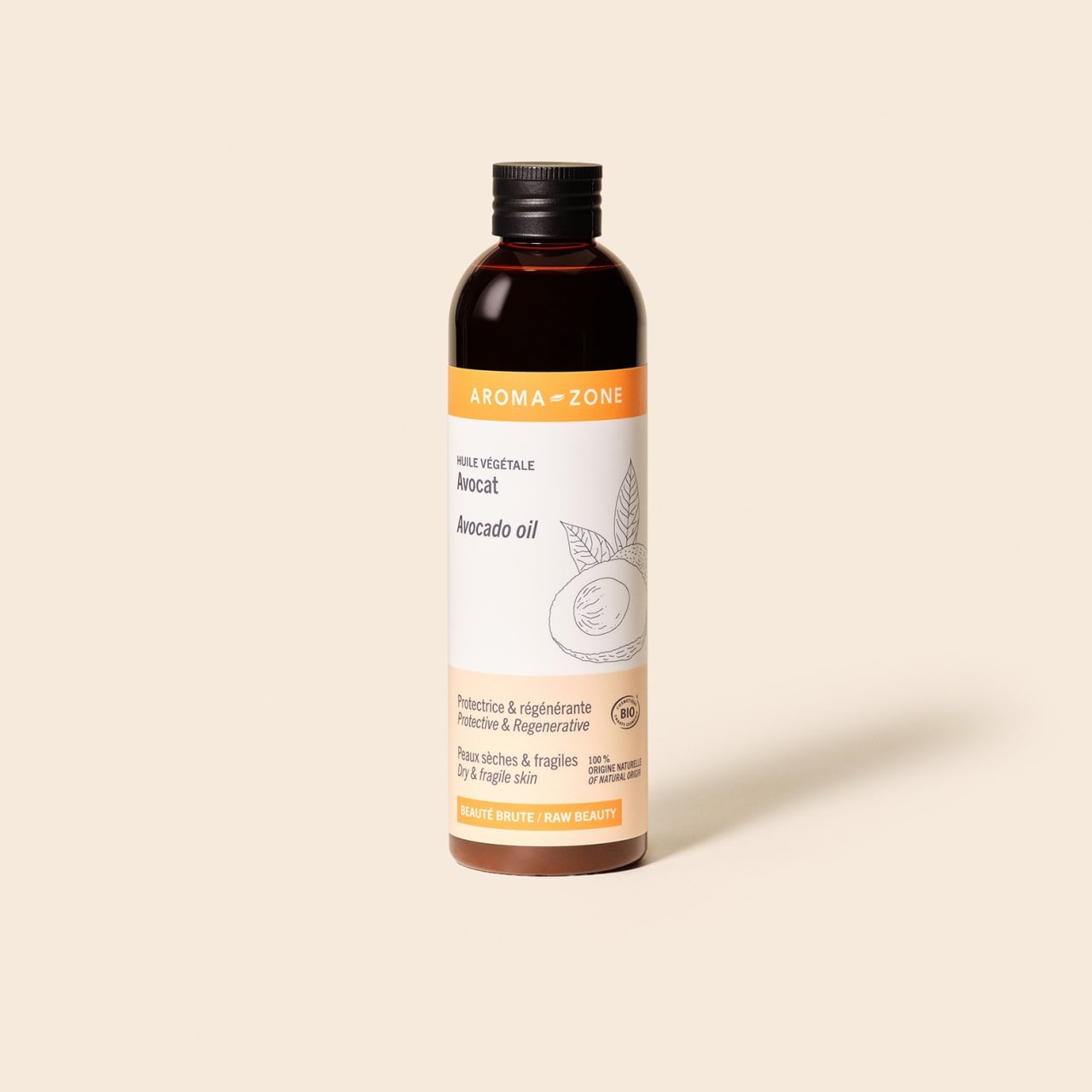
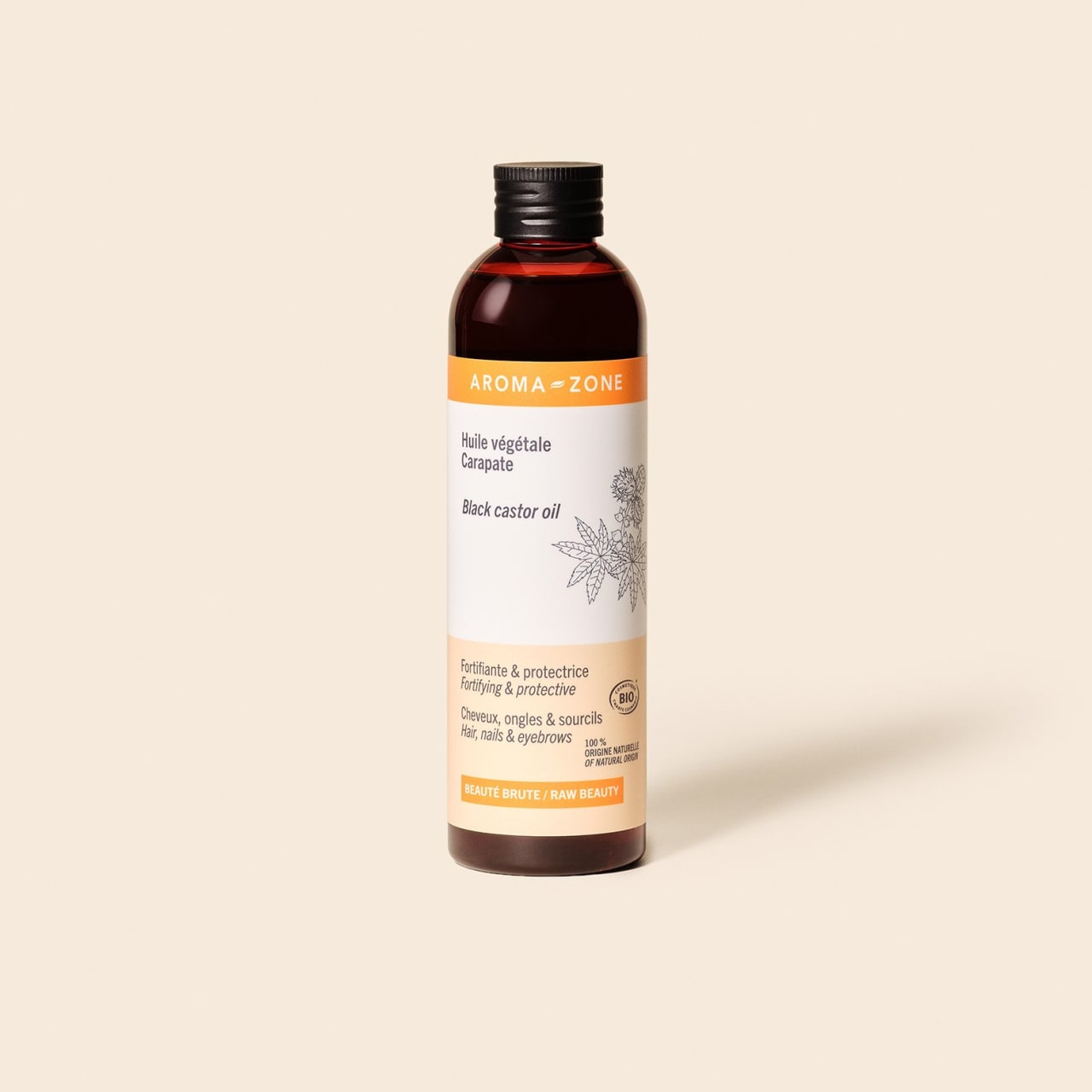
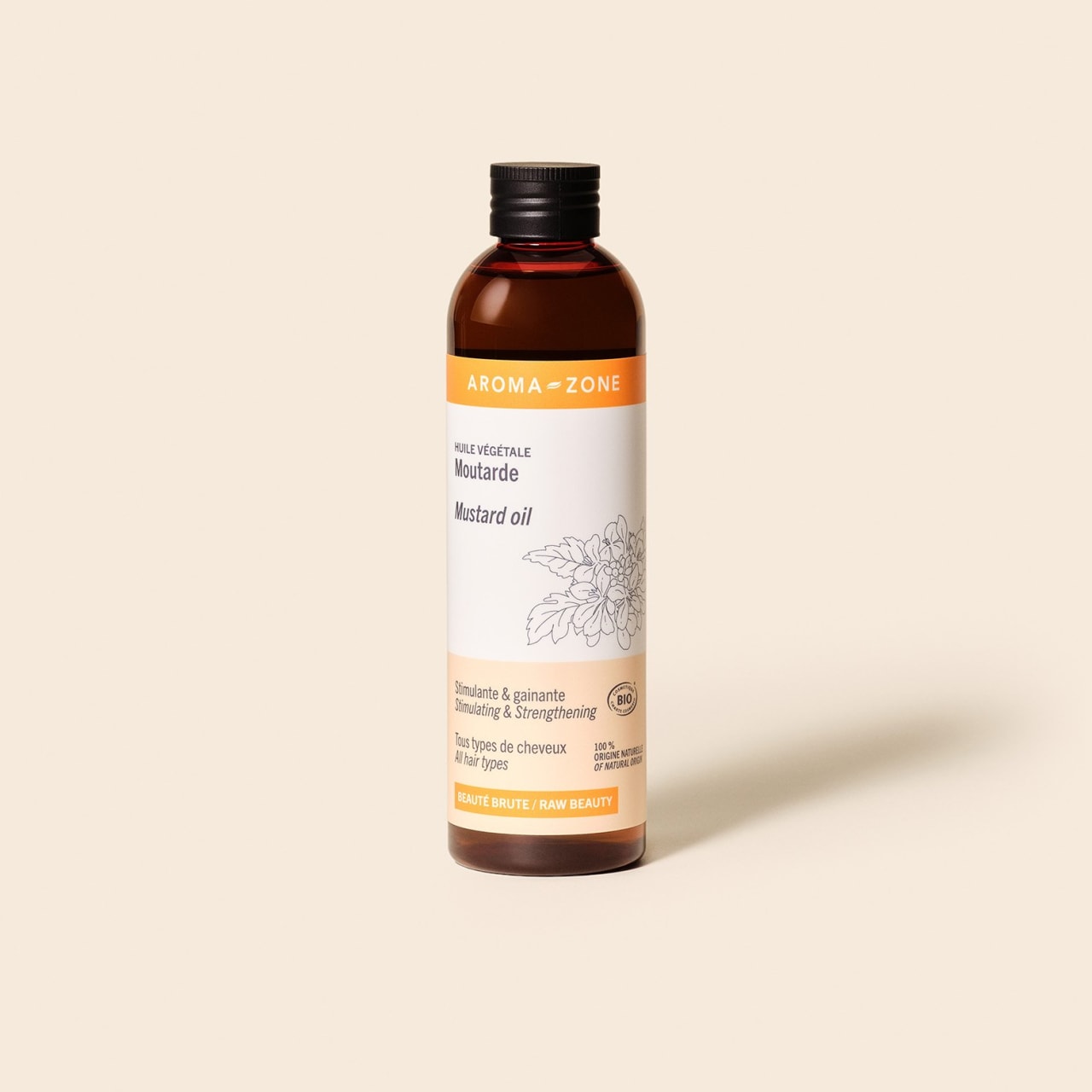
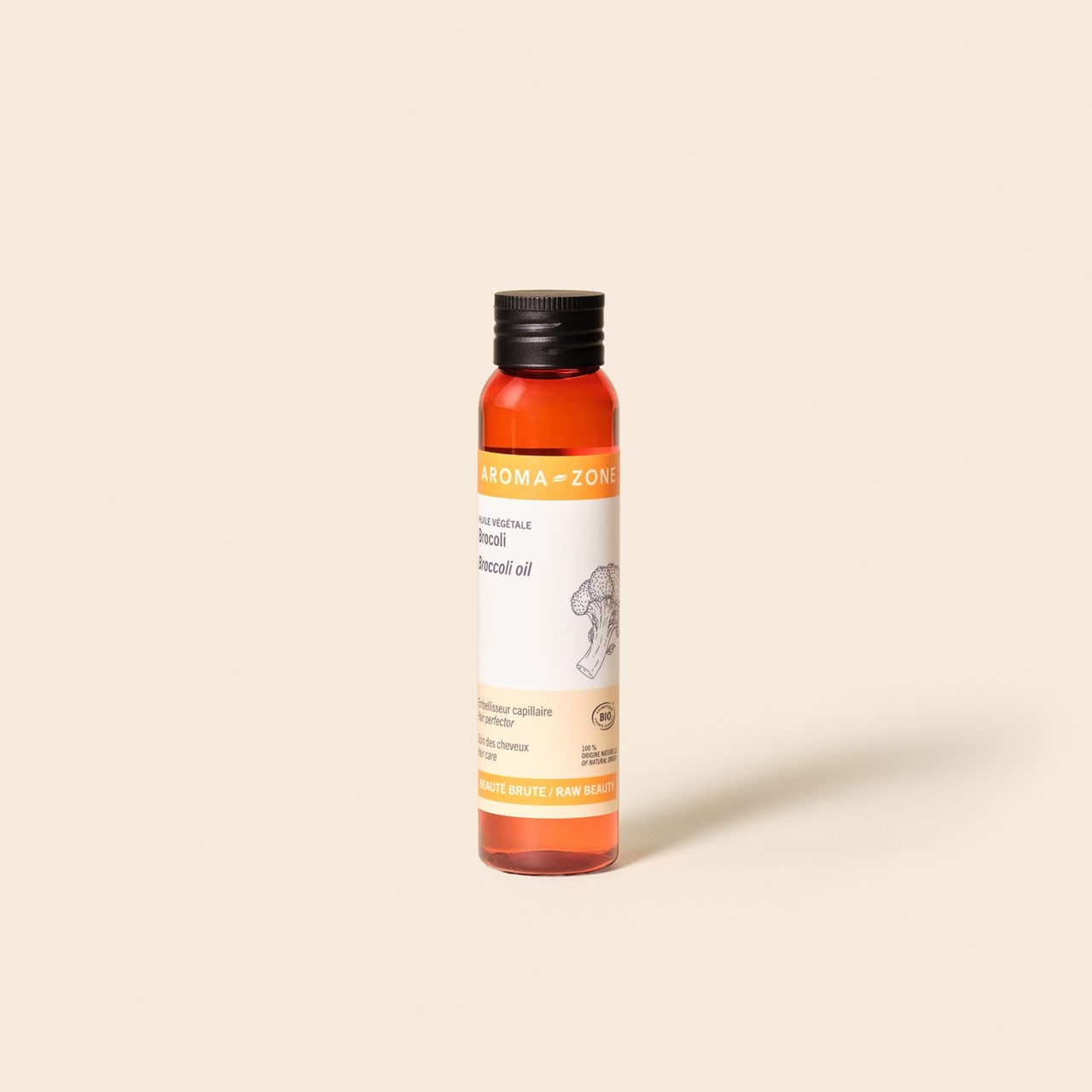
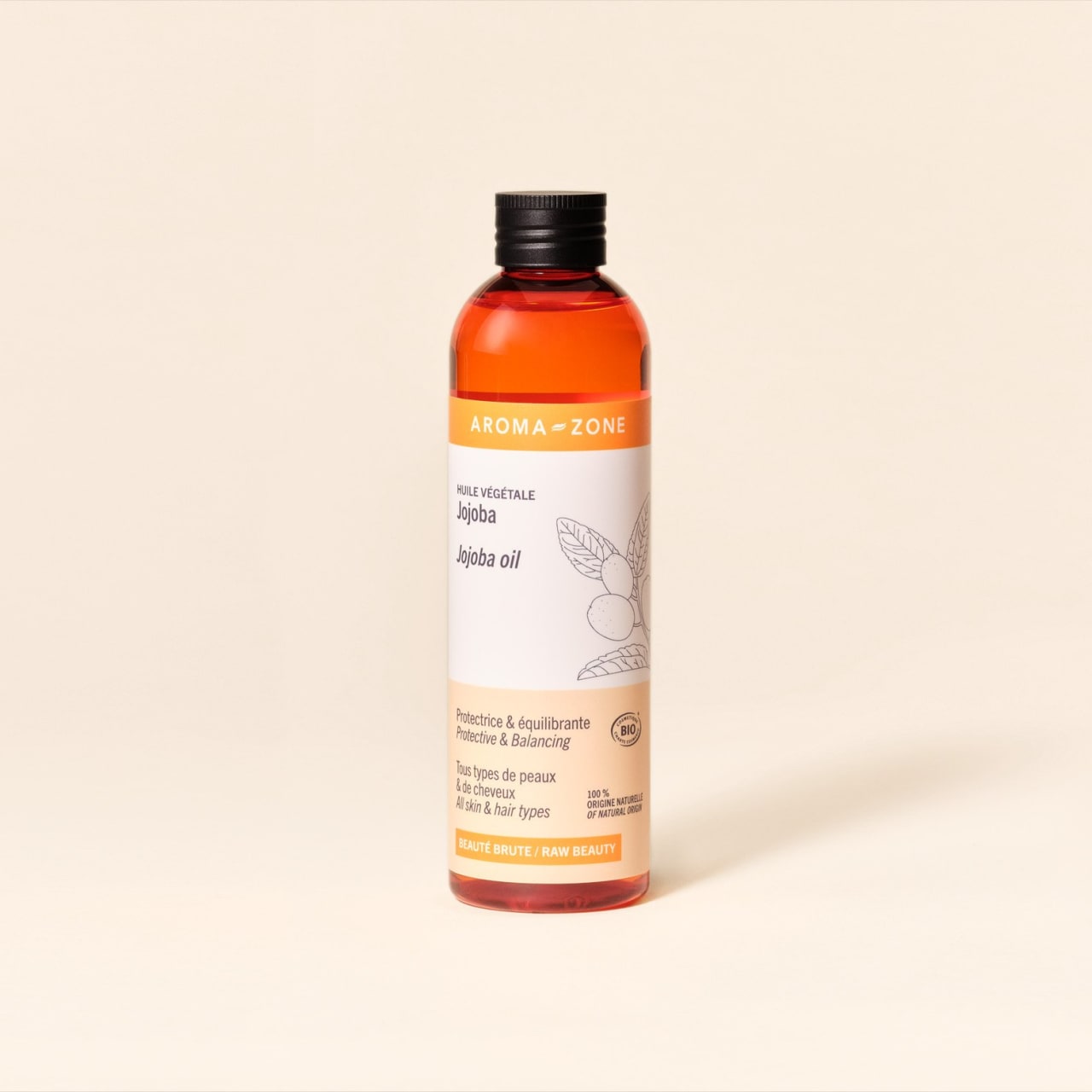
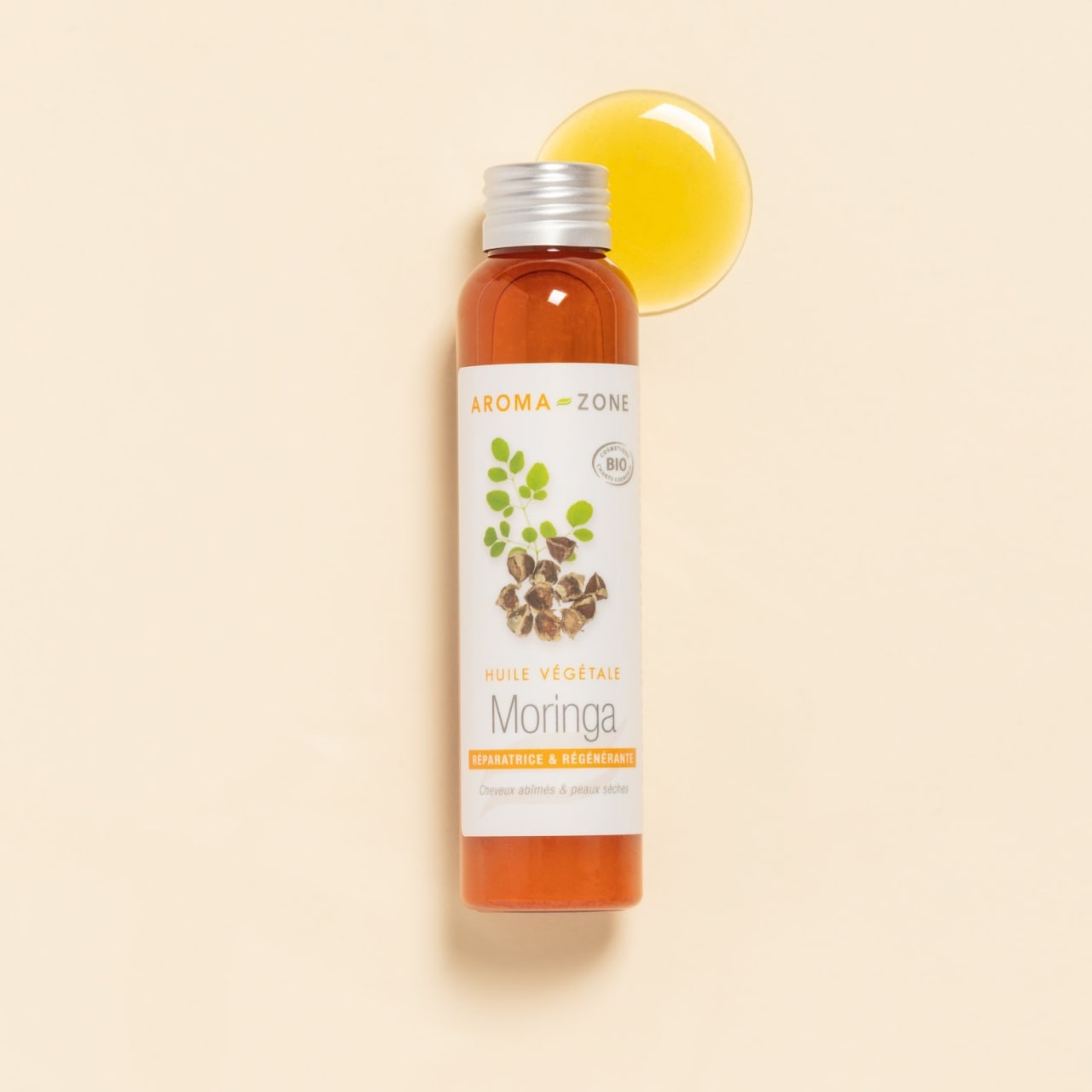
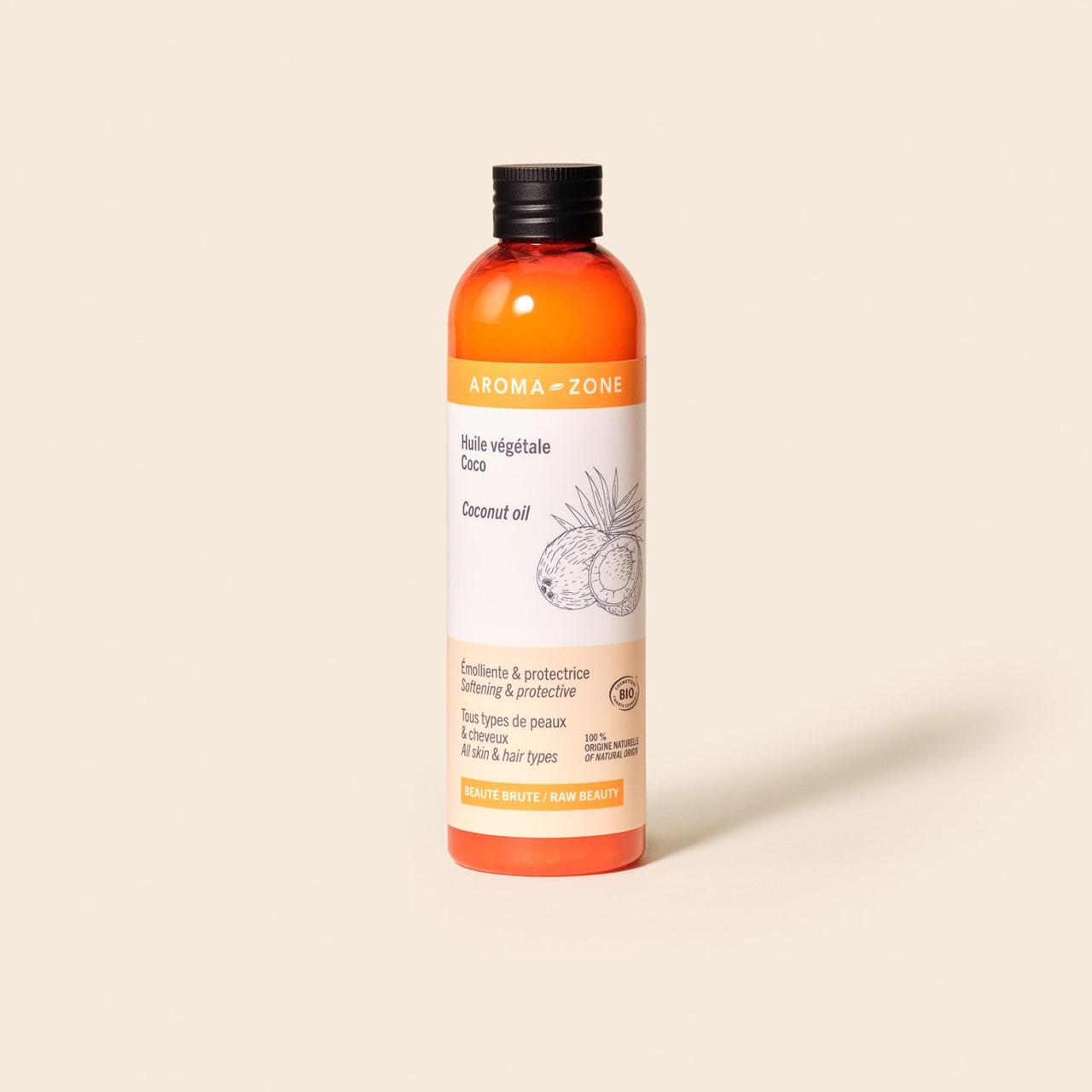
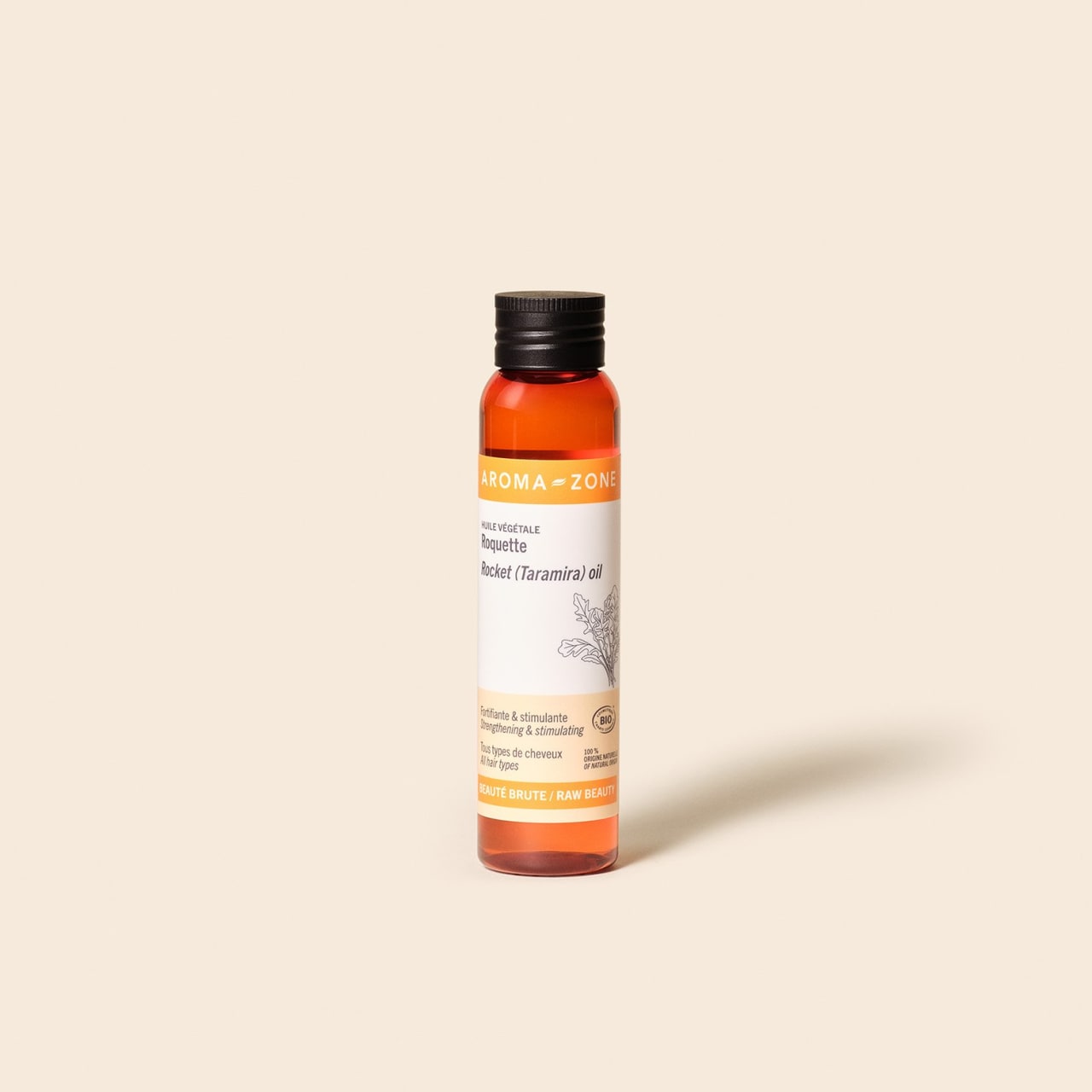
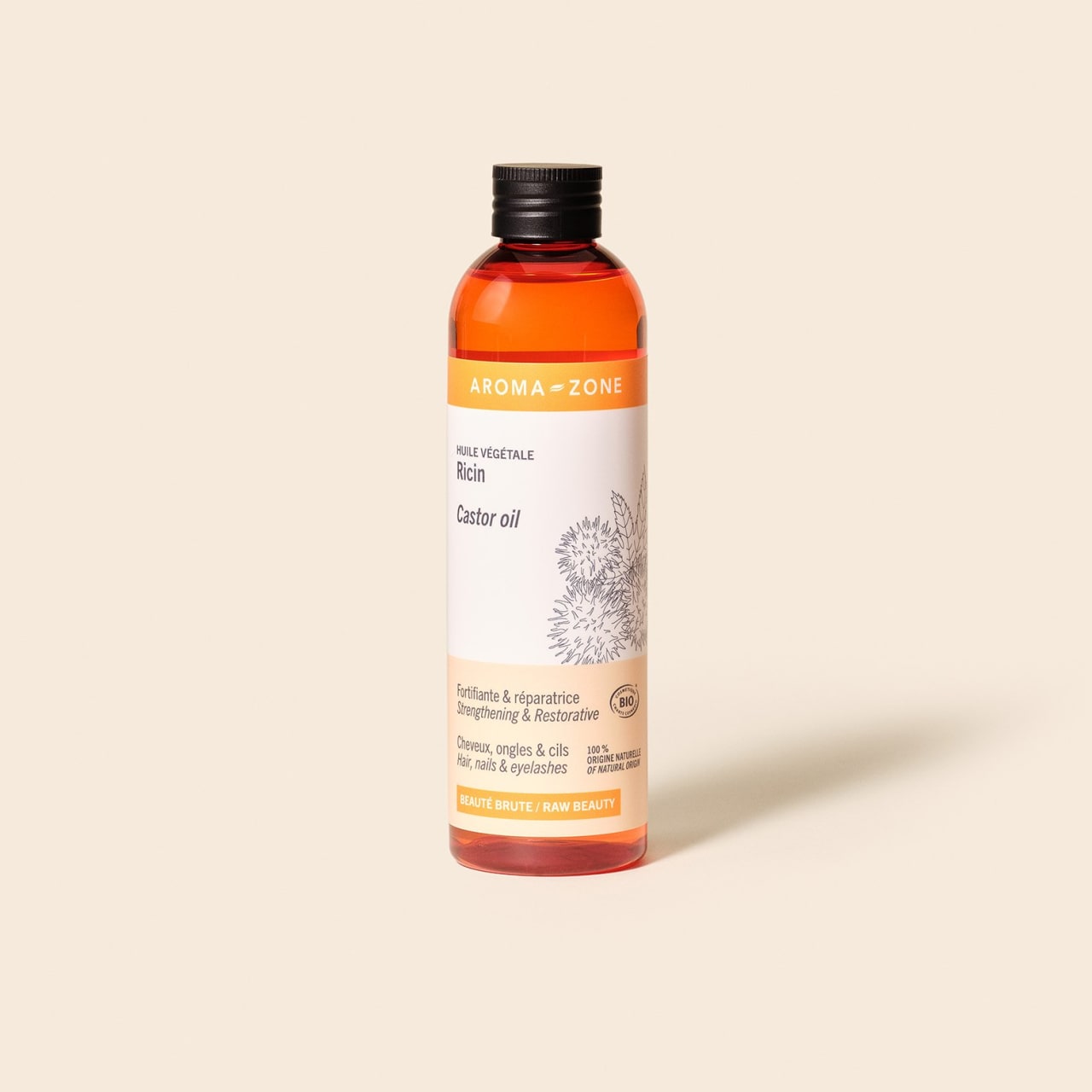
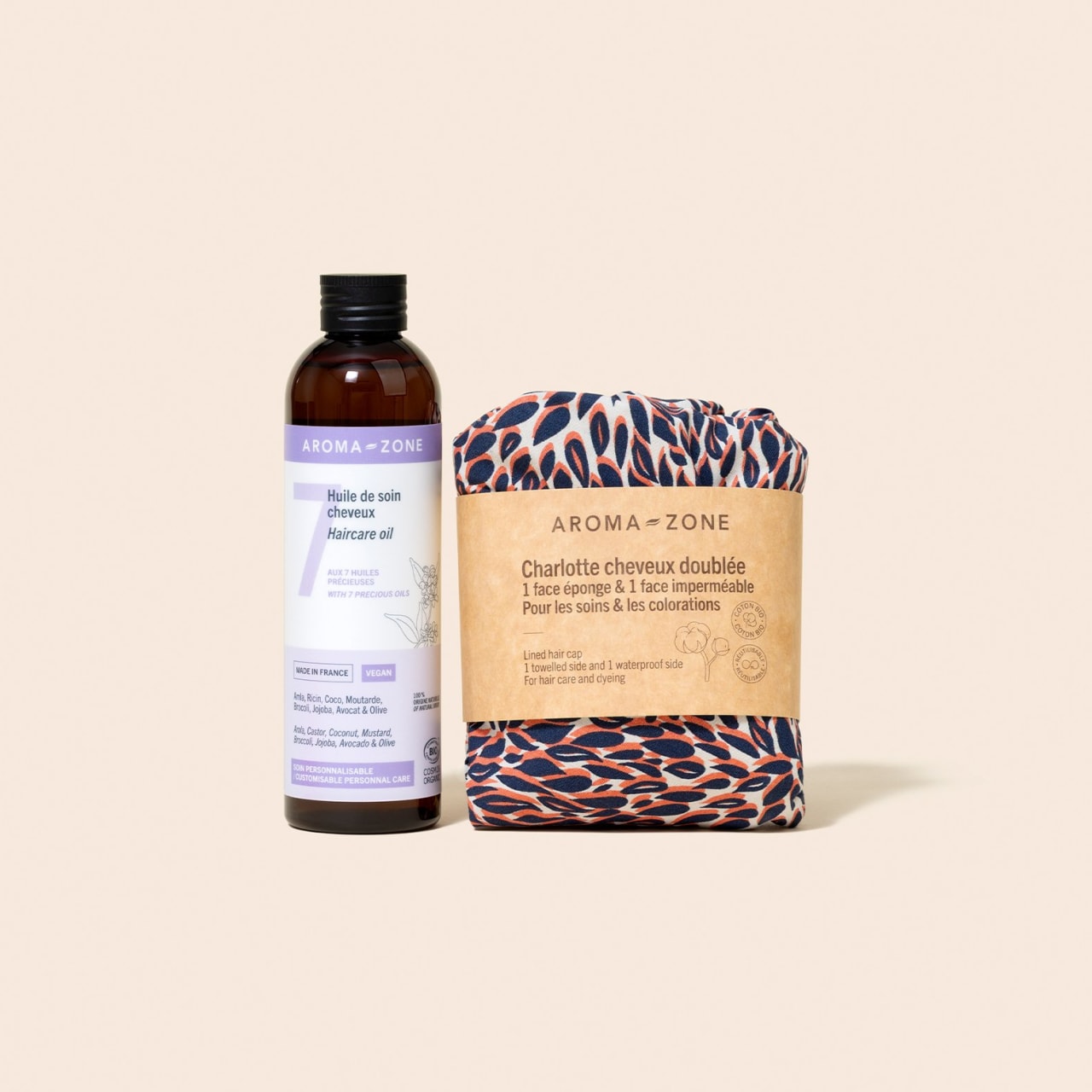
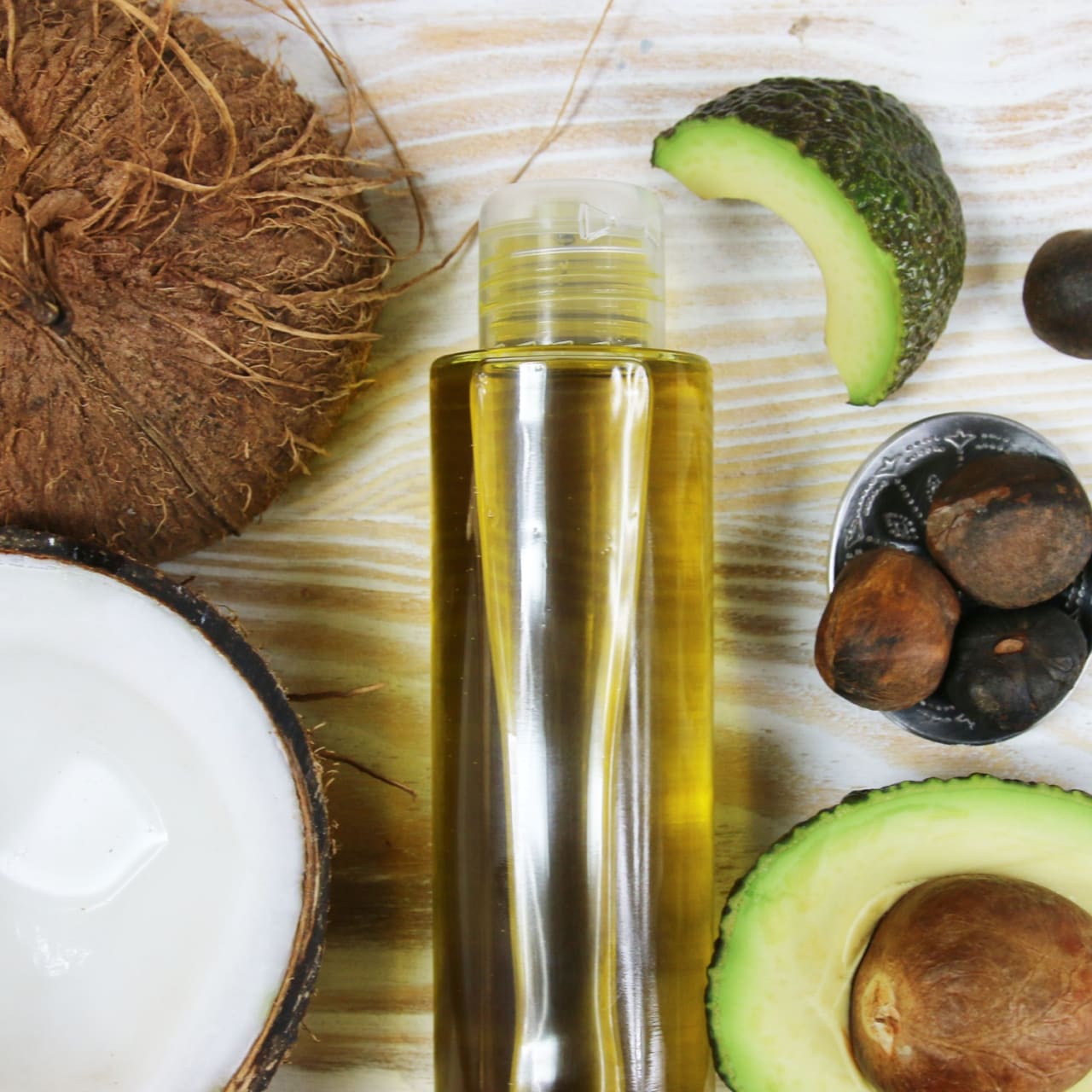
Carrier oils: Oils such as black castor oil, moringa, broccoli, mustard, avocado, coconut
and rocket are excellent for nourishing and strengthening hair. They help prevent breakage and promote
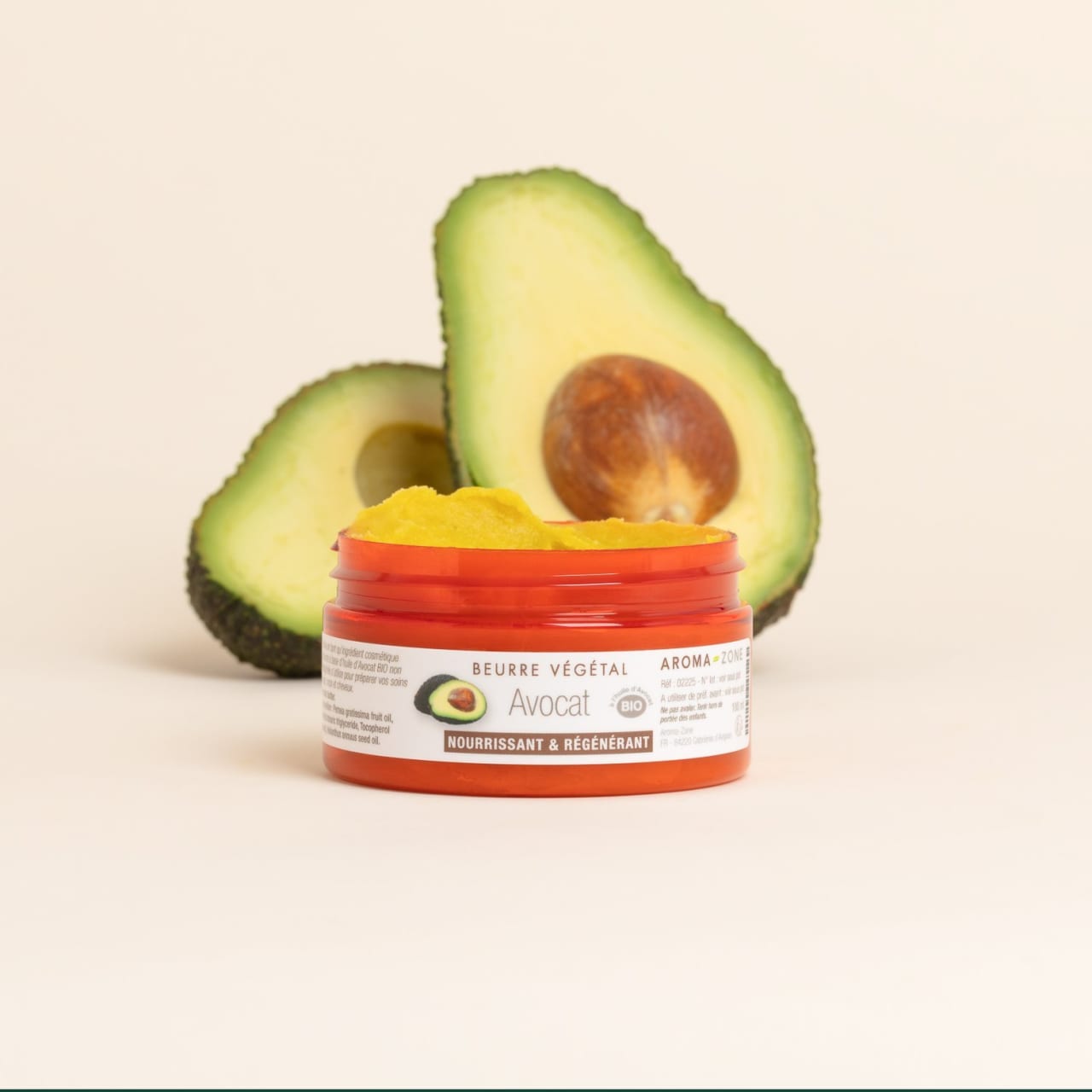
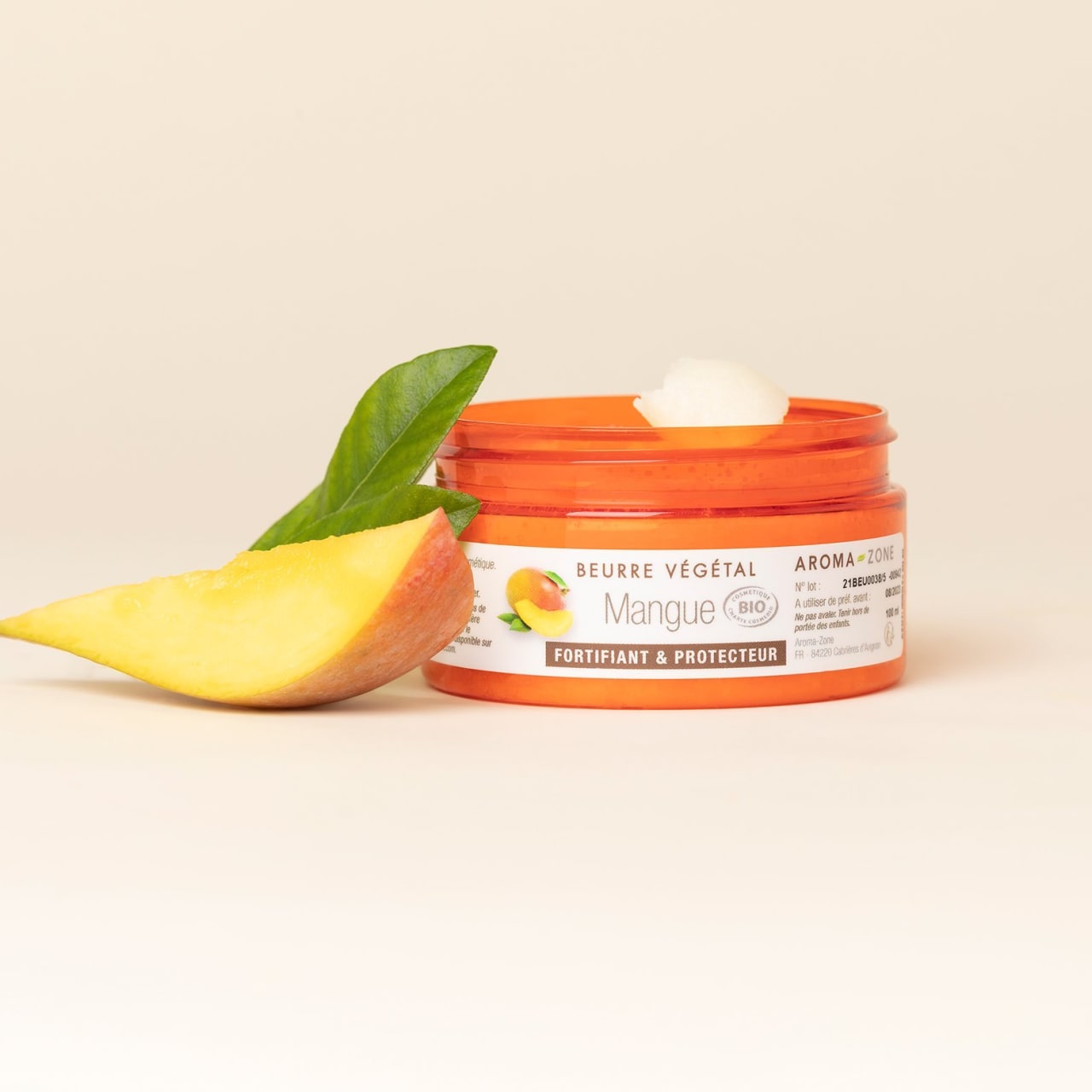
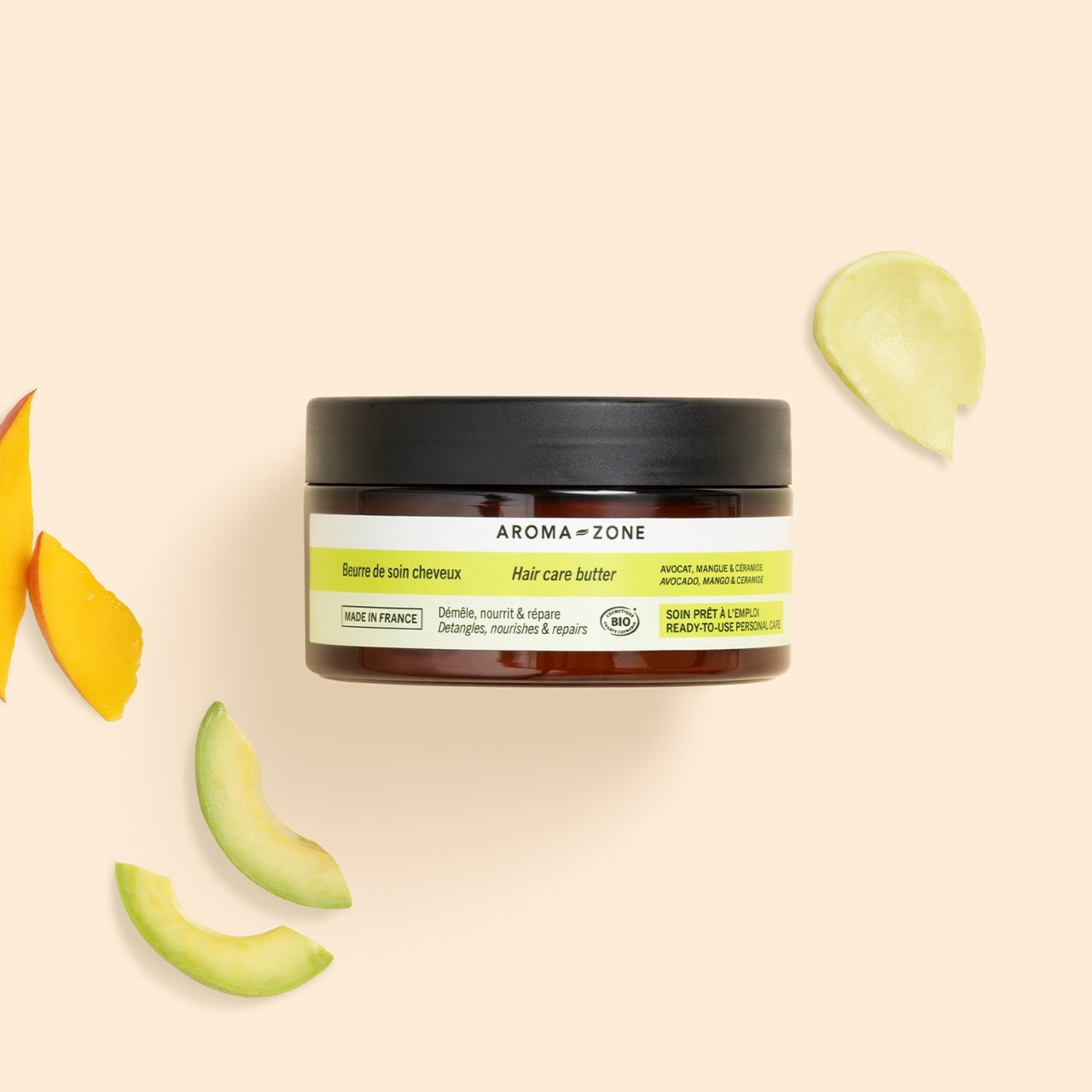
Butters: Avocado and mango butters are ideal for deep conditioning. They moisturise, soften and improve hair elasticity.
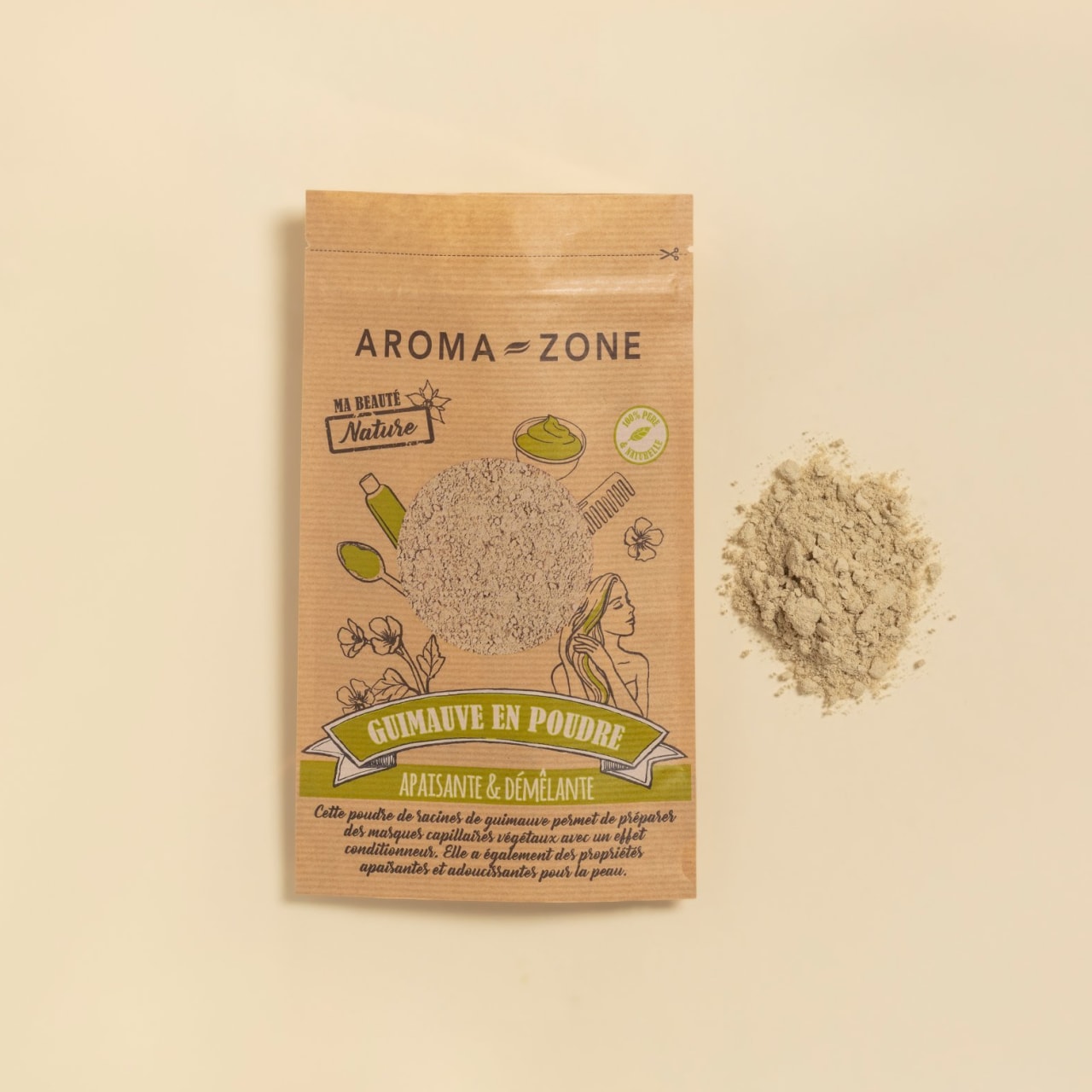
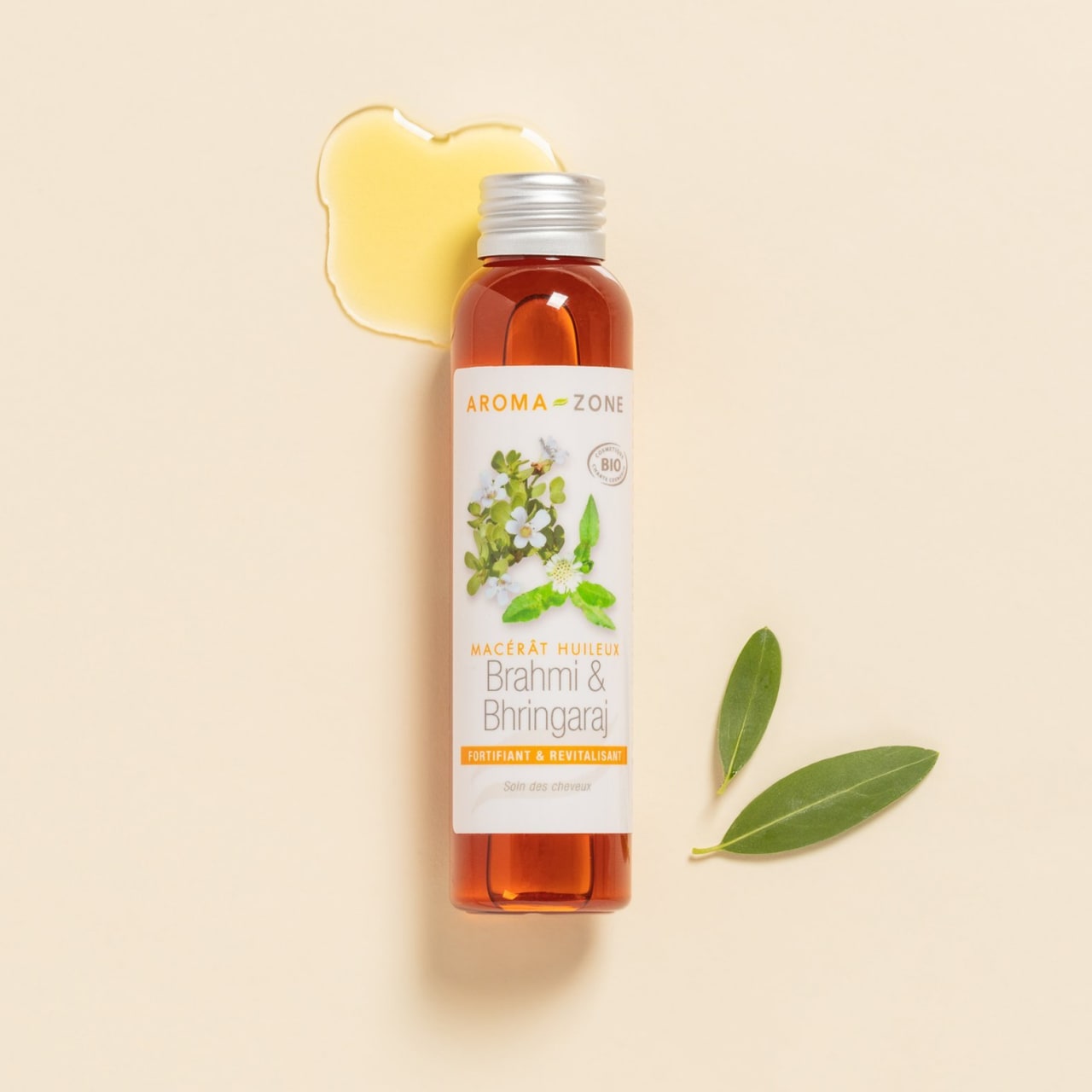
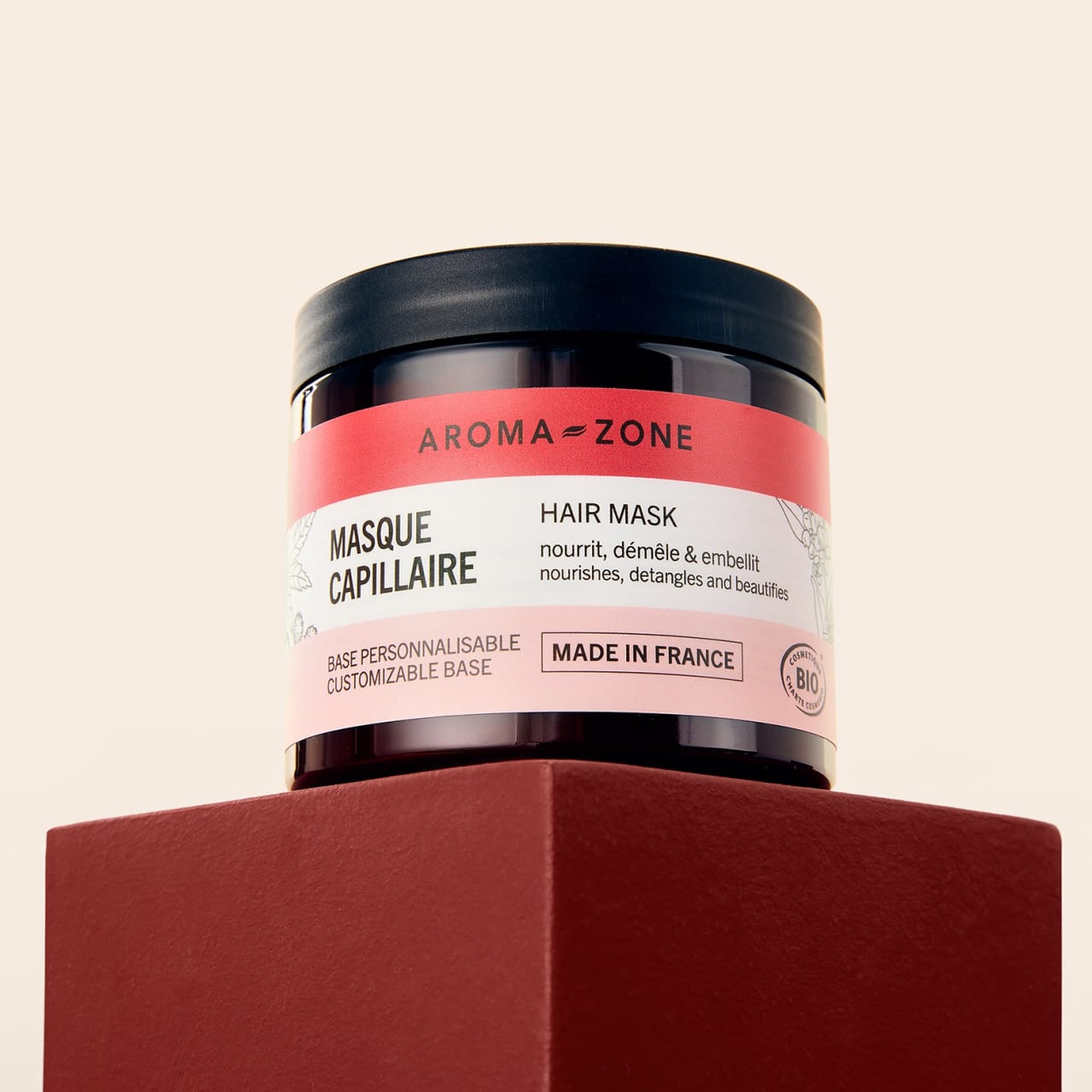
Hair masks: Masks provide deep nourishment. At Aroma Zone, the Hair Mask Base can be enriched with marshmallow and brahmi powders to strengthen and soften hair.
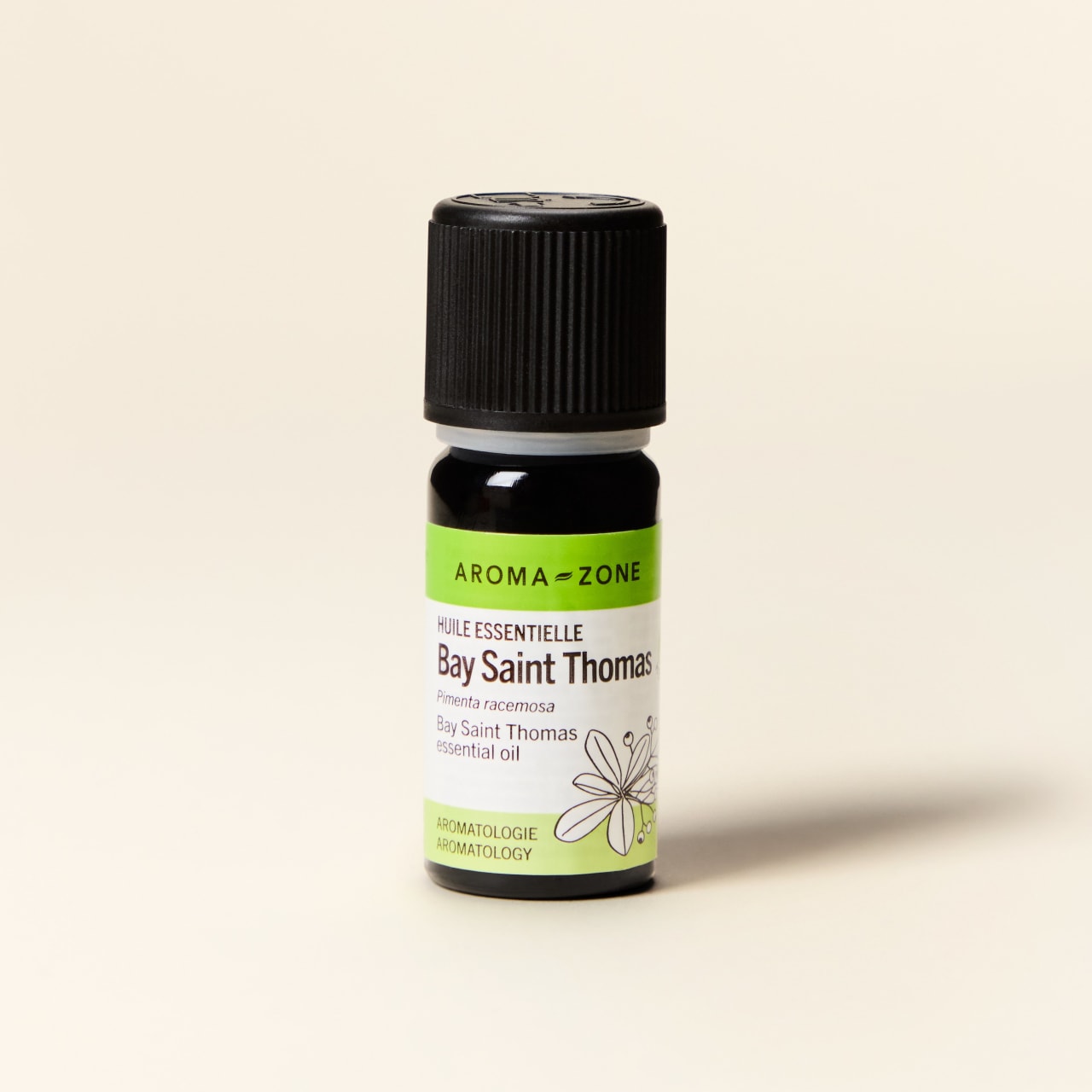
Essential oils: Bay rum tree essential oil can be mixed with a base oil to stimulate the scalp and promote hair growth.
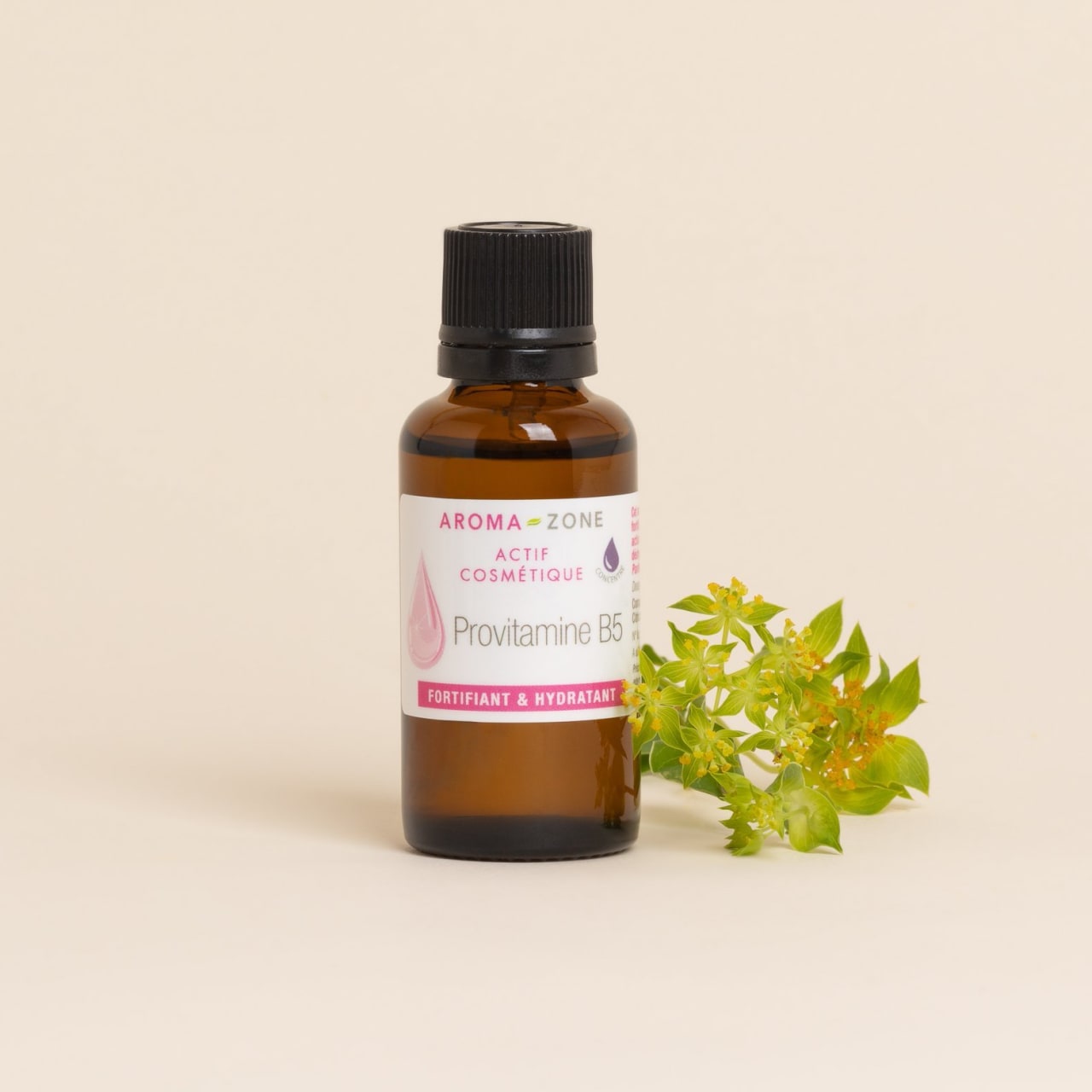
Serums and active ingredients: Serums and active ingredients nourish the scalp and hair in depth, providing the nutrients needed for healthy hair. Some have specific actions such as anti-
Natural moisturisers: Plant glycerine draws moisture into the hair, keeping it supple and hydrated.
Building a coily hair routine
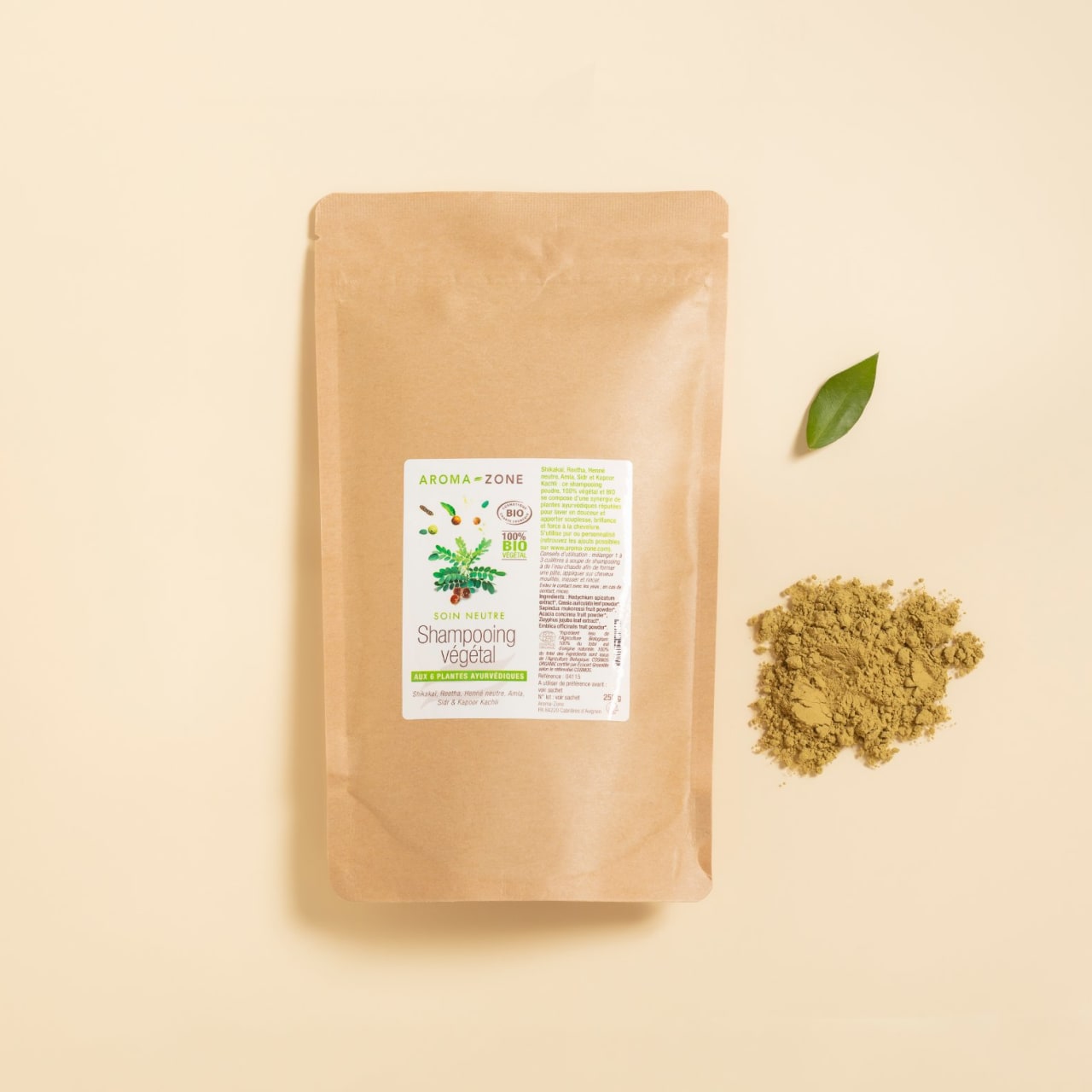
Cleanse and condition: start with Aroma-Zone's Organic Plant-Based Shampoo, then follow with the
Neutral Hair Mask, left on for real moisture, our current bestseller in this range for good reason.
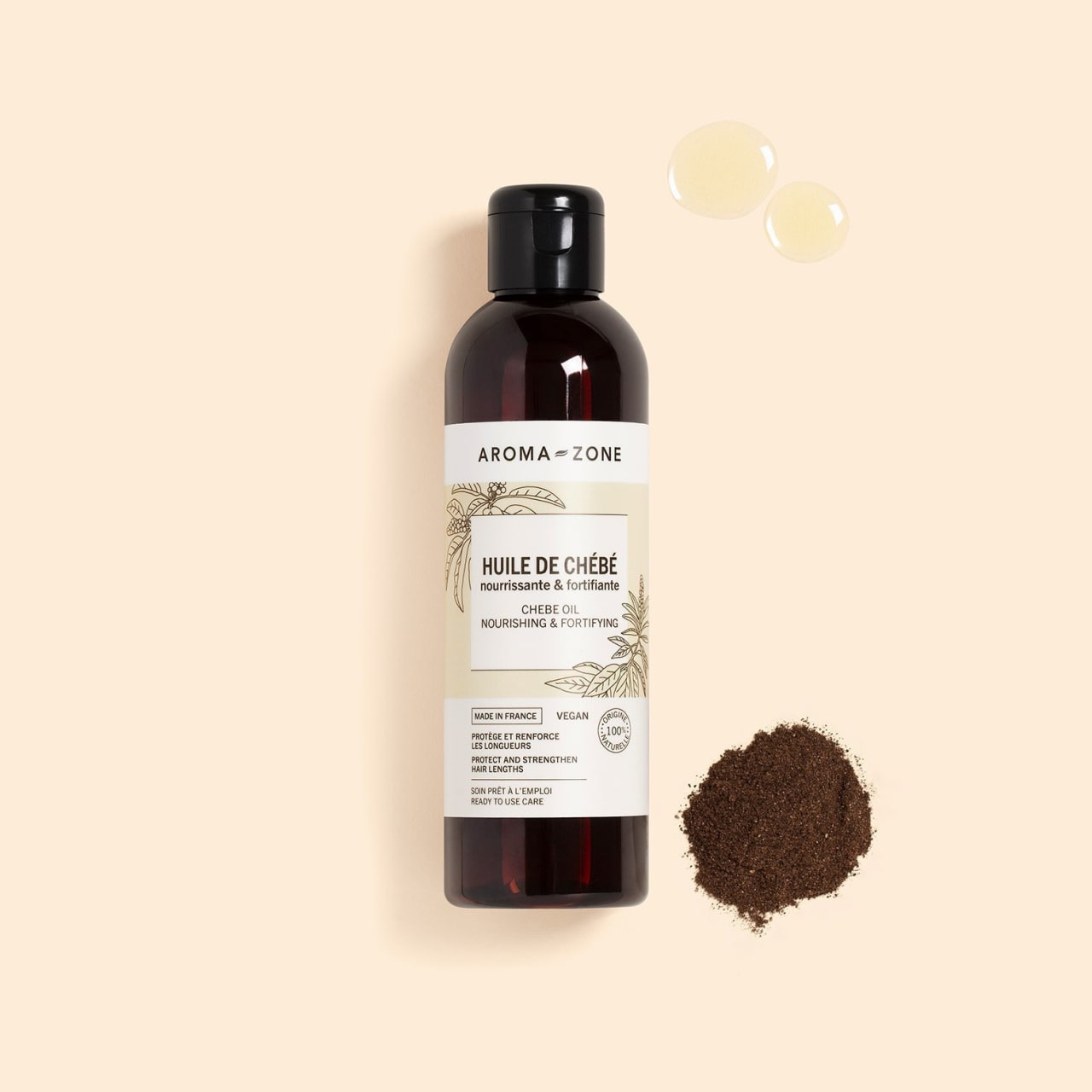
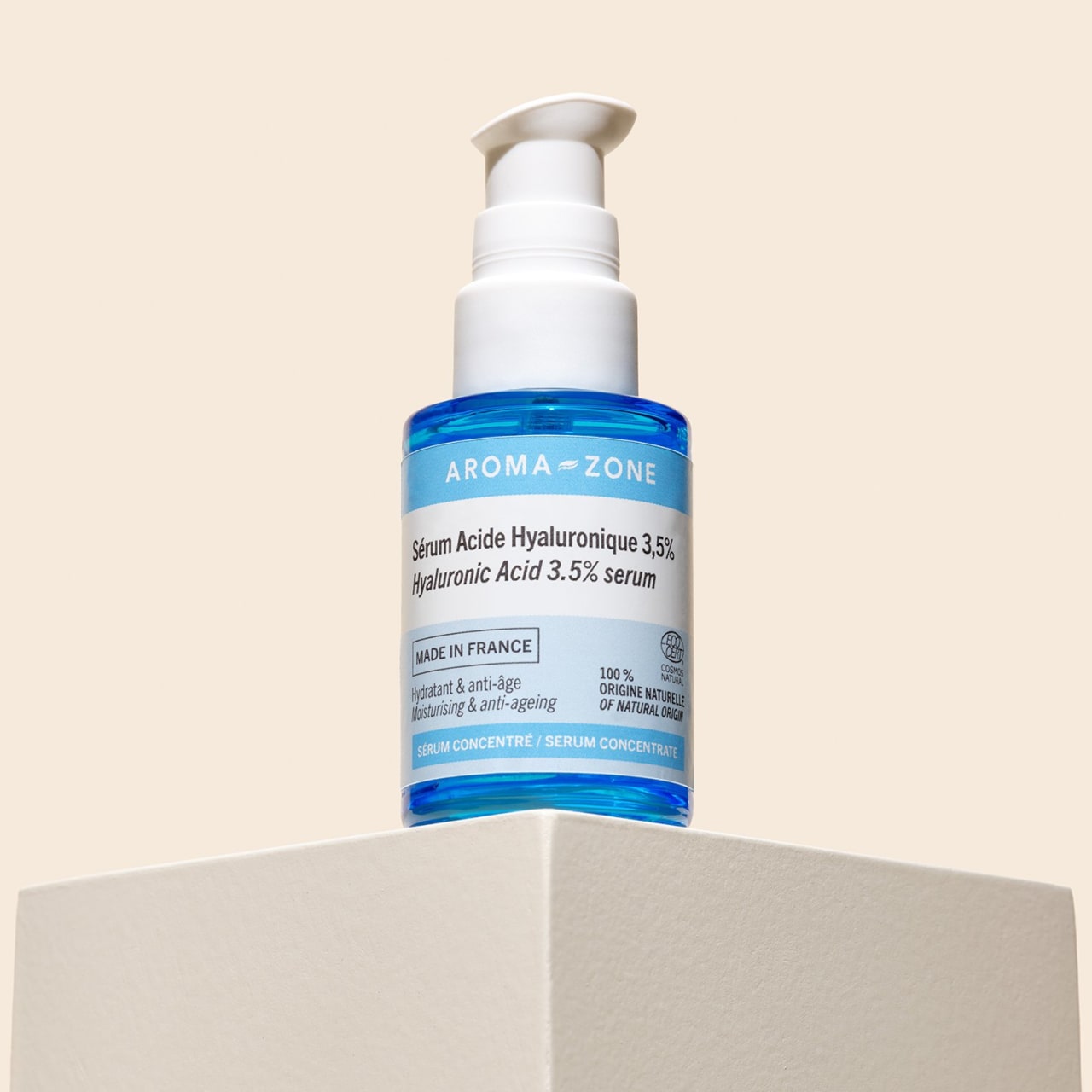
Layer it up (LCO method): a liquid base like the Hyaluronic Acid 3.5% Serum, followed by a rich cream such as the Hair Care Butter or Avocado Butter, then sealed with an oil, Chebe Infused Oil is a genuine standout for strengthening coily hair specifically.
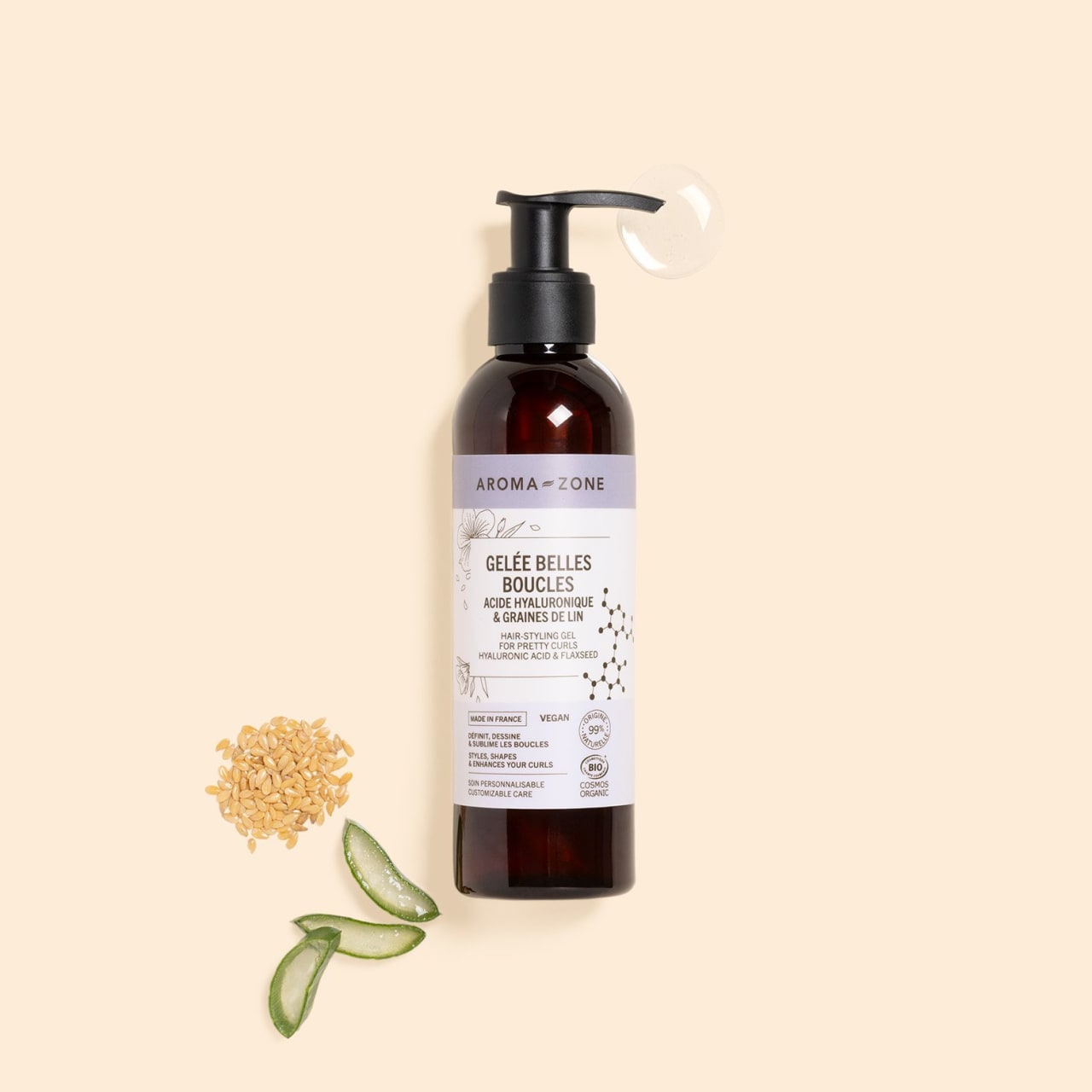
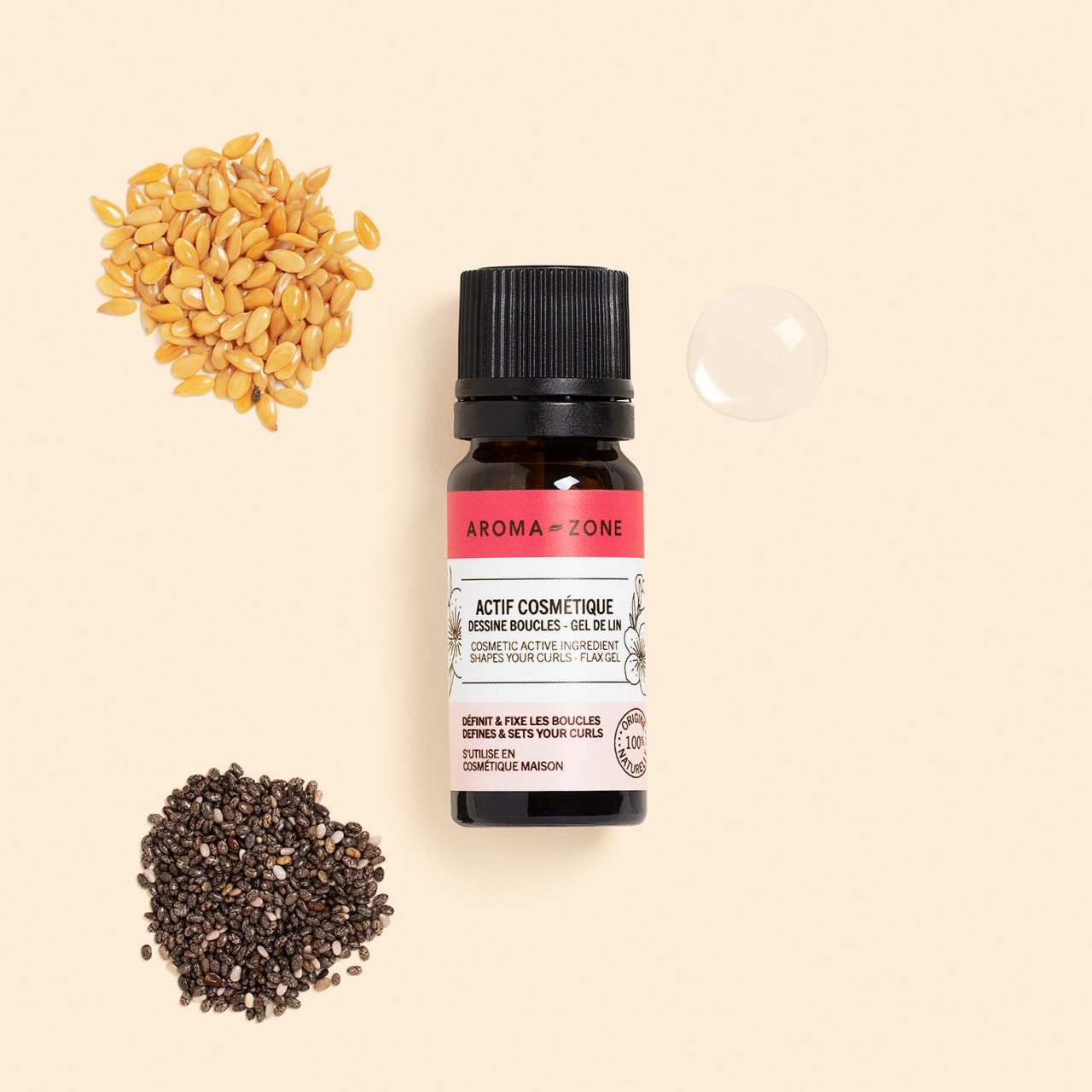
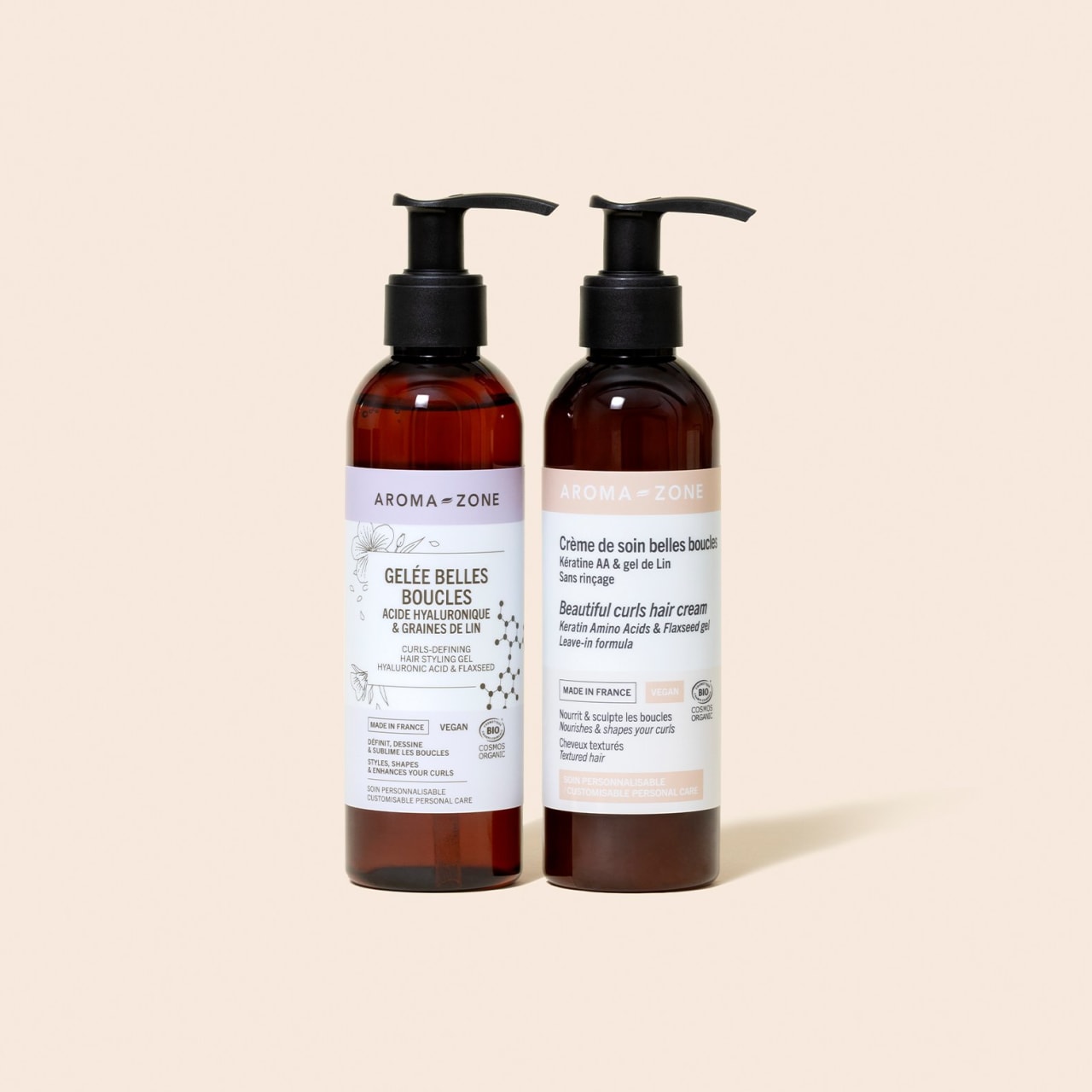
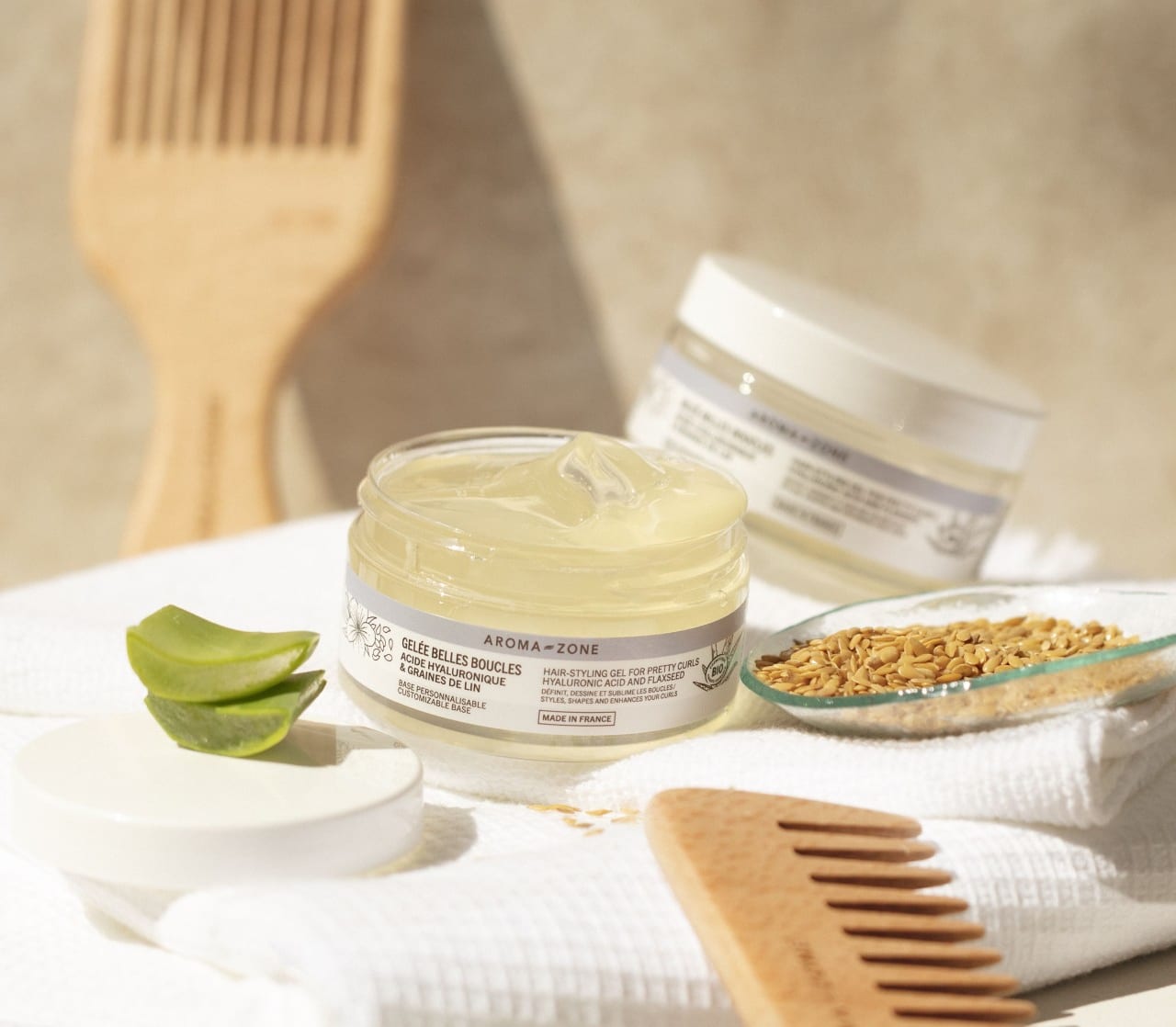
Define: the Curl-Defining Gel with Hyaluronic Acid & Flaxseed, scrunched in on wet hair, helps hold the coil pattern rather than letting it frizz out.
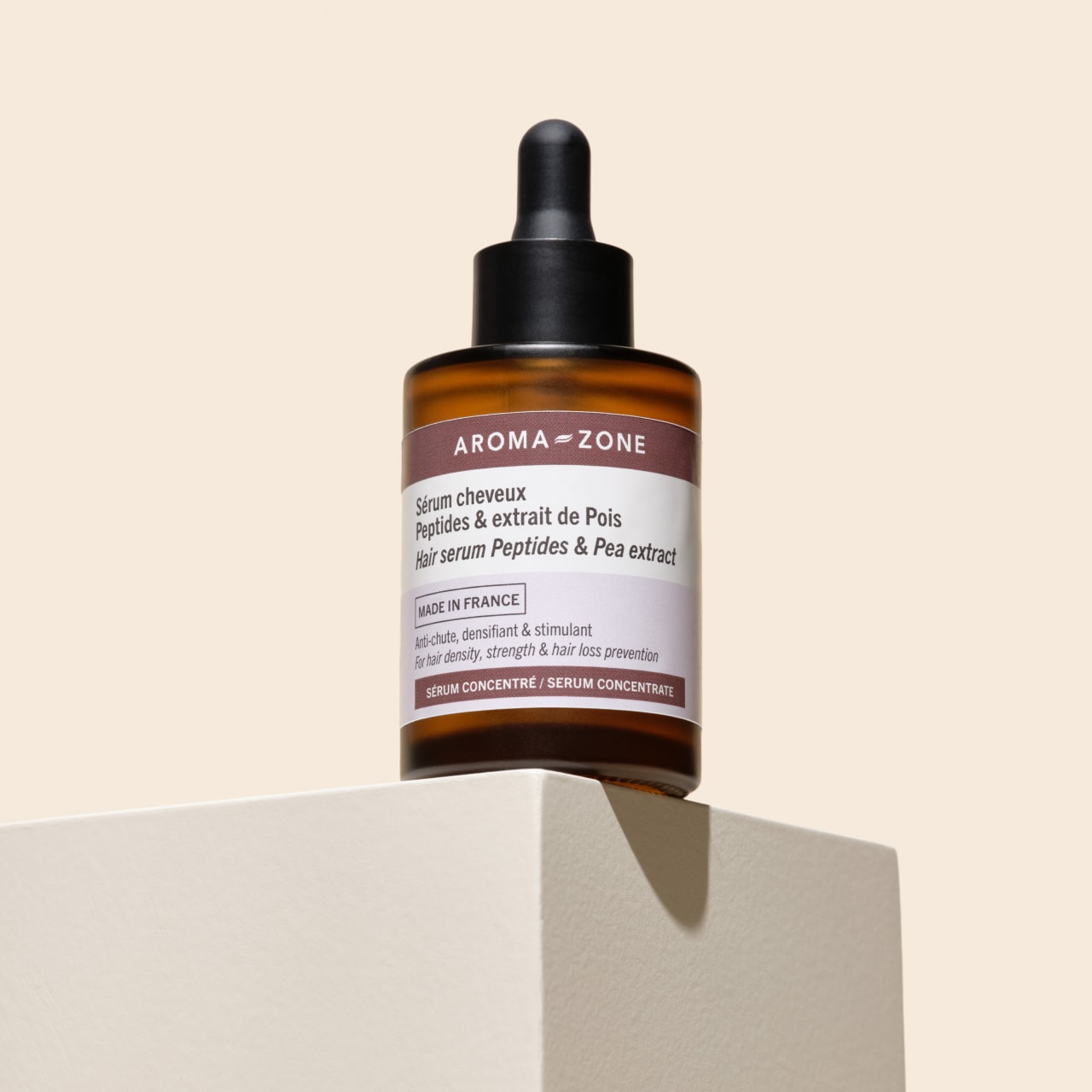
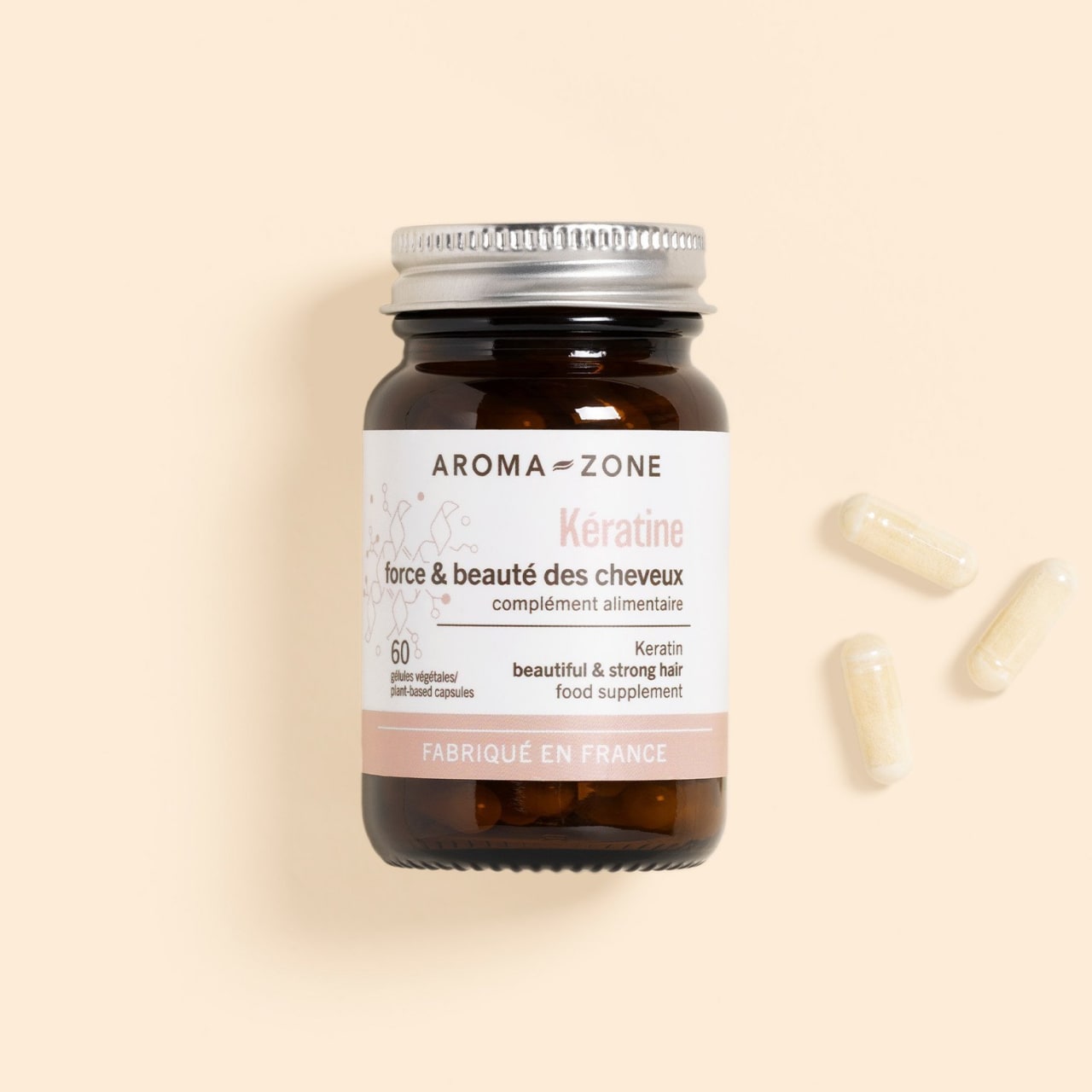
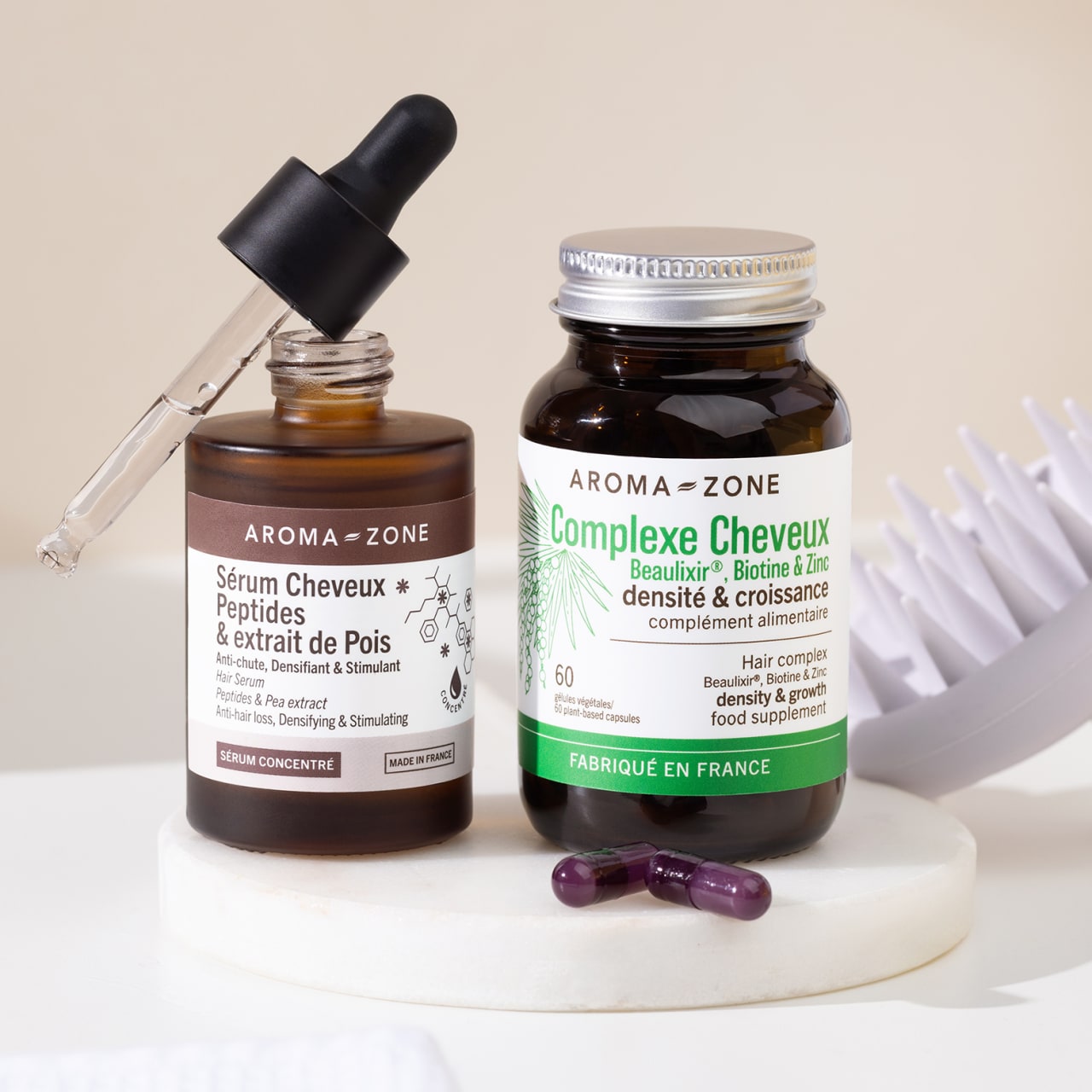
Strengthen from within: the Keratin - 60 Capsules supplement is a genuine bestseller here too, and the Strengthening & Densifying Hair Serum works well massaged into the scalp for hair that's shedding more than usual.


