
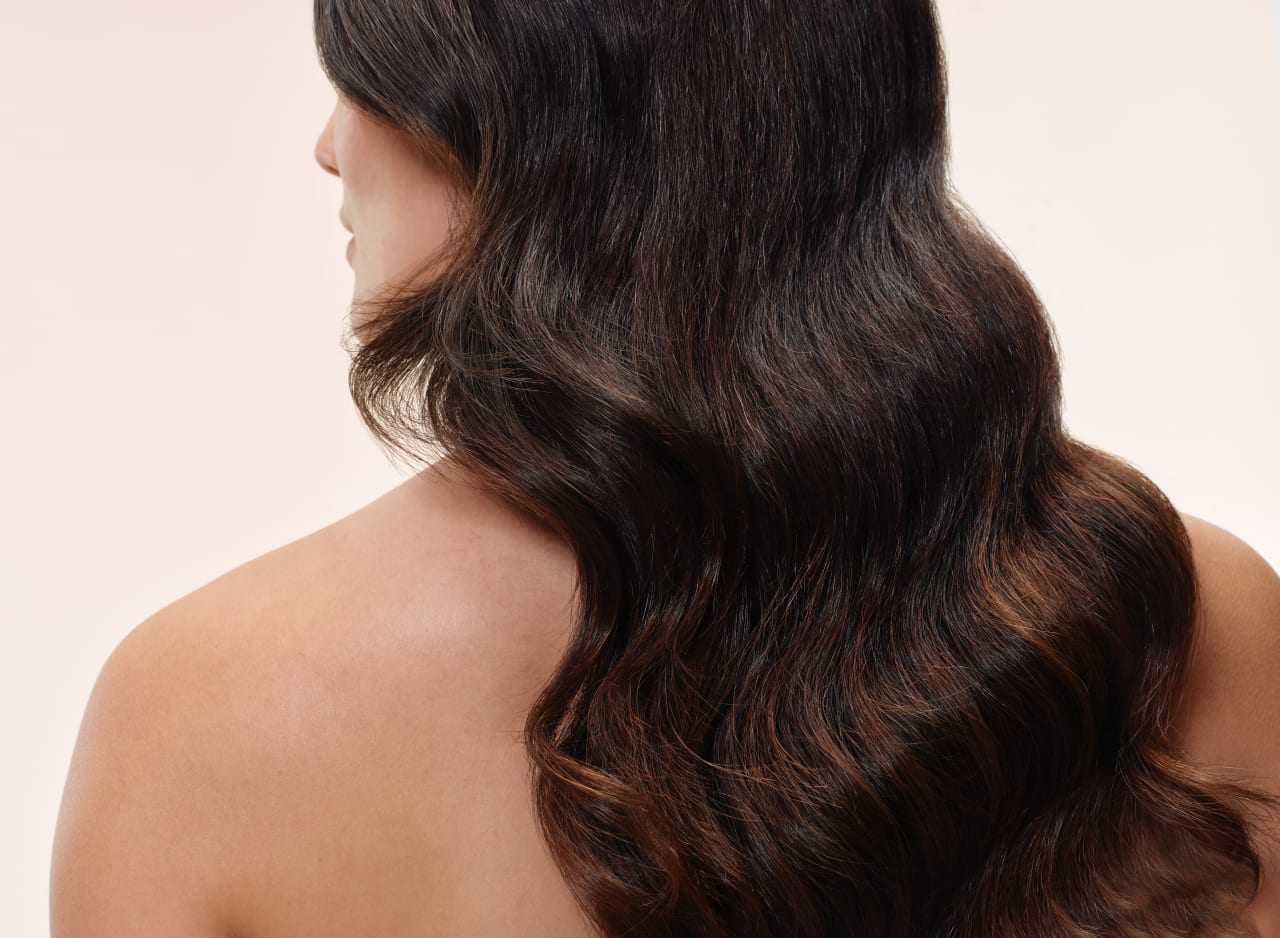
The more hair you have, the more volume you have – myth or reality?
Published on: Thursday, June 25, 2026, Updated on: Wednesday, September 30, 2026
When we talk about hair volume, myth and reality become entangled. In particular, it is tempting to think that hair volume depends solely on density. However, trichological research shows that the equation is somewhat more complex. Contrary to popular belief, whilst the quantity of hair certainly plays a key role, it may not be the main factor… Drawing on scientific insights, this article aims to challenge a still all-too-persistent misconception and to approach our volumising hair care products from a new perspective.
Contents
Related products
Hair strengthening
£2.00
10 ml
Hair strengthening
£5.00
1 article
Repairing
Detangling
£9.00
200 ml
Nourishing
Hair conditioner
£12.50
500 ml
In brief
In short:
Yes, the amount of hair does influence the perceived volume of the hair.
However, density is not the only factor to be taken into account.
The mechanical properties of hair fibres and their spatial organisation also play a key role.
What is hair density?
Hair density refers to the number of hairs present in a given area of the scalp, usually expressed as the number of hairs per square centimetre.
It is distinct from hair diameter, which refers to the thickness of each individual hair fibre: two people may therefore have the same density but give a different impression of volume if their hair is finer or coarser. Nor should it be confused with overall hair mass, which depends on density, diameter, length, texture and the way the strands are arranged in relation to one another.
Does volume depend mainly on hair density or on hair diameter?
Neither one nor the other: perceived volume cannot be reduced solely to density or diameter.
According to the scientific literature, particularly in the field of trichology, hair volume depends on several factors that interact with one another rather than being mutually exclusive. These are mainly the following factors, which collectively influence the perceived volume of your hair to varying degrees.
Density. In itself, this is true: the more hair you have, the greater the mass and the greater the volume (1).
Thickness, or the diameter of the hair shaft. The thicker your hair is, the more voluminous it will appear, even at the same density (1).
Length, for purely physical reasons. Indeed, a strand of hair becomes heavier as it gets longer. Gravity therefore causes it to lose volume, particularly on the top of the head.
Texture, which affects the geometry of the hair shaft. For example, curly and frizzy hair appears more voluminous than straight hair, as it takes up more space (2).
Stiffness, which determines whether your hair ‘flattens out’ easily or retains a constant volume. A very supple strand of hair flattens out more easily under the influence of gravity, which explains why the volume doesn’t hold. Conversely, stiff hair resists bending more: it therefore tends to occupy a larger three-dimensional volume (2).
Friction, which refers to how your hair fibres behave when they come into contact with one another. Hair that ‘slides’ tends to pile up on top of itself, whereas hair that ‘grips’ effectively separates more easily from the strands around it, which visually adds volume to the hair (2) (3).
Follicular orientation, in other words: the angle at which the hair emerges from the follicle. The flatter the angle, the more the strands overlap as they grow, which increases the perceived density. A steeper angle can give the impression of volume at the roots (as if the hair were standing upright), but at the expense of visual coverage (2).
So, why does some hair lack volume?
According to trichology, this may be due to an unfavourable interaction between several hair-related factors, genetic predisposition or even natural ageing.
It is important to bear in mind that not all the factors mentioned above carry the same weight in determining your hair’s volume. For example, someone with high density but fine and straight hair will appear to have less volume than someone with lower density but more thickness and texture. Sometimes, certain factors balance each other out; in other cases, a deficiency persists. It is therefore possible that your hair ticks several boxes on paper, but that it appears to lack volume when you look in the mirror.
Generally, when volume is lacking, there is an imbalance in one or more of the following areas: the amount of hair, the mechanical strength of the hair fibres and their spatial structure. For example, androgenetic alopecia is problematic for volume (4), as it leads to the miniaturisation of hair follicles. In practical terms: the hair becomes increasingly fine. Here, it is indeed the quantity of hair (and more specifically its density) that is at stake when it comes to volume.
If your hair has been damaged by chemical treatments, then in this case it is the hair’s mechanical properties that are impaired (5). Having been stripped by bleaching and perms, the hair fibres become more easily distorted under their own weight. As they fall flat more quickly, they give the impression of hair that is less airy and voluminous.
Finally, there are factors that are difficult (if not impossible) to influence. First and foremost is genetics (4), which partly determines the number of active hair follicles, their orientation and the curvature of the hair. Even the stiffness of the hair fibre can have a genetic component. We should also mention the influence of ageing (2), which simultaneously alters several parameters directly or indirectly linked to hair volume (hair cycle, average diameter, cuticle damage, etc.).
What is the best way to add volume to your hair?
According to the current state of research, increasing the diameter of the hair is potentially the most significant step.
Although hair volume is influenced by multiple factors, certain significant factors stand out particularly clearly from the research. Below, we present a ranking of the four most important – and potentially most effective – factors for achieving fuller-looking hair. This ranking essentially illustrates key trends to bear in mind, rather than universal rules.
Volumising techniques (from most effective to least effective) | Related haircare routines |
Increasing the diameter of the hair fibre | Support follicular activity with topical treatments applied to the scalp, such as serums. Use coating formulas on the lengths to form a thickening film (temporary effect). |
Boost the density of productive follicles | Support follicular activity with topical treatments applied to the scalp, targeting any androgenetic hair loss. |
Work with the hair’s structure | Use the right styling and blow-drying techniques to temporarily alter the hair’s natural curl and shape (upward blow-drying, drying with the head upside down, backcombing, etc.). Apply texturising products, such as salt sprays or volumising powders. Opt for lightweight conditioning treatments to control friction without weighing the hair down or flattening its volume. |
Improve the quality of the hair fibre | Preserve the cuticle’s protective function, by limiting its porosity with restorative treatments. Strengthen the hair’s protein structure using restructuring treatments, enriched, for example, with keratin or hydrolysed proteins. |
Our conclusion, based on the scientific literature
Myth or reality?
True, but oversimplified: hair density is just one of several factors determining hair volume.
What is true
Hair density plays an important role in perceived volume.
A decrease in density (hair loss) can reduce the perceived volume of the hair.
Targeting hair density can help restore a fuller head of hair.
What is wrong
Density alone does not determine hair volume.
A lack of density does not prevent you from having volume.
Focusing solely on density is not necessarily enough to boost volume.
Food for thought
If there were just one thing to take away from this, it would be this: boosting your hair’s volume means ensuring that all the individual strands work together as harmoniously as possible.
Hair volume depends on the interaction of thousands of strands. Consequently, the objective changes: it is no longer a question of caring for each strand of hair in isolation, but of caring for the entire system. A 2012 article on the physics of fibre assembly (6) also demonstrates that the overall shape of the hair is not simply the sum of the individual properties of each hair. In this case, to return to the example that made the publication so successful, a simple ponytail turns out to be the result of numerous interactions governed in particular by gravity, the elasticity of the hair, its curvature and the pressure exerted by the fibres against one another. It is therefore no longer a question of considering the quality of the hair as an end in itself, but of using it as a basis for maintaining a coherent overall structure.
Our related products
Make your own volumising shampoo with effective active ingredients
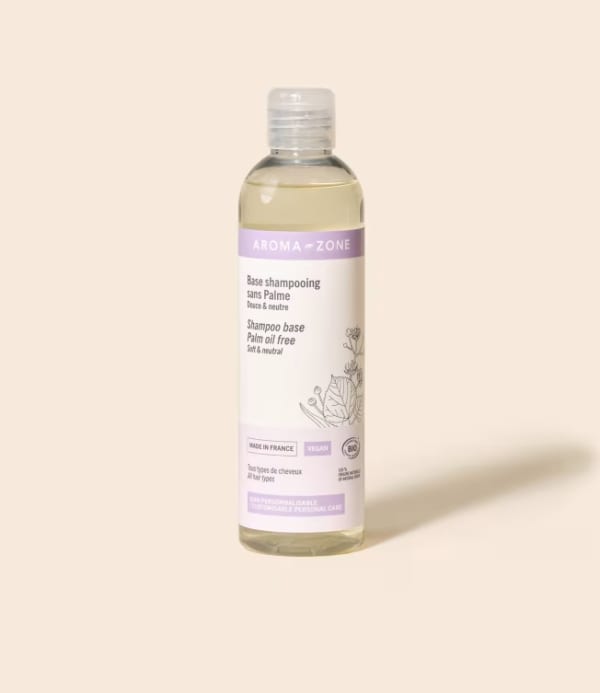
Neutral, palm-oil-free shampoo base
Our “universal” shampoo, suitable for all hair types and all scalp conditions. Enriched with fortifying, moisturising, detangling and soothing active ingredients, including arginine and organic inulin, it leaves hair softer, stronger and shinier. Its formula creates a light, airy lather that’s easy to rinse out. Tip: customise it with a volumising active ingredient from our nature range, such as rice proteins.
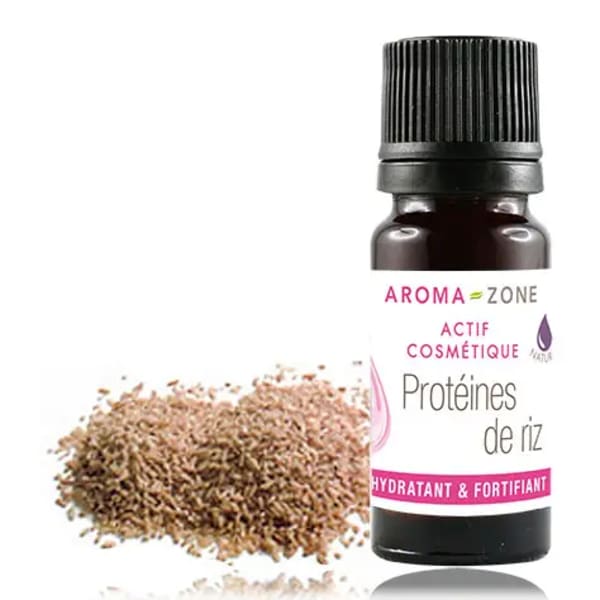
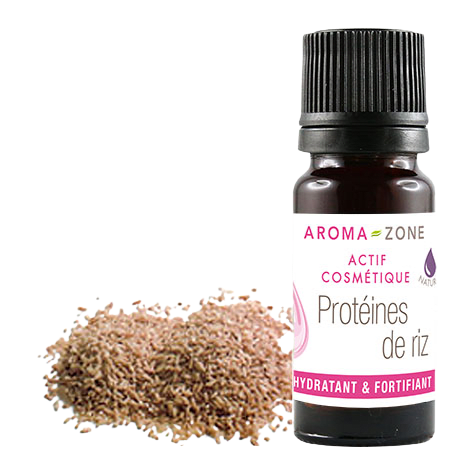
Active Ingredient: Hydrolysed Rice Proteins
Ideal for making homemade volumising hair care products, this ingredient is renowned for its coating, strengthening and moisturising properties. It is particularly suitable for fine, limp, dry or damaged hair, for example in the formulation of a reparative mask designed to add volume. Recommended dosage: 0.5 to 5 per cent of the total weight of your formulation.
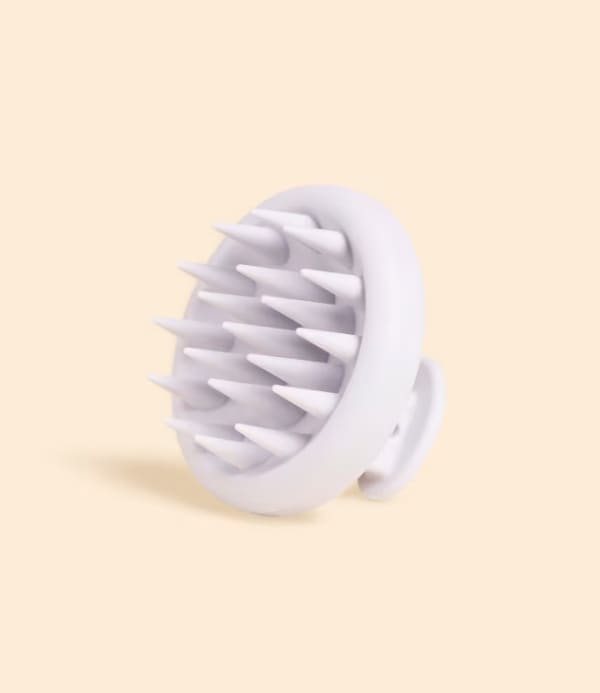
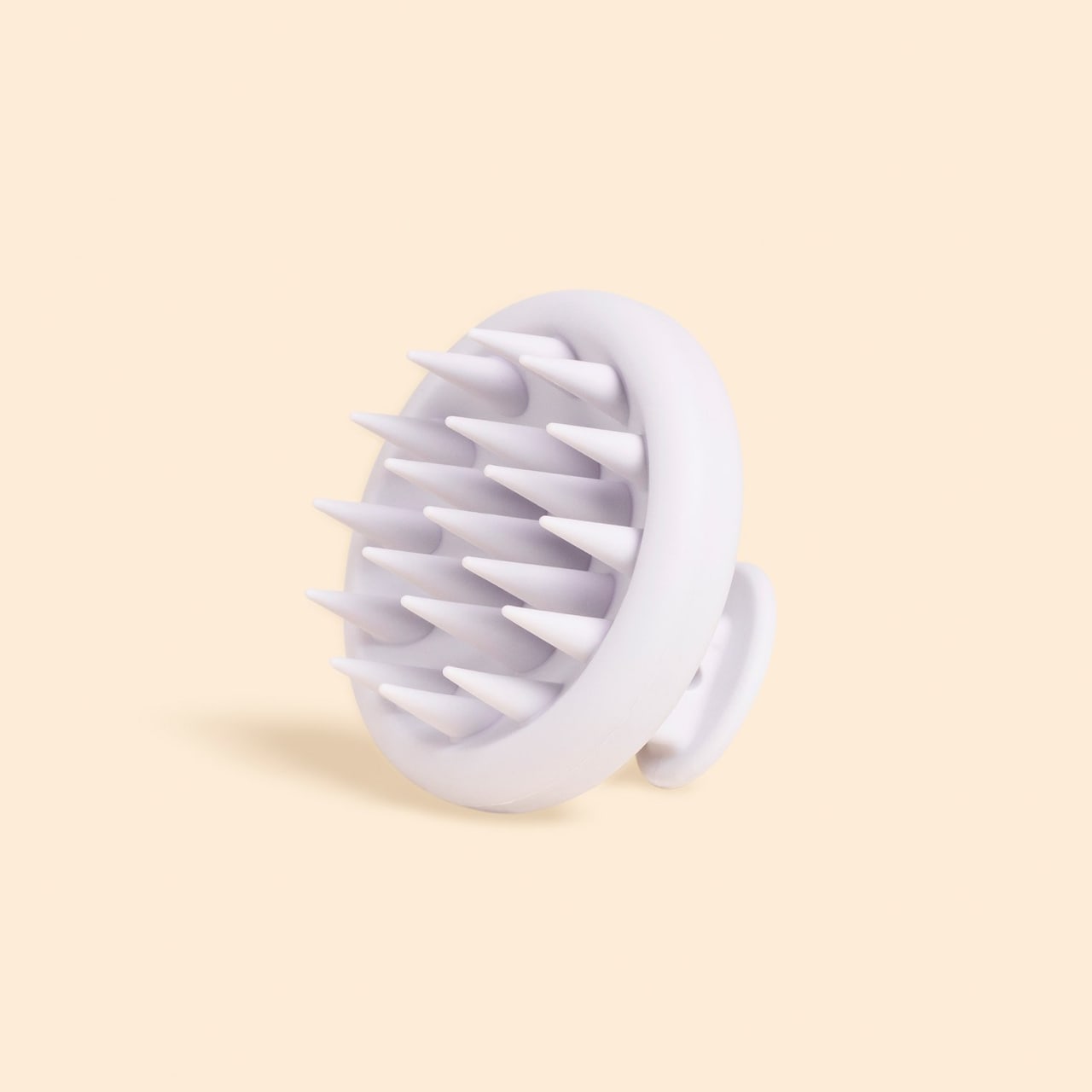
Scalp massage brush
This accessory allows you to stimulate your scalp whilst applying your haircare products to the roots (shampoo, serum, etc.). Its soft, ‘peach-skin’ silicone bristles provide a massage that promotes microcirculation, thereby contributing to the normal activity of the hair follicle. If you often feel your hair is flat, it can also help regulate your sebum production thanks to its exfoliating effect. Suitable for use on dry or damp hair, and suitable for sensitive scalps.
Apply a conditioner or hair mask without weighing your hair down
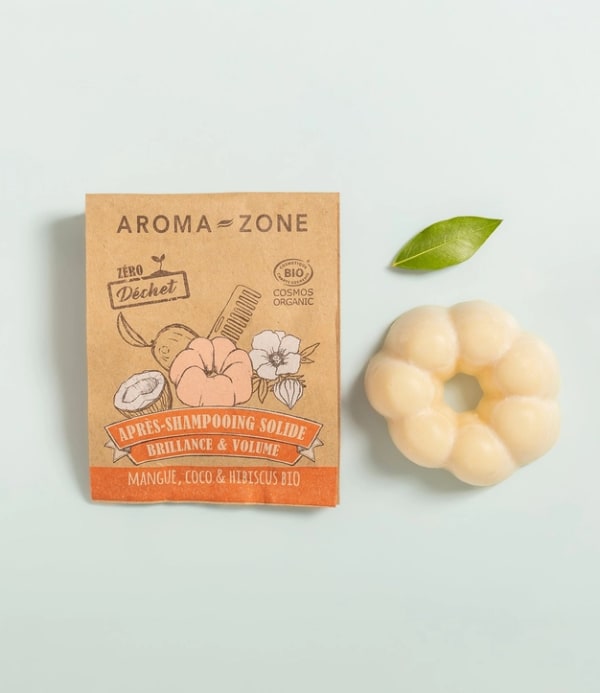
Solid Conditioner for Shine & Volume
Formulated with mango, hibiscus and coconut extracts, it coats and detangles ‘flat’ hair without weighing it down, for a visible boost in volume and shine. Lasts three times longer than a conventional conditioner thanks to its economical solid format.
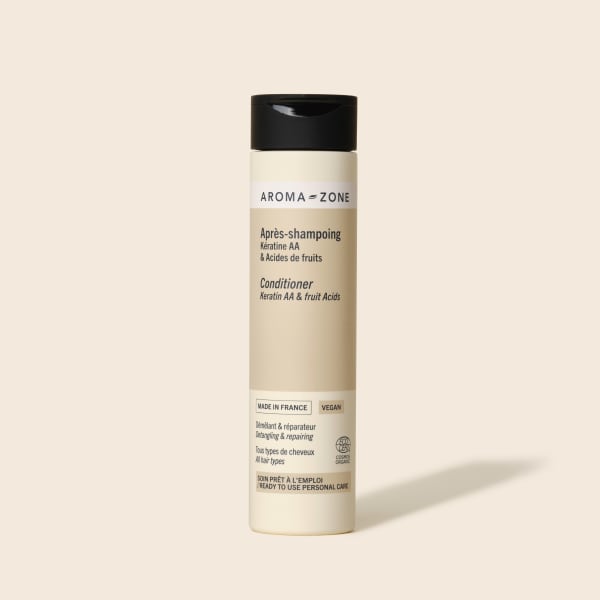
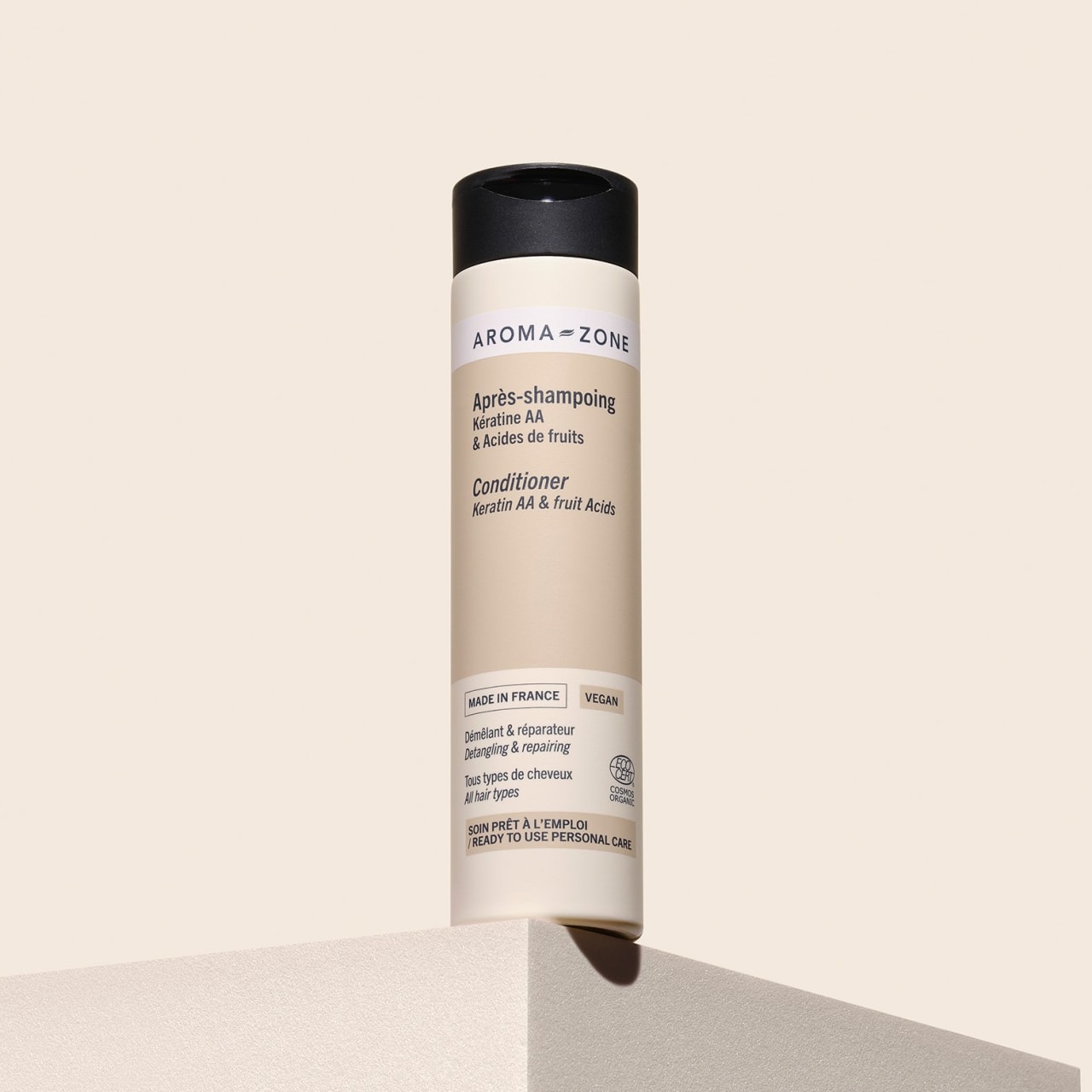
Keratin AA & Fruit Acids Detangling and Repairing Conditioner
Designed for damaged hair, this certified organic detangling conditioner repairs, strengthens and reduces breakage by 94% from the very first use. Free from sulphates and silicones, its innovative Keratin and Fruit Acids complex works both inside and outside the hair fibre to leave hair visibly strengthened and enhanced.
Discover the AA Keratin & Fruit Acids detangling and repairing conditioner
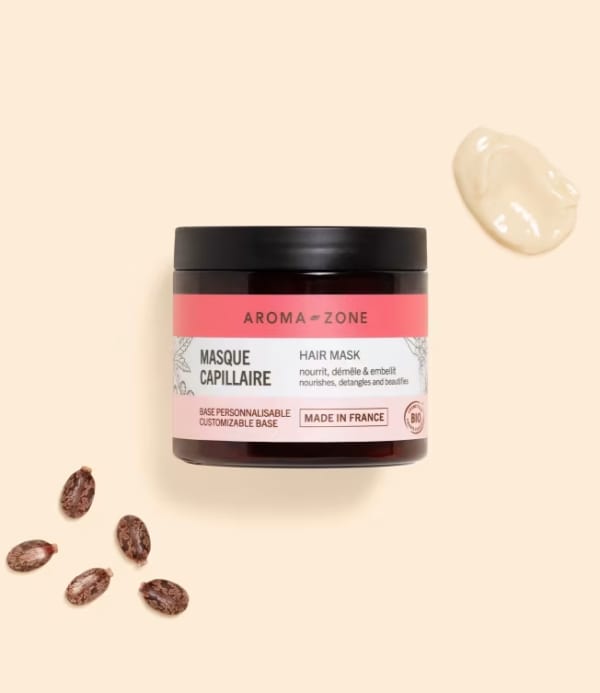
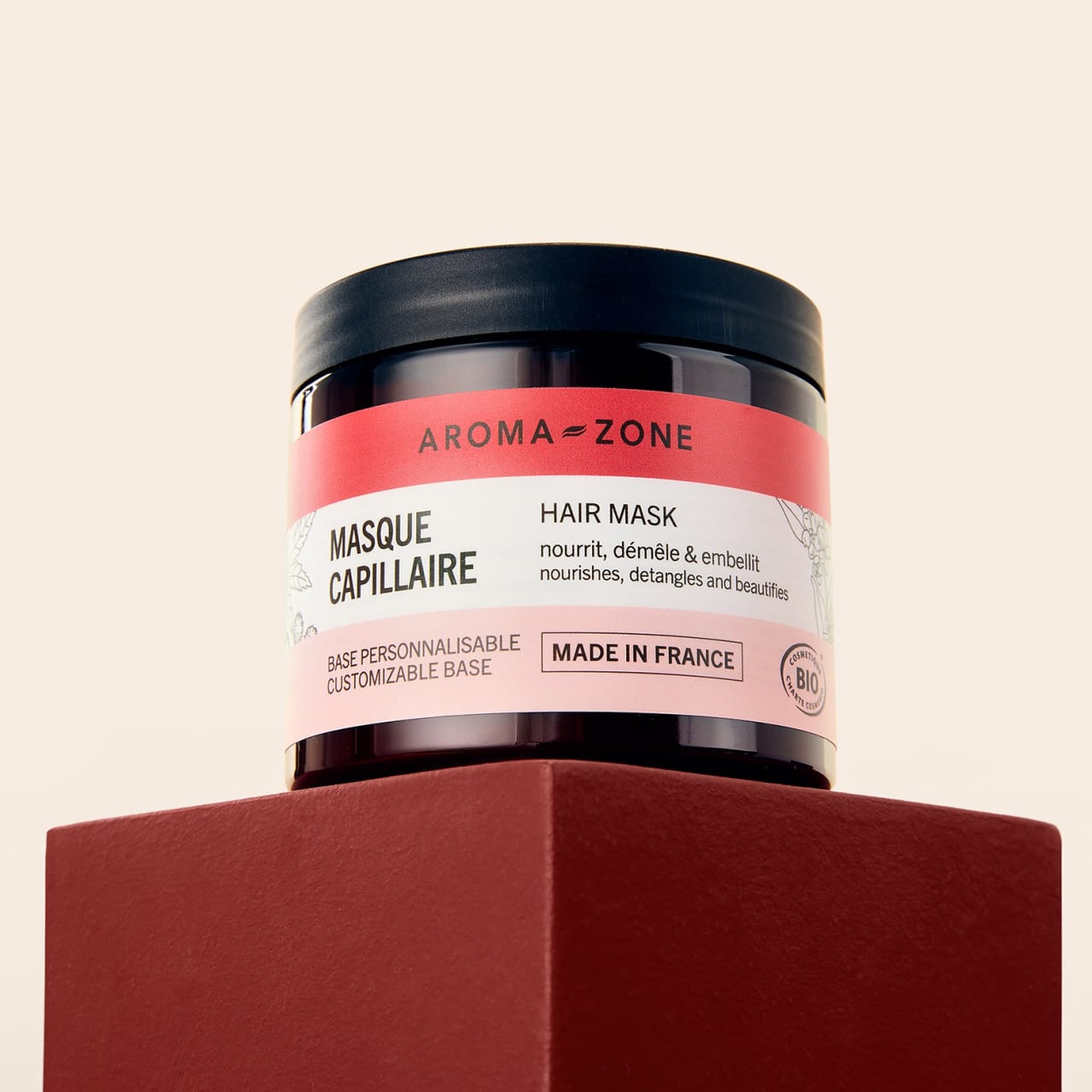
Hair mask
Easy to rinse out, it doesn’t weigh the hair down and thus preserves its natural volume. It can be used as a mask or a conditioner, leaving hair softer, shinier and revitalised. To give it an extra volume boost, customise it with our hydrolysed rice protein active ingredient (maximum 9 mL per 200 mL jar). Do not use on children under 3 years of age; customisation is recommended for adults only.
Boost your impact with targeted treatments
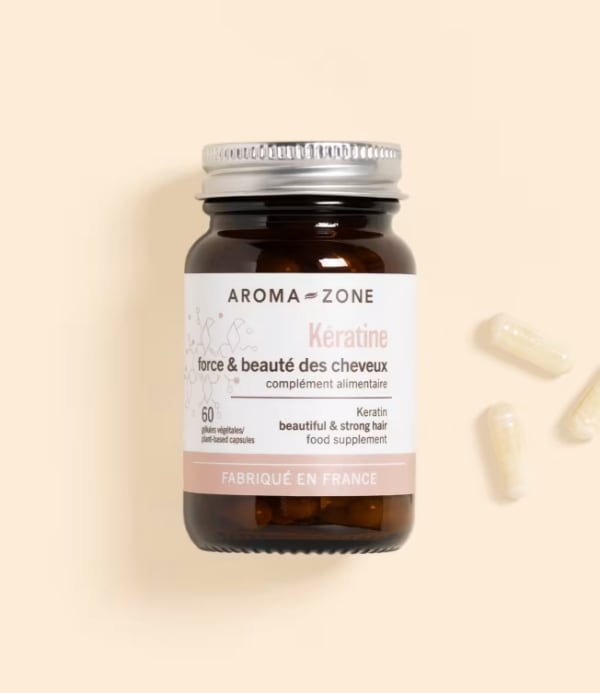
Keratin (dietary supplement)
Proven efficacy: increases the number of hairs in the anagen (growth) phase and reduces the number of hairs in the telogen (shedding) phase. Cynatine HNS®, obtained by hydrolysis of New Zealand sheep’s wool, is capable of strengthening each hair fibre. Recommended dosage: 2 capsules per day. For adults only; not recommended for pregnant or breastfeeding women.
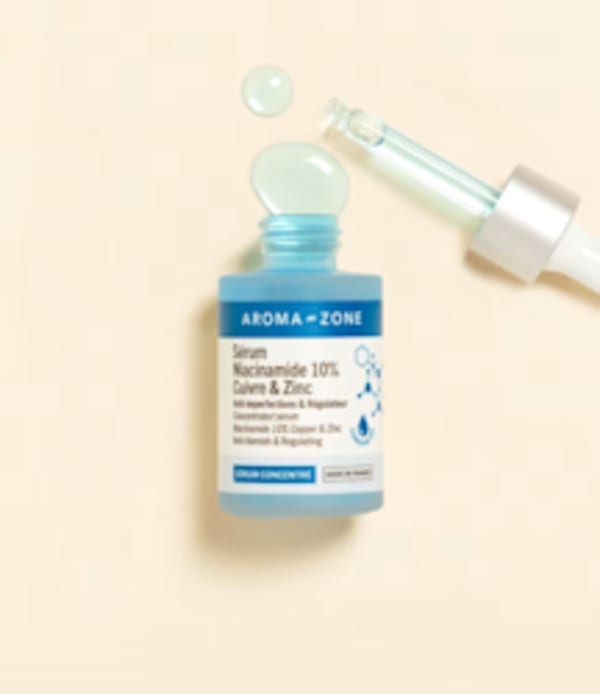
10% Niacinamide, Copper and Zinc Concentrated Serum
Widely acclaimed by our community for its benefits for the facial skin, this serum can also be used on the scalp. Its key active ingredient, niacinamide, is known to support keratin synthesis, which can help make hair stronger and more voluminous. It also has sebum-regulating properties that are beneficial for oily scalps.
Discover the 10% Niacinamide, Copper and Zinc Concentrated Serum
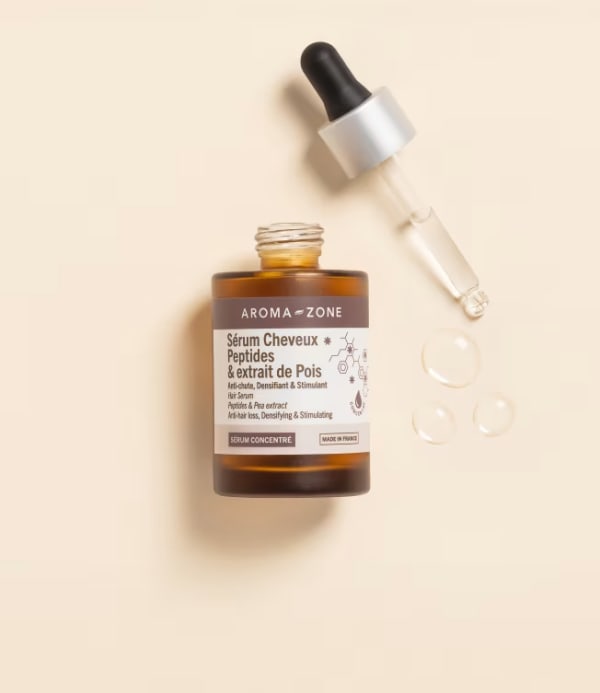
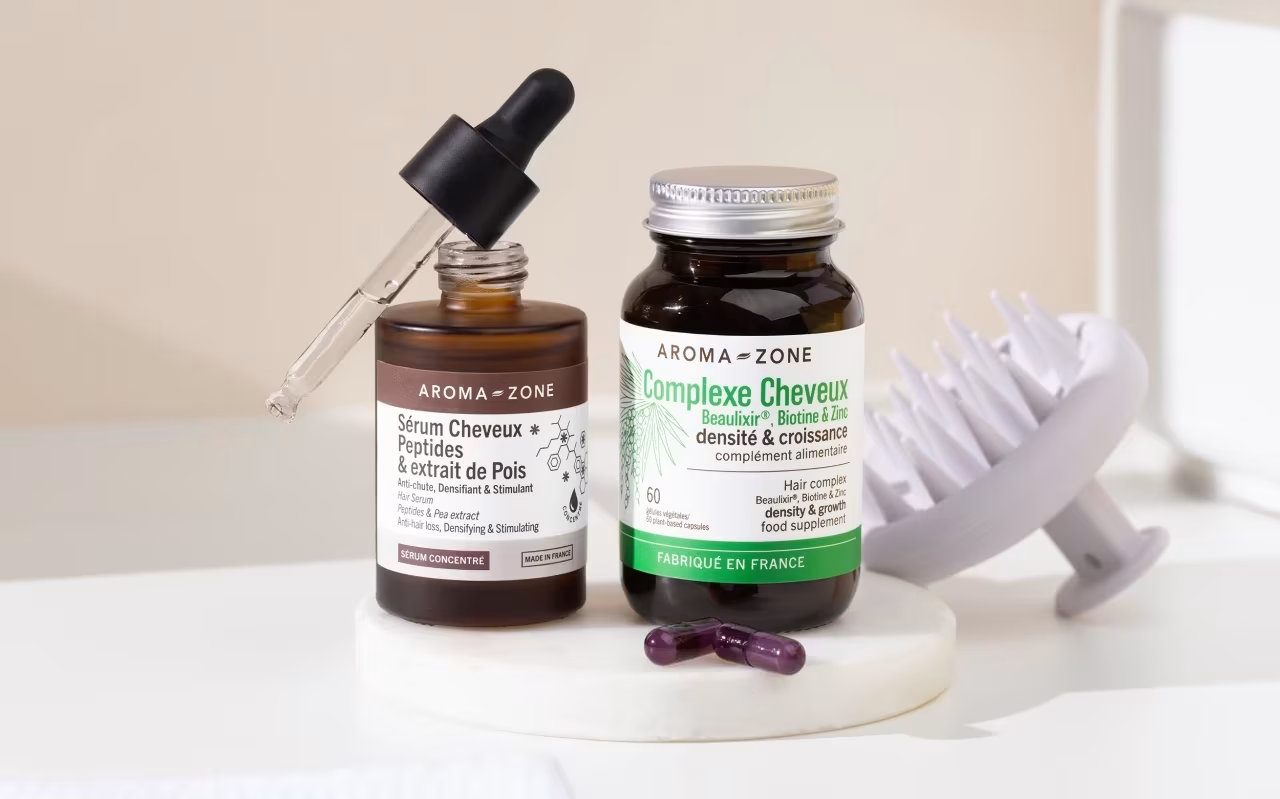
Anti-Hair Loss Serum with Peptides & Pea Extract
Designed to tackle both occasional and chronic hair loss, it helps to thicken the hair right from the root and make the hair shaft thicker, notably by providing a higher quantity of keratinocytes. Easy to use, it is massaged into the scalp and does not need to be rinsed out. The bonus: its light, quickly-absorbing texture that leaves no greasy residue.
The trichologist’s view
"Common misconceptions about hair volume that you often hear during appointments?
Myth No. 1: The more hair you have, the more volume you have Volume depends not only on the number of hairs, but also on the diameter of the hair shaft, its texture (straight, wavy, curly), its density across the scalp and the way the hairs are positioned in relation to one another.
Myth No. 2: Having volume means having high porosity High porosity can sometimes give the impression of fullness or more voluminous hair, but volume depends primarily on hair density, the diameter of the hair and its natural shape.
Myth No. 3: Fine hair can never have volume Some people with fine hair have excellent hair density and can have plenty of volume despite a small hair shaft diameter.
Myth No. 4: Thick hair necessarily has a lot of volume Not necessarily. A person may have very thick hair strands but low hair density, which limits the overall volume.
Myth No. 5: Cutting your hair makes it look fuller A haircut does not increase the number of hairs or their diameter. However, certain cuts create a visual illusion of volume by lightening the lengths or restructuring the hair."
Dalila Belmokhtar, Doctor of Pharmacy and trichologist @dalilahairscience
Precautions
The quest for volume through density may arise in a medical context: androgenetic alopecia, alopecia areata, telogen effluvium, nutritional deficiencies, medication, etc. If this applies to you, please consult your GP to find the solutions best suited to your individual situation. Cosmetic approaches are no substitute for the advice of a healthcare professional.
Expert advice
Instead of thinking about density, start thinking about ‘coverage’ and ‘spatial organisation’. In this case, a simple haircut can give the impression of added volume: simply by visually increasing the space your hair occupies. If you’re looking for an immediate result, a quick visit to your favourite hairdresser’s could prove highly satisfying.
Focus on Our Writer: Hélène Betoux

Hélène Betoux is a French beauty journalist specialising in web media. Every day she writes tips, advice, and guides to help consumers choose the right beauty products. With a strong interest in natural, organic, and clean cosmetics, she analyses and shares trends and innovations in the sector.
Bibliography
Leerunyakul K, Suchonwanit P. Evaluation of Hair Density and Hair Diameter in the Adult Thai Population Using Quantitative Trichoscopic Analysis. Biomed Res Int. 10 February 2020;2020:2476890.
doi: 10.1155/2020/2476890. PMID: 32104683; PMCID: PMC7035527.
Daniels, G., Tamburic, S., Benini, S., Randall, J., Sanderson, T. and Savardi, M. (2021), Artificial Intelligence in hair research: A proof-of-concept study on evaluating hair assembly features. Int J Cosmet Sci, 43: 405–418.
https://doi.org/10.1111/ics.12706
Thomazo JB, Lauga E, Le Révérend B, Wandersman E, Prevost AM. Collective stiffening of soft hair assemblies. Phys Rev E. July 2020;102(1-1):010602.
doi: 10.1103/PhysRevE.102.010602. PMID: 32795025.
Chang WC, Chen KY, Cheng SY, Hsu CK, Yang CC. Mapping hair density, thickness and volume in subjects with normal and androgenetic alopecia using a digital microscope. JEADV Clin Pract. 2023;2:174–178.
https://doi.org/10.1002/jvc2.86
C. Thieulin, R. Vargiolu, H. Zahouani, ‘Effects of cosmetic treatments on the morphology, biotribology and sensorial properties of a single human hair fibre’, *Wear*, Volumes 426–427, Part A, 2019, Pages 186–194, ISSN 0043-1648,
https://doi.org/10.1016/j.wear.2019.01.065.
Frequently Asked Questions
Associated recipe
Associated tip
Hair care tips


