What are the best active ingredients for adding volume to hair?

What are the best active ingredients for adding volume to hair?


By Hélène Betoux

Published on: Tuesday, May 05, 2026, Updated on: Monday, October 12, 2026

Yes, it is possible to achieve fuller-looking hair, even if you have fine hair or oily hair. With this in mind, it’s essential to bear in mind that the best active ingredients for hair volume work on several levels. Whilst we immediately think of stimulating treatments to apply to the roots and scalp, we tend to forget that the physical properties of the hair fibre also influence perceived density. It all comes down to the right combinations of active ingredients – those with an immediate volumising effect and a long-lasting thickening effect – to encourage hair growth, thicken the hair fibre and maintain the scalp’s balance to achieve greater “body”. 

Contents

Related products

In brief

  • Increasing hair volume requires addressing both the biological density of the hair and the physical properties of the hair fibre.

  • The best approach to adding volume is to combine scalp care (a long-term investment but with lasting results) with care for the lengths (an immediate but temporary effect).

  • The best active ingredients for adding volume to hair may differ depending on whether the hair is fine, oily or curly.

What types of active ingredients create a volumising effect?

In cosmetics, the best active ingredients for adding volume to fine or flat hair are essentially those capable of increasing the diameter of the hair fibre. However, they do not actually affect the biology of the follicle. They simply create the illusion of thicker hair, which may be enough to give the appearance of fuller hair on a day-to-day basis. In this category, the main ingredients are plant-based powders and film-forming agents, particularly proteins (keratin, collagen, silk), which form a thickening coating around the hair. We should also mention moisturising active ingredients, which create volume through water-induced swelling.

Visual volume also comes from the roots. In this case, just like the previous category of volumising active ingredients, it has the advantage of being immediately visible. Certain active ingredients help to lift the roots slightly: a temporary effect that gives the hair a denser appearance. In the same vein, active ingredients that target the balance of the scalp are highly relevant to complement a volumising strategy, particularly in cases of hair loss or thinning hair.

There are other interesting active ingredients which, in this case, can claim to have a stimulating effect on the hair follicle. Very few have a direct effect on hair thickness, although some can be found in a few topical scalp serums. Most actually have an indirect effect, for example by increasing the number of hairs in the anagen phase (growth phase). This phase of the hair cycle corresponds to the stage where growth strictly speaking; it can have an indirect volumising effect if properly targeted.

In addition to topically applied active ingredients, certain dietary supplements are also relevant. Research tends, however, to show that they have only a limited impact on hair volume when used on their own (1). It would therefore be preferable to take them as a supportive measure, particularly in cases of an initial imbalance; otherwise, their effects remain modest.
Are active ingredients that stimulate hair growth more effective than those that provide instant volume?

Key takeaway: it is difficult to single out one active ingredient as being better than all the others for increasing hair volume. In reality, it is the right combinations that can make all the difference.

At first glance, biologically active ingredients may seem more appealing. They do indeed have the advantage of genuinely improving the diameter of the hair shaft or the density of the hair. However, it takes time for the results to become apparent. Physical active ingredients, on the other hand, can claim to provide an immediate volumising effect – though this is purely temporary.

In practice, science seems to show that the best results for hair volume come from a balanced strategy combining physical actives (which thicken and coat the hair fibre) with biological actives, even though the latter category is less common in cosmetics.

This is quite simply because hair volume itself depends on both biological and physical factors. In the first case, these are the number of hairs per cm² (i.e. density) and the thickness of the hair fibre (fine hair vs. thick hair). In the second instance, it concerns the quality of the hair shaft, particularly its surface texture, stiffness and any friction. For example, the rougher the hair shaft, the greater the friction and the more the hairs push against one another. This is what helps to create the characteristic fullness of hair volume.

Summary table of targeted active ingredients

Active Ingredients

Key features

Caffeine

Biological and indirect effect on volume. It is thought to stimulate the anagen phase of the hair growth cycle, which increases hair density and helps to improve perceived volume (2).

Adenosine

Direct biological action on volume. It is thought to be capable not only of thickening the hair fibre, but also of improving the overall quality of the hair by targeting follicular activity (3).

Peptides.

Example: copper peptides.

Direct or indirect biological action on volume. The results obtained depend on the peptides tested. Some have been shown to be effective in improving hair density, particularly in cases of hair loss (7), and in increasing hair shaft thickness.

Hyaluronic acid

Physical action. Its high hygroscopicity enables it to attract and trap water at the core of the hair, creating the illusion of ‘plumper’ hair and a denser head of hair.

Panthenol

Physical and biological action through direct action. It is thought to promote cell proliferation in the hair follicle (6) and also to improve the quality of the hair fibre (hydration, friction) thanks to its remarkable biocompatibility with the hair’s constituent keratin.

Niacinamide

Biological action, but not specifically on the hair follicle. Its soothing and skin-barrier-enhancing properties instead create a favourable environment for maintaining healthy growth, which is essential for preserving beautiful volume (8).

Film-forming polymers

The main active ingredients in this category are controversial, particularly quats. However, there are a few more natural options, notably chitosan.

Physical action. They form a film (hence their name) which increases the apparent diameter of the hair fibre whilst improving the separation of the hair strands, resulting in an immediate volumising effect (4).

Hydrolysed proteins.

Examples: keratin, silk, wheat, collagen.

Physical action. They form a thickening film, but with better overall adhesion than polymers due to their affinity with the keratin on the hair’s surface (5).

Texturising agents.

Examples: plant powders, silica, clay, starch.

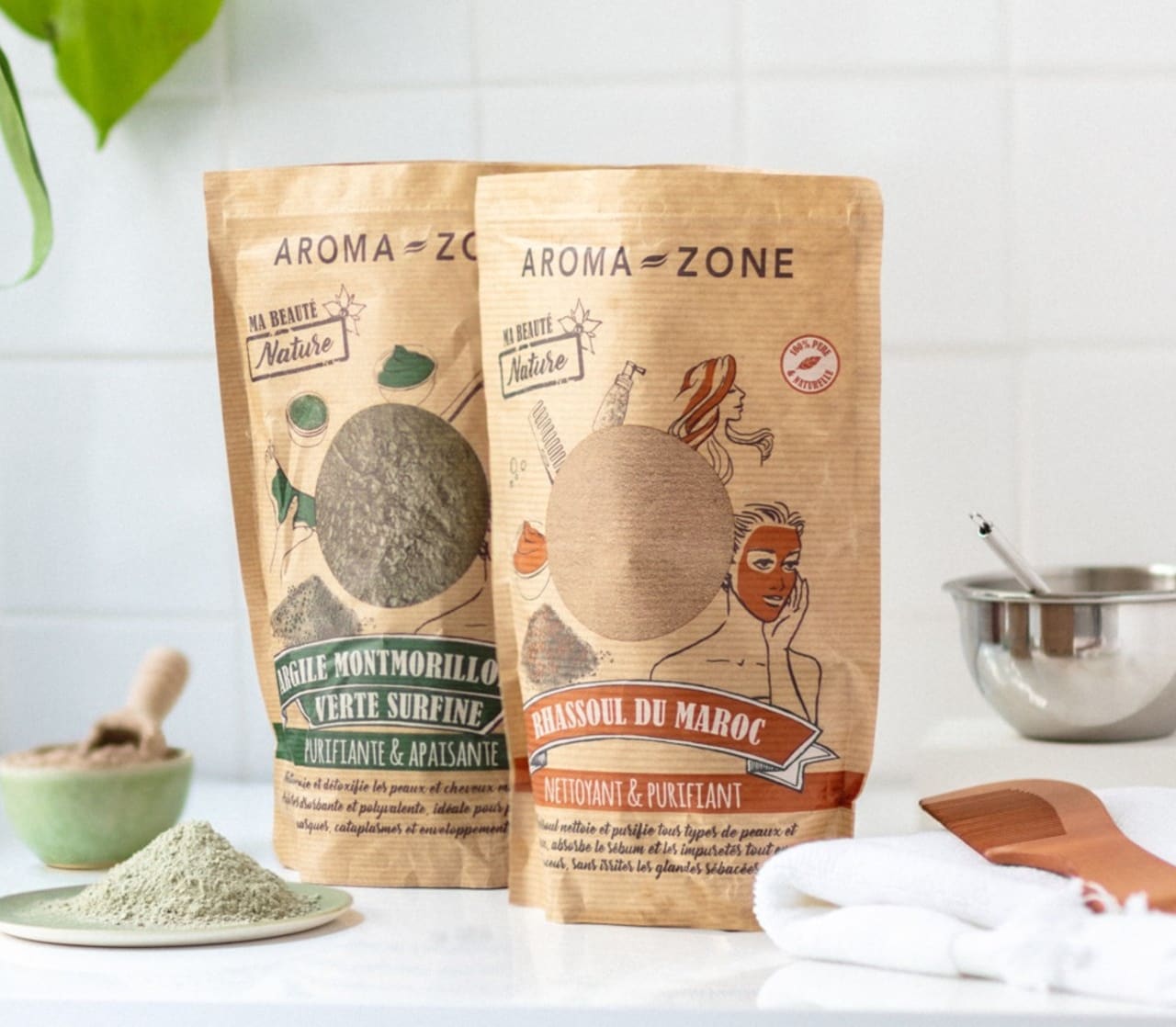
Physical action. They increase friction between the fibres, which widens the space between each hair and creates the illusion of ‘fuller’ and more voluminous hair. They are also useful for absorbing excess sebum in cases of flat hair and restoring volume right from the roots.

How do you choose the best active ingredients for volume based on your hair type?

If you’re looking for the best active ingredients to add volume to your hair, it’s probably because you find yourself in one of the following three situations. Fine hair, oily hair or textured hair: we’ll help you find the categories of active ingredients that are truly suited to your hair type.

Oily hair

This might apply to you if: you feel as though your hair is plastered to your scalp and loses its volume quickly after shampooing.

Active ingredients to look out for: texturising powders are particularly effective at absorbing excess sebum at the roots. They help to ‘lift’ greasy hair whilst restoring texture and body. Niacinamide can be a useful addition to help maintain the scalp’s balance, which can sometimes be disrupted by the build-up and oxidation of natural lipids. Caffeine may also be a good choice for you if you wish to support hair growth.

Fine hair

This may apply to you if: your hair seems to lack body, with strands that quickly lose their volume after even the slightest attempt at volumising blow-drying.

Active ingredients to look out for: opt for active ingredients with a stimulating biological action, such as peptides or adenosine, which are ideal for improving your hair’s density in the long term. At the same time, coat your hair fibres with sufficiently lightweight agents – an essential step to prevent your volume from collapsing. Take panthenol, for example, ensuring you follow the recommended dosages in our technical data sheets to avoid weighing your hair down.

Curly hair

This may apply to you if: you tend to lose volume due to recurring breakage of your hair fibres, if your hair feels fluffy, and if your hair volume is accompanied by frizz that gives the impression of disorganised volume.

Active ingredients to look out for: the combination of hyaluronic acid and panthenol is particularly beneficial for improving the quality of your hair fibres. By making them more supple and resistant to breakage, you’ll achieve better-defined and longer-lasting volume. Complete your routine with film-forming polymers or hydrolysed proteins (keratin, silk proteins, etc.) to help coat the hair shaft without weighing down your hair’s natural volume.

Read also: Extreme shrinkage and compact volume: the secrets to caring for 4C textured hair

The expert’s view: can you really thicken a strand of hair?

A word from the trichologist

"Ayurvedic powders naturally possess thickening properties, although their potency varies depending on the plant used. Of these, coloured henna is the most effective at thickening the hair. It contains lawsone, a molecule with a strong affinity for keratin. This interaction helps to form a fine protective sheath around the hair shaft, resulting in a visible thickening effect across the entire head of hair. Certain deficiencies (iron, zinc, B vitamins, protein, etc.) can lead to hair thinning. By addressing these deficiencies, the follicle returns to optimal function and new hair can grow back thicker and stronger."

Dalila Belmokhtar, Doctor of Pharmacy and trichologist @dalilahairscience

The following selection includes active ingredients to incorporate into DIY formulations and ready-to-use haircare products. When it comes to adding volume, we recommend focusing primarily on shampoos, oil treatments and scalp serums. Haircare products for the lengths are complementary, but it is best if they have a light texture.

Our recommended active ingredients

Active ingredient: Plant-based collagen

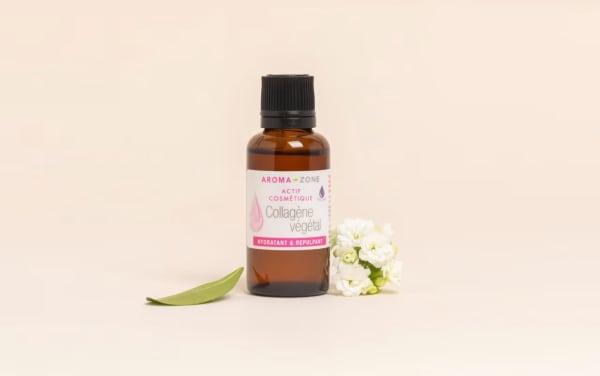
Plant-based collagen. Its coating and protective properties make the hair fibre appear thicker. Add it to the Aroma-Zone neutral shampoo base for a volumising effect (maximum 10 ml per 250 ml of shampoo) or use it as an ingredient in your homemade volumising styling products. Dosage: 0.5 to 5 per cent of the total weight of your preparation. 

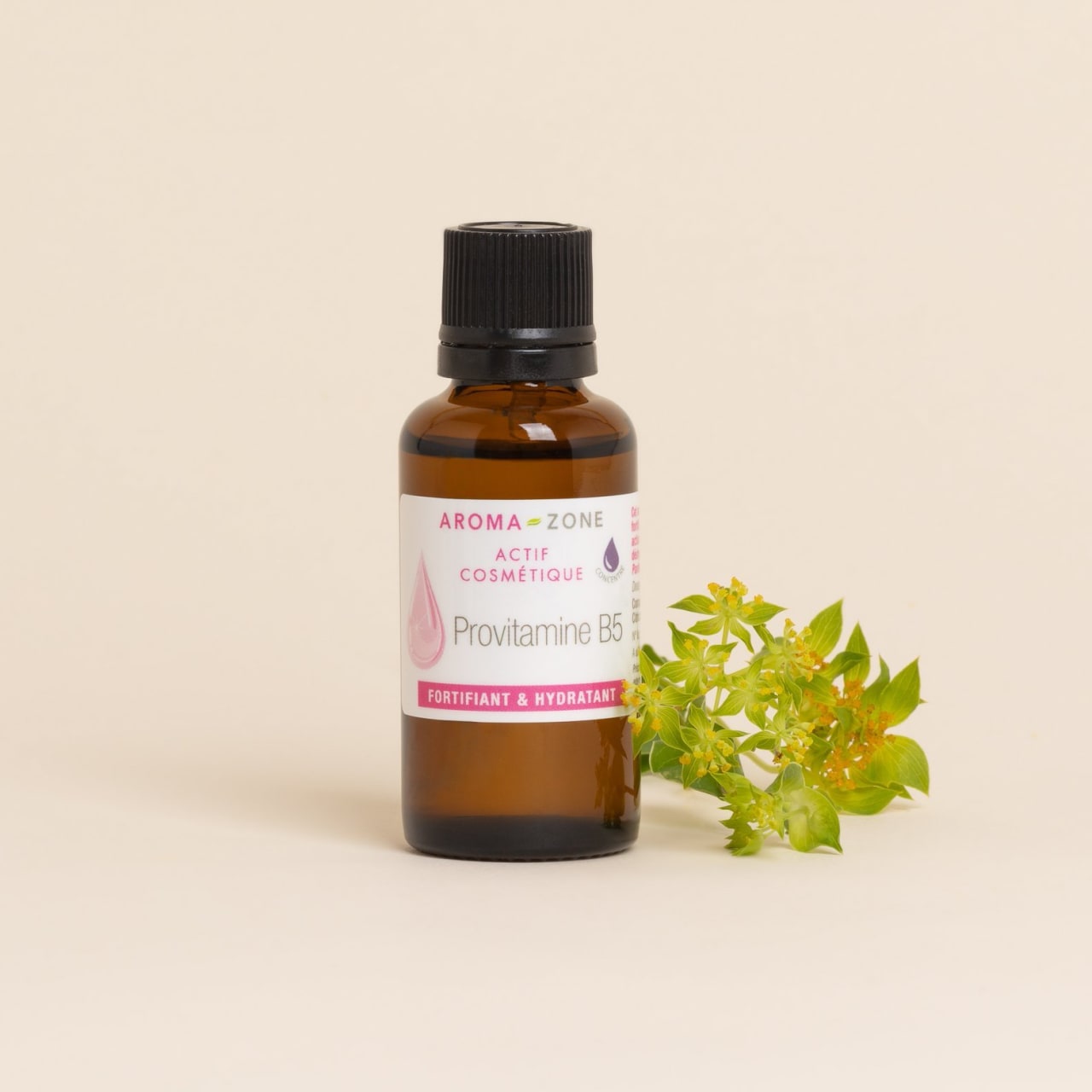
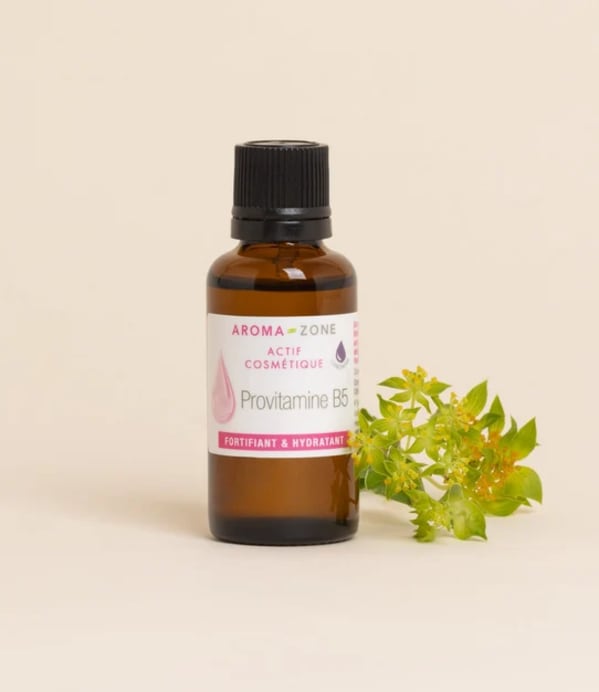
Provitamin B5 (Panthenol). Known for its strengthening and beautifying properties, it repairs the hair from root to tip, promotes hair growth and makes styling easier, without leaving the hair greasy or weighing it down. It is particularly suitable for damaged hair and sensitive scalps. Use it to make a lotion to apply to your scalp or a strengthening conditioner. Dosage: 2–5 per cent of the total weight of your preparation. 

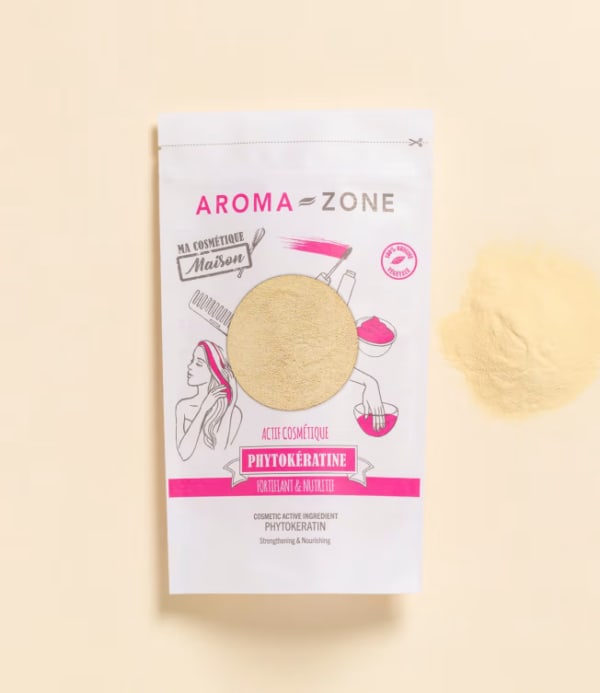
Phyto-keratin active ingredient. Composed of hydrolysed wheat proteins, it helps maintain the hair’s moisture levels and restore its appearance. It leaves hair feeling soft and looking shiny. It is particularly useful for making volumising treatments or homemade strengthening masks. 100 per cent plant-based. Dosage: 1 to 5 per cent of the total weight of your formulation. 

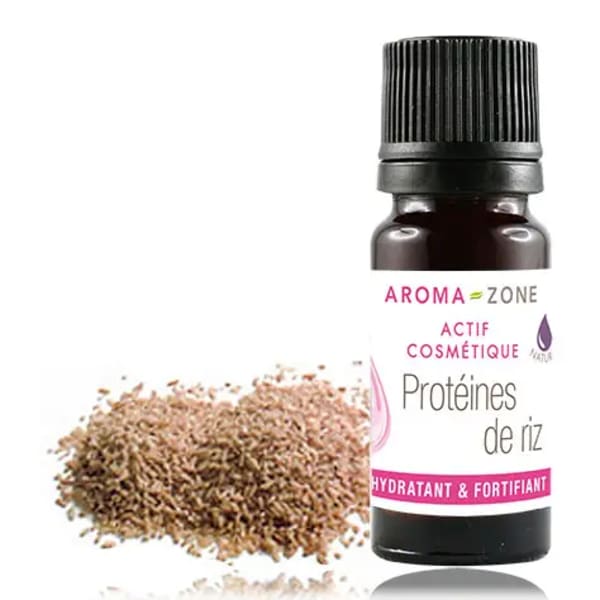
Active ingredient: hydrolysed rice proteins. These are known for ‘quenching’ and coating the hair fibre, which makes styling easier whilst adding volume. You can use them to make styling products, hair masks or conditioners, for example. Dosage: 0.5 to 5 per cent of the total weight of your formulation. 

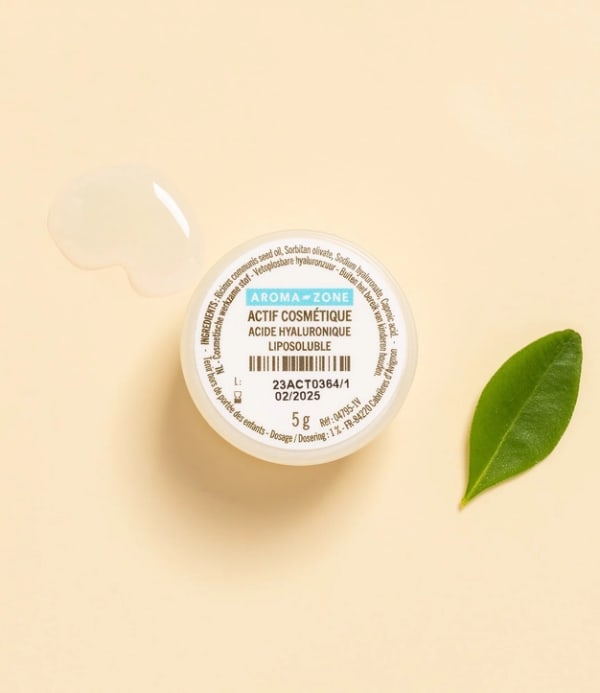
Active ingredient: Fat-soluble hyaluronic acid 03

Fat-soluble hyaluronic acid. The ultimate plumping active ingredient, it combats dehydration in the hair shafts and improves their resistance to breakage. When applied to the scalp, it has been proven to promote the proliferation and viability of follicular cells, thereby stimulating hair growth. As this form is oil-soluble, it is essential to incorporate it into a formula containing an oil phase. Some examples include a hair oil treatment or a two-phase serum for the lengths. Dosage: 1 per cent of the total weight of your preparation.

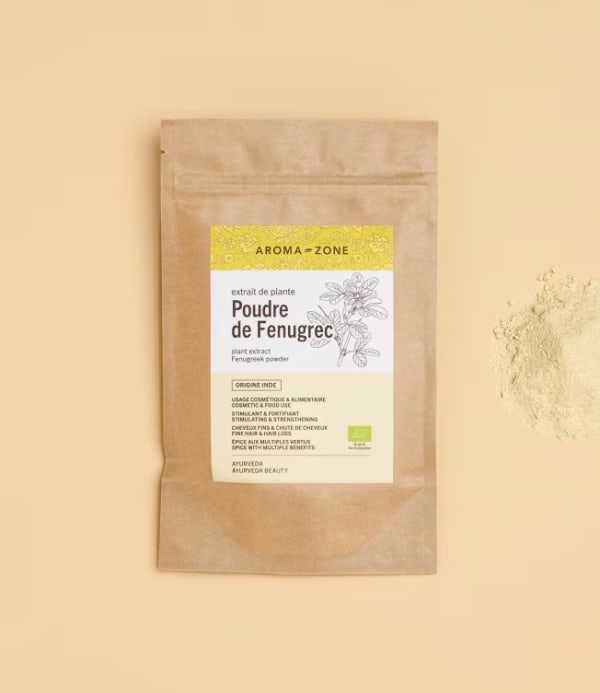
Organic Ayurvedic fenugreek (Methi) (powder)

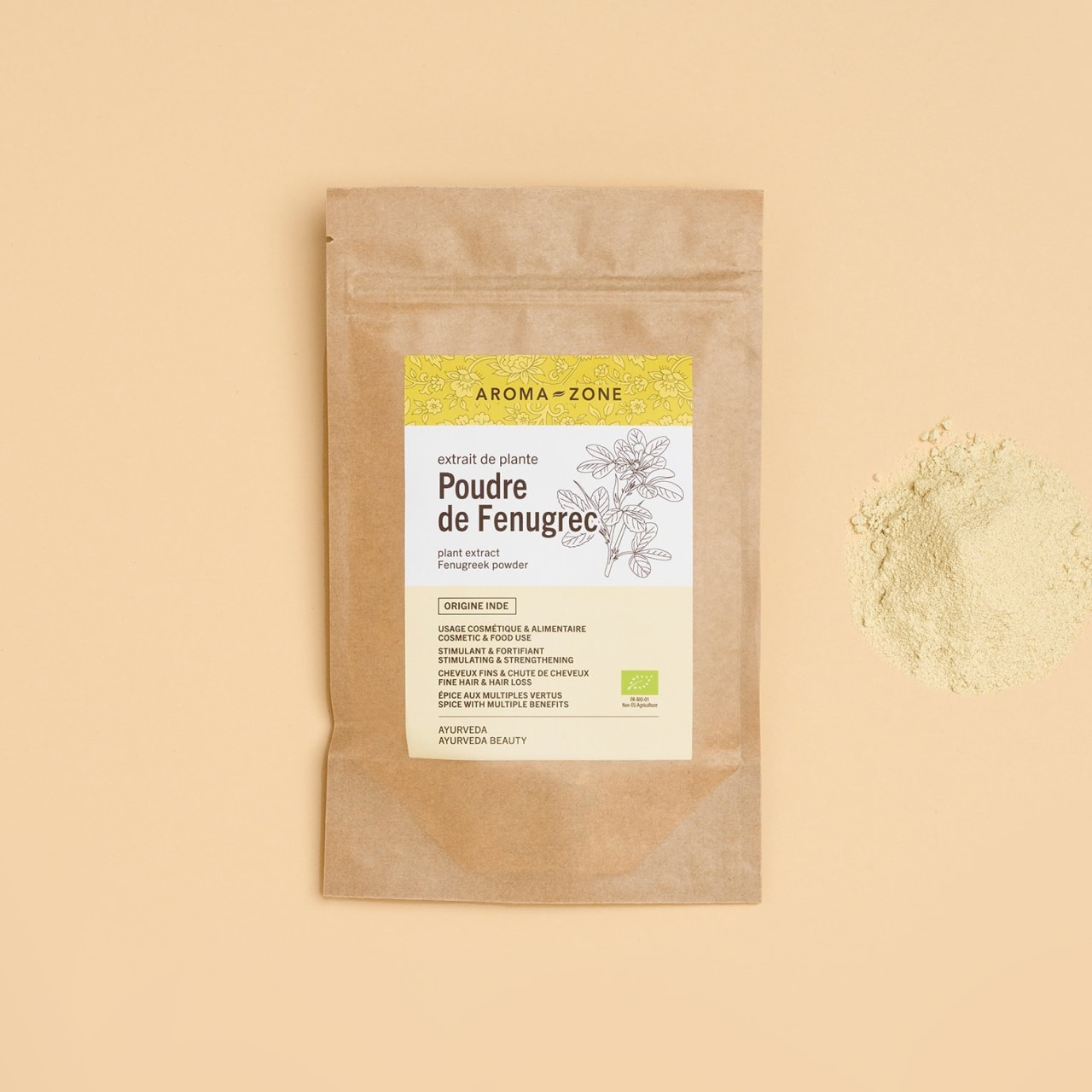
Organic Ayurvedic Fenugreek (Methi) Powder (powder). It naturally contains mucilage, which helps strengthen and coat the hair shaft. Traditionally recommended for fine, limp and lacklustre hair, it can be incorporated into your hair mask recipes to add volume and boost shine. It can also be used as an ingredient in your plant-based powdered shampoos. As this powder is highly active, we recommend that you always carry out a patch test on the inside of your elbow 24 hours before application. Use it diluted with other natural powders when applying to the skin and scalp, particularly if you have sensitive skin. 

Organic Fenugreek Oil

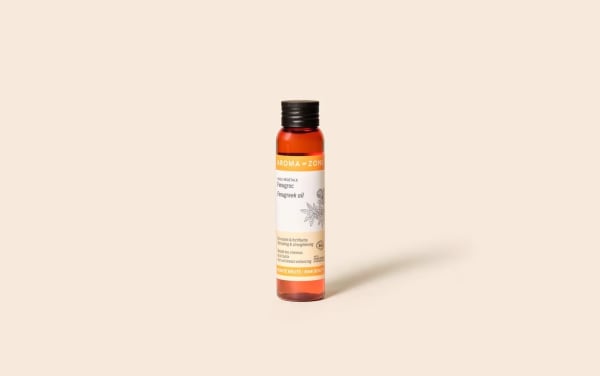
Organic Fenugreek Oil. This oil, with its volumising, coating and strengthening properties, is best used as an oil treatment mixed with other, more neutral oils to stimulate growth and restore visible vitality to the hair. Apply it to your roots whilst massaging your scalp, then work it through the lengths of your hair. Leave the mixture on for about 1 hour before washing your hair as usual. Not recommended during pregnancy or whilst breastfeeding. 

Our ready-to-use formulations

Organic plant-based shampoo

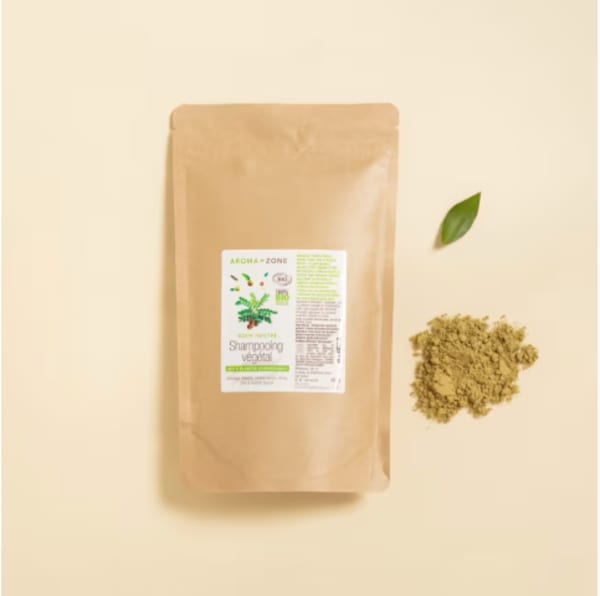
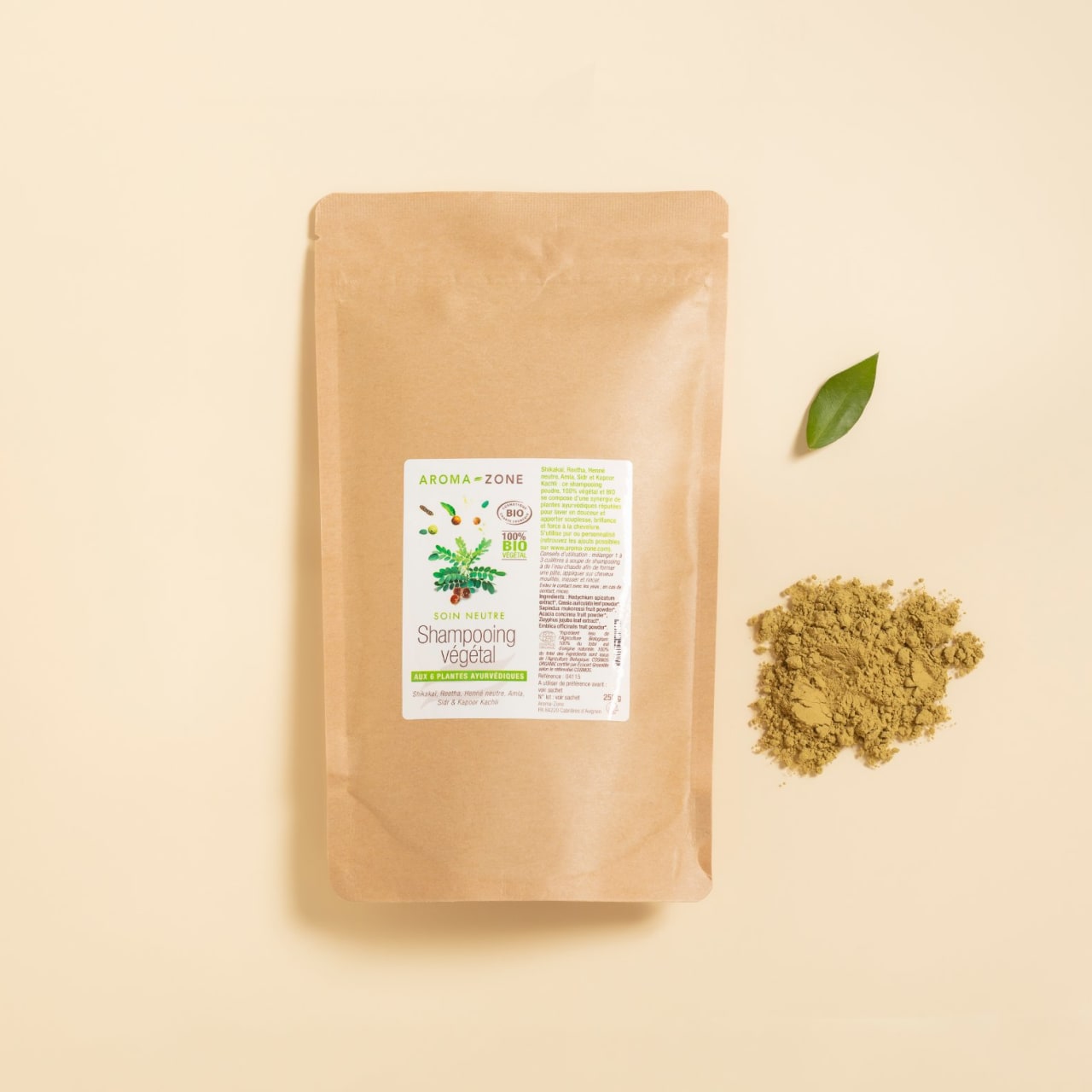
Organic plant-based shampoo. This blend of six Ayurvedic plant powders gently cleanses the scalp, strengthens and beautifies the hair. Ideal for a ‘no-poo’ routine, it can be used on its own or blended with essential oils known for their strengthening properties, such as Grapefruit, Clary Sage or Atlas Cedar (dosage: maximum 10 drops per wash). Avoid contact with the eyes; in case of contact, rinse thoroughly with clean water.

Hair_Serum_Keratin_AA_&_Peptides

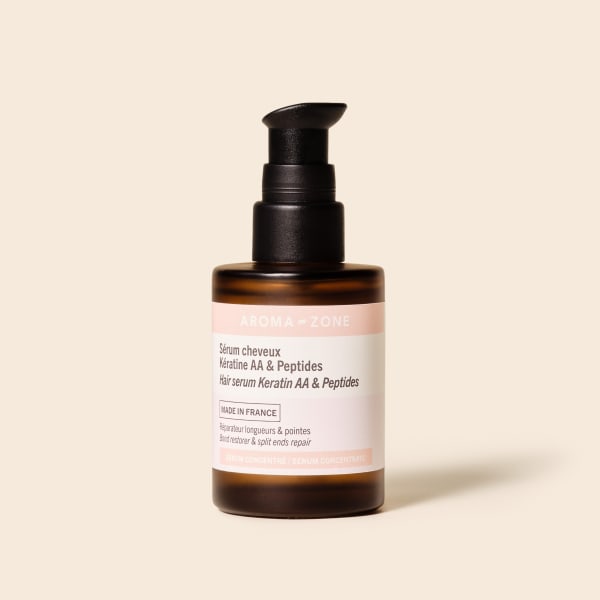
Keratin AA & Peptides Hair Serum: formulated for all hair types, this serum strengthens the hair fibre thanks to a complex of amino acids and biomimetic keratin peptides. With over 80% more restorative effects after just one application, your mid-lengths and ends are repaired, leaving your hair stronger and shinier.

Our dietary supplements

Capture d'écran 2026-07-28 113529

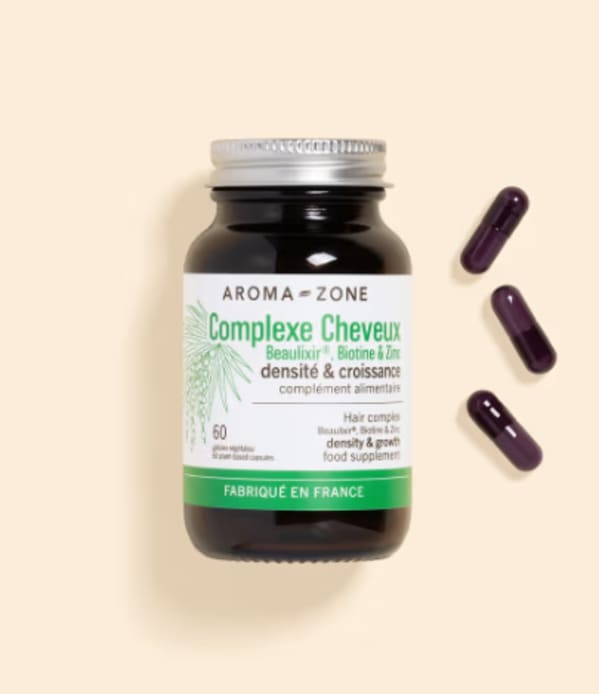
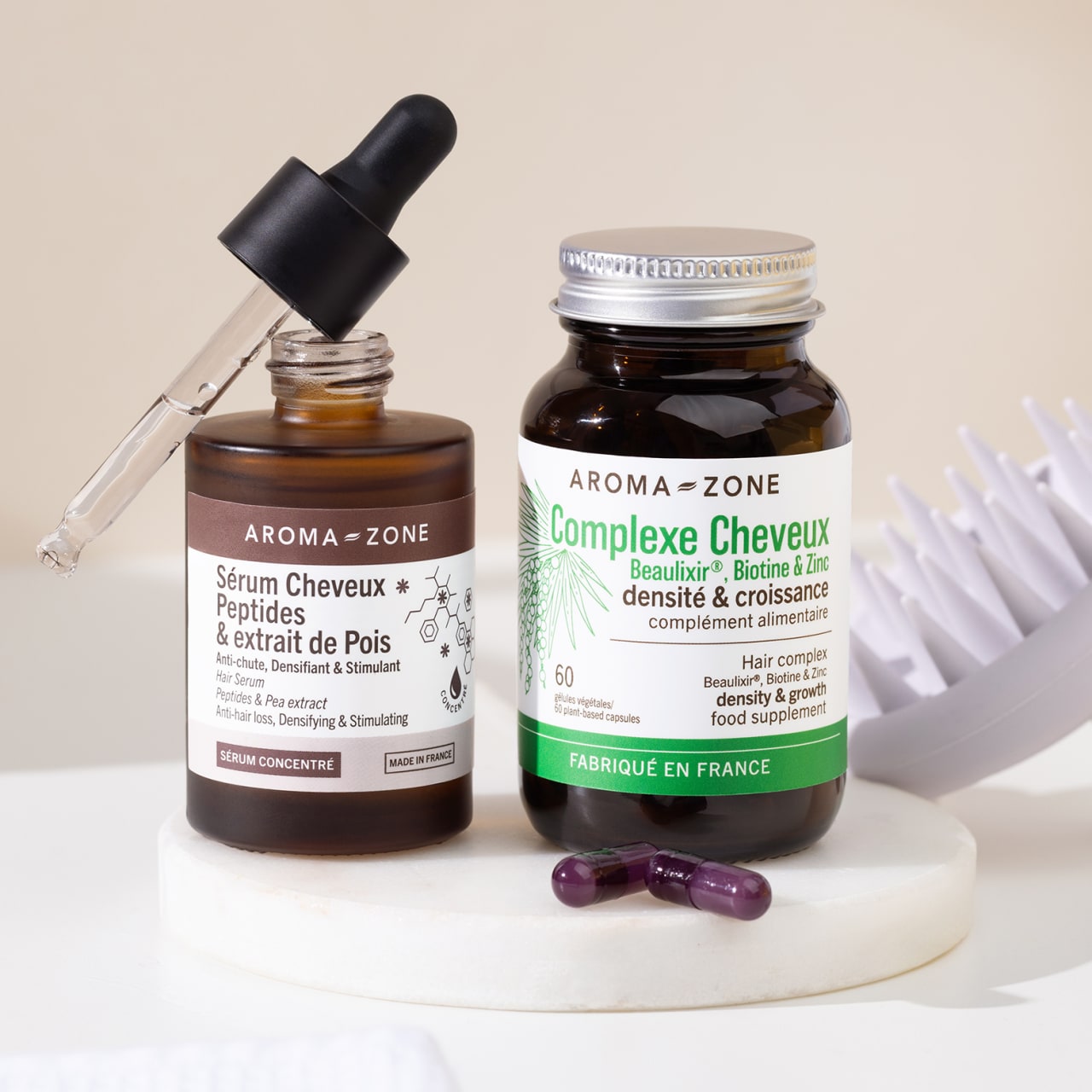
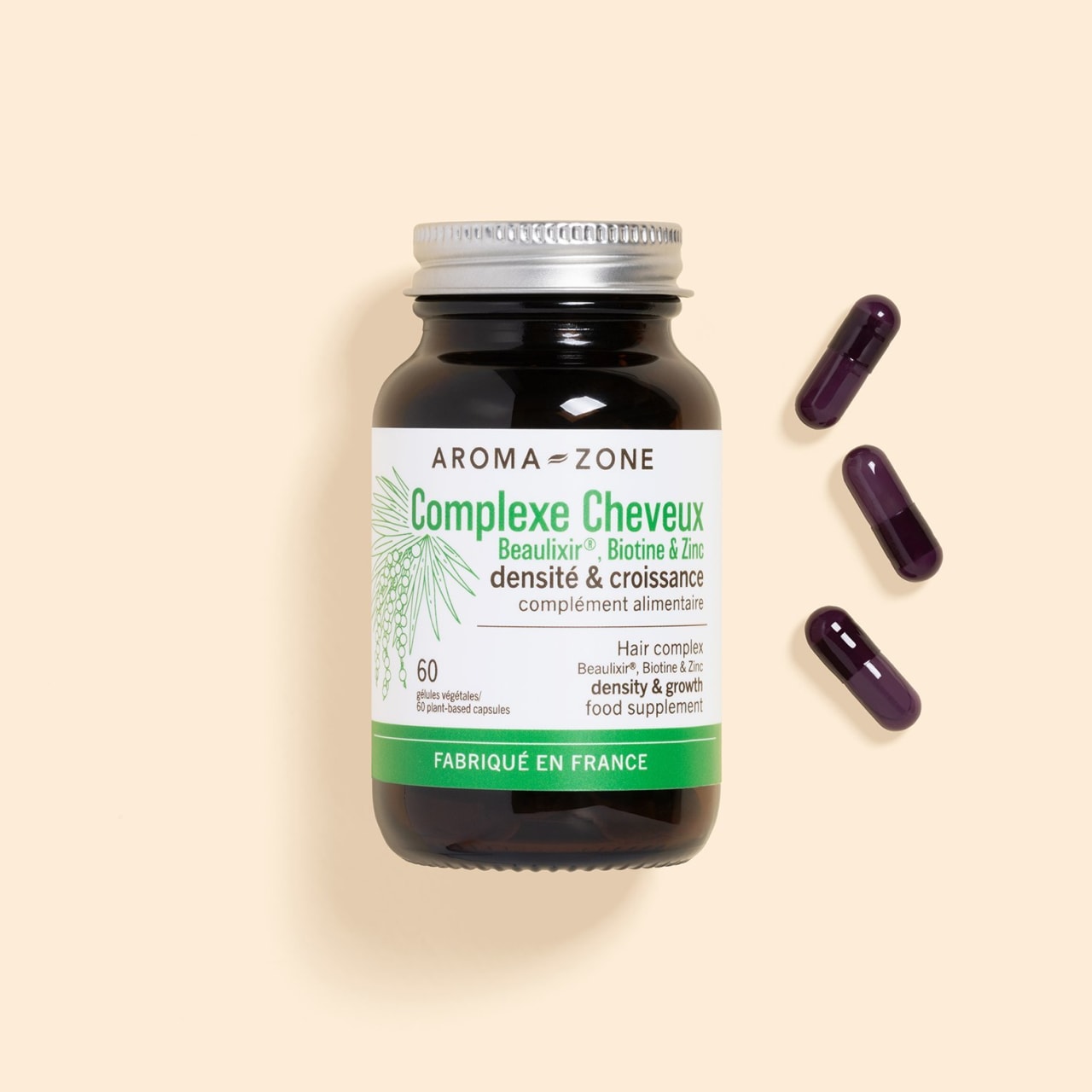
Hair Complex. Ideal for tackling reduced hair density caused by hair loss (age, stress, androgenetic alopecia, nutritional deficiencies, seasonal hair loss). Proven effectiveness: +49% volume after 12 weeks’ use. Its patented active ingredient, Beaulixir® (a blend of saw palmetto, borage, linseed and wheat germ oils, combined with rye extracts and pine bark phytosterols), delivers a significant increase in hair density after 3 months and helps reduce the number of hairs in the telogen phase (the shedding phase). Recommended dosage: 2 capsules per day, to be swallowed with a glass of water for 3 to 6 months.  For adults only; not recommended for pregnant or breastfeeding women, or those with a personal or family history of breast cancer. Should be used in addition to a regular intake of fruit and vegetables to maintain carotenoid levels. Take at a separate time from any medication (at least 60 minutes apart). do not take if you are also taking anticoagulant medication; avoid consuming more than 3 grams of added plant sterols/stanols per day; patients undergoing cholesterol-lowering treatment should only take this product under medical supervision.

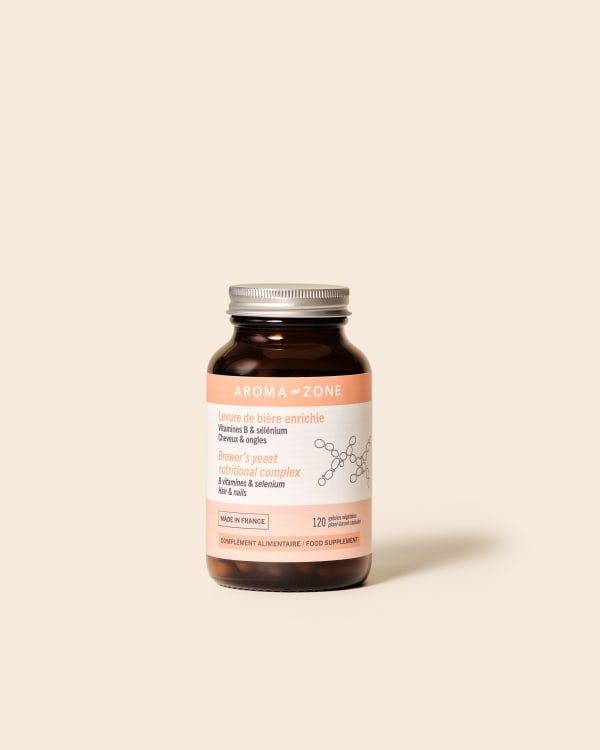
Enriched Brewer’s Yeast 120 capsules – Food supplement

Enriched brewer’s yeast. Ideal as a hair ‘boost’ treatment during periods of seasonal hair loss. Unlike traditional brewer’s yeast supplements, this supplement contains a blend of brewer’s yeast, yeast enriched with B vitamins and selenium-enriched yeast for optimal effectiveness. Recommended dosage: 1 to 2 capsules per day, to be swallowed with a glass of water for at least 3 months. Not recommended for pregnant or breastfeeding women. This food supplement contains biotin (vitamin B8), which may interfere with thyroid hormone tests; please discuss this with your GP.

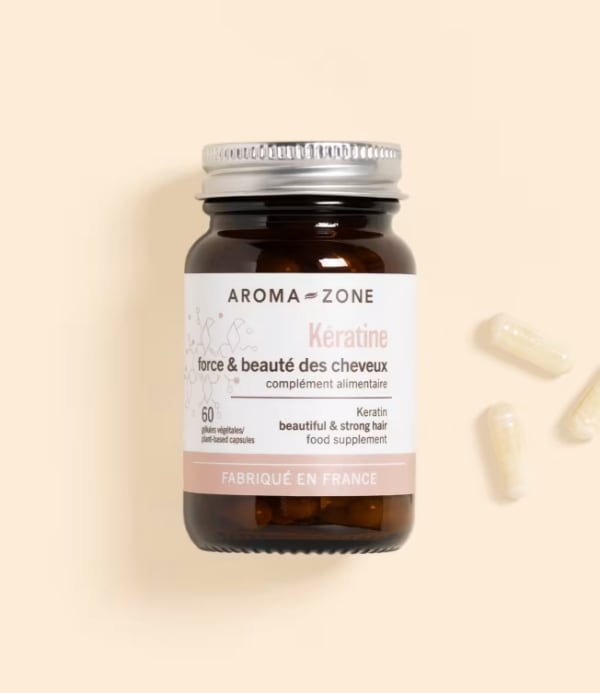
Keratin. Ideal for promoting strong hair growth and reducing daily hair loss. Its patented and clinically tested active ingredient, Cynatine HNS®, is derived from New Zealand sheep’s wool, collected during the annual shearing. Its amino acid profile, which is almost identical to that of hair keratin, helps to restructure the hair fibre, resulting in stronger hair that is more resistant to breakage. Recommended dosage: 2 capsules a day, to be swallowed with a glass of water. Not recommended for pregnant or breastfeeding women. 

Precautions

Even the best active ingredients for adding volume to hair must be used sensibly. Too many polymers, and you risk causing build-up on the surface of your hair: there’s nothing worse for flattening out volume. Too many proteins, and you risk making your hair fibres stiff. Too much moisture, and you risk, on the contrary, making it softer and flatter. Be sure to follow the recommended dosages set out in our technical data sheets and to incorporate your volumising products into a consistent hair care routine.

Expert advice

Volume starts with a healthy, balanced scalp. So, remember to adjust how often you wash your hair. The aim is to strike the right balance to minimise the build-up of sebum (which causes your hair to stick together and weighs down your hair’s volume) and the potentially irritating effect of certain surfactants (which could exacerbate hair loss and reduce your hair’s density).

Focus on Our Writer: Hélène Betoux

Hélène Betoux is a French beauty journalist specialising in web media. Every day she writes tips, advice, and guides to help consumers choose the right beauty products. With a strong interest in natural, organic, and clean cosmetics, she analyses and shares trends and innovations in the sector.

Bibliography

  1. Valentim FO, Miola AC, Miot HA, Schmitt JV. Efficacy of 5% topical minoxidil versus 5 mg oral biotin versus topical minoxidil and oral biotin on hair growth in men: a randomised, crossover clinical trial. An Bras Dermatol. 2024 Jul–Aug;99(4):581–584.

    doi: 10.1016/j.abd.2023.07.008. Epub 30 April 2024. PMID: 38688776; PMCID: PMC11221127.

  2. Szendzielorz E, Spiewak R. Caffeine as an Active Molecule in Cosmetic Products for Hair Loss: Its Mechanisms of Action in the Context of Hair Physiology and Pathology. Molecules. 4 January 2025;30(1):167.

    doi: 10.3390/molecules30010167. PMID: 39795223; PMCID: PMC11720832.

  3. Kim, J.; Shin, J.y.; Choi, Y.-H.; Joo, J.H.; Kwack, M.H.; Sung, Y.K.; Kang, N.G. Effect of an adenosine complex on hair thickness growth in male- and female-pattern hair loss via inhibition of androgen receptor signalling. Int. J. Mol. Sci. 2024, 25, 6534.

    https://doi.org/10.3390/ijms25126534

  4. Monteiro, Valéria & Natal, Aline & Soledade, Luís & Longo, Elson. (2003). Morphological analysis of polymers on hair fibres by SEM and AFM. Materials Research. 6. 501–506. 10.1590/S1516-14392003000400013.

  5. Cavallaro G, Milioto S, Konnova S, Fakhrullina G, Akhatova F, Lazzara G, Fakhrullin R, Lvov Y. Halloysite/Keratin Nanocomposite for Human Hair Photoprotection Coating. ACS Appl Mater Interfaces. 27 May 2020;12(21):24348–24362.

    doi: 10.1021/acsami.0c05252. Epub 13 May 2020. PMID: 32372637; PMCID: PMC8007073.

  6. Shin JY, Kim J, Choi YH, Kang NG, Lee S. Dexpanthenol Promotes Cell Growth by Preventing Cell Senescence and Apoptosis in Cultured Human Hair Follicle Cells. Curr Issues Mol Biol. 28 September 2021;43(3):1361–1373.

    doi: 10.3390/cimb43030097. PMID: 34698060; PMCID: PMC8929036.

  7. Lueangarun S, Panchaprateep R. An herbal extract combination (biochanin A, acetyl tetrapeptide-3, and ginseng extracts) versus 3% minoxidil solution for the treatment of androgenetic alopecia: a 24-week, prospective, randomised, triple-blind, controlled trial. J Clin Aesthet Dermatol. October 2020;13(10):32–37. Epub 1 October 2020. PMID: 33584955; PMCID: PMC7840088.

  8. Gehring W. Nicotinic acid/niacinamide and the skin. J Cosmet Dermatol. 2004 Apr;3(2):88–93.

    doi: 10.1111/j.1473-2130.2004.00115.x. PMID: 17147561.

Frequently Asked Questions

Frequently Asked Questions