
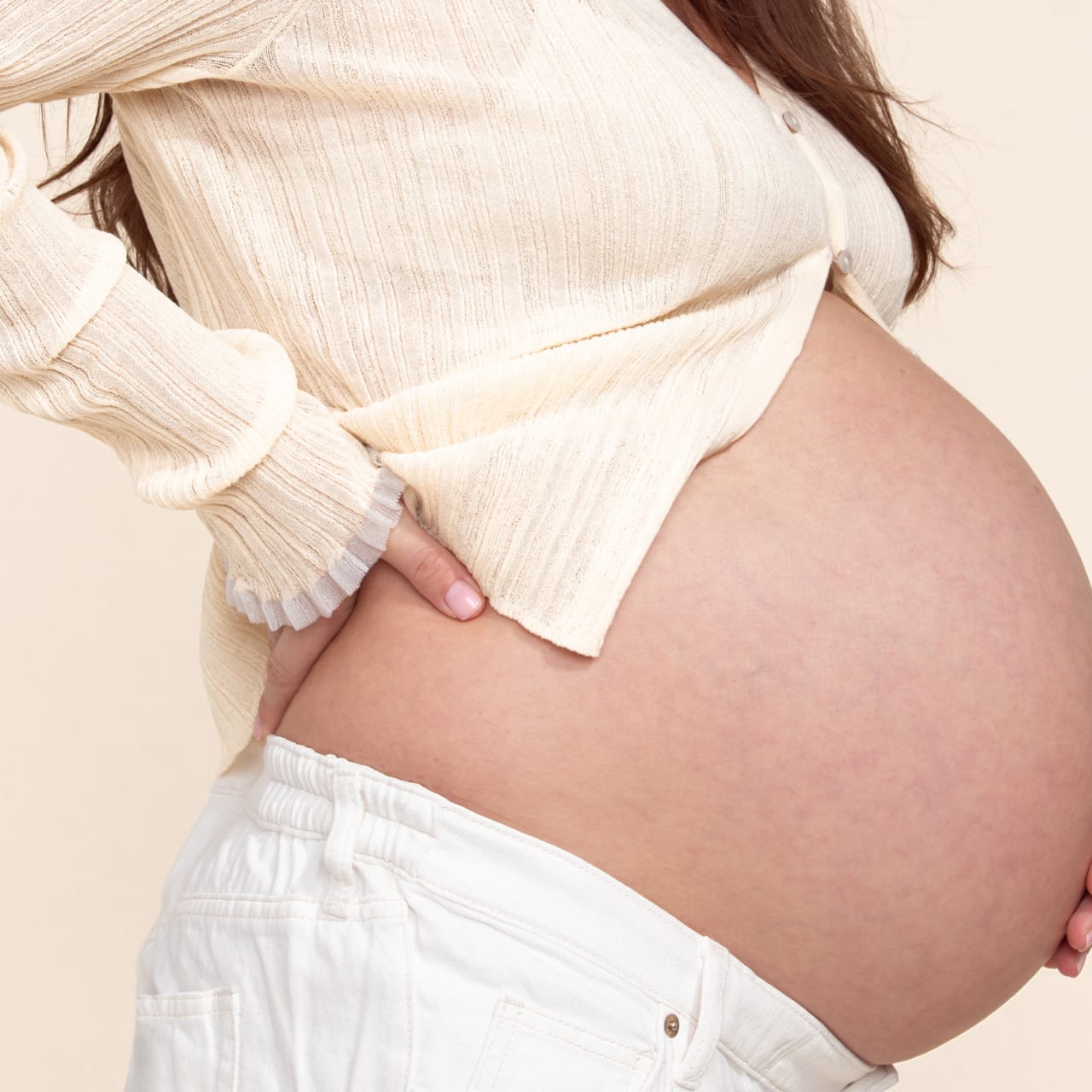
The postpartum period is defined as the time following childbirth. It is also known as the “fourth trimester” because, after the three trimesters of pregnancy, the body continues to undergo significant changes. It is a period of physical, emotional and hormonal transition, during which the uterus returns to its pre-pregnancy size, hormone levels gradually rebalance and a new rhythm develops around motherhood. This intense, often unseen phase requires a great deal of energy and can affect the skin, mood, sleep… as well as the hair.
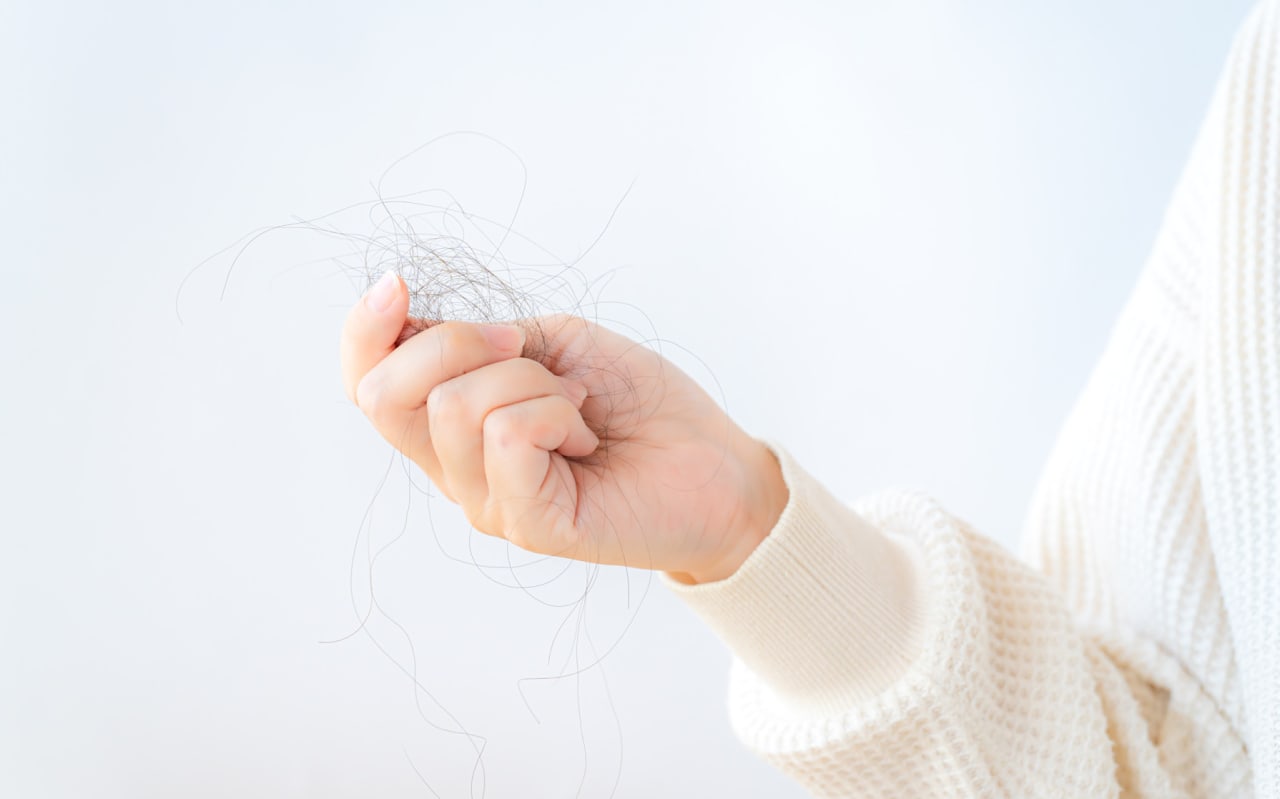
Why does postpartum hair loss happen and which supplements can help?
Published on: Wednesday, April 16, 2025, Updated on: Tuesday, October 06, 2026
Hormonal drops, broken sleep, shifting emotions: postpartum is an intense period, often misunderstood. And sometimes, it's the hair that reflects this inner upheaval, after the fullness of pregnancy hair, it starts falling out in handfuls. Rest assured: this hair loss is common and, in most cases, temporary. Let's take a look at why it happens and how to support it naturally.
Contents
Related products
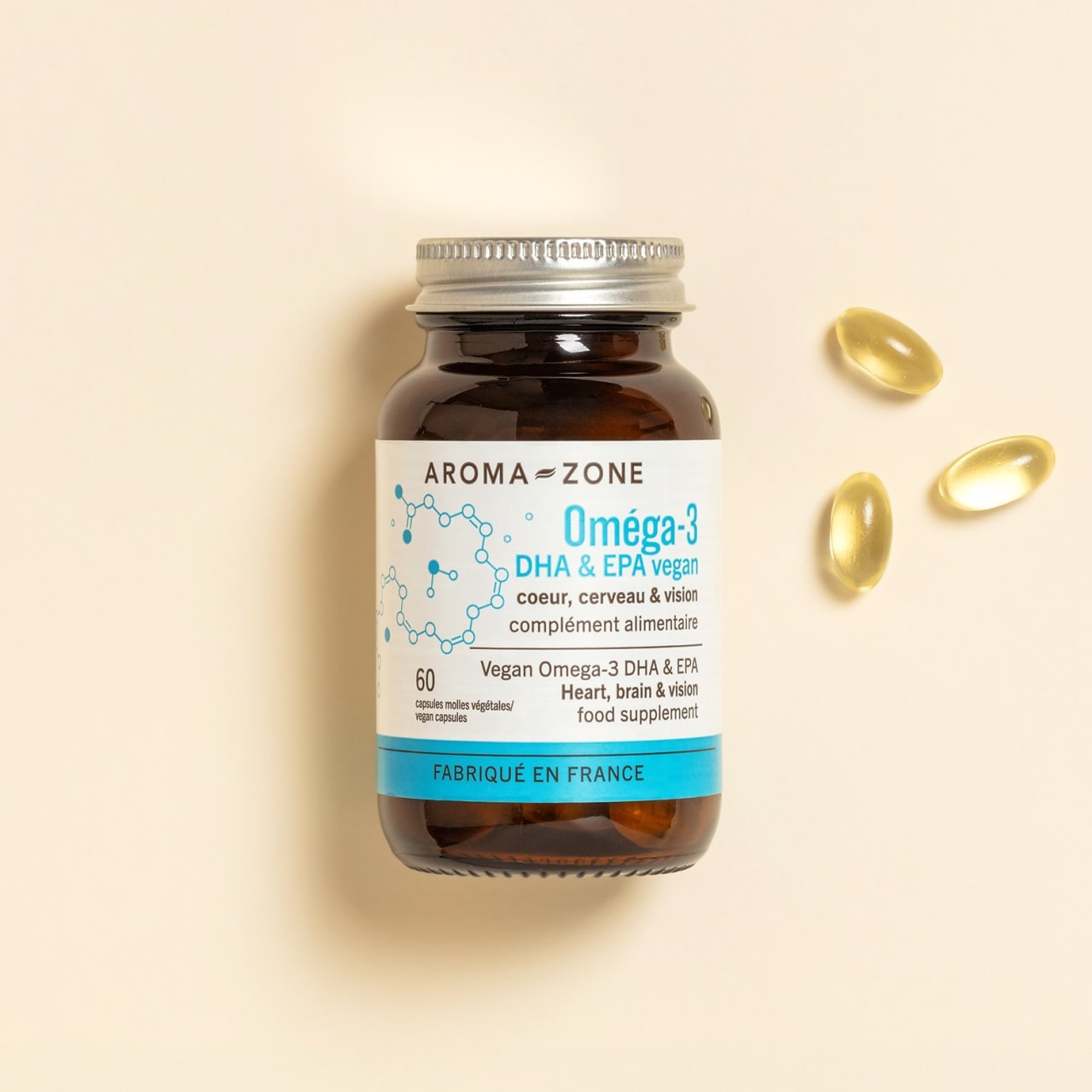
Vegan Omega-3 - 60 Capsules
Heart
Vision
£20.00
article
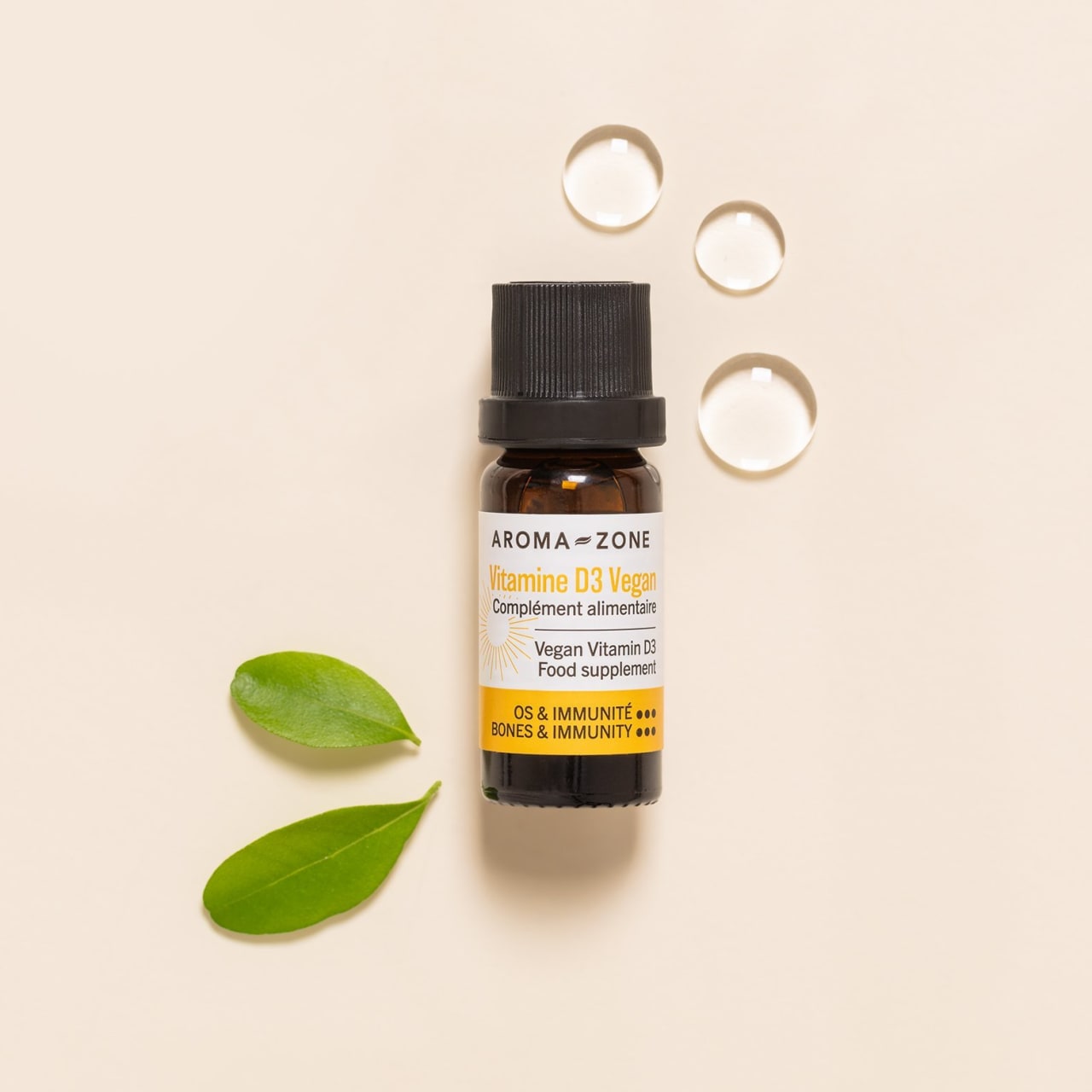
Vegan Vitamin D3
Natural defenses
Bone health
£10.00
10 ml
£20.00
1 article
Strengthening & Densifying Hair Serum
Anti-hair loss
£12.50
50 ml
2 options
What Is the Postpartum Period?
Why Do You Lose Hair After Childbirth?
Several factors can explain this hair loss after childbirth.
The Drop in Oestrogen Levels
During pregnancy, oestrogens keep hair in the growth phase (anagen phase). As a result, hair falls out minimally and appears thicker and shinier.
However, after childbirth, oestrogen levels drop sharply, triggering a simultaneous shedding phase (the telogen phase). This natural, yet often surprising, phenomenon is what causes the well-known postpartum hair loss.
Physical and Emotional Fatigue
Lack of sleep, stress, mental overload: the postpartum period is also an intense time for the nervous system. This fatigue can disrupt the balance of the scalp and contribute to the onset of underlying oxidative stress, which may play a role in hair loss.
Nutritional Deficiencies
During pregnancy, and then during breastfeeding, the body draws on its reserves to nourish the baby. It is not uncommon for this period to lead to lower levels of certain nutrients essential for healthy hair: iron, zinc, vitamin D, vitamin B12, iodine, etc. These deficiencies can directly weaken hair growth and accelerate shedding.
A Thyroid Imbalance
A temporary thyroid imbalance can affect some women after pregnancy, although it is not widely known. Often silent, this condition can cause fatigue, hair loss and mood changes.
Good to know: A simple blood test can help detect this issue and adapt the support provided. Don’t hesitate to discuss it with your doctor.
What Are the Visible Signs?
Postpartum hair loss is often recognisable by:
Heavy and sudden shedding: hair falls out in large amounts, especially when brushing, washing, on the pillow, or even simply when running your hands through your hair.
Thinning areas: hair density decreases, especially at the temples or the crown of the head, which is sometimes visible to the naked eye.
Thinner, duller hair: Hair texture changes; it may become more brittle, dry, or lose its shine.
Natural Solutions to Support Hair Regrowth After Childbirth
Supplements to Support Overall Body Balance
During this period, it is essential to support the body’s overall balance and the nervous system: this is often where the foundations of healthy hair lie.
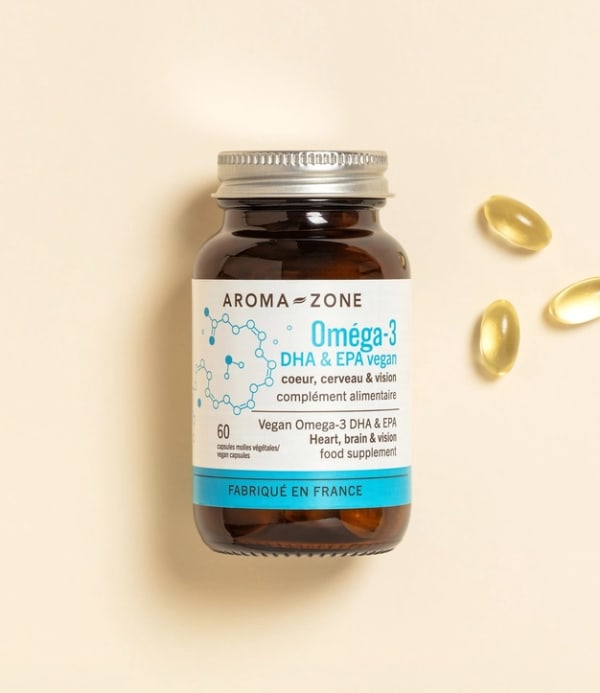
Vegan Omega-3s
These plant-based omega-3s are derived from microalgae and contain the essential fatty acids DHA and EPA. Omega-3s are essential fatty acids that play a crucial role in many biological processes, including skin and hair health. Postpartum, they help support the mother’s emotional balance and meet her increased needs during breastfeeding. Take 1 capsule daily, with a glass of water.
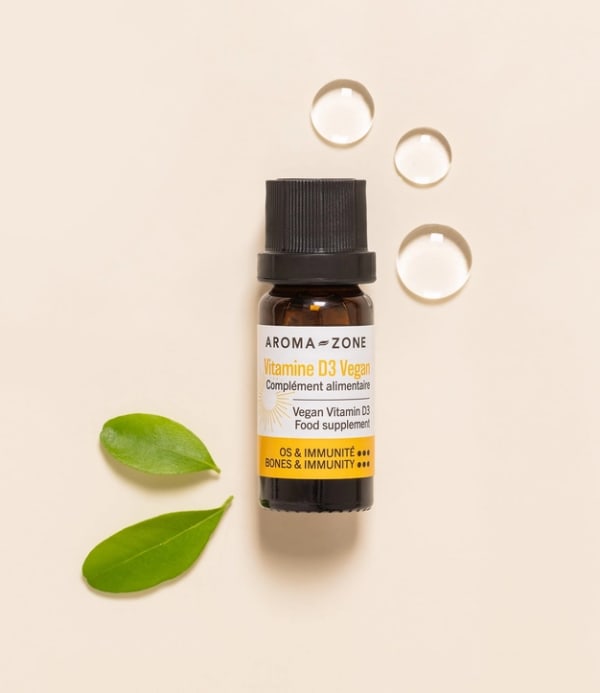
Vegan Vitamin D3
Derived from algae and 100% vegan, this vitamin D3 can help maintain overall balance during the postpartum period, particularly by supporting immunity and preserving bone health in cases of limited sun exposure. 5 drops per day (2000 IU). Pregnant or breastfeeding women should consult a healthcare professional before taking any supplements.
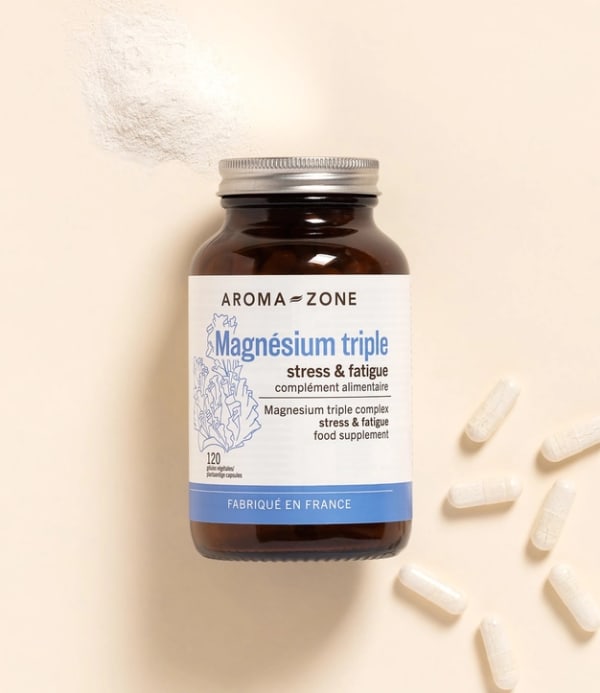
Triple Magnesium
This formula combines three forms of magnesium (marine, bisglycinate, and organic sea lettuce extract) for better tolerance and absorption, enriched with vitamin B6. Postpartum, magnesium is valuable for calming the nervous system, reducing fatigue, supporting sleep, and coping with daily stress. Take 1 to 3 capsules daily, with a glass of water. Pregnant or breastfeeding women should consult a healthcare professional before taking any supplements. Magnesium may have a laxative effect in some people. Organic sea lettuce extract (seaweed) provides a small amount of iodine (< 10 µg per daily dose of 3 capsules, or less than 6.7% of the Reference Intake of 150 µg/day for iodine). If you have thyroid issues, consult your doctor.
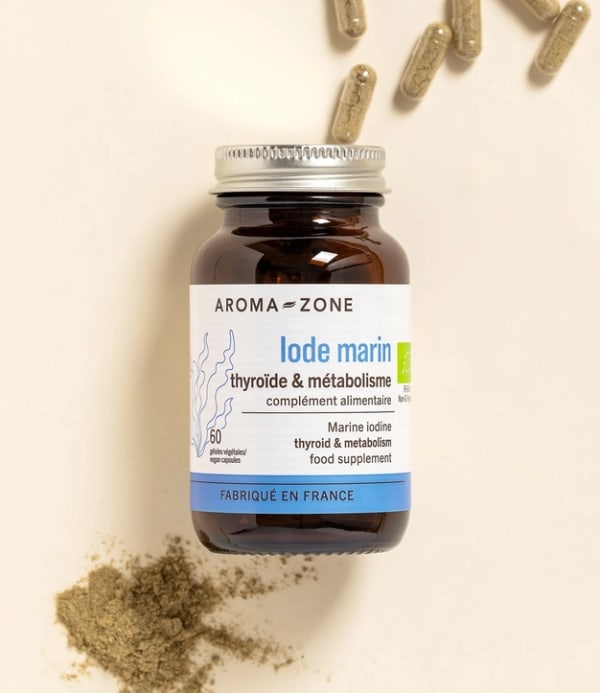
Organic Sea Iodine
Iodine is a trace element essential for the proper functioning of the thyroid, a gland whose balance can be temporarily disrupted after pregnancy. Even a mild deficiency can sometimes exacerbate hair loss. This supplement, made from organic kelp powder, may be considered postpartum (especially during breastfeeding) after consulting a doctor and undergoing blood tests. Take 1 capsule daily, with a glass of water. Consult your doctor if you have thyroid issues or are taking anticoagulant medication.
Supplements to Support Hair Health
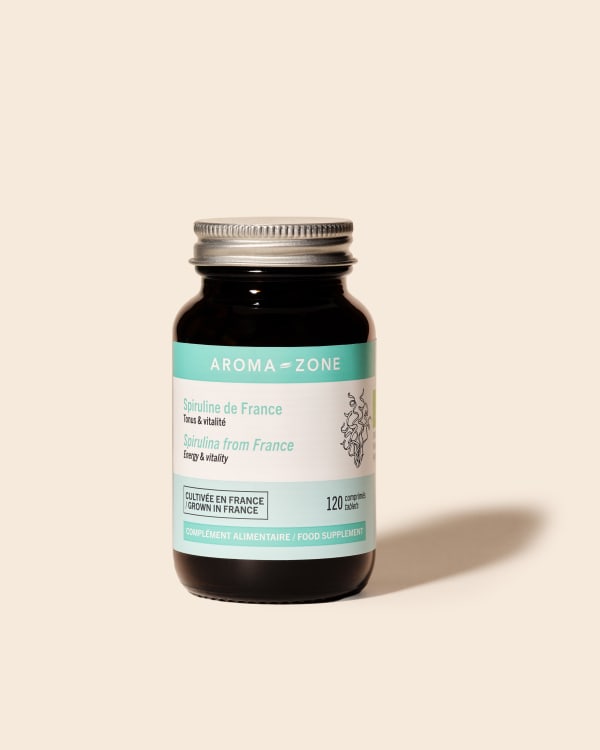
Organic French Spirulina
A true concentrate of vitality, Spirulina is naturally rich in protein, iron, beta-carotene, and chlorophyll. Postpartum, it can help remineralize the body, support energy levels, and strengthen hair, particularly in cases of fatigue or iron deficiency. It is recommended to start the regimen by taking 3 Spirulina tablets daily for a few days, then gradually increase the dose to 5–6 tablets daily, up to 10 tablets daily in cases of iron deficiency. For pregnant and breastfeeding women, consult your doctor. Spirulina is not recommended for people with phenylketonuria, hemochromatosis, high uric acid levels, or muscle or liver disorders. The presence of phycocyanin may cause an allergic reaction.
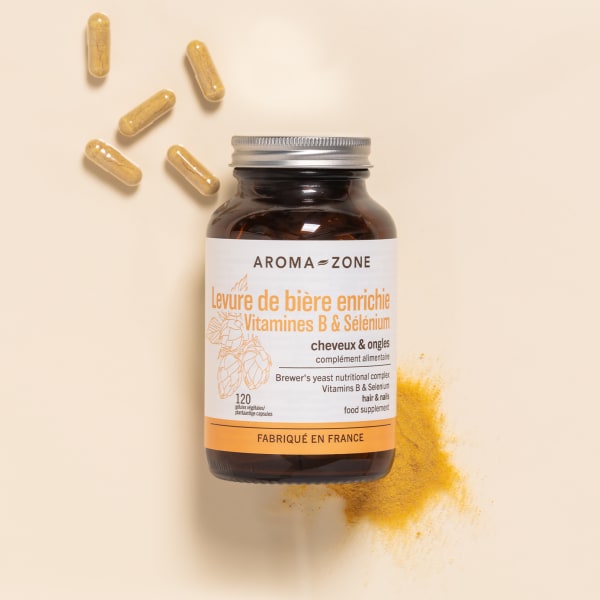
Enriched Brewer’s Yeast
This natural supplement combines the traditional richness of brewer’s yeast with the benefits of B vitamins and selenium, nutrients known for their role in maintaining healthy hair. An effective postpartum regimen to support hair regrowth while nourishing the skin and nails. Take 1 to 2 capsules daily, with a glass of water. This product is not recommended during breastfeeding. This dietary supplement contains biotin (vitamin B8). Biotin may interfere with thyroid hormone tests; consult your doctor.
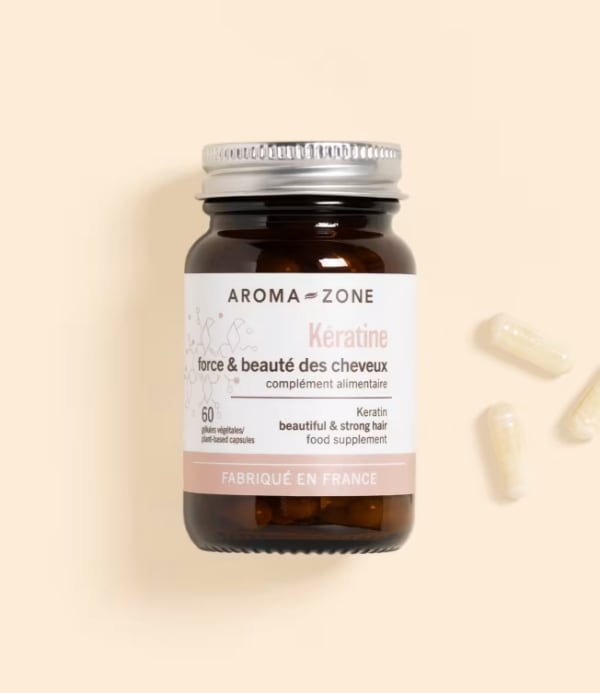
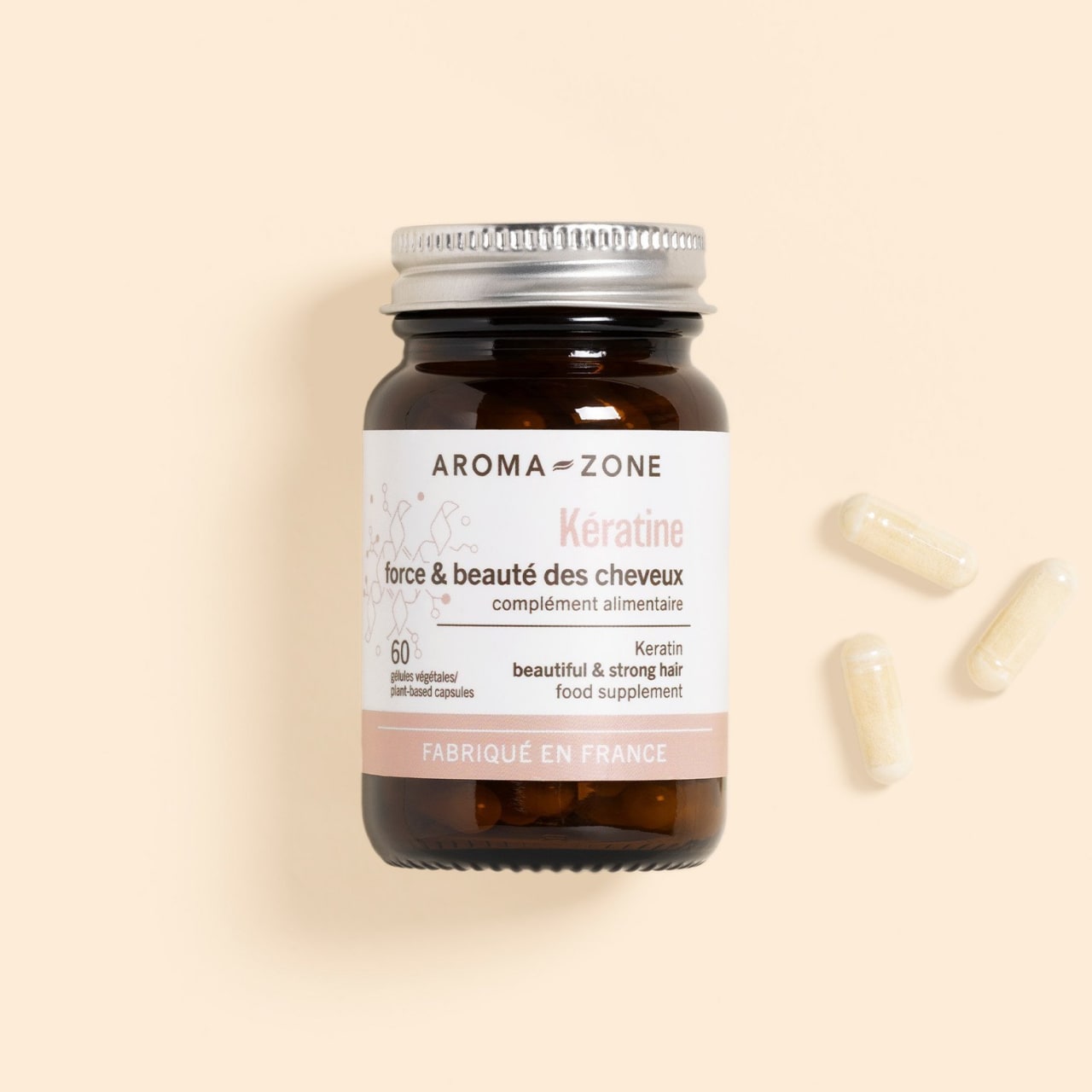
Keratin
Keratin, the main component of the hair shaft, is a protein naturally present in the hair. This supplement, made with hydrolyzed keratin, is designed to support strength, shine, and resilience in your hair. Ideal during the postpartum period, when hair can become more brittle and lose density. Take 2 capsules daily, with a glass of water. This product is not recommended during breastfeeding.
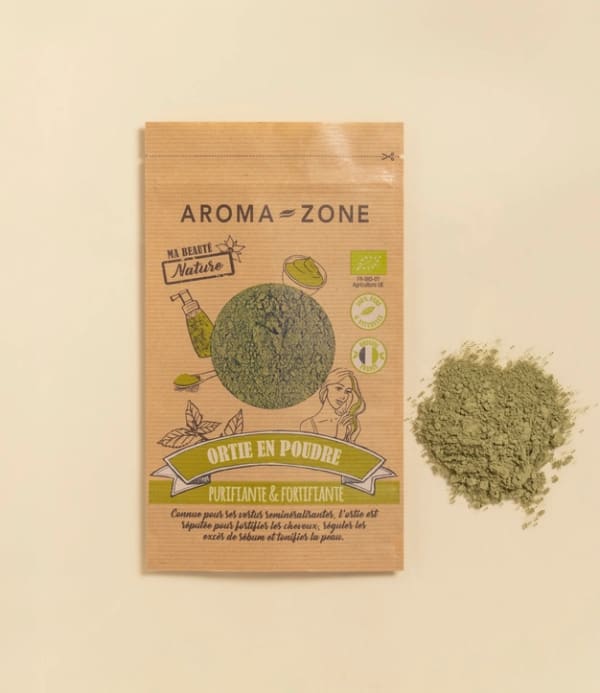
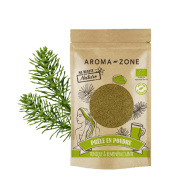
Organic Stinging Nettle Powder
Naturally rich in iron, silica, calcium, and zinc, stinging nettle is a remineralizing plant traditionally used to strengthen hair and nails and support overall vitality. It can be particularly beneficial to incorporate into your postpartum diet. Take 1 teaspoon (1 to 2 g) daily in an infusion, a glass of water, fruit or vegetable juice, or sprinkle it over your meals.
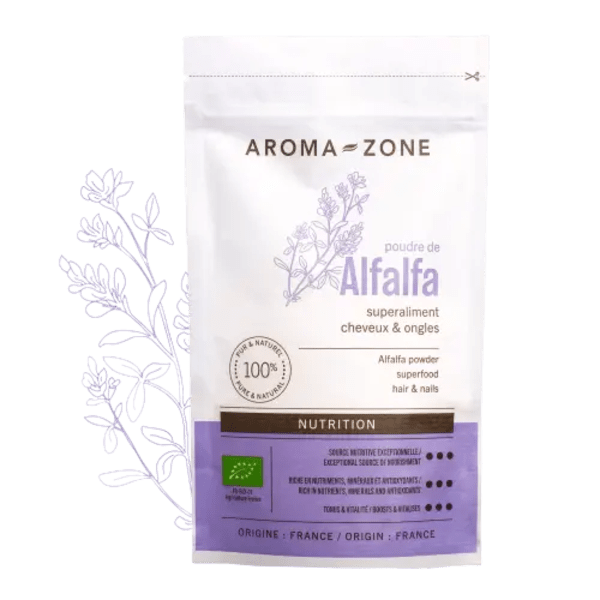
Organic Alfalfa Powder
L’Alfalfa is a plant known for its high content of vitamins, minerals, and essential amino acids. This superfood is particularly recommended for restoring strength and vitality to the hair or in cases of temporary fatigue, and can be incorporated into a postpartum regimen to strengthen the hair from within. Take 1 teaspoon (1 to 2 g) daily in an infusion, a glass of water, fruit/vegetable juice, or sprinkle it over your meals. This product is not recommended during breastfeeding. Not recommended for women with a personal or family history of breast cancer. Not recommended for people suffering from lupus erythematosus. If you are taking anticoagulant medication, consult your doctor before regularly consuming Alfalfa.
Other Useful Supplements During the Postpartum Period
In addition to the products available at Aroma-Zone, other nutrients may be recommended:
Iron: often deficient after childbirth, it is essential for hair regrowth and overall vitality. It can be taken with vitamin C to optimise absorption. Opt for the bisglycinate form, which is generally better absorbed and better tolerated than traditional forms (such as sulfates or gluconates), especially for those with sensitive digestion.
Zinc: an antioxidant and immune system booster, it plays a direct role in hair growth. Again, opt for the bisglycinate form for better absorption.
Cystine and methionine: these sulfur-containing amino acids are involved in keratin synthesis.
Our Targeted Topical Treatments
Beyond supplements, certain targeted external treatments can help you restore hair density during the postpartum period:
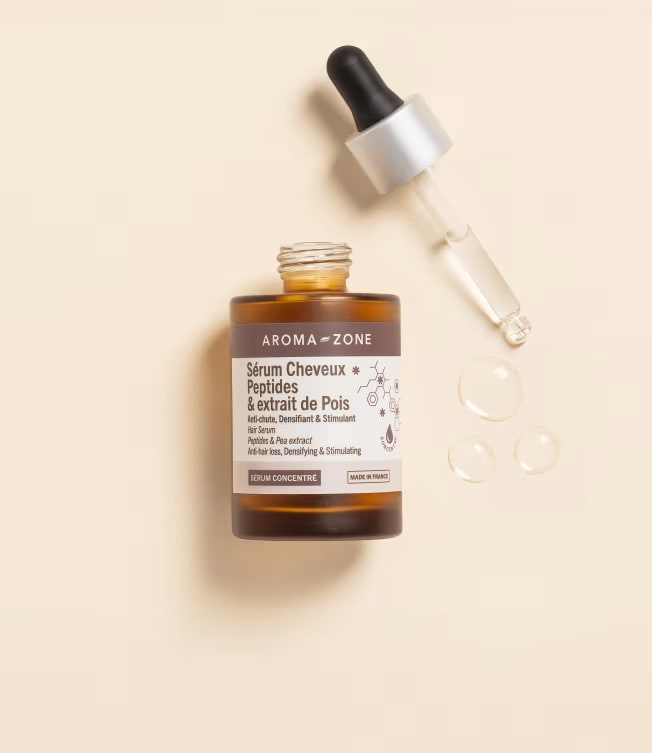
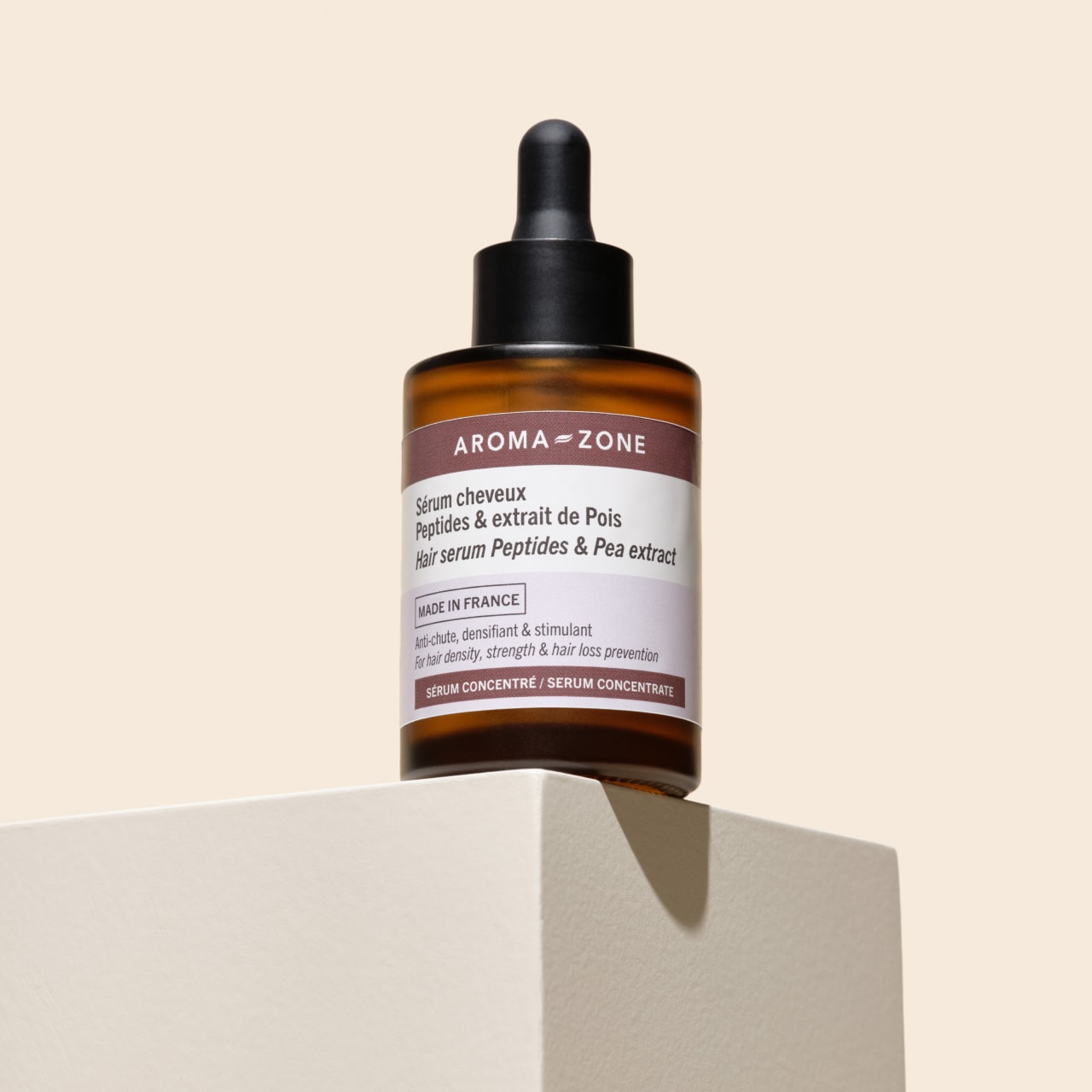
Anti-Hair Loss Serum with Peptides and Pea Extract
A concentrated treatment with peptides, red clover, and pea extract, formulated to extend the growth phase and strengthen hair roots. Ideal as a postpartum treatment for hair loss linked to hormonal changes. Apply one to two pipettes to the entire dry scalp once a day, in the morning or evening.
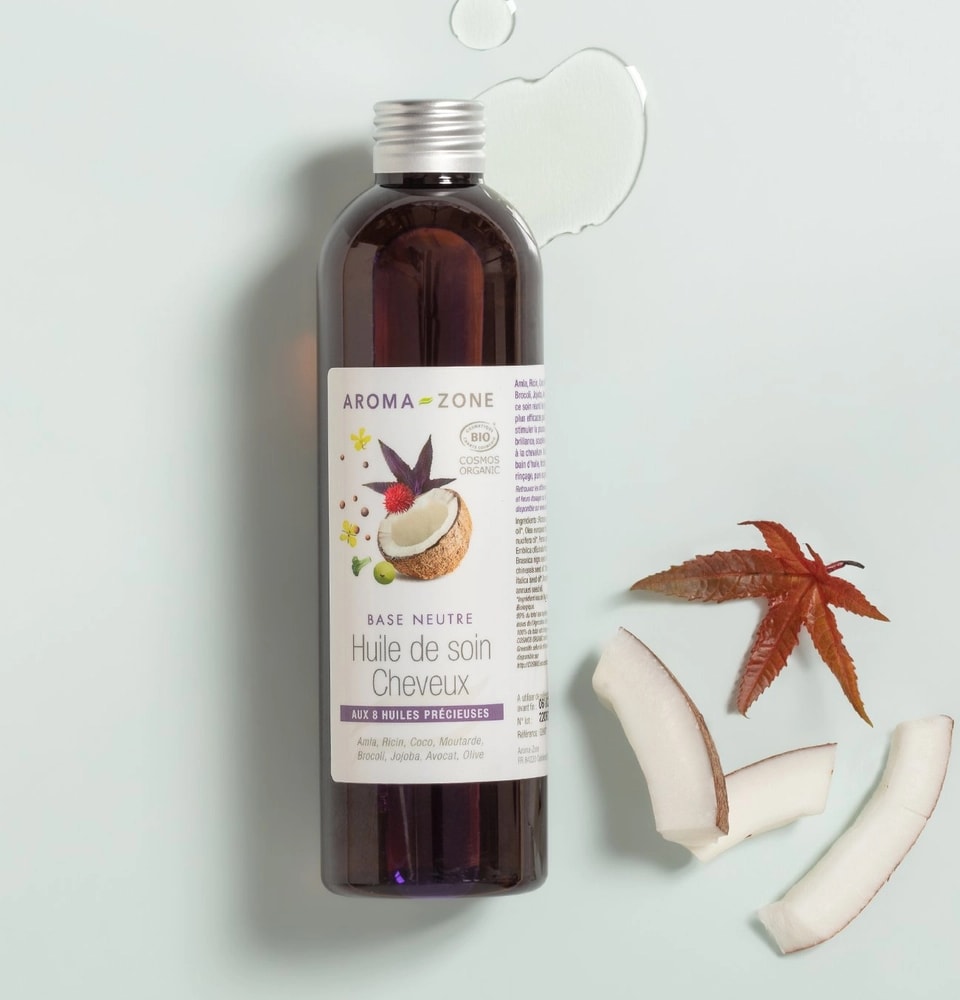
Neutral Base Organic Hair Care Oil
A blend of 7 precious organic plant oils and a precious organic oil macerate renowned for their wonderful benefits for hair, this organic hair care oil can be used as an oil treatment, massaged into the scalp, or as a leave-in treatment on the ends. This exceptional botanical treatment, combining Castor, Coconut, Amla, Avocado, Olive, Broccoli, Jojoba, and Mustard oils, strengthens, nourishes, repairs, adds shine, and tames hair naturally and effortlessly.
What’s the best natural hair care routine during the postpartum period?
To effectively support your use of supplements, it’s essential to adopt a comprehensive, simple, and consistent routine that strengthens your overall health and boosts hair vitality.
Nourish your body from the inside: a diet rich in protein, iron, vitamins, and essential fatty acids supports hair vitality.
Opt for a gentle wash: wash your hair with a gentle shampoo sulfate-free, spacing out washes if possible. The goal: to cleanse without stripping, to preserve the balance of the scalp.
Apply a targeted treatment: such as the Peptides & Pea Extract Anti-Hair Loss Hair Serum to the entire dry scalp once a day, in the morning or evening.
Stimulate microcirculation in the scalp: take a few minutes to massage your scalp in circular motions, with or without a treatment, to stimulate microcirculation and promote regrowth.
Perform a weekly treatment: such as an oil treatment using the Organic Hair Care Oil Neutral Base. Leave on for 1 to 3 hours.
Limit mechanical or thermal damage: avoid tight hairstyles, aggressive brushing, and repeated use of heat styling tools. Dry your hair on a low heat setting or air-dry it as much as possible.
Give yourself rest and support: the body needs time to regain its balance. Allowing yourself to slow down, delegate, and ask for help… is also a way of taking care of yourself.
Our Best Anti-Hair Loss Recipes
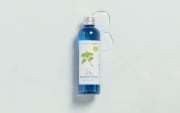
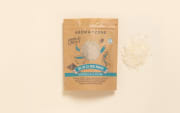
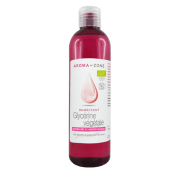
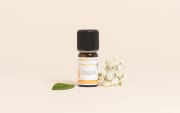
Warning: this treatment is not recommended while breastfeeding.
Precautions for Use
Supplements do not replace a varied and balanced diet or a healthy lifestyle. If you are breastfeeding, seek advice from a healthcare professional before taking any supplements. If your symptoms persist, do not hesitate to consult a healthcare professional for personalised guidance.
Expert Advice
The postpartum period is a demanding, vulnerable and sometimes overwhelming time. People often say that “everything passes”, and it’s true — even if it may be hard to believe in the moment. One day, you’ll forget about the hair you lost… and what will remain are those precious first moments with your baby.
Spotlight on Marion Alves De Oliveira

Marion is a Doctor of Pharmacy, naturopath, and coach. After twelve years in the cosmetics industry, she now helps clients achieve greater overall balance and adopt a more mindful lifestyle, with a particular focus on sustainable nutrition. She also created a podcast where she shares insights to promote a lifestyle philosophy that respects both health and the environment.
Bibliography
ANSES, Nutritional Reference Values for Vitamins and Minerals, accessed in April 2024.
https://www.anses.fr/fr/content/les-references-nutritionnelles-en-vitamines-et-minerau
MSD Manuals, Silent Lymphocytic Thyroiditis, accessed April 2024.
https://www.msdmanuals.com/fr/accueil/troubles-hormonaux-et-m%C3%A9taboliques/troubles-de-la-thyro%C3%AFde/thyro%C3%AFdite-lymphocytaire-silencieuse
Simon Julia, Living Well Through the 4th Trimester Naturally – Expanded Edition, First Éditions, 2020.

Frequently Asked Questions
Associated tips
Hormonal balance
Dietary supplements
Nutrients, Vitamins, Minerals & Antioxidants
Sexual wellness tips

Physical activity tips


