Vitamin C and iron, the fitness combo

Vitamin C and iron form a powerful nutritional duo, offering a wide range of health benefits. Vitamin C facilitates the absorption of iron, which is essential for oxygen transport and overall vitality. By incorporating these two vitamins into a balanced diet, we have better iron assimilation, strengthen our immune system and contribute to our overall health. Discover our best practice guide.

Reading time: 0 min.

Why is it important to have good levels of iron and vitamin C?

Iron is found in our bodies in various forms: two-thirds in haemoglobin; a small proportion is in bloodstream where it is carried by a protein called transferrin to the tissues that use it; and another small proportion in muscle tissue in the form of myoglobin, which is one of the reserves. Larger stocks are also found in the liver, spleen and bone marrow in the form of ferrite. Iron is, therefore, an important component of haemoglobin.

It is important to ensure that you have a good level of iron, as it is useful for following:

  • Oxygen transport: Iron is a key component of haemoglobin, a protein found in red blood cells. Haemoglobin enables oxygen to be transported from the lungs to tissues and organs, providing the oxygen needed for cellular metabolism.

  • Oxygen storage: Iron is also involved in myoglobin formation, a protein that stores oxygen in muscle cells, ensuring a constant supply during increased needs, such as during exercise.

  • Cellular function: Iron is a necessary component of numerous enzymatic reactions essential to normal cellular function, including energy production and DNA synthesis.

  • Immune system: Iron plays a role in the proper functioning of the immune system. It promotes the production of immune cells and helps defend against infection.

Vitamin C, also known as ascorbic acid, offers a host of health benefits. As a powerful antioxidant, it helps to neutralise free radicals, thereby helping to prevent oxidative stress and reduce the risk of chronic diseases. Vitamin C plays an essential role in forming collagen, a protein crucial to the health of the skin, bones, blood vessels and other connective tissues. It also strengthens the immune system by promoting the production and activity of the immune cells. What's more, vitamin C improves the absorption of non-haem iron from plant sources, helping to prevent anaemia. Its versatile properties make it a key nutrient for maintaining overall health and avoiding infections.
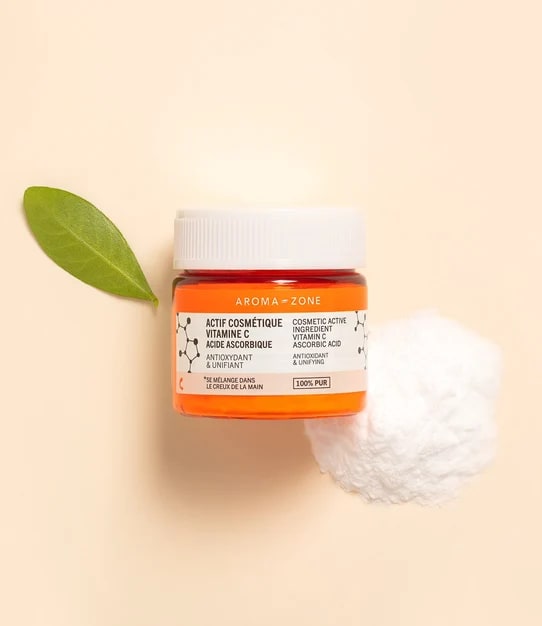
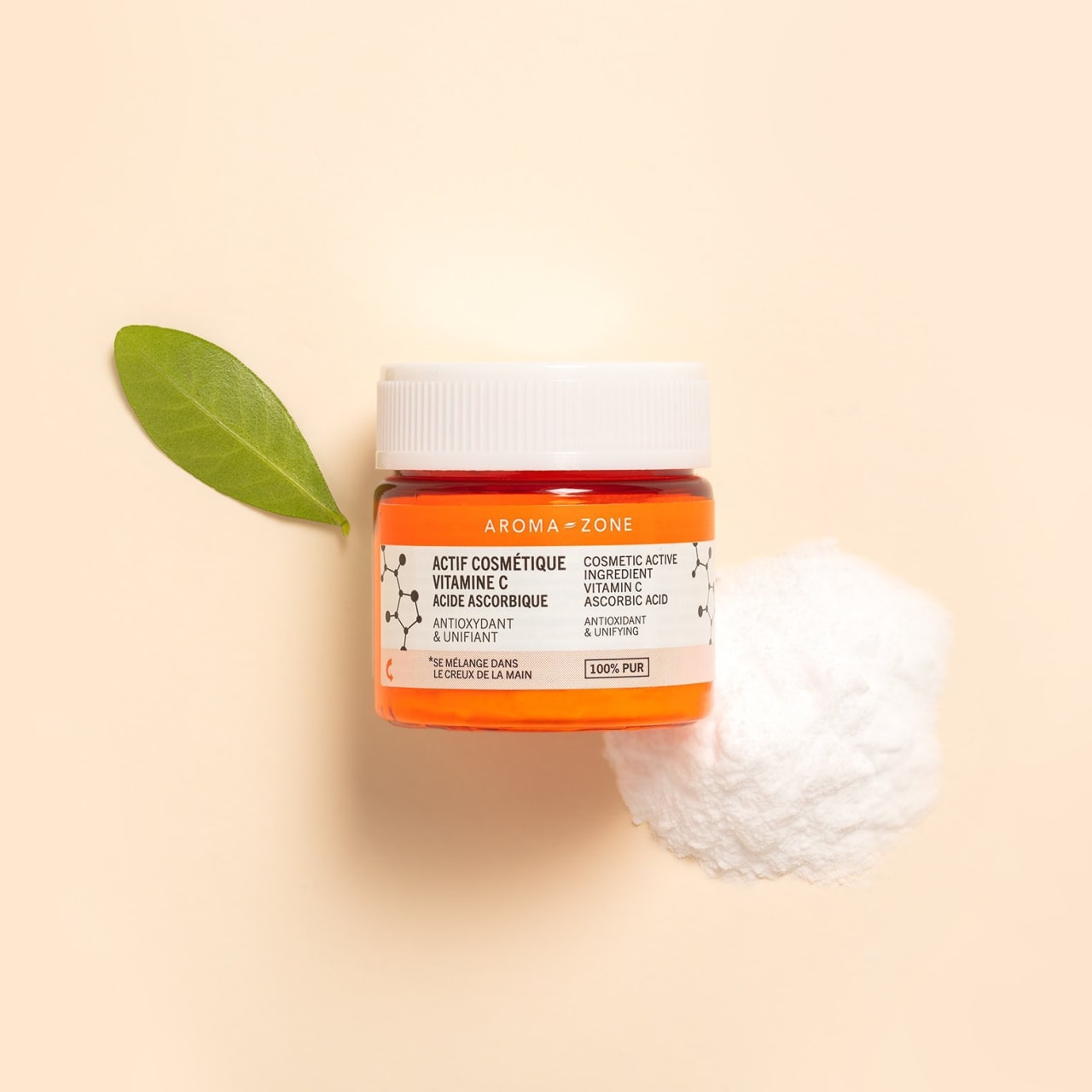
A closer look at our ascorbic acid active ingredient

Does vitamin C increase iron levels?

When vitamin C is present, it promotes iron absorption from the intestine. Therefore, it is necessary to monitor vitamin C intake for people with haemochromatosis or high levels of ferritin, which can be a sign of excessive iron absorption and storage.

Why take iron with vitamin C?

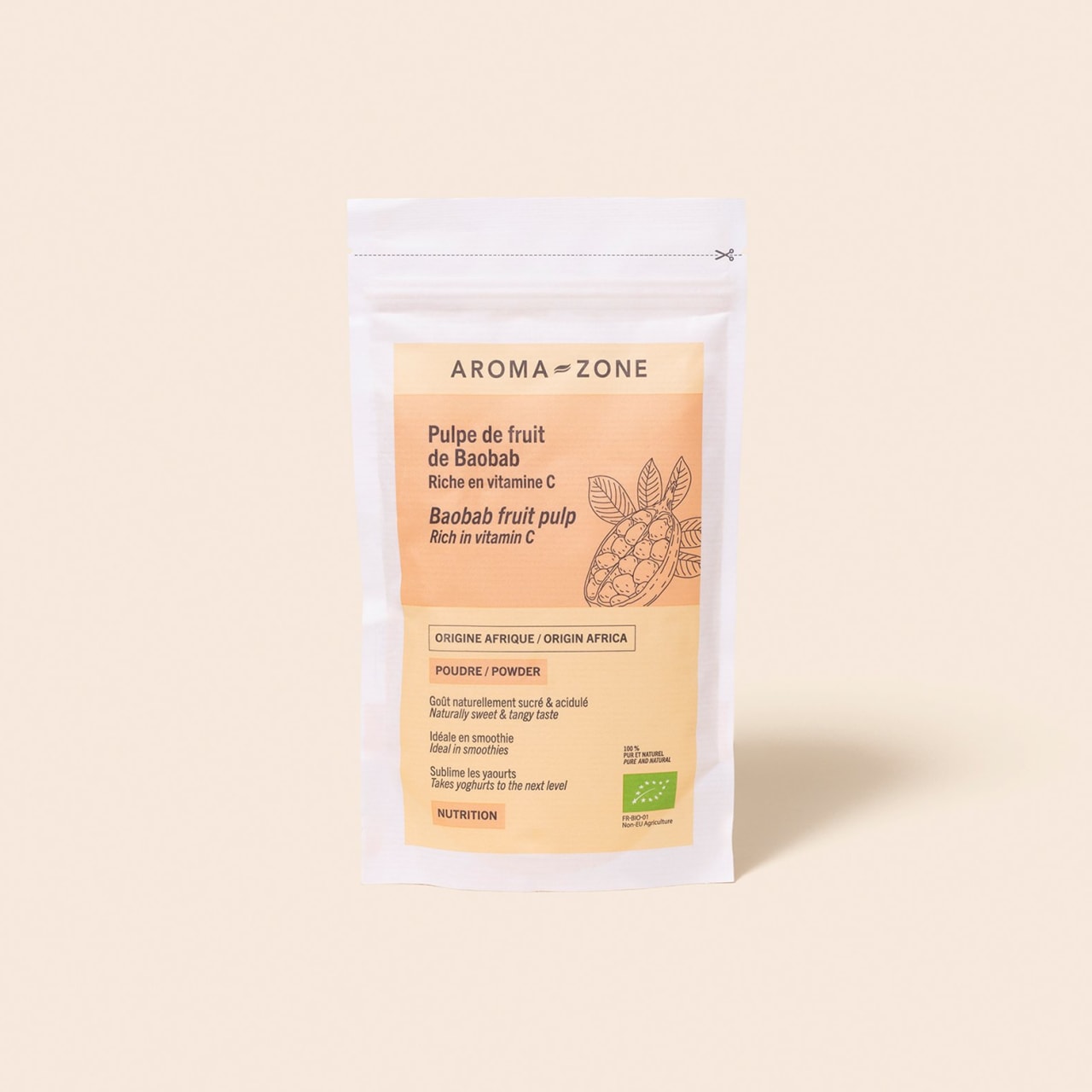
Vitamin C promotes non-haem iron absorption, which is why it is recommended to combine these two elements in the same meal. One way to achieve this is by enjoying a lentil dish followed by a fruit salad with kiwis and oranges for dessert.

Can you take iron and vitamin C at the same time?

Yes, it is perfectly reasonable and even recommended to take iron and vitamin C simultaneously. Vitamin C promotes the absorption of non-haem iron from plant sources and can improve the overall assimilation of iron in the body. Combining these two nutrients in the same meal maximises the benefits of this combination. For example, consuming sources of iron, such as green vegetables or fortified cereals, with foods rich in vitamin C, such as citrus fruit, strawberries or peppers, can help boost iron status and prevent anaemia more effectively. However, it is always advisable to consult a healthcare professional for advice tailored to your specific situation.

Which vitamin C fixes iron?

Vitamin C, also known as ascorbic acid, is particularly effective for improving the absorption of non-haem iron from plant sources. It facilitates the conversion of non-haem iron into a more absorbable form in the intestine. Therefore, vitamin C is often recommended in combination with plant sources of iron, such as green vegetables, legumes and wholegrain cereals, to optimise iron absorption in the body. It is beneficial to include foods rich in vitamin C in the same meal as those containing non-haem iron to maximise the benefits of this combination. Common sources of vitamin C include citrus fruit (oranges, lemons, grapefruit), strawberries, kiwi fruit, red peppers and other fresh fruit and vegetables.

Is vitamin C supplementation ineffectual for anaemia?

Iron-deficiency anaemia, which is the result of an iron deficiency, reduces the number of red blood cells in the blood or in their haemoglobin concentration. This leads to intense fatigue, a pale complexion and a marked shortness of breath on exertion. When treating iron-deficiency anaemia, thanks in particular to Fero-Grad, it is common practice to prescribe vitamin C in addition to iron supplements to encourage its absorption. However, a recent study conducted by researchers at Fudan University in Shanghai, China, and published in JAMA, calls into question the effectiveness of adding vitamin C to iron supplementation in patients with iron-deficiency anaemia. The results show that haemoglobin recovery and iron absorption are not significantly improved with the addition of vitamin C. The authors conclude that vitamin C supplementation is not essential for anaemic patients taking oral iron. Although some healthcare professionals believe that the combination of vitamin C and iron may be beneficial, the results of this study suggest that it may not provide significant benefits for iron deficiency anaemia.

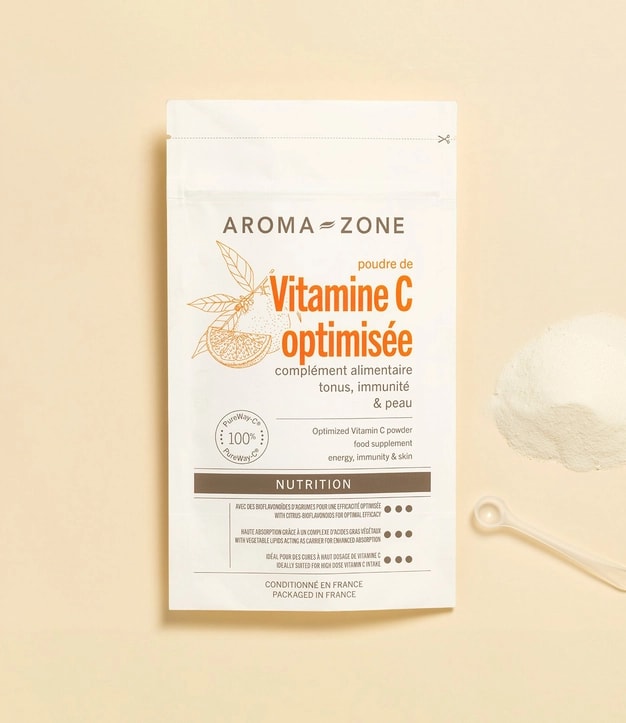
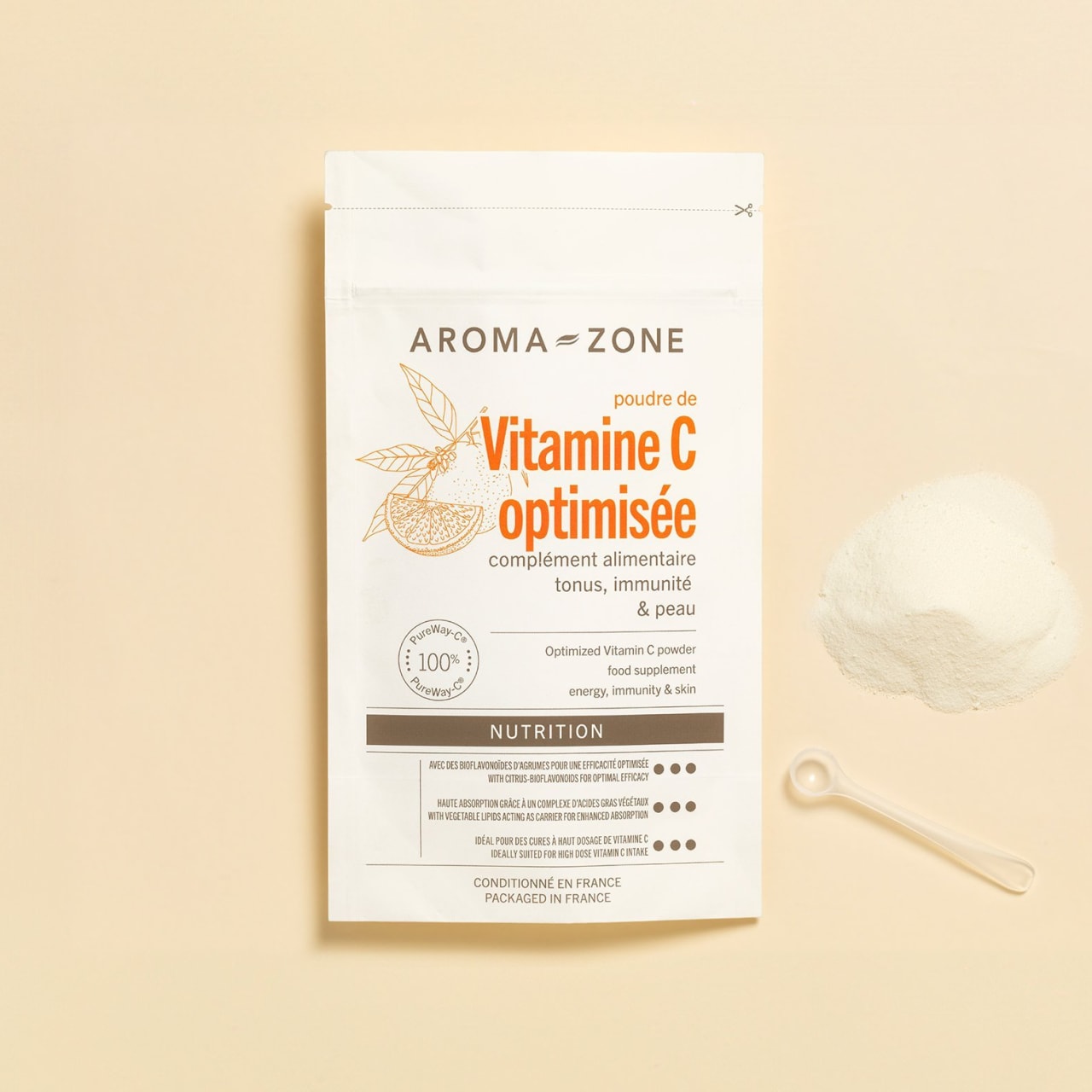
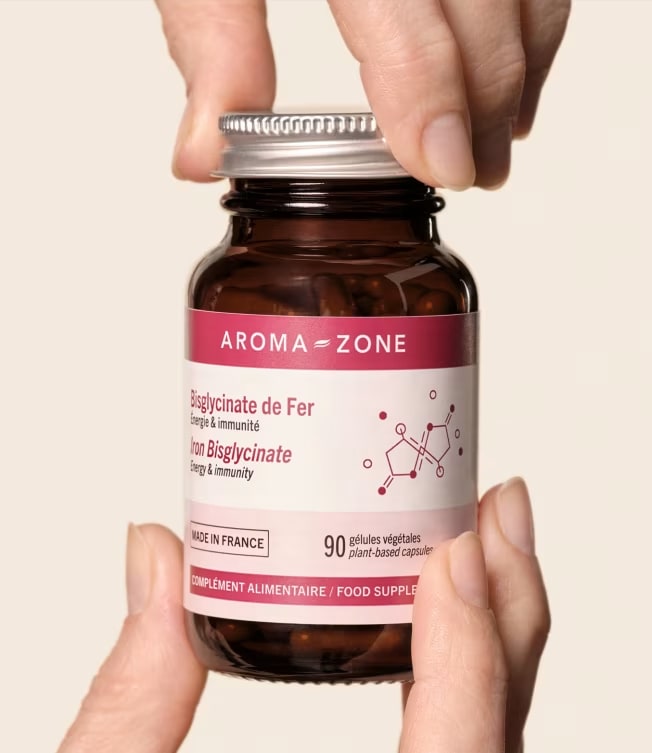
A closer look at our optimised Vitamin C powder food supplement

When and how should vitamin C and iron be taken?

As we have already talked about, it is advisable to take vitamin C and iron during the same meal. Here are a few examples of foods rich in vitamin C and iron to help you combine them easily. You can combine the following without any risk:

  • Lentils with peppers: make a lentil salad with red peppers, which are rich in vitamin C. Lentils are an excellent source of plant-based iron.

  • Spinach with tomatoes: spinach contains iron, while tomatoes provide vitamin C. You can sautĆ© spinach with tomatoes in a pan or add it to a salad.

  • Quinoa with broccoli: quinoa source of iron, and broccoli is rich in vitamin C. Make a quinoa salad with pieces of broccoli.

  • Chicken with mango salsa: chicken is a source of iron, and mango salsa provides a dose of vitamin C. Serve grilled chicken with a fresh mango salsa.

  • Tofu and peppers: tofu is a source of iron for those on a vegetarian or vegan diet. Make a tofu stir-fry with peppers to add vitamin C.

  • Fortified cereals with strawberries: choose iron-fortified cereals and add strawberries for a dose of vitamin C. Add vitamin D-enriched milk for even more benefits.

  • Beef with avocado salsa: beef is a source of iron, while the avocado in the salsa gives you vitamin C.

Which vitamin should not be taken with iron?

It is not advisable to take iron and vitamin E at the same time, as iron can oxidise vitamin E, altering its effectiveness. Iron supplementation can also have a negative effect on vitamin E status. It has been noted that vitamin E can reduce the build-up of iron in the liver. It may, therefore, be recommended if there is too much iron in the liver, particularly for people with haemochromatosis.

Fero grad or tardyferon?

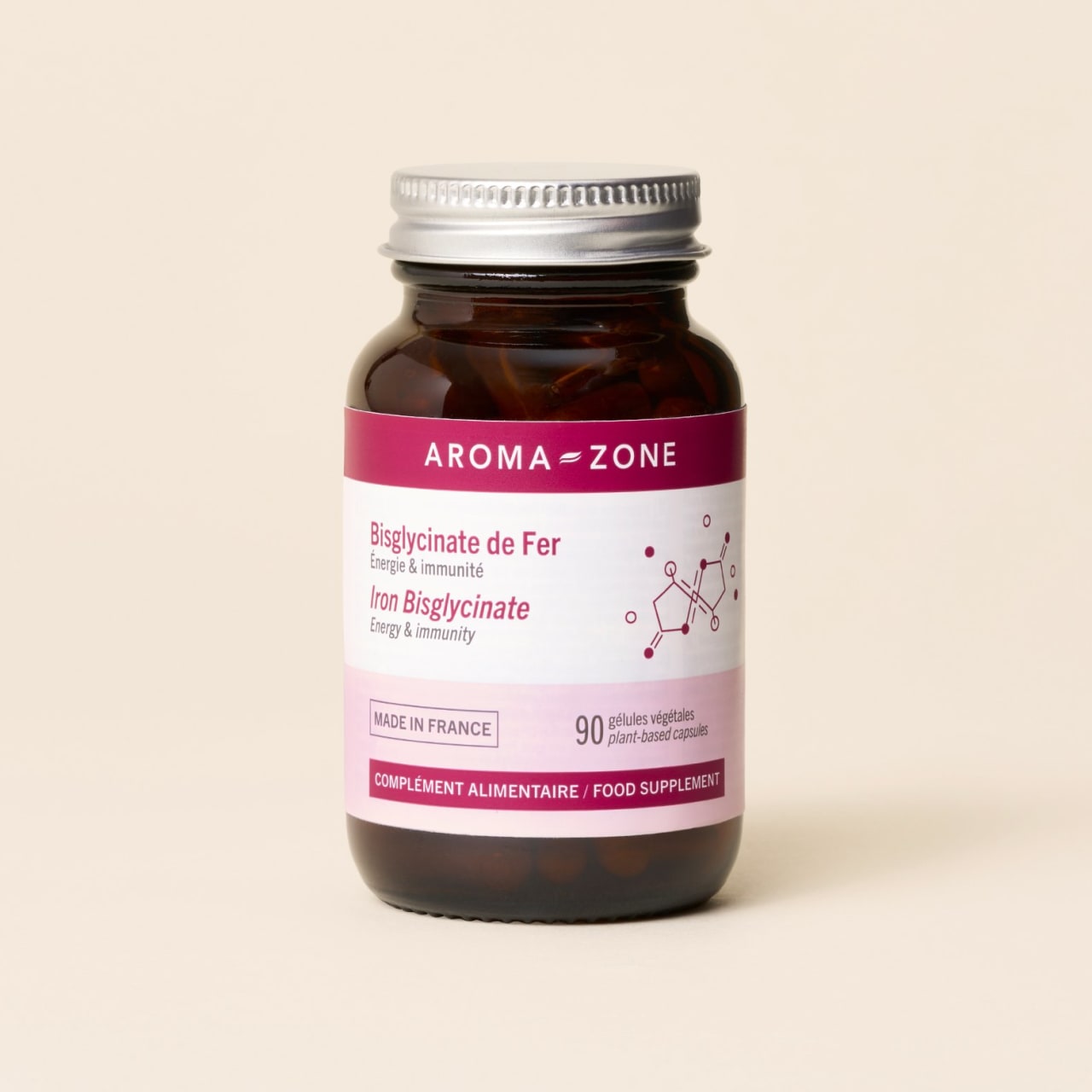
The optimal iron-rich medication for a course of treatment depends on various factors, such as specific iron requirements, the patient's age, pregnancy, and any vitamin B9 or vitamin C deficiencies. For severe deficiency, the most concentrated tablets, such as TardyferonĀ® 80 mg, are recommended. Some drugs, such as TimoferolĀ® and Fero-Grad Vitamin CĀ®, combine iron with vitamin C to improve its absorption, making them particularly suitable for patients with a low vitamin C intake. The patient's age should also be taken into account: Fero-grad Vitamin CĀ® should be reserved for adults, for example.

Spotlight on our editor: Gipsy Dauge

Gipsy is a graduate of ESJ Paris. After 10 years' experience in the general and women's press, she decided to move into writing about health and well-being. With a certificate in yin yoga, she now puts her pen, as well as her yoga mat, to excellent use. She cares deeply about what she writes. She has a deep commitment to helping readers incorporate tips into their daily lives to take care of both themselves and their environment. She hopes to inspire you to follow a balanced and fulfilling lifestyle with her writing.

Article published on 16 January 2024

Bibliography

1

Vitamin C

2

Les fondamentaux du cyclisme: CompƩtition, cyclosport, cyclotourisme

3

AnĆ©mie : la vitamine C ne faciliterait pas l’absorption de fer

4

Les intolérances alimentaires : Je ne veux plus être malade !