Iron deficiency: signs and risks to be aware of

Iron deficiency affects more than 800 million people worldwide, according to the World Health Organization (WHO), making it the most common deficiency. Essential for the body to function properly, iron plays a key role in energy, vitality, and overall balance. In this article, we’ll help you better understand its role in your health. You’ll also learn about the signs of iron deficiency, its possible causes, and steps you can take to prevent it in your daily life.

Reading time: 0 min.

What is iron and what role does it play in your health?

Iron is a trace element that is essential for your body to function properly. It plays many roles, including in the production of hemoglobin (the essential protein that transports oxygen in your blood from your lungs to the cells in your body), in your immune system, in cellular energy production (your energy metabolism), in proper brain function, in DNA synthesis, and in your emotional balance and mental health.

It therefore plays a role in many aspects of your physical and psychological health, which is why we recommend that you always maintain an adequate daily intake of iron.

What is iron deficiency?

Iron deficiency, known as iron deficiency anemia, is a reduction in the body's iron reserves, which disrupts several vital functions. Iron is involved in the production of hemoglobin, a protein essential for the transport of oxygen by red blood cells. When these reserves are depleted, the body compensates by reducing tissue oxygenation, which affects energy, muscle function, and the brain. Prolonged deficiency can lead to iron deficiency anemia, with serious consequences such as chronic fatigue and cardiovascular problems. It is therefore essential to understand the triggers and ways to prevent this deficiency.
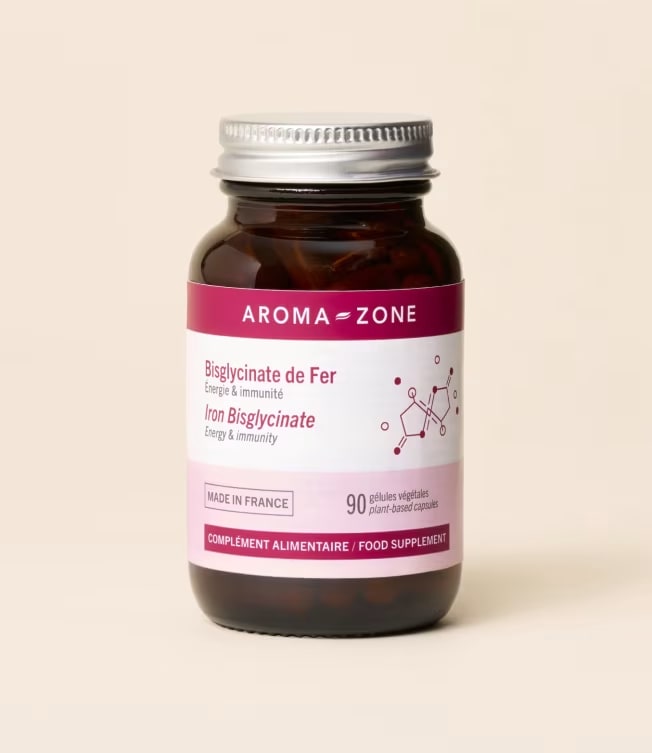
What are the symptoms of iron deficiency?

The symptoms of iron deficiency are varied and can affect several systems in the body. Here is a list of the most common symptoms:

  • Chronic fatigue: a feeling of exhaustion that persists despite rest, resulting from insufficient oxygen being transported to the tissues.

  • Abnormal paleness: visible on the skin, gums, or inside of the eyelids.

  • Rapid shortness of breath during moderate activities or even at rest in severe cases.

  • Dizziness and frequent lightheadedness, especially when changing position.

  • Difficulty concentrating, accompanied by impaired memory, often linked to low oxygenation of the brain.

  • Brittle hair and excessive hair loss, due to weakening of the hair follicles.

  • Fragile or ridged nails, sometimes spoon-shaped (koilonychia).

  • Heart palpitations felt without intense physical exertion, linked to an attempt to compensate for tissue anoxia.

  • Restless legs syndrome, often present at bedtime and aggravated by fatigue.

  • Increased susceptibility to infections, reflecting a weakened immune system.

  • Digestive disorders such as diarrhea or abdominal discomfort, which may coexist with poor intestinal absorption.

  • Deep dark circles, giving a tired appearance.

  • Red and painful tongue (glossitis), accompanied by cracks in the corners of the lips (perleche).

How can you recognise iron deficiency?

The diagnosis of iron deficiency is based on a combination of clinical observations and laboratory tests.

  1. Look for telltale signs : persistent fatigue, unusual paleness, or difficulty concentrating may be the first signs of iron deficiency. These signs alone are not enough to make a diagnosis, but they warrant attention.

  2. Confirm with a blood test : Specific blood tests are necessary to confirm the diagnosis. Among these tests, ferritin measurement is essential, as it reflects the body’s iron stores. Low ferritin is often an early sign of deficiency. Other parameters such as hemoglobin levels, mean corpuscular volume (MCV), or transferrin can also be analyzed.

  3. Adapt screening to the situation : In certain individuals, such as pregnant women or those with chronic blood loss, screening may be recommended even in the absence of significant symptoms.

  4. Identify an underlying cause if necessary : When the deficiency is confirmed, additional tests may be considered to determine the cause, particularly if gastrointestinal bleeding is suspected.

As a reminder, it is important to consult a healthcare professional to interpret test results and establish an appropriate treatment plan.

What are the natural solutions to compensate for or prevent iron deficiency?

Certain natural alternatives can effectively help prevent or correct the symptoms of iron deficiency:

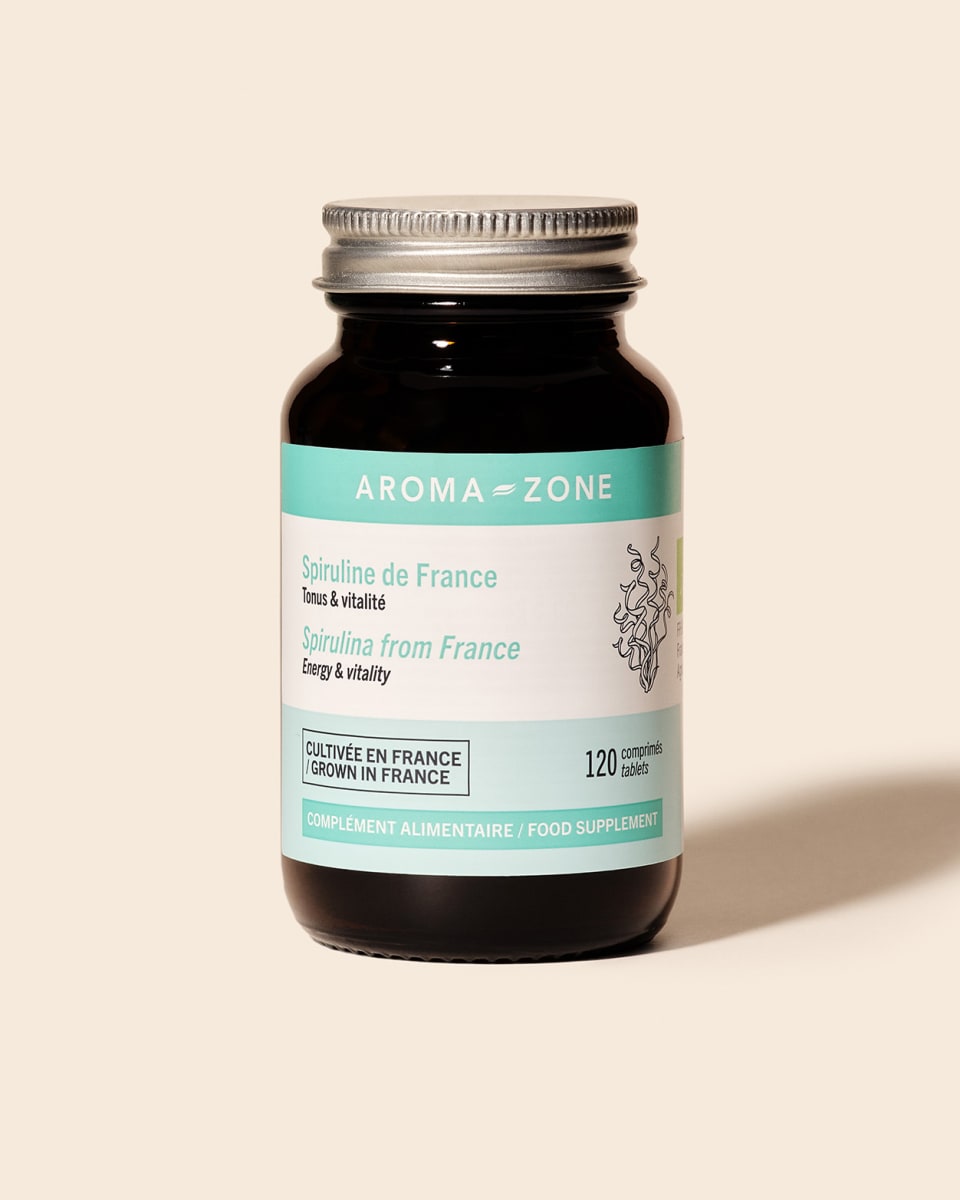
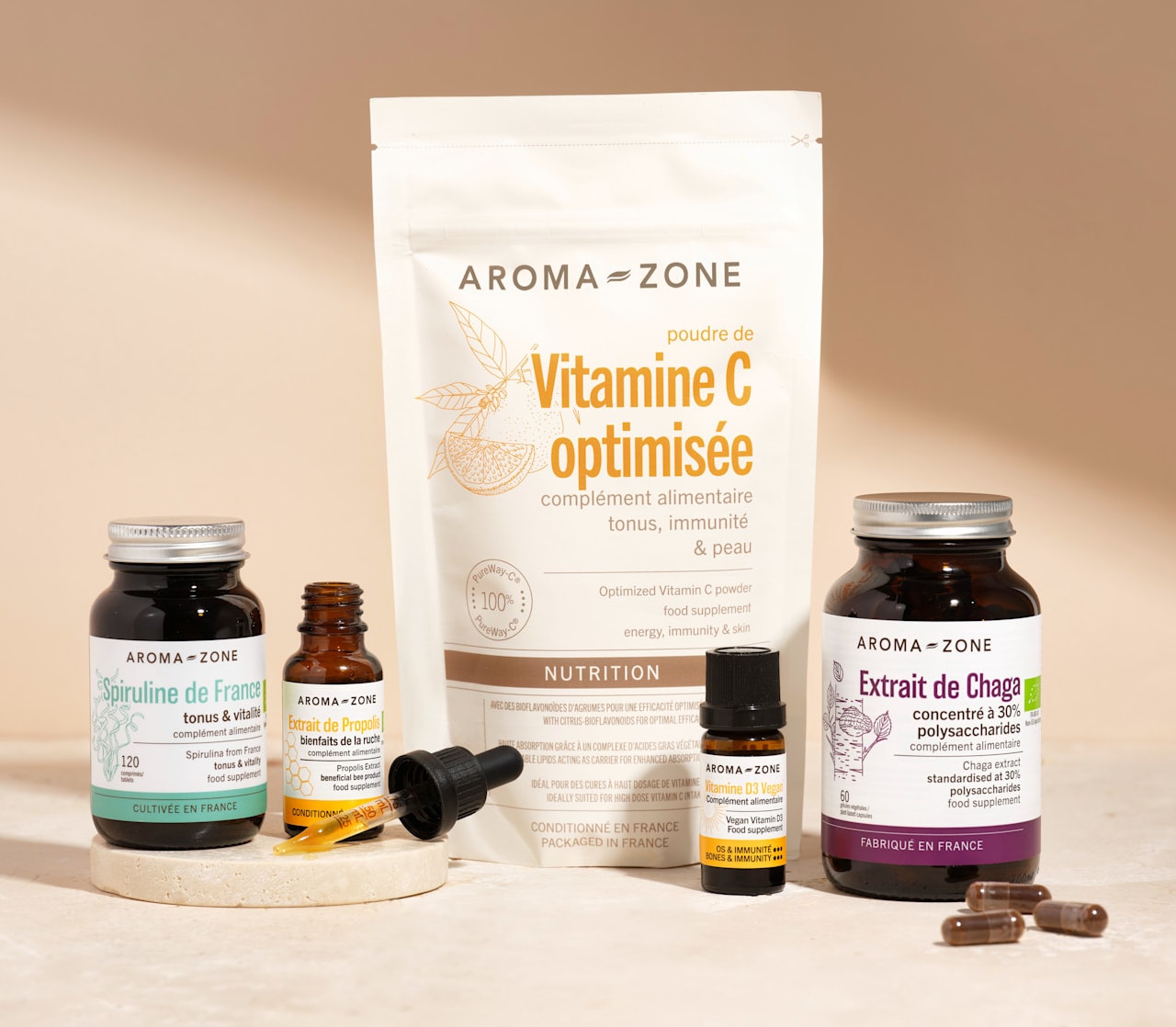
Organic Spirulina from France

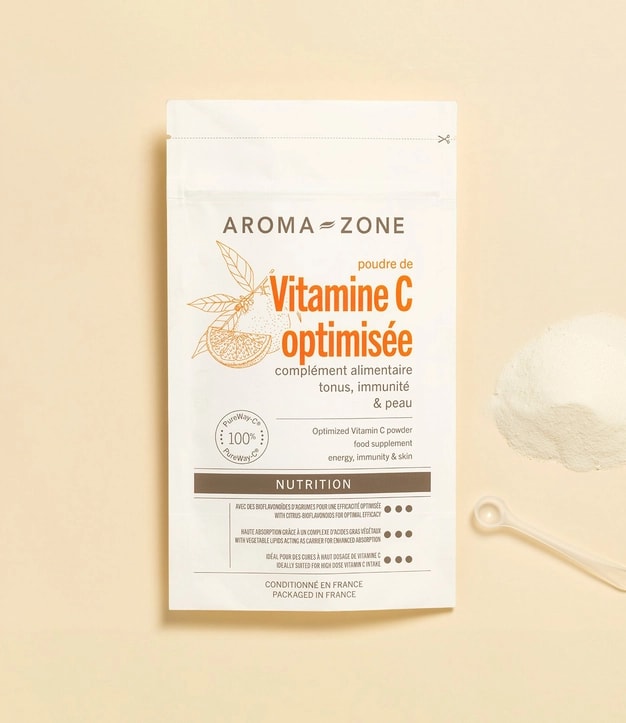
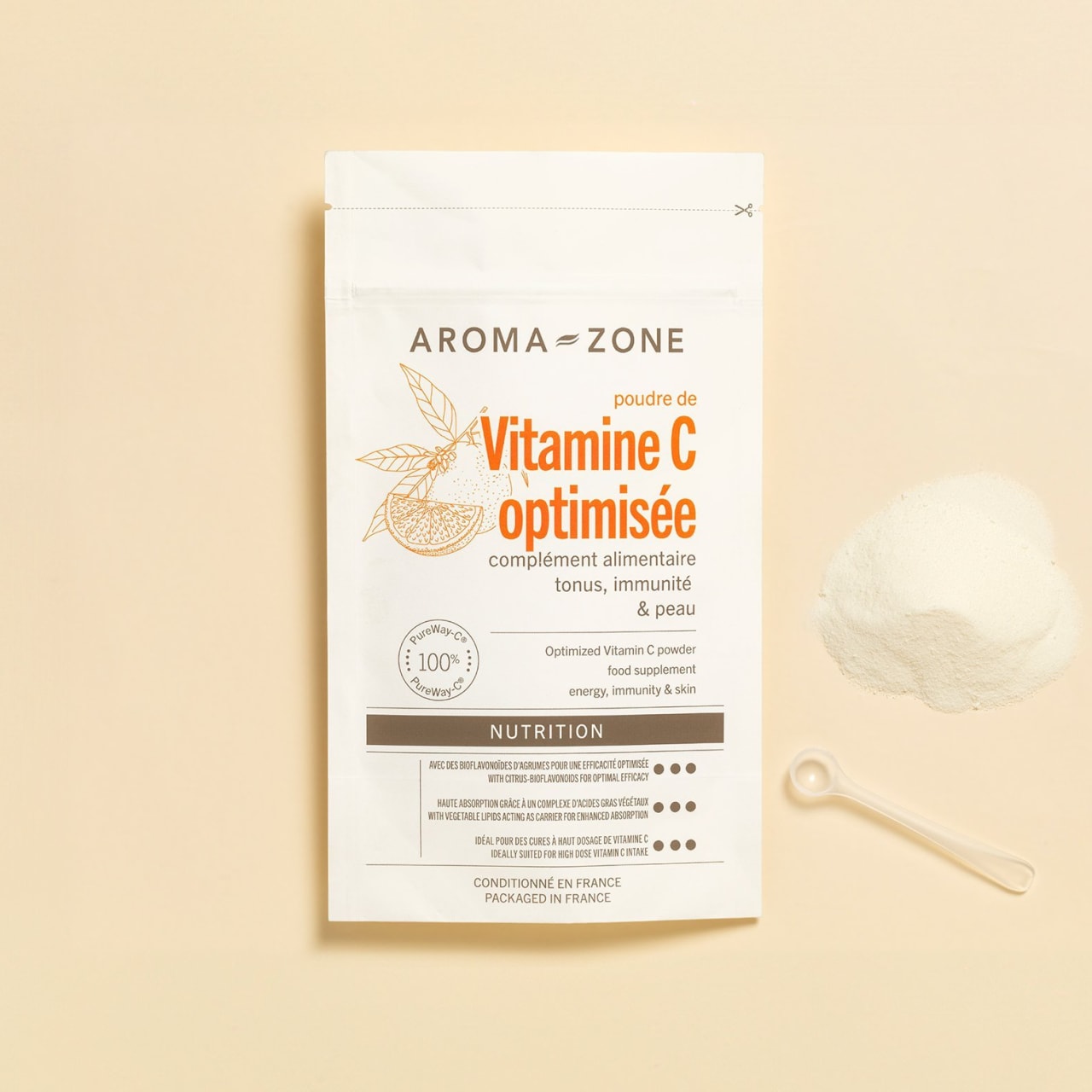
Optimized vitamin C powder

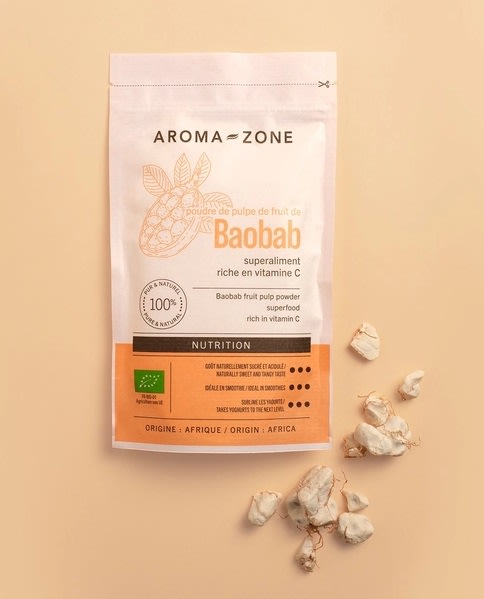
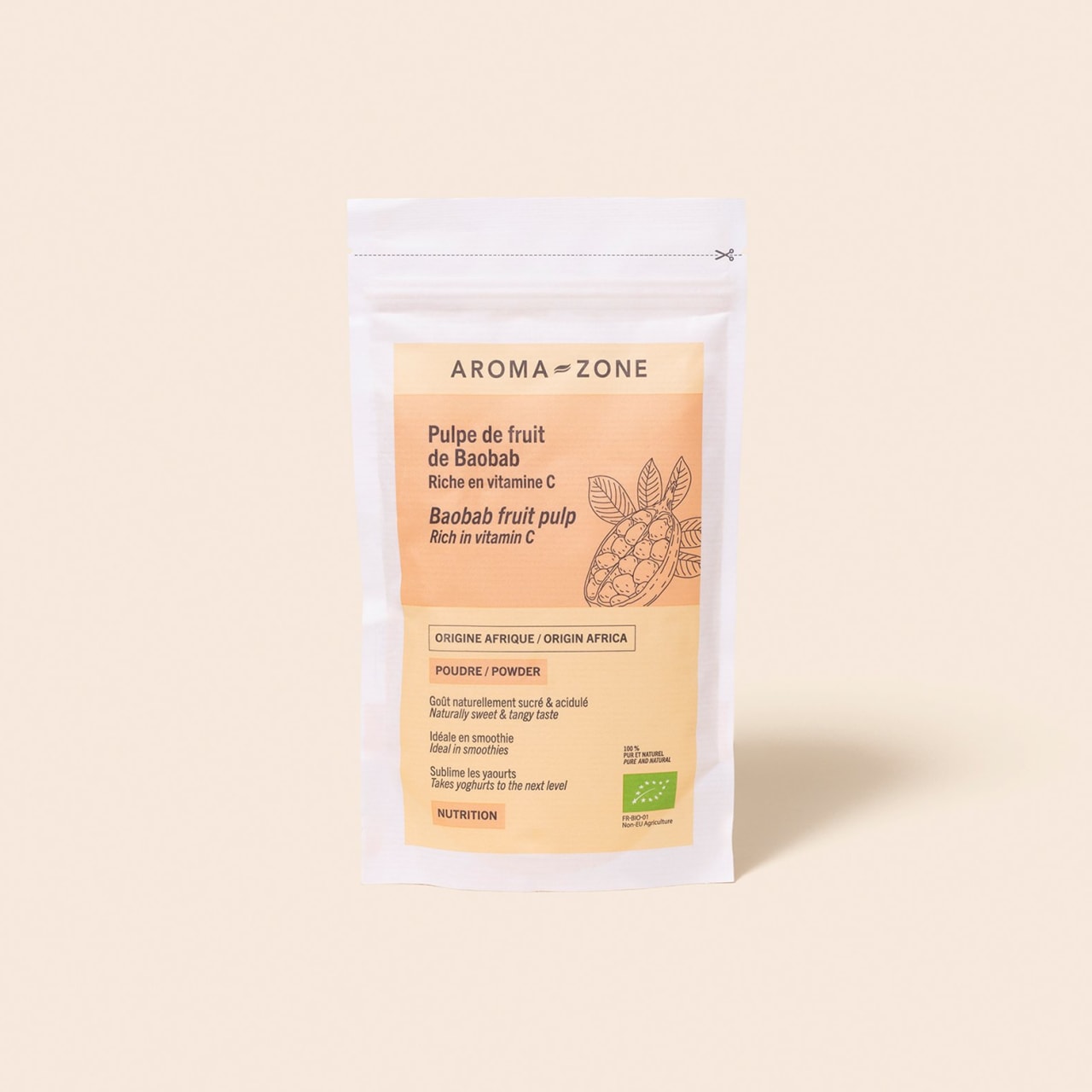
Organic Baobab Fruit Pulp Powder

What causes iron deficiency?

When the body's iron reserves are insufficient to meet its normal needs, this is referred to as iron deficiency. There are many possible causes of iron deficiency, which may be related to:

  • insufficient iron intake in the diet (due to a lack of variety or an overly restrictive diet, for example)

  • a vegetarian or vegan diet with too little plant-based iron

  • excessive consumption of tea or coffee during meals, which can reduce the absorption of non-heme iron found in plants

  • significant blood loss (in the case of heavy menstruation or uterine bleeding outside of menstruation in women, in the case of various types of bleeding such as nosebleeds, regular gum bleeding, or internal bleeding)

  • a chronic condition causing blood loss (such as a gastric ulcer, which can affect iron absorption during digestion, for example)

  • a gastrointestinal absorption disorder such as celiac disease, inflammatory bowel disease (ulcerative colitis, Crohn's disease), irritable bowel syndrome, or colon polyps

  • pregnancy or breastfeeding (which require sufficient reserves of specific nutrients)

  • Rapid growth phases in children and adolescents increase iron requirements.

  • certain medications (such as certain nonsteroidal anti-inflammatory drugs (NSAIDs), proton pump inhibitors (PPIs), or antacids, for example)

What are the risks of iron deficiency?

Iron deficiency carries various risks if left untreated. If you simply have low iron reserves, your body is not yet functioning properly. Iron deficiency can be easily detected through a blood test.Ā 

When iron deficiency increases, without yet reaching the stage of anemia, the clinical signs of iron deficiency appear:

  • paleness of the face;

  • rapid pulse;

  • dyspnea (abnormal shortness of breath with minimal exertion);

  • persistent fatigue;

  • brittle hair and fragile nails;

  • symptoms of thyroid dysfunction may also develop (most often hypothyroidism).

In advanced stages of iron deficiency, the condition is referred to as iron deficiency anemia, which corresponds to low hemoglobin levels in the blood and includes more intense symptoms. This affects muscle, brain, and heart function:

  • severe paleness of the face;

  • intense dyspnea and weakness (physical, athletic, intellectual, professional);

  • chronic fatigue;

  • low blood pressure;

  • sensitivity to cold;

  • weight loss;

  • lack of appetite;

  • immune system dysfunction with depleted defenses and increased vulnerability to microbial and viral infections;

  • difficulty concentrating;

  • mood disorders and emotional imbalance.Ā 

Finally, at a more advanced stage, amenorrhea (cessation of menstruation), chest pain, and heart failure may develop.

Pregnant women are particularly vulnerable, as iron deficiency increases the risk of complications such as low birth weight or premature birth. Infants can also easily become iron deficient if breast milk is too low in iron or if formula milk is not supplemented with iron. Children may experience disturbances in their sleep, nervous balance, cognitive development, and growth.

What should you eat to avoid iron deficiency?

You can adopt certain daily habits to prevent deficiencies. Here are our tips:

  • Eat a varied, balanced diet rich in iron as much as possible: by including a variety of iron-rich foods in your diet, such as red meat, organ meats, fish, eggs, leafy green vegetables, oilseeds, and cereals.

  • Optimize iron absorption with vitamin C: To facilitate the absorption and assimilation of non-heme iron (iron from plant sources such as legumes, vegetables, oilseeds, etc.) in the body, we recommend combining iron-rich foods with foods rich in vitamin C, such as citrus fruits, cabbage, peppers, red berries, parsley, etc.

  • Avoid foods that interfere with iron absorption as much as possible: certain foods such as tea and coffee (due to the tannins and polyphenols they contain) as well as dairy products (due to calcium) can reduce your body's absorption of non-heme iron. Ideally, we recommend avoiding these beverages and replacing them with herbal teas if necessary. Otherwise, try to space out your iron intake as much as possible from your consumption of these beverages.

How can you avoid iron deficiency?

To prevent the risk of deficiency, we recommend that you first consult your doctor regularly (every 2 or 3 years if you have no symptoms or specific medical conditions) to check your body's iron status with a blood test.

  • Monitor your iron requirements : your iron requirements vary throughout your life. Remember to consult your doctor regularly so that they can prescribe a blood test to check your iron levels, determine your specific requirements, and adjust your dietary intake accordingly.

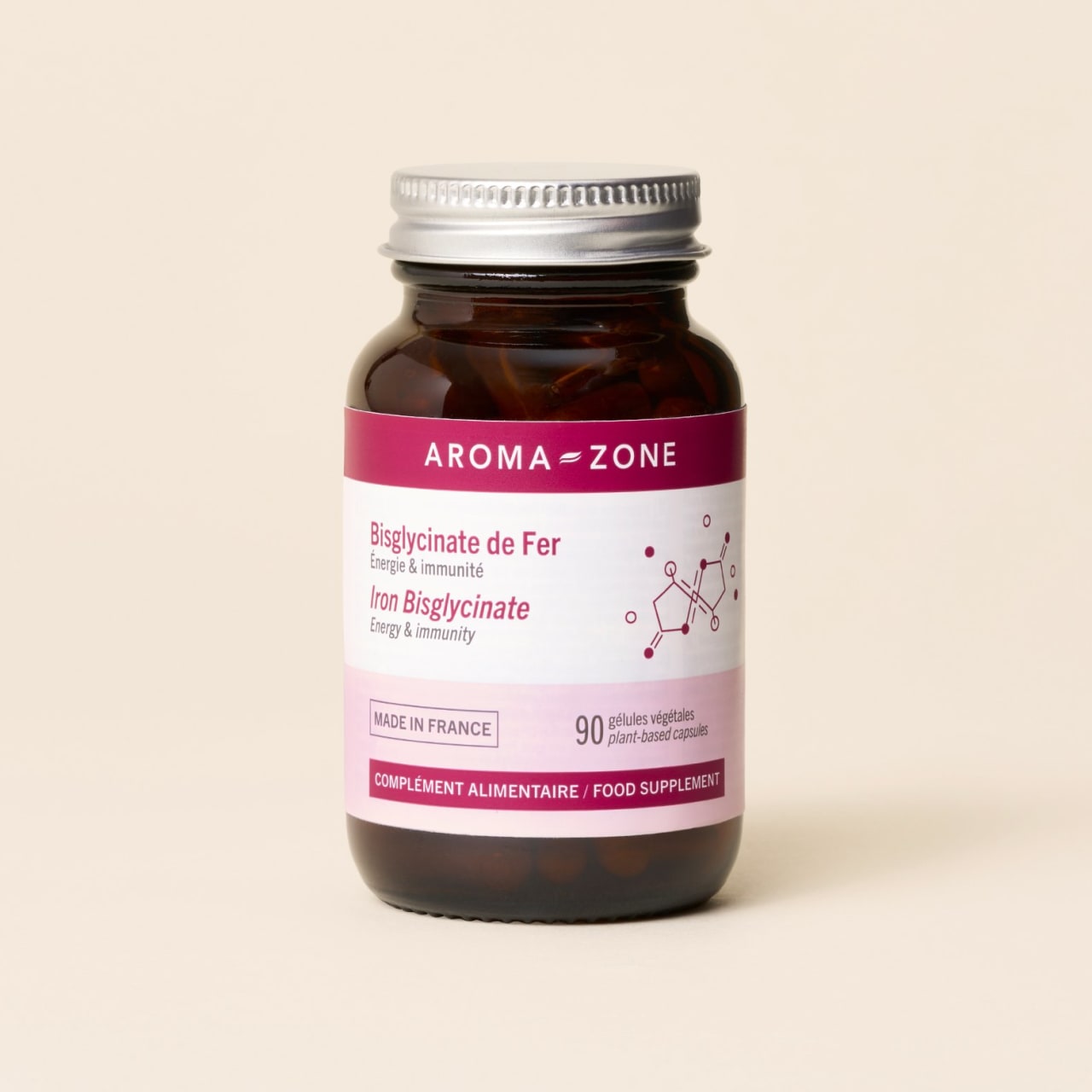
  • If necessary, take supplements: if you have an iron deficiency, we recommend that you always consult your doctor for specific recommendations based on your anemia level. Your doctor may prescribe appropriate iron supplements, either in the form of medication or more natural options such as dietary supplements.

  • Adopt a healthy and balanced lifestyle as much as possible: in addition to a balanced diet rich in iron, focus on healthy and varied lifestyle habits to avoid the risk of deficiencies. Remember to exercise regularly, get plenty of restful sleep, and adopt stress management techniques such as breathing exercises, sophrology, meditation, or yoga.

Check out our comprehensive Aroma-Zone guide on natural solutions to combat iron deficiency.


What are the possible medical treatments for iron deficiency?

The medical treatment of iron deficiency depends on the cause, severity, and general condition of the patient. It is mainly based on iron supplementation in the form of medication and, in some cases, treatment of the underlying cause.

These generally relieve the symptoms of iron deficiency fairly quickly. The duration of treatment depends on the severity of the deficiency, but it usually takes 3 to 6 months to replenish iron stores. Medical follow-up with regular blood tests (ferritin and hemoglobin) is essential to check the effectiveness of the treatment and adjust the dosage if necessary.

  • Oral iron supplements: Iron tablets or syrups are the first line of treatment. Ferrous salts, such as ferrous sulfate, are most commonly prescribed because they are easily absorbed. These treatments should be taken between meals to optimize absorption and in combination with a source of vitamin C (e.g., orange juice) to increase their effectiveness. Possible side effects include digestive problems such as nausea, constipation, or abdominal pain.

  • Intravenous iron: In cases of oral iron intolerance, severe deficiency, or suspected intestinal malabsorption, iron infusions may be administered. This method is fast and effectively corrects iron stores, but it requires strict medical supervision to avoid allergic reactions or side effects.

  • Treatment of the underlying cause: If iron deficiency is related to blood loss (heavy periods, ulcers, gastrointestinal bleeding), it is essential to treat the cause to prevent recurrence. This may include hormone therapy (in the case of heavy menstruation), medication, or surgery.

What routine should you adopt to compensate for iron deficiency?

Recipe for Cream of Zucchini Soup with Organic Moringa Powder

Ingredients with balance

Serves 4-5 people

Preparation

1

Peel and chop the onion. Brown it in a pan with a knob of butter.

2

Peel the zucchini, then cut them into 2 cm pieces.

3

Add them to the pan with the onion. SautƩ everything for about 20 minutes.

4

Then add the water and bouillon cube. Bring the water to a boil and simmer for about 10 minutes.

5

Once the zucchini is cooked, blend everything together with an immersion blender.

6

Season with salt and pepper, add crème fraîche little by little, according to your taste.

7

Add 1 tablespoon of sifted organic hemp protein powder and blend again.

8

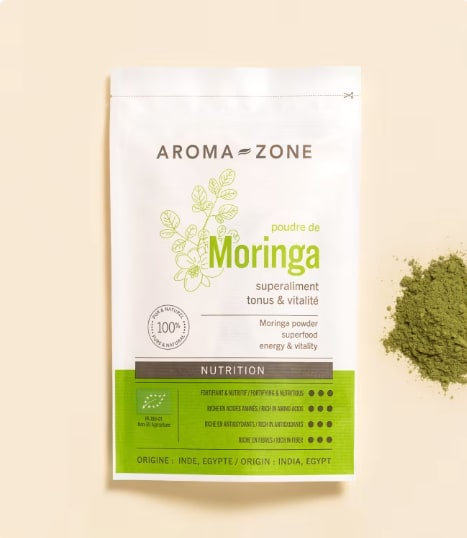
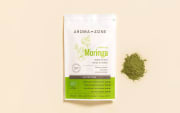
Remove the pan from the heat, then add 1 tablespoon of organic Moringa powder to preserve all its benefits.

9

Mix well and serve hot!

Recipe for Guacamole with Organic Moringa Powder

Ingredients with balance

Serves 4-5 people

Preparation

1

Peel and finely chop the onion.

2

Peel the avocados and mash them coarsely. Add the onion.

3

Squeeze the lemon and add the juice to the mixture.

4

Finely chop the cherry tomatoes and add them to the mixture.

5

Chop the cilantro leaves, add them to the mixture, and stir well.

6

Season with salt, pepper, and spices.

7

Add organic Moringa powder.

8

Adjust the seasoning if necessary, serve fresh!

A treat for your taste buds!

Here's a summer recipe for guacamole revisited with Moringa powder, ideal for a delicious and healthy appetizer!

Focus on our Naturopathic editor, StƩphanie Catrysse

Stéphanie Catrysse is a naturopath (certified by the FENA), a wellness massage and lymphatic drainage practitioner, and a personal development consultant. 

Passionate about alternative medicine, she practices a holistic approach to health.