Which Foods Are High in Protein?

Which Foods Are High in Protein?


By Gipsy Dauge

Published on: Thursday, April 25, 2024, Updated on: Wednesday, September 30, 2026

Protein-rich foods are essential components of a balanced diet. They play a crucial role in muscle growth and maintaining good overall health. In this article, you'll discover everything you need to know to boost your protein intake!

Contents

Related products

What Are Proteins?

Protein, found in both animal and plant-based products, accounts for approximately 10 to 20% of a diet’s energy intake. The term "protein" originates from the Greek "protos," meaning first, which underscores the fundamental importance of this macronutrient, which accounts for about 15% of human body composition. Proteins are often compared to the bricks of a house because they form the foundation of all the body’s cells. They are ubiquitous in the body, found in bones, teeth, hair, nails, skin, muscles, cartilage, and more.

A protein is a molecule made up of nitrogen and a sequence of hundreds or even thousands of small units called amino acids. These 20 amino acids can combine in many different ways to form a wide variety of proteins. Among them, 9 are considered essential because the body cannot produce enough of them to meet its needs, meaning they must be obtained through the diet. The others are non-essential because the body can synthesise them itself. However, some non-essential amino acids can become conditionally essential in certain situations, such as in newborns or following burns, when the body’s needs may increase.

The Complete List of Foods Highest in Protein

Protein is found in many foods, although the amount can vary considerably from one food to another. Generally speaking, higher amounts are found in meat, fish, and dairy products. The most important thing is to ensure your diet provides all the essential amino acids (those that the body cannot synthesise itself). Here is a list of the most protein-rich foods:

  • Lean meats (chicken, turkey, lean beef): they contain all the essential amino acids.

  • Fish (salmon, tuna, trout): they contain all the essential amino acids.

  • Eggs: they contain all the essential amino acids.

  • Dairy products (cheese, Greek yoghurt, milk): they contain all the essential amino acids. 

  • Legumes (beans, lentils, chickpeas): are generally deficient in one or more essential amino acids. 

  • Tofu and other soy-based meat substitutes: may contain all essential amino acids.

  • Nuts and seeds (almonds, walnuts, chia seeds): are generally deficient in certain essential amino acids (isoleucine and lysine). 

  • Quinoa is one of the few plant foods that contains all of them. 

  • Seitan (wheat) is deficient in one essential amino acid.  

  • Plant proteins (pea, rice, and hemp proteins): are generally deficient in certain essential amino acids.

What Are the Different Types of Protein?

Proteins can come from either plant or animal sources. Here is everything you need to know about these different types of proteins, which are highly beneficial for the body:

Everything You Need to Know About Plant-Based Proteins

Living without meat is possible. But living without protein is impossible. The list above, which ranks the highest-protein foods, includes plant-based options. By varying your sources of plant-based protein, you can obtain all the essential amino acids needed for a balanced diet. It is recommended to include the three main categories of protein-rich plant foods: nuts, legumes, and grains. For example, you can combine grains with legumes or legumes with nuts. However, it is not essential to consume multiple sources of plant-based protein at the same time or during the same meal. They can be incorporated at different times of the day, such as eating grains for breakfast, legumes for dinner, and nuts, almonds, and oatmeal as a snack.

  • Legumes: Beans, lentils, chickpeas, peas, broad beans, and mung beans are excellent sources of plant-based protein.

  • Grains: Wheat, rice, oats, corn, rye, barley, millet, and quinoa are examples of protein-rich grains.

  • Soy and Soy Products: Soy is a highly valued source of plant-based protein, and its derivatives such as tofu, tempeh, and soy milk are also rich in protein.

  • Vegetables: Certain vegetables such as spinach, broccoli, peas, asparagus, and mushrooms also contain significant amounts of protein.

  • Seaweed: Seaweed is a form of plant protein, falling into two main categories: microalgae, invisible to the naked eye, and macroalgae, visible to the naked eye.

  • Nuts and seeds: Almonds, cashews, pistachios, sunflower seeds, pumpkin seeds, chia seeds, and flaxseeds are rich in plant-based protein.

  • Grains and legumes: Processed foods such as whole-grain bread, whole-wheat pasta, rice cakes, corn tortillas, and seed-based crackers provide additional sources of plant-based protein.

Everything You Need to Know About Animal-Based Proteins

Animal-based proteins are proteins derived from animal sources, such as meat, poultry, fish, eggs, and dairy products. They are considered high-quality protein sources because they contain all the essential amino acids the body needs. Here are some examples of foods rich in animal protein:

  • Beef: Beef is an excellent source of protein. Lean cuts like tenderloin, steak, and ground beef are particularly high in protein.

  • Poultry (chicken, turkey) : Chicken and turkey are popular sources of animal protein. Skinless chicken breasts are a lean, protein-rich option.

  • Fish and Seafood : Fish is an excellent source of protein and also provides health-beneficial omega-3 fatty acids. Examples include salmon, tuna, mackerel, and shrimp.

  • Eggs: Eggs are a source of complete protein, meaning they contain all the essential amino acids. They are also versatile and can be prepared in many ways.

  • Dairy products: Milk, cheese, yoghurt, and other dairy products are rich in protein, particularly casein and whey.


What Are the Benefits of Protein?

Proteins are macronutrients essential for health and optimal bodily function. They play many important roles in the body and offer several health benefits. Here are some of the main benefits of protein: 

  • Structural and muscular maintenance: they play a structural role and contribute to the renewal of muscle tissue, appendages (hair, nails, body hair), the bone matrix, the skin, etc. Proteins are particularly important for muscle health. They provide the amino acids necessary for muscle protein synthesis, which helps maintain lean muscle mass and prevent muscle breakdown. 

  • Supporting the immune system: Certain proteins, such as antibodies, are essential components of the immune system. They help fight infections and diseases by targeting and neutralising pathogens.

  • Involvement in numerous physiological processes: Proteins also take the form of hormones or enzymes that are essential for many biological functions, such as digestion, metabolism, growth, and reproduction. 

  • Satiety and appetite control: Proteins are more filling than carbohydrates or fats, which can help control appetite and reduce cravings. It contributes to feelings of fullness and can help maintain a healthy weight when consumed as part of a balanced diet. 

  • Blood sugar stability: Protein can help stabilise blood sugar by slowing the absorption of carbohydrates into the bloodstream. This can help prevent blood sugar spikes and maintain stable energy levels throughout the day. 

  • Cognitive function: Protein is necessary for proper brain function. It provides the amino acids needed for the synthesis of neurotransmitters, which are chemical messengers involved in cognition, mood, and behavior.

The body does not store large amounts of protein, highlighting the importance of consuming enough protein every day to maintain optimal health and support proper growth, particularly in children and adolescents. But how much protein do we need? Many factors can influence an individual’s protein requirements, including age, sex, health status, and level of physical activity. In general, here are the recommended protein intakes for different groups of people:

Protein requirements for a sedentary person: The dietary reference value for protein for healthy adults is generally considered to be 0.83g per kilogram of body weight per day. These requirements are higher for young children (approximately 2g per kilogram per day) and adolescents (approximately 1.2g per kilogram per day).

Athletes: Athletes need to consume between 1.2 and 2.2 grams of protein per kilogram of body weight per day. Check out our tips on protein intake for athletes here.

Pregnant women: During pregnancy, they should slightly increase their protein intake to 1.2 g/kg/day. 

For older adults: A slight increase in protein intake is also recommended for a person over sixty years of age. In this case, protein intake should be approximately one gram per kilogram of body weight per day.

How to Boost Your Daily Protein Intake?

  1. Include a protein source with every meal : Make sure every meal contains a protein source, such as chicken, fish, eggs, legumes, tofu, or dairy products.

  2. Eat protein for breakfast: Add eggs, Greek yogurt, cottage cheese, or peanut butter to your breakfast to increase your protein intake right from the start of the day.

  3. Choose protein-rich snacks: Opt for snacks that contain protein, such as nuts, seeds, protein bars, cheese, turkey slices, or yogurt.

  4. Plan for post-workout protein snacks: After your workout, eat a protein-rich snack to support muscle recovery, such as a protein shake or a serving of grilled chicken with vegetables.

Beware of malnutrition: It is crucial not to neglect the variety of nutrients in your diet. An excess of protein can lead to kidney overload if other nutrient intakes are insufficient. Furthermore, a diet that focuses too heavily on protein without balancing it with other food groups, such as carbohydrates, fats and vegetables, can lead to nutritional deficiencies. Therefore, be sure to include a variety of foods to avoid any imbalances and ensure an adequate intake of all essential nutrients.

Our Natural Products for Protein Supplementation

spiruline

Organic Spirulina from France

Ideal for complementing nutritional intake in vegetarians, Spirulina is also renowned for its benefits for hair beauty. Very rich in protein, it contains around 60–70% protein. It is also an interesting source of iron. Cultivated in France and cold-compressed without additives, this high-quality organic Spirulina stands out for its exceptional nutritional richness and high phycocyanin content.

Discover Organic Spirulina from France

BCAA 2:1:1 dietary supplement

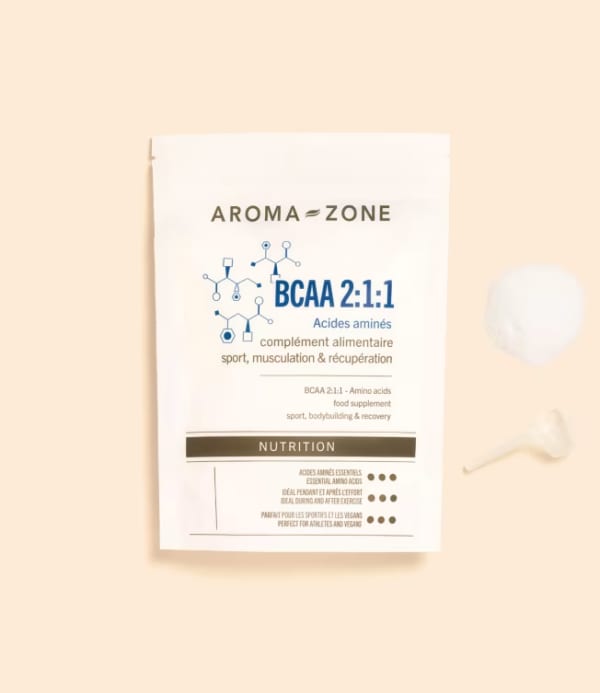
BCAA 2:1:1 Amino Acids

For vegans looking to complement their amino acid intake, this BCAA 2:1:1 powder is an excellent choice, helping support the maintenance of muscle mass. Its synergistic blend of essential amino acids — L-leucine, L-isoleucine and L-valine — delivers outstanding effectiveness. Biofermented and soluble, these BCAAs are ideal for a vegan lifestyle.

Discover BCAA 2:1:1 Amino Acids Powder - 300 g - Dietary Supplement

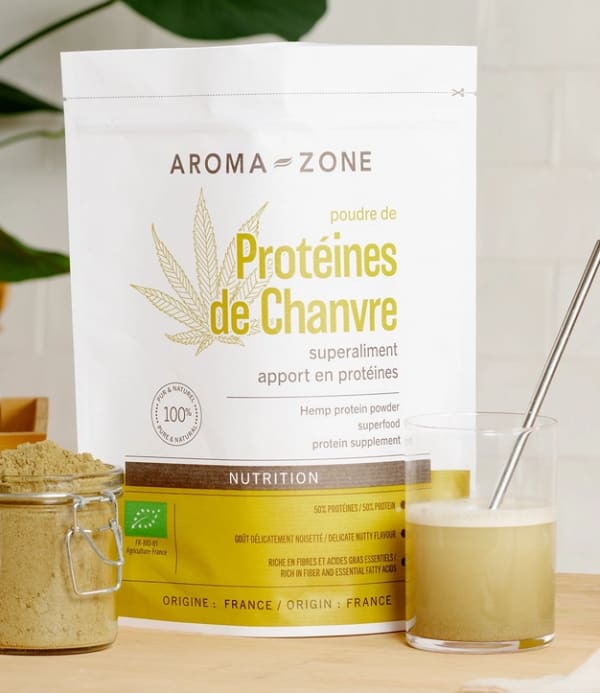
Organic Hemp Protein - Superfood

Organic Hemp Protein

Made from organically grown Hemp seeds cultivated in France, this Organic Hemp Protein Powder provides an ideal source of high-quality, easily digestible plant-based protein, thanks to its comprehensive amino acid profile. With a high protein content of 50%, along with a valuable source of fibre and essential fatty acids, this powder is an excellent choice for athletes, vegetarians and vegans, or simply for enriching your daily diet with protein.

Discover Organic Hemp Protein

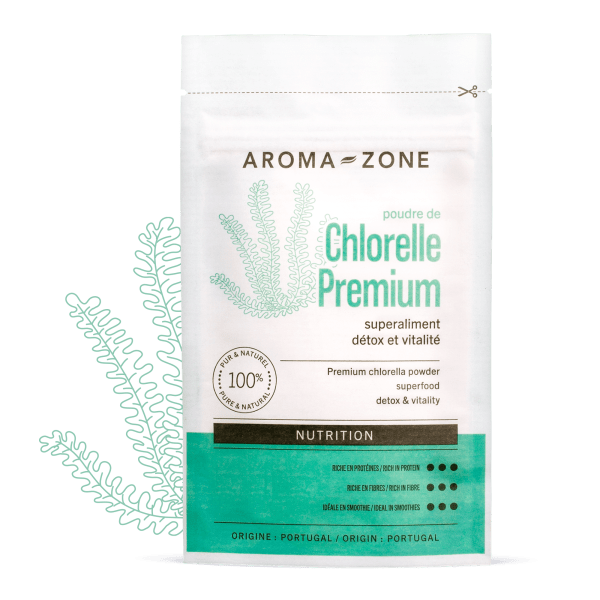
Premium Chlorella Powder

A true star among microalgae, Chlorella is renowned for its exceptional nutritional benefits. Rich in protein, vitamins and minerals, it is an ideal addition to a balanced diet and is particularly well suited during periods of temporary fatigue, as well as for vegetarians, vegans and athletes.

Discover Premium Chlorella Powder

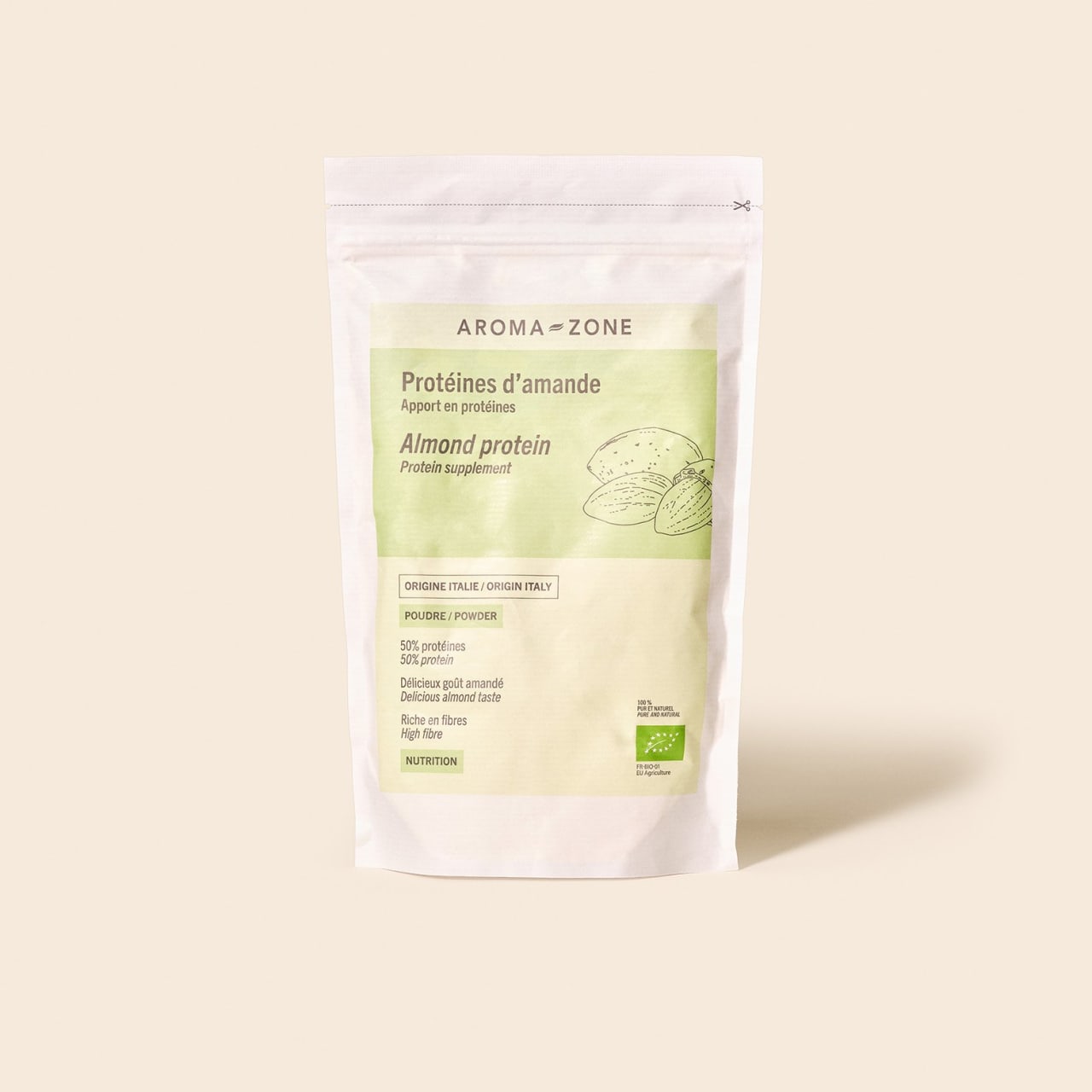
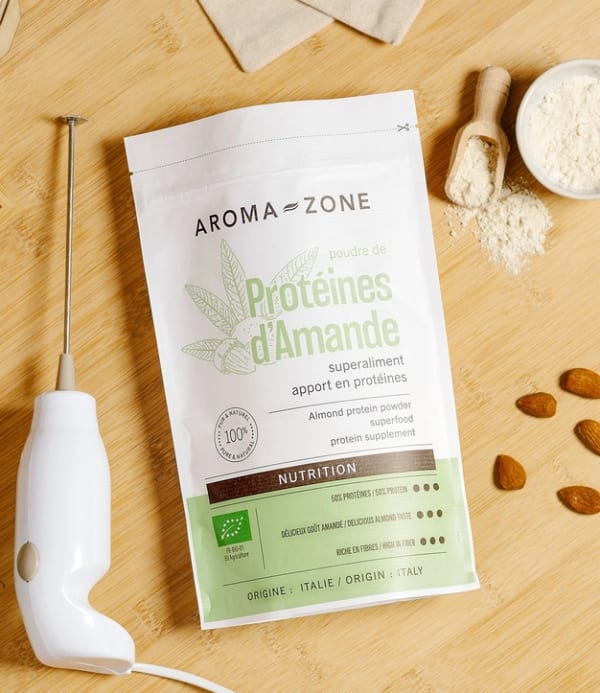
Organic Almond Protein

Deliciously mild with a delicate almond flavour, this Organic Almond Protein Powder is a 100% plant-based alternative for preparing protein shakes and boosting your daily protein intake. Made from organically grown Italian almonds and produced using a cold-processing method, this high-quality almond protein is ideal for athletes, vegetarians, vegans, or anyone following a high-protein diet.

Discover Organic Almond Protein

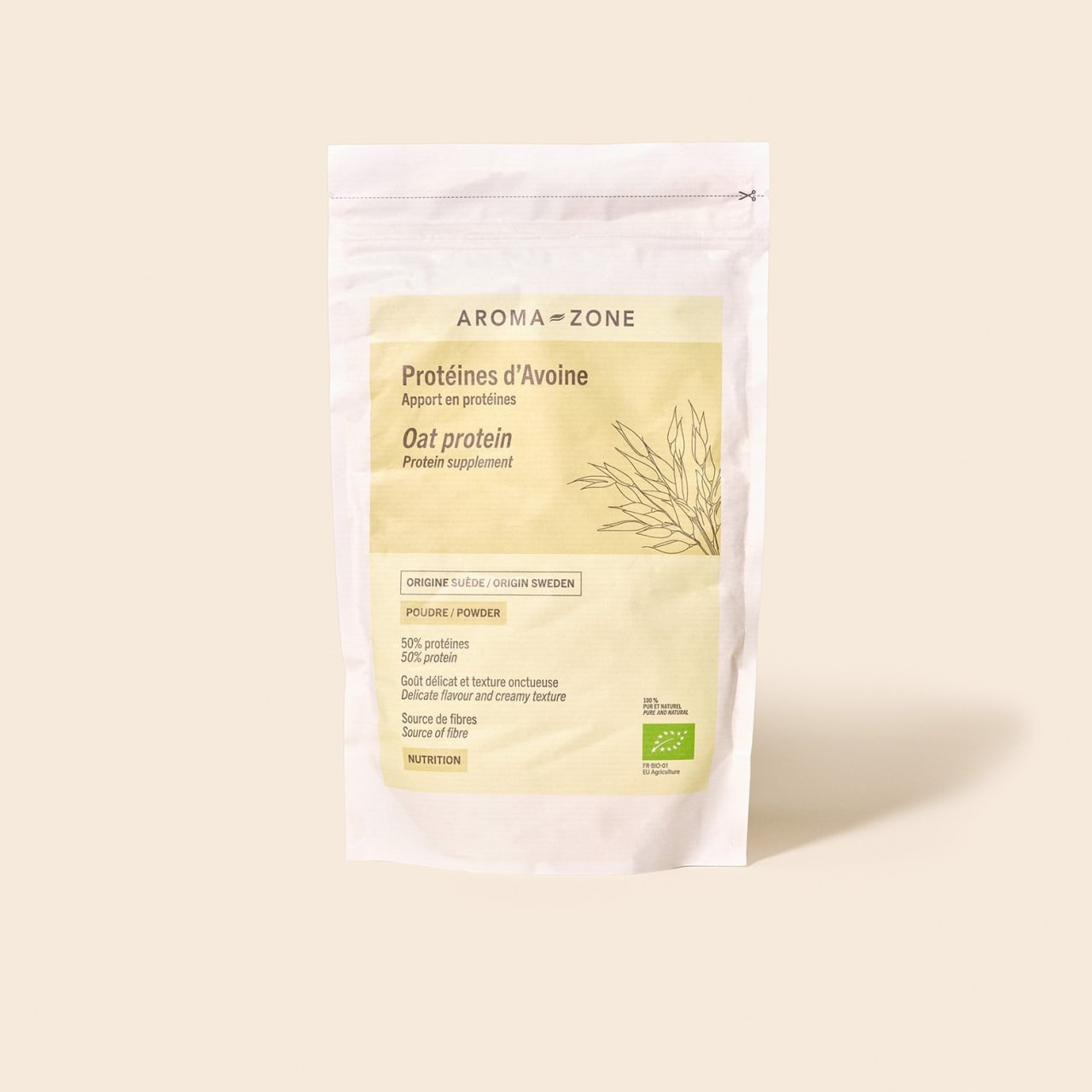
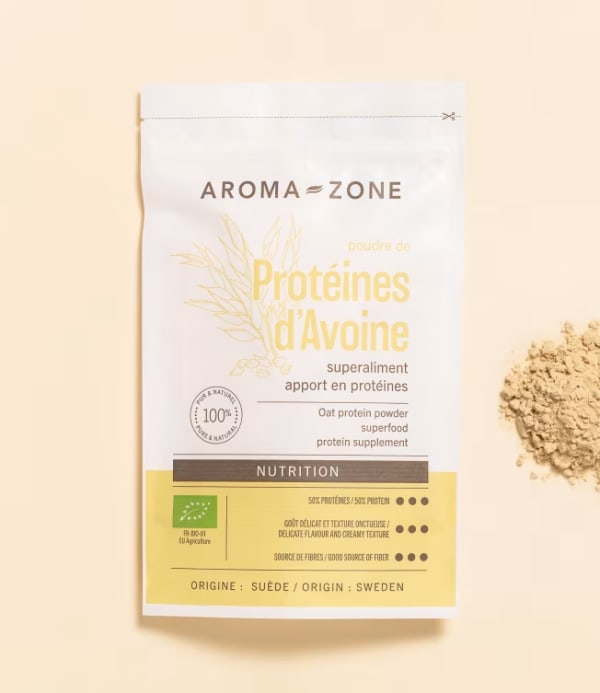
Organic Oat Protein

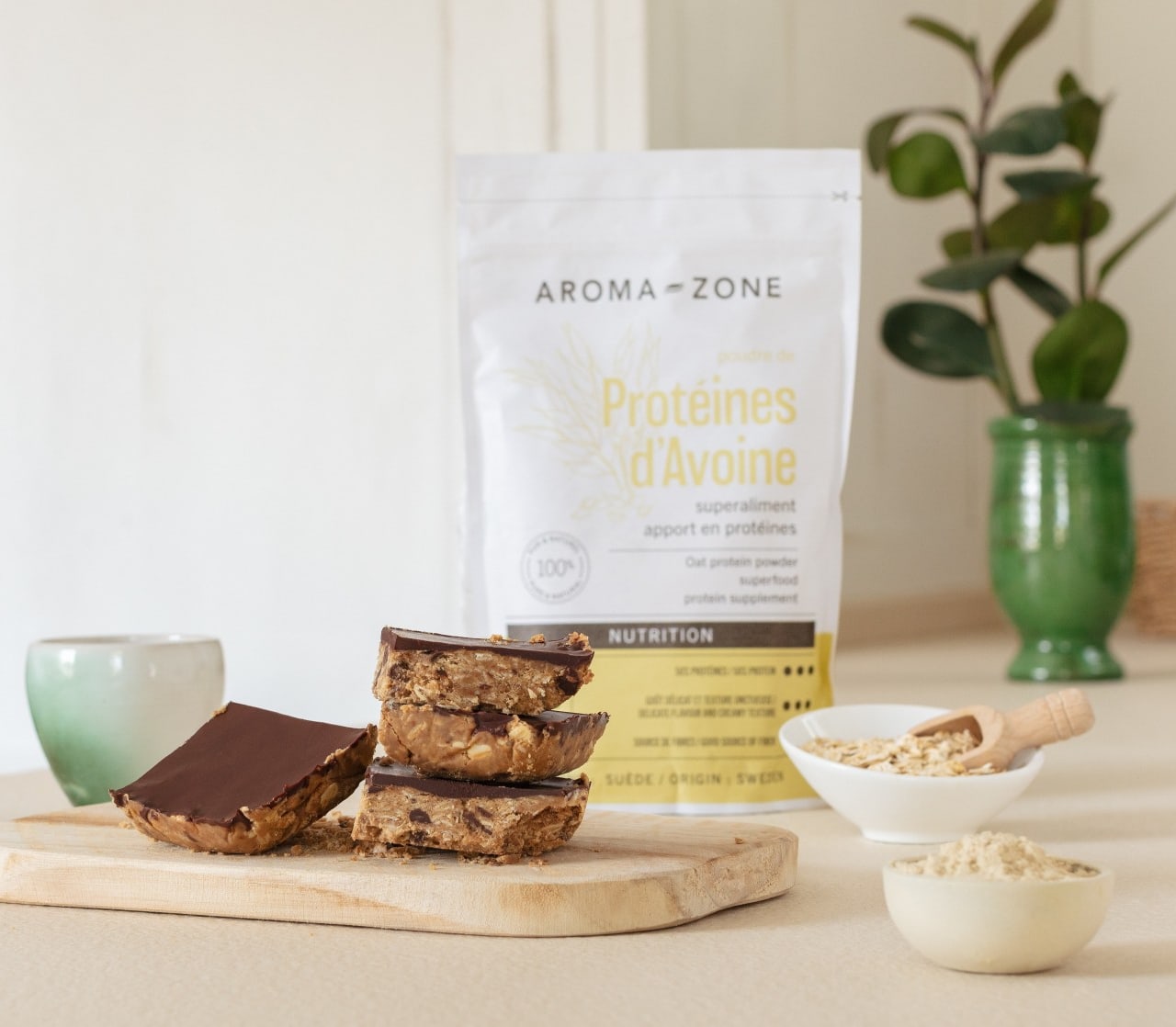
Made from organic oat bran grown in Sweden, this high-protein powder (50% protein) is ideal for athletes, vegetarians and vegans. This 100% plant-based Organic Oat Protein Powder is the perfect choice for preparing protein shakes or boosting your intake of plant-based protein.

Discover Organic Oat Protein

Our High-Protein Recipes

High-Protein Diet: Precautions and Contraindications

A protein-rich diet offers many benefits, but there are a few things you should keep in mind:

  • Essential Hydration: Make sure to stay well-hydrated to support kidney function and eliminate metabolic waste.

  • Nutritional balance: Make sure to balance your diet with a variety of food sources to avoid excess saturated fat and cholesterol.

  • Digestive health: Watch for signs of digestive issues and diversify your protein sources to promote good gut health.

  • Medical consultation: If you have pre-existing medical conditions or specific nutritional needs, consult a healthcare professional for personalized recommendations.

Expert Advice

Diversify your protein sources by including both animal and plant-based options to ensure a wide range of nutrients. This helps prevent excess intake and allows you to benefit from the nutritional advantages of each type of protein. If needed, consult a healthcare professional for advice tailored to your specific needs.

Spotlight on Our Writer: Gipsy Dauge

Gipsy is a graduate of ESJ Paris. After 10 years working in the general and women's specialist press, she chose to specialise in writing about health and well-being. Now a certified Yin Yoga teacher, she skillfully combines her passion for writing with her love of yoga. Her goal goes far beyond simply informing the reader. She is passionate about helping readers embrace simple, practical habits that support their well-being while encouraging a more mindful approach to the world around them. Every article is an invitation to adopt a healthier, more balanced and fulfilling lifestyle.

Bibliography

  1. https://www.cerin.org/wp-content/uploads/2009/01/111-besoins-proteines-acides-amines-qualites-proteines-alimentaires-choledoc.pdf

    Protein and Amino Acid Requirements & Protein Quality

  2. https://books.google.es/books?id=lyhJEAAAQBAJ&newbks=1&newbks_redir=0&dq=proteines&hl=fr&source=gbs_navlinks_s

    Protein: Dietary Strategies and Recipes for Consuming It Throughout the Day

  3. Ciqual

Frequently Asked Questions

Frequently Asked Questions

Associated tip