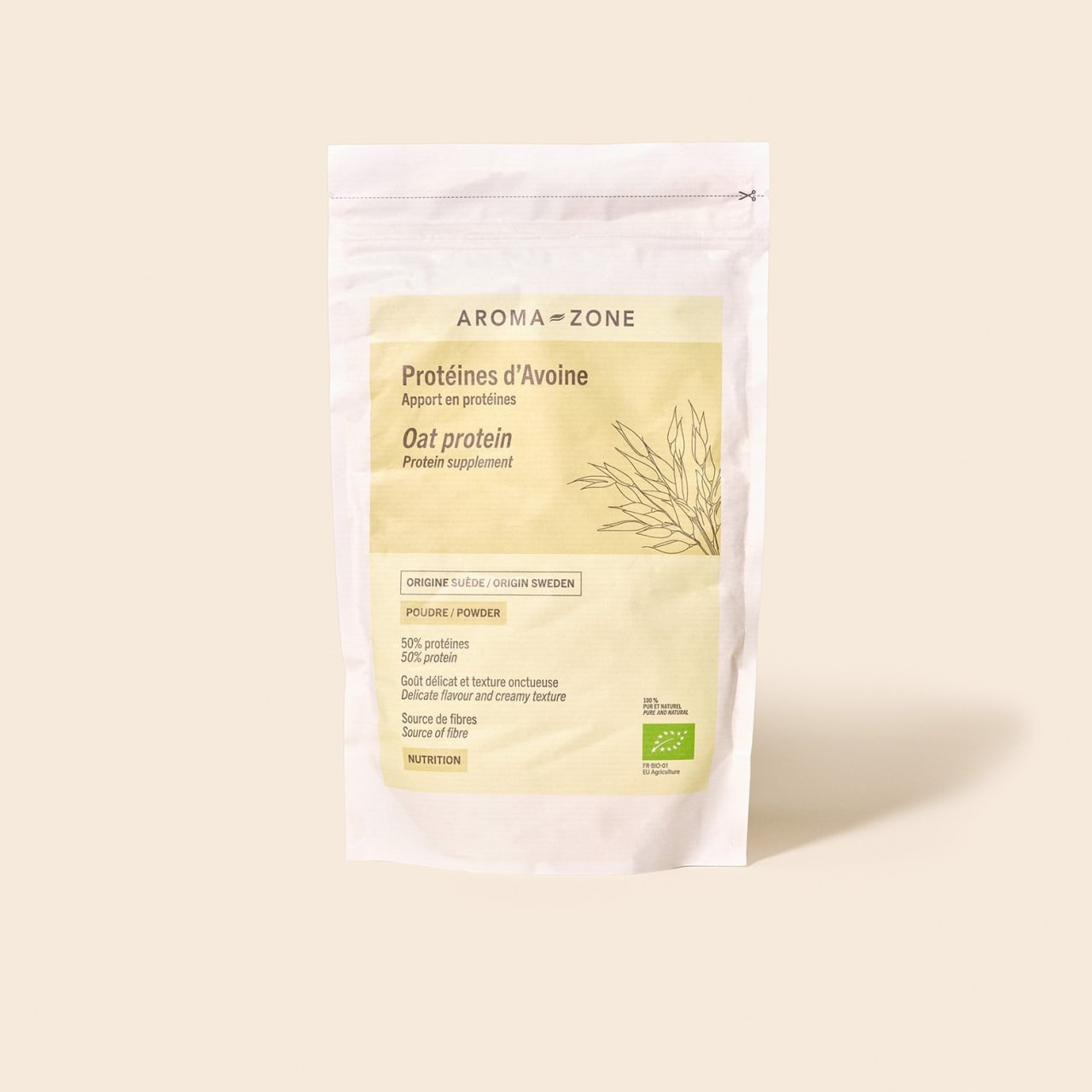
Organic Moringa Powder and Organic Oat Protein Smoothie
The benefits of Moringa
If you're feeling tired, lacking energy or even exhausted, you may be lacking elements that are essential for your body to function properly.
Are you familiar with moringa?
From the Tamil morungai, this tropical tree is a true tree of life. Used for over 2,000 years, it offers a compendium of essential nutrients and is classed as a superfood.
Fruit, leaves, roots, seeds, bark - almost every part of the moringa has therapeutic, nutritional or cosmetic value.
Let's find out more together.

What is moringa?
Moringa, from the Latin Moringa oleifera, also known as the "miracle tree" or "wonder tree," is native to regions with warm climates, such as India, Cambodia, Africa, the Caribbean, and South America. It originated in the Himalayan region. Moringa is very hardy and adapts well to arid climates.
This "tree of life" did not earn its nickname by chance, but because of its exceptional qualities. On the African continent, moringa has helped in the fight against malnutrition, particularly among children, which affects many countries. In addition, moringa stands out for being an economical tree that is environmentally friendly to grow, requires little water and minerals, is easy to cultivate, and is beneficial to the surrounding ecosystem. It also serves as high-quality fodder for cattle and stands out for its high productivity of fresh matter per unit area compared to other forage plants.
Properties of moringa
Focus on moringa as a superfood
Moringa contains more than 90 nutrients. Obtained from dried and ground leaves, moringa powder is a very important source of amino acids, vitamins, and minerals. moringa leaves and seeds contain high proportions of the eight amino acids essential for humans (leucine, isoleucine, methionine, lysine, phenylalanine, valine, threonine, and tryptophan). Amino acids, which are the building blocks of proteins, play an essential role in the metabolism, structure, and physiology of the cells of all living beings. Moringa is also a natural source of vitamins, particularly B vitamins, and minerals such as iron, calcium, and potassium. Moringa also contains antioxidants such as flavonoids and polyphenols.
Moringa ID card
Moringa identity card
Native to India, the moringa tree is a staple of the Indian diet. Its fruit is most commonly eaten in curries. In Africa, on the other hand, moringa leaves are used in traditional local recipes and considered a vegetable. Other countries, such as the Philippines, add moringa leaves to their dishes, for example in coconut milk soups, to make them more nutritious.
Moringa, a fast-growing honey tree that can reach 8 to 10 meters in height, is highly prized in Ayurvedic medicine for its exceptional nutritional properties. Moringa leaves are renowned worldwide for their many benefits. Its seeds and roots are also used; the seeds in cosmetics, for their oil and the roots as a condiment.
Moringa is available in powder form, after the leaves have been dried and ground, as a dietary supplement or "superfood." Moringa also comes in the form of vegetable oil, obtained from the seeds, for use in cosmetics.
What are the benefits of moringa?
Its health benefits
Thanks to its rich nutrient content, moringa has multiple health benefits:
Reduction of blood sugar levels: the dietary fibre contained in moringa helps to reduce glucose absorption and improve glycemic control.
Immune system support: thanks to its high vitamin C, zinc, beta-carotene, and antioxidant content, moringa can boost immunity and help fight infections. Its high iron content also makes it an effective natural remedy for anemia and nutritional deficiencies.
Improved digestion: The fibre in moringa helps relieve gastrointestinal disorders such as bloating, heartburn, and constipation.
Weight loss support: its ability to stimulate metabolism, promote satiety, and improve digestion makes it a valuable ally in weight management.
Reduces inflammation: moringa contains anti-inflammatory compounds such as isothiocyanates, flavonoids, polyphenols, glucosinolates, and alkaloids. This action is reinforced by its omega-3 and omega-6 content.
Liver protection: The isothiocyanates in moringa support the liver in its detoxification process, improving the body's ability to get rid of toxins.
Supports cardiovascular health: thanks to its fibre content, moringa helps reduce LDL cholesterol levels and the risk of cardiovascular disease. Its antioxidant action reinforces this protection against damage caused by free radicals.
Energy boost: its protein, essential amino acid, carbohydrate, and calcium content also make it a valuable ingredient in athletes' diets.
Its cosmetic benefits
Moringa is also valued for its cosmetic benefits.
Anti-ageing: its high antioxidant content helps the skin defend itself against free radicals to limit the appearance of signs of skin ageing. Thanks to its phenolic compounds, moringa also protects the skin from oxidation caused by sun exposure.
Anti-blemish: rich in tannins and flavonoids, with purifying and astringent properties, it helps to cleanse the epidermis and improves the appearance of blemish-prone skin.
Moisturising: moringa promotes good hydration of the surface layers of the skin, supports the hydrolipidic film, and helps prevent dehydration. It provides nutrients such as provitamin A, known for maintaining the skin's suppleness and elasticity.
Hair: moringa contains amino acids, which are essential for healthy hair. It has the advantage of strengthening the hair fibre, eliminating dandruff, and stimulating hair growth. Moringa oil is highly valued for curly, frizzy, and Afro hair, as it promotes shine and helps control frizz.
Focus on our moringa products

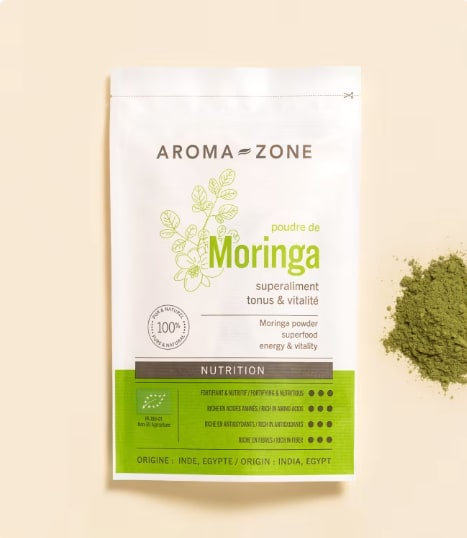
Organic Moringa plant extract (powder)
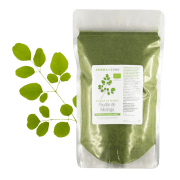
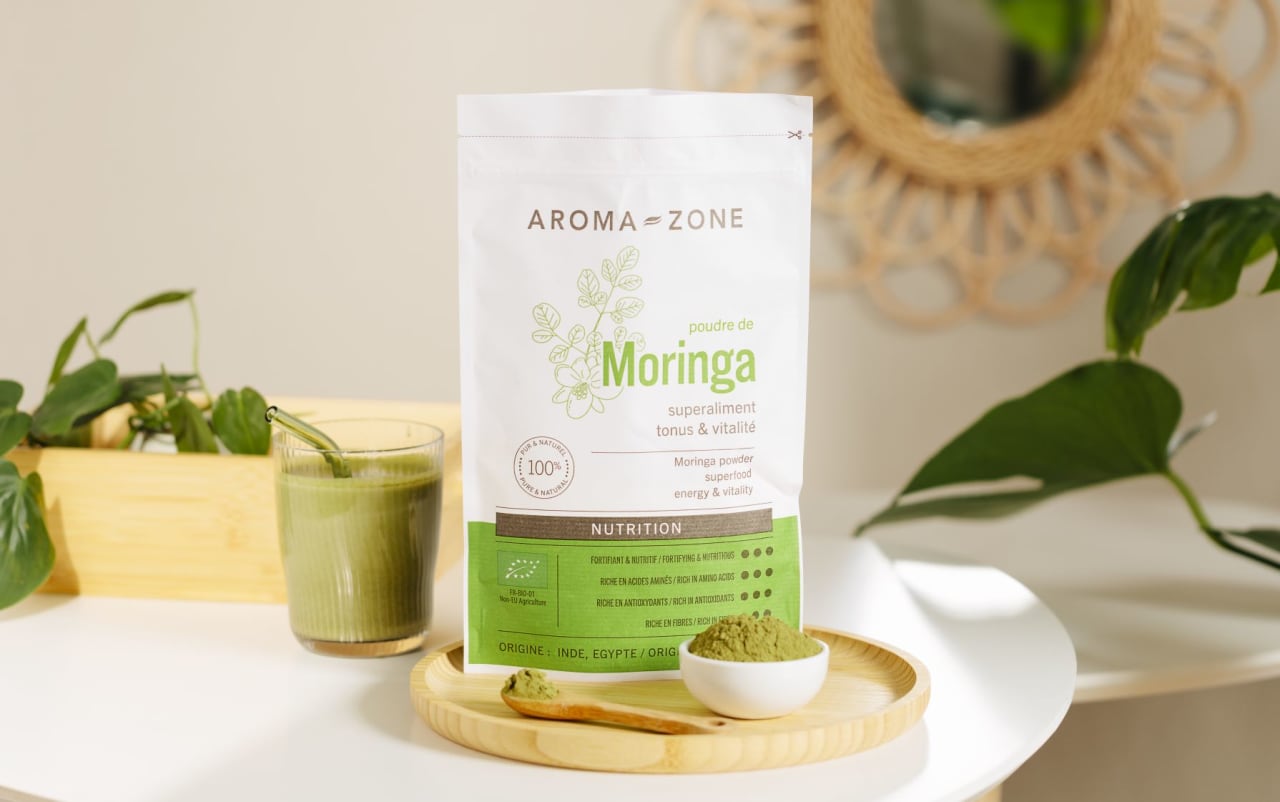
100% pure and natural, our moringa powder is made from organic Moringa Oleifera leaves, known for their exceptional richness in antioxidants, vitamins, and minerals. Its intense green colour and herbaceous flavour make it a versatile ally for enriching your homemade recipes and supporting a healthy diet.

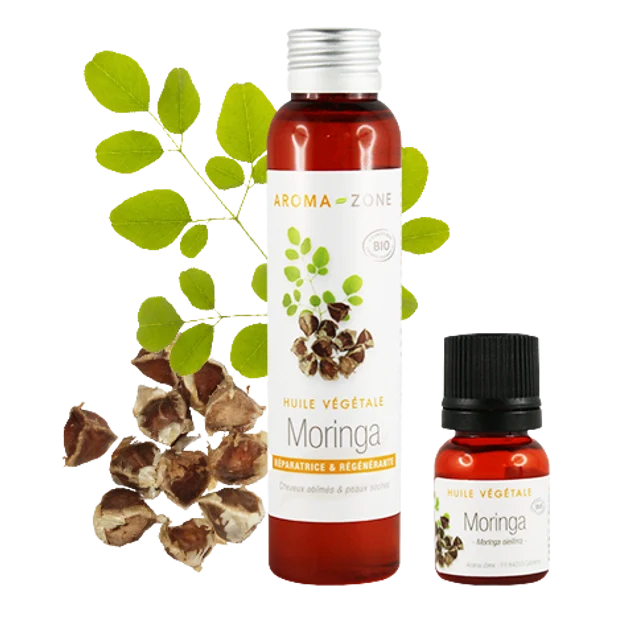
Organic Moringa Oil
Our moringa oil is a precious vegetable oil extracted from Moringa oleifera seeds, renowned for their oleic acid, antioxidant, and vitamin A and E content. Moringa oil has many benefits for the skin and hair. It deeply nourishes and protects the skin and hair, leaving it supple, radiant, and soft, while penetrating quickly without leaving a greasy film. Versatile, it is ideal for dry, sensitive or mature skin, and restores vitality and shine to damaged hair.
What are the cosmetic benefits of moringa?
The benefits of moringa for the skin
Face mask: prepare a revitalising face mask to improve the hydration of dull, dry, or mature skin. Mix 3 teaspoons of moringa powder with 3 teaspoons of red clay and 4 teaspoons of hydrosol, apply a thick layer to the face and leave on for 10-15 minutes.
Face and body care: Use moringa oil on its own or in combination with other vegetable oils for face and body care or massage. Moringa oil has multiple benefits for the skin; it nourishes, protects, softens, and improves skin repair, while being particularly suitable for dry, sensitive, irritated, or mature skin. Apply 2 to 4 drops of pure vegetable oil or mixed with cream to the face and neck, morning and evening.
Anti-ageing care: create a preventive anti-aging treatment to boost the antioxidant action of moringa and effectively fight the free radicals responsible for skin ageing. Mix 3 teaspoons of moringa powder with 3 teaspoons of clay and 4 teaspoons of hydrosol (nettle, rose, or other suitable floral water). Apply a thick layer to the face and neck, leave on for 10 to 15 minutes, then rinse thoroughly.
The benefits of moringa for the hair
Hair mask: combine Moringa powder with plant powders or clays (Rhassoul, Marshmallow) to stimulate growth, strengthen hair and revitalise the scalp with essential vitamins and minerals. Mix 3 teaspoons of moringa powder with warm water to form a thick paste. Apply the mixture to the scalp and hair, leave on for 30 minutes to 1 hour, then rinse and wash the hair with a mild shampoo.
Vegetable shampoo: Incorporate moringa powder into quick vegetable shampoo recipes to cleanse, nourish, and strengthen the hair fibre without damaging the scalp. For a strengthening shampoo: add 3 teaspoons of moringa powder to 3 teaspoons of Shikakai powder and 4 teaspoons of hydrosol and apply to wet hair. Leave on for 3 to 5 minutes, then rinse with clean water.
Hair care: use moringa oil as a hair treatment to smooth, coat, and nourish the hair fibre. Apply directly to the ends or scalp. Moringa oil softens and adds shine, reviving damaged or dull hair. For an oil treatment: apply 1 to 2 tablespoons of oil to the lengths and ends of your hair and leave on for at least 30 minutes or overnight.
Scalp massage: moringa oil can be used to massage dry, sensitive, or devitalised scalps. Massage stimulates blood circulation and hydration of the scalp, while providing the vitamins and minerals necessary for its good health.
Use in cooking as a superfood
Thanks to its fresh, vegetal and slightly spicy taste, somewhere between green tea and spinach or watercress, moringa can be easily incorporated into savoury or sweet dishes. You can add moringa to enjoy its benefits in:
Fruit juices or smoothies to enrich the drink with nutrients (1 teaspoon).
Soups or dishes with sauce after cooking and off the heat, to preserve the qualities of moringa (1 teaspoon).
Savoury dishes, such as vegetables, fish dishes, broths, and sauces, to add a green and spicy note (sprinkle).
Guacamole-type preparations or spreads for appetisers (sprinkle).
Homemade pastries, such as cakes and muffins, as you would with matcha, to add colour and enrich the recipe.
How should moringa be taken?
The fruit, leaves, and seeds can be consumed so that you can enjoy all their benefits. Moringa leaves are considered vegetables, just like spinach leaves, and are used in various dishes made with fish, legumes, vegetables, and broths. They will add an original touch to your recipes. Moringa fruits are also used in soups or smoothies for highly vitamin-rich preparations. The seeds can be eaten as they are, or are often used to produce oil. Moringa roots are not considered edible and should not be consumed.
It is best not to consume moringa powder on its own. The Aroma-Zone product sheet on moringa powder gives you some examples of how to use the powder. Consider combining moringa powder with food or drink.
When should you drink moringa?
The ideal time to consume moringa depends on how you want to benefit from its properties. If you are looking to benefit from its energising and toning effects, it is recommended that you drink a moringa infusion or smoothie in the morning or early afternoon. On the other hand, if you want to take advantage of its digestive or detoxifying benefits, you can consume it after meals. Avoid consuming it in the evening, as its stimulating effect could disrupt sleep.
What should moringa be used with?
Combining moringa with other plants makes it even more effective in treating certain ailments. Here are some ideas for beneficial combinations that enhance the properties and benefits of moringa:
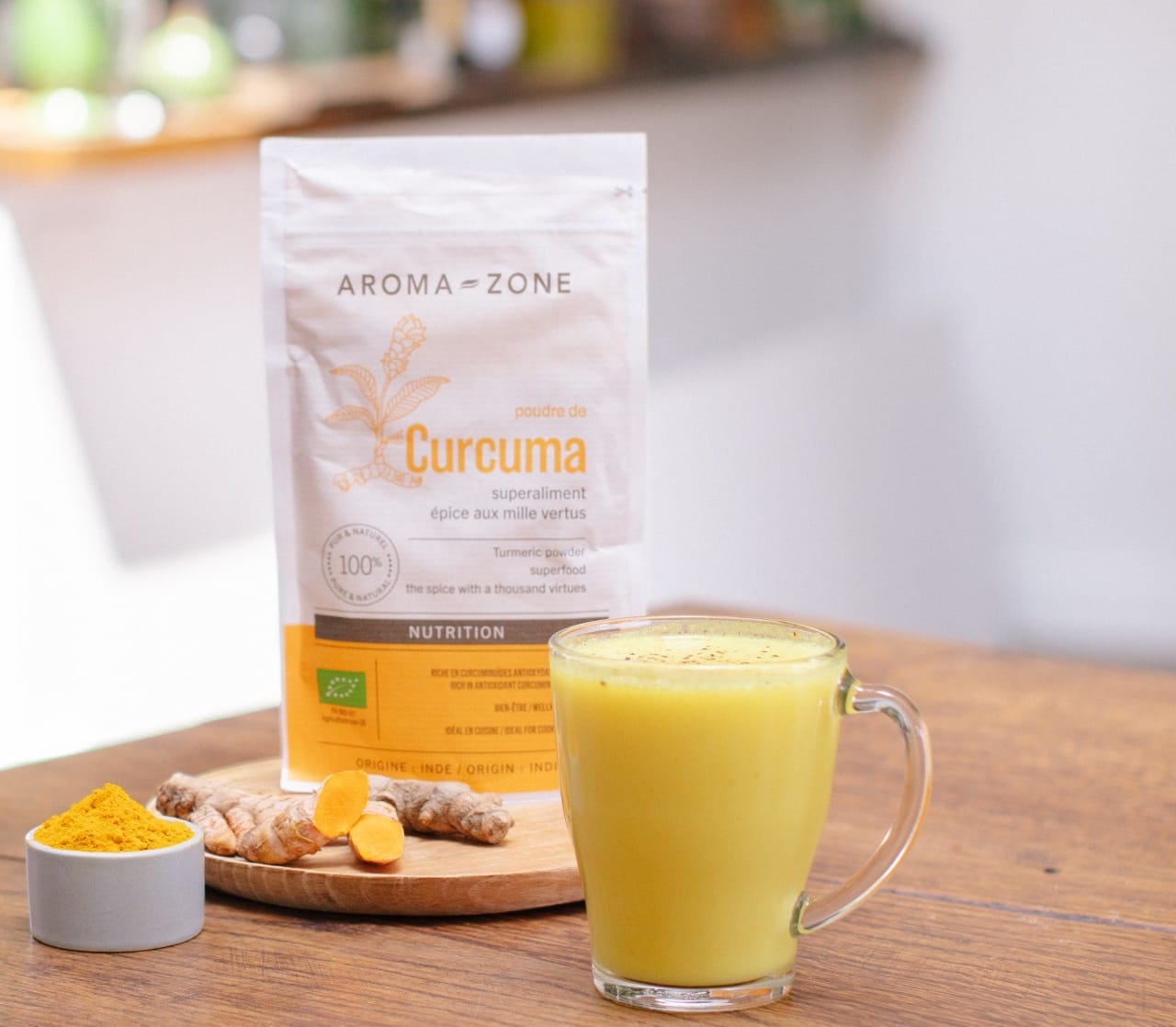
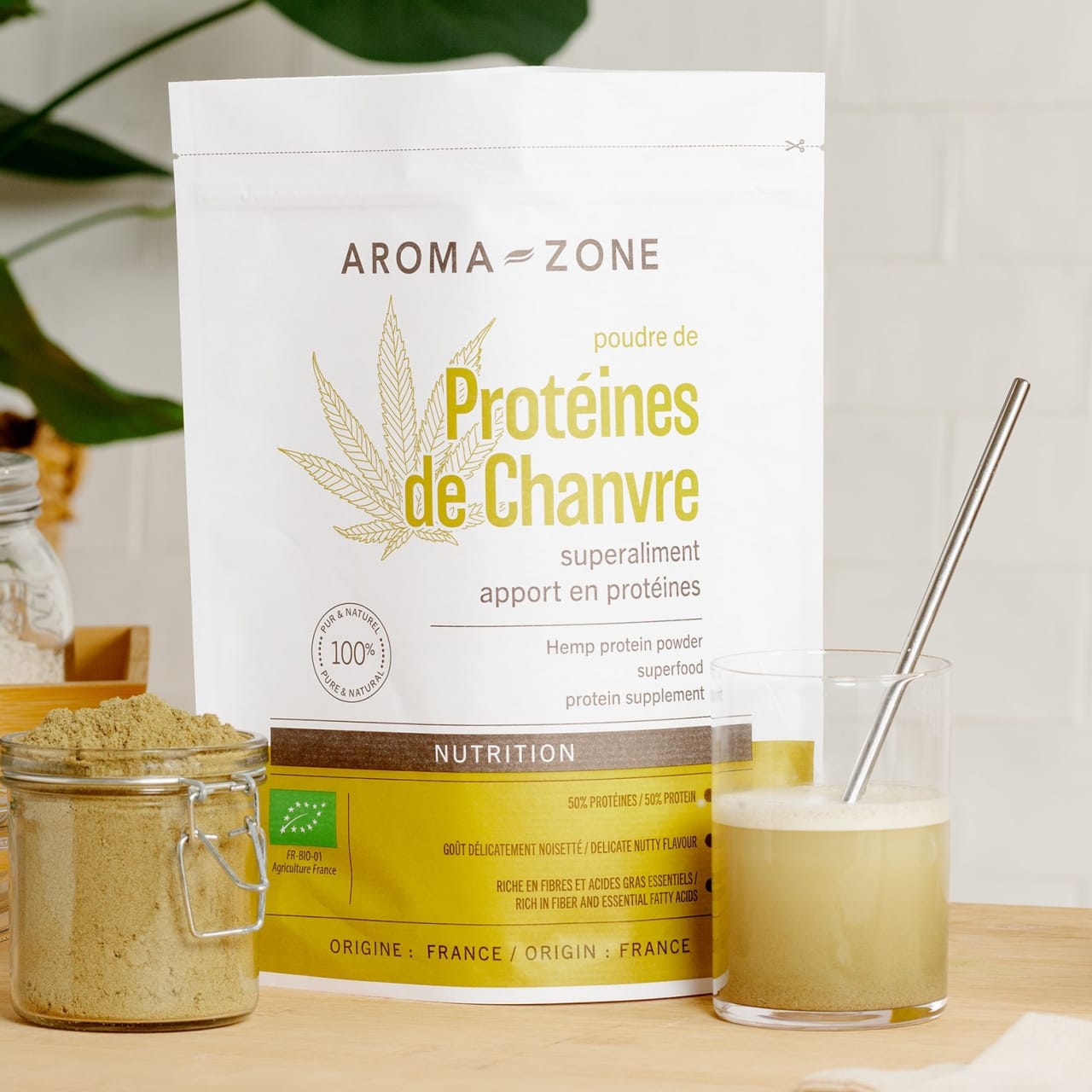
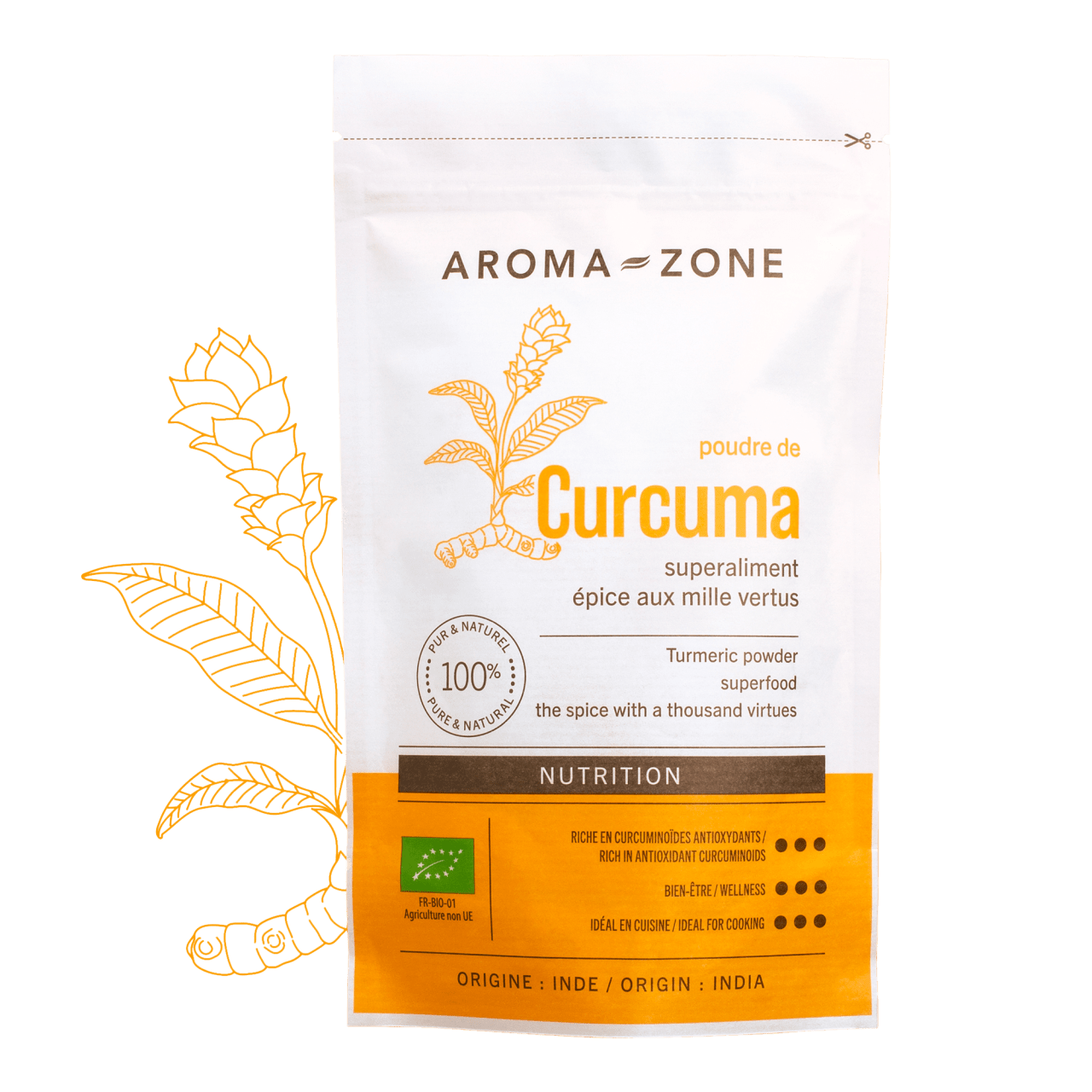
Moringa + turmeric for a synergy that helps reduce inflammation. The two powders mix very well in meat or fish dishes.
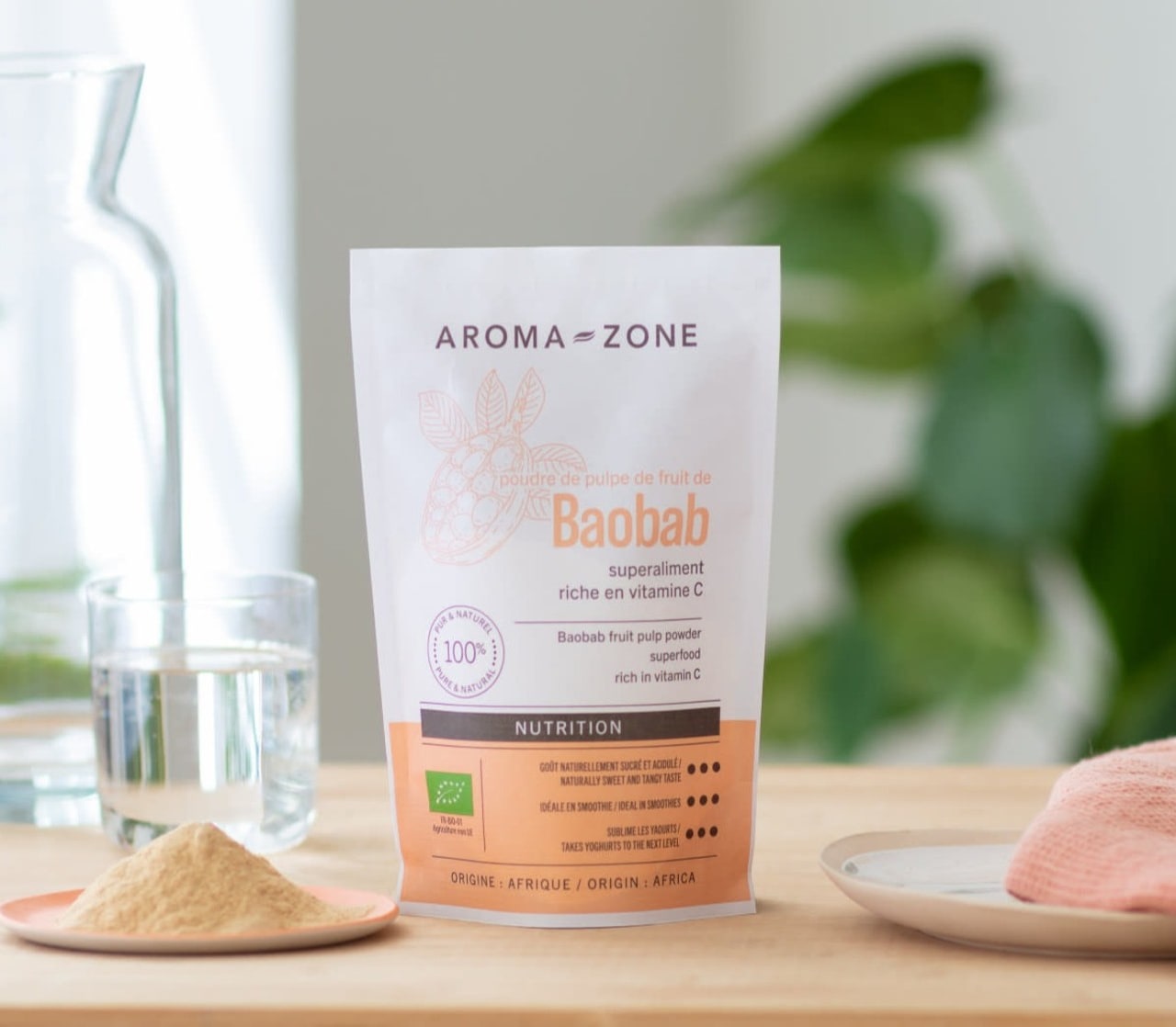
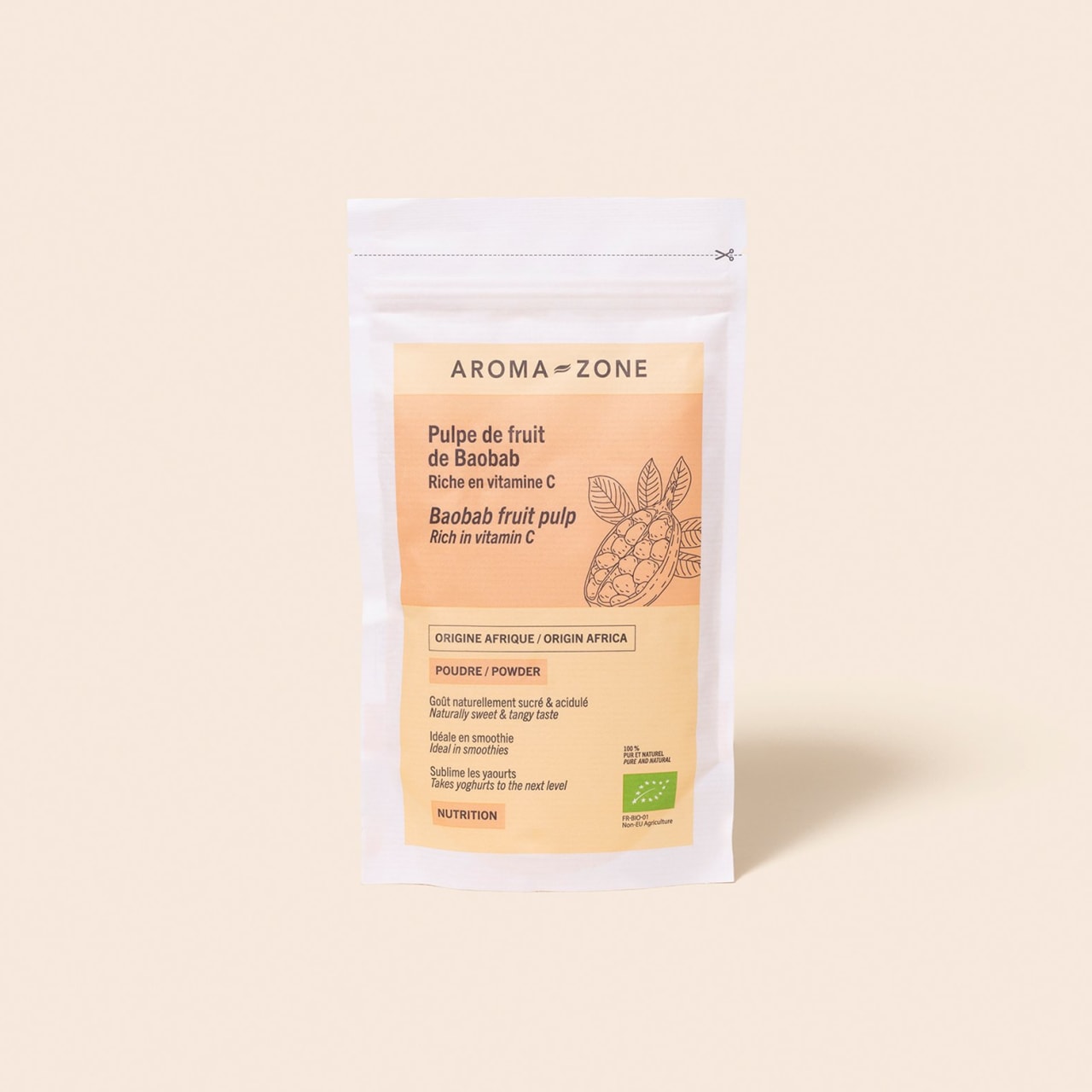
Moringa + baobab powder to boost vitamin C intake in smoothies.
Moringa + matcha tea for more indulgent pastries or drinks.
Moringa + spirulina to prevent iron deficiency (spirulina in capsules).
Moringa + maca to boost energy and for its reputed aphrodisiac effect.
Moringa + ginkgo biloba for brain activity, mental clarity, and stress relief.
Some recipes using moringa powder
Moringa powder goes very well in culinary preparations:

Organic Moringa Powder and Organic Oat Protein Smoothie

Organic Moringa Powder and Organic Oat Protein Smoothie

Organic Moringa Powder and Organic Oat Protein Smoothie

Recipe for Cream of Zucchini Soup with Organic Moringa Powder

Recipe for Cream of Zucchini Soup with Organic Moringa Powder

Recipe for Cream of Zucchini Soup with Organic Moringa Powder
Ingredients with balance
Serves 4-5 people
Preparation
1
Peel and chop the onion. Brown it in a pan with a knob of butter.
2
Peel the zucchini, then cut them into 2 cm pieces.
3
Add them to the pan with the onion. Sauté everything for about 20 minutes.
4
Then add the water and bouillon cube. Bring the water to a boil and simmer for about 10 minutes.
5
Once the zucchini is cooked, blend everything together with an immersion blender.
6
Season with salt and pepper, add crème fraîche little by little, according to your taste.
7
Add 1 tablespoon of sifted organic hemp protein powder and blend again.
8
Remove the pan from the heat, then add 1 tablespoon of organic Moringa powder to preserve all its benefits.
9
Mix well and serve hot!

Recipe for Guacamole with Organic Moringa Powder

Recipe for Guacamole with Organic Moringa Powder

Recipe for Guacamole with Organic Moringa Powder
Ingredients with balance
Serves 4-5 people
Preparation
1
Peel and finely chop the onion.
2
Peel the avocados and mash them coarsely. Add the onion.
3
Squeeze the lemon and add the juice to the mixture.
4
Finely chop the cherry tomatoes and add them to the mixture.
5
Chop the cilantro leaves, add them to the mixture, and stir well.
6
Season with salt, pepper, and spices.
7
Add organic Moringa powder.
8
Adjust the seasoning if necessary, serve fresh!
A treat for your taste buds!
Here's a summer recipe for guacamole revisited with Moringa powder, ideal for a delicious and healthy appetizer!
Precautions
Moringa is not recommended for pregnant or breastfeeding women, children, people with diabetes or prone to hypoglycemia (moringa can lower blood sugar), people prone to hypotension or undergoing treatment for high blood pressure (risk of excessive drop in blood pressure), or people taking anticoagulants or other heavy treatments (possible interaction). In all these cases, medical advice is essential.
In case of overdose or sensitivity, moringa may cause digestive problems. Allergic reactions (rash, swelling, discomfort) are rarer. If in doubt, please consult a healthcare professional.
Expert advice
If you are consuming moringa for the first time, start with small doses (for example, half the recommended dose) for a few days, then gradually increase if you tolerate it well. Always follow the recommended doses and avoid continuous consumption without a break. It is best to take it in limited-time courses.
Find out more

Is it good to take moringa every day?

Is it good to take moringa every day?
Taken in small doses and as a limited course of treatment (with breaks), moringa can be consumed daily by adults without any particular contraindications. However, long-term continuous use without medical supervision is not recommended.

Who should not take moringa?

Who should not take moringa?
Pregnant or breastfeeding women, children, diabetics, people prone to low blood pressure, and those taking anticoagulants or other medications should not consume moringa without first consulting a doctor.
Spotlight on our nutrition coach editor: Sonia Mérité

Sonia Caillol Mérité holds a doctorate in pharmacy and a university diploma in Dietetics, Nutrition and Health.
Sonia has always been passionate about nutrition and its effects on our health. She attaches great importance to diet, and adjusts nutritional regimes to suit her patients' lifestyles, drug products, preferences and desires, in order to restore and maintain their well-being.
As a pharmacy assistant, nutrition coach and writer for Aroma-Zone, Sonia advises on dietary rebalancing and natural products to help you regain a healthy lifestyle and good health, without forgetting the gourmet pleasures that are so dear to our taste buds!
You can find all her advice on her Instagram page: nutrisonia13
Bibliography
1
NIH, Recent Perspectives on the Pharmacological, Nutraceutical, Functional, and Therapeutic Properties of Moringa oleifera Plant, 2025
https://pmc.ncbi.nlm.nih.gov/articles/PMC12003216/
2
NIH, Moringa oleifera: An Updated Comprehensive Review of Its Pharmacological Activities, Ethnomedicinal, Phytopharmaceutical Formulation, Clinical, Phytochemical, and Toxicological Aspects, 2023
https://pmc.ncbi.nlm.nih.gov/articles/PMC9916933/