How to Gain Weight Quickly? What Are the Natural Solutions?

How to Gain Weight Quickly? What Are the Natural Solutions?


By The Aroma-Zone editorial team

Published on: Tuesday, May 21, 2024, Updated on: Friday, October 30, 2026

In an era where being thin has become a highly coveted standard for many women, we tend to forget that it can also be a source of unhappiness or even self-consciousness for some people. Yet this phenomenon is very real and must be taken seriously. In this article, we’ll explore how to gain weight quickly and healthily through a tailored diet and natural tips.

Contents

Related products

What does it mean to gain weight quickly?

Gaining weight quickly involves rapid weight gain, which can be achieved in several ways:

  • Rapid muscle mass gain through a specific diet plan combined with physical activity

  • Rapid fat gain, which, on the contrary, results from an unbalanced diet and a lack of physical activity

It is the first scenario that we have chosen to explore in this article, so that weight gain—no matter how rapid—is part of an approach that respects our physiological needs and maintains our balance and physical well-being.

Why would you want to gain weight quickly?

There may be various reasons why a person is underweight and wants to gain weight quickly:

Constitutional thinness

These are people who have always been thin or even very thin, with a fine bone structure and underdeveloped muscles; their basal metabolic rate is high. Basal metabolism refers to the amount of energy the body needs to function properly. The higher it is, the more calories a person burns, even at rest. This fast metabolism explains constitutional thinness. These individuals fall into the ectomorph body type. William Sheldon, a 20th-century American psychologist, identified three body types:

  • Ectomorph: slender

  • Mesomorph: athletic

  • Endomorph: stocky

While the latter two tend to gain weight fairly easily, the ectomorphic body type, on the other hand, struggles to gain weight, which can become a source of insecurity for some people.

Environmental factors

Certain habits can lead to increased energy expenditure and weight loss. These include, for example, intense exercise, excessive consumption of tobacco and caffeine, exposure to extreme temperatures, and stress.

Did you know?

When you’re stressed, your body releases certain hormones that prepare it for fight or flight. This leads to physiological changes such as an increased heart rate or muscle tension, which are major energy consumers.

Health Issues

Certain medical conditions can lead to weight loss, such as chronic diseases or certain digestive disorders.  The same applies to restrictive diets followed for health reasons. For example, people suffering from diabetes, cardiovascular disorders, high cholesterol, or chronic inflammation may be forced to adopt a diet in which certain food groups are eliminated. This type of diet can lead to unwanted weight loss. 

Weight loss can also be the result of anorexia nervosa, a severe psychological disorder characterised by a fear of gaining weight and a distorted body image.

How do you know if you’re too thin?

We don’t always have an objective view of our appearance. Some people may feel they are too thin or too heavy, even though this doesn’t reflect reality. Certain tools can help us confirm or rule out being underweight.

Body Mass Index: According to the WHO (World Health Organization), our BMI—Body Mass Index—should fall between 18.5 and 25. A BMI over 25 indicates being overweight, while a BMI below 18.5 means the person is considered “underweight.” Of course, this should be taken with a grain of salt, as naturally thin people may have a BMI of 18 and still be in excellent health. Good to know: How do you calculate your BMI? You need to divide your weight in kilograms by your height in meters, and then divide that result by your height in meters. For example, for a person who is 1.60 meters tall and weighs 47 kg: 47/1.60 = 29.375 and 29.375/1.6 = 18.36.

Measuring body composition: This involves determining the proportion of fat mass and lean mass in your body. Some scales, known as bioimpedance scales, can provide some indications, although their accuracy is not perfect. The desirable percentage of body fat varies depending on gender, age, and physical activity. A doctor or other specialised therapist can guide you through this process.

What foods should you eat to gain weight quickly?

Macronutrients

To achieve your goal of gaining weight quickly while maintaining your physical balance and well-being, it is recommended to increase your intake of macronutrients—proteins, carbohydrates, and fats—in a balanced way.

Proteins : They are the main nutrient for our muscle mass, known as lean mass, and are therefore essential for building muscle. Lean meat, eggs, white fish, seafood, shellfish, legumes 

Carbohydrates: They are our main fuel, providing our body with immediately available energy. Complex carbohydrates: pasta, rice, quinoa, bulgur, potatoes, sweet potatoes, butternut squash, chestnuts, as well as vegetables and fruits

Fats: They constitute our energy reserve, which our body will draw upon when its glycogen (sugar) reserves are depleted. Vegetable oils, fatty fish, nuts (almonds, hazelnuts...). These foods primarily provide unsaturated fatty acids, which should be preferred over saturated fats (dairy products, fatty meats) that increase the risk of high cholesterol.

Superfoods

Superfoods are foods with exceptionally high nutritional density, meaning they contain a high amount of nutrients relative to their small volume. They therefore provide a significant amount of energy or calories without requiring you to eat large quantities. 

  • Dried fruits: apricots, figs, bananas, dates, etc.

  • Nuts and seeds: almonds, hazelnuts, walnuts, avocados, olives, etc.

What routine should you follow to gain weight quickly?

Rapid and healthy weight gain is the result of a combination of several factors:

Increasing Calorie Intake

Prioritise foods rich in calories: This does not mean consuming foods containing unhealthy fats or simple sugars. Rather, it means choosing foods with high nutritional value such as starchy foods, nuts, and legumes.

Eat more frequently: Spreading out your meals allows you to increase your daily calorie intake without overloading your digestive system with large meals. Snacking throughout the day also has the advantage of making it easier to consume high-nutritional-value superfoods like dried fruits and nuts, which are rich in high-quality sugars and fats and make for convenient, healthy, and high-calorie snacks.

Eat foods that stimulate appetite: Fenugreek seeds, fennel seeds, ginger, gentian, and turmeric are known to stimulate appetite and aid digestion.

Limiting tobacco and caffeine

These substances increase our body’s energy expenditure and suppress appetite. They should therefore be avoided if your goal is to gain weight. Good to know: Caffeine isn’t found only in coffee, but also in tea and cola-based drinks.

Engaging in regular physical activity

Although exercise increases calorie consumption, it also promotes muscle mass gain, which is essential for rapid weight gain. To promote this lean muscle gain, it is recommended to prioritise resistance sports like weight training rather than endurance sports like running or cycling. The latter place less stress on the muscles and lead to greater burning of stored fat. A combination of both is, however, beneficial for people who want to focus on gaining lean muscle mass and reducing their body fat percentage.

You can consult a personal trainer who will design a customised program to help you achieve your goals.

Did you know?

Muscle weighs more than fat, so increasing muscle mass leads to faster weight gain. Following these tips not only helps you gain weight but also maintain a healthy lifestyle, which is essential.

Our natural solutions for gaining weight quickly and healthily

Among the most effective natural solutions, taking certain dietary supplements can help you gain weight quickly. 

Learn more about plant-based proteins

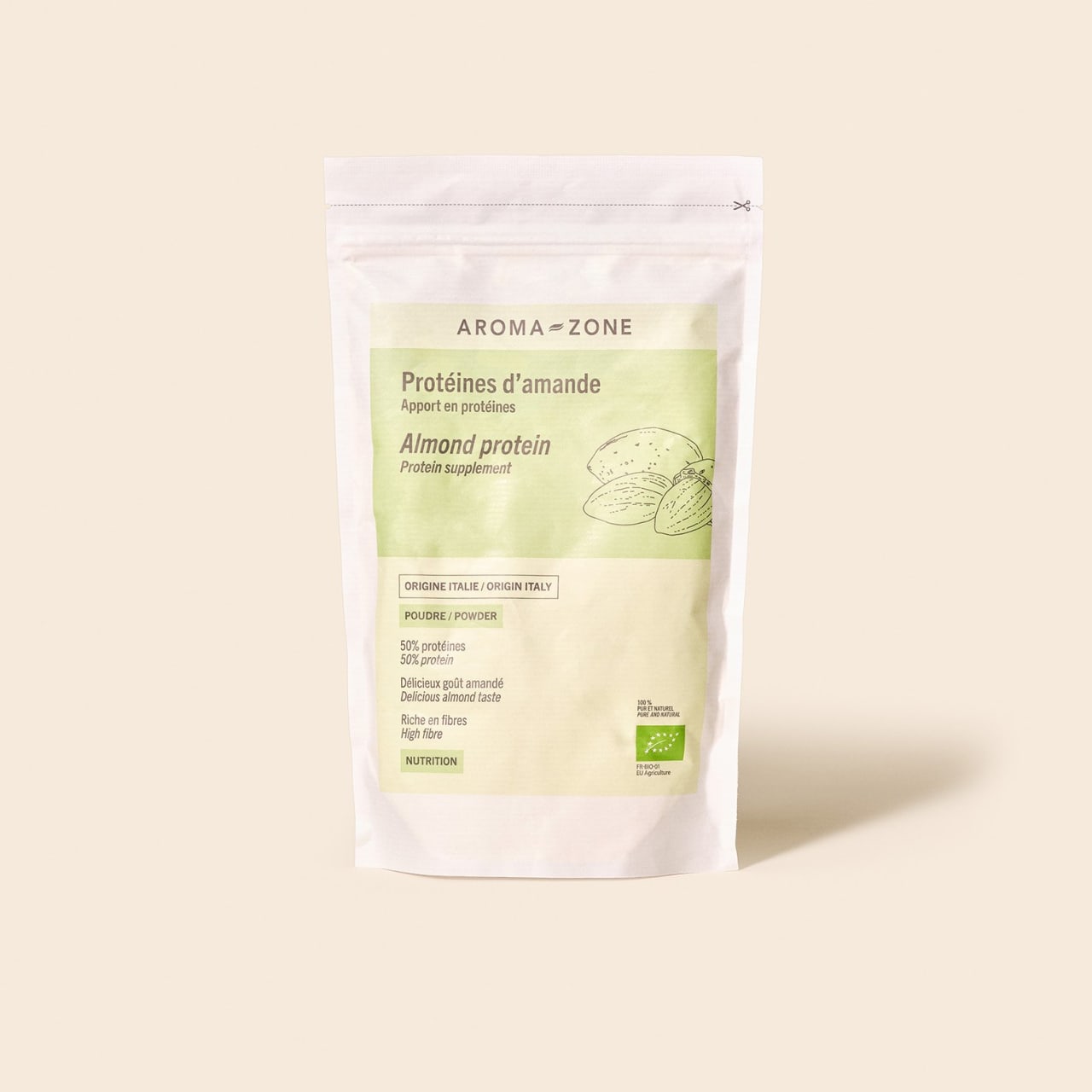
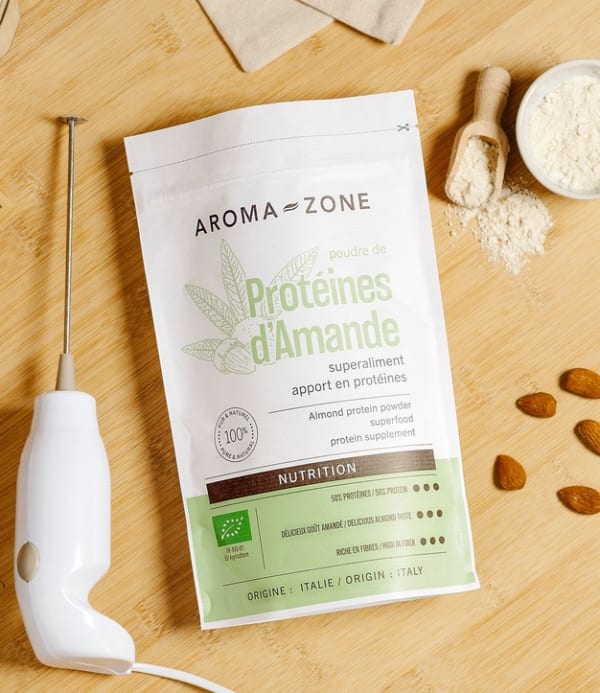
Organic Almond Protein

Deliciously sweet and nutty, this organic almond protein powder is a 100% plant-based alternative for making your protein shakes and boosting your protein intake. Made from organic almonds grown in Italy and produced using a cold-press process, this high-quality almond protein is ideal for athletes, vegetarians, vegans, or as part of a high-protein diet.

Discover Organic Almond Protein

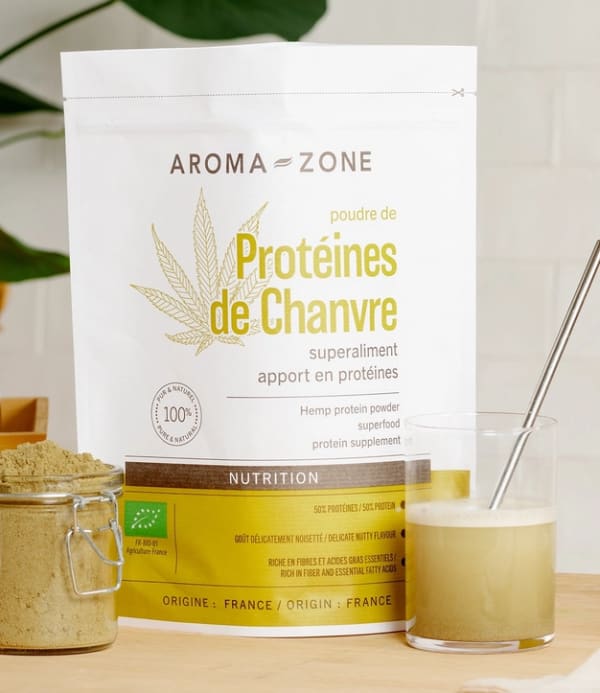
Organic hemp protein – a superfood

Organic Hemp Protein

Made from organic hemp seeds grown in France, this organic hemp protein powder provides an ideal source of digestible, high-quality plant-based protein, thanks to its comprehensive amino acid profile. With a high protein content of 50%, complemented by a significant amount of fiber and essential fatty acids, this powder is an excellent choice for athletes, vegetarians, and vegans, or simply to boost your protein intake.

Discover Organic Hemp Protein

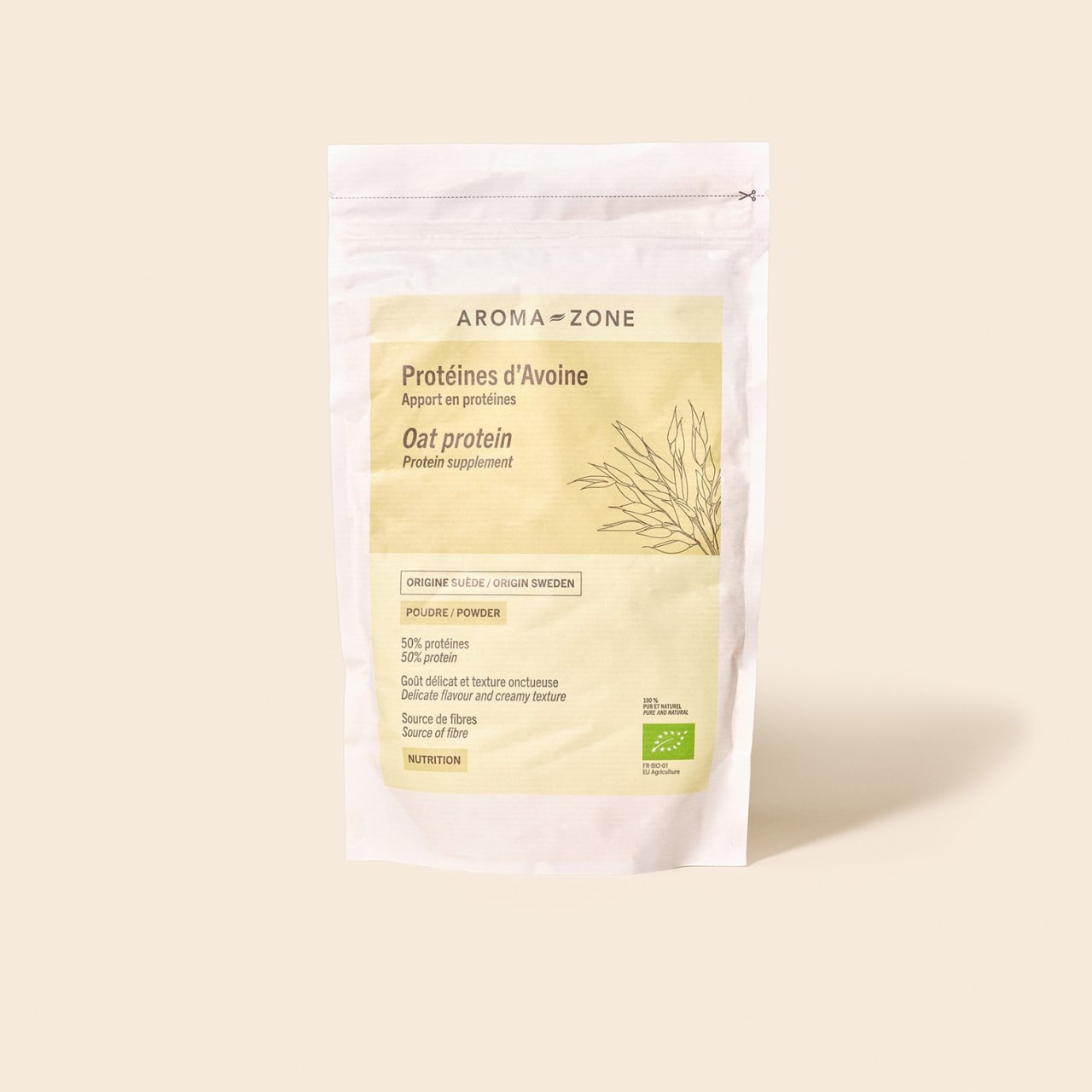
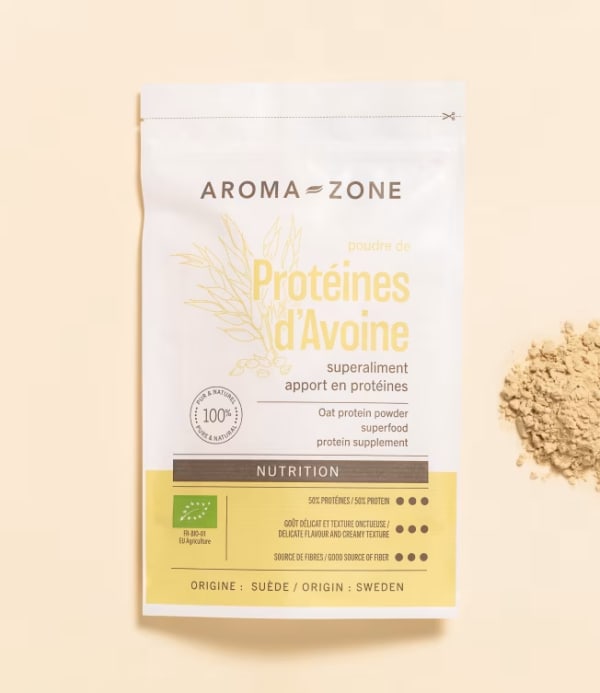
Organic Oat Protein

Made from organic oat bran grown in Sweden, this high-protein powder (50%) is ideal for athletes, vegetarians, and vegans. This 100% plant-based organic oat protein powder is a perfect alternative for making protein shakes or supplementing your plant-based protein intake. A great source of fiber, this powder can easily be added to your cookies, desserts, soups, or smoothies, and supports healthy digestion.

Discover Organic Oat Protein

Learn more about plant-based proteins

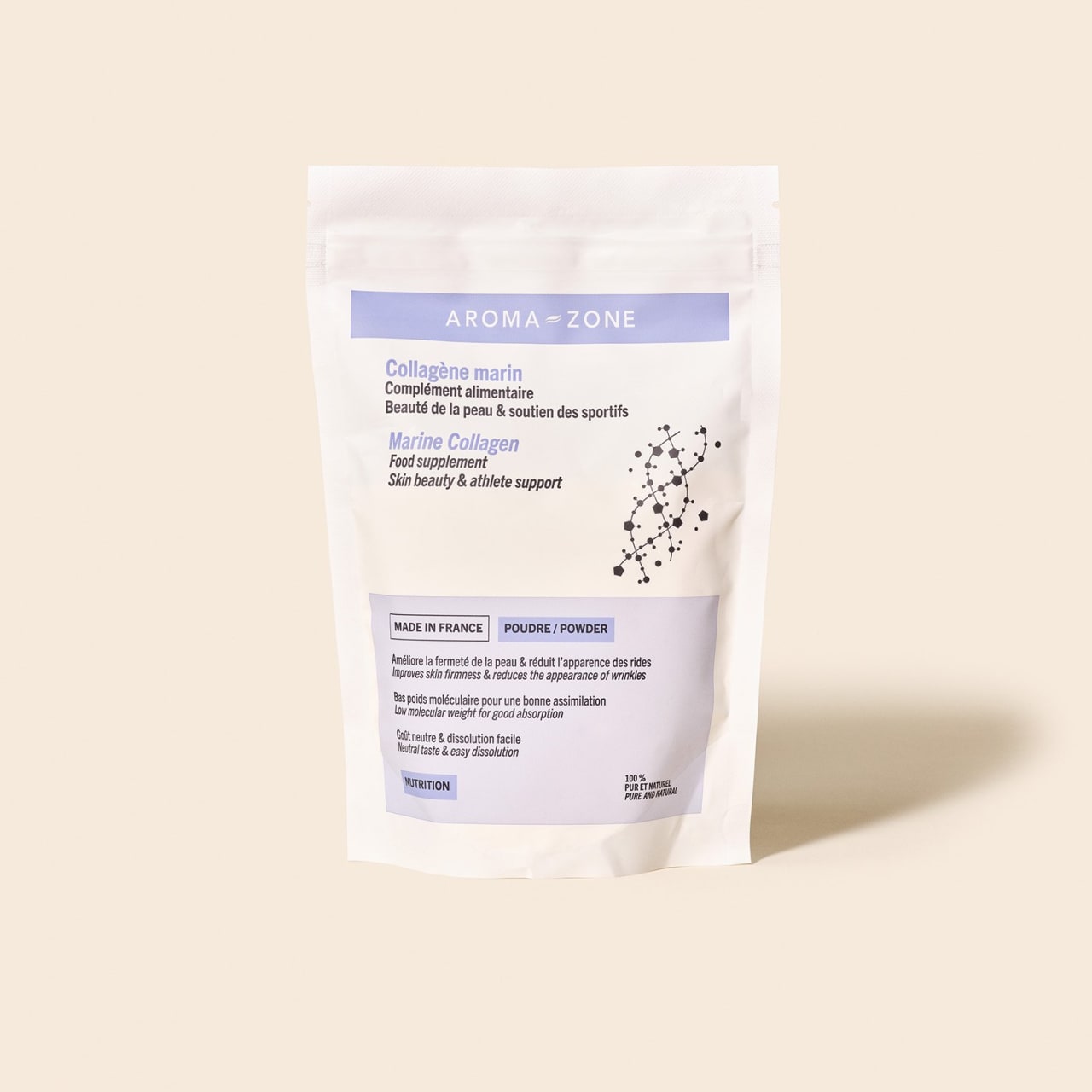
Marine collagen – 250 g – Dietary supplement

Collagen: Well known to athletes, this protein promotes muscle mass gain when combined with a healthy diet and regular exercise.

Discover our Marine Collagen

Learn more about collagen and weight gain

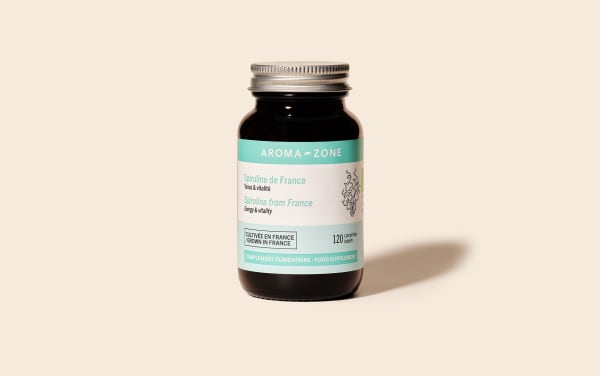
spiruline

Spirulina: This algae is a significant source of protein, which promotes lean mass gain and, consequently, weight gain. It is particularly beneficial when combined with regular exercise to support muscle development. 

Discover our Spirulina

Learn more about the benefits of Spirulina

A few recipes to help you gain weight while enjoying yourself

Precautions to Take

If, despite following these tips, you are unable to gain weight, it is recommended that you consult a doctor, who will conduct tests to determine the cause.  They may also refer you to a dietitian or nutritionist, who can provide a personalized nutrition plan to help you gain weight. For people with eating disorders, such as anorexia, psychological counseling is also essential.

Expert advice

Consuming a large amount of protein puts extra strain on the kidneys. To avoid health problems, it is recommended to drink more fluids to help eliminate urea and uric acid generated by protein metabolism: water, herbal teas, and natural fruit juices with no added sugar. It is best to avoid commercial beverages, which may contain high levels of simple sugars and additives.

Spotlight on Our Naturopathic Writer: Christine Barris

Christine Barris

After completing a master’s degree in management, Christine spent 20 years working for leading companies in the food supplement and natural cosmetics sectors. She then turned her passion for nature into a career. Today she practises naturopathy for people and animals, as well as sophrology, and mentors aspiring naturopaths and sophrologists at various schools.

Bibliography

  1. www.santemagazine.fr

  2. https://www.123-docteur.fr

Frequently Asked Questions

Frequently Asked Questions

Associated tips