A food supplement taken as part of a balanced diet for a healthy adult should not cause weight gain. Supplements are always taken in small quantities, and the food supplements on the market are subject to strict European regulations guaranteeing their safety for consumers. In the case of marine collagen, it does not make you put on weight and can, on the contrary, help athletes or people wishing to lose weight, as part of a varied and balanced slimming diet.
Does collagen make you put on weight?
A structural protein essential to the cohesion and maintenance of our tissues, large quantities of collagen are naturally present in our skin, cartilage and muscles. In food supplements, it is one of the most versatile anti-ageing molecules for promoting skin elasticity and beautiful hair. Popular with sports enthusiasts, it relieves joint pain and helps prevent injuries, while helping increase muscle mass. But does collagen make you put on weight? How many calories does a collagen treatment provide? This article answers all the questions you might have about weight loss, feeling full, and muscle mass before starting a course of collagen.

What is collagen?
Collagen is the main protein in the skin, representing 80 to 85% of the dry weight of the dermis. This large structural protein is a polysaccharide, a natural carbohydrate of the glycosaminoglycan family. An almost complete protein, it is made up of 19 essential amino acids. This molecule is either composed mainly of Glycine and Proline plus 17 amino acids in lesser quantities, or of Glycine, 17 amino acids and Hydroxyproline.
We talk about collagen, but it would be more accurate to talk about collagens. Today we know 29 of them, 12 of which are expressed in the skin. Depending on their structure, size and role, these different collagens perform different functions in the body and are classified into several types. The most abundant in the human body are collagen types 1, 2, 3 and 4.
Collagen forms the basis of our connective tissues such as bones, skin, tendons, cartilage and blood vessels. It is even found in the corneas of our eyes, our gums and our internal organs. It plays an essential role in cell adhesion and communication between keratinocytes, and therefore in the overall cohesion of the epidermis.
Collagen also plays a key role in bone density and in the health, flexibility and strength of our joints. Present in the cartilage matrix of our joints, it helps to absorb shocks and maintain mobility.
Over the years, our bodies become less efficient at synthesising collagen, and both the quantity and quality of our collagen decline. External factors such as exposure to UV rays, a diet too rich in sugars, smoking, alcohol and lack of sleep accelerate these ageing processes.
Collagen food supplements can make you feel better by partially compensating for the age-related decline in collagen and by stimulating our natural collagen production.
Among the various sources of collagen, marine collagen is reputed to be one of the most easily assimilated by our bodies, due to its structure and amino acid composition, which is close to that of human collagen.
It is more difficult to find sources of collagen in sufficient quantities in our diet. The best known is the famous bone broth recommended by naturopaths. A diet rich in vitamin C, vitamin B9 and vitamin B12 also encourages the natural synthesis of collagen.
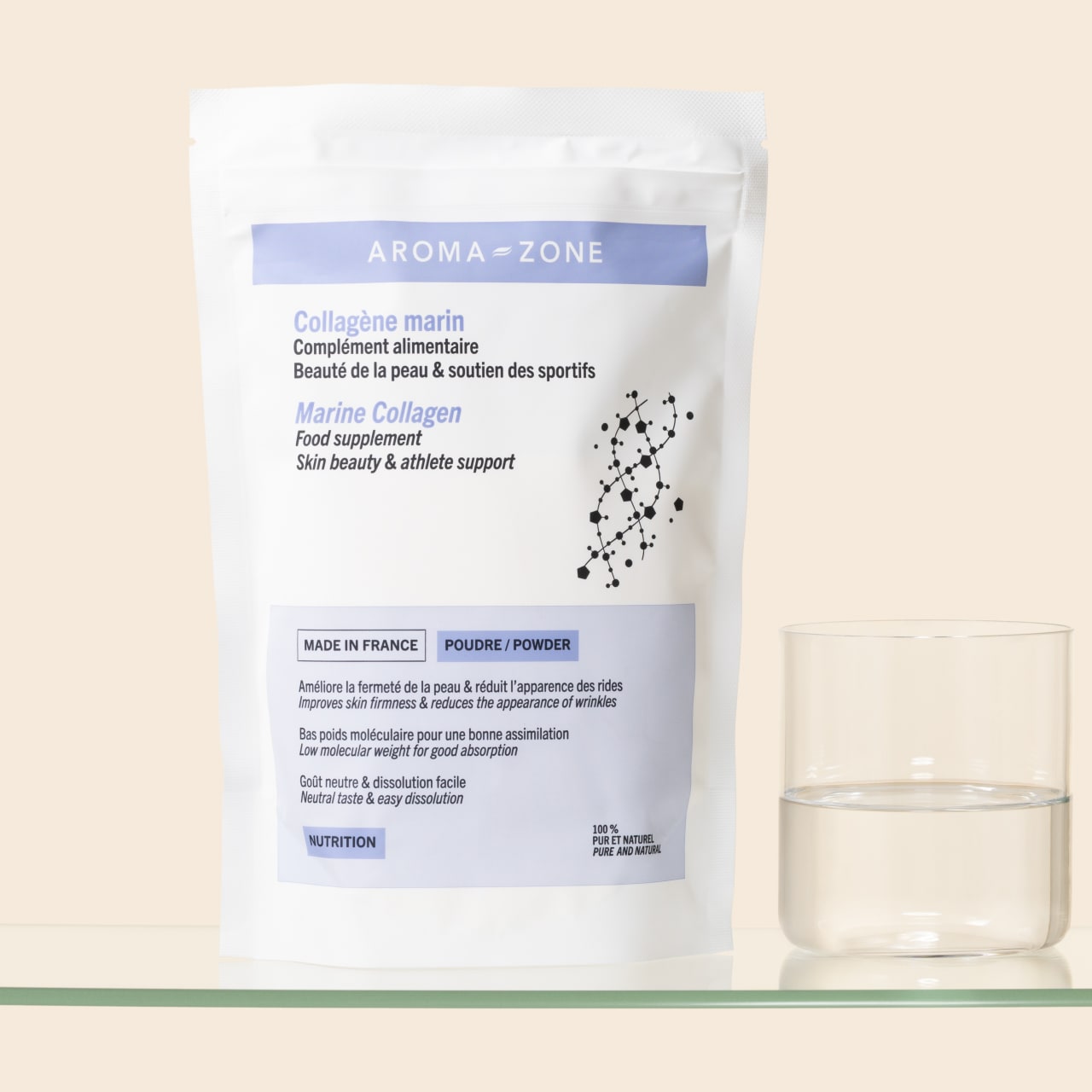
Focus on marine collagen food supplement
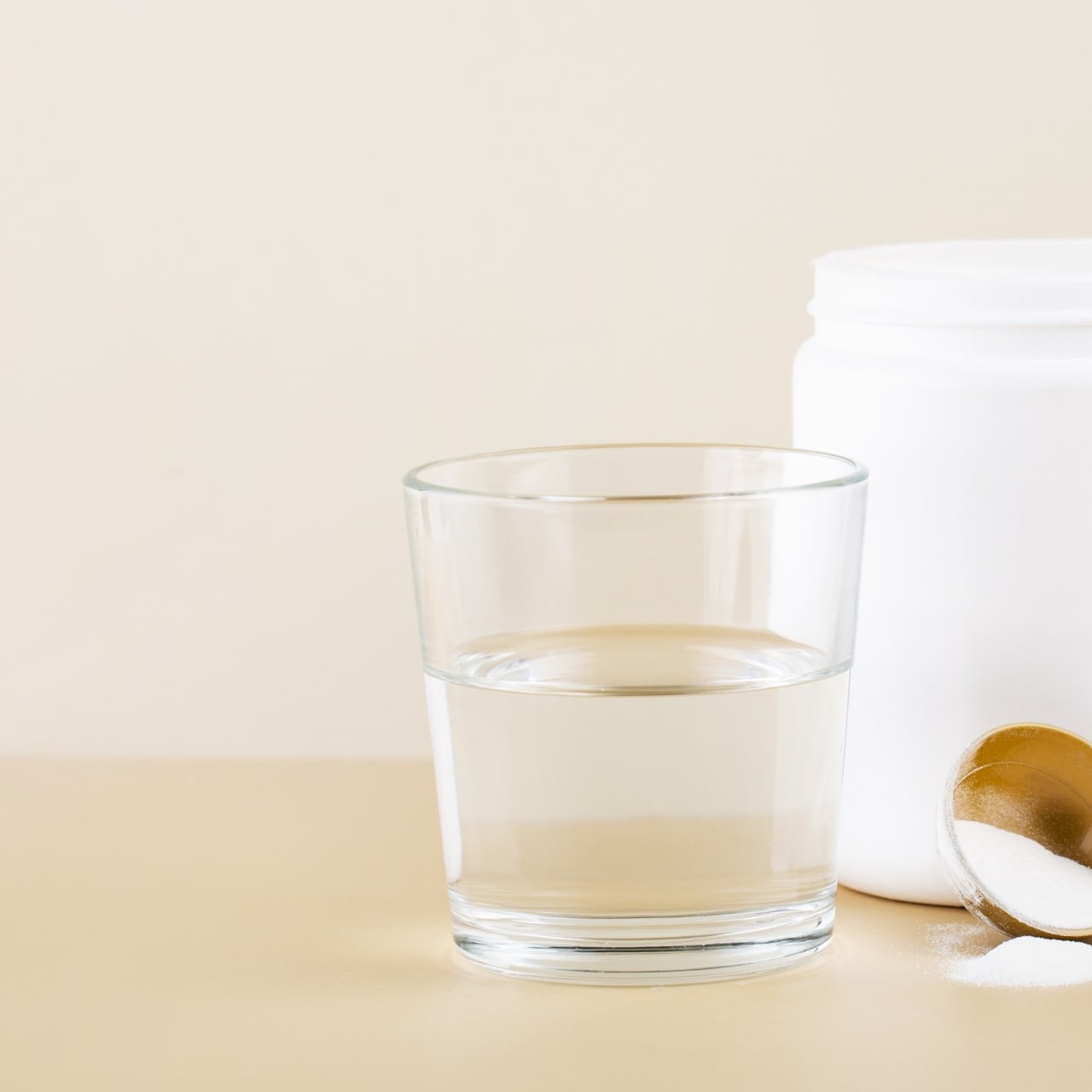
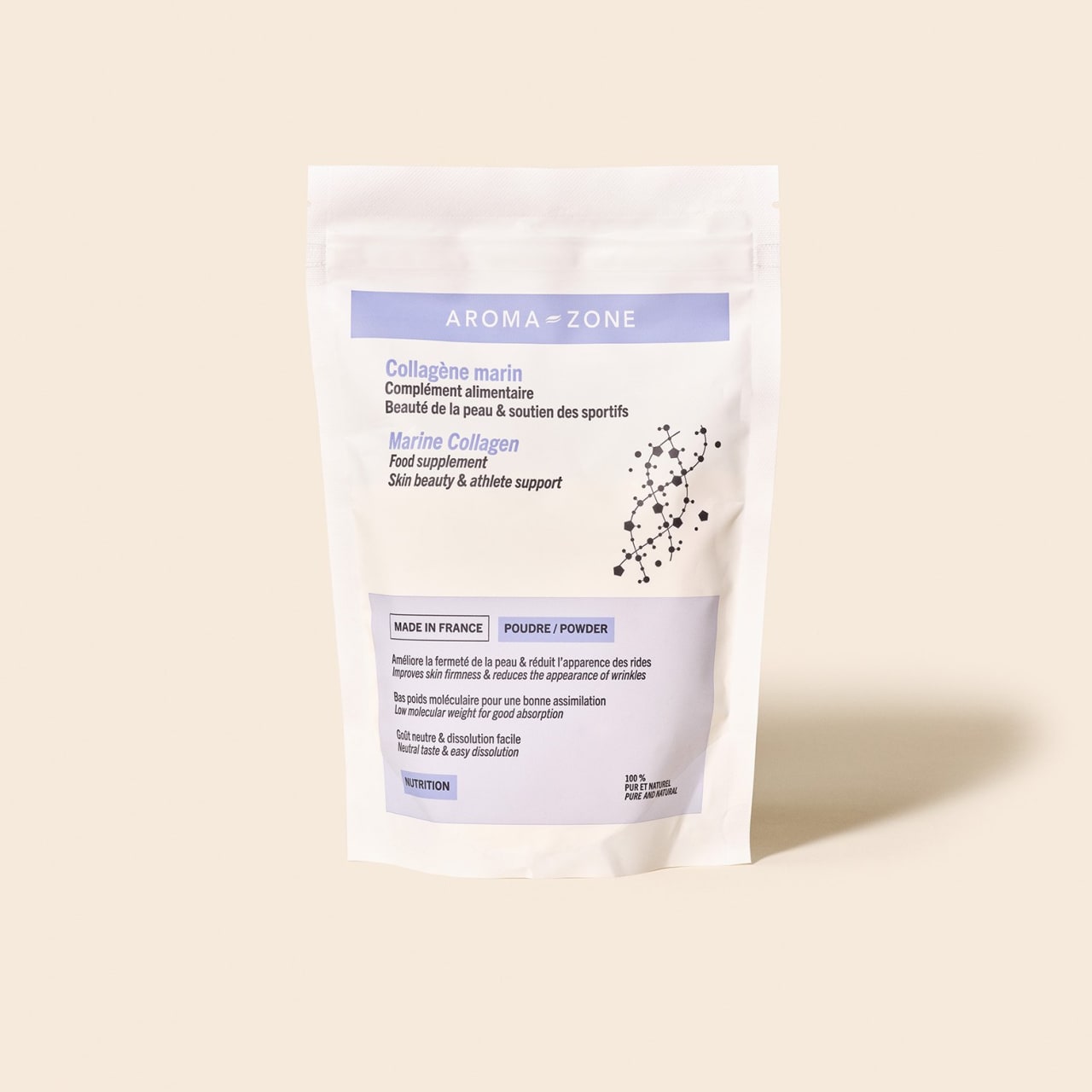
Premium quality hydrolysed marine collagen peptides, with a low molecular weight for optimal absorption and from certified sustainable aquaculture! Ideal as a food supplement to combat the signs of skin ageing, this type 1 Collagen, made in France, has been clinically proven to improve the skin's beauty and firmness. Marine Collagen is also an essential supplement for athletes.
Does collagen make you slim?
According to a number of recent studies, collagen could be a slimming ally, helping you to lose weight. These studies offer an answer to the question: does collagen make you slim? They provide us with clues as to the physiological mechanisms that lead to slimming through collagen supplements.
Collagen and weight loss
A study carried out on the oral intake of collagen extracted from the skin of the Okamejei kenojei fish demonstrates a positive effect of marine collagen on weight loss. The study reveals that taking 2g of collagen a day for 12 weeks prevents the accumulation of fat and regulates lipid metabolism. It highlights the fact that taking collagen peptides helps to burn fat and prevents lipid storage, at unchanged calorie levels and equal levels of physical activity, between a test group of adults supplemented with collagen and the other test group who did not consume collagen.
Another study shows that collagen peptide supplements improve muscle strength and resistance to exercise. This is because collagen is rich in glycine, which plays an important role in creatinine metabolism and therefore promotes the supply of energy to muscle cells and recovery.
What's more, a collagen treatment also promotes healthy joints. Marine collagen prevents the breakdown of collagen in cartilage and helps to compensate for the natural decline in collagen associated with ageing.
Finally, a study has highlighted the satiating action of collagen and its positive impact on reducing food intake. As part of a slimming diet, collagen supplements may therefore prove useful in preventing food cravings and limiting daily calorie intake.
Collagen for slimming: results of current studies
Further studies are needed to prove the benefits of collagen as a slimming food supplement on a larger scale. However, these recent studies suggest that collagen could be a good ally for eliminating excess kilos, helping to burn and release fat, promoting a feeling of satiety and moderating food intake, while presenting no health drawbacks.
Collagen is sometimes recommended as part of a high-protein diet to help you feel full. Discuss this with your doctor or nutritionist, as this type of diet is not necessarily balanced for the body and can acidify the organism. A balanced diet combined with regular exercise is still the most effective way of maintaining a healthy weight.
Does collagen make you fat?
Does collagen make you put on weight? The answer is no! As we saw above, recent studies have highlighted the beneficial action of collagen on weight loss. These studies show that marine collagen food supplements prevent the accumulation of fat and promote healthy lipid metabolism.
Collagen and weight gain
The protein intake generated by collagen peptide supplements is beneficial for building lean muscle mass to the detriment of fat mass, as part of regular, moderate to intense sports activities. Muscle builders looking to increase their muscle mass can therefore benefit from collagen supplements.
See also: Our advice for successful weight gain.
Collagen and calorie intake
At around 4 Kcal per gram, a collagen food supplement provides a maximum of 40 Kcal per day (for 10g of collagen), which is negligible in an adult's daily calorie intake. The proteins contained in collagen can also contribute to the feeling of satiety and prevent hunger pangs. So collagen supplements do not encourage weight gain, on the contrary.
As part of a healthy lifestyle, with a balanced diet and regular exercise, marine collagen can promote lean muscle mass and help you maintain a healthy weight.
Does collagen encourage the appearance of cellulite?
First of all, cellulite is a subcutaneous fatty distribution that affects more than 90% of women. Cellulite is an absolutely normal and natural phenomenon, unrelated to being overweight. Its causes can be hereditary, hormonal (oestrogen in particular), circulatory or linked to lifestyle. It is a natural fat storage mechanism in women, with a preferential distribution of fat on the hips, buttocks, thighs and stomach. After the menopause, cellulite can become more visible as a result of skin slackening.
To reduce and prevent cellulite, all natural solutions that drain and firm the skin will be beneficial.
Collagen to reduce cellulite
Marine collagen supplements help prevent the appearance of cellulite by preventing skin slackening and improving skin elasticity. By stimulating the body's own collagen production, taking marine collagen improves skin firmness and reduces the factors that lead to the appearance of orange-peel skin. Cellulite is also less visible on firm, toned skin.
In addition, there are a number of essential oils with draining properties for eliminating adipose or aqueous cellulite. The natural active ingredient caffeine also has lipolytic properties that help to reduce the appearance of cellulite.
What are the dangers of collagen?
Generally speaking, there are few contraindications to collagen supplements, and marine collagen in particular. When there is excess collagen, the body eliminates it.
At the recommended doses, taking marine collagen does not affect the liver or kidneys.
The main dangers of collagen supplements could come from the quality and origin of the supplement chosen. Always pay attention to the origin of the collagen in your product. Its quality depends on the way the animals are reared and the manufacturing process. Always choose collagen supplements that give you maximum guarantees of sustainable, ethical and ecological farming methods. In the case of marine collagen, to avoid a high concentration of heavy metals, choose collagen from sustainable and responsible aquaculture, as is the case for the Aroma-Zone marine collagen food supplement.
However, as with any food supplement, it is essential to follow the recommended dosages to avoid any risk of overdosing, and to guarantee the quality and traceability of the collagen, which complies with European regulations. We should also remind you that the use of food supplements should be reserved for adults in good health. In the case of specific pathologies, always consult your doctor before taking any supplements.
Find out more

Do food supplements make you put on weight?

Do food supplements make you put on weight?

What collagen should I take to gain weight?

What collagen should I take to gain weight?
No collagen makes you fat. Whether bovine or marine collagen, taking collagen protein supplements will not encourage fat storage. On the contrary, studies show that collagen helps to burn fat and promotes lean muscle mass if you engage in intense to moderate physical activity. Your body will use collagen supplements where it needs them most: to compensate for collagen loss in cartilage, bone, skin or blood vessels. What's more, the body eliminates excess collagen. So, even if you increase the doses (which is strongly discouraged), taking collagen will not lead to weight gain.

What are the disadvantages of collagen?

What are the disadvantages of collagen?
Naturally present in our bodies, collagen is generally very well tolerated and provides numerous benefits, particularly marine collagen, which is highly absorbable by the body. The side effects of collagen are minimal and rare compared to the benefits it provides. Only slight digestive problems or a feeling of being full more quickly have been observed when taking collagen peptides as a supplement. Collagen is not harmful to health when consumed in the recommended doses and in the absence of specific pathologies.

Collagen side effects

Collagen side effects
Rare cases of bloating, constipation, gastric acidity or diarrhoea have been reported, but these are very rare. If you notice any undesirable effects when taking collagen by mouth or in capsules, stop taking the supplement and talk to your health professional.
Spotlight on our Naturopathic editor, Lucie Granjon
Passionate about plants and their properties, she started her career as a perfumer before moving to the world of natural beauty and aromatherapy over 10 years ago. Lucie supports ethical and committed brands with strategy development, product formulation and expert advice for their customers. She has worked with the Aroma-Zone team on several books, including "Le grand guide de l'Aromathérapie et des cosmétiques naturels" ("The Complete Guide to Aromatherapy and Natural Cosmetics"). She also has years of training in aromatherapy, herbalism and essential oil distillation, and supports the work of French plant growers.