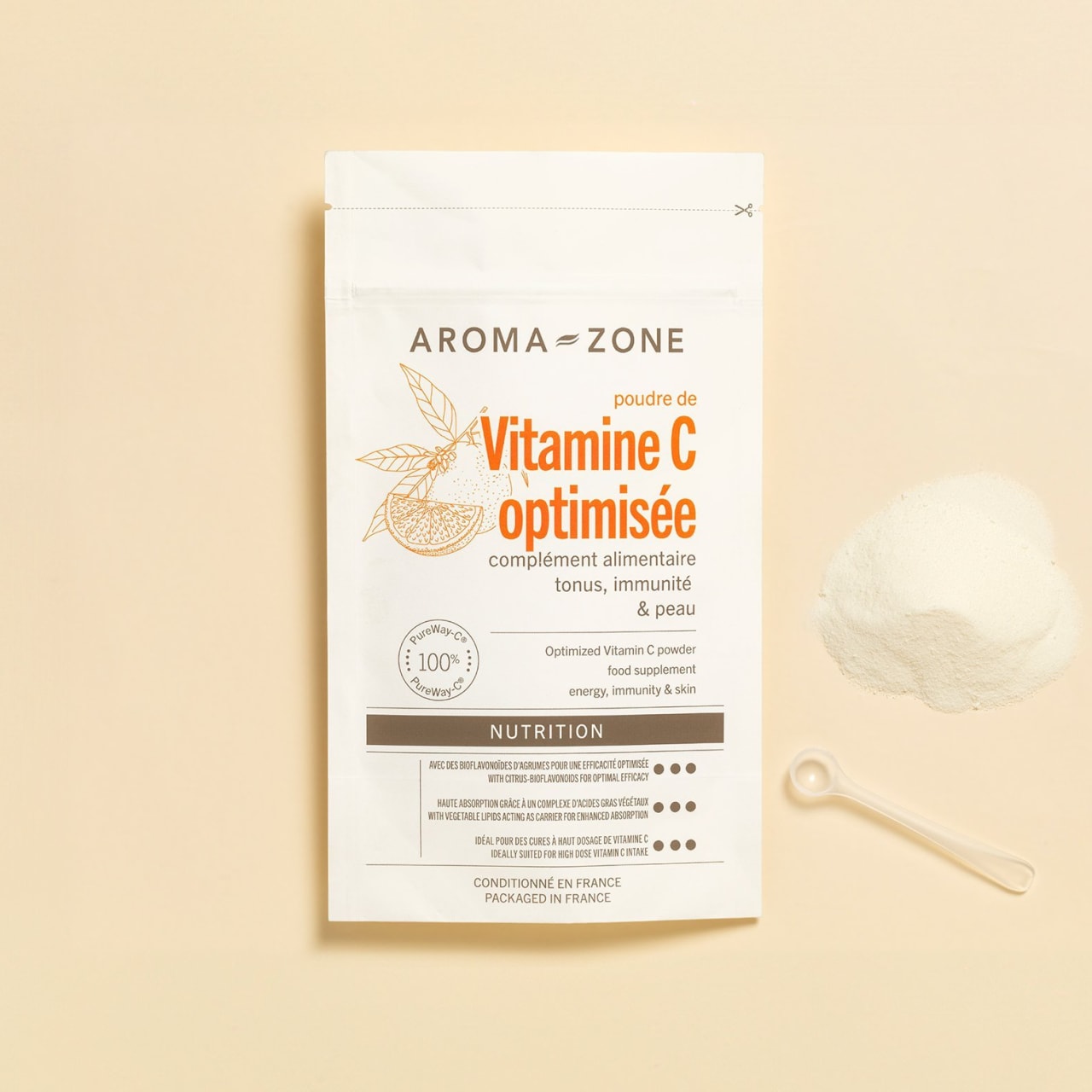
Collagen peptides

Collagen, the key protein for ageing well, is one of the most popular food supplements today. An anti-ageing molecule for the skin, collagen is known to promote good joint health, bone density, post-workout recovery and help athletes gain muscle mass. It is more easily absorbed in the form of collagen peptides or hydrolysed collagen. Let's find out what scientific studies say about collagen peptides, how they work and their bioavailability to the human body. We identify the best source of collagen for individual needs and the benefits you can expect from collagen supplementation.

Reading time: 0 min.

What is a collagen peptide?

Collagen, the basis of our connective tissue

Collagen peptides are protein molecules that are smaller than complete collagen. To understand what a peptide is, it is important to define peptides as linked chains of amino acids. Naturally present in the human body, collagen is a large fibrous protein that forms the basis of our support tissues such as bones, skin, tendons and cartilage. It is even found in the corneas of our eyes, our gums and our internal organs, as well as in our blood vessels. Collagen plays a key role in cell adhesion and in the general cohesion of the epidermis.

Collagen is an almost complete protein, made up of 19 essential amino acids. Collagen molecules are either composed mainly of glycine and proline, with smaller amounts of 17 amino acids, or of glycine, 17 amino acids and hydroxyproline. There are several types of collagen, which differ in structure, role and size. There are currently 29 known types, 12 of which are expressed in the skin. These different collagens perform different functions in the body. The most abundant in the human body are collagen types 1, 2, 3 and 4.

What are the benefits of collagen peptides?

For the skin

A major skin protein, collagen is found in the epidermis, dermis and hypodermis. Collagen accounts for 80 to 85% of the dry weight of the dermis.

The main collagens present in the dermis are types 1 and 3. These large fibres that run through the dermis are linked together and attached to the cells that make this collagen: the fibroblasts. Hyaluronic acid, collagen, elastin and proteoglycans form an assembly that forms the skin's support tissue, giving it firmness, resistance and volume.

As part of the natural ageing process, and accelerated by certain environmental factors (excess UV rays, a diet too rich in sugars, lack of sleep, smoking, etc.), collagen fibres break down under the effect of free radicals, becoming brittle and breakable, leaving the skin thinner, wrinkled and less dense.

Supplementation with marine collagen peptides can improve skin elasticity, reduce and prevent wrinkles and partially compensate for the reduction in collagen associated with skin ageing.

The supporting function of collagen helps to tone the face and maintain a well-defined oval. When supplemented, marine collagen provides suppleness, resistance and elasticity to the skin, helps maintain good skin hydration and improves cell regeneration and healing, which also has an effect on skin texture.


Why take a course of collagen?

A course of collagen can improve skin health by reducing wrinkles and increasing hydration, and supports joints and bones by reducing pain and improving mobility. It also strengthens hair and nails, increases muscle mass and aids post-workout recovery, and improves intestinal health by strengthening the intestinal lining.

When should I do a course of collagen?

A course of collagen can be considered for older users to maintain healthy skin, joints and bones. This is due to the natural production of collagen declining over time. It is also helpful after injury or surgery, or during periods of intense physical stress, particularly for athletes. A course of treatment can also be beneficial for joint pain, ageing skin, brittle hair and nails, or digestive problems. Always consult a health professional before taking collagen supplements.

The different types of collagen

In the human body, various collagens naturally present are classified into several types, according to their structure and role. Collagen types 1, 2, 3 and 4 are most commonly found in the human body.

  • Type I collagen: the main interstitial collagen, found in the dermis, tendons, bones and vascular walls.

  • Type II collagen: found in cartilage and the vitreous body of the eye.

  • Type III collagen: found in the dermis and vascular walls.

  • Type IV collagen: present in the basal lamina.

  • Type V collagen: present in muscles and the placenta.

Collagen food supplements are known to act in the same way as type I and II collagens in the human body and to promote the synthesis of these types of collagen.

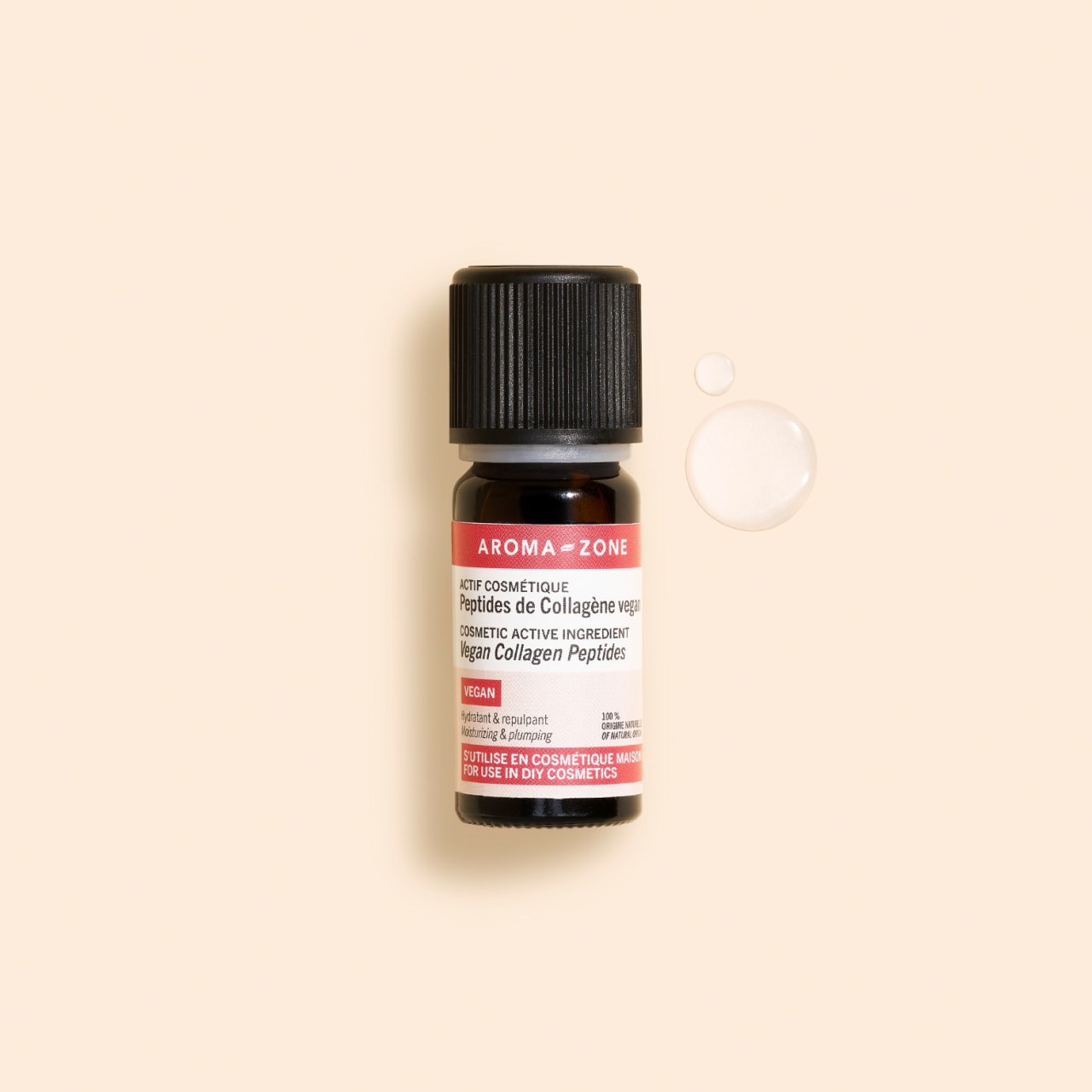
Collagen comes from bovine cartilage or bone, or the skin, bones and cartilage of fish in every form of supplement. There is no such thing as a vegan collagen peptide. Collagen protein is only present in animals, so the collagen molecules found in food supplements are extracted from animal sources. They are either marine collagen peptide or bovine collagen peptide. When you see "vegetable collagen" or "vegan collagen" on a product, it may be a food supplement rich in vitamin C and glycine, which can stimulate collagen production.


What is the best source of collagen?

Collagen peptide food supplements provide the amino acids needed to synthesise natural collagen.

These food supplements can support the natural ageing process and help to compensate in part for the decline in collagen in our bodies over the years. From the age of 25 onwards, the concentration of collagen in the body decreases, it is less well synthesised, and its properties diminish. It declines by around 1% per year, and by up to 30% in women after the menopause. This natural ageing process is accelerated by external factors. Sun exposure, pollution, lack of sleep, smoking, excess sugar and alcohol all affect collagen production.

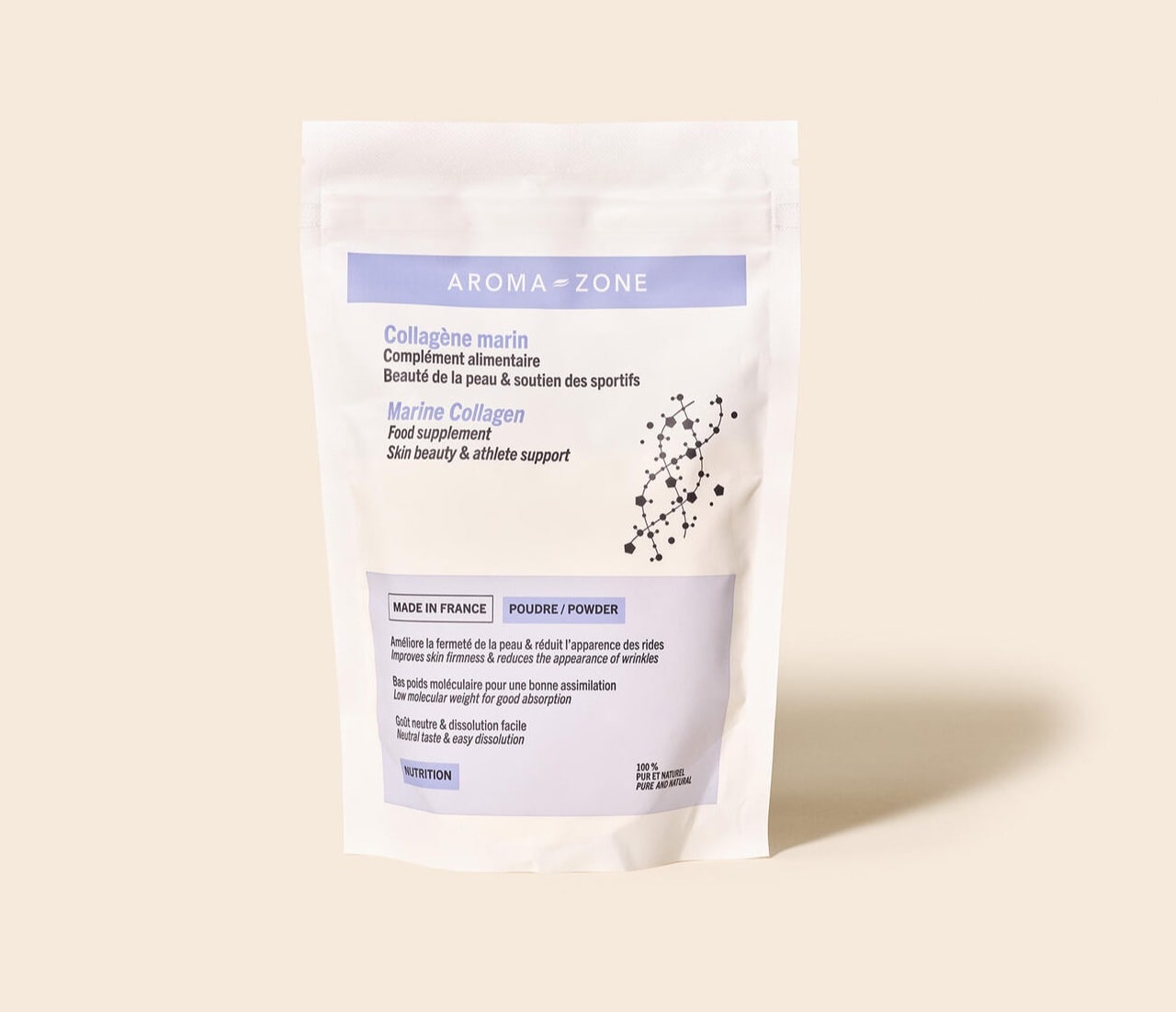
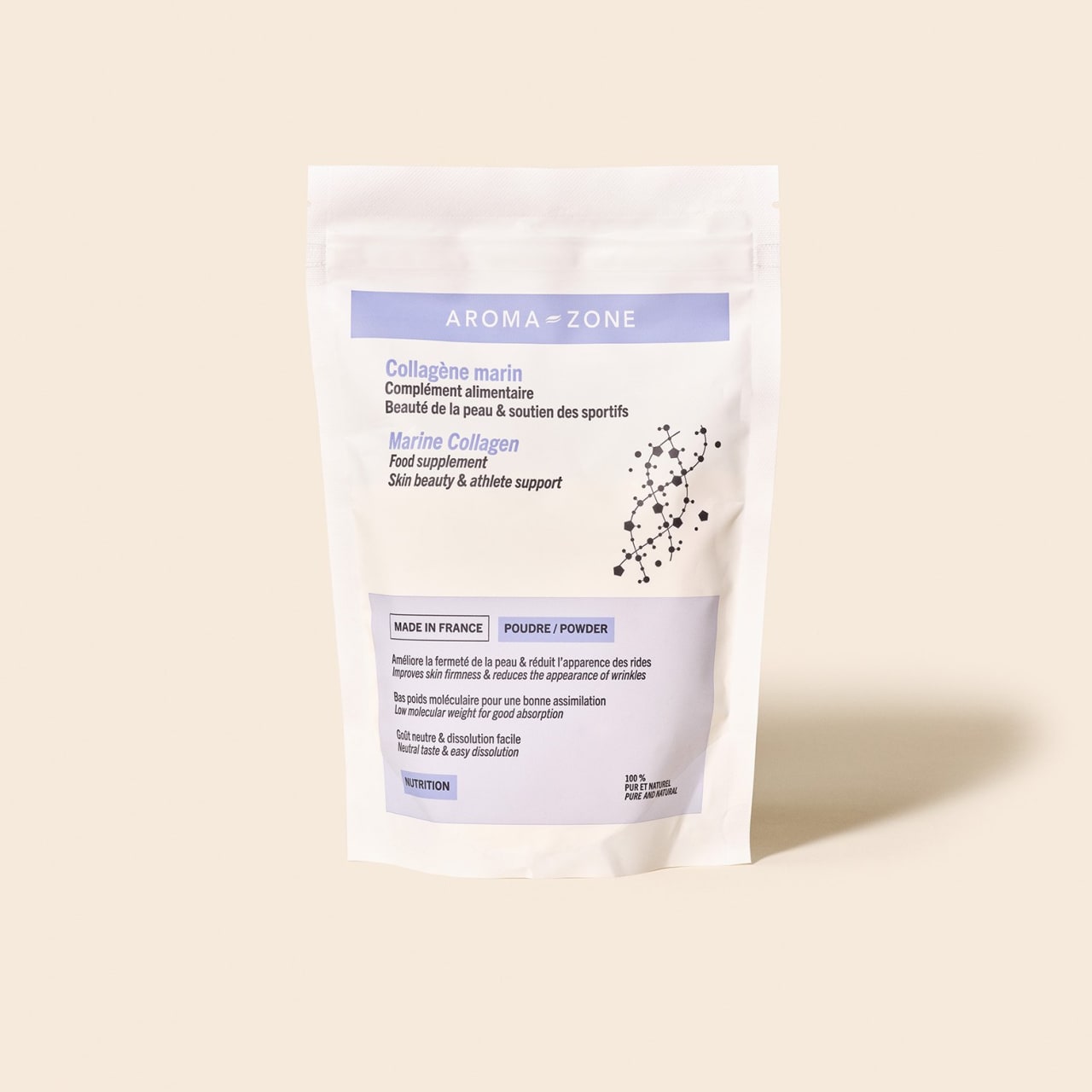
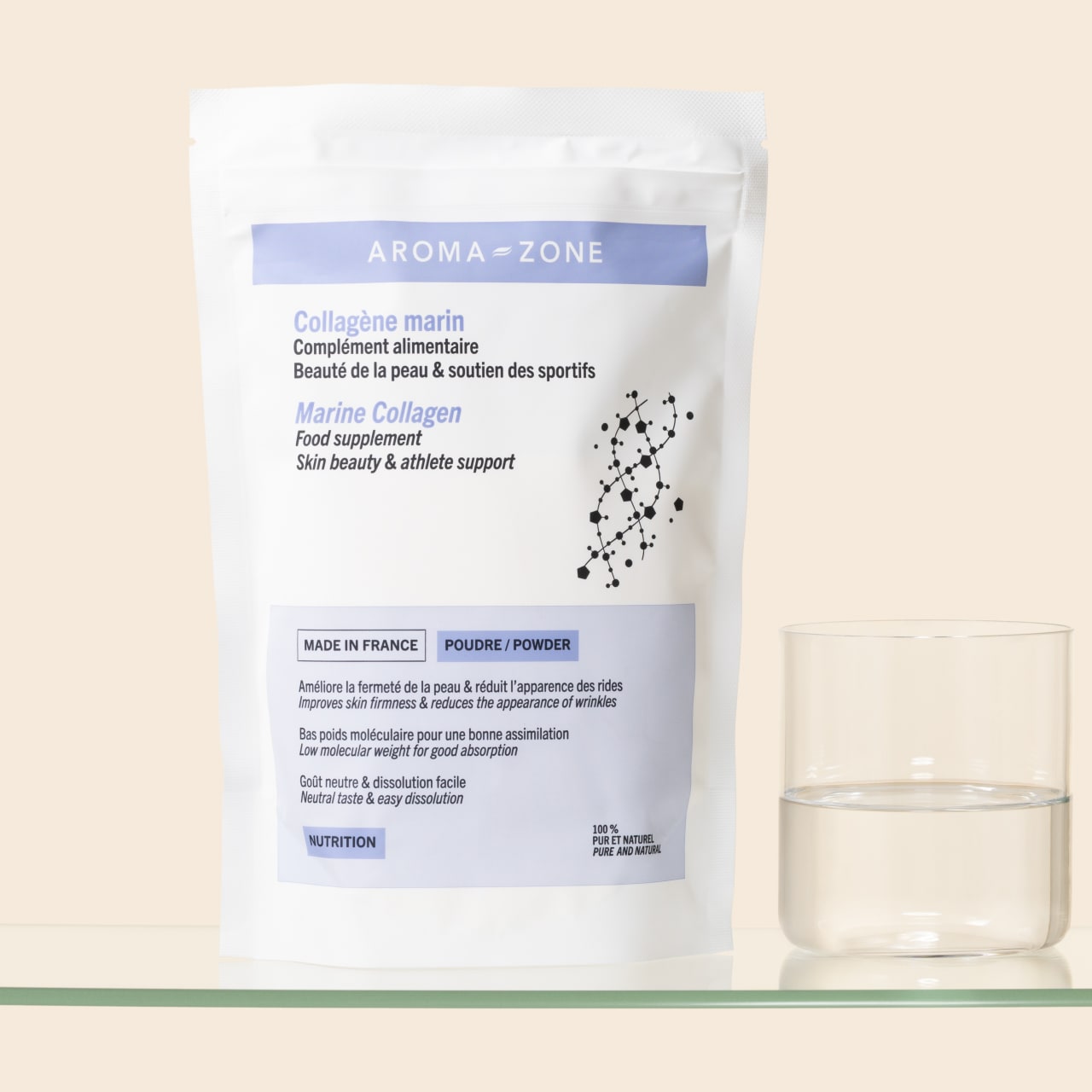
The best collagen food supplement will be the one suited to your needs and requirements in terms of ethics, traceability and quality. At Aroma-Zone, we have chosen Friend of the Sea-certified marine collagen, made in France from the skins of fish reared in responsible, sustainable aquaculture.


How should collagen peptides be used?

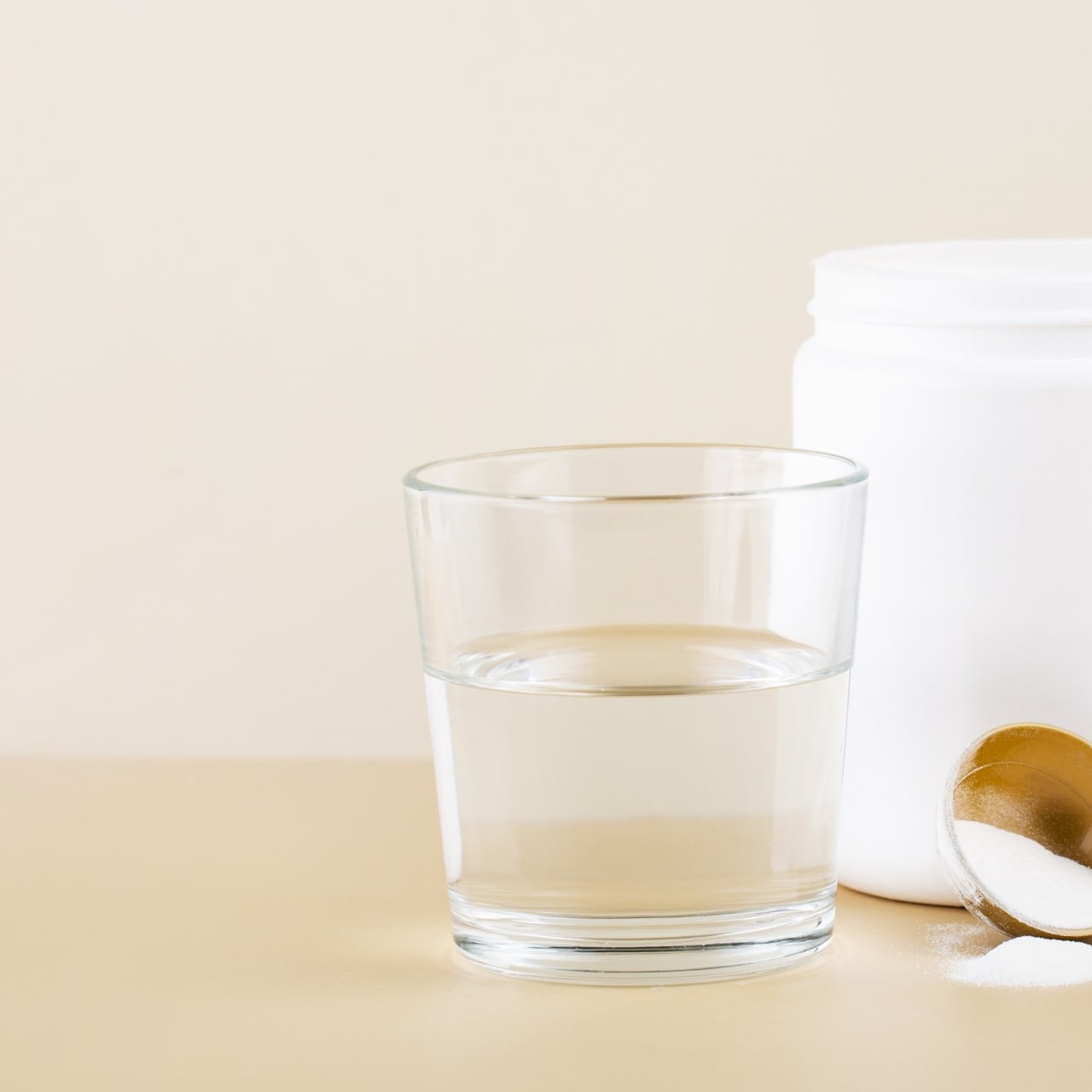
Collagen peptides, or collagen hydrolysates, are available in powder, capsule and sometimes a collagen-enriched drink form.

To find the right dose, always refer to the advice of the supplement manufacturer or your healthcare professional. Generally speaking, the recommended amount of collagen for a healthy adult is 5-10g of collagen peptides per day.

For the Aroma-Zone marine collagen powder food supplement, take 5g of collagen per day as a maintenance treatment. As an intensive treatment, we recommend a dose of 10g of marine collagen peptides a day.

To encourage collagen synthesis, it's best to supplement your collagen treatment with vitamin C, either in the form of a food supplement or by eating a diet rich in sources of vitamin C. Vitamin C is an essential cofactor in collagen production.

Vitamins B9 and B12 also promote the natural synthesis of collagen. They are found in large quantities in brewer's yeast, for example.

Diet and lifestyle play an important role in combating oxidative stress and free radicals. Eating a diet rich in antioxidants and low in sugars, as well as a healthy lifestyle - getting plenty of sleep, avoiding smoking and alcohol, and protecting yourself from UV rays with suncare products - all help to preserve natural collagen.

Spotlight on our Naturopathic editor, Lucie Granjon

Passionate about plants and their properties, she started her career as a perfumer before moving to the world of natural beauty and aromatherapy over 10 years ago. Lucie supports ethical and committed brands with strategy development, product formulation and expert advice for their customers. She has worked with the Aroma-Zone team on several books, including "Le grand guide de l'Aromathérapie et des cosmétiques naturels" ("The Complete Guide to Aromatherapy and Natural Cosmetics"). She also has years of training in aromatherapy, herbalism and essential oil distillation, and supports the work of French plant growers.

Bibliography

1

Effects of Oral Collagen for Skin Anti-Aging: A Systematic Review and Meta-Analysis.

Pu SY, Huang YL, Pu CM, Kang YN, Hoang KD, Chen KH, Chen C. Nutrients. 2023 Apr 26;15(9):2080. doi: 10.3390/nu15092080. PMID: 37432180; PMCID: PMC10180699.

2

Collagen peptide supplementation in combination with resistance training improves body composition and increases muscle strength in elderly sarcopenic men: a randomised controlled trial.

3

Prolonged Collagen Peptide Supplementation and Resistance Exercise Training Affects Body Composition in Recreationally Active Men.

Kirmse M, Oertzen-Hagemann V, de Marées M, Bloch W, Platen P. Nutrients. 2019 May 23;11(5):1154. doi: 10.3390/nu11051154. PMID: 31126103; PMCID: PMC6566878.

4

Oral supplementation of specific collagen peptides has beneficial effects on human skin physiology: a double-blind, placebo-controlled study.