Marine collagen: What are the possible side effects?

To keep skin looking young, firm and plump over the years, marine collagen is reputed to be the best source of collagen in supplement form. Highly absorbable by our bodies, hydrolysed marine collagen has a structure and amino acid composition similar to human collagen. Let's discover all the benefits of marine collagen, its possible side effects and everything you need to know before starting a course of collagen.

Reading time: 0 min.

What is marine collagen?

Collagen is a protein naturally produced by our bodies and found throughout the animal kingdom. Collagen forms the basis of our connective tissues such as bones, skin, tendons, blood vessel walls, cartilage and support tissues.

Collagen comes in several forms in the body, since there are different types of collagen, each with specific functions.

  • Type I collagen: the main interstitial collagen, found in the dermis, tendons, bones and vascular walls

  • Type II collagen: present in cartilage and the vitreous body of the eye

  • Type III collagen: found in the dermis and vascular walls

  • Type IV collagen: present in the basal lamina

  • Type V collagen: present in muscles and placenta

Marine collagen is particularly high in type I collagen peptides, which are highly beneficial for the skin. Its bioavailability is also often higher than that of bovine collagen, making it easier for the body to absorb.

What are the benefits of marine collagen?

  • Helps maintain skin elasticity and firmness: As a structural protein present in the skin's dermis, this fibrous protein acts as a support for the skin, giving it strength and suppleness.

  • Reduces the appearance of wrinkles: By improving the skin's firmness, collagen helps to reduce the signs of ageing. When there is a lot of collagen in the dermis, it promotes healing and cell renewal. It also enables the skin to retain its elasticity and helps it regain its shape after movement or stretching, so the skin is less likely to form fine lines.

  • High in protein: When taken orally, protein helps to increase muscle mass and maintain normal bone structure.

Why take collagen?

Collagen is a protein that is naturally present in our body. It plays an essential structural role. As we age, our production of collagen tends to decline. It may therefore be worth taking a collagen supplement from the age of 25.

A closer look at marine collagen

What is marine collagen used for?

We have already seen the key role played by collagen in the appearance of our skin, nails and hair, as well as its essential role in joint suppleness and sports recovery. To compensate for the decline in our collagen stocks with age, taking collagen is increasingly appearing as an attractive anti-ageing solution. No food supplement can prevent the normal ageing process, but consuming properly measured doses of collagen, alongside a healthy lifestyle, will help to slow the effects of ageing in terms of your skin's appearance and, more especially, help the skin to age well.

Recognised as one of the best collagens for supplement use, marine collagen is highly concentrated in the amino acids proline, glycine and hydroxyproline. It is reputed to plump, firm and smooth the skin, while reducing the appearance of deep wrinkles. Ideal as an anti-ageing active ingredient, it delays the appearance of wrinkles, reduces skin ageing and improves skin elasticity.

Marine collagen supplements also supports athletes by improving their post-workout recovery. Very high in protein, marine collagen helps to improve and develop muscle mass in conjunction with appropriate sports training. Taking collagen also promotes muscle and joint comfort after exercise, as well as good muscle oxygenation.

Finally, studies also suggest that collagen supplements could have a positive impact on cardiovascular health by helping to reduce hypertension. Preliminary research has shown that collagen may help to maintain healthy blood vessels by promoting elasticity and regulating blood pressure. So, in addition to its benefits for muscle recovery, taking marine collagen could potentially contribute to the overall health of the cardiovascular system.

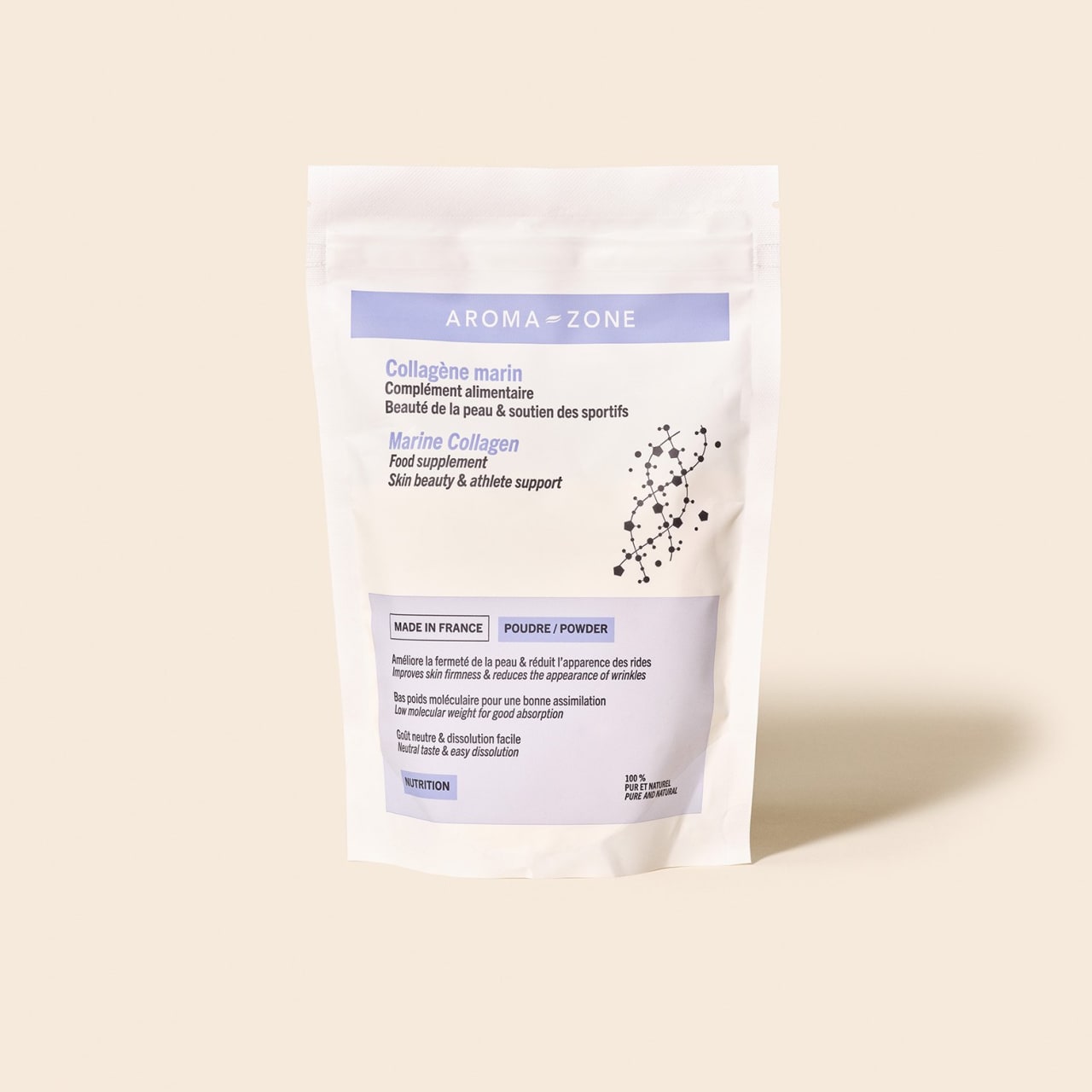
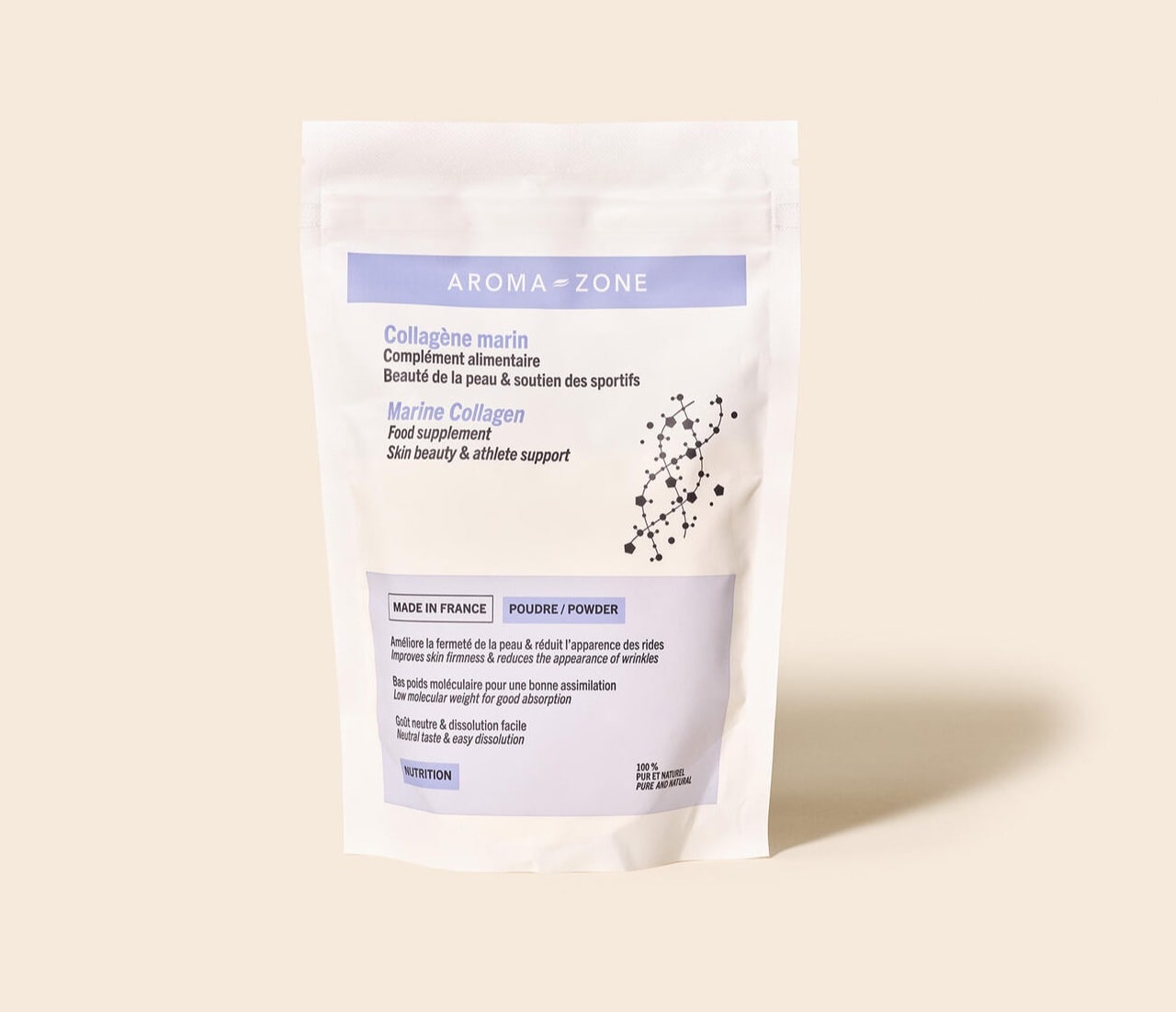
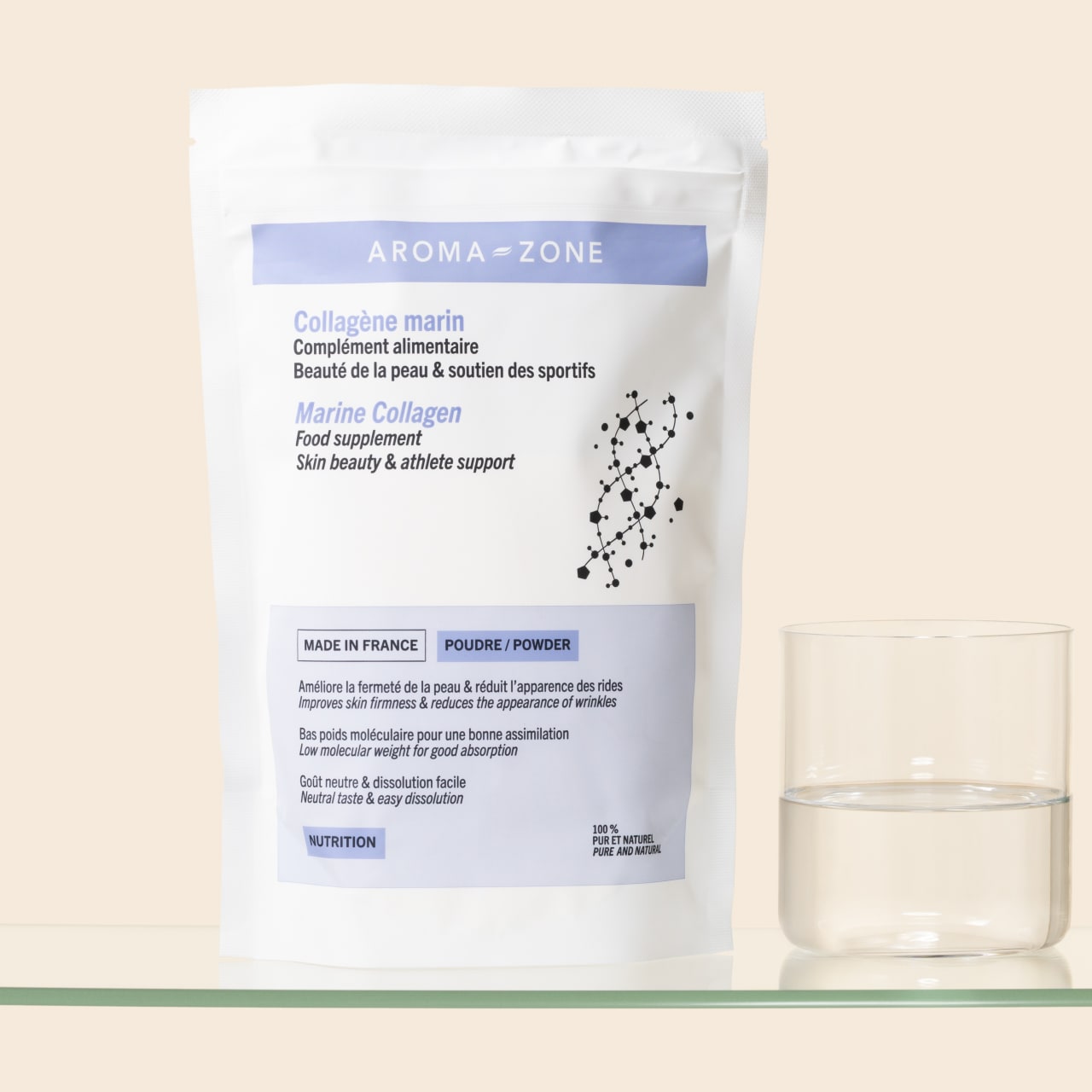
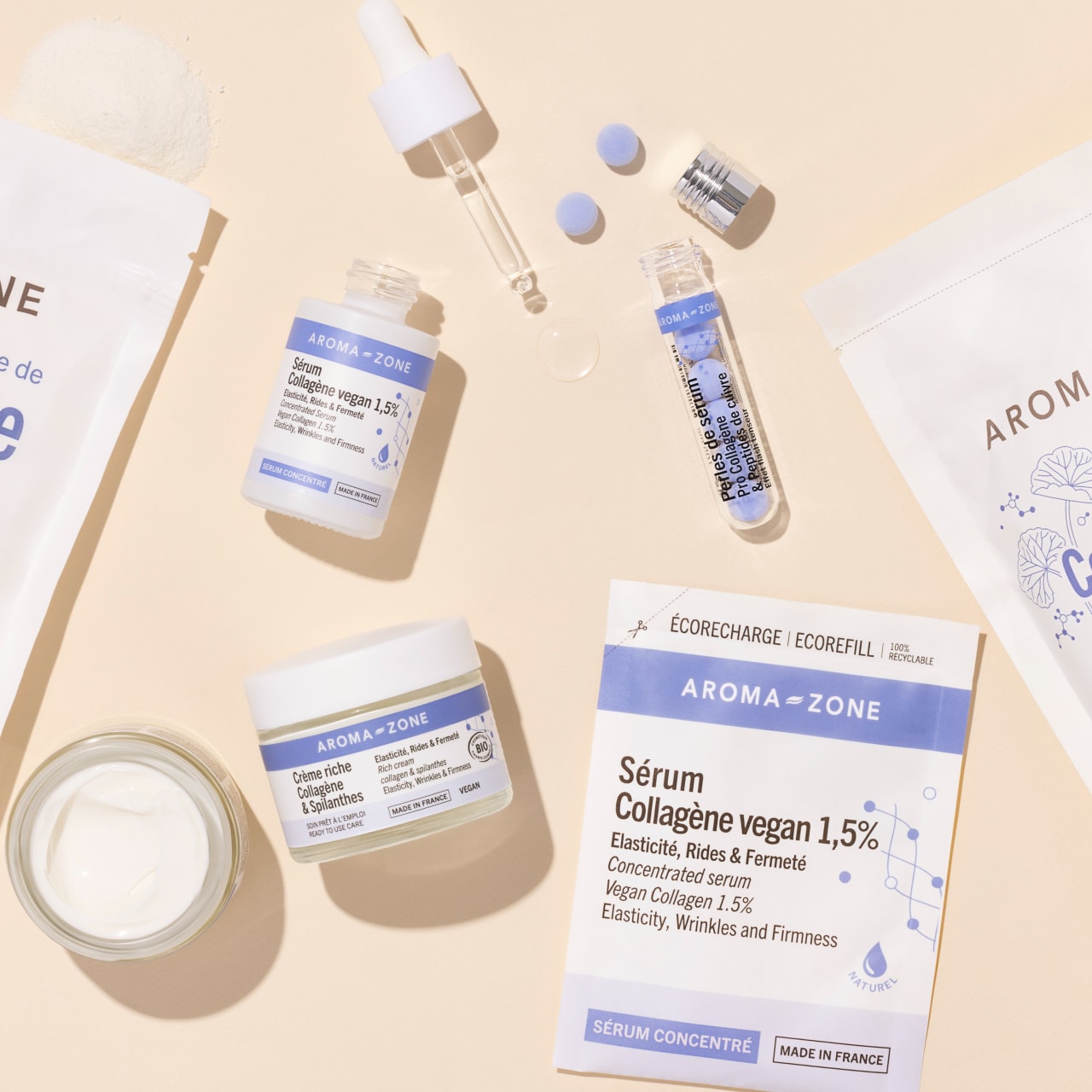
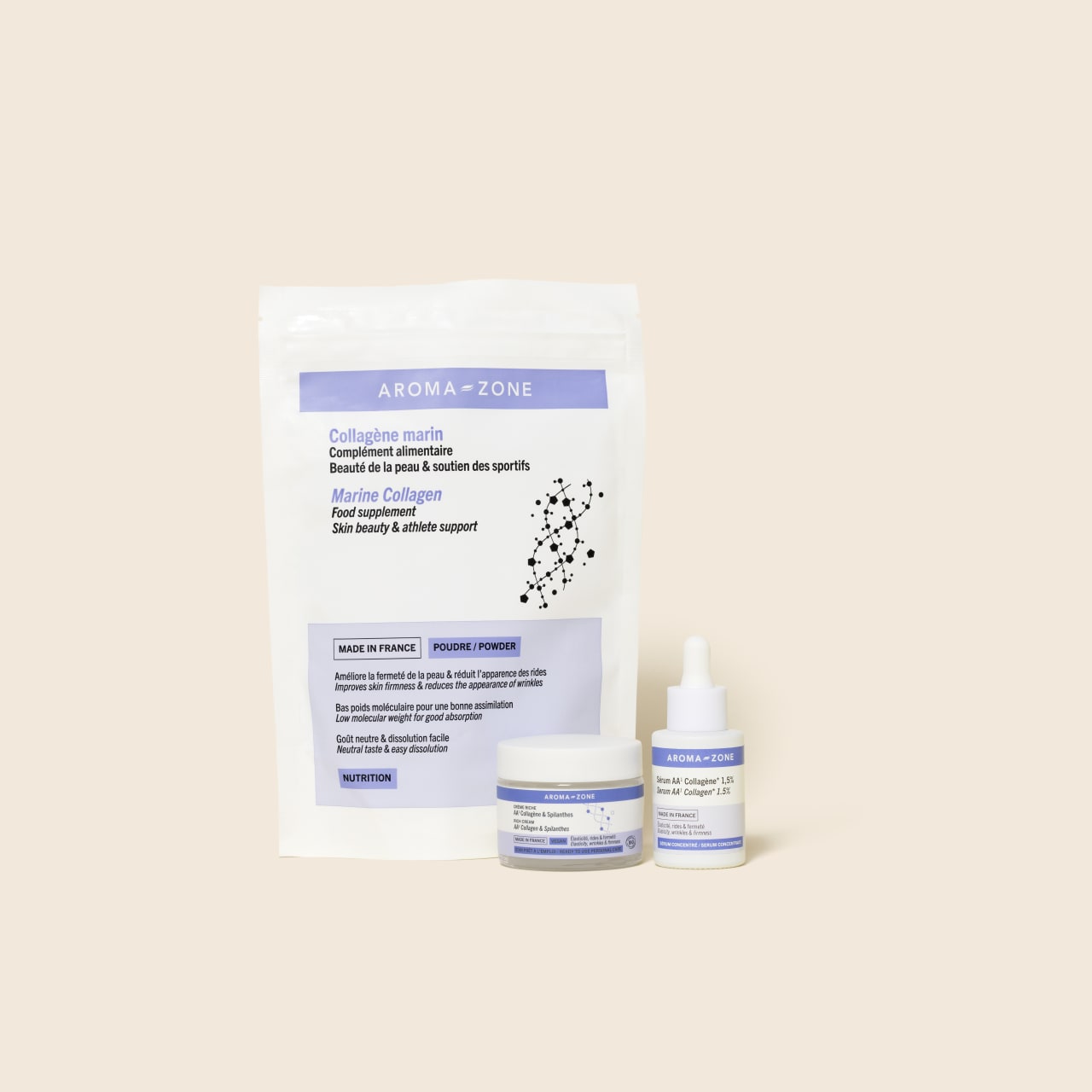
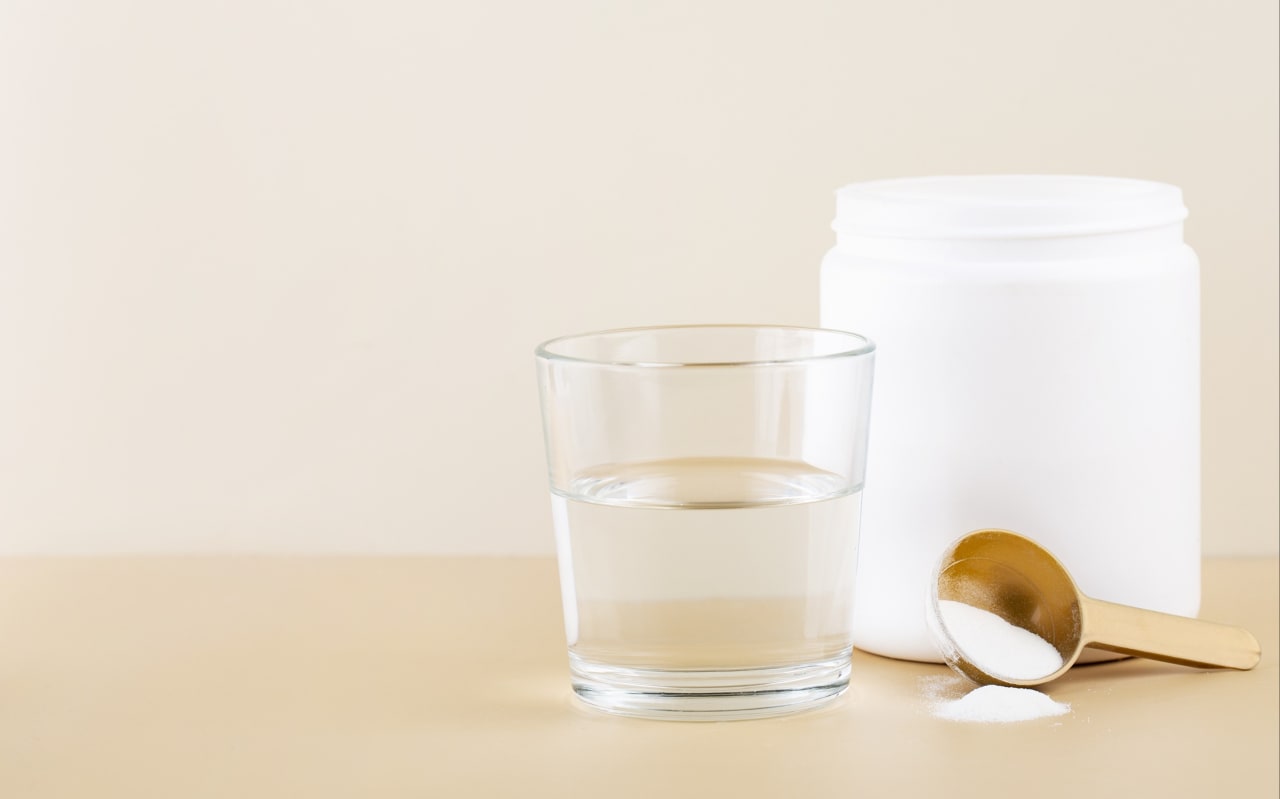
Marine collagen is available in powder form, such as Aroma-Zone marine collagen powder, or in capsule form.

What distinguishes marine collagen from other types of collagen?

There are other types of collagen, such as bovine collagen in food supplement form. This was available commercially before marine collagen. The first difference between them is their origin. Marine collagen is obtained from the skin, bones and scales of fish, while bovine collagen comes from the bones and skin of animals (cows, bison or buffalo). One comes from the sea, the other from the land.

  • Marine collagen is thought to increase types I and II of this protein in the body, which are beneficial for healthy skin and cartilage.

  • Bovine collagen is thought to increase types I and III of the protein, which are beneficial for preventing wrinkles, promoting elasticity and increasing skin hydration. Benefits for joints have also been observed.

Advertisements often claim that marine collagen is more easily assimilated, but the body's ability to assimilate collagen does not depend on its origin.

What is essential is that the collagen is hydrolysed (the process of 'cutting' the large collagen molecule into smaller peptides) so that the body can digest it. It is therefore important to monitor the degree of hydrolysis, measured by the average molecular weight of collagen peptides. With a low molecular weight of 2000 Da, Aroma-Zone marine collagen is particularly well assimilated by the body.

What are the side effects of marine collagen?

Generally speaking, there are few contraindications to collagen supplementation, and marine collagen in particular. If there is an excess of collagen, the body eliminates the surplus.

The main risks of marine collagen supplements could come from the quality and origin of the supplement chosen. Always carefully check the origin of the collagen in your product. Always opt for collagen supplements that give you maximum guarantees of sustainable, ethical and eco-friendly production methods. If it's marine collagen, you can avoid a high concentration of heavy metals by choosing collagen from sustainable and responsible aquaculture.

However, as with any food supplement, it is essential to follow the recommended quantities to avoid any risk of overdosing, and to guarantee the quality and traceability of your collagen, in compliance with European regulations. You should also remember that only adults in good health should use food supplements. If you have any kind of health condition, you should always consult your doctor before taking any supplements.

Let's now look at the main questions that often arise about the collagen consumption.

Are you likely to gain weight?

Collagen is not fattening. The protein intake generated by collagen peptide supplementation is beneficial to muscle mass gain at the expense of fat mass, as part of regular, moderate to intense sports activities. As part of a healthy lifestyle, with a balanced diet and regular exercise, marine collagen can promote lean muscle mass and help you maintain a healthy weight.

The proteins contained in collagen can also help you feel full and prevent cravings.

Are there any possible side effects on the liver?

Taking collagen peptides will not harm the liver if the recommended daily doses are respected (maximum 2.5 to 10 g per day). Often, when people talk about the danger to the liver from collagen consumption, it's due to an excessive concentration of heavy metals. In fact, some fish can have high concentrations of heavy metals caused by human pollution of the oceans. Always check the manufacturer's information on this subject. As far as regards Aroma-Zone marine collagen powder, we have chosen premium quality collagen peptides from fish skins raised in responsible and sustainable Friend of the Sea certified aquaculture. Each batch is checked for compliance, particularly with regard to heavy metals.

Allergic reactions

If you are allergic to seafood, you are not advised to take marine collagen supplements.

If you feel unwell, itchy or have difficulty breathing, this may be an allergic reaction. Contact emergency services immediately and stop taking the supplement.

What are the disadvantages of taking marine collagen?

Rare cases of bloating, constipation, gastric acidity or diarrhoea have been reported, but these are very rare. If you notice any undesirable effects when taking collagen as a powder or in capsules, stop taking the supplement and talk to your health professional.

Precautions when taking marine collagen

  • Collagen is for adults only and there is no point in taking a collagen supplement before the age of 25.

  • If you are pregnant or breastfeeding, do not take any food supplements without first consulting your doctor or midwife.

  • If you have renal insufficiency or hypercalcaemia, collagen supplements are not recommended without medical advice.

  • Food supplements are no substitute for a healthy, varied diet and a healthy lifestyle.

  • Always respect the recommended daily dose.

Expert advice

To optimise collagen absorption, it may be a good idea to consume it on an empty stomach. It may also be beneficial to combine it with other active ingredients such as hyaluronic acid, which helps maintain skin hydration, to maximise its effects.

Find out more

Can collagen be taken during pregnancy?

There are no contraindications to taking marine collagen at the recommended doses during pregnancy and breastfeeding. However, before taking any supplements it is advisable to seek medical advice.

Can collagen be given to children?

No, this food supplement is for adults only. Anyway, there is no real point in taking collagen before the age of 20 to 25, as this is the period when collagen reserves diminish.

Is it a good idea to take collagen every day?

There are no contraindications to taking collagen every day, as part of a healthy lifestyle and varied diet. For daily use, we recommend a dose of 5 g per day. Generally speaking, it's a good idea to alternate between food supplements to vary the benefits for your body. We also suggest that you take breaks of between 10 days to one month between two courses of food supplements, depending on your body's needs and how you feel.

Spotlight on our Naturopathic editor, Lucie Granjon

Passionate about plants and their properties, she started her career as a perfumer before moving to the world of natural beauty and aromatherapy over 10 years ago. Lucie supports ethical and committed brands with strategy development, product formulation and expert advice for their customers. She has worked with the Aroma-Zone team on several books, including "Le grand guide de l'Aromathérapie et des cosmétiques naturels" ("The Complete Guide to Aromatherapy and Natural Cosmetics"). She also has years of training in aromatherapy, herbalism and essential oil distillation, and supports the work of French plant growers.

Bibliography

1

Extracellular matrix and vascular ageing, Med Sci (Paris) 22 (3) 273-278 (2006), DOI: 10.1051/medsci/2006223273

2

Marie-Paule Jacob The Effectiveness of Oral Fish Collagen Supplementation on Skin Aging

A Systematic Review and Meta-analysis of Skin Hydration, Skin Elasticity, and Skin Wrinkles. American Journal of Dermatological Research and Reviews, 2023, 6:57

3

Imelda Gunawan, Retno Indar Widayati, Puguh Riyanto, Asih Budiastuti, Diah Adriani Malik, Muslimin, Widyawati, and Suhartono.

4

An Overview of the Beneficial Effects of Hydrolysed Collagen as a Nutraceutical on Skin Properties

Scientific Background and Clinical Studies, The Open Nutraceuticals Journal, 2015, 8, 29-42.

5

Sara Sibilla, Martin Godfrey, Sarah Brewer, Anil Budh-Raja and Licia Genovese

Collagen degradation in aged/photodamaged skin in vivo and after exposure to matrix metalloproteinase-1 in vitro. J Invest Dermatol. 2003