
This fibrous protein is found in connective tissues such as bones, skin, tendons, cartilage and ligaments. It plays a part in their development. However, from the age of 25 onwards, the synthesis of collagen fibres decreases and from the age of 50 onwards, stocks fall completely. Other factors, such as smoking, alcohol consumption, foods rich in refined sugars, lack of sleep and UV rays, accelerate the body's decline in collagen. A deficiency can have repercussions on the skin, bones, nails and hair.
Marine collagen and plant collagen: what's the difference?
Published on: Tuesday, January 02, 2024, Updated on: Wednesday, September 30, 2026
Collagen is a protein produced by the body that has numerous benefits for the skin and health. In particular, it helps maintain skin elasticity and nail strength, contributes to hair growth and helps strengthen the bones. However, the body produces less of it over time, which is why marine or plant collagen supplements are necessary. Let's explore the differences between the two.
Contents
Related products

£5.00
10 ml
2 options
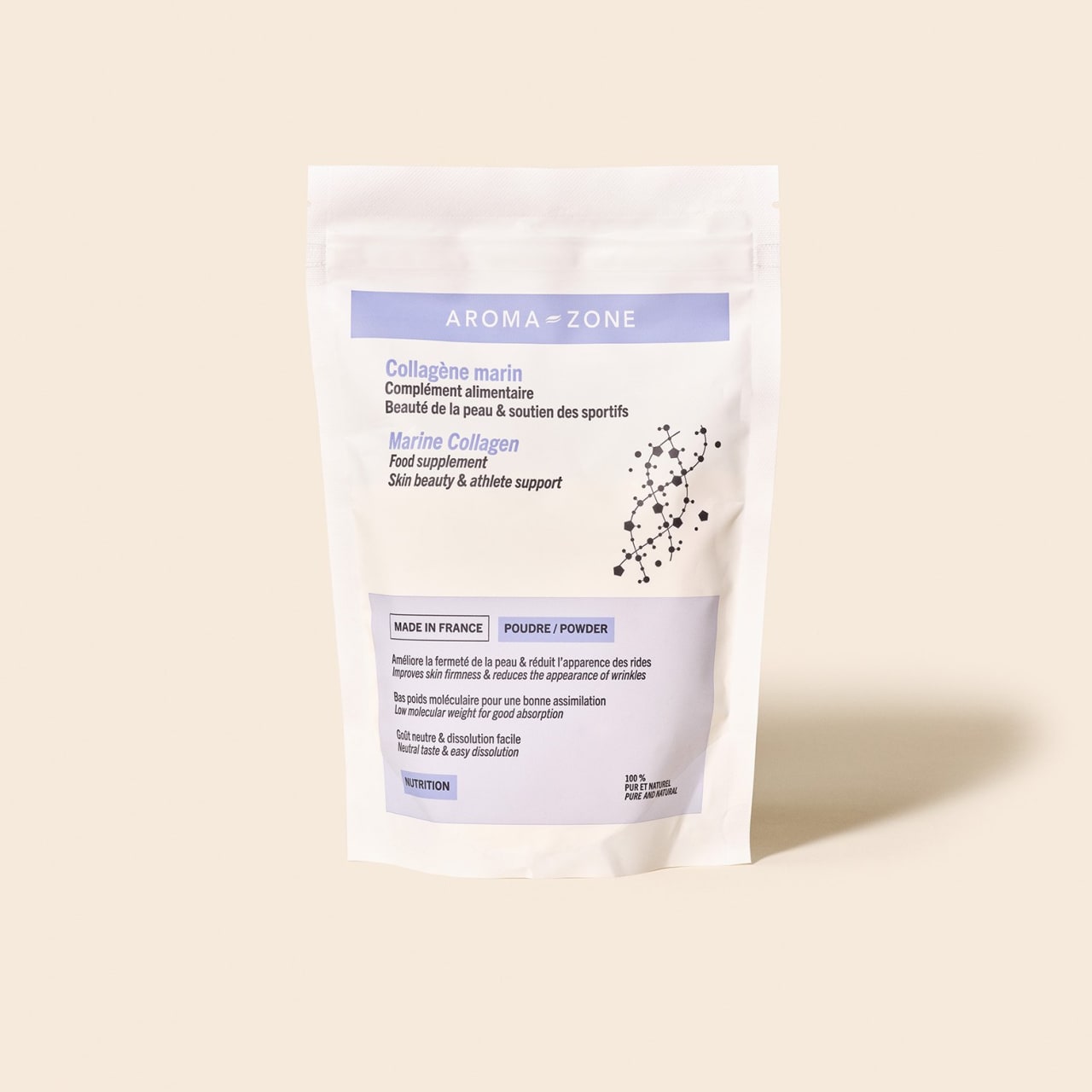
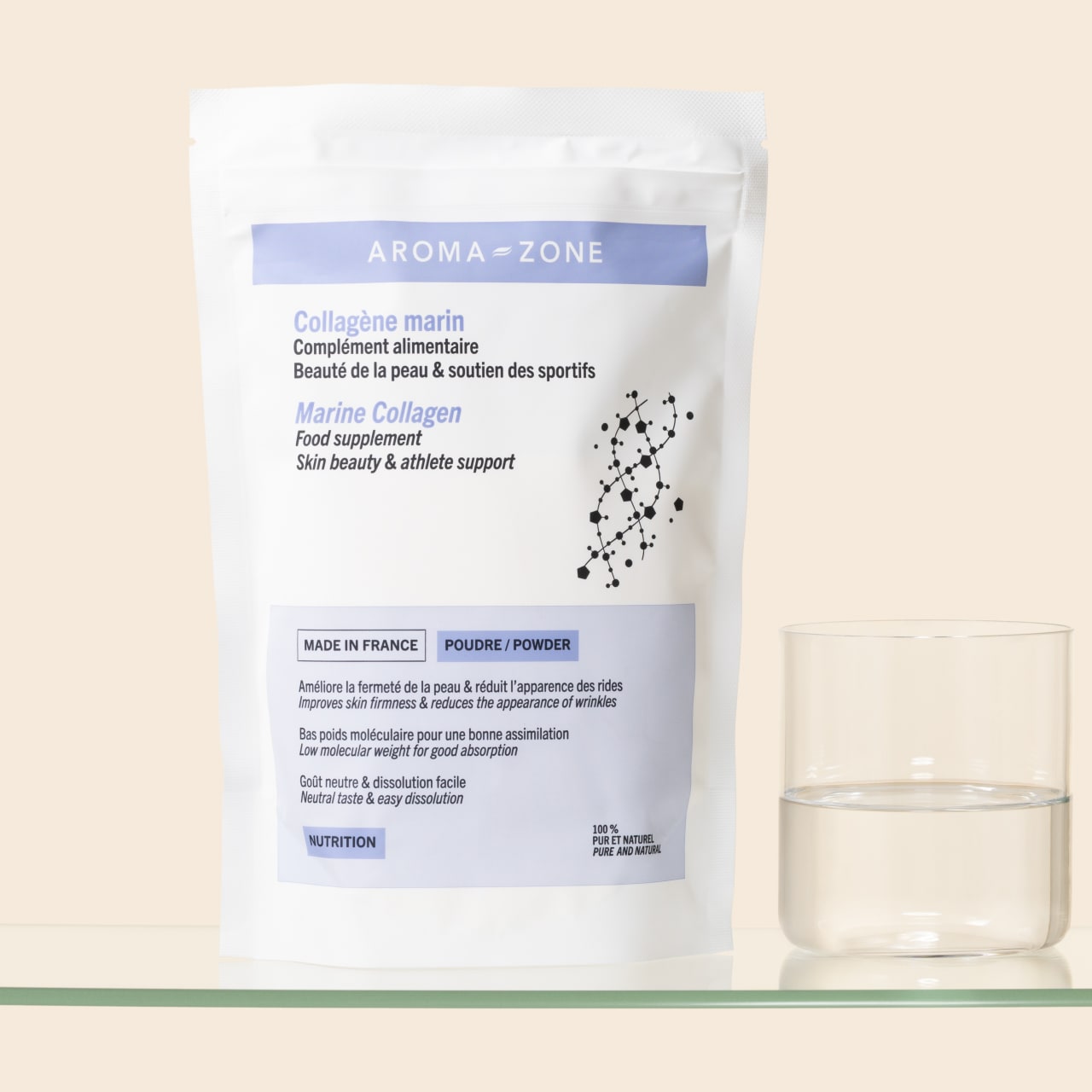
Marine Collagen
Firming
Sport
£22.00
250 g
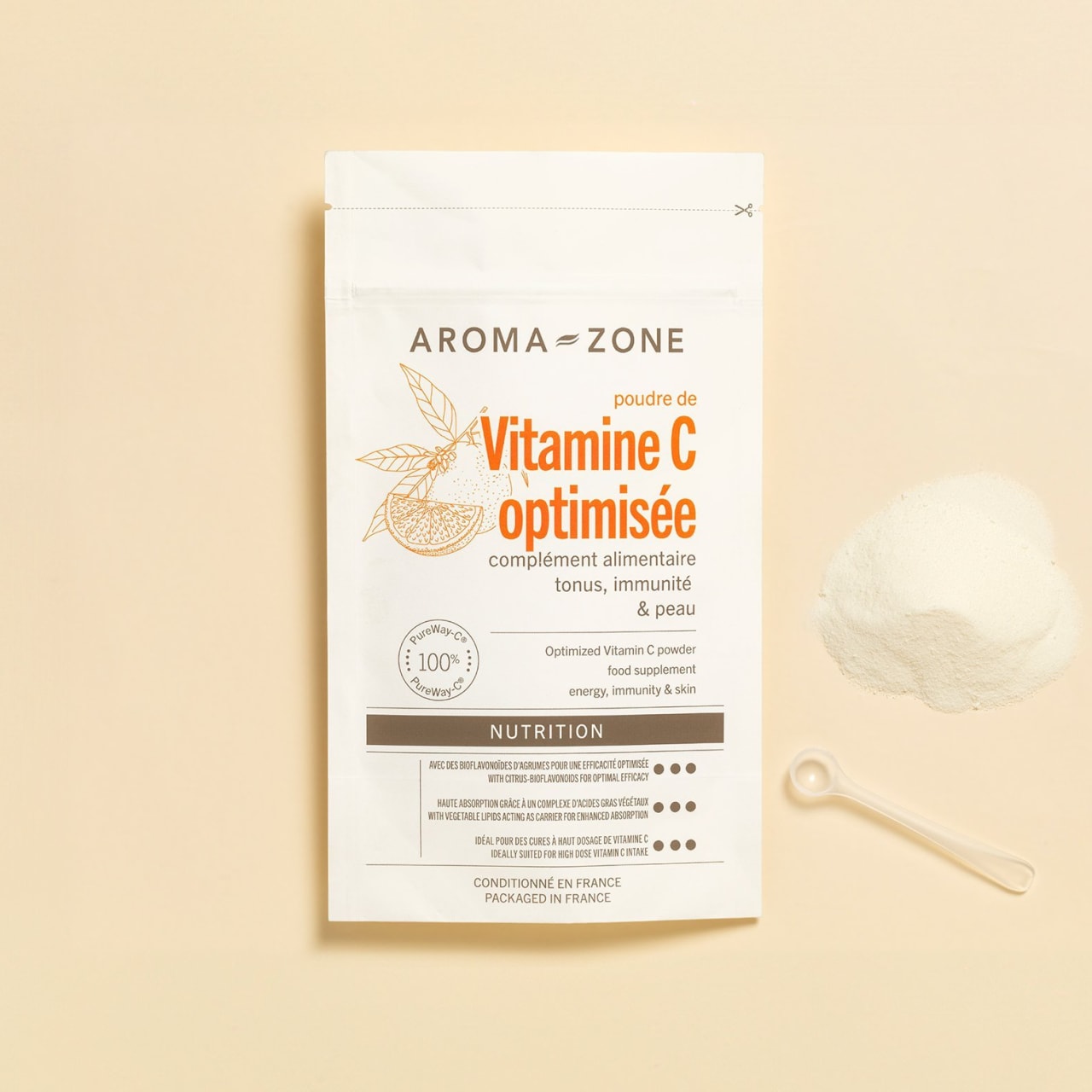
Optimised Vitamin C Powder
Vitality
£16.00
150 g
Why take collagen?
The effects of collagen
Improves skin elasticity and firmness
It forms an important part of the skin's connective tissue, providing a support structure. It acts in tandem with elastin to give the skin its elasticity. When collagen production decreases, the skin can lose its elasticity, which can lead to the appearance of fine lines and wrinkles. At the same time, it helps to keep the skin firm, as it acts like armour. It prevents sagging.
Enabling the skin to heal
Collagen is a crucial protein in the healing process. It plays an active role in creating a scar to replace damaged tissue, and is fundamental in the resilience and structural integrity of the new tissue formation.
Contributes to joint mobility
It maintains the structure and integrity of joints, promoting flexibility and mobility. However, with ageing or after an injury, collagen degradation can lead to reduced joint flexibility, loss of mobility and joint problems.
Strengthens nails and hair
Collagen can promote hair growth by providing a support structure for hair follicles and helping to maintain elasticity. It also promotes nail growth and helps to reduce their fragility, by strengthening the collagen matrix that maintains nail strength and resilience.
What is the difference between plant collagen and marine collagen?
Marine collagen
Marine collagen is made from fish by-products like scales, bones and skin. The great advantage of this product is that it is sustainable, since it is made from by-products that are recycled. Its structure is similar to human collagen. It is highly concentrated in amino acids such as glycine, hydroxyproline and proline. It helps to plump, firm and smooth the skin. It also contains proteins that help build muscle mass. Marine collagen is hydrolysed into collagen peptides, separating the peptides to make it more dual-purpose. This is why it is easily absorbed by the body. What's more, it increases types I and II of this protein in the body, which has an effect on skin and cartilage.
What is plant collagen?
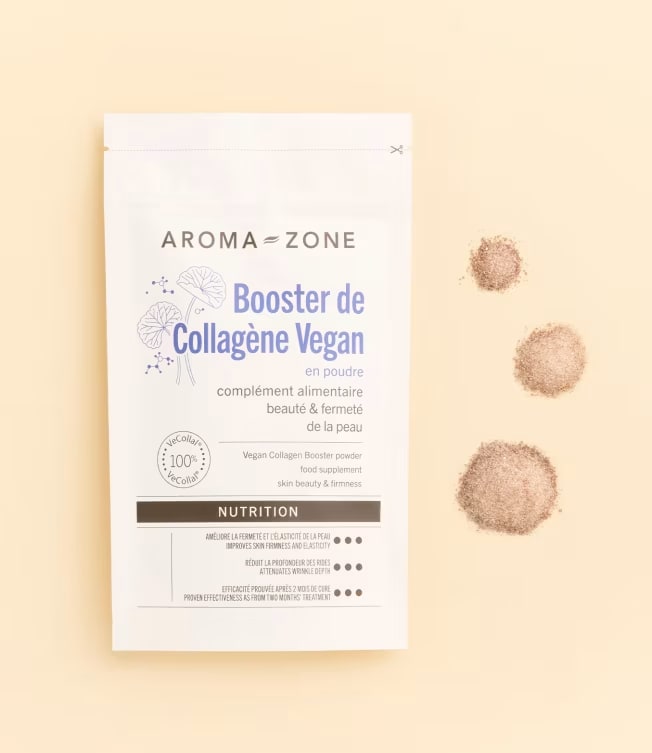
Strictly speaking, there is no such thing as plant collagen, since collagen comes only from animals. However, laboratories are developing plant-based supplements made up of amino acids, peptides and vitamin C, vitamin B9 and vitamin B12. This will encourage the body to produce collagen.
What is the most effective collagen?
Why is marine collagen better?
Marine collagen is better known than bovine – or plant – collagen because it is more effective. In fact, research shows that it is better absorbed by the body, since its structure is similar to human collagen. What's more, it stays in the body longer.
Marine or bovine collagen?
Another collagen that is often popular is bovine collagen. It is produced from the skin and bones of cattle. The big difference with marine collagen - apart from its lasting impact - is that it increases types I and III of the protein, which has an effect on wrinkles, skin elasticity and hydration, as well as on joints. Marine collagen, on the other hand, acts on types I and II of collagen in the body. It is very beneficial for healthy skin and cartilage.
How do I choose the right collagen?
The choice of collagen type depends on a number of factors: firstly, your diet, but also the type of collagen. Types I, II and III are the most common. Type I is frequently used for skin, hair and nail health, type II is often associated with joint health, while type III is also linked to the skin. Choose a supplement according to your specific needs. Collagen supplements are available in a variety of forms, including powders, capsules, tablets and drinks. Choose a form that suits your lifestyle and personal preferences. Powders can be mixed with drinks or food, while capsules may be more convenient for some.
Vegan or vegetarian collagen
If you're vegetarian or vegan, you'll want to look for food supplements with plant-based formulas. Vegetarian collagen is the best choice. If, on the other hand, you eat meat or fish, you may want to consider collagen of animal origin. Bovine collagen, made from cow bones more especially, or marine collagen, often derived from sustainable fishing, are forms that will suit you.

Spotlight On Our Writer: Lauréna Valette

Lauréna is a journalist specialising in lifestyle, wellness, and psychology. Between writing articles, she travels around the world, discovering what it has to teach us.
Bibliography
Inhibition of enzymes involved in collagen cross-linking reduces vascular smooth muscle cell calcification
https://faseb.onlinelibrary.wiley.com/doi/abs/10.1096/fj.201700653R
Collagen: what is it and what are its health benefits?
https://www.naturopathiccurrents.com/sites/default/files/Collagen%E2%80%94What%20Is%20It%20and%20What%20Are%20the%20Health%20Benefits%20FRANCAIS_0.pdf
Analysis of the primary structure of collagen for the origins of molecular packing
https://www.sciencedirect.com/science/article/abs/pii/0022283673902751

Associated recipes
Associated tips
Nutrition tips
Nutrition tips
Nutrition tips


