The benefits of marine collagen

Naturally present in our bodies, collagen is responsible for the plump, fleshy appearance of our epidermis. It is to this fibrous protein that we owe the firmness and elasticity of our skin. Over the years, the proportion of collagen in our bodies decreases drastically. The skin loses density, the oval of the face changes and wrinkles appear. To help the skin age properly, marine collagen is one of the forms of collagen most easily assimilated by the body. Let's find out what marine collagen is, its benefits for the skin and well-being and how to carry out a marine collagen cure.

Reading time: 0 min.

What is marine collagen?

First of all, you need to know that there is no such thing as plant collagen. When you read this name on a product, it acts to boost the synthesis of collagen naturally present in your body, but does not provide collagen as such. All sources of collagen are animal-based. They may come from bovine or marine sources. Collagen is also found in bone broths recommended by naturopaths. These broths can be made from cattle or chicken bones.

Marine collagen, on the other hand, is usually derived from a virtuous process that consists of 'up-cycling' or reusing 'by-products' from fishing, such as scales, skin and cartilage from fish and shellfish. To make it easier for the body to assimilate this collagen, it is hydrolysed into collagen peptides. This form of hydrolysed collagen makes it more bio-available to the body thanks to its low molecular weight.

Marine collagen is highly concentrated in the amino acids proline, glycine and hydroxyproline. It is reputed to plump, firm and smooth the skin, while reducing the appearance of deep wrinkles. Ideal as an anti-ageing active ingredient, it delays skin ageing. Marine collagen is available in powder or capsule form. To mask its sometimes iodised taste, it is often accompanied by natural fruit or vegetable flavours, making it easier to take orally.

Sources of marine collagen

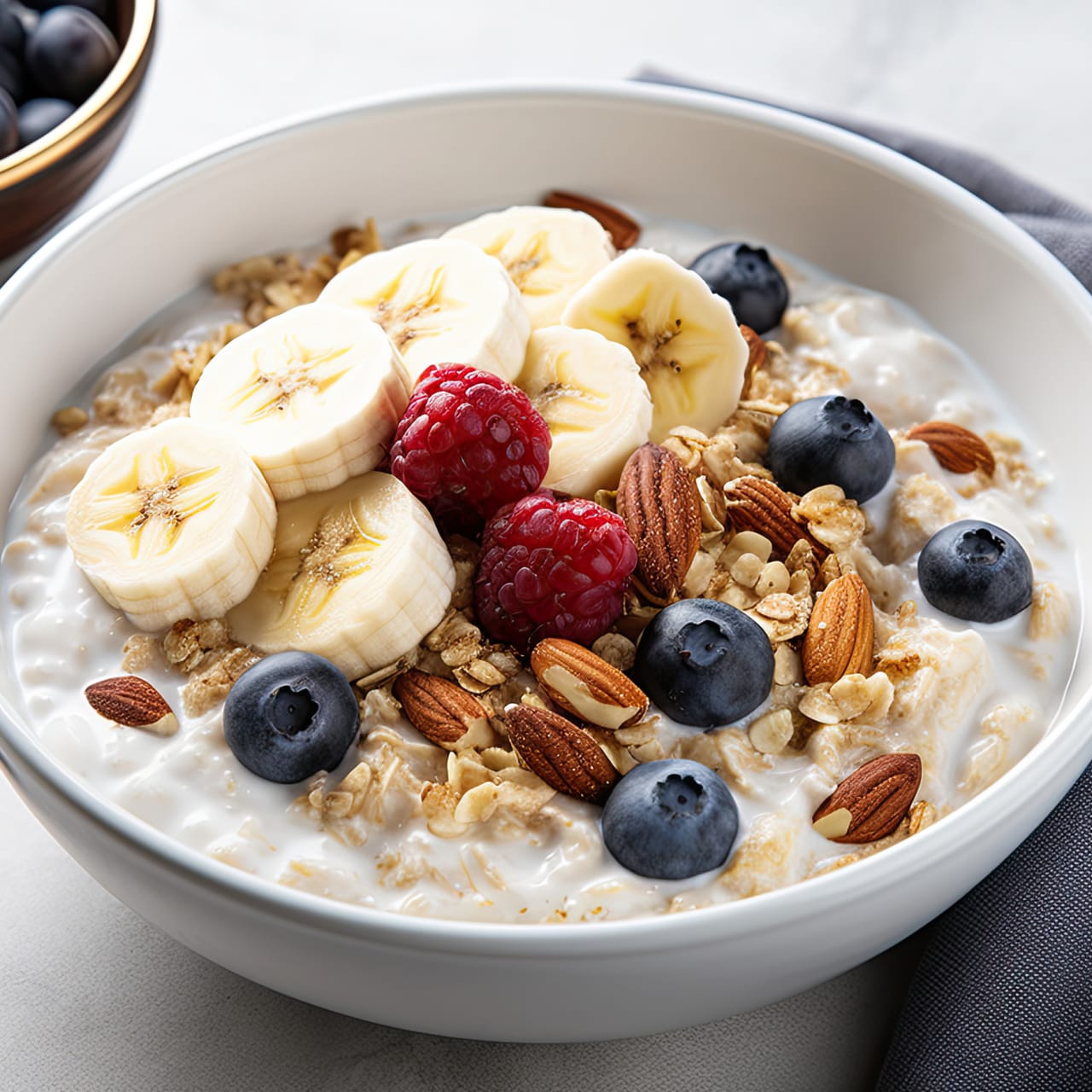
Collagen is a protein naturally present in our tissues, containing 19 different amino acids. To naturally stimulate collagen production and promote its synthesis, choose a diet rich in vitamin C, zinc and sulphur, all three of which are cofactors in collagen production.

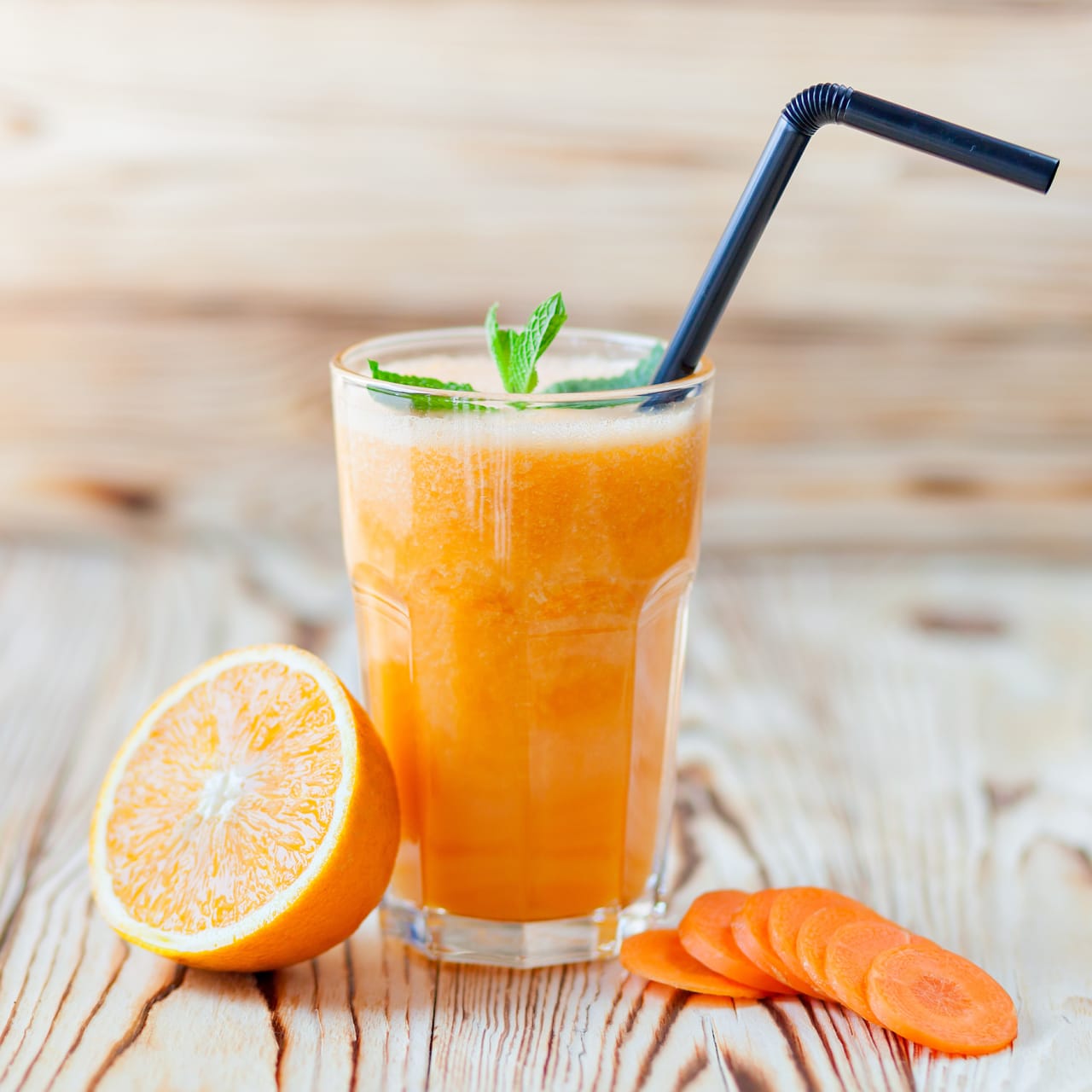
  • Foods rich in vitamin C: peppers, kiwi fruit, sprouted seeds, citrus fruit, parsley, red fruit and berries.

  • Zinc-rich foods: shellfish and seafood (including oysters), salmon, wholemeal bread, nuts and oilseeds, pulses.

  • Sulphur-rich foods: broccoli, kale, lentils, walnuts, fresh garlic, onions, almonds, cooked egg yolk…

Cod is also interesting for its high lysine content, which is involved in collagen synthesis.

The best sources of marine collagen are the skin and scales of fish and the shells of certain crustaceans, which can be cooked in stews and broths.

To reinforce the benefits of a diet conducive to collagen synthesis, you can follow a course of treatment with a marine collagen food supplement.

Properties and benefits of marine collagen

Supplementing with marine collagen, as part of a healthy lifestyle and balanced diet, helps to compensate in part for the natural loss of collagen. It slows down its reduction, prevents its degradation and stimulates collagen synthesis. No food supplement can prevent ageing (which is a normal process!), but collagen food supplements canhelp tosupport these processes, so that we age beautifully, improve skin elasticity, and contribute to strong hair and more supple joints (depending on the type of collagen chosen).


Marine collagen: the best collagen?

Marine collagen is reputed to be one of the most easily assimilated by our bodies, due to its structure and amino acid composition, which is close to that of human collagen. Marine collagen acts in the same way as type I and II collagen in the human body.


Skin benefits of a marine collagen treatment

Several clinical studies show that marine collagen supplements can help increase skin elasticity and hydrationpromote wound healing and slow skin ageing in the short term.

During a marine collagen treatment, the collagen peptides act on the dermis and boost the body's natural collagen production by stimulating fibroblasts.

The main anti-ageing benefits of a marine collagen treatment :

  • plumper, smoother skin, with a firmer, plumper appearance

  • improved skin suppleness

  • improved skin elasticity

  • prevent wrinkles and fine lines

  • prevents loss of skin firmness

  • improved skin hydration

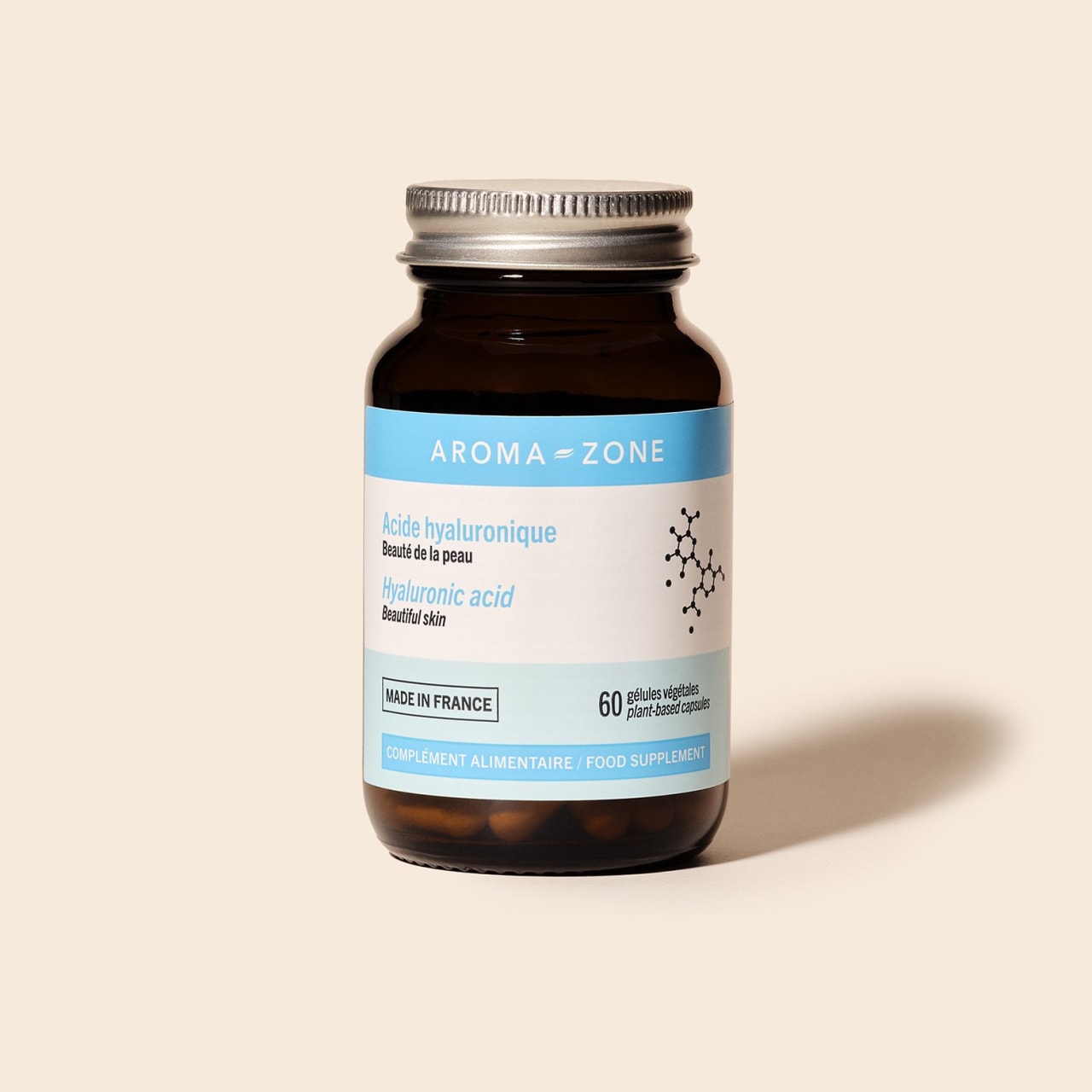
To potentiate these effects, it is also common to combine marine collagen supplementation with hyaluronic acid, a substance naturally present in the skin that contributes to its hydration and firmness. This combination can offer even more remarkable results in terms of preventing wrinkles and loss of skin firmness, as well as improving skin hydration.


The benefits of marine collagen for hair

A genuine anti-ageing treatment for the skin, collagen can help maintain a healthy scalp, which promotes healthy, strong, vigorous hair. What's more, collagen provides amino acids that can help synthesise keratin, so it could promote healthy hair growth. However, there are currently few studies on the effects of marine collagen on hair.

The benefits you can expect from a course of marine collagen to beautify your hair:

  • Strengthens hair resistance

  • Promotes hair growth

  • Promotes a well-moisturised scalp


Marine collagen for supple joints

Numerous studies suggest that supplementing with marine collagen is beneficial for relieving joint and tendon discomfort and improving joint mobility.

Thanks to its protein content of over 95%, collagen helps to increase muscle mass and maintain normal bone structure. Marine collagen is therefore an ideal food supplement for athletes. It supports the proper function of muscles, joints, tendons and cartilage, and helps reduce post-training discomfort.

Consumption of marine collagen

We saw above how a diet rich in sources of vitamin C, zinc and sulphur can naturally stimulate collagen synthesis. To reinforce the benefits of such a diet, you can opt for a marine collagen-based supplement, in particular by choosing organic collagen. In powder, capsule or drink form: it's up to you to choose according to your tastes, desires and lifestyle habits.


Marine collagen powder

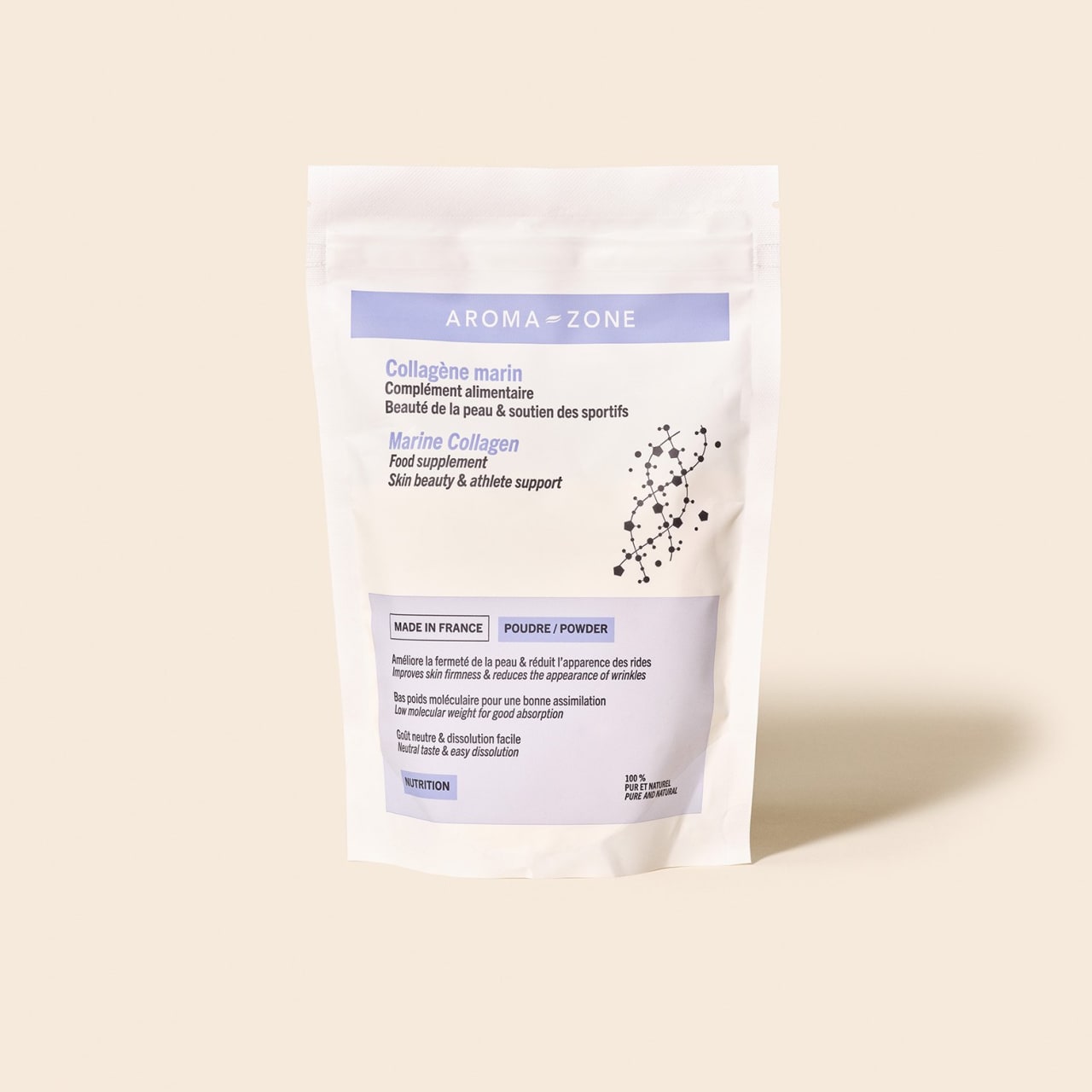
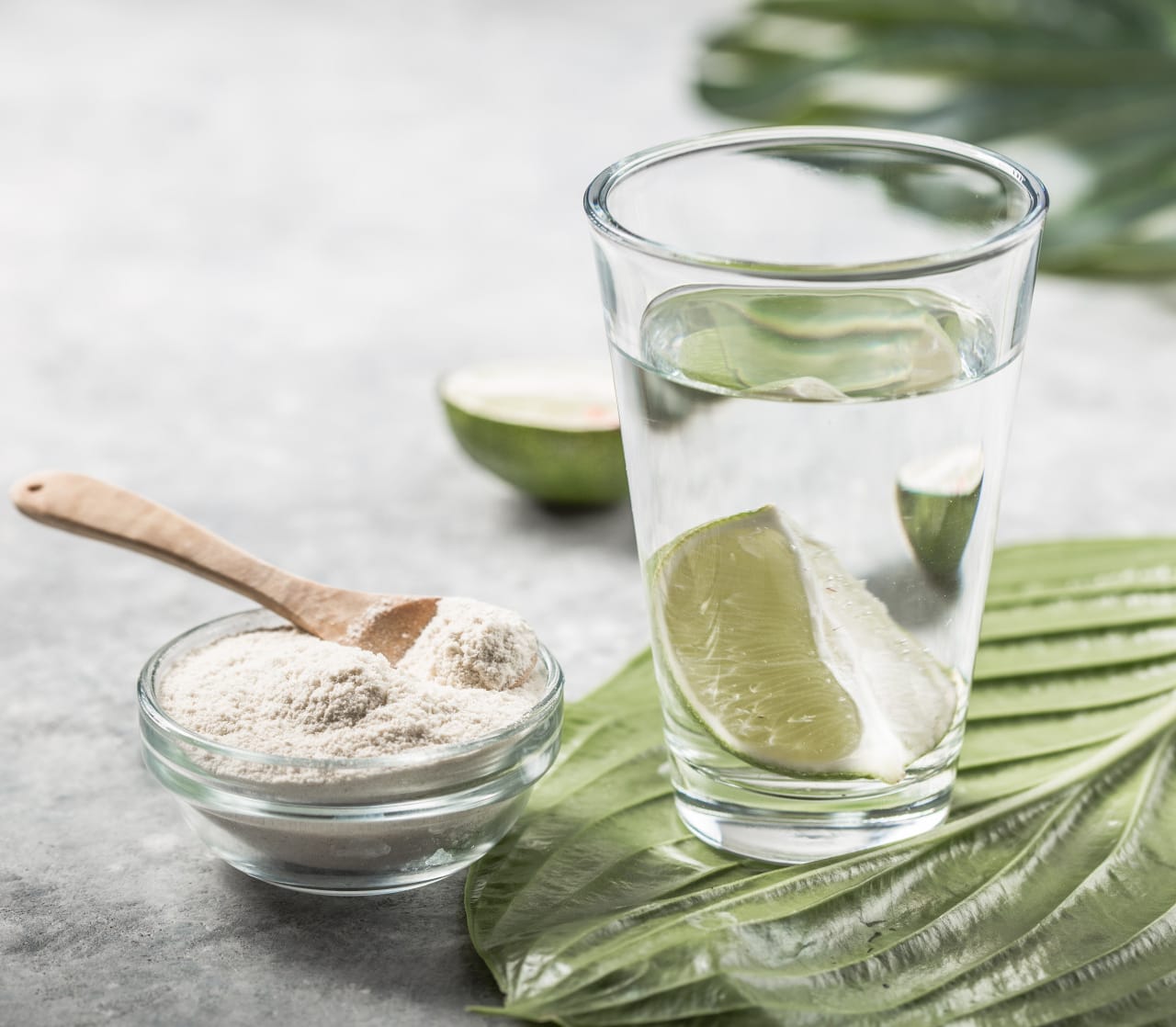
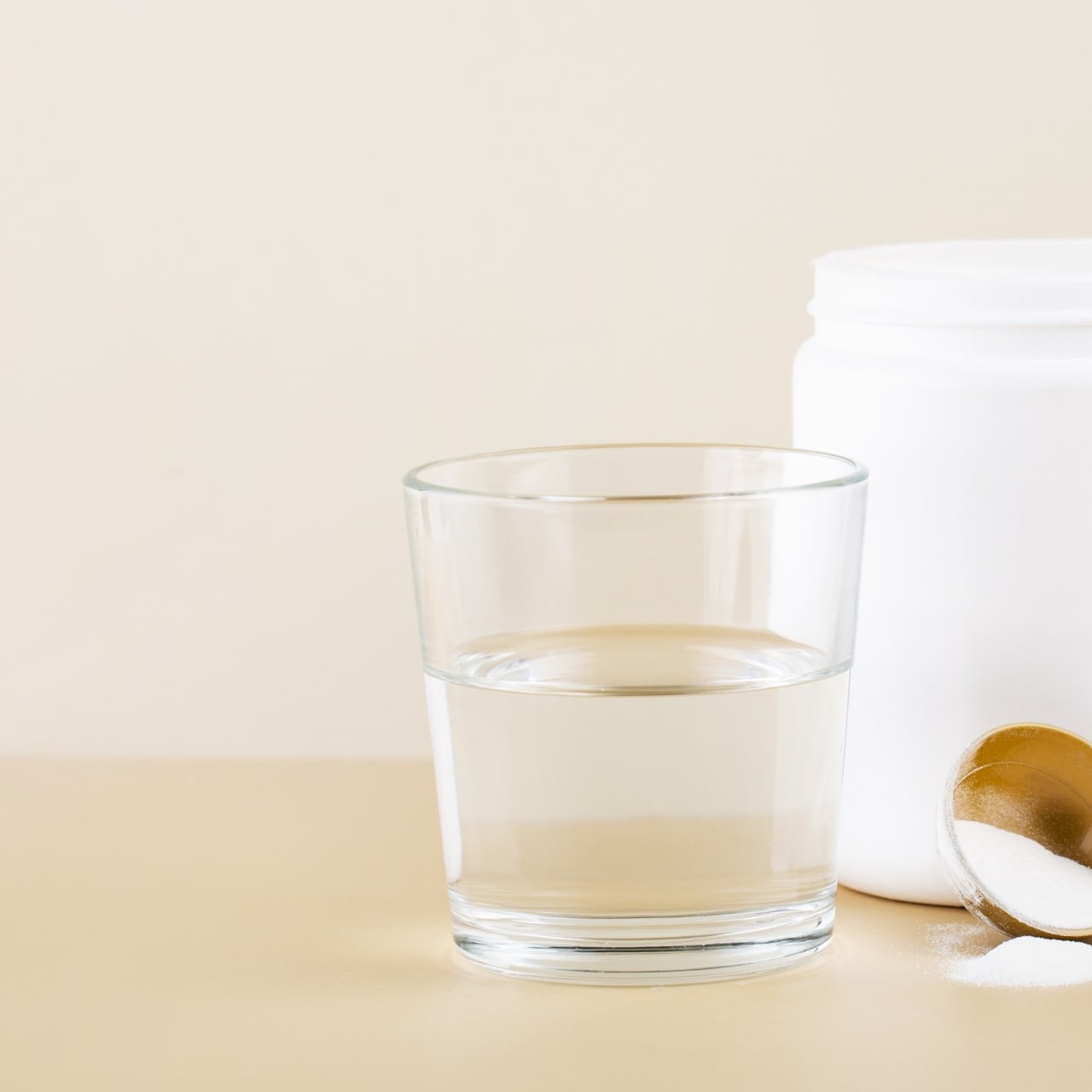
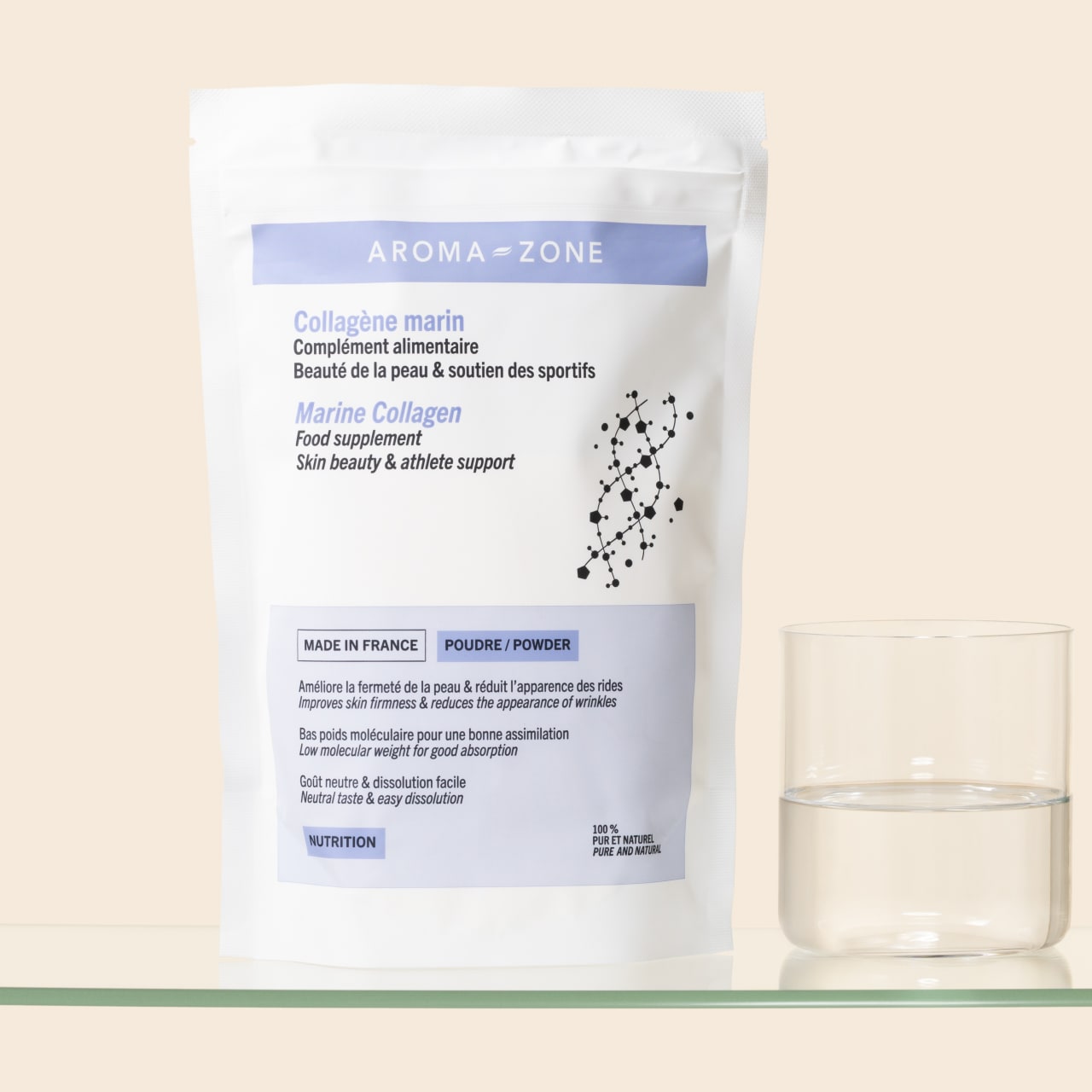
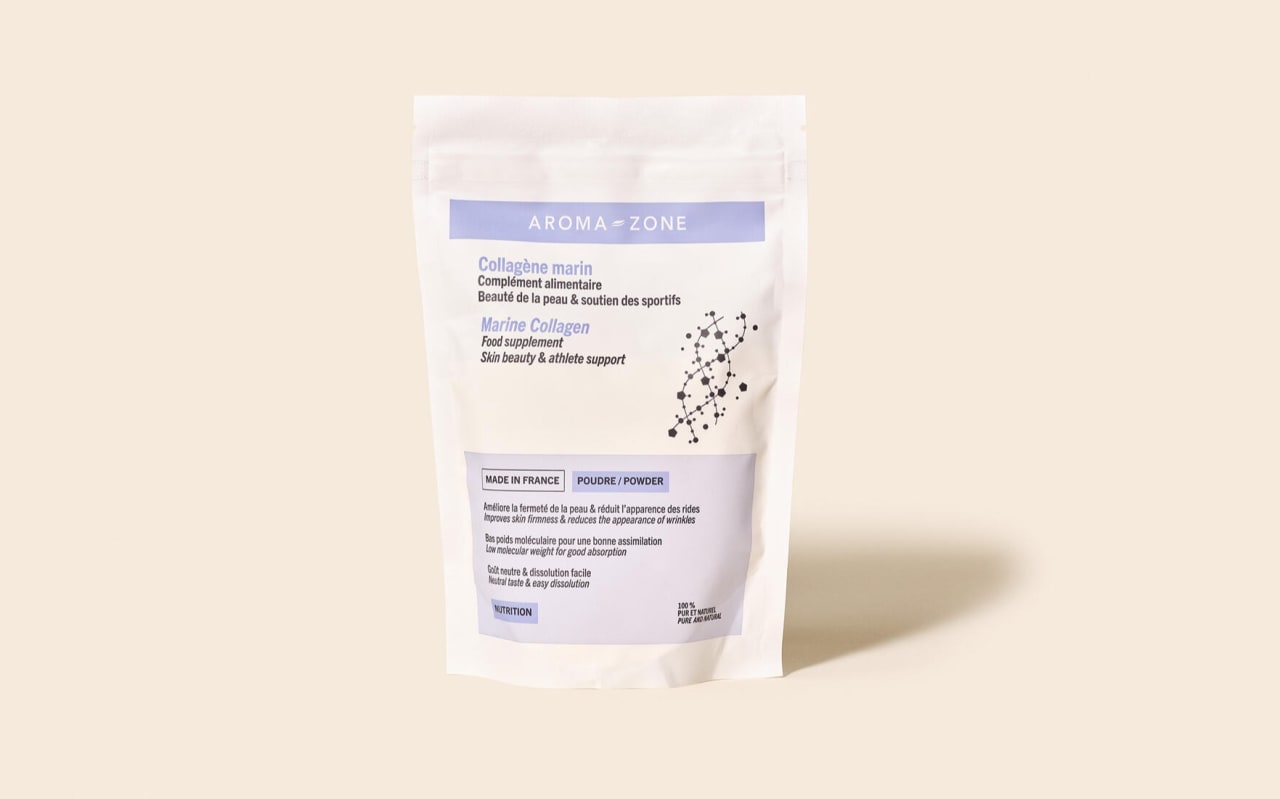
Collagen powders are made from collagen peptides of marine origin. The powder form ensures high bioavailability, optimal digestibility and absorption, and lends itself to a number of uses. It can be added to a smoothie, taken in the form of collagen sticks for infusion, or diluted in a juice, yoghurt, soup or simple glass of water. There are 100% pure collagen peptide powders, like the one from Aroma-Zone, or powders that combine collagen hydrolysate and dehydrated fruit or vegetable powders.

For marine collagen powder: the usual dosage is around 5 to 10 grams a day, diluted in a glass of water or fruit juice. It is advisable to follow the specific instructions on the product packaging or consult a health professional for personalised advice.


Marine collagen capsules

There are marine collagen food supplements in the form of encapsulated capsules. The shell of these capsules is most often of plant origin. In this form, the capsules can be swallowed with a large glass of water at mealtimes. Many of these capsules combine marine collagen with vitamin C, vitamin E and selenium.

For marine collagen capsules: the dosage generally varies between 2 and 6 capsules a day, to be taken with a glass of water, preferably before meals. Once again, it is important to refer to the manufacturer's specific recommendations or seek the advice of a health professional.


Marine collagen drink

Collagen stick drinks are available for a mobile collagen cure. These sticks come in a range of flavours, including vegetable broth, chocolate, Mocha and Matcha tea. The collagen drinks range also includes collagen-enriched fruit water drinks and liquid collagen cures in bottles, to be taken with a dosette.

Dosages may vary according to brand and formulation. It is advisable to follow the instructions on the product packaging or consult a specialist to determine the appropriate amount to consume per day.

Zoom on our Marine Collagen Food Supplement - 250 G

Marine collagen: precautions and contraindications

Generally speaking, there are few contraindications to collagen supplementation, and marine collagen in particular. If there is an excess of collagen, the body will eliminate it.

The main dangers of marine collagen supplementation could come from the quality and origin of the supplement chosen. Always pay attention to the origin of the collagen in your product. Its quality depends on how the animals are reared, where they come from and the manufacturing processes used. Always opt for collagen supplements that give you maximum guarantees of sustainable, ethical and ecological farming methods. In the case of marine collagen, to avoid a high concentration of heavy metals, choose collagen from sustainable and responsible aquaculture, as is the case with the Aroma-Zone marine collagen food supplement.

  • Marine collagen-based food supplements are not suitable before the age of 25 and are reserved for adults in good health.

  • If you are intolerant to seafood products, talk to your doctor before starting any marine collagen treatment.

  • A food supplement should never be used as a substitute for a varied, balanced diet and a healthy lifestyle.

  • Always follow the dosages recommended by the manufacturer of your product and do not exceed the recommended daily dose.

  • Collagen supplementation is not recommended in cases of kidney failure without medical advice.

  • Pregnant or breast-feeding women are advised to seek the advice of a health professional before taking any supplements.

Spotlight on our Naturopathic editor, Lucie Granjon

Passionate about plants and their properties, she started her career as a perfumer before moving to the world of natural beauty and aromatherapy over 10 years ago. Lucie supports ethical and committed brands with strategy development, product formulation and expert advice for their customers. She has worked with the Aroma-Zone team on several books, including "Le grand guide de l'Aromathérapie et des cosmétiques naturels" ("The Complete Guide to Aromatherapy and Natural Cosmetics"). She also has years of training in aromatherapy, herbalism and essential oil distillation, and supports the work of French plant growers.