
Collagen treatment: everything you need to know

Contrary to popular belief, collagen is not just for use in anti-ageing creams. In food supplement form, type I collagen has a proven track record for improving skin elasticity and firmness, confirmed by clinical studies. As a source of protein, collagen supplements are also very useful for athletes, to help build muscle mass. Benefits, type of collagen, daily dose, duration - we've got all the information you need to know before starting your collagen treatment.

Reading time: 0 min.

Why do a Collagen treatment?

Collagen is the most abundant protein in our bodies. It is found in the dermis, but also in cartilage, muscles and blood vessel walls. This large protein comes in the form of fibres formed from an assembly of tropocollagen molecules. To date, 27 types of collagen have been identified in our bodies, each with a different structure, size and function. Type I collagen is the most widespread in the human body, and is found in particular in the skin, tendons, bones and ligaments.

With age, the cells responsible for collagen synthesis (fibroblasts) slow down their activity. External environmental factors, such as UV exposure, consumption of refined sugar, lack of sleep, smoking, pollution and oxidative stress, can accelerate the breakdown of collagen proteins. They become brittle, altering the structure of the extra-cellular matrix. The result: wrinkles appear, the epidermis loses tone and the skin becomes thinner. Present in cartilage, collagen also plays an essential role in joint health and flexibility. When our collagen stocks dwindle, we often experience joint pain.

This is where taking Collagen as a supplement can be helpful.
How does marine collagen work in the body?

Collagen absorbed as a food supplement is not capable of replacing our own collagen in the skin, joints or tendons. It is digested and passes into the bloodstream in the form of oligopeptides (small peptides) which reach the skin and various tissues and stimulate both the mobility and proliferation of fibroblasts and the synthesis of collagen by our fibroblasts. The result is an increase in fibroblast density and collagen fibre density.

Want to find out more about the many benefits of collagen? Discover more with our experts via the replay of our webinar on collagen and its benefits.

What are the benefits of a Collagen treatment?

For the skin

Marine collagen is recognised for the following properties when taken orally as a course of treatment:

  • Helps maintain skin elasticity and firmness. Ideal for firming the skin and helping to redefine the facial contour.

  • It helps to reduce the appearance of wrinkles, smoothing fine lines and wrinkles.

  • It enhances the skin's beauty, improving radiance and the evenness of the complexion.

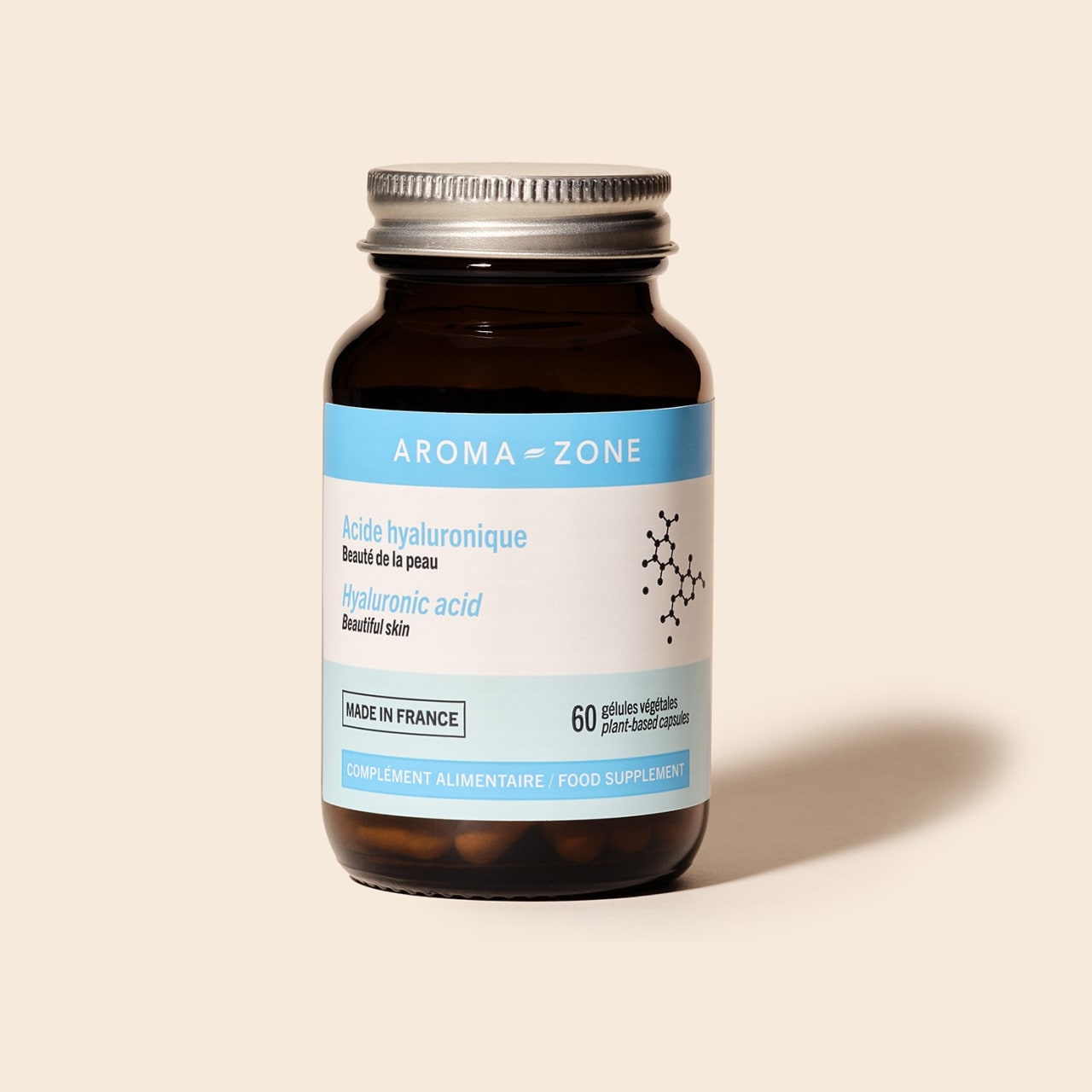
Did you know? You can optimise the effects of your beauty routine by combining Collagen and Hyaluronic Acid.


For the body

  • Marine collagen helps maintain normal bone density.

  • Rich in proteins that help increase muscle mass and maintain normal bone structure.

  • Numerous scientific studies suggest that marine collagen is useful for relieving joint discomfort, but to date no claim has been authorised for these effects.

When should I take a course of Collagen Peptides?

It may be a good idea to take Collagen from the age of 25 or 30 to preserve your skin's youthful appearance, or whenever you find yourself in conditions likely to hasten the appearance of the signs of ageing.

Over-exposure to pollution (particularly urban pollution), for example, is known to fuel oxidative stress. The harmful activity of free radicals is also fuelled by smoking, alcohol consumption and overly sweet foods. In summer, watch out for periods of excessive, unprotected exposure to the sun: UV rays destroy collagen and elastin fibres.

In this type of context, start by adopting a healthy lifestyle. You can then amplify your efforts with a food supplement.

How long does a course of collagen last?

Collagen supplementation is best considered over the long term. Clinical studies generally recommend a protocol of 2 to 6 months. A period of three months would already be effective in improving skin elasticity and beauty.

Marine collagen can be taken at any time of day. Regularity is important if food supplements are to be effective, so the ideal solution is to find a method of use that can be easily integrated into your daily routine, for example, in the morning with breakfast, or in your morning coffee, in your evening herbal tea, or even in a post-training drink for athletes.

The essentials for taking Collagen - inside & outside

Many specialists believe that the best Collagen treatment is a combination of an "inside" and "outside" approach. This means using two types of product: a cosmetic enriched with Collagen peptides and a food supplement containing hydrolysed Collagen, or collagen peptides (these two terms refer to low molecular weight collagen, for better assimilation).

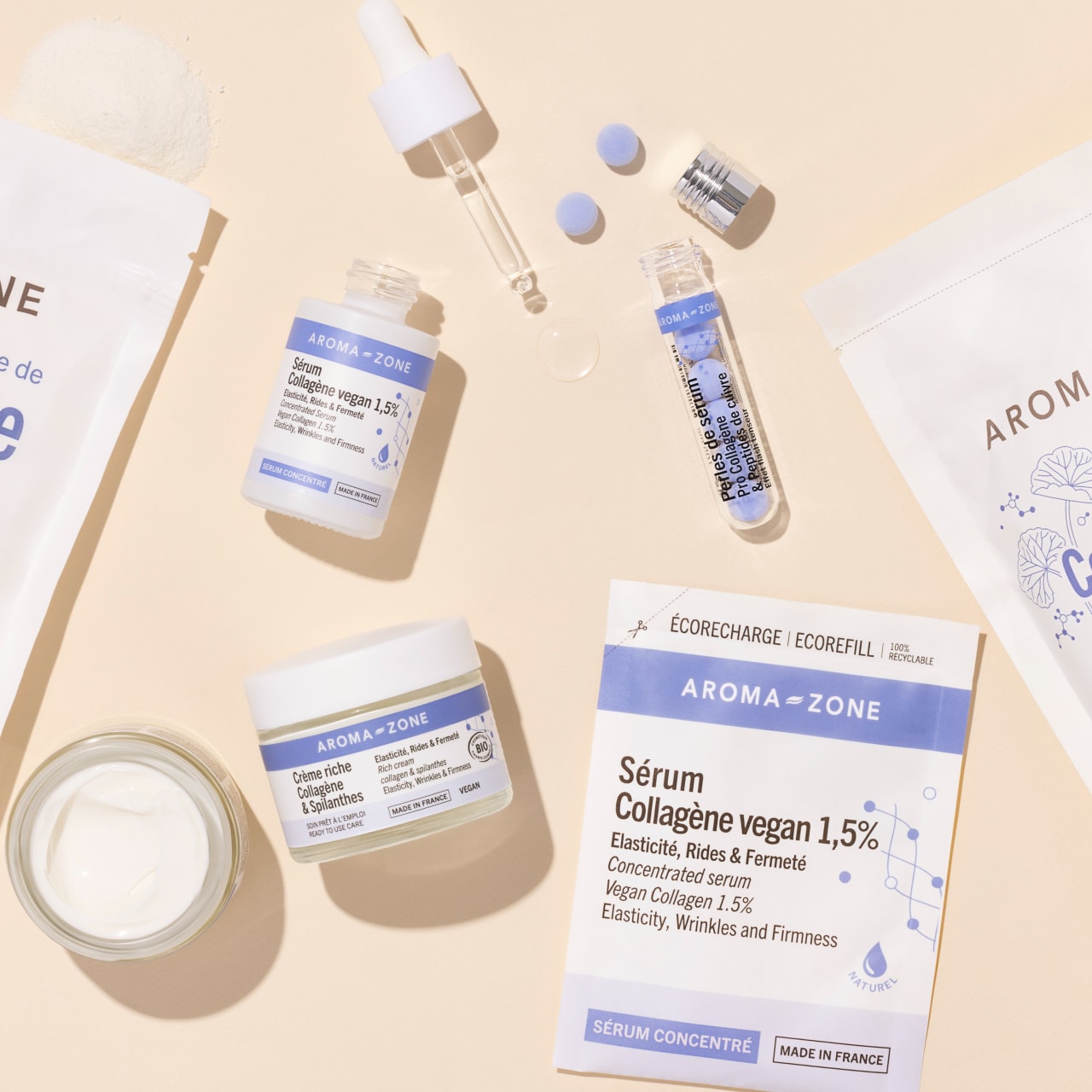
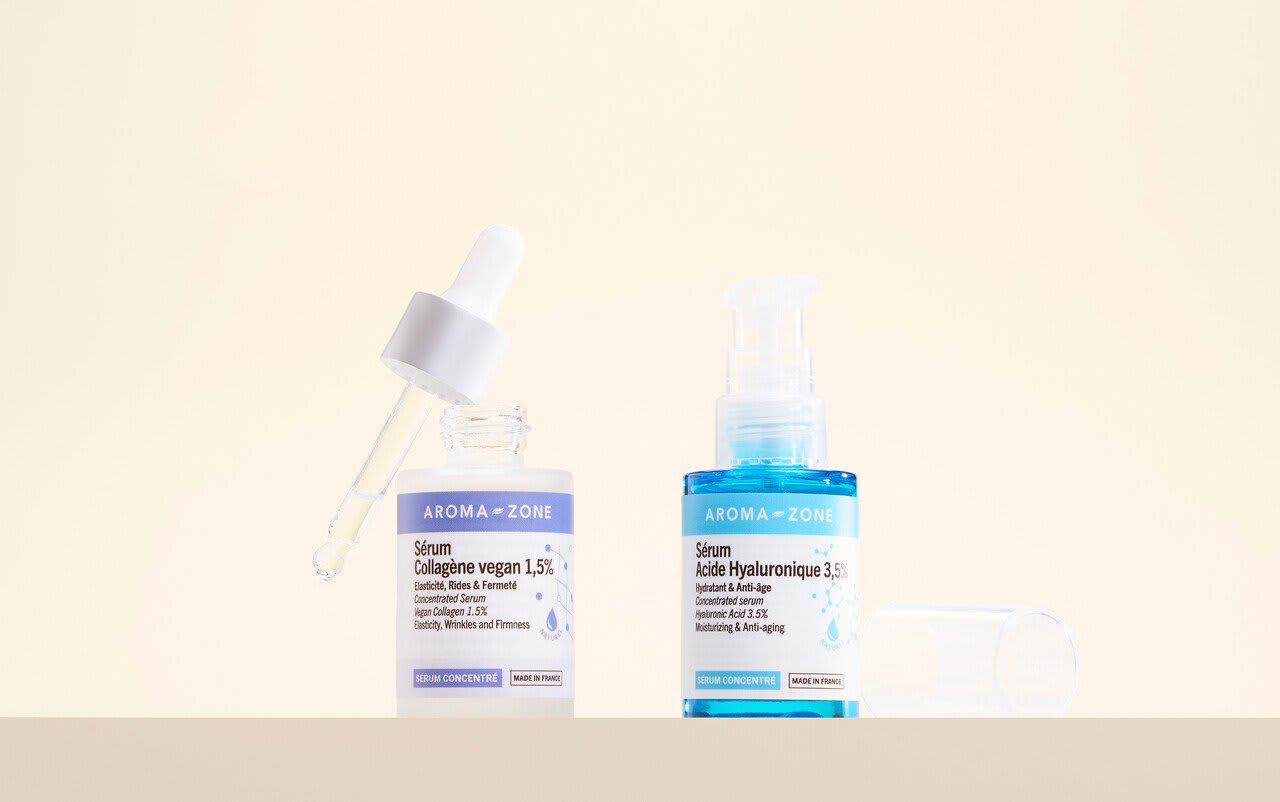
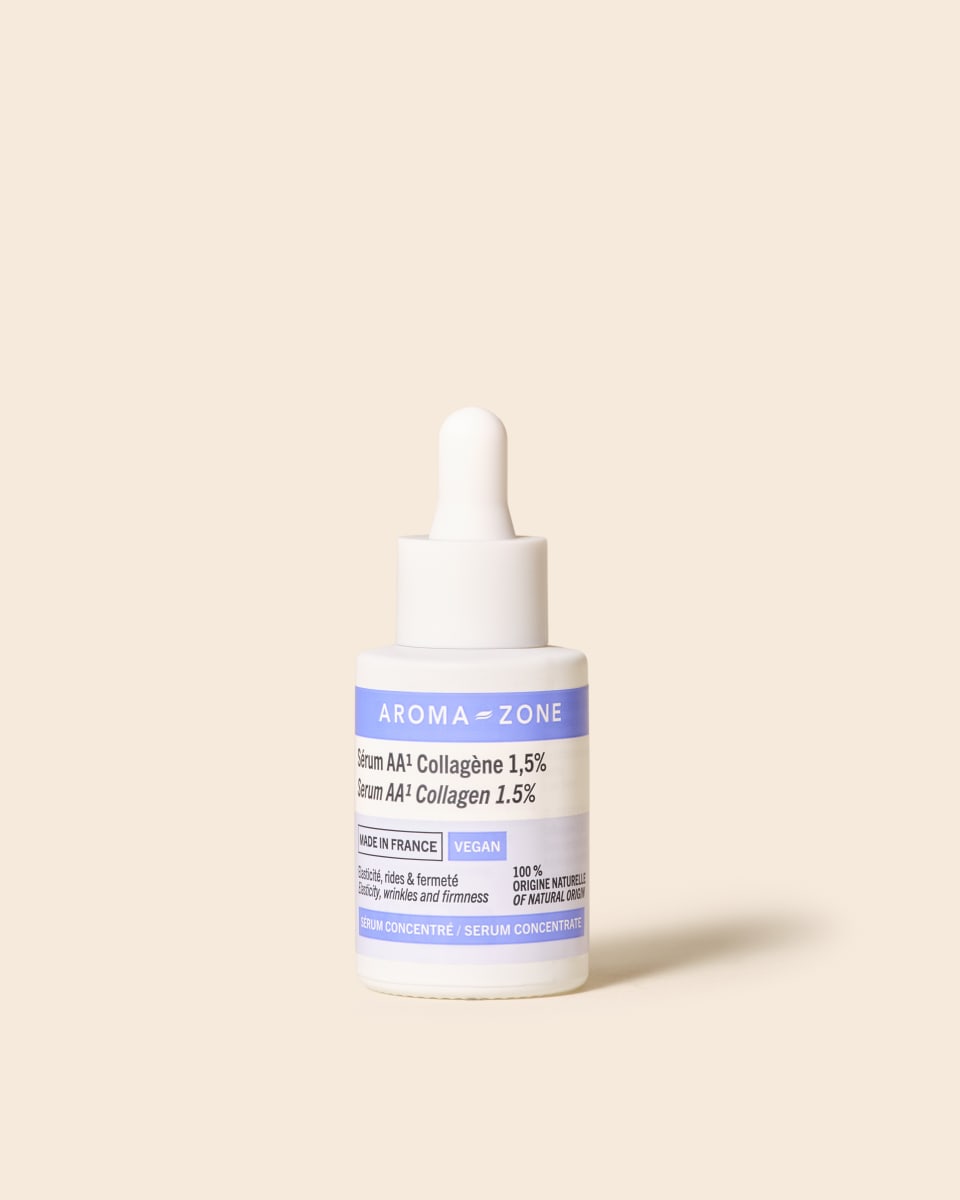
OUTSIDE: Focus on our Collagen serum

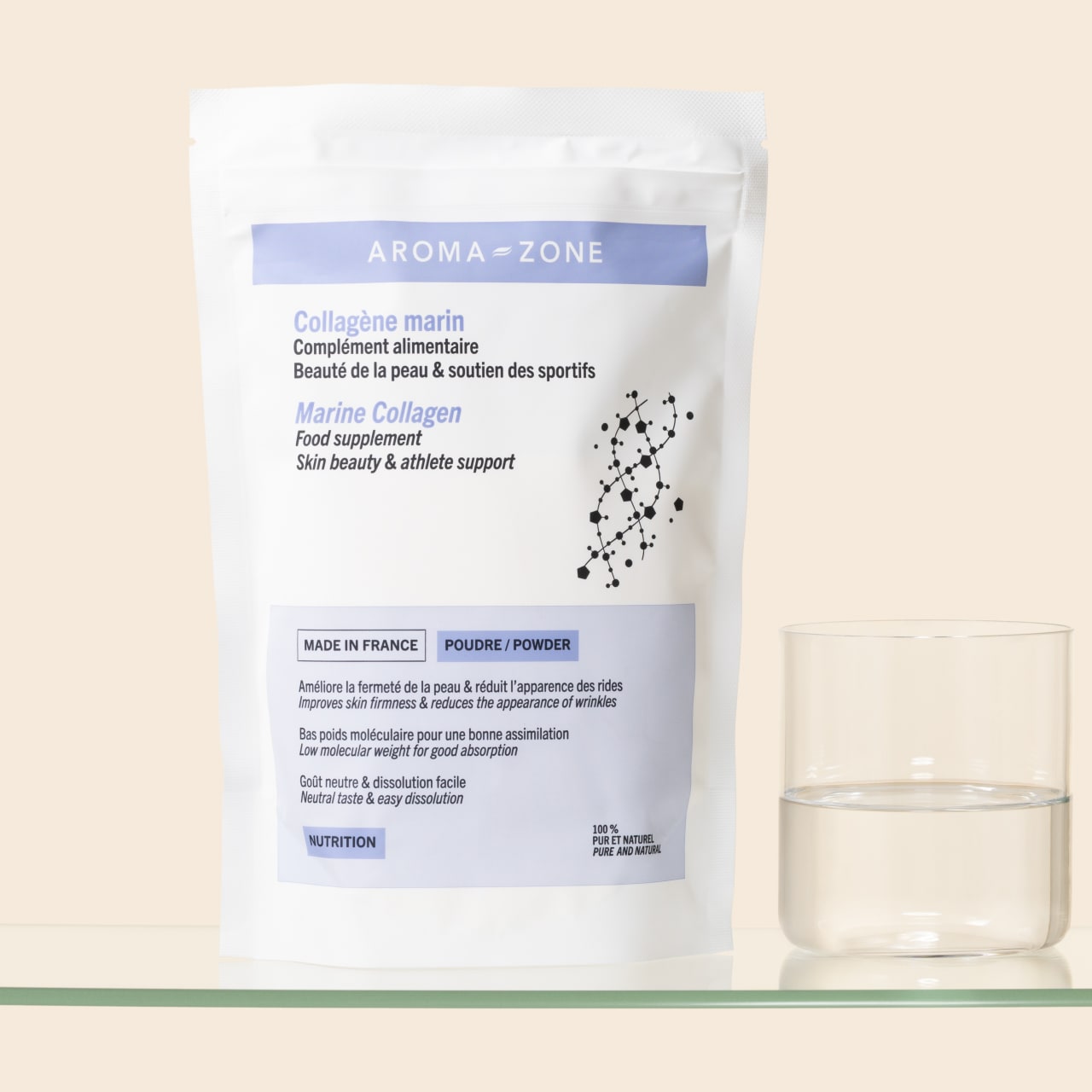
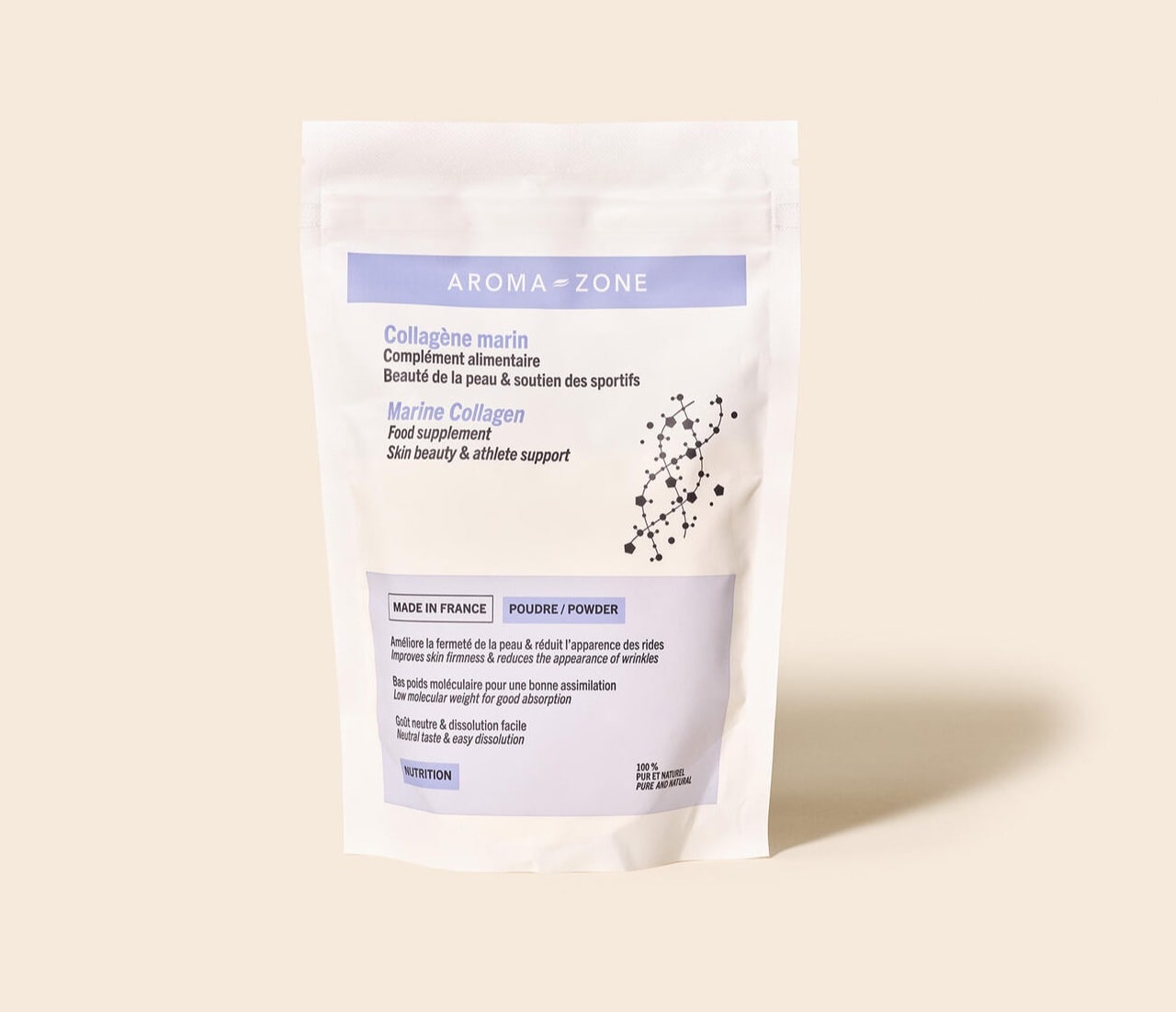
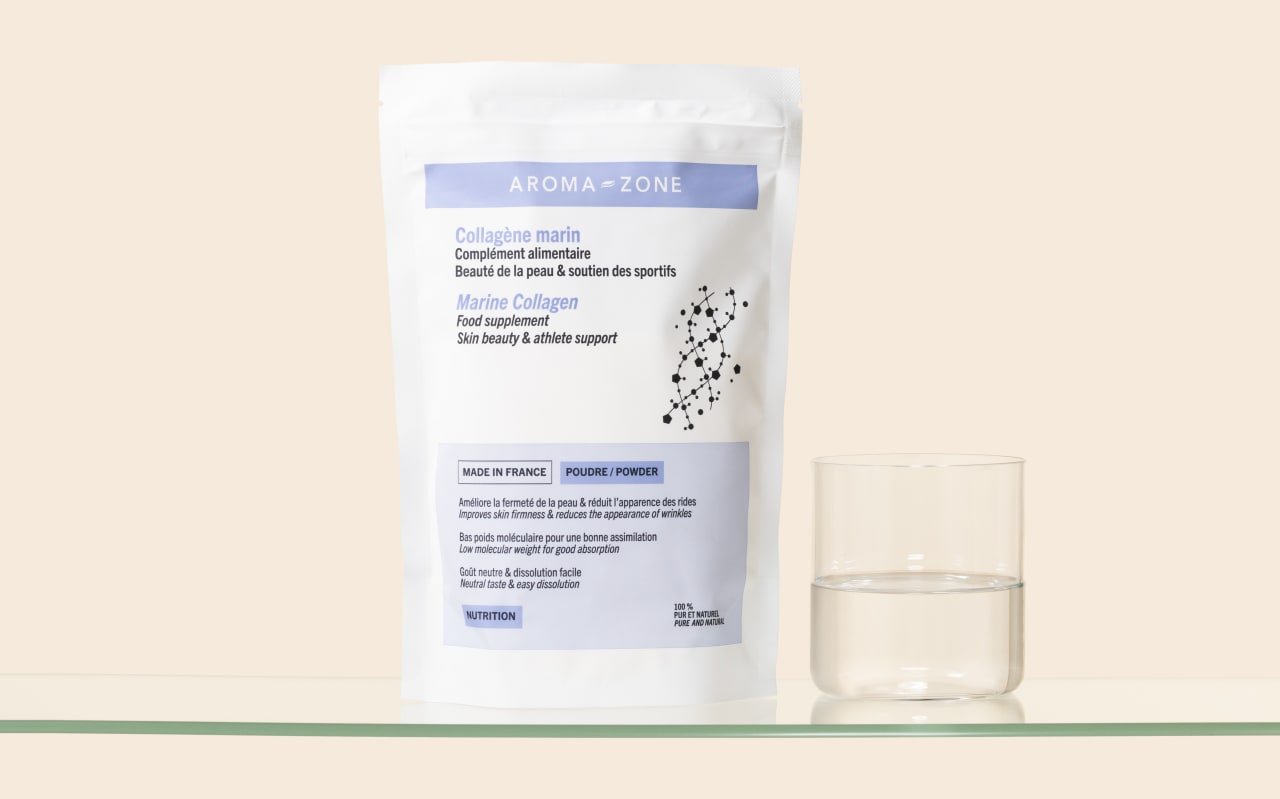
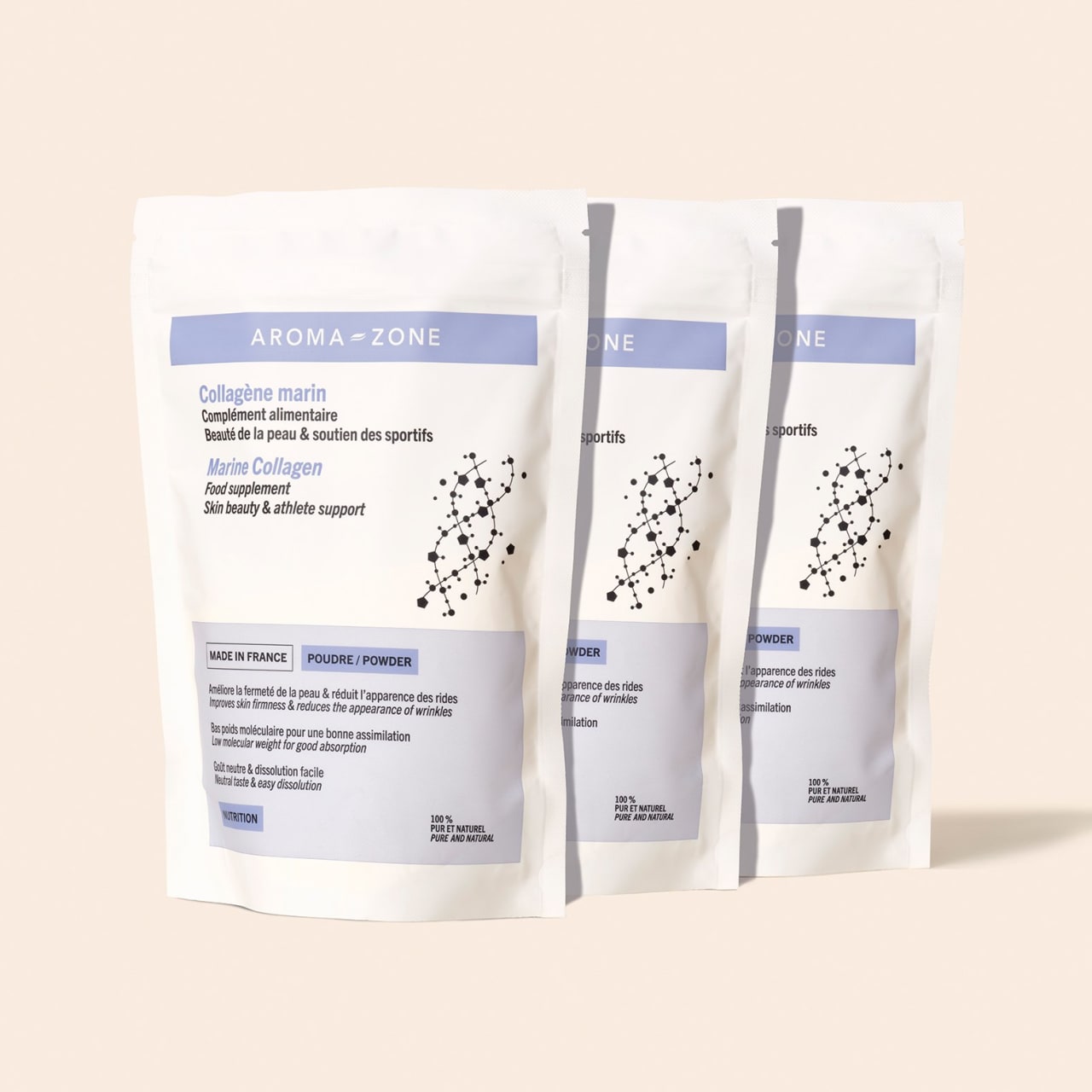
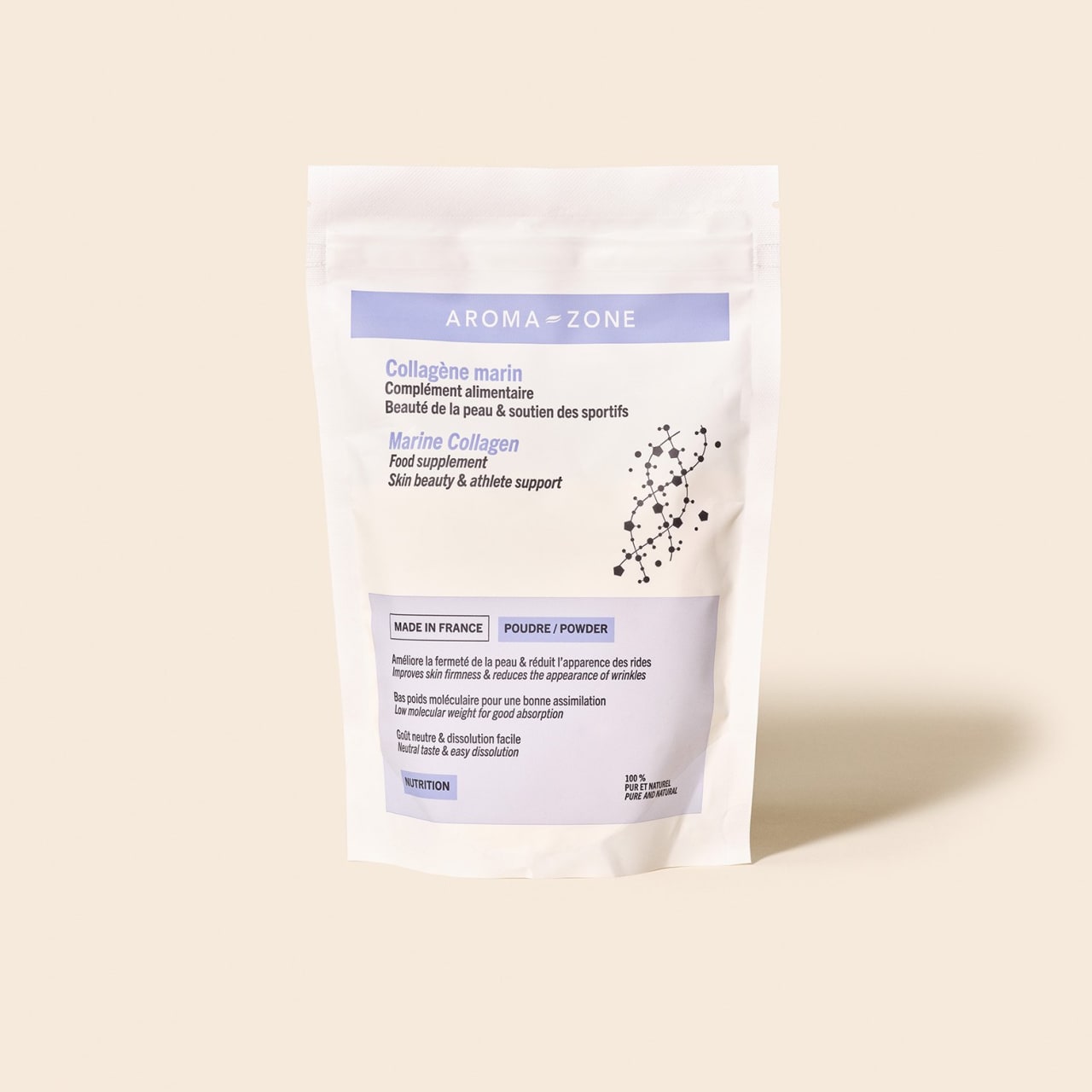
Inside: focus on the Aroma-Zone marine collagen food supplement

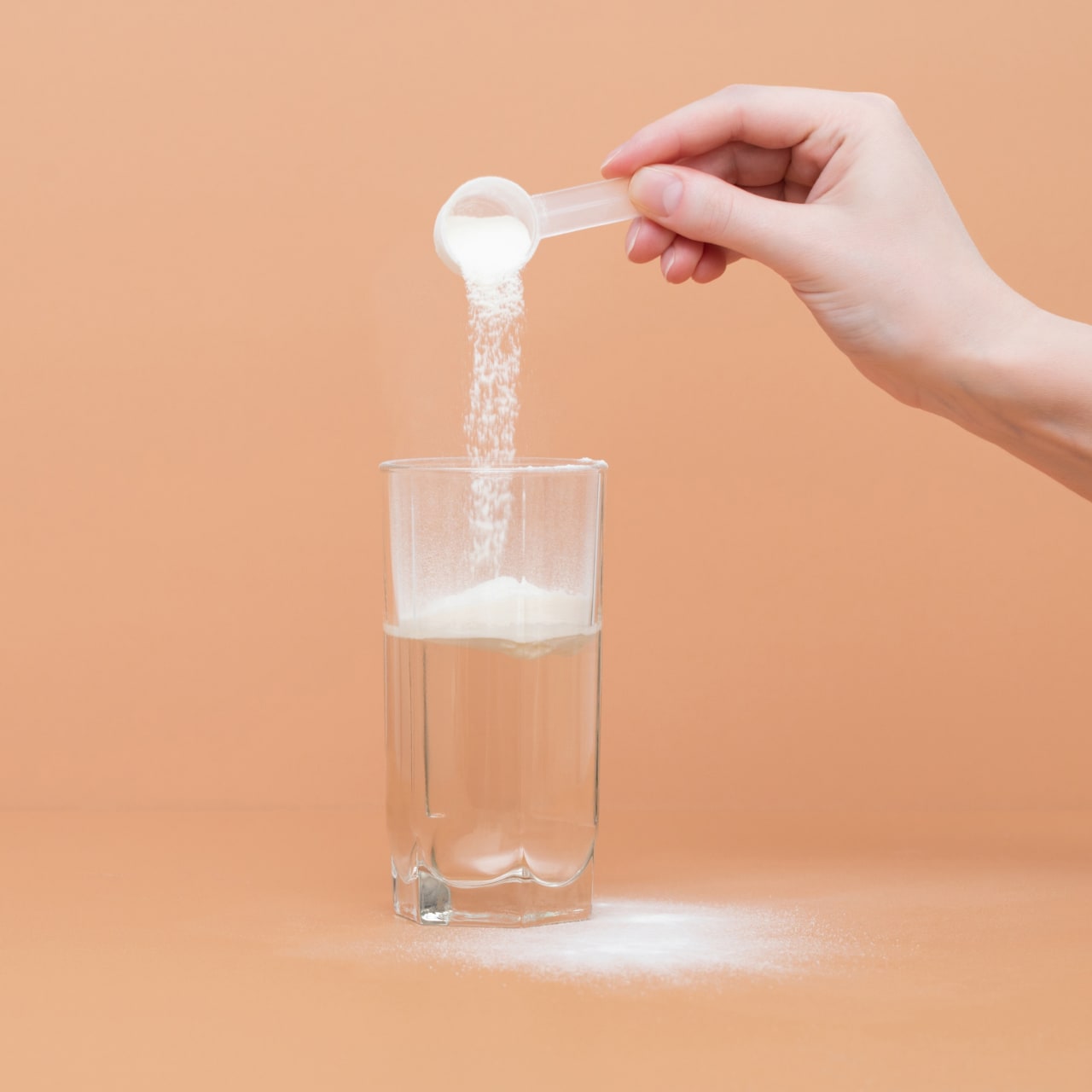
Directions for use: Take a dose of 2.5 g (1 teaspoon) to 10 g (2 tablespoons) a day, diluted in a glass of water or another drink of your choice (fruit juice, smoothie, hot drink in the form of a broth, for example). As an initial treatment: 10 g per day. Maintenance treatment: 5 g per day.

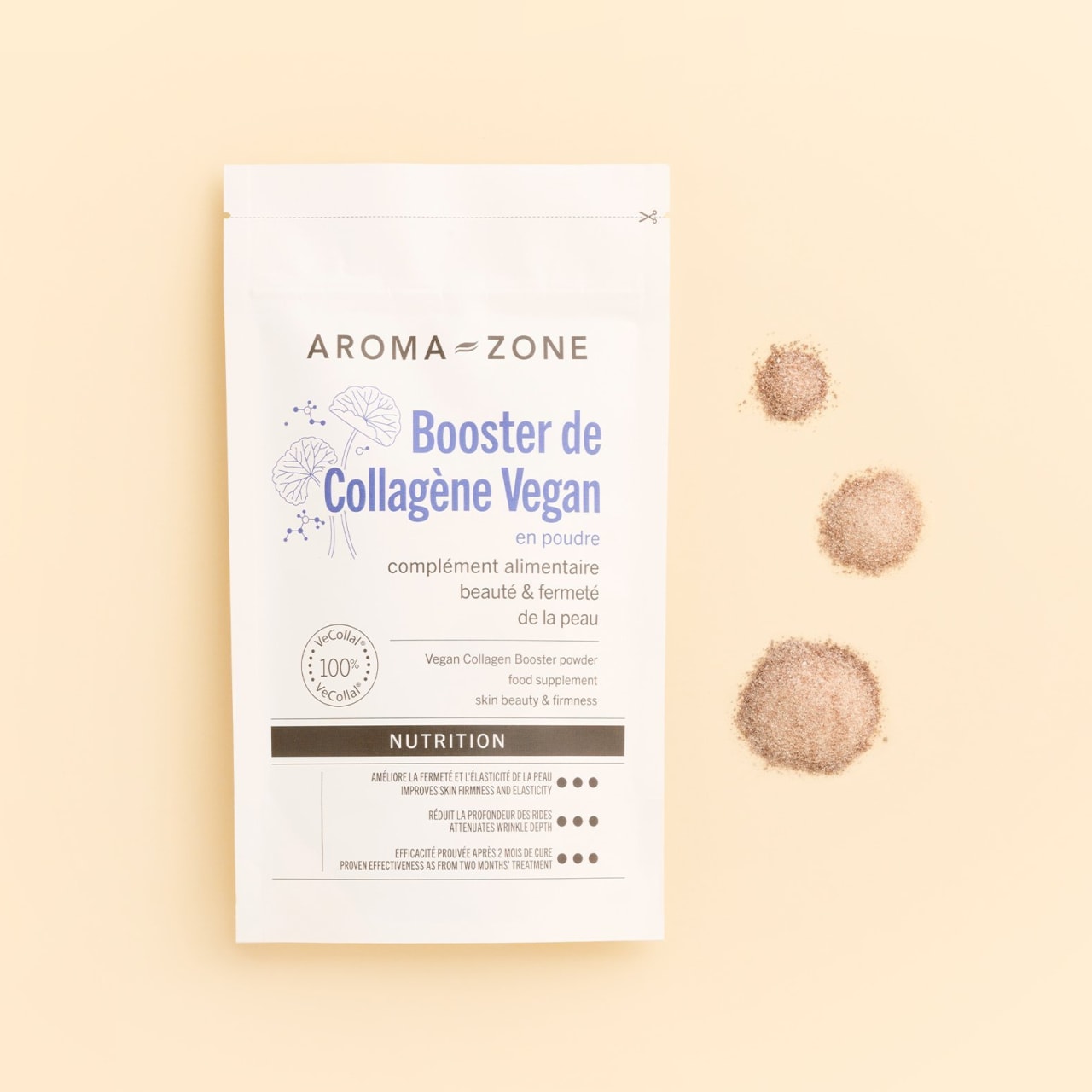
Focus on our Plant Collagen active ingredient (for your DIY beauty recipes)

Discover our selection of Collagen-based skincare products on Aroma Zone.

Dosage: what dose of Collagen should I take?

There are a wide variety of forms of collagen. Collagen capsules, marine or bovine collagen, vegan collagen, collagen powder, collagen drinks… The correct dosage for each food supplement is specific to each product and manufacturer. Please refer to the instructions for use for the collagen you have chosen.

The most commonly recommended dose of collagen is 2.5g to 10g per day. It can be adapted to your diet, your age and your concerns. Ideally, you should start with small doses and gradually increase. Don't hesitate to ask a health professional for advice.

What are the side effects of Collagen?

The contraindications to a course of Collagen taken by drinking or swallowing are few. We advise you to seek advice from your GP if you suffer from allergies, kidney failure or hypercalcaemia. In other cases, the following side effects are rare with Collagen supplements:

  • Digestive problems (diarrhoea, constipation, bloating, gastric acidity).

  • Redness, irritation and skin rashes.

  • Fatigue and headaches.

If you experience any of these effects, stop your course of treatment and discuss them with your healthcare professional.

If you are pregnant or breast-feeding, always ask your doctor's advice before starting a supplement.

What precautions should be taken?

  • Not a substitute for a varied, balanced diet and a healthy lifestyle.

  • Do not exceed the recommended daily dose.

  • For adults only.

  • Not recommended in cases of renal insufficiency without medical advice.

  • Keep out of reach of children.

  • Pregnant or breast-feeding women are advised to seek the advice of a healthcare professional before taking any supplements.

Find out more

At what age should I take Collagen?

Scientific studies suggest that the loss of collagen in the human body begins around the age of 25, at a rate of 1% per year. Losses accelerate at the menopause. After the age of 50, most women have already lost half their Collagen stocks. So, in theory, you can start a Collagen treatment as early as 25. It can also be repeated regularly after 30, 40 and 50 to preserve the cohesion of your extracellular matrix.

When is the best time to take Collagen?

There's no time like the present. So you can take your Collagen capsules at any time of day. Some formulations, such as Collagen powder, need to be diluted in a drink. In this case, it may be better to take your dose of Collagen in the morning (with a hot chocolate, for example). You can also combine it with a vitamin C-rich drink (e.g. orange juice) to optimise your natural collagen production.

How do I choose my Collagen food supplement?

The most important thing is to choose a hydrolised form of Collagen, i.e. Collagen peptides. The 'raw' molecules are considered too large to be properly assimilated by the body. Bovine Collagen and Porcine Collagen are the most common, but not necessarily the most popular. Specialists generally prefer marine collagen (from fish). Its low molecular weight makes it more bio-available.

Spotlight on our specialist editor, Hélène Betoux

Hélène Betoux is a French beauty journalist specialising in web media. Every day she writes tips, advice and guides to help consumers choose the right beauty products. With a strong interest in natural, organic and clean cosmetics, she analyses and shares trends and innovations in the sector.