Marine collagen and hyaluronic acid: the winning duo for radiant skin

Naturally present in the body, collagen and hyaluronic acid play a fundamental role in the skin, providing firmness, elasticity and hydration. From the age of 25, we are less able to synthesise collagen and hyaluronic acid, and our stocks diminish. To compensate for this loss and keep skin looking young and plump, you may want to take collagen and hyaluronic acid supplements. You may already have heard of marine collagen, plant collagen, hyaluronic acid capsules or hyaluronic acid cream? It's not always easy to find your way around the range of tablets, powders and cosmetics on offer... How do you choose between collagen and hyaluronic acid? Can they be combined? In what form? We'll guide you by explaining their benefits, their differences and how they can all be used to help your skin look its best!

Reading time: 0 min.

What are the benefits of hyaluronic acid and collagen?

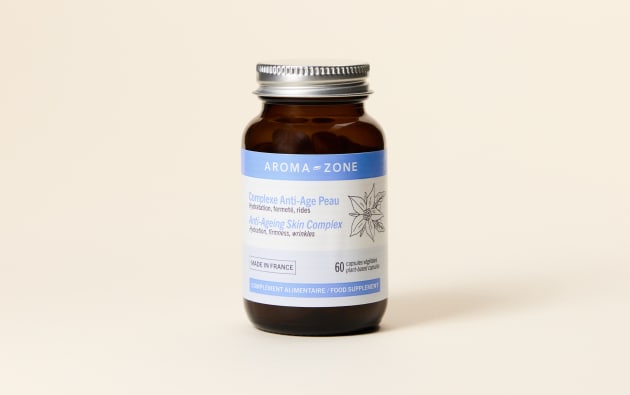
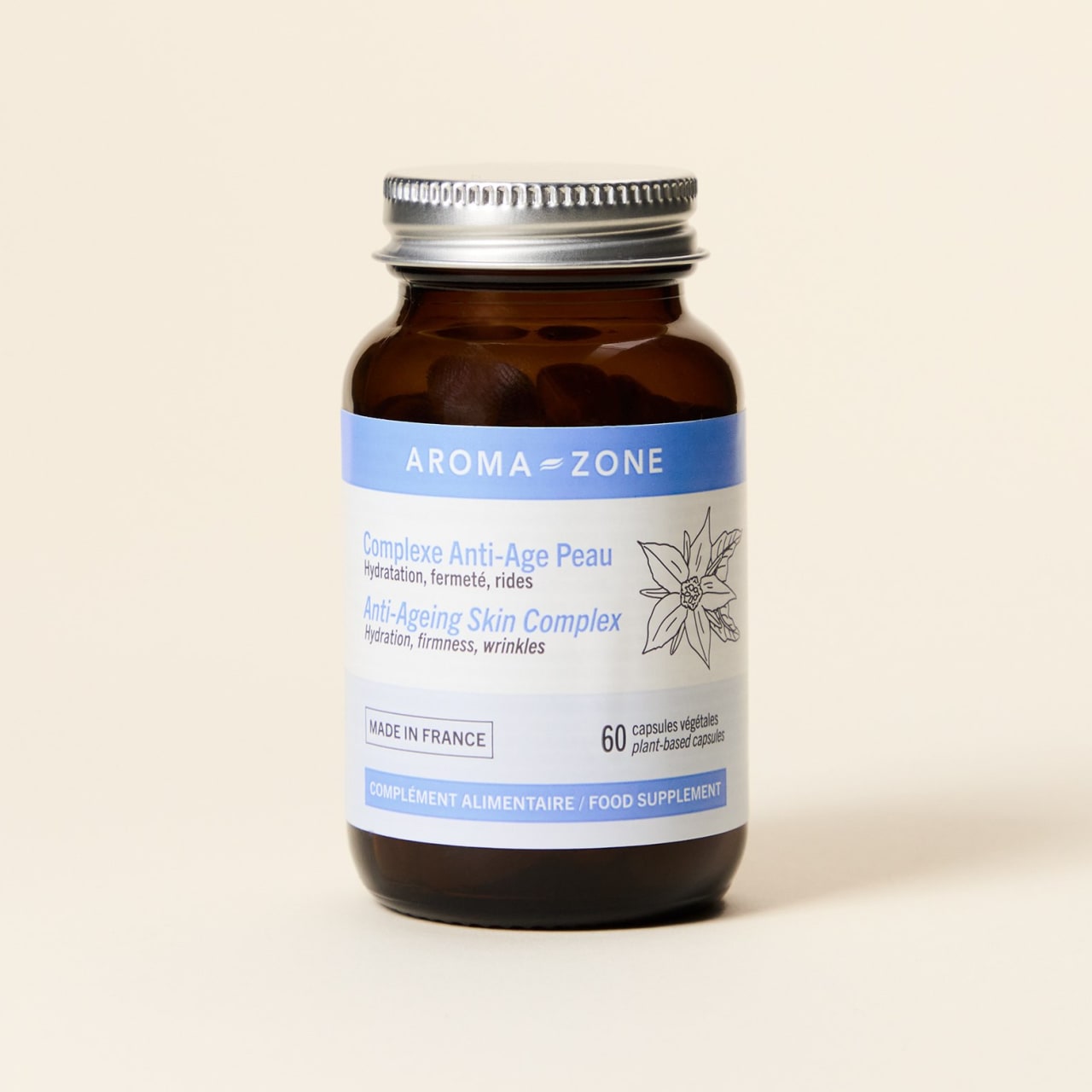
To compensate for the decline in collagen and hyaluronic acid stocks from the age of 25 onwards, and especially from the age of 40 onwards, topping them up with with a collagen and/or hyaluronic acid supplement in capsule form can prove effective. Let's take a closer look at the benefits of these two courses of treatment.

The benefits of a course of collagen

  • plumps the skin, giving it a firmer appearance

  • softens the skin

  • improves skin elasticity

  • prevents and reduces wrinkles

  • reduces superficial blemishes and scars

  • promotes shiny, strong, healthy hair


The benefits of a course of hyaluronic acid

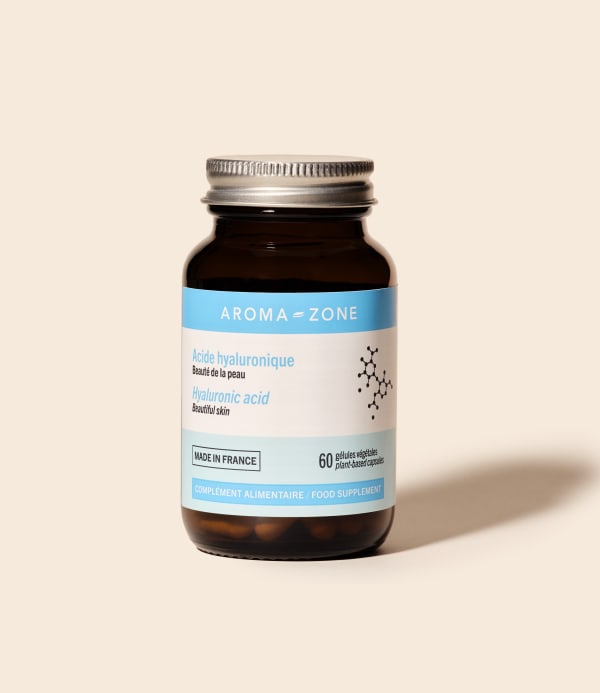
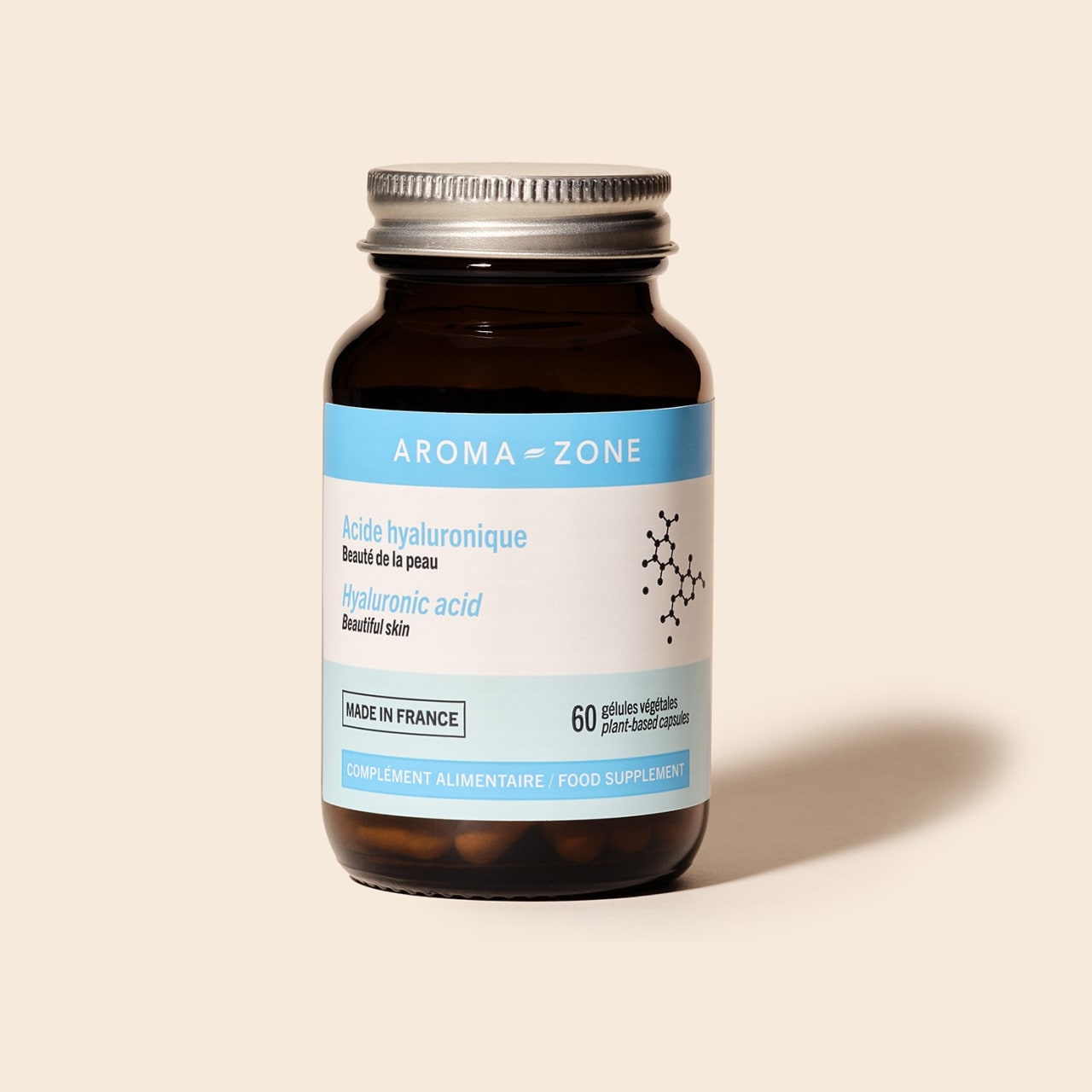
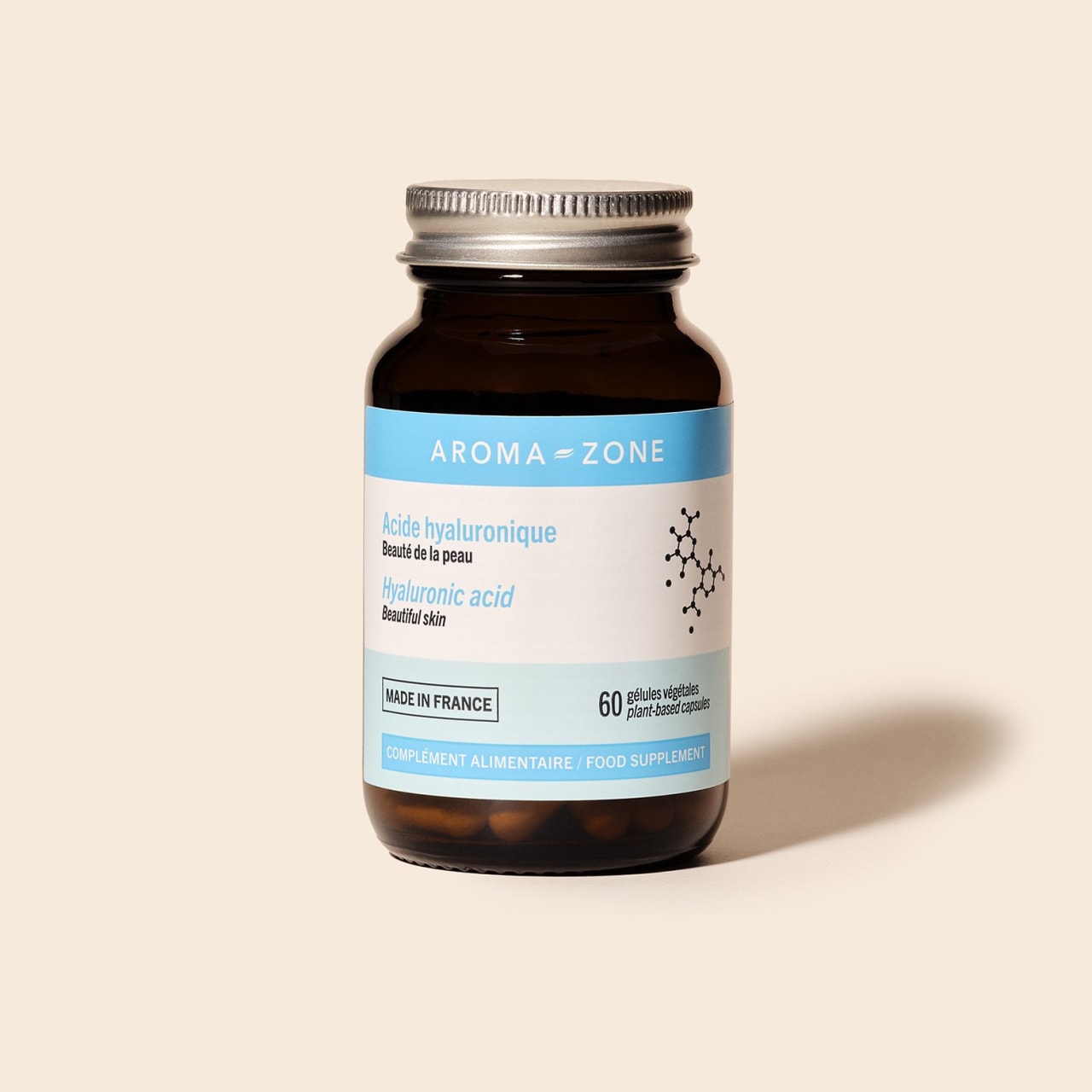
  • improves skin elasticity (proven effectiveness after 3 months of taking Aroma-Zone Hyaluronic Acid Food Supplement)

  • keeps skin supple and hydrated

  • improves skin firmness

  • reduces skin water loss

  • reduces facial wrinkles, particularly around the eyes

To find out more about all the effects of a course of hyaluronic acid, read our article Hyaluronic Acid Food Supplement: the benefits.
What's the difference between collagen and hyaluronic acid?

Hyaluronic acid and collagen are both naturally present in our bodies.

Hyaluronic acid is a macromolecule found in the dermis, in the synovial fluid (which lubricates our joints) and in our eyes. This polysaccharide, a natural carbohydrate in the glycosaminoglycan family, is one of the main constituents of the extracellular matrix. Hyaluronic acid is responsible for the cohesion of our subcutaneous cells and acts as cellular 'cement'.

Collagen is a fibrous structural protein found in the skin, bones, hair, tendons, ligaments, muscles and blood vessels. It is one of the most abundant proteins in our bodies, forming the matrix of our connective tissues, including the skin, to which it gives volume and resistance. Collagen is responsible for the skin's firmness and elasticity. Collagen also plays a role in intestinal comfort and the proper functioning of our brain!

Hyaluronic acid, collagen, elastin and proteoglycans form an assembly that forms the support tissue of the skin and many other tissues.

Hyaluronic acid or collagen: do you have to choose one or the other?

This question often comes up when we're trying to look after our skin. It's important to understand that these two elements, although distinct in their function, play complementary roles in maintaining the skin's youthfulness and health. Collagen, with its fibrous structure, keeps the skin firm and elastic, while hyaluronic acid is essential for locking in hydration by capturing and retaining water in skin tissue. Rather than picking between them, it is entirely possible and even beneficial to combine them.

Why combine hyaluronic acid and collagen?

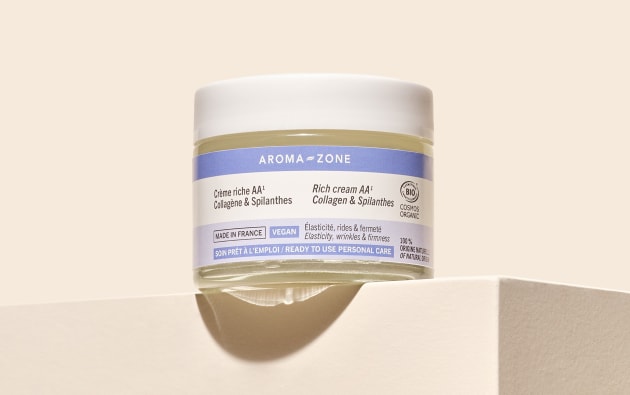
Combining hyaluronic acid and collagen provides a comprehensive and effective response to maintaining the skin's youthful appearance. Whether in the form of food supplements or cosmetics, hyaluronic acid and collagen simultaneously target multiple skin ageing factors. In the form of courses of treatment, they work in combination to lock water in the tissues and therefore provide good skin hydration, and promote elasticity and cell regeneration.

How should hyaluronic acid and collagen be used?

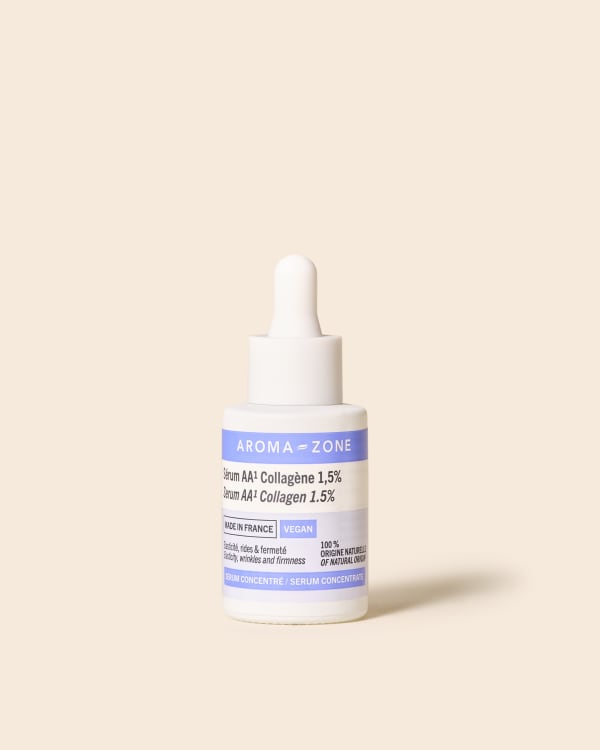
Ideally, you should incorporate hyaluronic acid and collagen into your daily routine or as part of a course of treatment, combining skincare and supplementation with hyaluronic acid and collagen in tablet form. Hyaluronic acid and collagen can be used in a variety of ways to optimise their benefits. Whether in creams, capsules, serums or other cosmetic formulations, these two active ingredients can be incorporated into your skincare routine in a variety of ways. Each form of use offers its own benefits and can suit specific skin needs. Read on to discover the different options for taking full advantage of the benefits of collagen and hyaluronic acid.

By combining these two supplements, you can effectively support your skin's health and appearance from the inside out, providing it with the essential nutrients it needs to maintain its vitality.

What are the disadvantages of hyaluronic acid?

Despite its many benefits for the skin, hyaluronic acid can have certain disadvantages and contraindications that need to be taken into account. In some people, topical application of hyaluronic acid can cause undesirable skin reactions, such as redness, itching or irritation. In addition, in sensitive individuals, the use of hyaluronic acid can lead to increased sensitivity to the sun, increasing the risk of sunburn and skin damage. It is difficult to ascertain whether the culprit is the hyaluronic acid or another substance contained in the products, such as oils. What's more, everyone's skin is unique and reacts differently. That's why you should always carry out a skin test before using a product for the first time.

In addition, although hyaluronic acid is generally considered safe when used correctly, there are some contraindications to its use. People with a history of allergies to hyaluronic acid or similar substances should avoid using it to prevent serious allergic reactions. Similarly, pregnant or breastfeeding women should consult their doctor before starting any hyaluronic acid-based treatment, as the effects of hyaluronic acid on pregnancy and breastfeeding are not fully known.

Finally, it is important to note that injectable hyaluronic acid, which is often used in cosmetics for wrinkle-filling injections, can cause more serious side effects (although these are very rare), such as swelling, redness, bruising or infection at the injection site. These side effects are usually temporary, but it is essential to consult a qualified healthcare professional to ensure that any hyaluronic acid injection procedure is safe and effective.

What are the disadvantages of collagen?

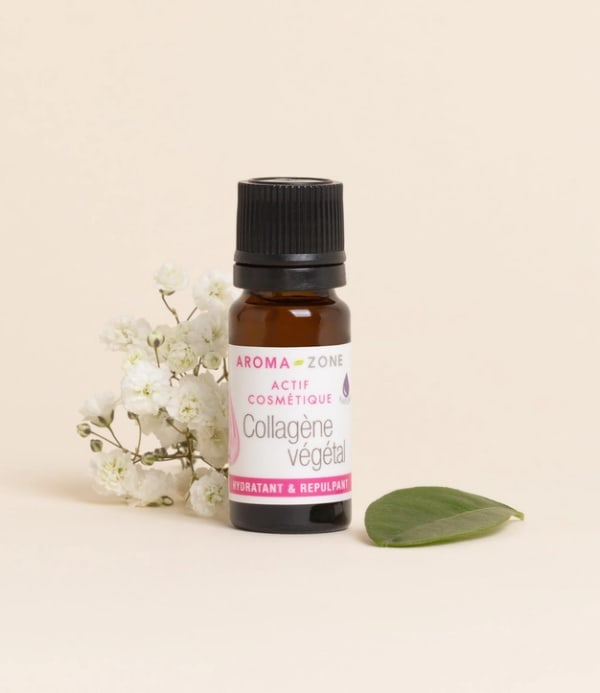
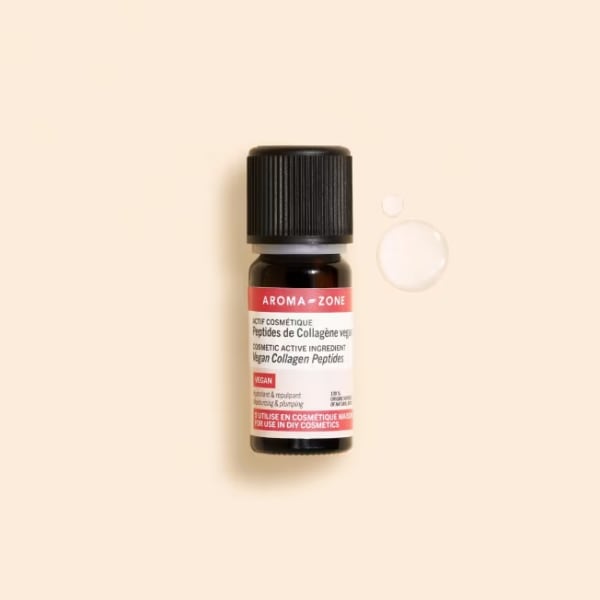
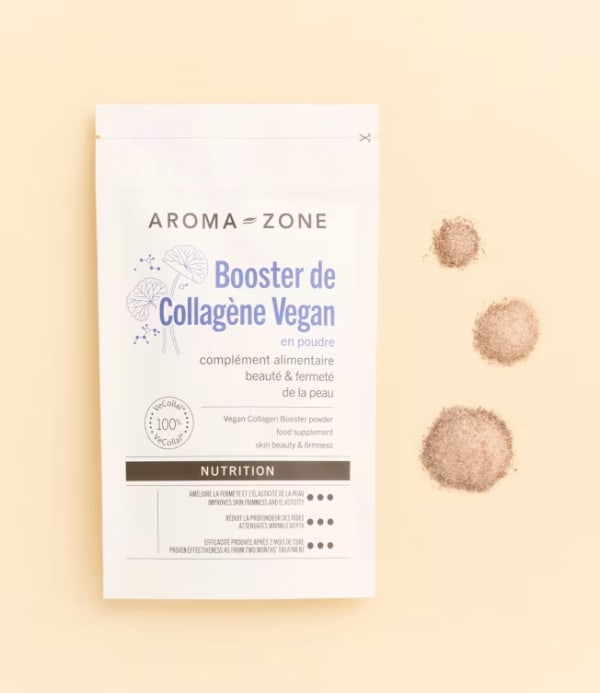
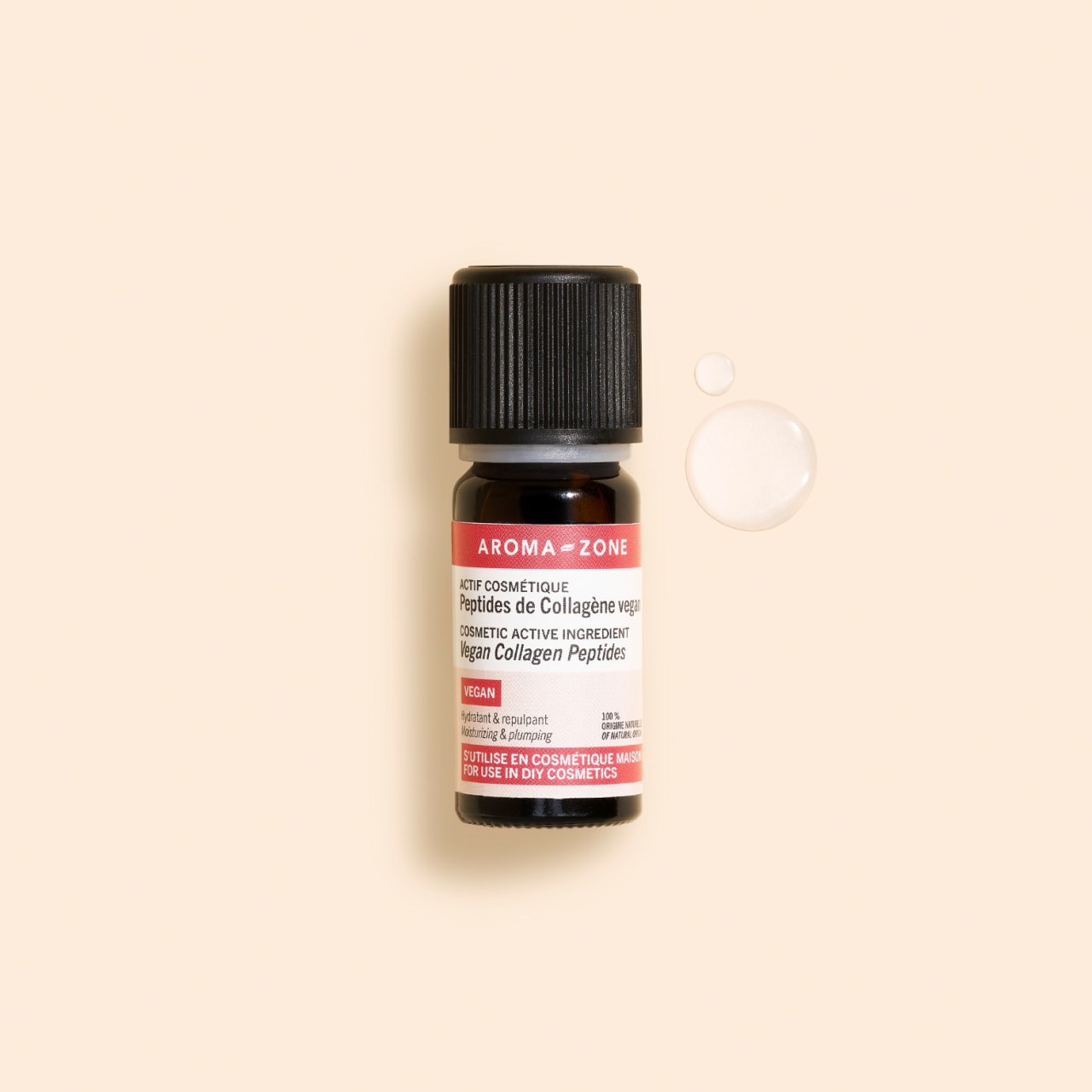
There is no plant collagen in the form of food supplements, as collagen is a protein found only in animals. For vegans, however, there are plant collagen boosters or the option of eating foods rich in vitamin C, fatty acids, zinc, selenium and sulphur, or antioxidants to promote collagen synthesis and protect the collagen fibres already present in the body.

For vegetarians, there is a new source of collagen based on eggshells.

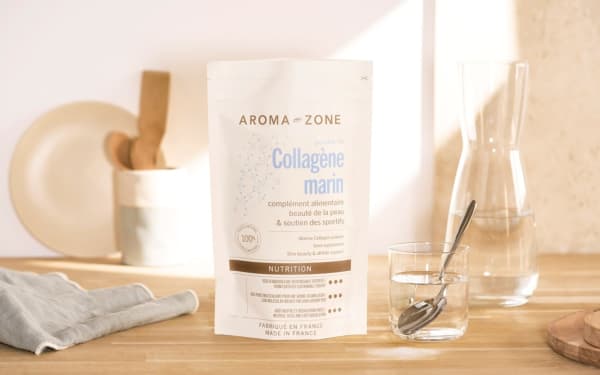
The main sources of collagen in capsules or powder form are mainly derived from bovine bones or fish and shellfish cartilage (marine collagen). So always be very careful about the quality, traceability and dosage of your collagen food supplements, to avoid, for example, a concentration of heavy metals that could be harmful to your health.

There are few contraindications to collagen supplements. Follow the dosages recommended by the manufacturer of your food supplement. Seek your doctor's advice before starting your course of supplements if you suffer from a particular pathology (particularly kidney failure), if you have allergies (particularly to seafood, in which case avoid marine collagen) or if you are pregnant or breastfeeding.

What else should hyaluronic acid be used for?

Hyaluronic acid is a highly versatile active ingredient! In cosmetic form, it can be combined with numerous active ingredients and reinforce their effects while promoting skin hydration.

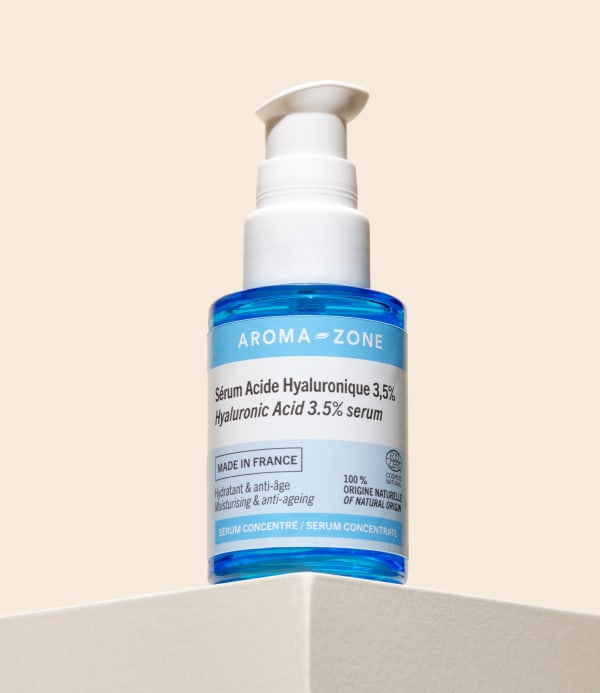
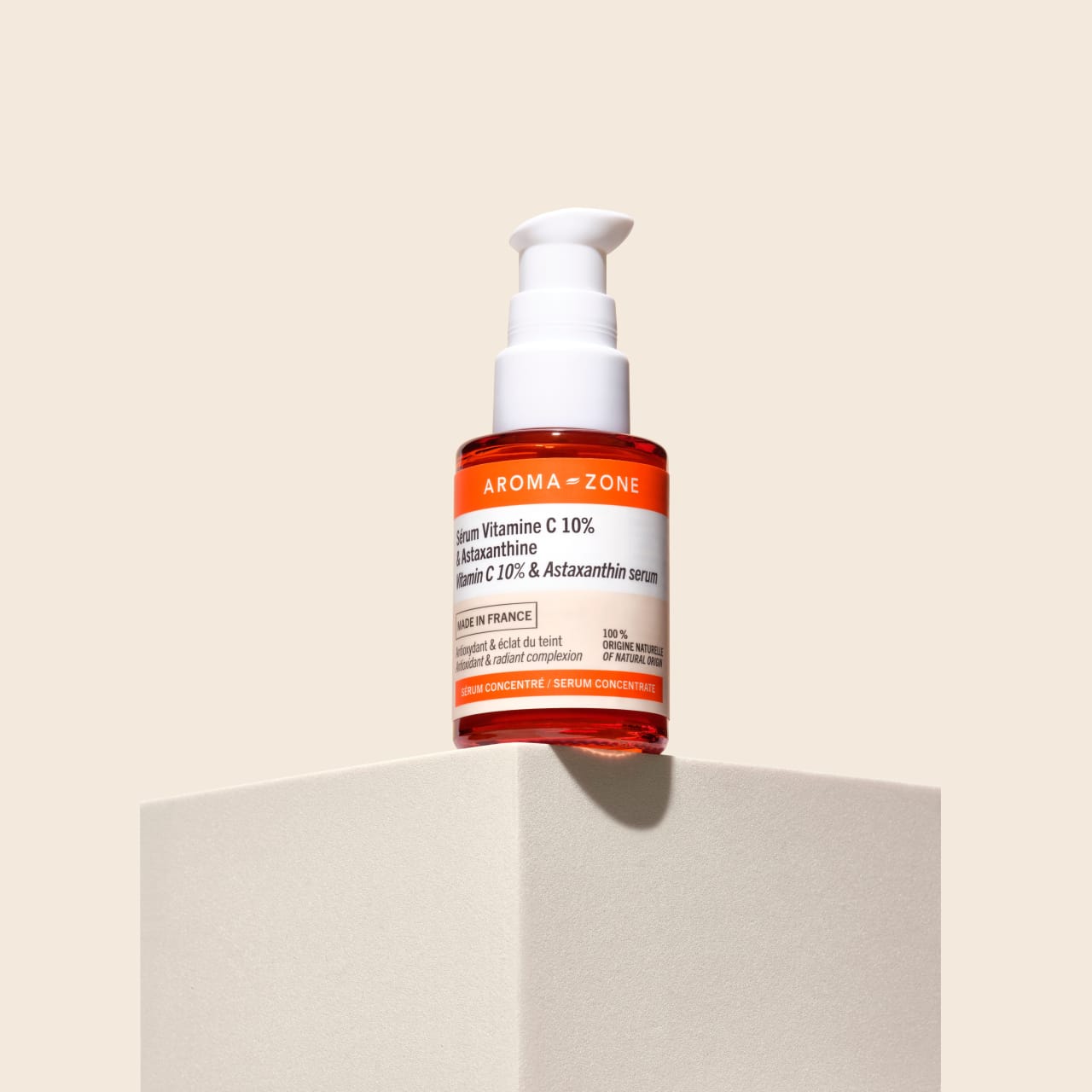
As Orianne, Formulation Manager at Aroma-Zone, points out, our Hyaluronic Acid Serum Concentrate is the only one that can be combined with all the other serums in our range. As step one, you can apply the Facial Serum suited to your specific skin problem (e.g. Vitamin C 10% & Astaxanthin Serum Concentrate or 10% Nicotinamide, Copper & Zinc Serum Concentrate) and then apply the Hyaluronic Acid Serum Concentrate as step two to rehydrate and plump the skin. Finally, you can finish your routine with a moisturising face cream or a facial oil suited to your skin type.

Find out more

Why might our hyaluronic acid serum be flaky?

Have you ever noticed that your serum tends to flake when you apply it? There are some very simple tips that can help you avoid this easily by adapting your skincare routine. Here's our team's advice on how to avoid this:

  1. Apply only a small amount of product. To avoid a "fluffy" effect, one pump of your serum is enough for your whole face.

  2. Apply to clean skin. Apply your serum after cleansing your skin. You can apply it to dry skin or lightly moisten your face with a mist before applying your serum. It's up to you to choose the solution that suits you best, depending on your skin type.

  3. Wait until the product has penetrated well. Before moving on to the next stage of your beauty routine, make sure you have thoroughly absorbed your serum into your skin using circular movements on your face and neck.

You can then complete your routine with your day or night care product, such as a plant oil, or your sun cream, for example.

To find out more about Orianne's advice, click here.

How can you incorporate a hyaluronic acid serum into your skincare routine?

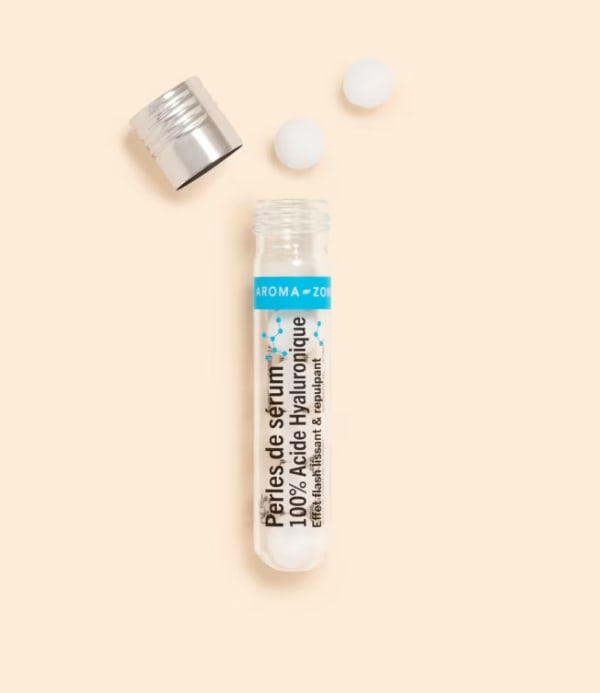
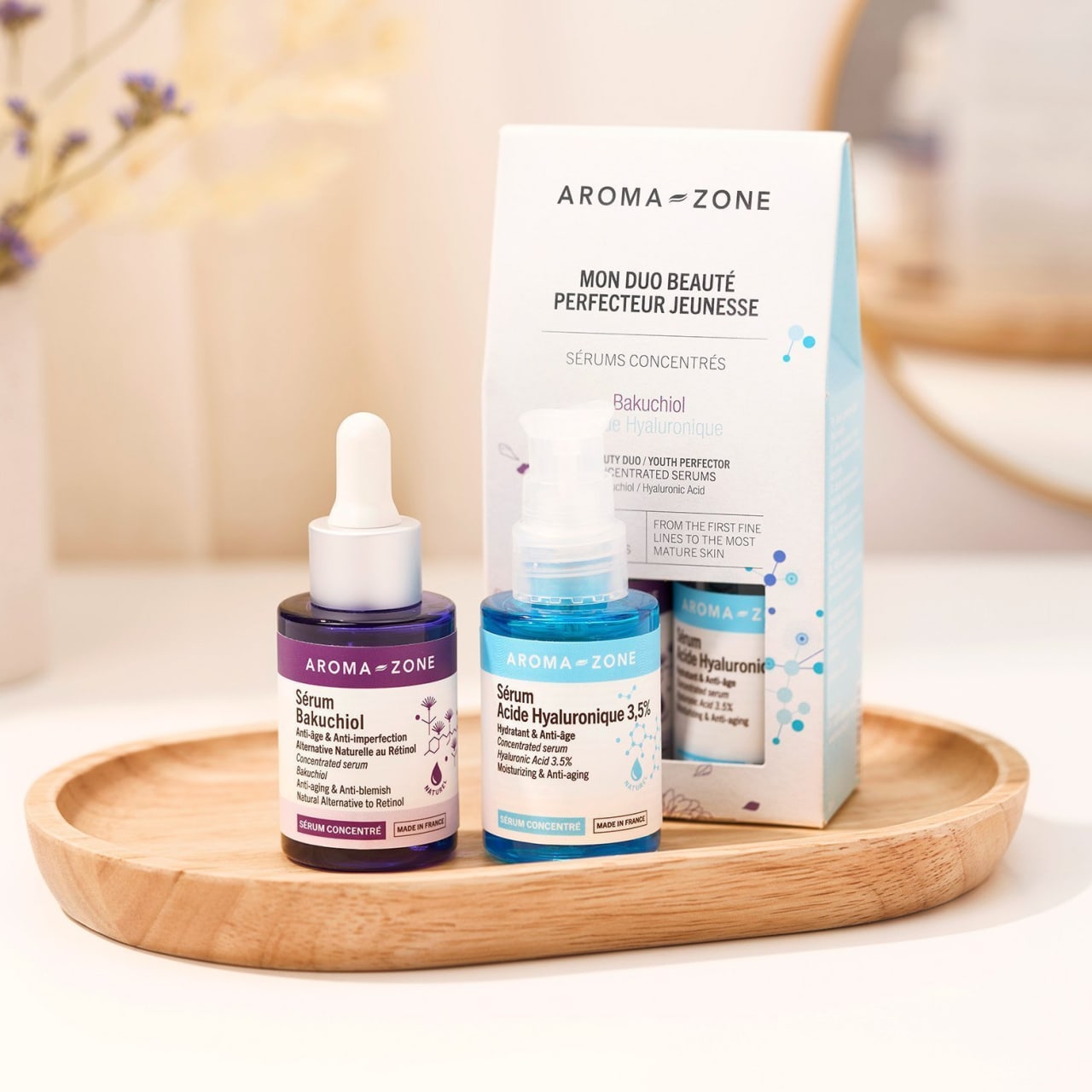
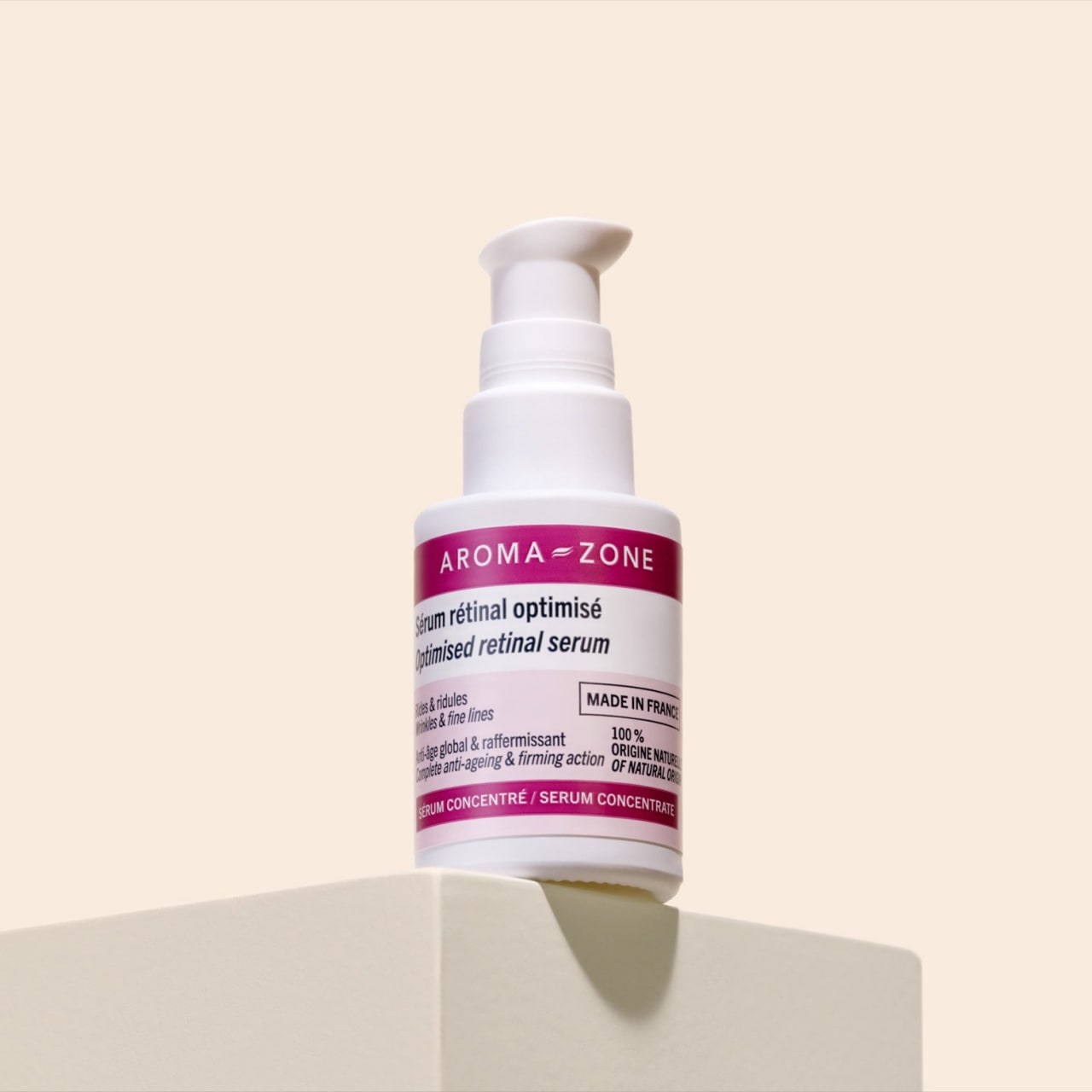
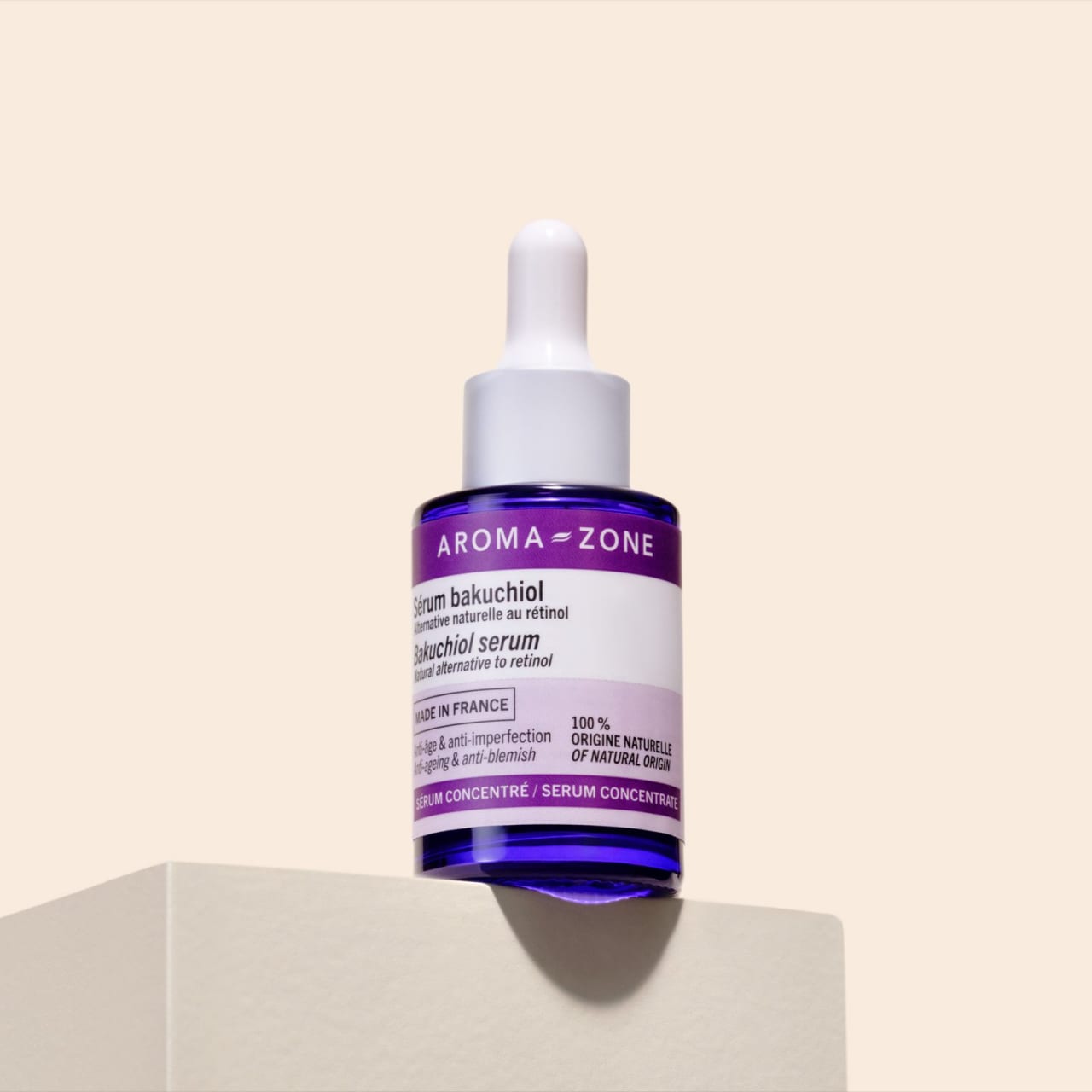
Our Hyaluronic Acid serum is the only one that can be combined with all the other AZ serums. Whether you use Nicotinamide, Bakuchiol, Glycolic acid, Vitamin C or Retinal, you can complement the actions of your serum with hyaluronic acid.

Application is simple: during your beauty routine, after applying your Aroma-Zone serum, you can add the hyaluronic acid serum to rehydrate and plump your skin for a complete routine.

How can I personalise my hyaluronic acid serum?

Our hyaluronic acid serum can be used undiluted, directly on the face or on the hair, on the lengths and ends, to moisturise.

You can also personalise it by adding other cosmetic active ingredients to complement the benefits of hyaluronic acid. You can find our simple recipes for customising your hyaluronic acid serum here.

Can hyaluronic acid cause spots?

Some people experience acne breakouts after using serums, face creams and other skincare products containing hyaluronic acid. It is difficult to know whether the culprit is the hyaluronic acid or another substance in the product, such as oils.

There is no clinical or scientific evidence that hyaluronic acid applied topically causes acne flare-ups. Hyaluronic acid is a molecule that is generally well tolerated by all skin types and does not appear to have any sensitising potential. It has no undesirable side-effects when applied externally. What's more, this molecule is already present in the skin and is not unknown to the body, which tolerates and absorbs it all the better.

With regard to hyaluronic acid injections, in very rare cases there may be an allergy to this molecule. This allergy may give rise to various reactions, but these are exceptional.

In addition, every skin is unique and may react differently to a product that does not bother other people. It's always a good idea to carry out a skin test before use.

Spotlight on our Naturopathic editor, Lucie Granjon

Passionate about plants and their properties, she started her career as a perfumer before moving to the world of natural beauty and aromatherapy over 10 years ago. Lucie supports ethical and committed brands with strategy development, product formulation and expert advice for their customers. She has worked with the Aroma-Zone team on several books, including "Le grand guide de l'Aromathérapie et des cosmétiques naturels" ("The Complete Guide to Aromatherapy and Natural Cosmetics"). She also has years of training in aromatherapy, herbalism and essential oil distillation, and supports the work of French plant growers.