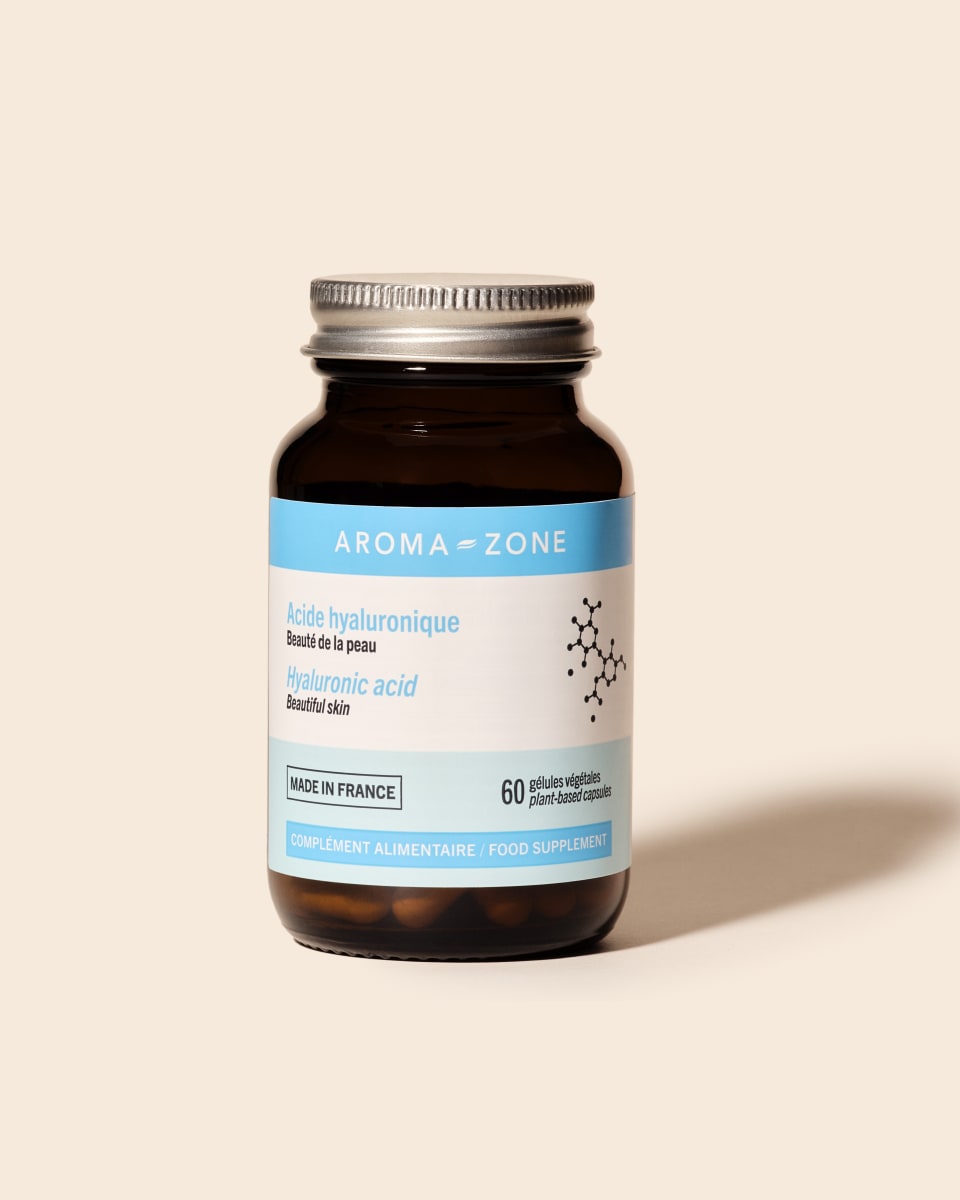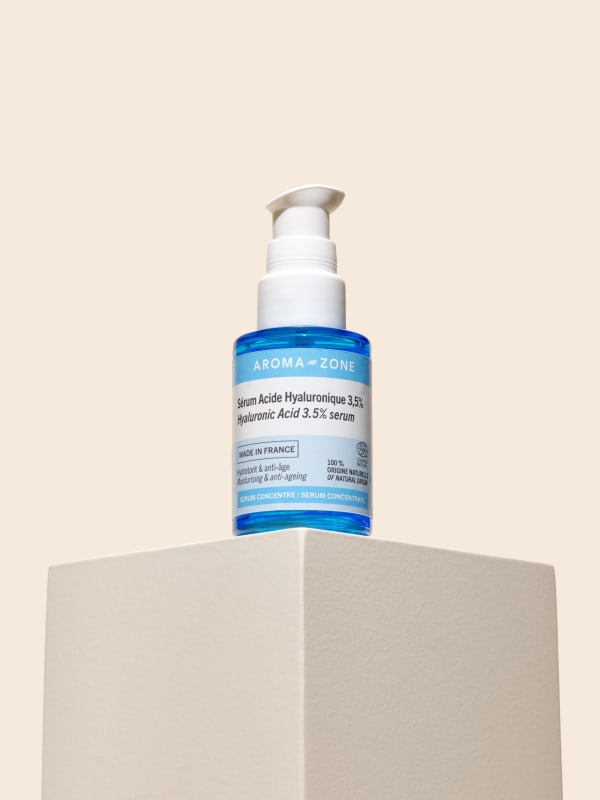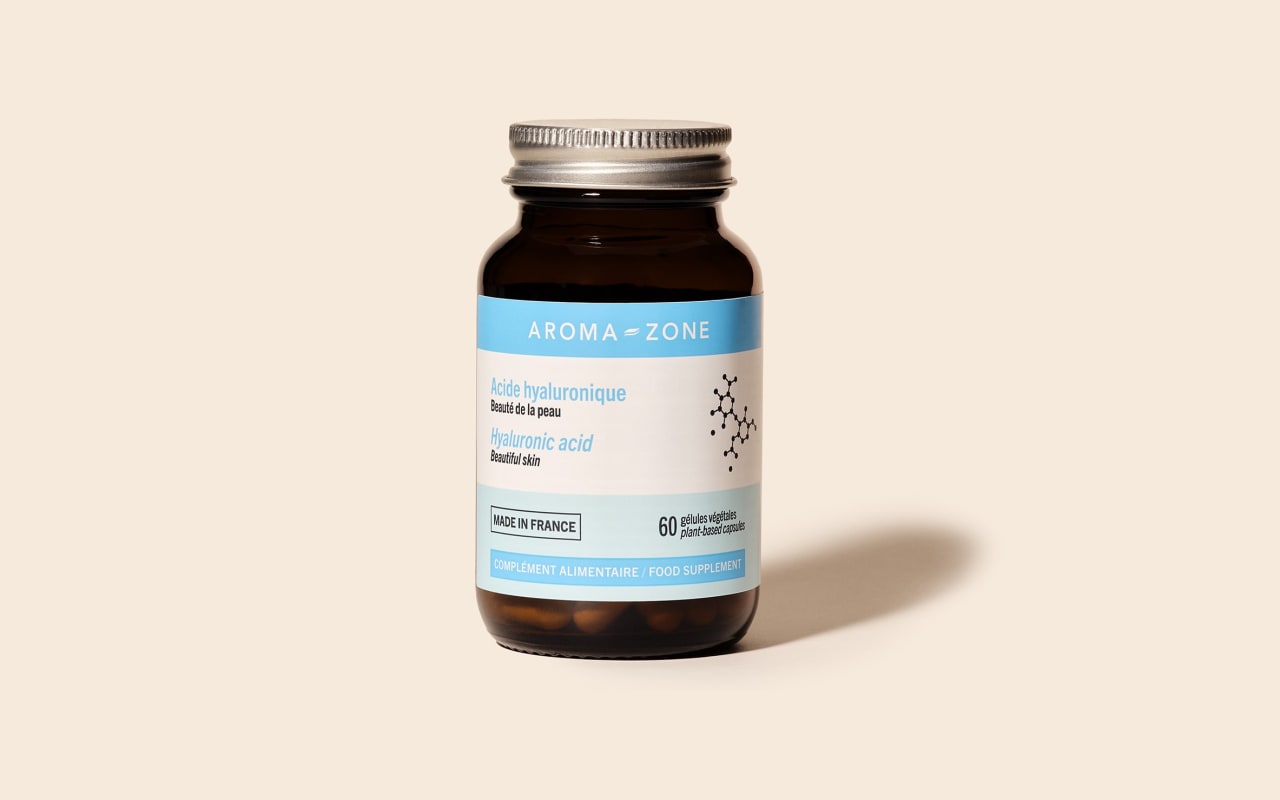
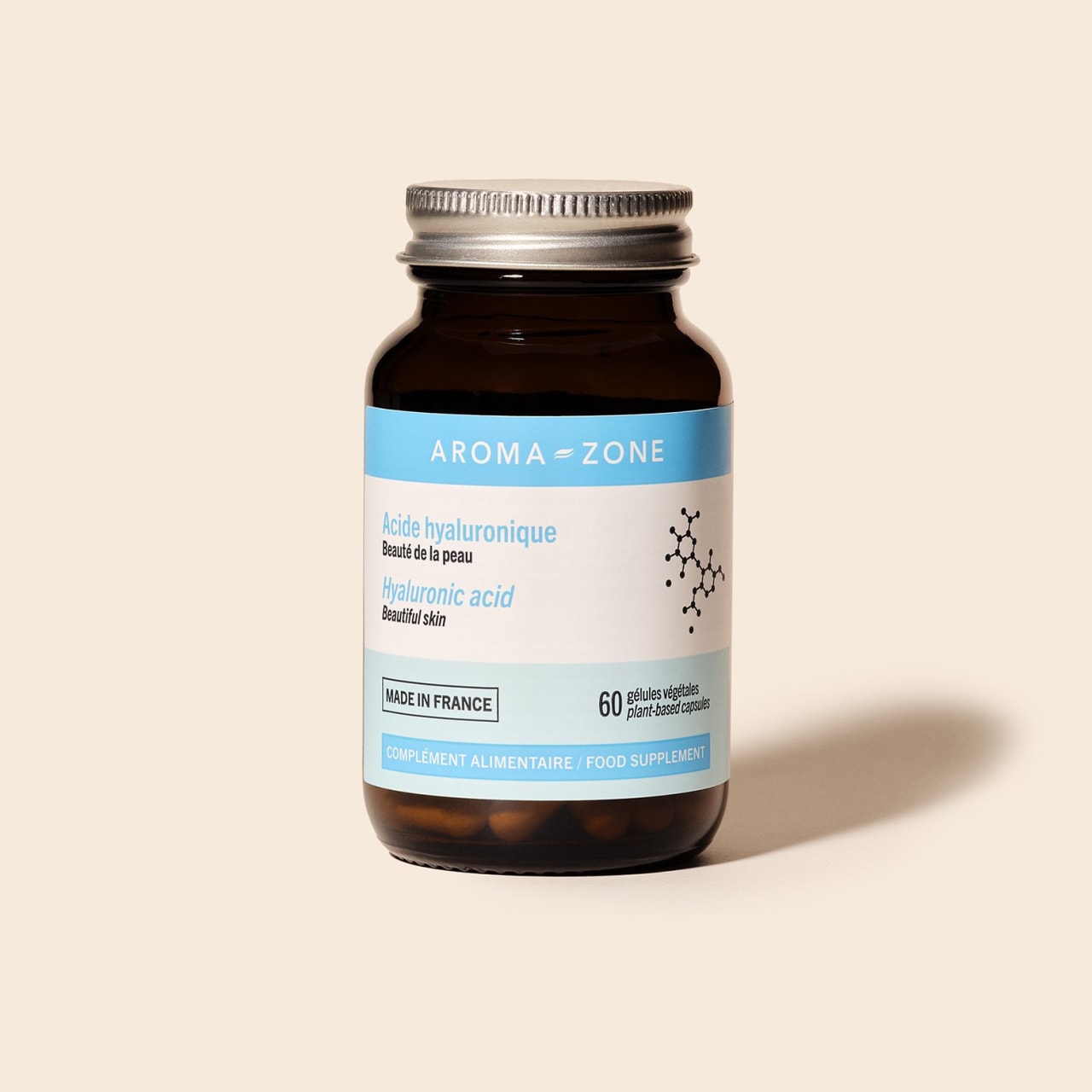
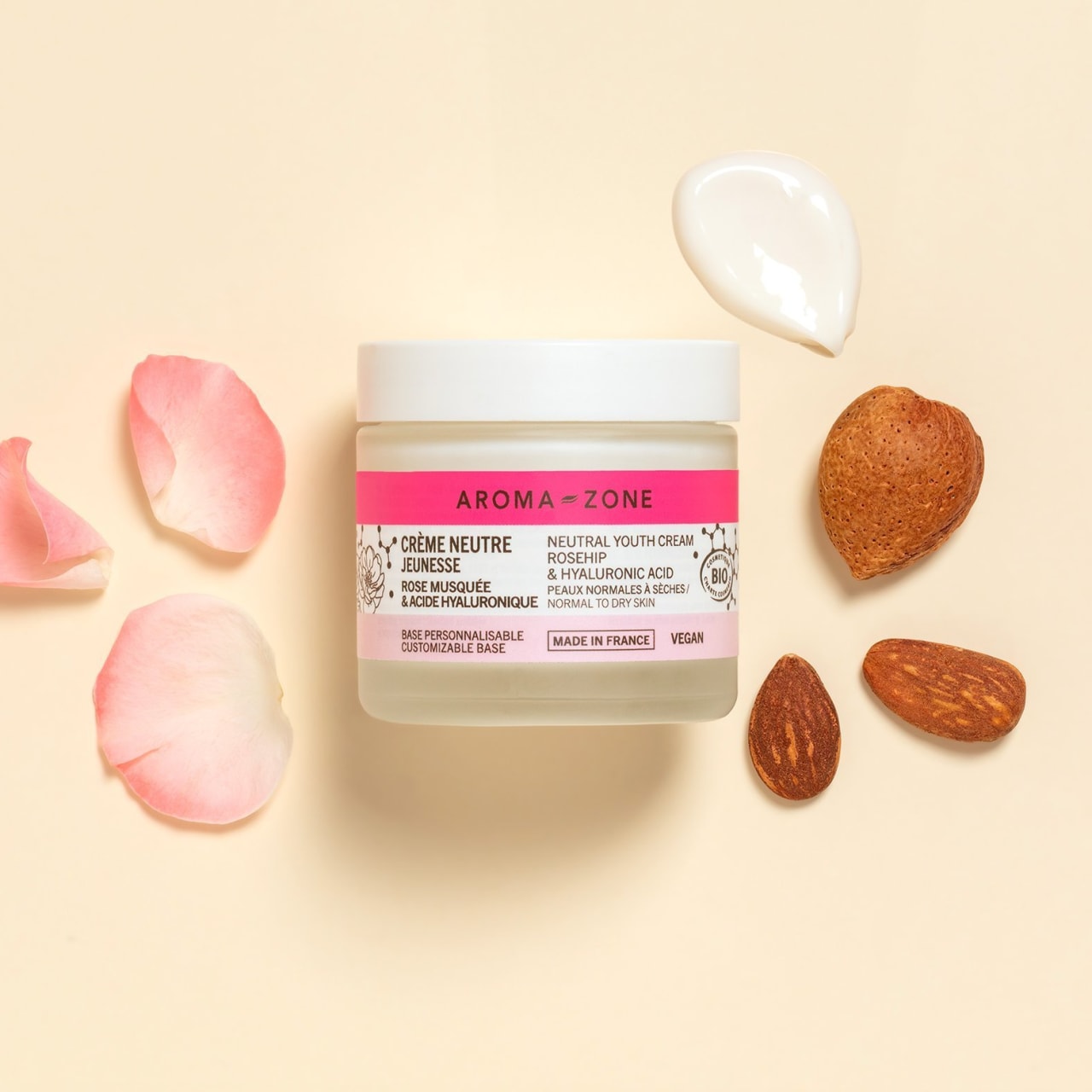
Hyaluronic acid is naturally present in our bodies as a molecule found in high concentrations in our tissues. It is a component of connective tissue, the tissue whose role is to support and protect the other tissues of our body, such as skin, bones, cartilage, muscles and the vitreous humour of the eye. It is one of the components of the synovial fluid in our joints and cartilage, making the cartilage more supple and lubricating our joints. It connects tissues, joints, tendons and hyaline cartilage. It also acts as a anti-inflammatory.
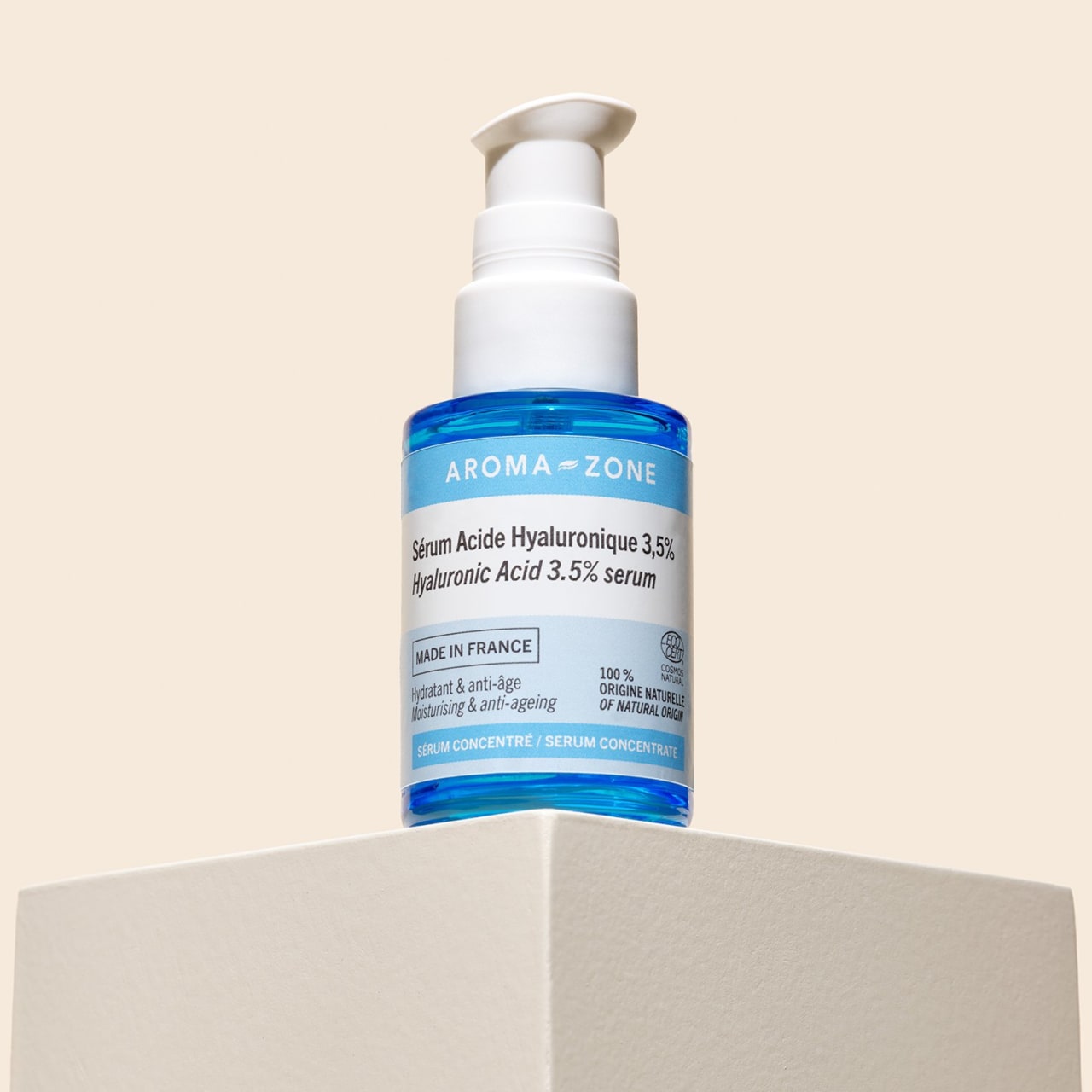
Hyaluronic acid is an important component of skin health, considered to be the ultimate anti-ageing molecule. It is an essential building-block of the dermis and, to a lesser extent, the epidermis, and a major component of the extracellular matrix, playing a part in skin health by preventing water from escaping. Consequently, it is an excellent natural moisturiser.
A cornerstone of connective tissue
Hyaluronic acid is a fundamental component of connective tissue, whose role is to provide support and protection for many organs. It is therefore present in bones, cartilage, muscles and the vitreous humour of the eye. By connecting tissues, tendons and hyaline cartilage, it contributes to the body’s overall cohesion and provides a protective function that is essential for tissue balance. It acts as a true soother.[2]
The go-to active ingredient for skin hydration
This molecule is a major component of the dermis and, to a lesser extent, the epidermis. As an essential component of the extracellular matrix, hyaluronic acid prevents water from escaping from the tissues , acting as a natural reservoir of hydration. Oral supplementation therefore promotes plumper skin, improves elasticity and helps to reduce the depth of wrinkles. Hyaluronic acid is considered to be the ultimate anti-ageing molecule. [1]
Joint flexibility and muscle recovery
In the joints, this active ingredient is one of the main components of synovial fluid. It provides a natural lubricating effect and helps keep cartilage supple, thereby facilitating joint mobility and smooth movement. Beyond joint comfort, hyaluronic acid can aid the regeneration of muscle fibres. In cases of intense physical exertion, it enables stem cells to adapt more effectively to initiate tissue repair. [2; 3]