Hyaluronic acid and polyglutamic acid face cream: What are its benefits?

Dreaming of baby-soft skin that feels smooth, supple, and plump? Aroma-Zone has combined hyaluronic acid and polyglutamic acid in a cream with clinically proven effectiveness. Here’s the science behind it.

Reading time: 0 min.

What is hyaluronic acid and what are its benefits?

Hyaluronic acid (molecular formula C₂₈H₄₄N₂O₂₃) is a non-sulfated glycosaminoglycan. Its unique structure gives it an exceptional ability to retain up to 1,000 times its weight in water. It is naturally and abundantly present in the human body. (1)

Hyaluronic acid is renowned for its powerful hydrating, smoothing, and repairing properties.
Moisturizing properties

Skin hydration depends mainly on the water bound to hyaluronic acid molecules in the dermis and in part of the epidermis. (2)

Hyaluronic acid:

  • Can bind 1,000 times its volume in water: A highly hygroscopic molecule, hyaluronic acid helps hydrate both the stratum corneum and the dermis. As a humectant, it draws water from the dermis up to the epidermis.

  • Hydrates the dermis: It helps regulate the skin’s water balance, osmotic pressure, and ionic flow, while acting as a selective filter that excludes certain molecules. It also contributes to stabilising skin structures.

  • Hydrates the epidermis: Hyaluronic acid found in the basal layer plays a role in regulating the cell cycle. In the granular and spinous layers, it supports skin hydration by retaining water molecules from the dermis within the extracellular matrix.

  • Locks in moisture within the hydrolipidic film: This natural surface emulsion of water and lipids helps retain moisture at the skin’s surface. The hydrolipidic film is essential for maintaining skin suppleness, as it holds the water bound by hyaluronic acid.

Smoothing properties

  • Stabilises collagen and elastin fibres: Hyaluronic acid is found surrounding collagen and elastin fibres, helping to maintain their optimal structure. Over time, these connections weaken, leading to a loss of organisation in collagen and elastin fibres, which can contribute to the appearance of fine lines, wrinkles, and nasolabial folds. (1)

  • Hydrates and supports cellular regeneration: Its high water-retention capacity helps slow the formation of wrinkles and improve the appearance of existing fine lines. This hydration also promotes cellular regeneration and helps stimulate collagen production.

Repairing properties

  • Helps regulate skin inflammation: In the event of tissue injury, hyaluronic acid is actively produced and plays a key role in regulating tissue repair. It helps modulate the body’s innate response to damage and supports the activity of epithelial cells and fibroblasts. (3)

  • May help soothe inflammatory skin conditions: Numerous preclinical and clinical studies have explored the potential of hyaluronic acid to help relieve a wide range of inflammatory skin conditions, such as dry skin, rosacea, and skin erythema. (1)

The importance of the molecular weight of hyaluronic acid...

The effectiveness of hyaluronic acid depends on its molecular weight: the lower the molecular weight, the greater the improvements in skin hydration, elasticity, and reduction of periocular wrinkles in women. (1)

  • High molecular weight hyaluronic acid (between 50KDa and 3000KDa*) penetrates less easily through the different layers of the skin. It remains mainly on the surface, forming a thin, protective and essential hydrating film.

  • Conversely, a lower molecular weight (20–300 kDa) can penetrate the stratum corneum, the epidermis, and deeper dermal layers.

It is therefore beneficial for cosmetic formulations to combine both molecular weights of hyaluronic acid.

* Da = Dalton, unit of measurement

Polyglutamic acid: what is it and what are its benefits?

Polyglutamic acid is a polypeptide (a chain of amino acids). It exists in two isoforms: α-PGA, synthesised chemically through polymerisation, and γ-PGA, produced by bacteria. Poly-γ-glutamic acid (γ-PGA), also known as polyglutamate, was first discovered in natto, a type of fermented soybean.

Polyglutamate is found in various natural sources, including specific microorganisms and fermented foods. (4)

Its biocompatibility, water solubility, and film-forming properties make it an ideal ingredient for cosmetic formulations.

Skin hydration properties

  • Binds effectively to water molecules: Its strong affinity for water and its ability to stimulate the skin’s Natural Moisturising Factor (NMF) give it intense hydrating properties.

  • Boosts the production of moisturising factors: As a humectant, it helps increase the production of NMF components such as urocanic acid, pyrrolidone carboxylic acid, and others. These compounds, synthesised in the deeper layers of the stratum corneum, play a key role in maintaining skin health by supporting hydration and preventing excessive dryness. (5)

  • Film-forming: When dissolved in water, polyglutamic acid molecules can self-assemble to form cohesive films on the skin. (4) This ability to retain moisture while creating a protective barrier provides intense hydration, enhanced protection, and a pleasant texture in cosmetic formulations.

Properties affecting skin elasticity

  • Protector of hyaluronic acid : Polyglutamic acid has been shown to improve skin elasticity more than collagen and hyaluronic acid (5). This is partly because γ-PGA is an inhibitor of hyaluronidase, an enzyme that breaks down hyaluronic acid in the skin's dermis. Its benefits are therefore easy to understand. 

  • Improves skin texture : It stimulates collagen production and maintains its content in the skin over time.

Other notable properties

Polyglutamic acid has been extensively studied in recent years. (4)

  • It has been shown to promote cell growth in fibroblasts and keratinocytes, which is particularly beneficial for supporting wound healing.

  • In addition, γ-PGA has shown a potentially significant photoprotective effect against UV-induced damage. However, to date, there are still limited studies on this topic.

The importance of the molecular weight of polyglutamic acid...

As with hyaluronic acid, the impact of different molecular weights of polyglutamic acid is of growing interest in the cosmetics field. The molecular weight of PGA influences its effectiveness on the skin.

  • Polyglutamic acid with a higher molecular weight tends to form a more occlusive barrier on the skin’s surface, helping to reduce transepidermal water loss while improving skin hydration by preventing moisture evaporation.

  • Low molecular weight PGAs penetrate more deeply into the skin layers, where they can bind to water molecules and boost hydration from within.

Why moisturize your face?

The skin is one of the few organs that directly protects us from external aggressions. Constantly exposed to its environment, it is continuously challenged, and its components can become weakened over time. Hydrating the skin means nourishing and restoring it, helping to optimise its essential functions.

Moreover, the human body, including the skin which is its largest organ, is made up of over 80% water. When the skin is unable to retain sufficient moisture, it becomes dry. Common contributing factors include frequent bathing, harsh soaps, ageing, cold, wind, heat, UV exposure, and pollution.

Skin hydration prevents:

  • skin aging

  • dull complexion

  • feelings of tightness

  • dryness

How can you tell if your skin is dehydrated?

The characteristic signs of dehydrated skin are as follows:  

  • Dull complexion and lack of radiance

  • Localised tightness

  • A feeling of skin discomfort

  • Shiny areas due to increased sebum secretion

  • The appearance of dehydration lines not related to ageing (around the eyes, on the forehead, etc.)

  • Increased sensitivity

  • Appearance of redness when exposed to external aggressions.

Hyaluronic acid and polyglutamic acid face cream: its benefits

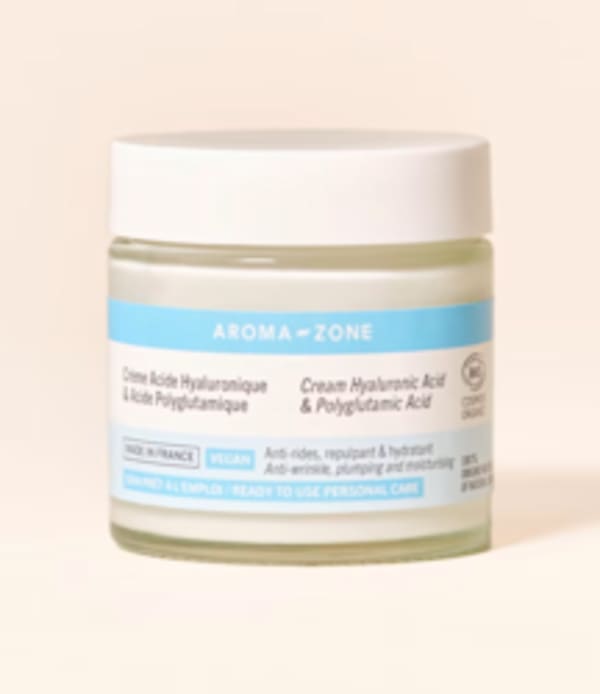
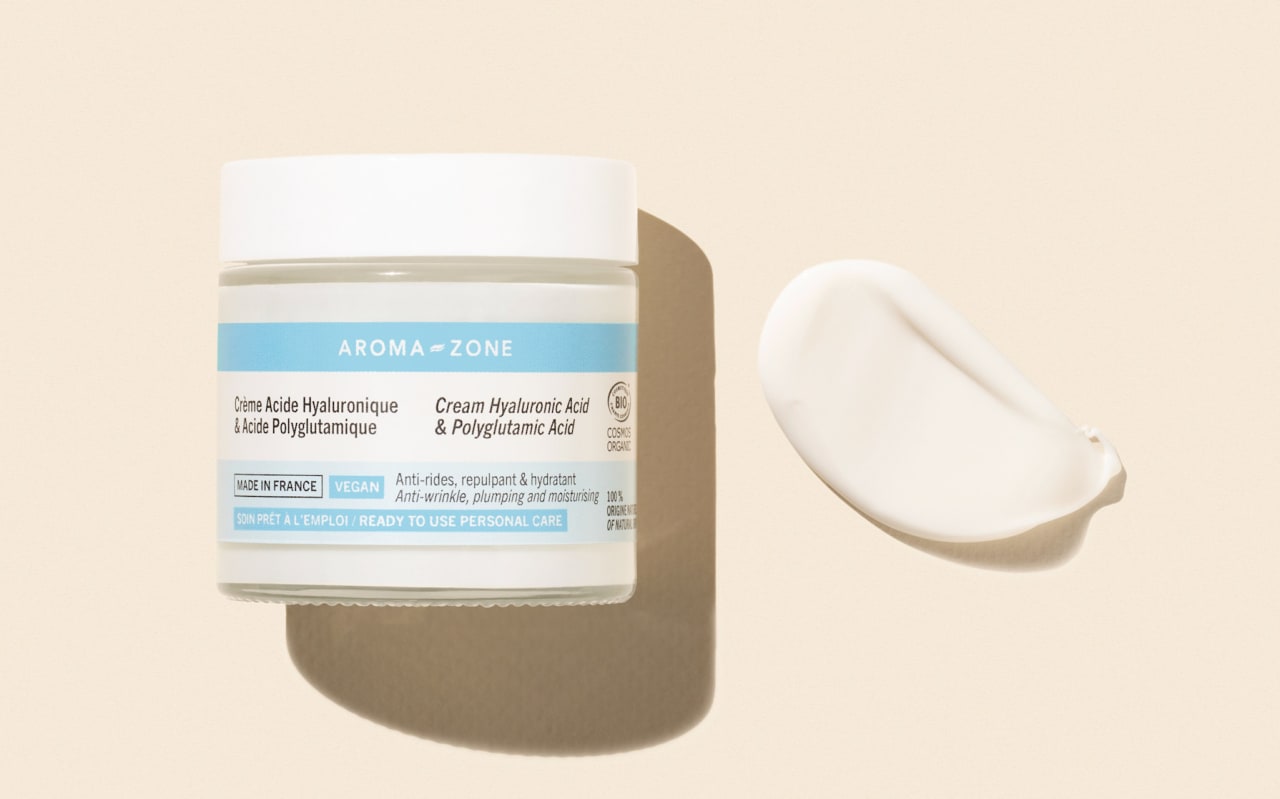
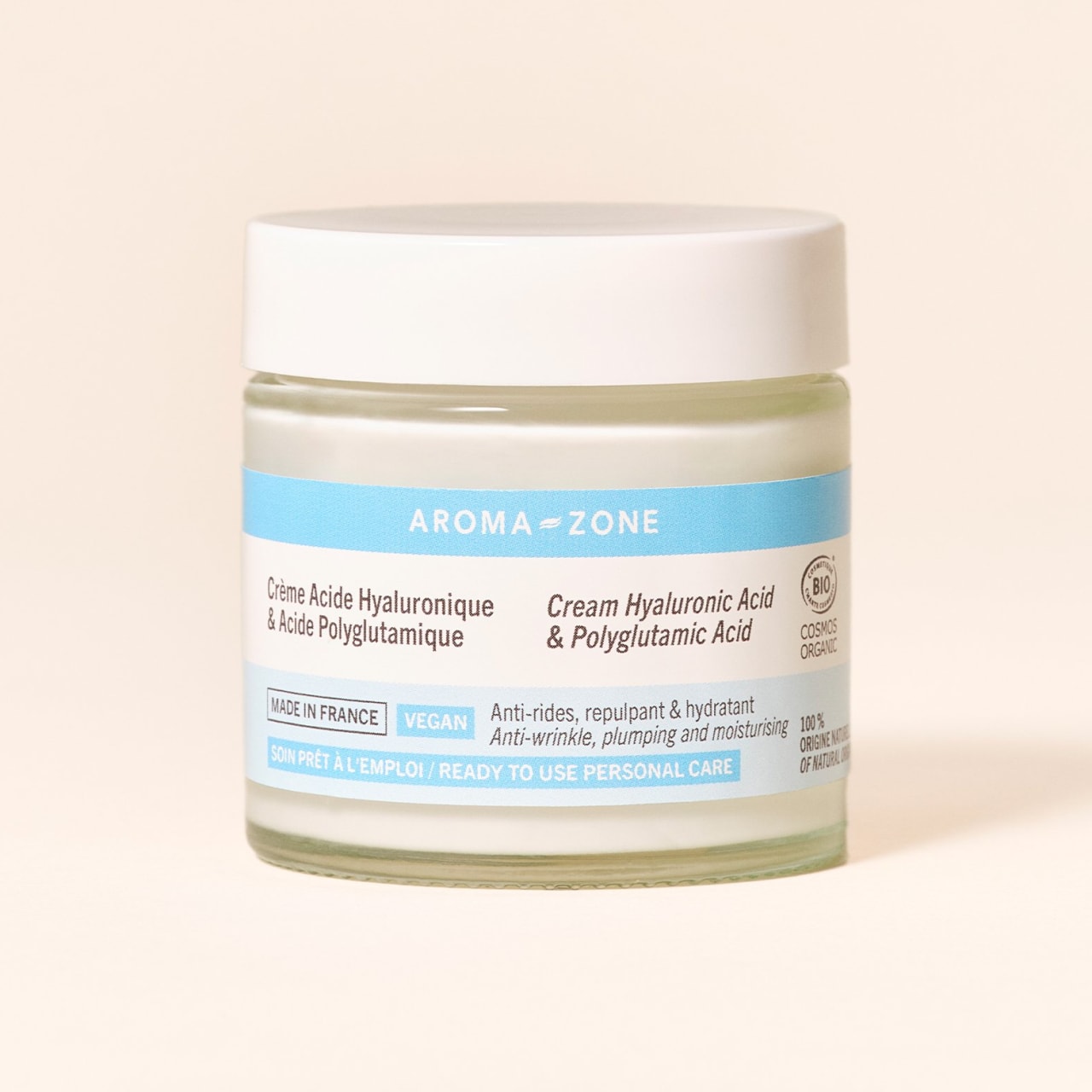
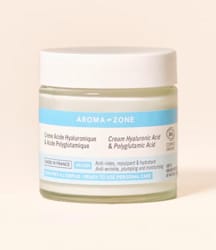
Hyaluronic Acid & Polyglutamic Acid Cream delivers immediate, long-lasting, and intense hydration.

Certified organic, this rich cream helps reduce discomfort linked to dehydration, prevents early signs of ageing, and visibly corrects existing signs of ageing on the face.

The combination of hyaluronic acid and polyglutamic acid, with multiple molecular weights, leaves skin soft, supple and plump, for a “baby-soft” effect. Working in synergy, these two active ingredients deeply hydrate, support the skin’s natural production of collagen and hyaluronic acid, smooth the skin, and help restore the skin barrier.

CLINICALLY PROVEN EFFECTIVENESS

Hyaluronic Acid & Polyglutamic Acid Cream immediately hydrates your skin (+74% immediate hydration*) and provides long-lasting hydration (up to 48 hours after application*). It strengthens the skin barrier**.

-40% dryness**

-59% tightness**

-20% wrinkles across the entire face, including forehead and crow's feet wrinkles**

+17% firmer skin**

*Corneometry performed on 11 subjects.

** Self-scoring performed by 43 volunteers after 28 days of use.

Hyaluronic Acid & Polyglutamic Acid Face Cream: which skin types is it suitable for?

Suitable for all skin types, particularly recommended for dry and mature skin

Suitable for sensitive skin


Focus on Hyaluronic Acid & Polyglutamic Acid Cream

Use and precautions

Studies on hyaluronic acid and polyglutamic acid have not shown any side effects when these two actives are used in cosmetics. Biocompatible, they are considered safe.

The Hyaluronic Acid & Polyglutamic Acid Cream has been dermatologically tested.

Active ingredients and formulation of the face cream

Hyaluronic acid: two different molecular weights for greater effectiveness

This formula combines two types of hyaluronic acid with different molecular weights, covering a broad spectrum (<20 kDa to 3,000 kDa).

  • Low molecular weight hyaluronic acids (Renew) <20 kDa help restore the skin barrier from within, reduce roughness and inflammation, and improve skin elasticity and firmness while delivering deep repair.

  • High molecular weight hyaluronic acids (Relift), ranging from 50 kDa to 3,000 kDa, act on the skin’s surface to enhance firmness and elasticity, providing a lifting effect on fine lines and wrinkles.

Thanks to these two grades, the formula targets multiple biological pathways.

Polyglutamic acid: two different molecular weights for greater effectiveness

Following the same approach, this cream also incorporates two types of polyglutamic acid with distinct molecular weights: D-glutamic acid and L-glutamic acid.

High molecular weight polyglutamic acid (≈ 2,000 kDa) forms a protective shield on the surface of the skin.

Low molecular weight polyglutamic acid (≈ 1 kDa) penetrates the skin to act more deeply.

Aroma-Zone has chosen to combine these two grades in the formula to ensure optimal effectiveness and comprehensive hydration.

What skincare routine should you follow with this product? (How and when should it be applied?)

This product can be applied morning and evening to clean skin.

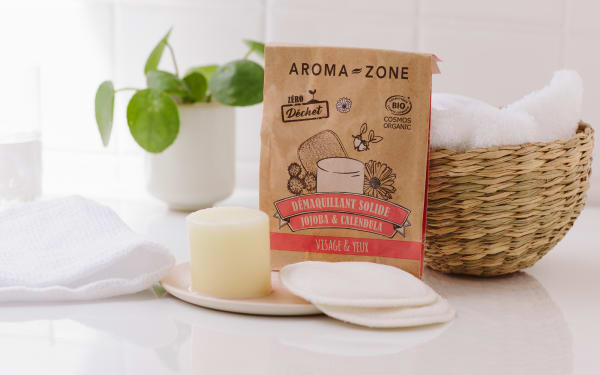
1. Gently cleanse and dry your skin: to remove makeup, you can opt for the organic jojoba & calendula solid makeup remover. For gentle, 100% natural cleansing, use the Neutral palm oil-free cleansing base.

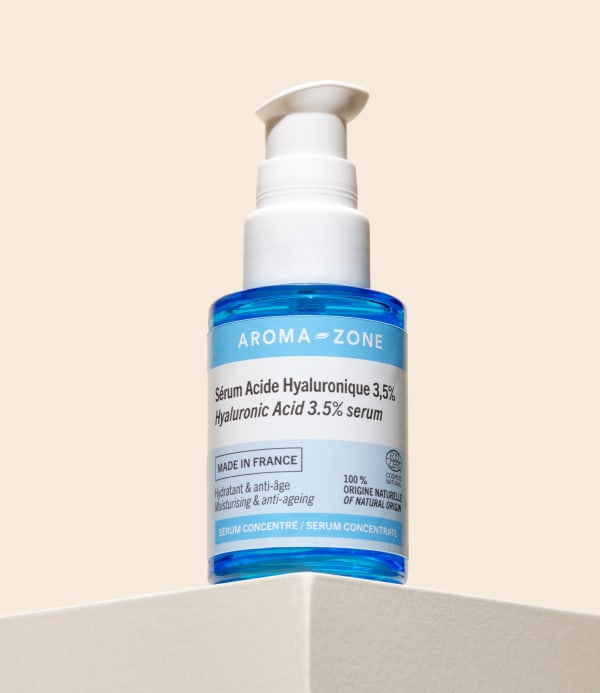
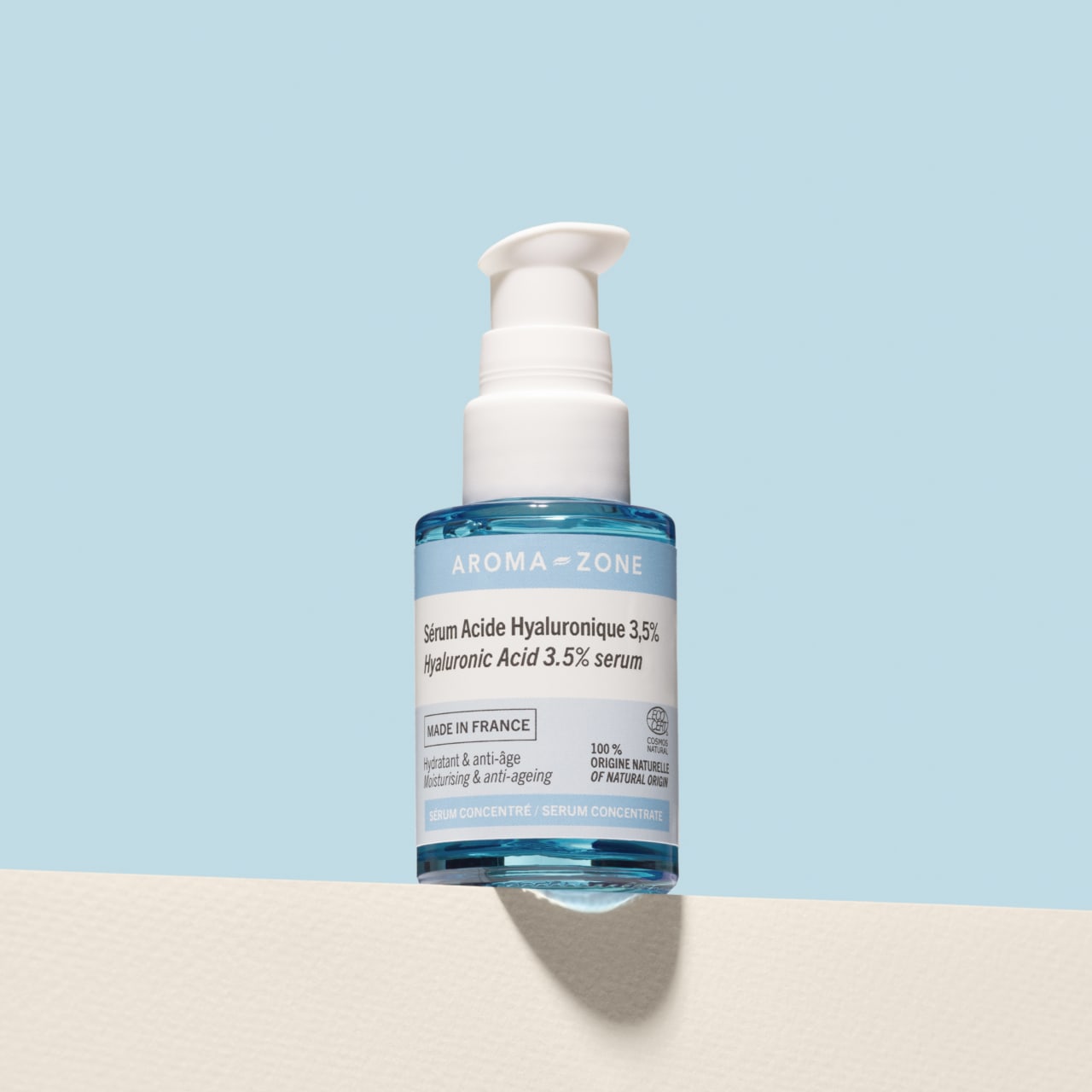
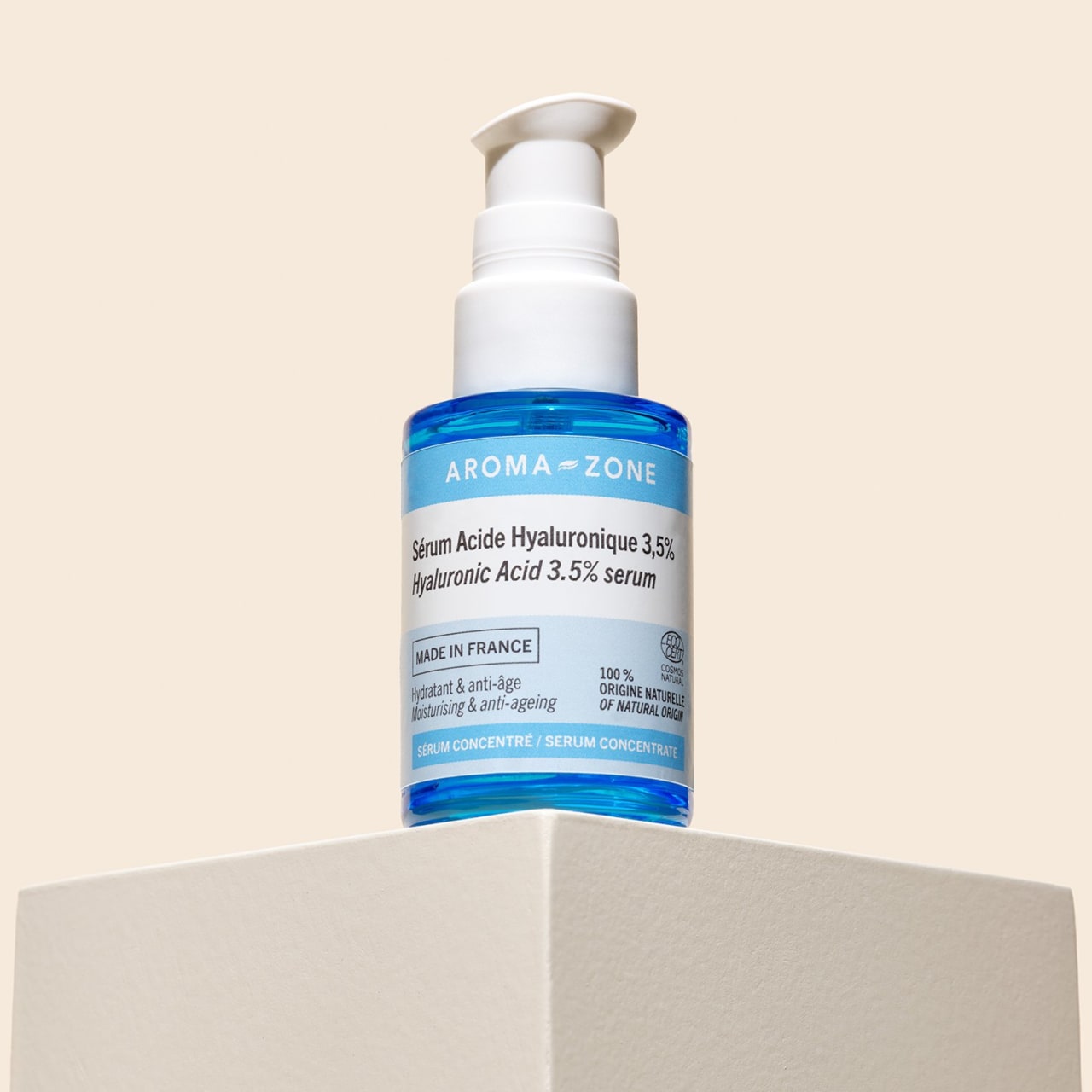
2. Apply a few drops of the serum suited to your skin's specific needs to your face and neck, massaging it in to help it penetrate. Our Natural Hyaluronic Acid Face Serum - Aroma-Zone is a must-have. If you're looking for an oil-based serum, you can opt for the Soothing Ceramides & Phytosterols Concentrated Serum - Aroma-Zone. for evening use.

3. Then apply the Hyaluronic Acid and Polyglutamic Acid Cream all over your face and neck.

What other tips can help keep your skin hydrated?

  • Hydrate your skin from within by drinking enough water and eating water-rich foods such as fruits and vegetables

  • Maintain good surface hydration by choosing humectants and hydrating ingredients that help retain moisture at the skin’s surface

  • Strengthen your skin's natural barrier by incorporating ceramides and plant oils into your routine by adding ceramides and plant oils to your routine. 

For more information: Moisturise your skin naturally - Aroma-Zone

Recipes

Express hydrating face serum

Preparation

1

Mix all the ingredients together in a bowl.

2

Transfer the preparation into the bottle that previously contained the hyaluronic acid concentrate.

Note: the pH of this preparation is approximately 5.0-6.0.

Store your bottle away from light and heat.

*Storage: When properly stored and prepared under optimal hygienic conditions, your product can be kept for at least 1 month.

To find out more, see

Just 3 ingredients in a quick and easy moisturising face serum recipe:

“Hydration Boost” Face Serum

Ingredients (without scales)

Preparation

1

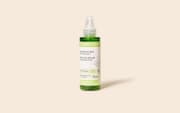
Empty the bottle of aloe vera gel into a small bowl.

2

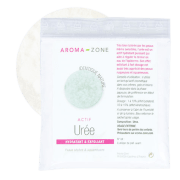
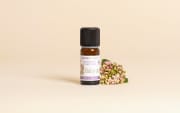
Add the urea active and the lemon essential oil to the bowl, then mix with a teaspoon until fully blended.

3

Transfer the mixture into the bottle that previously contained the aloe vera gel using a pipette.

Note: the pH of this preparation is approximately 5.0-6.0.

Store your bottle away from light and heat.

*Storage: When properly stored and prepared under optimal hygienic conditions, your product can be kept for at least 1 month.

Moisturizing treatment face cream

Preparation

1

Transfer all the ingredients to a bowl.

2

Mix well after each addition, then transfer the preparation into a bottle or into the jar that previously contained the hydrating base cream.

Tip: Pre-mix the blue oxide in a small amount of water.

Note: The pH of this preparation is approximately 5-5.5.

Store your bottle or jar away from light and heat.

* Storage: When properly stored and prepared under optimal hygienic conditions, your product can be kept for at least 3 months.

Expert advice

Around 90% of the world’s population is exposed to daily pollution. Beyond damaging the skin’s natural biofilm and causing dryness, air pollution is increasingly recognised as a contributing factor in the development of common skin conditions. It triggers oxidative stress: airborne pollutants penetrate the skin in the form of nanoparticles and generate reactive oxygen species (ROS), also known as free radicals. The first step to help limit the impact of pollution on the skin is to cleanse it twice a day. (7)

Find out more

Can I use hyaluronic acid on my face every day?

Yes, there is no risk in applying hyaluronic acid to your skin every day, as it is naturally present in the skin.

Can collagen and hyaluronic acid be used together?

Of course. For example, you can apply your 1.5% Vegan Collagen Concentrated Serum, followed by the Hyaluronic Acid and Polyglutamic Acid Cream as your day cream.

Serum or cream? Which one should you choose?

It cannot really be said that hyaluronic acid cream is more or less effective than a serum formulated with the same active ingredient. The choice of product will depend on each individual's skin type, but also on their specific needs.

If you are looking for deep hydration and daily protection, the cream could be the ideal choice. For those who prefer rapid absorption and maximum concentration of active ingredients, the serum is an option to consider. It is also possible to combine both products in your skincare routine, applying the serum before the cream to benefit from a double dose of hydration and nutrition. The key is to choose quality products, understand your skin's specific needs, and adjust your routine accordingly.

Bibliography

1

Syed Nasir Abbas Bukhari, Nur Liyana Roswandi, Muhammad Waqas, Haroon Habib, Fahad Hussain, Shahzeb Khan, Muhammad Sohail, Nor Amlizan Ramli, Hnin Ei Thu, Zahid Hussain

2

F. Masson, Hyaluronic acid and skin hydration, Annales de Dermatologie et de Vénéréologie, Volume 137, Supplement 1, 2010, Pages S23-S25, ISSN 0151-9638

3

Marinho A, Nunes C, Reis S.

Hyaluronic acid: a key ingredient in the treatment of inflammation. Biomolecules. October 15, 2021; 11(10):1518. DOI: 10.3390/BIOM11101518. PMID: 34680150; PMCID: PMC8533685.

4

Serra, M.; Gudina, E.; Botelho, C.; Teixeira, J.A.; Barros, A.N. Polyglutamate: Unleashing the Versatility of a Biopolymer for Cosmetic Industry Applications.

5

Ogunleye A, Bhat A, Irorere VU, Hill D, Williams C, Radecka I.

Poly-γ-glutamic acid: production, properties and applications. Microbiology (Reading). 2015 Jan;161(Pt 1):1-17. doi: 10.1099/mic.0.081448-0. Epub 2014 Oct 6. PMID: 25288645.

6

AROMA-ZONE SKINCARE BOOK - Coming soon!

7

Roberts W. Air pollution and skin disorders. Int J Women's Dermatol. 2

November 25, 2020; 7(1):91-97. DOI: 10.1016/j.ijwd.2020.11.001. PMID: 33537398; PMCID: PMC7838324.