

The Importance of Collagen in Sports Recovery

The Importance of Collagen in Sports Recovery


By Laura Almeras

Published on: Tuesday, January 02, 2024, Updated on: Tuesday, September 15, 2026

After age 25, the body’s ability to produce collagen declines, leading to a decrease in skin elasticity. While we know the benefits of collagen for skin and hair, this protein is also particularly beneficial for athletes. It aids in recovery and tissue protection; let’s take a closer look at the importance of collagen in an athlete’s routine. 

Contents

Related products

What is collagen?

Definition of collagen and its abundance in the body

Collagen is a macromolecule found in very large quantities in the human body. It is one of the most abundant fibrous proteins in the body and plays an essential role in the formation and maintenance of various tissues. Derived from the Greek word "kolla," meaning "glue," collagen acts as a kind of "biological glue" that ensures the cohesion and strength of anatomical structures.

This protein accounts for about one-third of the total protein composition of the human body. It is found primarily in the skin, bones, tendons, ligaments, and cartilage. The unique structure of collagen, composed of three polypeptide chains arranged in a triple helix, gives these tissues exceptional stability and strength.

The Different Types of Collagen and Their Functions

There are several types of collagen, each with specific characteristics and distinct functions in the body. Among the most common types are:

  1. Type I collagen: Found in the skin, tendons, bones, and connective tissues, type I collagen provides strength and elasticity to these tissues.

  2. Type II collagen: Found primarily in cartilage, Type II collagen helps ensure joint flexibility and maintains cartilage function.

  3. Type III collagen: Found in blood vessel walls, internal organs, and muscles, it contributes to organ structure and blood pressure regulation.

  4. Type IV collagen: Found in basement membranes, type IV collagen provides structural support for cells and facilitates filtration in tissues.

Each type of collagen is specifically adapted to the function of the tissue in which it is found, thereby ensuring the diversity of mechanical and structural properties necessary for the body to function properly. 

The relationship between collagen and connective tissues in the body

Connective tissues rely heavily on collagen, including cartilage, tendons, ligaments, and fascia. In fact, collagen forms the basic structure of these tissues, ensuring their integrity and resistance to various stresses, particularly physical ones. The abundant presence of collagen in connective tissues helps maintain the cohesion, strength, and elasticity necessary to support movement, absorb shocks, and prevent injuries.


Collagen as joint support

Impact of Sports on Joints

During a workout, joints are put under significant strain and endure heavy stress. Repetitive movements, heavy loads, and impacts can lead to excessive wear and tear on the joints, thereby increasing the risk of injury and discomfort. Athletes, in particular, are often prone to joint problems due to the repetitive nature of training and various physical demands.

How collagen contributes to joint health and resilience

Collagen plays a crucial role in maintaining joint health and their ability to regenerate. It is a major component of cartilage, the protective structure that covers the ends of bones at the joints. By strengthening cartilage, collagen promotes a smooth and elastic joint surface, thereby reducing friction between bones. This helps improve joint mobility, prevent premature wear and minimise the risk of injuries, whether sports-related or not.

Collagen is not only an essential component of cartilage itself, it also acts as an inflammation regulator. It modulates inflammatory responses in the joints, helping to maintain an environment conducive to tissue repair while minimising inflammatory processes that could cause further damage.

Which collagen is best for tendons?

To specifically target tendons, Type I collagen is particularly recommended because it makes up the majority of their structure.

Supplementing with type I collagen can strengthen the tendons themselves, thereby improving their resilience during repetitive movements and the various stresses to which they are exposed. This can be particularly beneficial for athletes who put a lot of strain on their tendons, such as runners, jumpers, or those who participate in sports that are hard on the muscles and involve sudden movements.

Why take collagen when you exercise?

Understanding the Different Phases of Recovery

Recovery after physical exertion is a complex process that occurs in several phases:

  1. Initially, there is the so-called "acute" phase, which encompasses the immediate moment following intense physical activity.

  2. This is followed by the subacute phase, where inflammation may sometimes persist. 

  3. Finally, the chronic phase, where tissue repair continues over the long term throughout the recovery process. It is during this phase that the muscle will develop and grow. 

Each of these phases plays a crucial role in preparing the body for the next workout. If you don’t let the muscle recover, it won’t gain volume. If you’re aiming to build muscle mass, there’s no point in going to the gym every day. Instead, prioritise true recovery days to give your tissues time to fully recover and regenerate. 

Inflammation and the role of collagen in modulating inflammation

Inflammation is the body’s natural response to physical stress, such as intense training. While it is part of the training process, excessive inflammation can cause tissue damage. This is where collagen comes in as a key regulator of inflammation. Collagen’s anti-inflammatory properties help modulate this response, promoting the appropriate level of inflammation needed for tissue repair without causing excessive damage.

However, it’s important to note that collagen alone cannot solve all your inflammation issues. It’s essential to maintain a healthy lifestyle alongside a balanced diet and adequate hydration. You can even combine collagen supplementation with foods known for their anti-inflammatory properties.

The Importance of Tissue Regeneration After Intense Exercise

During exercise, tissues undergo significant stress, sometimes resulting in micro-injuries. Effective regeneration of these tissues is crucial for rapid recovery and to prevent the accumulation of long-term damage. Collagen, as a major structural component of tissues, plays an active role in the reconstruction of muscle fibres, tendons, and ligaments. By combining your recovery phases with collagen, you will contribute to the complete restoration of your tissues and their optimal functionality.

Which collagen should you take for weight training?

To facilitate recovery, Type I collagen stands out. It is particularly beneficial for strengthening tendons and ligaments and provides valuable support to muscles that are overworked during strength training. Hydrolysed collagen supplements are often recommended because they are easier to absorb and therefore offer better bioavailability.

When should you take collagen for strength training? During recovery

The Role of Collagen in Muscle Fibre Regeneration

Muscle regeneration is essential for muscle development and the prevention of chronic fatigue, especially after intense exercise. Collagen plays an essential role in this process as it promotes the reconstruction of damaged muscle tissue. As a structural component of connective tissues, collagen contributes to the formation of the extracellular matrix, which provides the structural support necessary for muscle growth and repair.

Collagen supplementation can stimulate muscle protein synthesis, thereby improving post-workout recovery. Taking collagen is highly recommended, both for those who engage in intense physical activity and for those looking to build muscle mass.

How can collagen reduce the risk of muscle injuries?

In addition to promoting muscle fibre regeneration, collagen also plays a role in injury prevention. By strengthening connective tissues, particularly tendons and ligaments, it contributes to muscle stability during and after exercise. Stronger tendons and more elastic ligaments reduce the stress placed on muscles, thereby minimising the risk of muscle tears or injuries caused by overexertion.

Regular collagen supplementation can therefore be considered a preventive measure to strengthen musculoskeletal structures and reduce the risk of activity-related injuries. 

When should you take collagen after strength training?

The optimal time to take collagen after strength training is generally during the post-workout recovery phase. This is when the body is most receptive to nutrient absorption, and therefore will absorb collagen most effectively. Taking it immediately after training, or shortly thereafter, will maximise its benefits and fully support muscle regeneration, connective tissue repair, and reduce inflammation.

Some athletes prefer to take collagen right before bed, because most muscle repair and growth occurs while you sleep. Nighttime offers a prime window for nutrient absorption, which can amplify collagen’s beneficial effects on muscle recovery.

Focus on Aroma-Zone Marine Collagen

024-pack-aromazone-0233 1

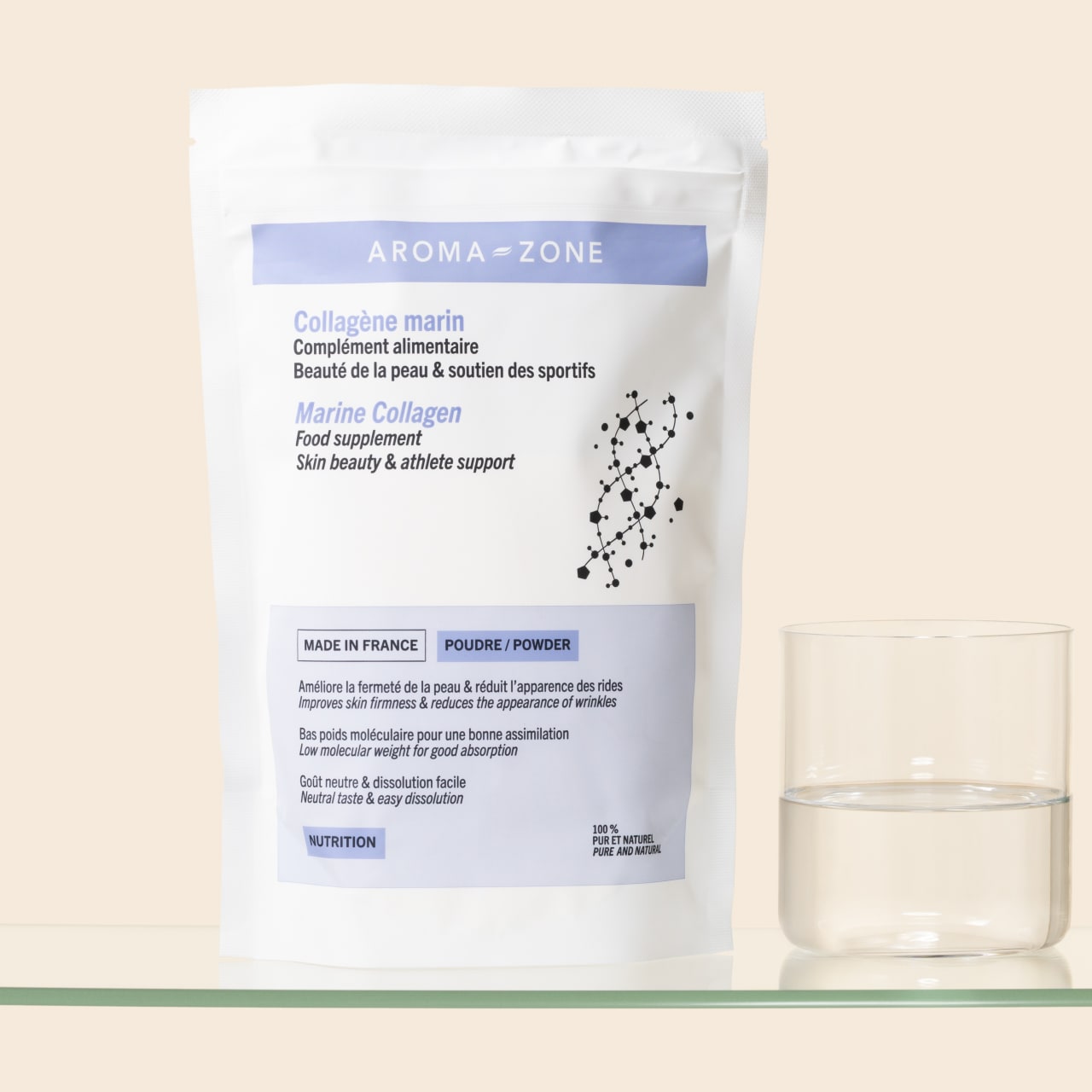
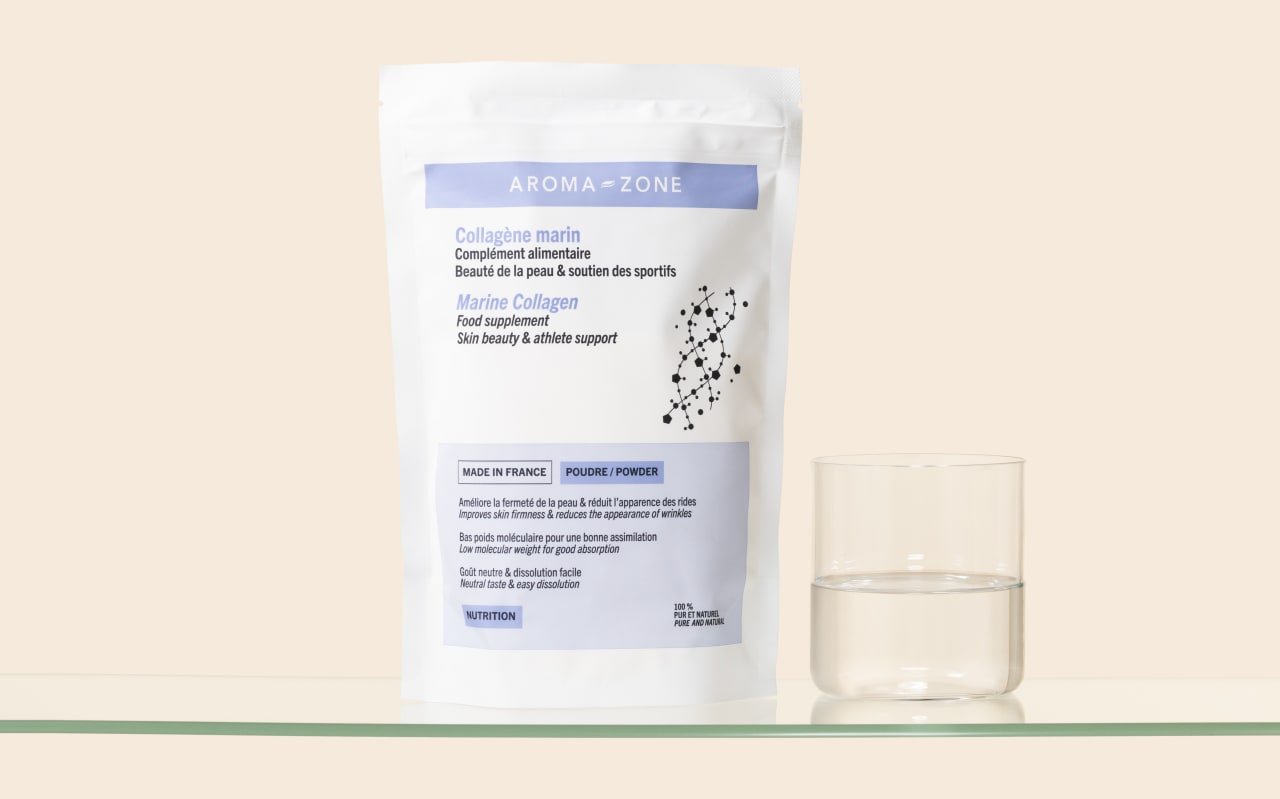
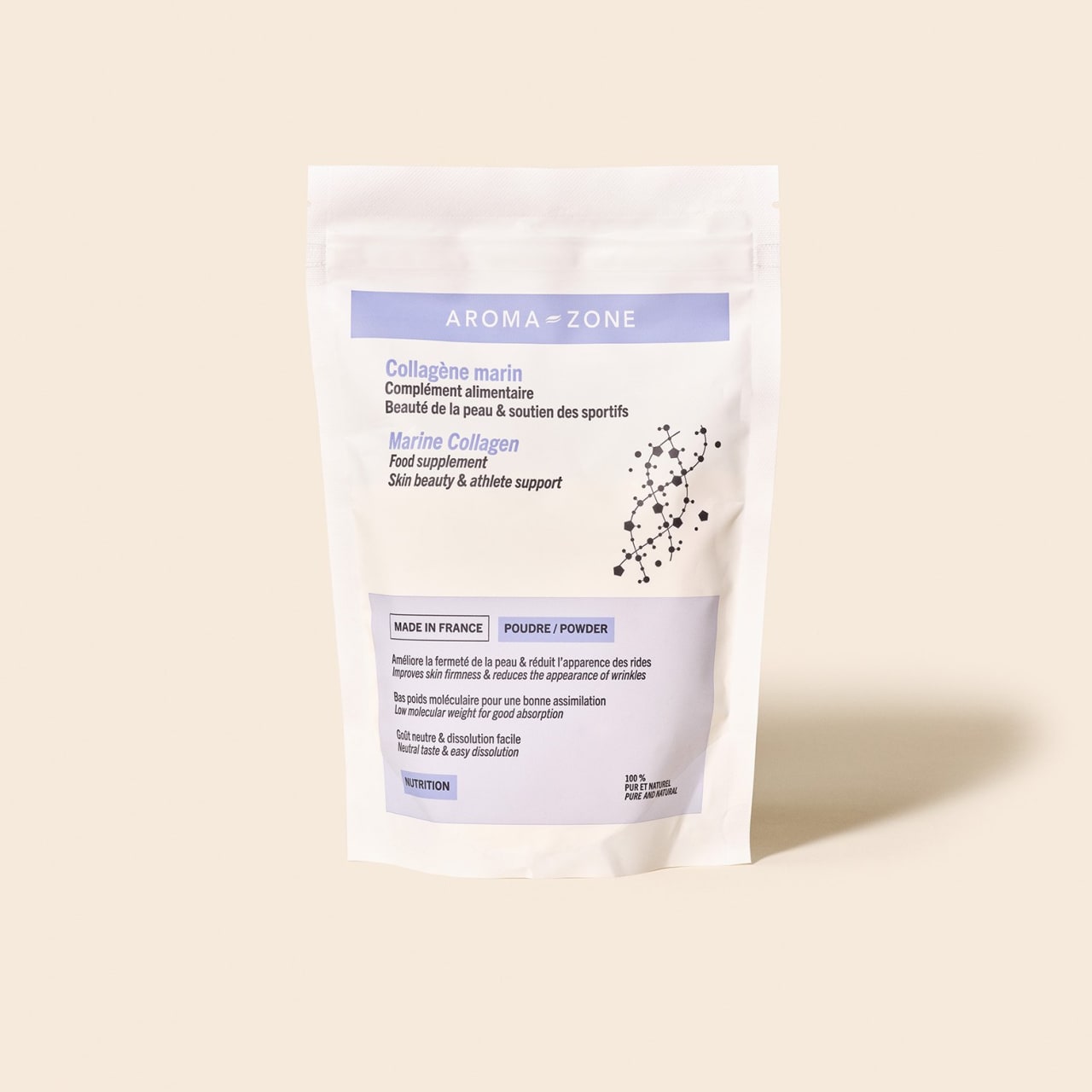
The Aroma-Zone Marine Collagen dietary supplement is made from 100% premium-quality hydrolysed marine collagen, manufactured in France. The collagen peptides are sourced from responsible and sustainable aquaculture certified by Friend of the Sea. Highly bioavailable thanks to its low molecular weight, this neutral-tasting hydrolysed collagen dissolves very easily in water for pleasant daily consumption. This marine collagen dietary supplement offers all its benefits for athletes. Rich in protein, it helps increase muscle mass as part of a regular exercise routine and maintain normal bone health.

Discover Marine Collagen

In summary:

Taking collagen after strength training can be particularly beneficial if you want to optimise recovery phases, reduce the risk of muscle injuries, and boost muscle growth. Also, to maximise absorption, you can combine collagen supplementation with vitamin C, which helps the body absorb the protein.

To avoid any risks, we recommend consulting a healthcare professional or a nutritionist so that you can determine together the appropriate dose and timing for taking collagen.

Meet our wellness editor, Laura Almeras

Laura is a health, beauty, and lifestyle writer. Passionate about travel and gastronomy, she shares all her nutrition tips for combining pleasure with well-being. Through her articles, she is committed to providing you with meaningful information and practical advice to nourish your body and mind.

Bibliography

  1. https://ici.radio-canada.ca/nouvelle/1822147/supplement-collagene-marin-peau-bienfait

  2. https://hal.univ-lorraine.fr/hal-01931819/document

  3. https://www.lanutrition.fr/quelles-vitamines-pour-le-sport

Associated tips