

What Are Calories, and What Are They Used For?

What Are Calories, and What Are They Used For?


By Gipsy Dauge

Published on: Wednesday, April 17, 2024, Updated on: Friday, October 02, 2026

Calories are often seen as the enemy by those who want to lose weight. In reality, calories are the fuel our bodies need to function. In nutrition, they are used to describe the amount of energy our bodies derive from the foods and beverages we consume. In this article, you’ll learn everything you need to know about your calorie needs as well as how to measure the nutritional values of foods.

Contents

Related products

What Is a Calorie?

What Are They Used For?

A calorie is a unit of measurement that allows us to measure the amount of energy we consume or expend. One calorie is equivalent to the amount of energy needed to raise the temperature of 1 gram of water by 1 degree Celsius.

The calories we consume come primarily from macronutrients: proteins, carbohydrates, and fats. Vitamins and minerals do not contain calories. All of our organs need energy, and therefore calories, to function. 

The calories we burn are used to support our body’s physiological processes, such as breathing or digestion. We burn calories even when we’re resting or sleeping. And we burn even more when our bodies are in motion, such as when we walk or move to perform certain daily tasks, and even more when we engage in physical activity.
Note: In nutrition, what we commonly refer to as “calories” are actually kilocalories (kcal): one kilocalorie = 1,000 calories.

Are All Calories Created Equal?

The idea that “not all calories are created equal” suggests that different types of foods, although they provide calories, do not necessarily result in the same amount of energy in the body. In other words, not all foods are equal in terms of energy value. A food can be high in calories, whether it’s nutritious or not, because it provides a certain amount of energy.

However, some foods are more nutrient-dense than others, meaning they provide a wider variety of essential nutrients relative to their energy content. This is why we distinguish between nutrient-rich foods and those that are less nutritious, in order to understand the nutritional value of a food relative to its energy density.

What Is the Role of Calories?

  • Maintaining Vital Functions: The basal metabolic rate represents the energy required to maintain vital functions at rest, such as breathing, blood circulation, body temperature regulation, and cellular function

  • Energy Expenditure: Even at rest, the body uses a significant amount of calories for these essential functions

  • Physical Activities: Calories are needed to fuel all forms of physical activity, whether daily tasks like walking or more intense exercise sessions

  • Protein Synthesis: Proteins, which provide calories, are essential for tissue growth, muscle repair, and the production of enzymes and hormones

  • Cell Development: Calories are necessary for cell division and the regeneration of body tissues

  • Cognitive Functions: An adequate calorie intake is necessary to maintain optimal levels of concentration, memory, and cognitive performance

  • Caloric Balance: Maintaining body weight depends on the balance between calories consumed and calories expended. Thus, a calorie surplus leads to weight gain, while a calorie deficit leads to weight loss

Did You Know?

The basal metabolic rate is the amount of energy required for the body to function at rest. It isn’t the same for everyone and can vary depending on factors such as gender, age, weight, and muscle mass. This explains why we’re not all the same: those with a higher basal metabolic rate burn more calories at rest and tend to store more fat. In fact, men, who have more muscle mass than women, generally tend to lose muscle mass more easily.

What Effects Do They Have on the Body?

Positive Effects

  • Energy Intake: Calories represent the energy our bodies need to function

  • Nutrient Intake: Calories come from foods that also provide our bodies with essential nutrients: proteins are the building blocks of our body’s structure, while fats and carbohydrates are its energy sources. Carbohydrates provide immediate energy, while fats provide energy over the long term

Negative Effects

  • Excess Calories: Consuming more calories than needed leads to being overweight, which can affect our overall health

  • Calorie Deficiency: Insufficient calorie intake can lead to a lack of energy as well as nutritional deficiencies, which can affect certain bodily functions

How Many Calories per Day?

Nutritional needs vary depending on gender, age, weight, and level of physical activity. Higher energy expenditure, whether at work or during leisure activities, requires an increase in nutritional intake.

For example, in France, the French Agency for Food, Environmental and Occupational Health & Safety (ANSES) estimates an average energy requirement of:

  • Approximately 2,100 kcal for women aged 18 to 59

  • Approximately 2,600 kcal for men aged 18 to 69

How Do You Calculate How Many Calories You Need per Day?

There are several methods for calculating your daily calorie needs: you can either calculate them online or do it manually here. We’ll look at the different types of calculations:

Basic Calculation: Use the basal metabolic rate (BMR) formula: BMR (kcal/day) = 10 × weight (in kg) + 6.25 × height (in cm) − 5 × age (in years) + 5

Once you’ve completed this calculation, you’ll need to multiply it by a lifestyle factor that corresponds to your level of physical activity:

  • Sedentary: BMR × 1.375

  • Moderate Exercise (1 to 2 times per week): BMR × 1.56

  • Frequent Exercise (every other day): BMR × 1.54

  • Active Athlete (daily): BMR × 1.82

Caution

No matter which calculation method you choose, the result is only an estimate of your needs. It’s recommended that you pay attention to how you feel and how your body is changing so you can adjust your intake accordingly. And be sure to take your daily calorie expenditure into account.

How Do You Calculate the Calories in a Meal?

If you want to calculate the calories in your meals, we recommend following these steps:

  1. Identify the ingredients in your meals (including seasonings and condiments)

  2. Determine the quantities

  3. Check the nutritional values for each food item

  4. Calculate the calories per ingredient

  5. Add up the calories

Should You Count Calories?

Calculating the calories you consume helps you monitor your energy intake, which can be useful for becoming aware of your eating habits and understanding how to nourish your body. However, before adopting this approach, it’s advisable to consult a doctor who specialises in nutrition to determine your individual nutritional needs.

What Are the Recommendations for Daily Calorie Intake?

Daily energy needs vary depending on several factors, including sex, age, body composition, level of physical activity, and even the outside temperature. That’s why calorie guidelines based on gender and age are general recommendations that need to be tailored to the individual.

For example, in France, ANSES provides the following average energy requirements for different age groups and levels of physical activity:

Calorie Intake for Men:

  • Sedentary: 2,000 to 2,400 kcal 

  • Moderately Active: 2,400 to 2,700 kcal

  • Very Active: 2,700 to 3,000 kcal


Calorie Intake for Women:

  • Sedentary: 1,600 to 1,900 kcal

  • Moderately Active: 1,900 to 2,200 kcal

  • Very Active: 2,200 to 2,600 kcal


Calorie Intake for Adolescents:

  • Ages 12 to 18: 1,900 to 3,000 kcal


Calorie Intake for Children:

  • Ages 1 to 3: 800 to 1,300 kcal

  • Ages 4 to 6: 1,300 to 1,600 kcal

  • Ages 7 to 10: 1,600 to 2,000 kcal

  • Ages 11 to 13: 1,900 to 2,500 kcal

These figures are based on the nutritional references established by ANSES for the French population. They represent averages and do not take into account specific needs related to certain physiological conditions (pregnancy, breastfeeding, medical conditions).

Note

To determine your specific calorie needs, it is recommended that you consult a dietitian or nutritionist.

Which Foods Contain the Most Calories?

The food that contains the most calories is pure oil or pure fat. Fats, such as olive oil, corn oil, butter, and margarine, are very calorie-dense. Here is a list of the most calorie-dense foods:

  • Oils and fats

  • Nuts and seeds

  • Avocados

  • Whole-fat dairy products

  • Fatty meats

  • Fatty fish

  • Sugary foods

Although these foods are high in calories, you don’t have to cut them out of your diet entirely. To maintain a healthy lifestyle and a balanced diet, it’s recommended that you enjoy these foods in moderation, without feeling deprived.

How Do You Burn Calories?

The body naturally burns calories to perform its vital functions, but certain everyday activities can help boost this energy expenditure in a simple and natural way:

  • Exercise Regularly: Walking, taking the stairs, getting around on foot - these everyday movements already help increase energy expenditure

  • Engage in Physical Activity: Whether it’s light or more intense exercise, everyone can find a pace that suits their needs and preferences

  • Build Muscle Mass: Muscles burn energy, even at rest, which naturally supports metabolism

  • Staying Active Daily: Gardening, housework, and DIY projects also contribute to this energy expenditure

  • Support a Balanced Lifestyle: Sleep, stress management, and a varied diet all play a complementary role in overall balance

  • Rely on Natural Solutions: Certain beverages such as green tea, matcha, or herbal teas (mate, rosemary, fennel, etc.), combined with spices such as ginger, cinnamon, or chili pepper, can support thermogenesis, a natural mechanism through which the body produces heat and expends energy.

The key is to prioritise daily physical activity, taking a gradual and personalised approach, focusing not on performance but rather on consistency.

How Can You Adopt a Varied and Balanced Diet Every Day?

Adopting a balanced diet may seem complicated depending on your lifestyle or habits, but there are simple guidelines to help you make daily choices. The goal is to vary your food choices to meet all your nutritional needs.

  • Fruits and Vegetables: Rich in fibre, vitamins, and minerals, they support the body’s proper functioning and contribute to a balanced daily diet

  • Starchy foods (wholegrains, legumes, etc.): Sources of energy, they promote satiety and help maintain a steady energy intake throughout the day

  • Protein Sources: Whether plant-based (legumes, nuts, etc.) or animal-based (eggs, fish, meat), they help maintain muscle mass and support many bodily functions

  • High-Quality Fats: Vegetable oils, seeds, and nuts provide fats essential for proper cellular function

  • Dairy Products: As sources of calcium, they contribute to nutritional balance according to individual needs and habits

  • Sweets: To be consumed in moderation to maintain an overall balanced diet

  • Water: Essential for optimal hydration and supporting the body’s natural functions

The key is to prioritise dietary diversity and balanced intake, without excluding any food groups (except in special cases). If needed, a healthcare professional can help you adapt these guidelines to your lifestyle.

What Natural Remedies Can Help Burn Calories?

1. Absorption of Fats & Sugars

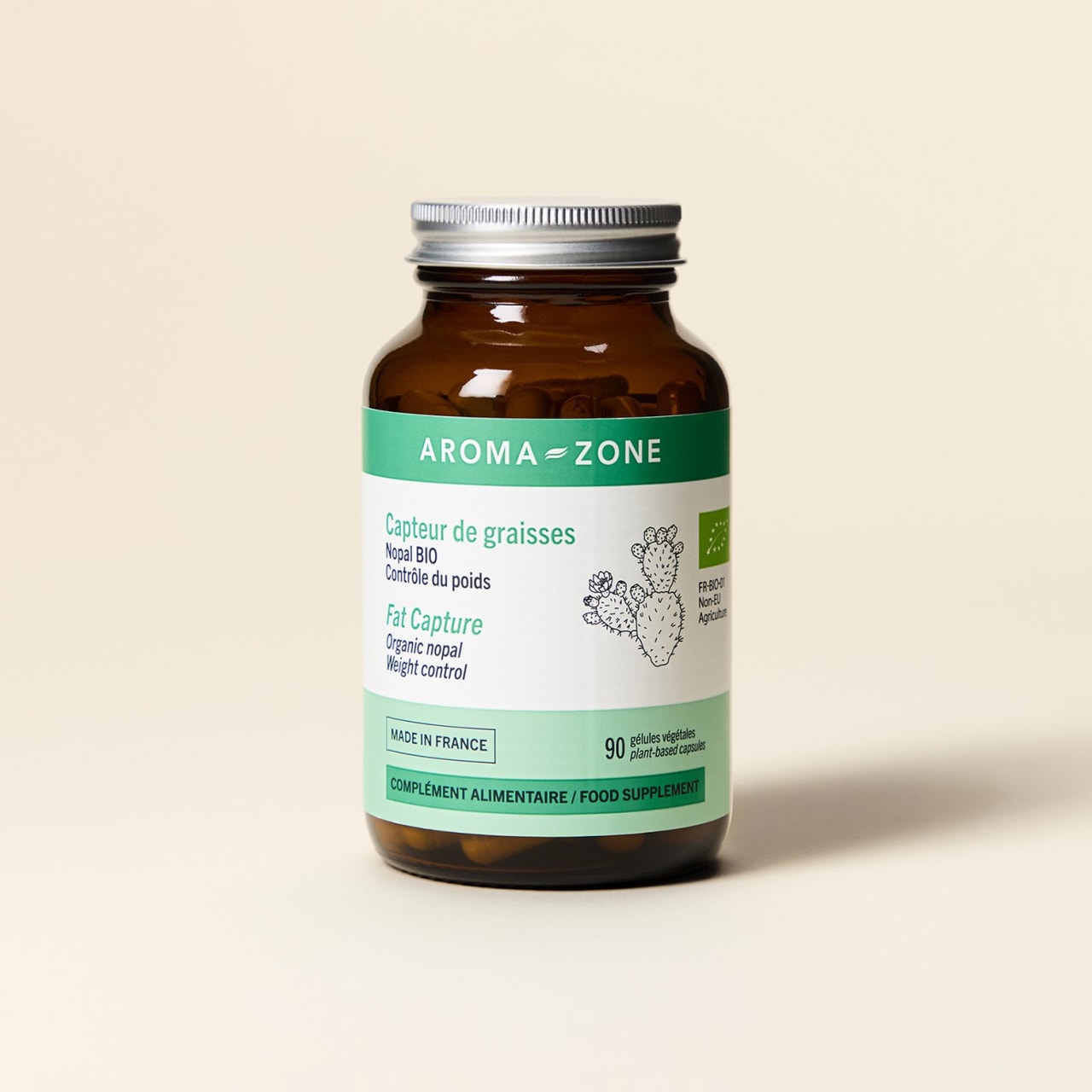
BIO_Fat_Blocker_-_Dietary_Supplement

Organic Fat Blocker - 90 Capsules - Dietary Supplement

Its formula, based on organic nopal, which is naturally rich in fibre, helps limit the absorption of fats and sugars during meals. The fibre in nopal binds to fats in the digestive system, which are then naturally eliminated by the body. This mechanism helps reduce calorie intake and supports weight management, while promoting a feeling of fullness.

Recommended Use: Take 2 to 3 capsules immediately after main meals, with a large glass of water. Do not exceed 6 capsules per day.

Keep out of reach of children. For adults only. Not a substitute for a varied diet and a balanced lifestyle. Follow the recommended dosages. Not recommended for pregnant or breastfeeding women. Consult a healthcare professional if you have diabetes.

Discover the Organic Fat Blocker - 90 Capsules - Dietary Supplement

2. Glycemic Balance

AdobeStock_736511272 (1).jpeg

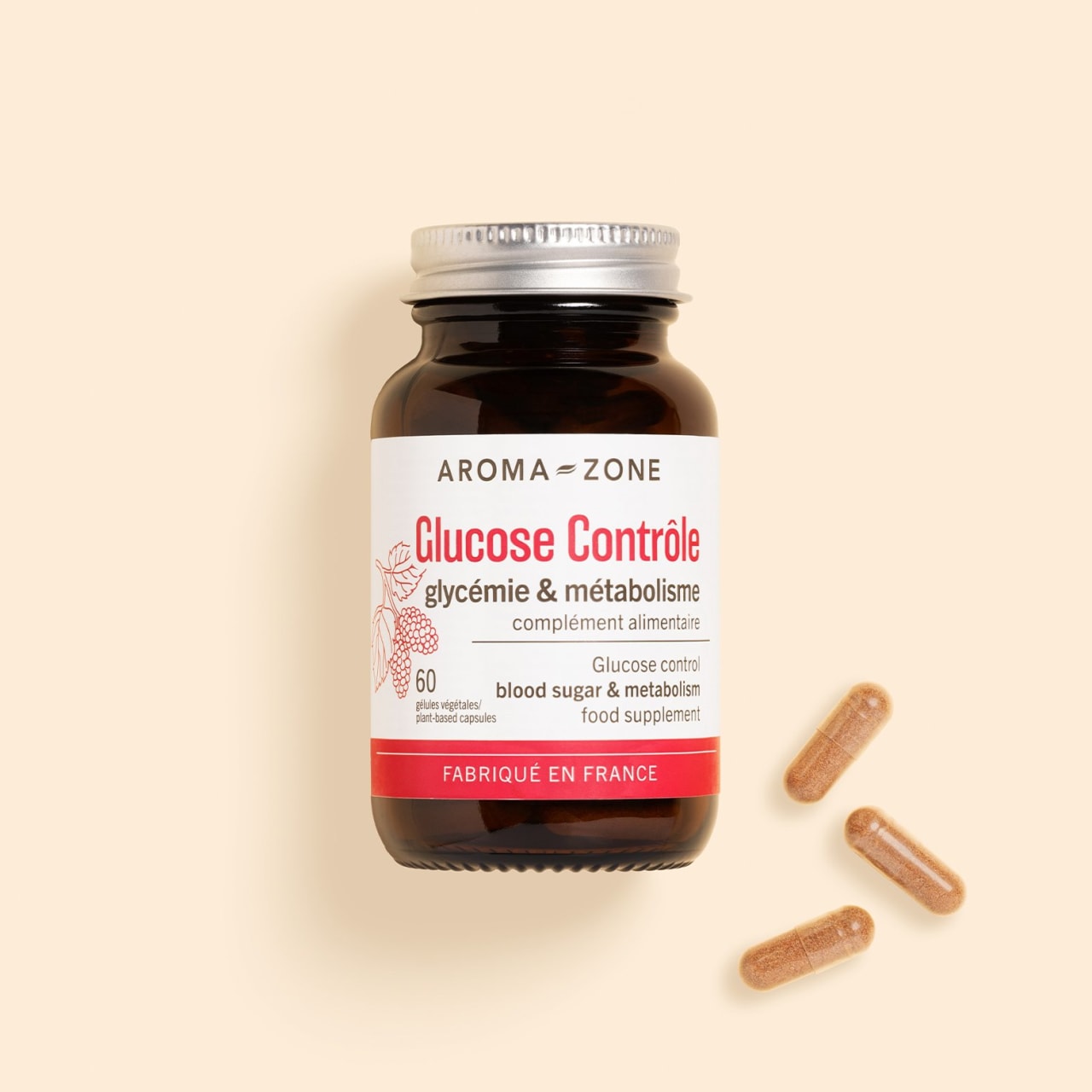
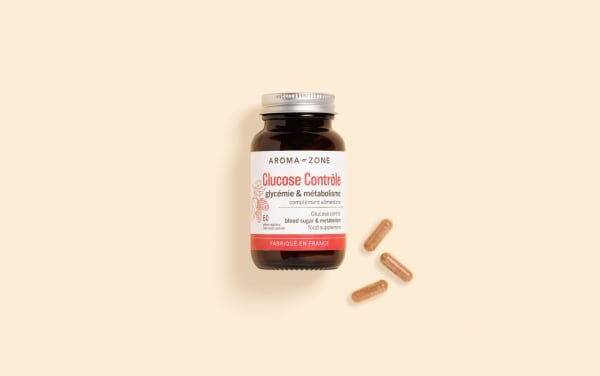
Glucose Control - 60 Capsules - Dietary Supplement

This formula combines Ceylon cinnamon extract with the patented Reducose® white mulberry extract, known to help maintain normal blood sugar levels. By limiting sugar absorption and glucose spikes after meals, it contributes to metabolic balance, helps reduce sugar cravings, and supports weight management.

Recommended Use: Take 2 capsules daily, just before a meal, with a glass of water.

For adults only. Not a substitute for a varied diet and a balanced lifestyle. Follow the recommended dosages. Not recommended for pregnant or breastfeeding women, or in cases of known allergies (particularly due to the risk of cross-reactivity with Peruvian balsam). Consult a healthcare professional if you are taking diabetes medication. Keep out of reach of children.

Discover Glucose Control - 60 Capsules - Dietary Supplement

3. Metabolism & Detoxification

Fat-Burning and Detoxifying Dietary Supplement – 120 G.JPG

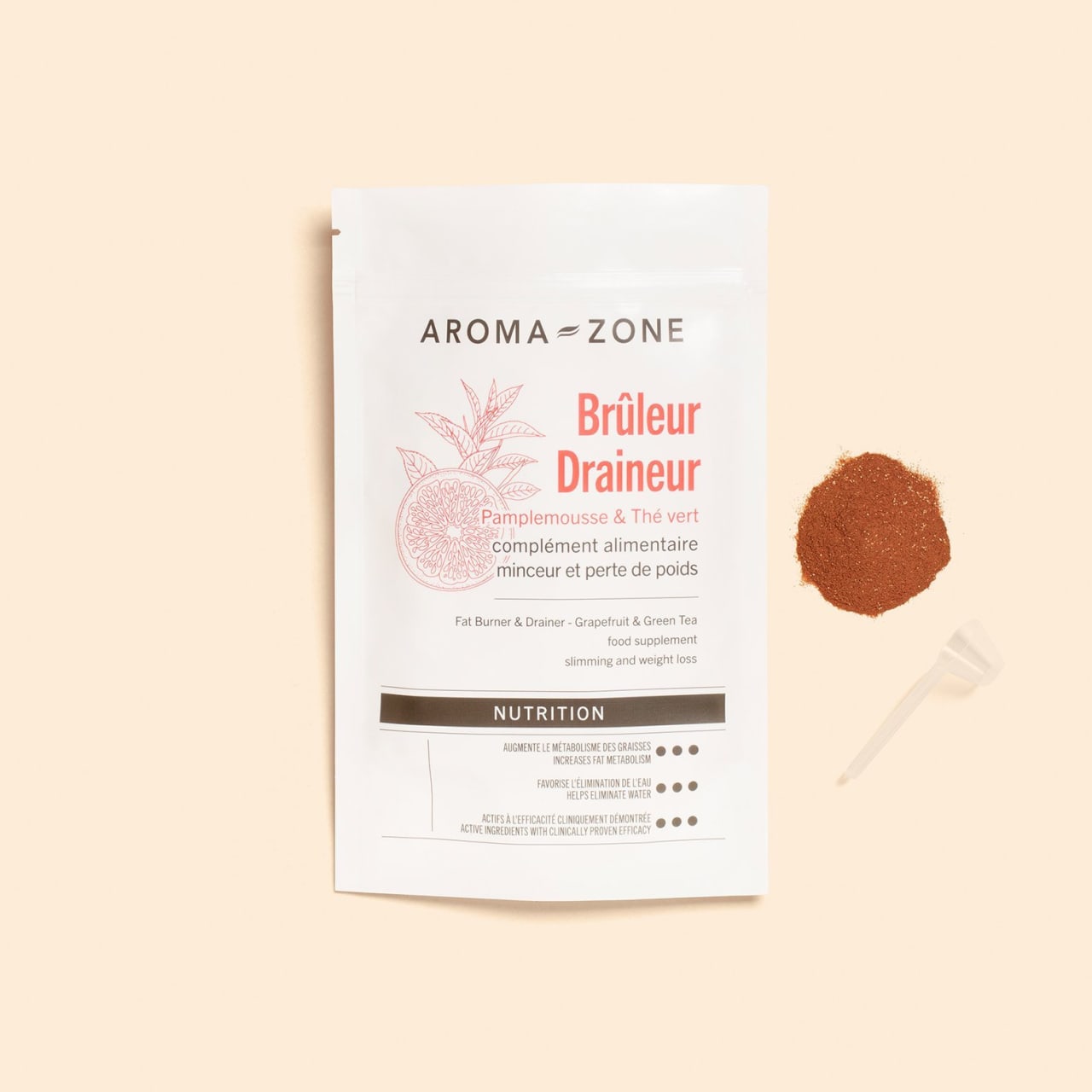
Fat Burner & Detox - 120g - Dietary Supplement

Combines two patented active ingredients, Sinetrol® and Cactinea™, along with a green tea extract rich in polyphenols. This synergy works to both burn fat and eliminate excess water. It thus helps boost energy expenditure, promote drainage, and support weight loss as part of a healthy lifestyle.

Recommended Use: Dilute 2 measuring spoons (4g) in 1L to 1.5L of water and drink throughout the day, preferably in the morning.

For adults only. Not a substitute for a varied diet and a balanced lifestyle. Follow the recommended dosages. Do not consume on an empty stomach or in combination with other products containing green tea. Not recommended for pregnant or breastfeeding women, or for those with ulcers, heart conditions, or hyperthyroidism. Consult a healthcare professional if you are taking medication. Keep out of reach of children.

Discover the Fat Burner & Detox - 120g - Dietary Supplement

That Extra Step

Slimming Massage Oil

Slimming Massage Oil

Apply 1 to 2 times a day, massaging into the affected areas (stomach, thighs, hips). Use firm, circular motions to stimulate microcirculation and promote drainage. This blend, containing 10% essential oils, including grapefruit, cedar, and sea fennel, complements the massage to improve the skin’s appearance and support tissue firmness.

Do not use on children or on pregnant or breastfeeding women. Do not apply to irritated or broken skin or to mucous membranes. Avoid contact with the eyes. In case of contact, rinse thoroughly with clean water.

Discover the Slimming Massage Oil

Precautions for Use

Dietary supplements and natural remedies are part of a holistic approach to well-being and are not a substitute for a varied and balanced diet or a healthy lifestyle.

It’s important to follow the recommended dosages and take your specific needs into account. Certain situations (pregnancy, breastfeeding, ongoing medical treatment, or specific sensitivities) may require consultation with a healthcare professional.

In general, take a gradual approach that suits your own pace, while staying attuned to your body’s signals.

Expert Advice

Calories aren’t something to control but rather to understand: they simply represent the energy the body needs to function on a daily basis.

Rather than focusing on the numbers, it’s often more beneficial to adopt a holistic approach, based on the quality of food, the sensations of eating, and the balance of meals.

Reconnecting with your hunger, your fullness, and your own rhythm helps you develop a more peaceful relationship with food, in tune with your needs and lifestyle.

Spotlight on Our Writer: Gipsy Dauge

Gipsy Dauge

Gipsy graduated from ESJ Paris. After 10 years in the general and women's specialist press, she chose to specialise in health and well-being. Now a certified Yin Yoga teacher, she skillfully combines her passion for writing with her love of yoga. Her goal goes far beyond simply informing the reader. She is passionate about helping readers embrace simple, practical habits that support their well-being while encouraging a more mindful approach to the world around them. Each article invites readers to adopt a healthier, more balanced, and fulfilling lifestyle.

Bibliography

  1. ANSES. (2016). Update of the PNNS Guidelines: Revision of Dietary Intake Guidelines. Collective Expert Report.

    https://www.anses.fr/fr/system/files/NUT2012SA0103Ra-1.pdf

  2. Eva V. Osilla, Anthony O. Safadi, Sandeep Sharma. (2026). Calories. PubMed.

    https://pubmed.ncbi.nlm.nih.gov/29763084/

  3. Ciqual. Nutritional Composition Table for Foods.

    https://ciqual.anses.fr/

  4. De Nava, A. S. L., & Raja, A. (2022). Physiology, metabolism. StatPearls - NCBI Bookshelf.

    https://www.ncbi.nlm.nih.gov/books/NBK546690/

  5. Von Loeffelholz, C., & Birkenfeld, A. L. (2022). Non-Exercise Activity Thermogenesis in Human Energy Homeostasis. Endotext - NCBI Bookshelf.

    https://www.ncbi.nlm.nih.gov/books/NBK279077/

Frequently Asked Questions

Frequently Asked Questions