
In theory, satiety refers to the sensation that tells us we are no longer hungry after eating or during a meal. It is the moment when the brain receives various hormonal signals indicating that it is no longer necessary to eat any more. It is important to note that the feeling of being full lasts for varying lengths of time depending on the composition of the meals and the foods chosen. It also depends on various factors: access to food, eating out, one’s relationship with one’s body and self-image, periods of fasting or detox... Ultimately, we alternate between feeling hungry and feeling full every day. Hence the importance of listening to our bodies and regulating our eating habits over the long term.

How can you tell when you’re full?
Published on: Thursday, September 05, 2024, Updated on: Tuesday, November 10, 2026
Hunger is a natural physiological signal alerting us to the need to eat in order to replenish our energy. It often follows a drop in blood sugar or an empty stomach. Once we start eating, numerous factors influence the feeling of fullness, followed by satiety. These two processes are physical, physiological and psychological states collectively described as ‘not feeling hungry’. These individual sensations vary from day to day. Discover some tips here on how to listen to your hunger cues and satisfy your appetite in the best possible way.
Contents
Related products

Konjac Appetite Control - 90 Capsules
Weight management
£14.00
71.2 g
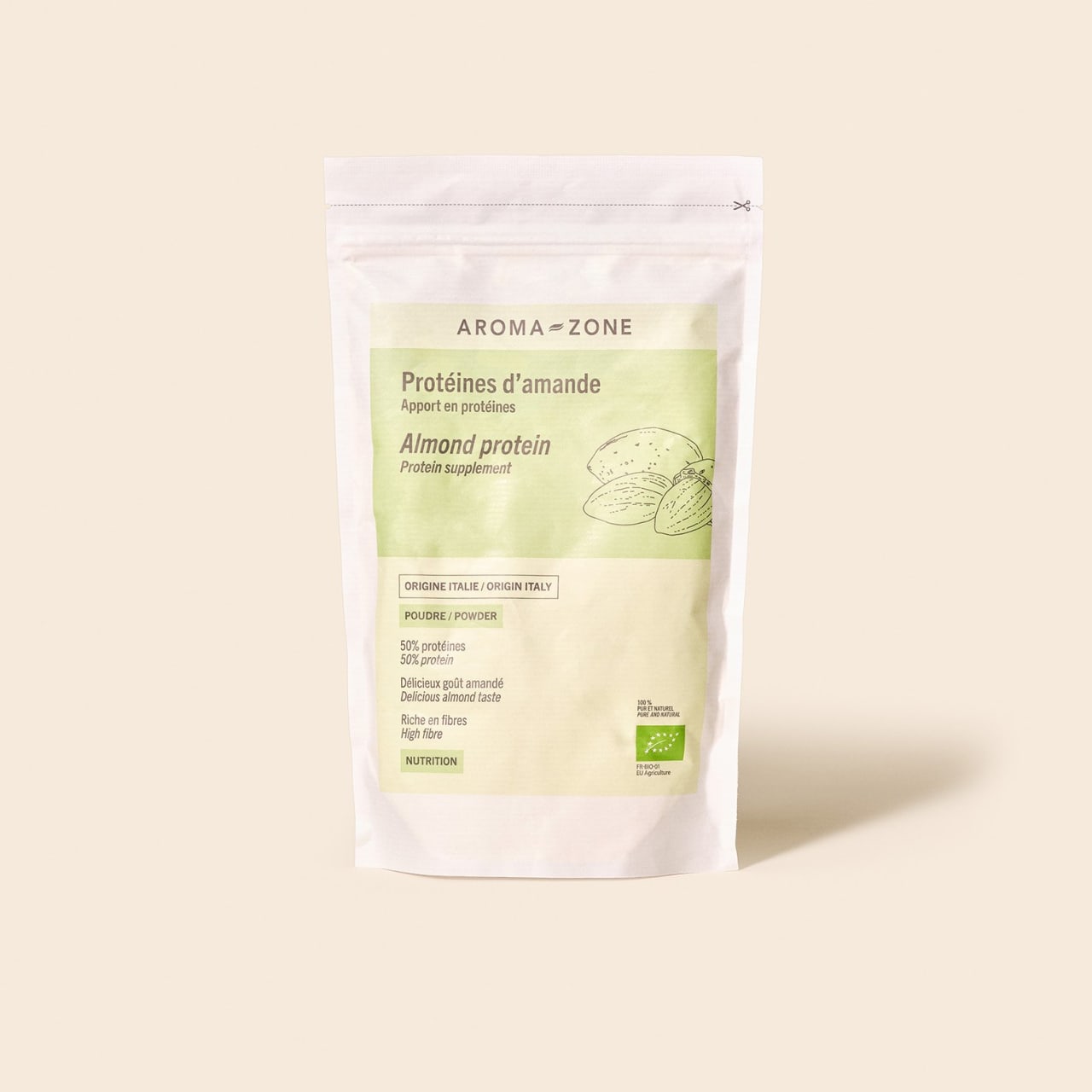
Organic Almond Protein Powder
High in protein
£14.00
300 g
What is a feeling of fullness?
The mechanisms of hunger
A natural and complex sensation, hunger results from various warning signals from the body as it seeks food:
From a slight rumbling in the stomach to loud gurgling
Extreme tiredness and difficulty concentrating, right through to dizziness
Irritability, ranging from headaches to feelings of nausea.
Generally, hunger sets in after a few hours without eating as a result of already low blood glucose levels: the body seeks to replenish its cells with glucose so that it can function properly again. Once a meal is finished, hunger is normally satisfied in the short or long term and the need to eat is no longer a priority. Studies have shown that the hunger centre is located in our brain: more specifically, it is the hypothalamus that controls our appetite.
Hormones linked to hunger
There are four hormones that orchestrate the regulation of appetite, satiety and the body’s energy balance, and they work in harmony:
Ghrelin: responsible for increasing appetite; its levels are high before eating and decrease after a meal. This hunger hormone is easily disrupted depending on the quality of sleep and the level of physical activity.
Leptin : this is produced by fat cells and informs the brain of the status of fat reserves. It is generally regarded as the satiety hormone and, unlike ghrelin, its levels rise when eating. In cases of overweight and obesity, leptin levels are high but the hypothalamus is no longer sensitive to it; this is known as leptin resistance.
Insulin: Produced by the pancreas, insulin comes into play when the level of blood sugar levels rise; it distributes glucose to the cells so that energy can be produced or stored. If levels rise too quickly, they subsequently drop and may trigger a craving for more sugar due to a lack of glucose in the blood.
Cholecystokinin (CCK) : produced by the small intestine, CCK sends a signal to the central nervous system to inform the neurons that the stomach is full, in the presence of fats and proteins. In cases of obesity, its function may also be disrupted.
What factors can influence hunger and the feeling of fullness?
Firstly, it is important to understand what hunger is. This sensation manifests as a desire and a need to eat after a few hours without food. It is often associated with a drop in blood sugar levels, and physical, cognitive or psychological fatigue. The sensation is rather unpleasant, accompanied by a rumbling stomach, and prompts one to eat. Once hunger has been satisfied, a feeling of fullness can set in through several mechanisms:
The hypothalamic-pituitary centre of the brain
The brain plays a central role in regulating hunger and satiety via a specific area: the hypothalamus. This structure constantly receives information from the digestive tract, the blood and adipose tissue. The hypothalamus integrates these signals to adjust eating behaviour: it triggers the sensation of hunger when reserves are running low and activates the feeling of fullness as soon as energy requirements are met.
Hormones
Several hormones are involved in regulating hunger and satiety: ghrelin, produced by the stomach, which stimulates appetite before meals; leptin, secreted by fat cells, which signals to the brain that energy reserves are sufficient; insulin, released by the pancreas after the consumption of carbohydrates, which also helps to reduce appetite; and finally cholecystokinin (CCK), produced by the small intestine and released as soon as fats and proteins reach the intestine, reinforcing the feeling of fullness.
Emotional state and stress
Emotions have a strong influence on the perception of hunger and fullness. Chronic stress, anxiety, emotional exhaustion or even certain habits linked to boredom can disrupt hormonal mechanisms and often lead to overeating, particularly of fatty and sugary foods. Conversely, acute stress stimulates the secretion of cortisol and adrenaline, which can temporarily suppress appetite.
The composition of the foods consumed
Not all foods have the same effect on satiety. Foods rich in water, protein and dietary fibre are particularly filling as they slow down digestion and prolong the absorption of nutrients. Conversely, ultra-processed foods, which are very low in fibre but high in sugars and fats, cause rapid fluctuations in blood sugar levels and lead to a feeling of hunger before one is ready.
Lifestyle habits
Our pace of life and certain daily habits also influence how hungry we feel. Insufficient sleep, not chewing food properly, poor hydration, skipping meals, screen time… are all disruptive factors that can interfere with our ability to recognise the body’s actual needs.
10 steps to feeling fuller
Managing cravings and snacking better for greater wellbeing and/or to support weight loss is an achievable goal. Discover 10 tips you can easily adopt to become more attuned to your feelings of fullness.
Don’t fight hunger: start by paying attention to your hunger cues: when do they appear? What healthy food can you eat to satisfy them?
Hydrate regularly before meals: as our brains can sometimes confuse the signals of thirst and hunger, drinking 1 to 2 glasses of water before eating can help you feel fuller and better regulate the amount you eat.
Eat slowly and mindfully: it takes 15 to 20 minutes during a meal for the first signals of fullness to reach the brain. Savour every mouthful, take the time to chew thoroughly, engaging all your senses.
Fill up on fibre: vegetables, fruit, pulses, whole grains… Fibre is an essential part of the satiety process. It prolongs the feeling of fullness, supports gut flora and regulates bowel movements.
Eat protein at every meal: Remember, protein is your best ally for feeling full! Eating eggs in the morning, for example, or having a protein shake during the day promotes the release of leptin and helps regulate food intake throughout the day.
Include high-quality fats: for good hormonal balance and to boost your mood, unsaturated fats – including omega-3s – improve CKK production and delight your taste buds: nuts, olive oil, linseed oil, oily fish… Unlike saturated fats, which tend to disrupt our sensory perceptions.
Cook with spices: because they add flavour and many of them help regulate blood sugar levels, so add them to your recipes: cinnamon, turmeric, nutmeg, saffron...
Exercise: physical activity helps regulate hunger hormones. In the event of loss of appetite, exercise can also be effective. Choose a sport you enjoy and get started!
Avoid skipping meals: contrary to popular belief, skipping meals or not satisfying those little pangs of hunger can disrupt your hunger signals and interfere with your sense of fullness. Under-eating isn’t a solution for curbing your appetite; instead, opt for balanced meals.
Find a stress-busting routine: Taking part in relaxing activities such as reading, meditation or yoga can help reduce the stress hormone, cortisol, which disrupts satiety hormones such as ghrelin.
Our natural solutions to help you feel fuller more easily
To improve your sense of fullness, there are plenty of natural ways to gently help you rediscover and tune into your body’s signals.

Blond psyllium
A true champion of soluble fibre, psyllium swells in the stomach on contact with water and forms a gel that increases the volume of the food bolus. The result: a feeling of fullness that naturally curbs hunger and promotes better bowel function. You can add 1 teaspoon to a glass of water and drink it in the morning upon waking or before a meal. Not recommended for pregnant or breastfeeding women. Not recommended in cases of undiagnosed rectal bleeding and an inability to pass stools linked to the use of a laxative, in cases of abnormal narrowing of the gastrointestinal tract, in cases of oesophageal or cardia disorders, a potential or existing bowel obstruction, bowel paralysis or megacolon, or in cases of swallowing difficulties. Risk of gastrointestinal obstruction. Do not take at the same time as medication (allow at least 1 hour between doses). If you are taking medication, seek advice from a healthcare professional. Do not take with medication that inhibits peristaltic movements.

Chia seeds
Thanks to their exceptional ability to absorb water, chia seeds form a viscous gel in the stomach, promoting long-lasting satiety whilst providing omega-3s and fibre. How to use: sprinkle 1 to 2 teaspoons a day into your salads, soups or yoghurts. Do not exceed 15 g of chia seeds per day (approximately 1.5 to 2 tablespoons).

Konjac
Very low in calories and rich in glucomannan – a fibre capable of absorbing up to 100 times its weight in water – Konjac slows down gastric emptying and promotes a feeling of fullness. You can choose it in the form of spaghetti or tagliatelle, or as a dietary supplement in capsule form. Take 2 capsules before the day’s three main meals – breakfast, lunch and dinner – with one or two large glasses of water. For Konjac to be effective, it is important to drink enough water when taking it. Also remember to stay well hydrated throughout the day. Not recommended for pregnant or breastfeeding women. Not recommended if you have difficulty swallowing. Take separately from any other medication.
Discover our organic Konjac appetite suppressant dietary supplement

Hemp proteins
Rich in fibre, unlike animal proteins, plant-based proteins help slow down digestion and promote a lasting feeling of fullness whilst providing essential nutrients. We recommend hemp protein: take half to two tablespoons a day, diluted in a glass of water or added to your smoothies, shakes or meals. There are no contraindications to consuming this protein during pregnancy or whilst breastfeeding, as part of a varied and balanced diet.
Precautions for use
Dietary supplements are not a substitute for a balanced and varied diet.
Konjac appetite suppressant:
For adults only
Not recommended for pregnant or breastfeeding women
Not recommended for those with difficulty swallowing
Take separately from any medication.
Matcha green tea: contains caffeine (2.3 g/100 g). Not recommended for children or pregnant or breastfeeding women.
Spirulina from France:
For adults only.
Pregnant and breastfeeding women should seek advice from their doctor.
Spirulina is not recommended for people suffering from phenylketonuria, haemochromatosis, high uric acid levels, or in cases of muscle or liver disease.
Contains phycocyanin, which may cause an allergic reaction.
Expert advice
As you’ll have realised, feelings of hunger and fullness are a complex subject. Diet, hormones and neurotransmitters are constantly interacting and influencing one another. In cases of eating disorders or difficulties in regulating eating habits, support from one or more healthcare professionals is important. Doctors, dietitians, naturopaths, psychologists and support organisations can help you.
Spotlight on our nutrition writer, Raquel Barros

Passionate about nutrition and wellbeing, it was above all her love of good food and a desire to share her knowledge that led Raquel to make nutrition her career. A graduate with a BTS qualification and specialising in sports nutrition, it was whilst working in various pharmaceutical laboratories that she discovered the world of natural solutions (dietary supplements, oligotherapy, etc.). In recent years, she has added nutritional counselling and writing articles to her repertoire of skills, helping to satisfy both the taste buds and the thirst for knowledge of those who need it. Women’s health, anti-inflammatory diets, sport and balanced nutrition are, amongst others, her favourite topics.
Bibliography
Smith, J, The Science of Hunger and Satiety. Nutrition Journal, 2021
The Leptin System and Diet: A Mini Review of the Current Evidence, 2021
Brown, L. – Natural Appetite Suppressants: A Review of Herbal and Nutritional Supplements – Phytotherapy Research, 2020
Water consumption increases weight loss during a hypocaloric diet intervention in middle-aged and older adults. Obesity, 2010
The Impact of Dietary Fibres on Satiety and Weight Management – Nutrition Reviews, 2018
Mindful Eating and its Effect on Weight Control, Journal of Behavioural Health, 2018
Does green tea affect postprandial glucose, insulin and satiety in healthy subjects: a randomised controlled trial. Nutr J. 2010


Frequently Asked Questions
Associated tips

Superfoods


