Everything you need to know about matcha: benefits, uses, etc.

A rejuvenating skincare resource, a slimming aid, a stress buster, and a tonic without the harmful effects of coffee, matcha green tea seems to tick all the boxes of a perfect drink. Rich in antioxidants, this green tea is considered a superfood. It comes in the form of a silky powder with a beautiful green colour. Obtained from the dried leaves of the Camellia sinensis tea plant, its health benefits have been the subject of numerous scientific studies. This article provides an overview of the benefits of matcha for your skincare and well-being.

Reading time: 0 min.

What is matcha powder?

Matcha is a form of powdered green tea produced from tea leaves that are briefly steamed after harvesting, dried and then traditionally ground in a granite mill. The traditional way of growing Japanese green tea is to cover the tea bushes to protect the leaves from direct sunlight for most of the growing period. Only high quality young tea leaves are selected and steamed immediately to prevent oxidation.

This process allows the plant to produce higher quantities of amino acids and bioactive compounds such as chlorophyll and theanine, giving matcha tea its characteristic intense green colour and bitter-free flavour.


A closer look at organic matcha powder

What does matcha taste like?

Matcha has a unique and distinctive flavour, often described as herbal, with grassy notes and a slight bitterness. Its flavour profile depends very much on the quality of the matcha. High-quality matcha, often reserved for ceremonial use, is milder, slightly sweet with an umami aftertaste, a rich flavour reminiscent of broth or mushrooms. In contrast, lower quality matchas can have a more bitter or astringent taste. The sweetness and intensity of the flavour can also vary depending on how it is prepared: the more concentrated the powder, the more intense the flavours.

Why consume matcha tea (virtues, taste, etc.)?

Compared to other green teas, when you drink a matcha beverage you consume the whole crushed leaf and therefore benefit from more nutrients than when you drink a green tea prepared from the infusion of the leaves. For example, one study shows that a drink made from powdered tea contains 3 times more epigallocatechin gallate than a tea made from infused leaves[40]. Matcha tea is therefore packed with antioxidants.

Thanks to its caffeine content, matcha is revitalising and energising. And it does so without the stimulating effects of coffee, because the theanine it contains balances out the effect of caffeine.

Finally, matcha can help you with your slimming programme thanks to its bioactive compounds, some of which have been shown to be effective in weight loss.

Feel free to incorporate matcha powder into your recipes: its delicate, herbaceous, bitter-free flavour will give your recipes a unique taste.

What are the benefits of matcha tea?

Matcha tea has many virtues due to its composition and powder form. In particular, it has anti-inflammatory and antioxidant properties. Specific components of matcha such as catechins, caffeine and theanine have been linked in scientific studies to multiple health benefits. Caffeine can help with weight and fat loss[1], catechins can reduce fasting blood sugar levels[2], and theanine combined with caffeine leads to significant improvements in cognitive function[3].


The benefits of matcha tea for the brain and cognitive function

Multiple studies have reported the benefits of caffeine on cognitive performance and alertness[4],[5]. Theanine, for its part, could have a positive influence on neurogenesis and cognitive function[6],[7]. The catechins present in green tea are thought to have a neuroprotective effect against neurological disorders[8],[9] in particular by improving certain cognitive disorders.

After 12 weeks of daily intake, green tea catechins showed a beneficial effect on working memory in a randomised controlled trial[11]. And epidemiological studies suggest an association between green tea consumption and a lower risk of developing cognitive disorders[12],[13]. Another study[14] reported that daily consumption of 2g of matcha improved cognitive function, particularly attention, in young adults under mild stress. Other trials also suggest the beneficial effect of matcha tea on certain cognitive performances[15]. In particular, a randomised controlled trial showed that matcha tea supplementation had protective effects against cognitive decline in the elderly[16].


Can matcha tea reduce stress?

In a trial involving 39 students, taking 3 grams of matcha a day for 15 days reduced stress and the anxiety that goes with it[17] more effectively than a placebo. In particular, the theanine it contains has relaxing properties[18] and anti-stress effects, as highlighted by multiple studies [19],[20].


The effects of matcha tea on metabolic health

One study highlights the fact that taking matcha helps to reduce the metabolic disorders induced by a high-fat diet. More especially, matcha has a beneficial effect on lipid profile and blood sugar levels[21] and also improves antioxidant status. Another study[22] confirms these beneficial effects and shows that matcha tea reduces the hepatic build-up of lipids caused by a high-fat diet. matcha tea also reduces the inflammation and oxidative stress induced by obesity[23],[24] two phenomena that increase the risk of chronic disease.

All these factors suggest that matcha tea could be a genuinely effective solution for cardiometabolic health thanks to the bioactive compounds it contains[25].


Does matcha tea help you lose weight?

Matcha tea contains compounds that have been shown to be effective in helping you lose weight. For example, matcha is rich in catechins, which may help to reduce body fat[28], particularly abdominal fat[29]. Researchers have suggested that catechins play a protective role against obesity[30], thanks in part to their ability to promote thermogenesis[31], increase energy expenditure and reduce intestinal absorption of lipids. High doses of a green tea extract - epigallocatechin gallate - taken for 12 weeks resulted in significant weight loss[32].

Drinking matcha tea enabled women to burn more fat during a 30-minute brisk walk[33]. In this study, the participants drank matcha tea 3 times the day before exercise and once 2 hours before. Each drink was prepared with 1 gram of matcha tea.

Matcha tea could therefore help with weight loss as part of a diet and regular physical activity, but there are not enough clinical trials to date to be able to conclude whether it is really effective.

How to take matcha? Our recipes

Matcha tea hot drink

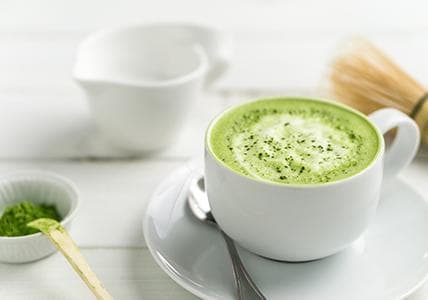
to make a hot matcha drink, simply disperse a teaspoon of matcha powder into hot but not boiling water (75°C). Ideally, use a matcha bowl, called a chawan, and a bamboo whisk, called a chasen, to obtain a frothy, smooth mixture.


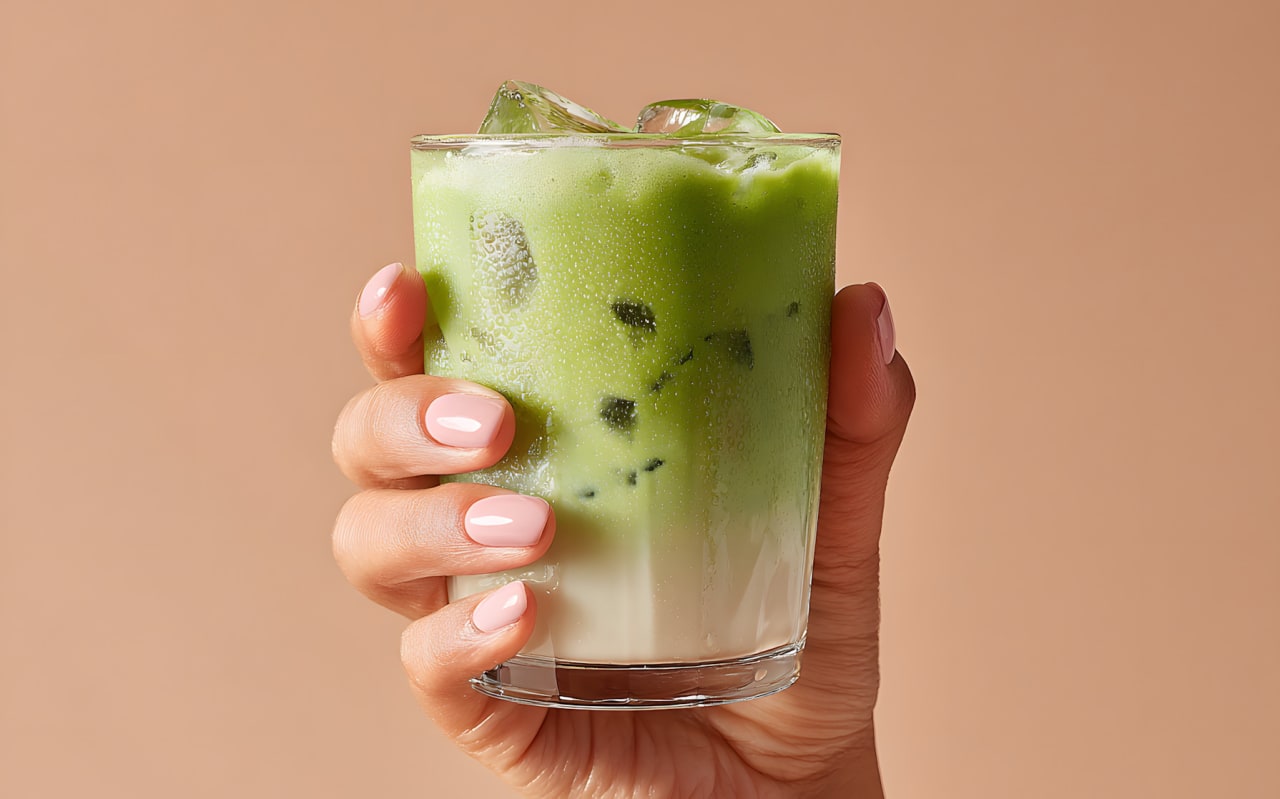
Matcha latte

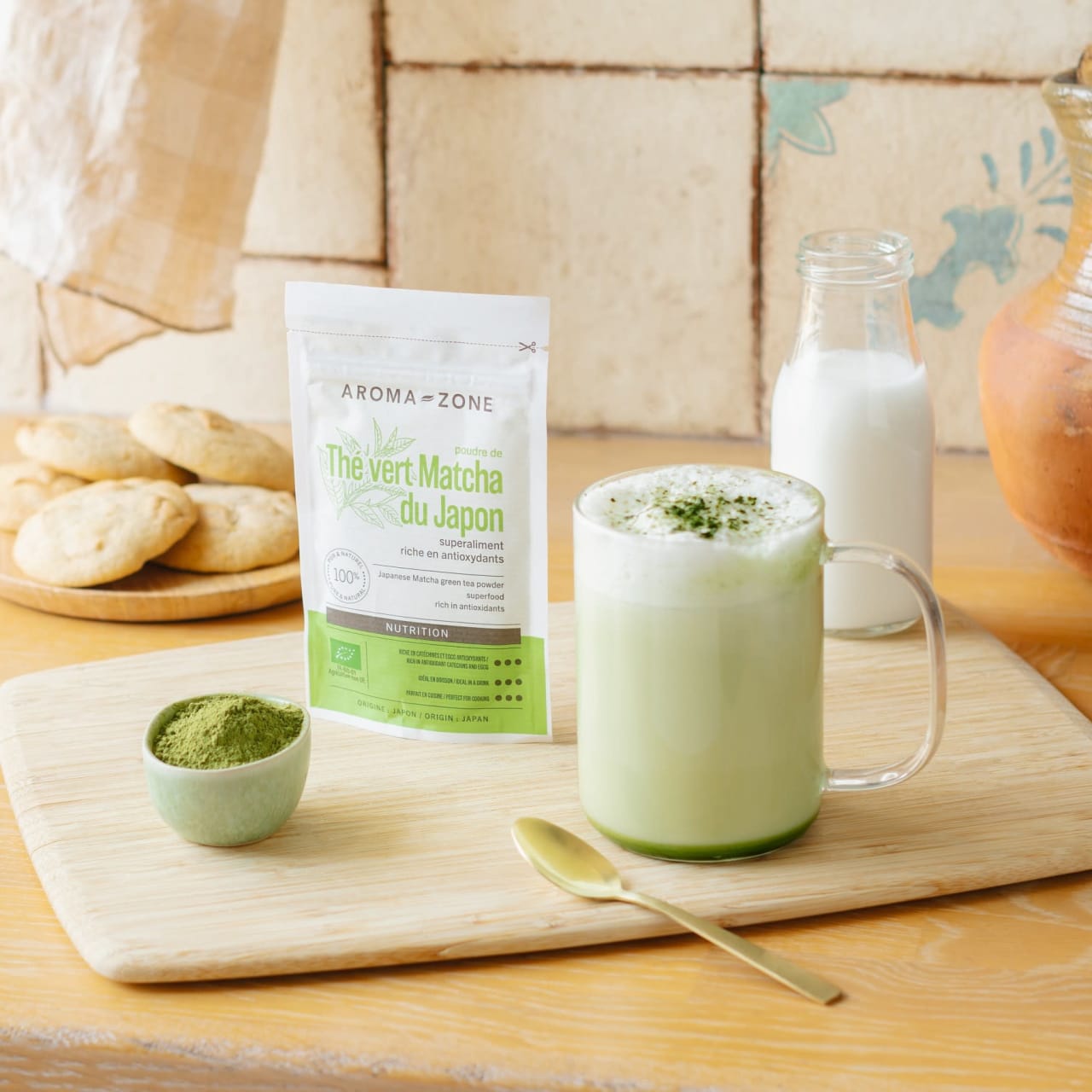
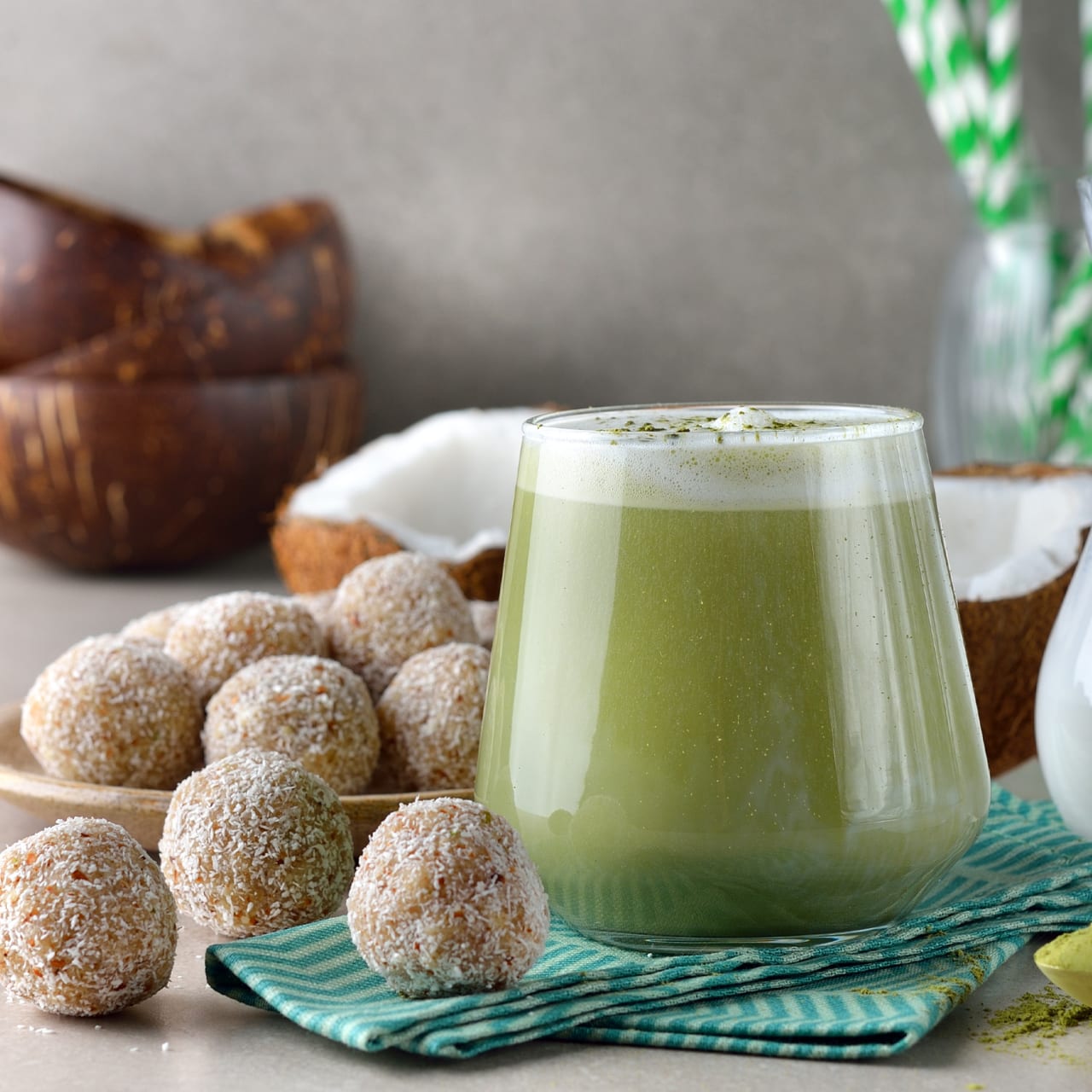
This very simple recipe is a delicious way to enjoy matcha tea. We recommend our matcha tea latte recipe. To vary things a bit you can use plant milk such as coconut milk, almond milk, etc.


Detox green juice with matcha tea

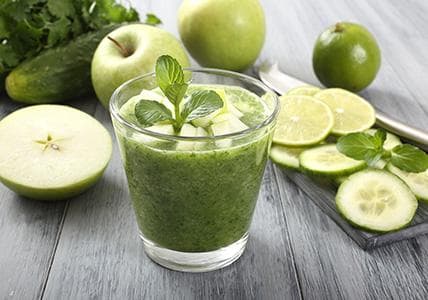
Combined with apple, cucumber and mint, matcha tea is a great way to round off this fresh, detox drink. Discover the recipe here.


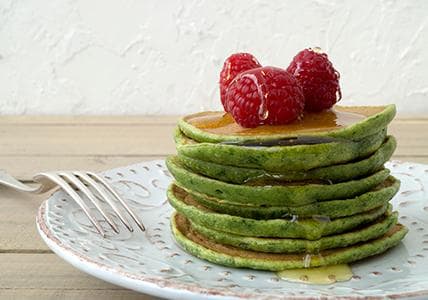
Matcha tea pancakes

For breakfast, you can try our matcha tea pancakes recipe: it's delicious for the taste buds and looks so appealing! You'll enjoy the benefits of matcha tea first thing in the morning.


Matcha tea tiramisu dessert

Discover a delicious way to enjoy the benefits of matcha in this light dessert recipe with vanilla and speculoos.

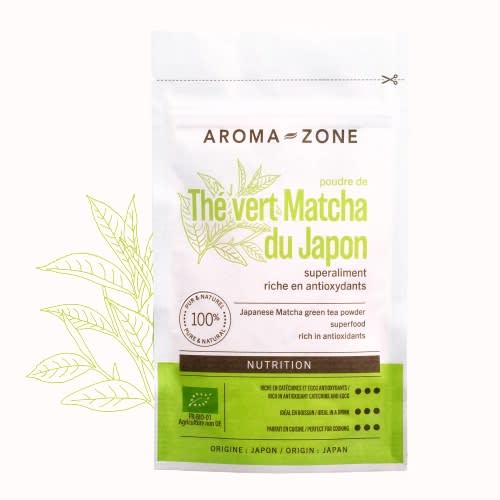
For all your matcha tea recipes and drinks, we recommend our organic matcha green tea from Japan.

Find out more

What is the difference between green tea and matcha tea?

Green tea and matcha tea come from the same plant, Camellia sinensis, but they differ in the way they are grown, processed and prepared.

  • Growing method: matcha is grown in the shade for the last few weeks before harvesting, which increases the production of chlorophyll and amino acids, giving matcha its bright green colour and umami flavour. Ordinary green tea, on the other hand, grows in the sun without this covering stage.

  • Processing: after harvesting, the leaves for matcha are steamed, dried and then ground very finely into a powder. Conventional green tea, on the other hand, is simply dried and sold as whole leaves or pieces, ready for brewing.

  • Preparation: matcha is dissolved in hot water (and not brewed like green tea), which means that the whole leaf can be consumed, increasing the nutrient intake. With traditional green tea, the leaves are infused and then removed before drinking.

In short, matcha is a more concentrated and nutrient-rich version of traditional green tea, offering a different taste and energy experience.

Is it good to drink matcha every day?

Drinking matcha every day can be good for your health, thanks to its many nutritional properties. Matcha is rich in antioxidants, particularly catechins, which help combat oxidative stress and support the immune system. It also contains L-theanine, an amino acid that promotes relaxation without causing drowsiness, and caffeine, which provides smooth, prolonged energy without the peaks and troughs often associated with other caffeinated drinks.

However, as with all daily consumption, it is important to do so in moderation. Excessive consumption of matcha can lead to side effects caused by its caffeine content, such as anxiety, sleep disorders or palpitations in sensitive individuals. Furthermore, matcha contains small amounts of lead, even when organically grown, due to the natural absorption of the plant, making it a drink to be consumed in moderation to reduce long-term build-up.

In conclusion, drinking matcha every day can be an excellent habit if it remains reasonable, with around 1 to 2 cups a day, as part of a balanced diet.

Spotlight on our scientific editor, Juliette Pouyat

Juliette Pouyat has been a scientific writer specialising in nutrition and health for 10 years. After studying chemistry, she wrote a thesis on the nutritional quality of infant milks and obtained a doctorate from the Institut National Agronomique Paris-Grignon. She is the author of numerous articles and several books on the links between food and health, food supplements and well-being. Juliette draws on recent scientific literature to write articles for the general public.

Bibliography

1

The effects of caffeine intake on weight loss: a systematic review and dos-response meta-analysis of randomized controlled trials

Reza Tabrizi, Parvane Saneei, Kamran B Lankarani, Maryam Akbari, Fariba Kolahdooz, Ahmad Esmaillzadeh, Somayyeh Nadi-Ravandi, Majid Mazoochi & Zatollah Asemi (2019) Critical Reviews in Food Science and Nutrition, 59:16, 2688-2696, DOI: 10.1080/10408398.2018.1507996

2

Effects of green tea catechins with or without caffeine on glycemic control in adults: a meta-analysis of randomized controlled trials.

Zheng XX, Xu YL, Li SH, Hui R, Wu YJ, Huang XH. Am J Clin Nutr. 2013 Apr;97(4):750-62. doi: 10.3945/ajcn.111.032573. Epub 2013 Feb 20. PMID: 23426037.

3

A review of caffeine's effects on cognitive, physical and occupational performance

McLellan TM, Caldwell JA, Lieberman HR. Neurosci Biobehav Rev. 2016 Dec;71:294-312. doi: 10.1016/j.neubiorev.2016.09.001. Epub 2016 Sep 6. PMID: 27612937.

4

Effects of low doses of caffeine on cognitive performance, mood and thirst in low and higher caffeine consumers

Smit HJ, Rogers PJ. Psychopharmacology (Berl). 2000 Oct;152(2):167-73. doi: 10.1007/s002130000506. PMID: 11057520.

5

The role of glutamine in neurogenesis promoted by the green tea amino acid theanine in neural progenitor cells for brain health.

Yoneda Y, Kuramoto N, Kawada K. Neurochem Int. 2019 Oct;129:104505. doi: 10.1016/j.neuint.2019.104505. Epub 2019 Jul 13. PMID: 31310779.

6

Acute effects of tea constituents L-theanine, caffeine, and epigallocatechin gallate on cognitive function and mood: a systematic review and meta-analysis.

Camfield DA, Stough C, Farrimond J, Scholey AB. Nutr Rev. 2014 Aug;72(8):507-22. doi: 10.1111/nure.12120. Epub 2014 Jun 19. PMID: 24946991.

7

Function of Green Tea Catechins in the Brain: Epigallocatechin Gallate and its Metabolites.

Pervin M, Unno K, Takagaki A, Isemura M, Nakamura Y. Int J Mol Sci. 2019 Jul 25;20(15):3630. doi: 10.3390/ijms20153630. PMID: 31349535; PMCID: PMC6696481.

8

EGCG ameliorates high-fat- and high-fructose-induced cognitive defects by regulating the IRS/AKT and ERK/CREB/BDNF signaling pathways in the CNS.

Mi Y, Qi G, Fan R, Qiao Q, Sun Y, Gao Y, Liu X. FASEB J. 2017 Nov;31(11):4998-5011. doi: 10.1096/fj.201700400RR. Epub 2017 Jul 24. PMID: 28739640.

9

Effect of Daily Intake of Green Tea Catechins on Cognitive Function in Middle-Aged and Older Subjects: A Randomized, Placebo-Controlled Study.

Baba Y, Inagaki S, Nakagawa S, Kaneko T, Kobayashi M, Takihara T. Molecules. 2020 Sep 17;25(18):4265. doi: 10.3390/molecules25184265. PMID: 32957612; PMCID: PMC7570631.

10

Consumption of green tea, but not black tea or coffee, is associated with reduced risk of cognitive decline.

Noguchi-Shinohara M, Yuki S, Dohmoto C, Ikeda Y, Samuraki M, Iwasa K, Yokogawa M, Asai K, Komai K, Nakamura H, Yamada M. PLoS One. 2014 May 14;9(5):e96013. doi: 10.1371/journal.pone.0096013. PMID: 24828424; PMCID: PMC4020750.

11

Green tea consumption and cognitive function: a cross-sectional study from the Tsurugaya Project 1.

Kuriyama S, Hozawa A, Ohmori K, Shimazu T, Matsui T, Ebihara S, Awata S, Nagatomi R, Arai H, Tsuji I. Am J Clin Nutr. 2006 Feb;83(2):355-61. doi: 10.1093/ajcn/83.2.355. PMID: 16469995.