How many seeds should you eat per day, depending on the type?

How many seeds should you eat each day to fully enjoy their benefits? As sources of fibre, healthy fats, minerals, and plant-based protein, seeds have a place in a balanced diet. Chia, flax, pumpkin, sesame… each type has its own unique qualities. But how do you choose them and consume them in moderation? And how can you easily incorporate them into your daily routine? Here is a comprehensive guide to help you make informed choices.

Reading time: 0 min.

Seeds in the diet: what are we talking about?

Rich in fibre, essential fatty acids, plant-based protein, and micronutrients, seeds are true nutritional powerhouses. Derived from oilseeds, mucilaginous plants, or aromatic herbs, they have been used for millennia across various cultures, both as condiments and as ingredients in their own right.

When incorporated thoughtfully into daily meals, they add texture, flavour and real nutritional value. But to reap their full benefits, it’s essential to understand their unique properties, the best ways to consume them, and the recommended amounts.

In practice, their natural richness contributes to several essential functions: they support satiety, aid digestion, promote healthy bowel function, and enrich the diet with omega-3, plant-based proteins, and provide a wide variety of minerals (calcium, magnesium, zinc…) and antioxidants.

Regular consumption, as part of a healthy lifestyle, is also associated with beneficial effects on cardiovascular health, metabolism, and overall well-being, particularly by helping to maintain blood sugar balance. A simple and effective ally for easily enhancing your daily nutritional balance.

What are the benefits of each type of seed?

Each has a unique nutritional profile, which is useful to know in order to vary your intake and tailor your consumption to your needs. Here is an overview of the seeds most commonly used in natural foods:

Protein-rich seeds

  • Pumpkin seeds: Rich in protein (about 19g per 100g) and an excellent source of zinc, magnesium, and phytosterols, pumpkin seeds support both immunity and lipid balance. They are also traditionally recognized for promoting digestive comfort. Their mild flavor makes them easy to incorporate into everyday meals.

  • Poppy seeds: Rich in protein, iron, and fiber, poppy seeds add a crunchy and slightly sweet touch to dishes. They are mainly used as a topping on bread, in salads, or on pastries. Their mineral profile complements that of other seeds well.

  • Fenugreek seeds: Fenugreek seeds contain protein, fibre, and minerals such as iron. Their slightly bitter taste is reminiscent of certain Indian spices. They are often used sprouted or lightly roasted in dishes and are known for their cholesterol-lowering and heart-protective properties.

  • Hemp seeds: Hemp seeds are a source of complete plant-based protein. They also provide omega-3 and omega-6 fatty acids in a balanced ratio. Their melt-in-your-mouth texture and mild flavour make them easy to incorporate into meals.

Seeds rich in healthy fats

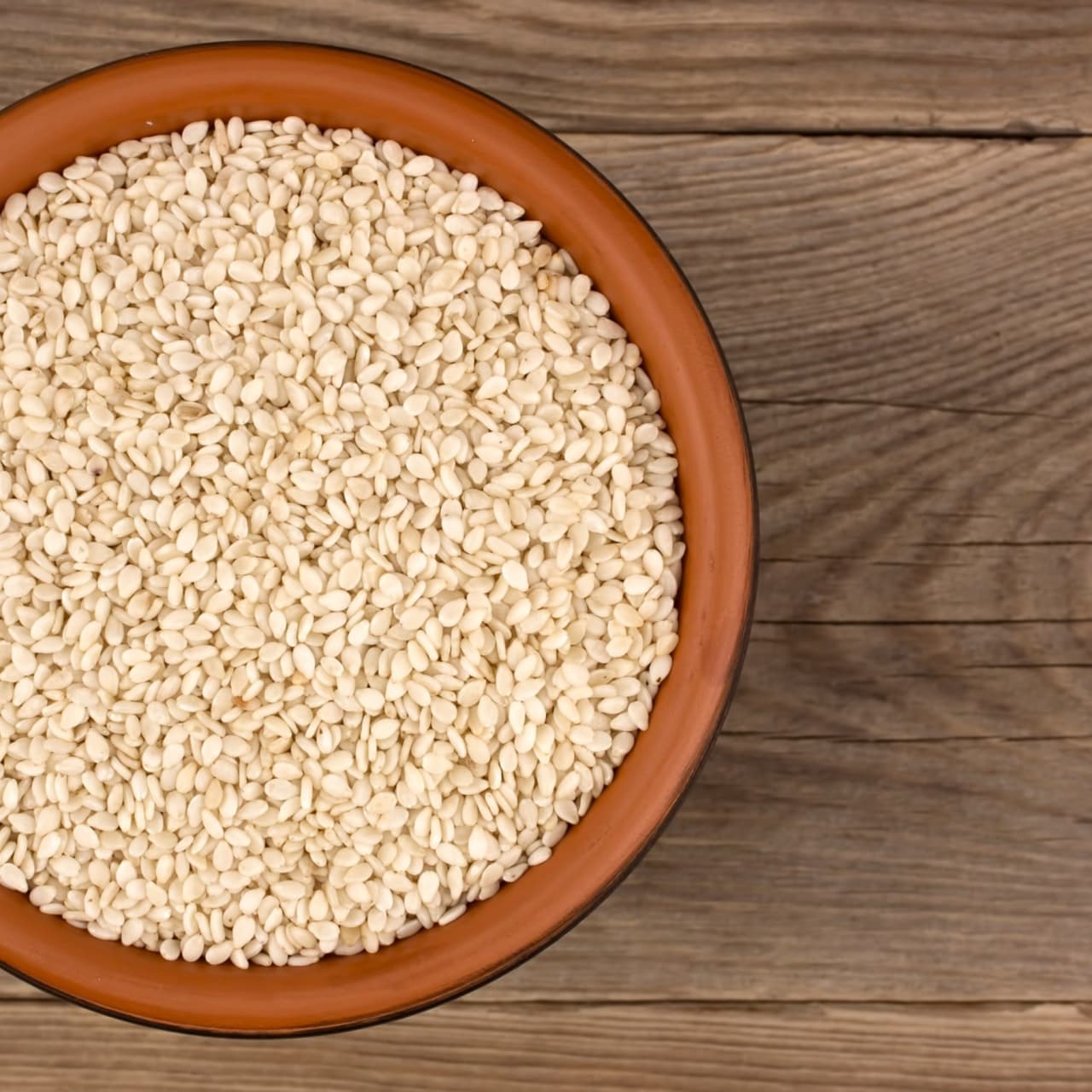
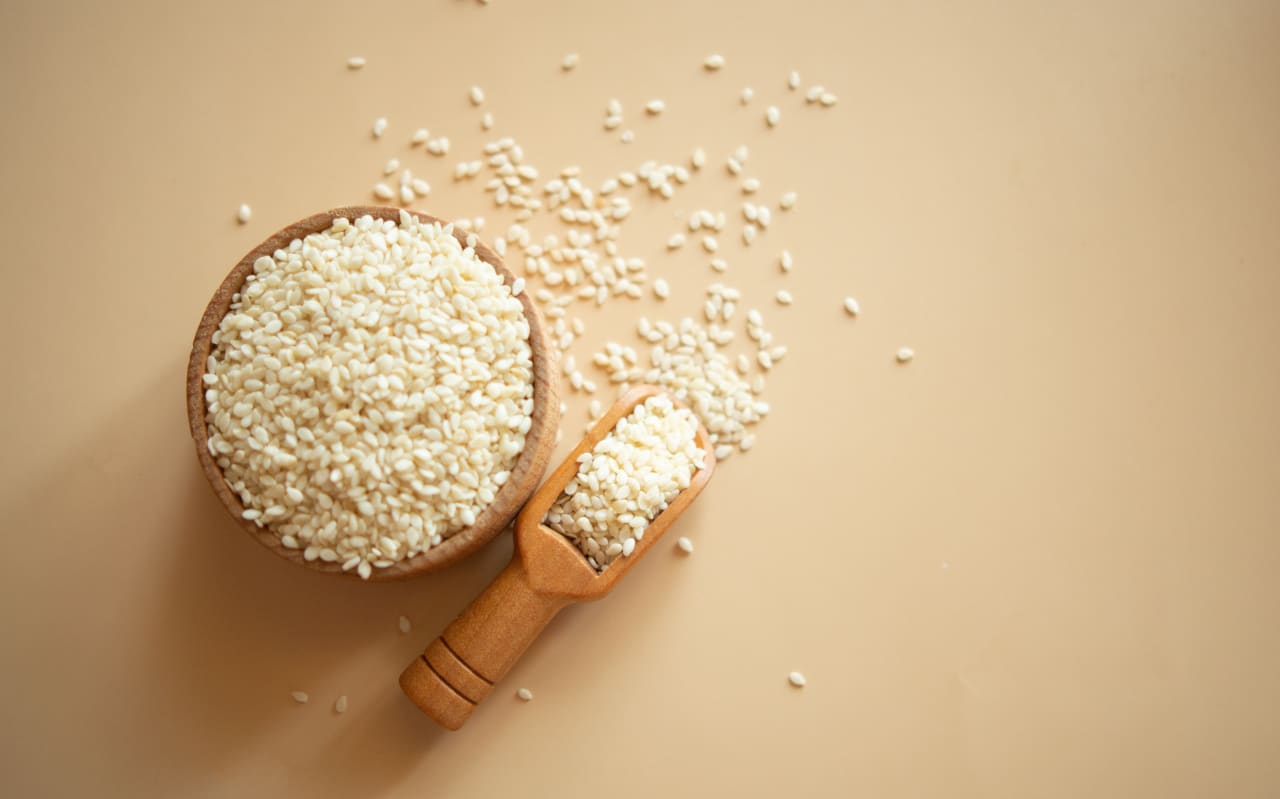
  • Sesame seeds: Rich in plant-based calcium and antioxidants, sesame seeds are a natural source of calcium, iron, and phytosterols, supporting mineral intake. They are even better absorbed when ground (tahini) or toasted. Their nutritional richness makes them a valuable ingredient in cuisines around the world.

  • Flaxseeds: Flaxseeds are rich in essential fatty acids (omega-3), fibre, and lignans, which have antioxidant effects. To benefit from their nutritional value, they should be ground just before consumption. Their high insoluble fibre content helps support gentle digestion.

  • Sunflower seeds: Rich in vitamin E and essential fatty acids. These seeds provide unsaturated fatty acids, magnesium, selenium, and a remarkable amount of vitamin E, an antioxidant. They can easily be added to breads, muesli, or salads. Just a handful is enough to enrich a meal in a balanced way.

  • Black cumin seeds: Used in small amounts, black cumin seeds contain unsaturated fatty acids and active compounds such as thymoquinone. Their strong aroma often complements Middle Eastern or spicy dishes. They are traditionally recognized for supporting digestive balance.

Fiber-rich seeds

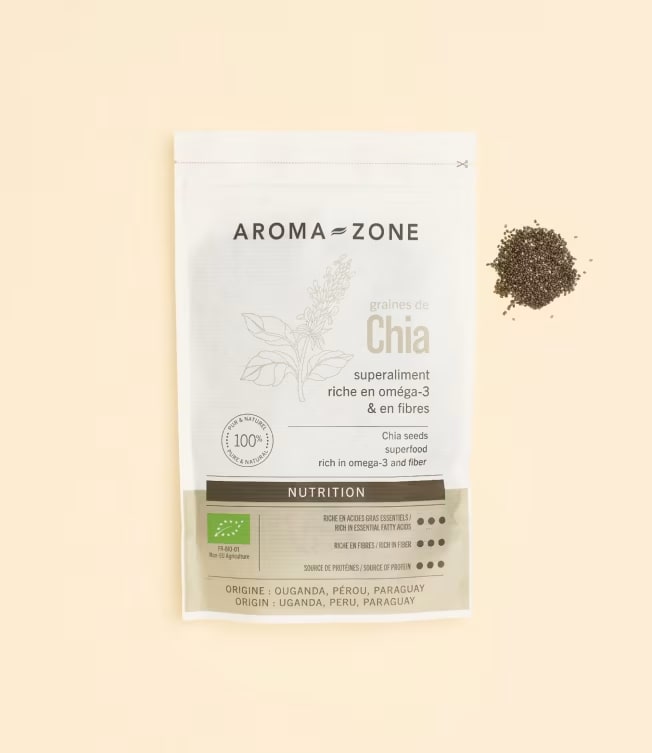
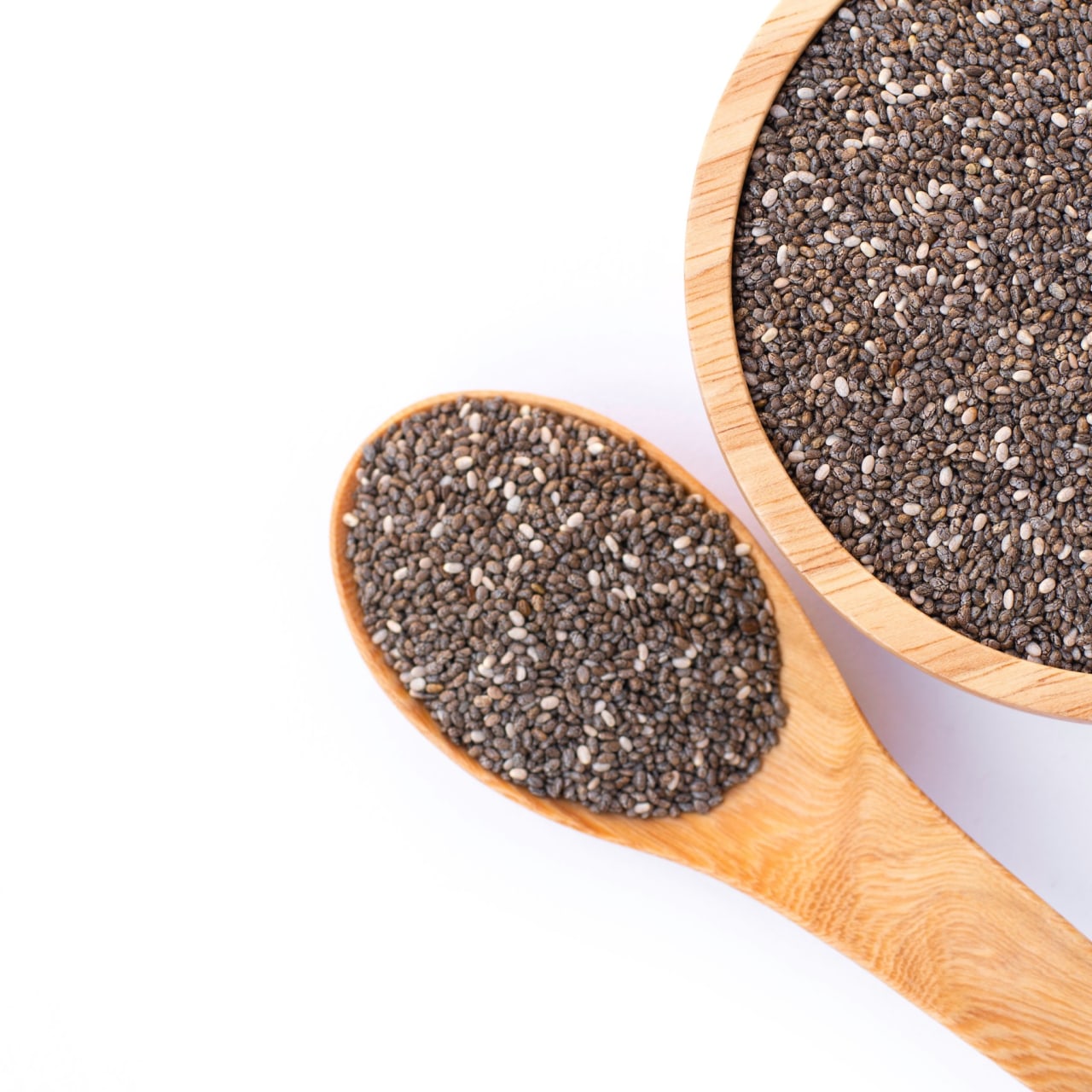
  • Chia seeds: Very rich in soluble fibre, chia seeds form a gel when in contact with water, which promotes satiety. They are also an excellent source of plant-based omega-3s, protein, and calcium. Regular consumption, in a pudding, smoothie, or porridge, supports daily nutritional balance.

  • Basil seeds: Natural sources of soluble fibre, omega-3s, plant-based protein, and antioxidants (polyphenols, flavonoids), basil seeds are distinguished by the mucilaginous gel they form once rehydrated. They are known to support digestion, prolong satiety, and are gaining increasing attention as part of a preventive and natural diet.

Product spotlight: Organic Chia Seeds Superfood

How many seeds should you eat per day?

Recommended daily serving size for each type of seed

To fully enjoy the benefits of seeds without overdoing it, it’s essential to stick to the appropriate amounts for each variety. Here’s a summary table of recommended portions, along with some practical tips for using them effectively in your daily life:

Type of seeds

Recommended amount

Practical guidelines

Usage tips

Chia

10 to 15 g

1 to 1.5 tbsp

Rehydrate with liquid (water, milk, etc.)

Flax

10 to 15 g

1 to 1.5 tbsp

Grind just before consumption

Squash

15 to 20 g

1.5 to 2 tbsp

Eat whole or toasted

Sunflower

15 to 20 g

1.5 to 2 tbsp

Eat whole or toasted

Sesame

15 to 20 g

1.5 to 2 tbsp

Ground (tahini, gomasio) or toasted for better absorption

Hemp

10 to 15 g

1 to 1.5 tbsp

Shelled, raw, or ground

Black cumin

1 to 3 g

1 teaspoon

Use in small amounts as a spice

Poppy

5 to 10 g

1 small tablespoon

Sprinkle on (bread, salads)

Fennel

2 to 4 g

1 teaspoon

Often used in tea or as a seasoning

Fenugreek

5 to 10 g

1 tbsp

Sprouted or lightly roasted

Basil

5 to 10 g

1 tbsp

Rehydrate like chia seeds


How should you eat them?

Seeds are easy to incorporate into your diet, provided you consume them in moderation. Two to three tablespoons a day, spread across several varieties, are enough to reap their benefits without overdoing it.

Some need to be ground (flax, sesame) or rehydrated (chia, basil) for better absorption. Once ground, they should be stored in a cool, dark place.

To get the most out of them, the key is to vary the types and adapt them to different times of the day.

Recommended daily amount

On average, a serving of 20 to 30 g per day—or 2 to 3 tablespoons—is sufficient to reap the benefits of seeds without overdoing it. This amount can be adjusted based on your needs, your diet, and your digestive tolerance.

It is recommended not to consume this amount all at once, but to spread it out over the day, prioritising variety (2 to 3 different types of seeds per day).

People with sensitive digestion can start with 1 tablespoon per day and then gradually increase the amount.

Incorporating them into your meals throughout the day

Incorporating seeds into your diet requires no special effort or complex recipes. All it takes are a few simple adjustments to enjoy all their benefits without exceeding the recommended amount.

  1. In the morning: Start with chia seeds, rich in soluble fibre, and let them soak in porridge or a smoothie. A tablespoon of sunflower or pumpkin seeds can also enhance muesli or homemade granola.

  2. At lunch: sprinkle sesame, hemp, or pumpkin seeds over your salads or hot dishes. They add crunch, healthy fats, and essential minerals.

  3. Snack time: mix ground flaxseeds into plant-based yoghurt, compote, or a smoothie. Their high content of plant-based omega-3s is valuable, especially in a plant-based diet.

  4. In the evening: opt for mild, easily digestible seeds like fennel or basil, either as an infusion or rehydrated. They promote digestive comfort without weighing down your meal.

Common mistakes to avoid

Even though seeds are valuable allies in daily life, certain habits can limit their benefits or even cause some discomfort. Avoiding these habits allows you to better integrate them into a natural and balanced eating routine.

Eating too many seeds of a single type: repeatedly favouring a single variety reduces the diversity of nutrients. Varying your seeds allows you to benefit from a broader nutritional spectrum.

Ignoring the form in which they are consumed: Some seeds, such as flax or sesame, are better absorbed when ground or lightly toasted. Others, such as chia, need to be rehydrated to aid digestion.

Forgetting to drink enough water: Fibre-rich seeds require water to be properly digested. Insufficient water intake can lead to digestive discomfort.

Exceeding the recommended amounts: Rich in fat or fibre, seeds are highly concentrated. It is best not to exceed 2 to 3 tablespoons per day, spread across several varieties.

Improper storage of seeds: Once opened or ground, seeds should be stored away from air, heat, and light—or even in the refrigerator—to prevent the oxidation of their fatty acids.

Answers to your questions about seeds

Seeds are very popular, but they also raise many questions. Here are some answers to help you learn more about them and consume them mindfully.

“Is it good to eat seeds every day?”

Yes, it’s perfectly fine to eat seeds daily, as long as you stick to a reasonable amount and vary the types. Regular consumption allows you to benefit from their high fibre content, essential fatty acids, plant-based proteins, and micronutrients, without overloading your body. The best approach is to introduce them gradually and in small amounts, especially if you’re not used to them.

“How much should you eat based on your needs?”

On average, 2 to 3 tablespoons of seeds per day are sufficient to enrich your diet. This portion can be adjusted according to nutritional goals: for example, someone following a plant-based diet may slightly increase their intake to boost their protein or omega-3 intake. Listening to your body remains essential to avoid digestive discomfort.

“Should certain seeds be prioritised over others?”

Each seed has its own unique properties. Chia and flaxseeds are particularly rich in omega-3; hemp seeds contain complete proteins; sesame seeds are notable for their calcium content. There is no “best seed”: their complementary nature is precisely their strength. Rotating varieties is the best way to get the most out of them.

“What about the antinutrients in seeds?”

Some seeds contain compounds called antinutrients, such as phytic acid, which can interfere with the absorption of certain minerals (calcium, iron, zinc). These effects remain moderate as part of a varied diet. To limit their impact, you can soak, lightly toast, or grind certain seeds before eating them, which also helps make them easier to digest.

“Are sprouted seeds better?”

Sprouting makes certain seeds easier to digest and increases the availability of certain nutrients (vitamins, enzymes, minerals). Fenugreek, radish, and alfalfa seeds are often used in this form. It’s an excellent way to diversify your nutrient intake, especially during dietary transitions or when there’s an increased need for micronutrients.

“Can seeds be cooked?”

Yes, but in moderation. Some seeds hold up well to cooking (such as sesame or toasted pumpkin seeds), while others lose some of their heat-sensitive fatty acids, such as flax or chia seeds. Whenever possible, it is advisable to consume them raw, ground, or lightly toasted at a low temperature to preserve as many of their benefits as possible.

“Are seeds recommended for people with sensitive digestion?”

For people with sensitive digestive systems, certain seeds can cause discomfort, particularly if consumed in excessive amounts or in an unsuitable form. To better tolerate them, it is advisable to start with small amounts, opt for rehydrated or ground seeds, and choose varieties rich in soluble fibre, such as chia.

Note: In the context of irritable bowel syndrome, consuming seeds should be considered on a case-by-case basis, with appropriate monitoring and special attention to individual tolerance.

A few recipes for incorporating seeds

Seeds fit easily into a natural and varied diet. To enrich your dishes, you can add poppy seeds to savoury cake batter or muffin mix for a crunchy and unique touch. A spoonful of sesame seeds in a homemade vinaigrette or tahini sauce boosts calcium and antioxidant intake. Nigella seeds, meanwhile, add an intense aromatic note when sprinkled over roasted vegetables. Finally, seeds can be incorporated into homemade breads, crackers, or granola to boost their nutritional profile with fibre, protein, and healthy fats.

Chia pudding

Ingredients (with scale)

Preparation

Making the powder base

1

Grind the chia seeds in a spice grinder.

2

Coarsely grind the rolled oats in a blender, then add the ground chia seeds and coconut flour. Mix well.

3

Then add the organic Peruvian maca powder and the organic lucuma powder. Mix well.

4

This powder mixture will be the "base" of your pudding. You can store it in an airtight container in the fridge for around 2 months.


Directions

2 tablespoons of powdered base + about 50 ml of milk of your choice. Mix well, then let it sit for a few moments before enjoying.

Your chia pudding is ready!

Note: If you’d like to add a touch of sweetness to your chia pudding, you can add agave syrup or maple syrup to your mixture.


For the delight of your taste buds!

This healthy and delicious chia pudding is sure to become your new favorite breakfast!

Recipe: Cocoa & Hemp Protein Drink

Ingredients in balance

Per 1 serving

Preparation

1

Pour the ingredients into a tall container.

2

Using the electric mixer, use up-and-down motions to blend the mixture until smooth.

3

Pour the drink into a glass. It’s ready to enjoy!

For the delight of your taste buds!

This chocolate drink will help you start your day off right with a protein boost!

Precautions

Rich in fibre, fats and micronutrients, seeds should be consumed in moderation. Excessive consumption can lead to digestive discomfort or a high caloric intake, particularly in sensitive individuals.

It is advisable to start with small amounts (1 to 2 teaspoons per day) and gradually increase depending on your tolerance. Some seeds should be ground, soaked, or lightly toasted to improve absorption and reduce antinutritional compounds.

Allergies are rare but possible, particularly with sesame. Finally, to preserve their benefits, store seeds away from heat and moisture. Once ground, keep them in a cool, airtight container to fully benefit from their properties.

Expert advice

Incorporating seeds into your daily routine is, above all, a simple and natural way to enrich your diet without disrupting your habits. By introducing them gradually, with curiosity and variety, you can enjoy their nutritional benefits without risking overconsumption. The key is to listen to your body: start with small amounts, try different seeds, and see what works best for you.

As part of a holistic approach to well-being, seeds fit perfectly: they support vitality, digestion, and nutritional balance, all with ease. Carefully chosen, properly stored, and enjoyed, they become true allies in your daily life.

Learn more

How many sprouted seeds can you eat per day?

About 1 to 2 tablespoons a day, as part of a balanced diet, is enough to reap their benefits without overburdening your digestion.

Which seeds are the healthiest?

Each seed has its own specific benefits. The most nutritionally complete are chia, flax, hemp, and pumpkin seeds, which should be incorporated on a rotating basis.

Which seeds help reduce belly fat?

Chia, flax (ground), and fennel seeds promote satiety, aid digestion, and support gut health—key factors for a lighter, more comfortable stomach.

Spotlight on our nutrition and food expert, Marie-Anne Vion

Faced with digestive disorders such as IBS and SIBO, Marie-Anne turned to nutrition and natural solutions. Passionate about wellness, she is now studying dietetics and nutrition. She shares her expertise through articles, offering accessible advice and insights. Attracted by the brand’s natural approach, she helps promote a balanced diet and self-reliance in health matters.

Bibliography

1

Chia seeds: an ancient grain trending in modern human diets | PubMed:

2

Chia seeds (Salvia hispanica L.): a therapeutic tool for metabolic disorders | PubMed:

3

Seeds | PubMed:

4

Consumption of nuts and seeds and the risk of cardiovascular disease, type 2 diabetes, and their risk factors: a systematic review and meta-analysis | PubMed:

5

Thymoquinone: an emerging natural drug with a wide range of medical applications | PubMed:

6

The multifaceted potential of fenugreek seeds: From health benefits to food and nanotechnology applications | PubMed:

7

Basil Seeds as a Novel Food, Source of Nutrients and Functional Ingredients with Beneficial Properties: A Review | PubMed:

8

ANSES Ciqual Table: