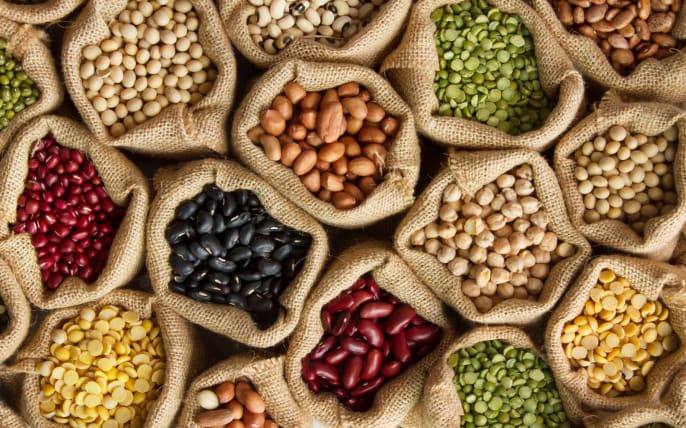
Native to Asia, Oats are a cereal that has been cultivated for over 2000 years. Oats (Avena sativa L. ) belong to the grass family. This whole-grain cereal is rich in phytonutrients: essential minerals (phosphorus, magnesium, manganese, calcium, iron, etc.), B vitamins (thiamine, pantothenic acid and niacin), proteins, carbohydrates, antioxidants and soluble dietary fibre. These nutrients are contained in the bran (the outer husk of the grain) and the germ. Oats have many health benefits. This energetic, low-calorie food with an interesting nutritional profile is undoubtedly an ally of choice for a healthy, balanced diet.
The health benefits of oats
Published on: Wednesday, August 16, 2023, Updated on: Wednesday, October 21, 2026
You're probably already familiar with oats as a key ingredient in your breakfasts, desserts and snacks. But do you know all its benefits? In this article, you'll discover the benefits of oats and the different ways to eat them. We also share our delicious recipes, as well as our advice and precautions for use.
Contents
Related products
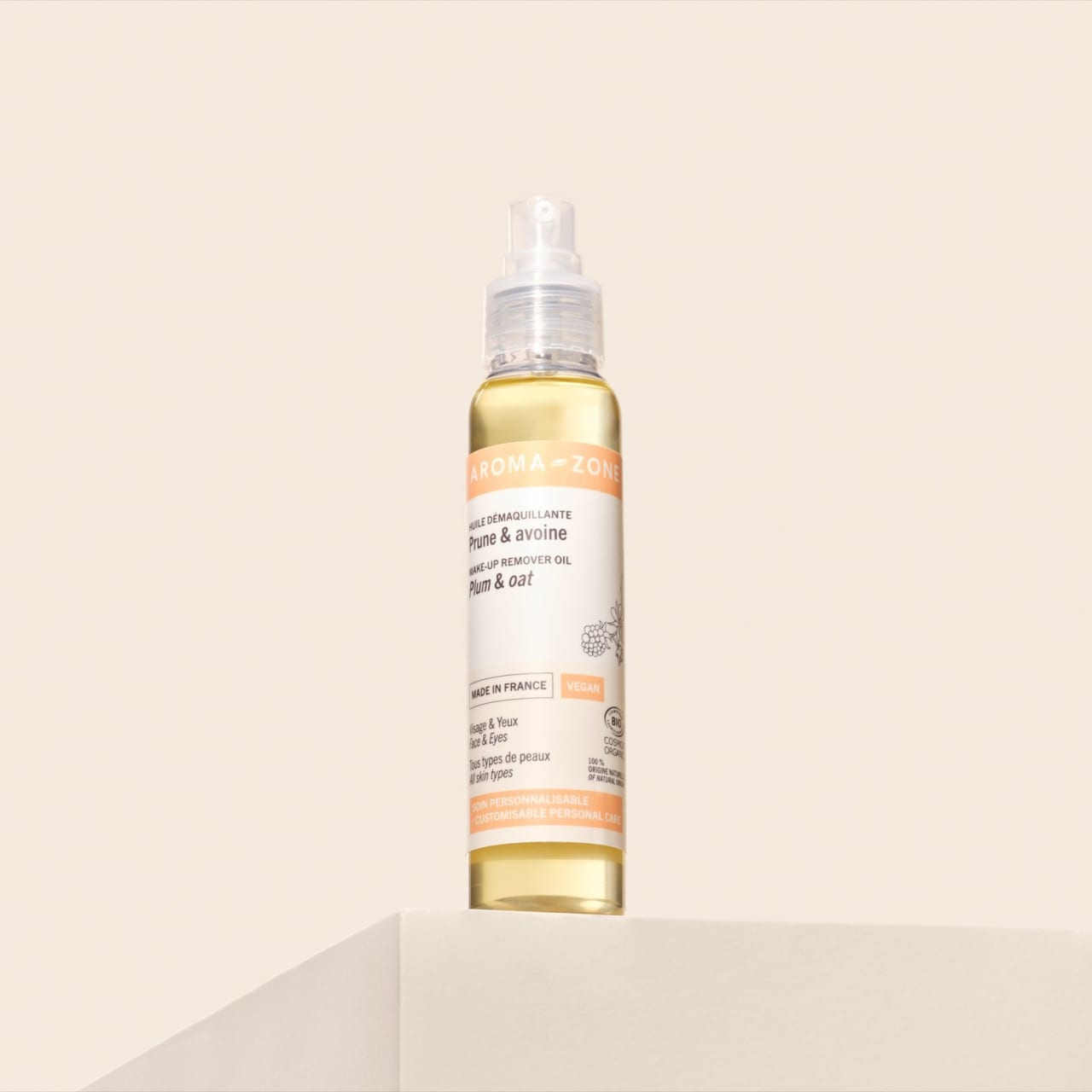
Plum & Oat Make-Up Remover Oil
Makeup remover
Nourishing
£9.00
100 ml
Organic Native Aloe Vera Gel
Protective
Nourishing
£10.00
250 ml
3 options
Oat Oil
Soothing
Anti-ageing
£13.00
100 ml
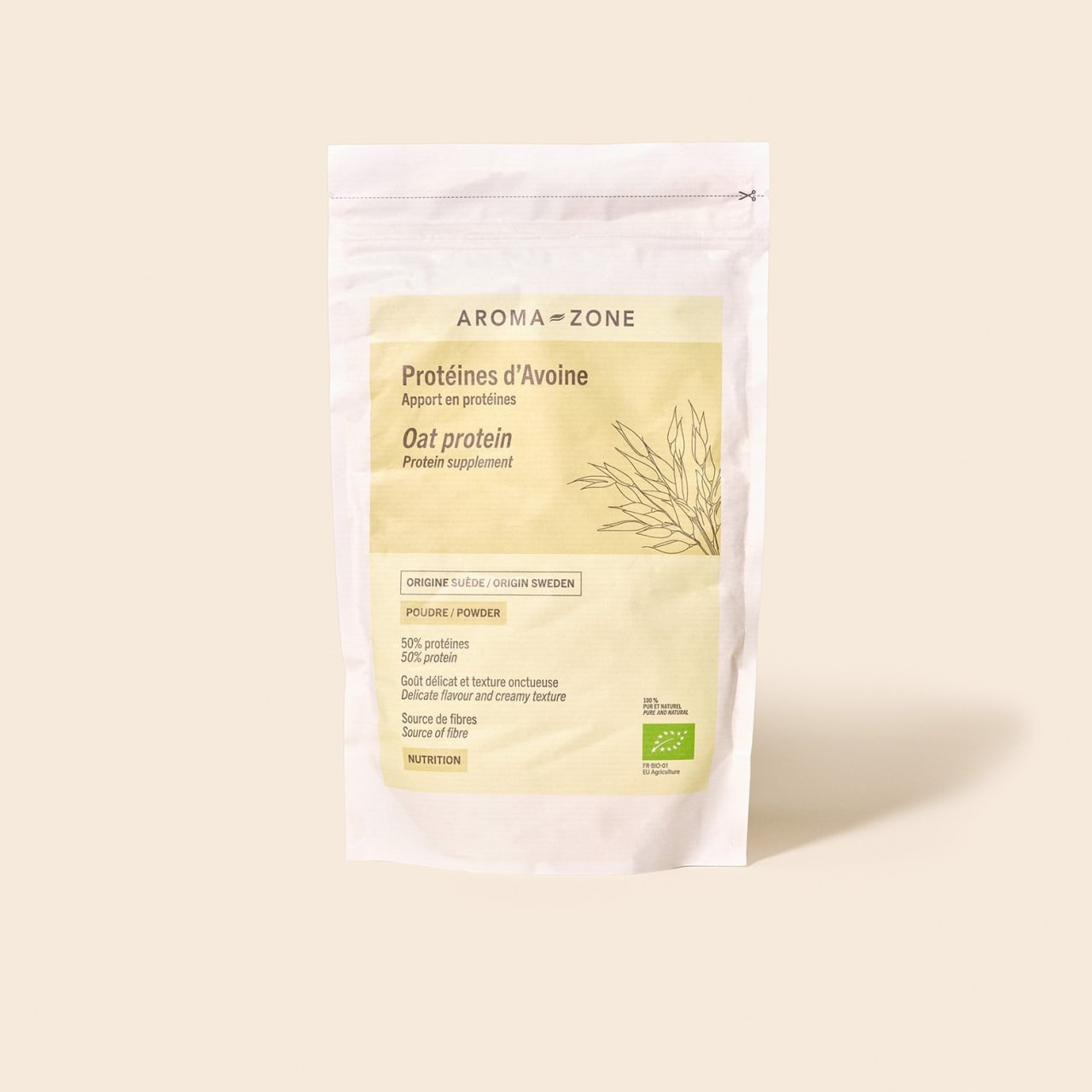
Organic Oat Protein
High in protein
£13.00
300 g
What are oats?
What are the benefits of oatmeal?
Improves intestinal transit
Improves digestive health: Oats, in their gelled form in the intestine, reduce bloating in particular.
Regulates the balance of the intestinal microbiota: Several studies show that oats contain probiotics, which encourage the growth of probiotic bacterial strains while reducing more harmful strains.
To support a slimming diet
Oats are rich in fibre: fibre swells and takes up more space in the stomach than macronutrients. Oats therefore have a faster, longer-lasting satiety effect and help to prevent cravings.
Oats allow sugars to be absorbed slowly in the intestine, thus avoiding blood sugar peaks and excessive insulin secretion. This makes it an ally in weight management. Stable blood sugar levels help control appetite and cravings.
Product focus on ORGANIC Oat protein
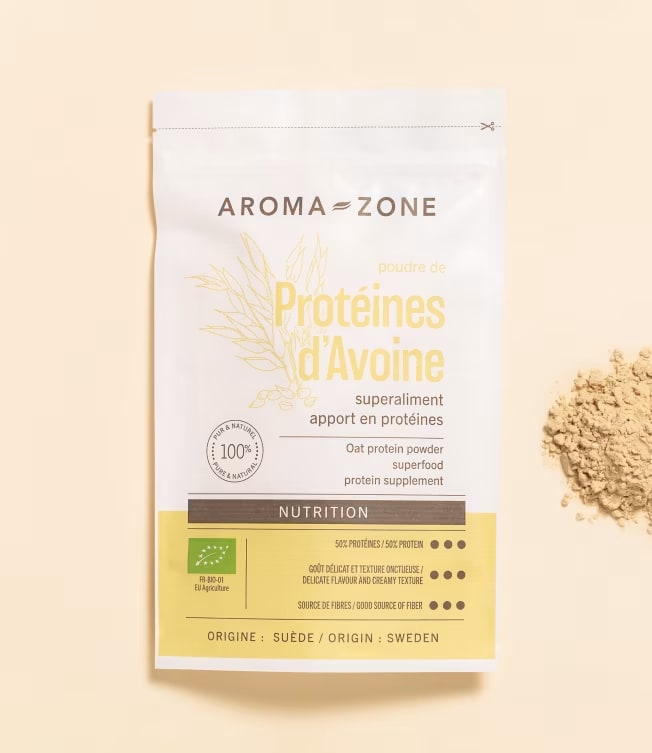
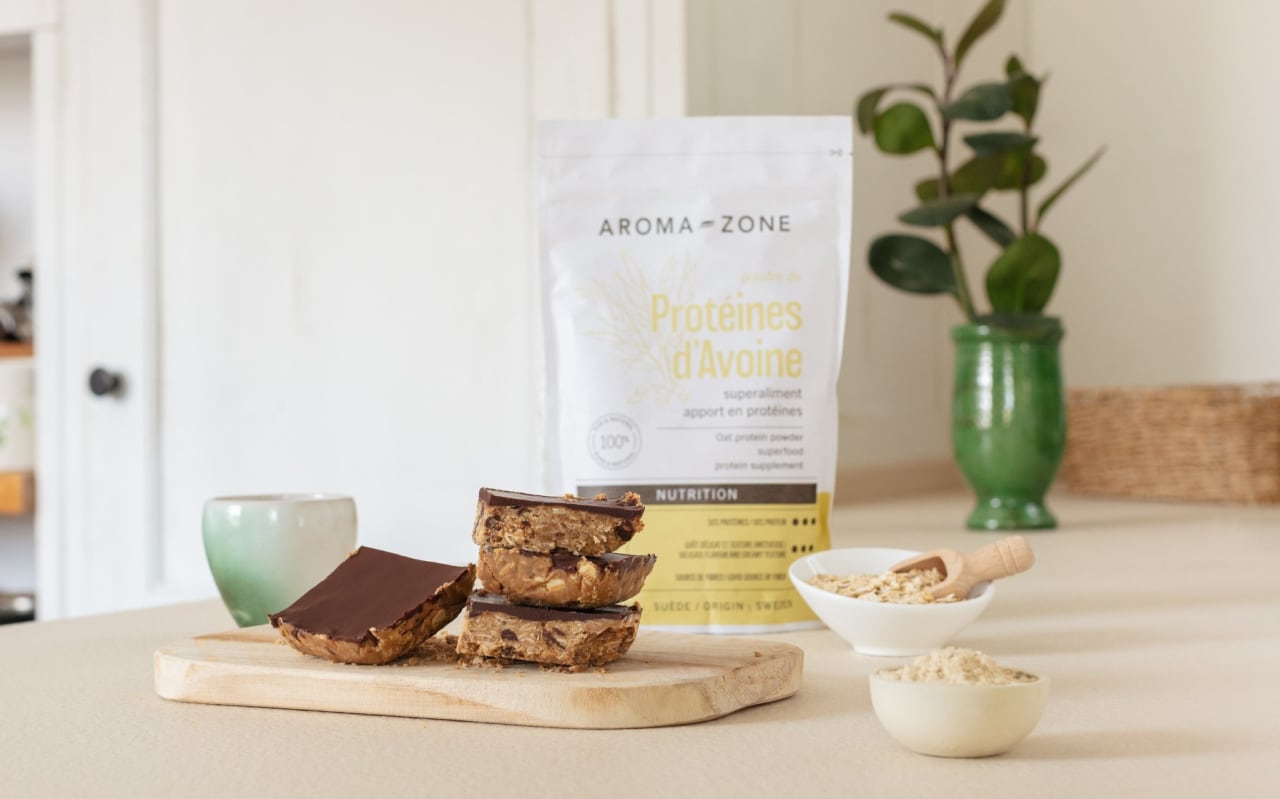
Produced from ORGANIC oat bran grown in Sweden, this powder has a high protein content (50%). This 100% plant-based ORGANIC Oat Protein powder is an interesting source of fibre. Its creamy texture and comforting flavour make it very enjoyable, and it's easy to add to your desserts, soups or smoothies, or to reconstitute sugar-free oat milk.
Why take a course of oat protein?
A course of oats can be beneficial for a number of reasons. First of all, oat protein is suitable for most people, especially those looking to increase their intake of plant proteins. They are therefore ideal for vegetarians or vegans looking to cut out animal proteins.
When should I start a course of oat protein?
As part of a high-protein diet, particularly for athletes. It can also be beneficial for the elderly, to supplement protein intake and prevent muscle wasting.
How to eat Oat protein
Oat milk: This tasty and nutritious plant-based drink is useful for filling up on energy while staying hydrated. It is an interesting alternative to cow's milk and is therefore suitable for vegetarians, vegans and people with lactose intolerance, for example.
As a flour substitute: You can easily use it in baking and cooking to replace all or part of the flour in your favourite recipes.
Sprinkled on dishes: Oat protein is an excellent addition to enrich your dishes with protein and nutrients. It can be sprinkled on most sweet or savoury dishes. Sprinkled on granola or porridge, it provides extra protein and is perfect for a more balanced breakfast.
Protein smoothies or shakes: Oat protein powder provides a high-quality source of plant-based protein. Ideal as part of a high-protein diet, it promotes muscle recovery and is ideal as a snack or after a training session.
Yoghurt or fromage frais: Rich in fibre and protein, it promotes a feeling of satiety and aids digestion, while giving a smoother texture to dairy products.
How do I follow a course of oat protein?
What is the desired effect?
Oat proteins provide essential nutrients, fibre and a high protein content that help maintain and develop muscle mass, promote satiety, encourage post-exercise recovery and aid digestion.
When to eat Oats?
They can be consumed at any time of the day between or during meals, as soon as breakfast or after a training session.
What quantity?
In terms of calories, 100g of oats is equivalent to 62 calories. For an adult, two tablespoons of oat bran are recommended, i.e. a portion of 30 to 40 grams a day.
It is recommended to take 1/2 to 2 tablespoons a day, depending on the preparations in which they are incorporated. As a flour substitute, they can replace 5-20% of the total flour. This concentration guarantees a sufficient dose of protein in your mixtures while maintaining a pleasant texture.
How can you incorporate Oat protein into your diet?
At mealtimes
Replace 1 to 2 tablespoons of flour with the same amount of Oat Protein Powder in your dishes, soups, desserts or protein bar preparations.
Measure out 1/2 tablespoon of Oat Protein Powder and sprinkle over your favourite foods such as yoghurt, fromage frais or granola.
In your drinks
Add 1 to 2 tablespoons of Oat Protein Powder to your smoothies and shakes.
Add 1/2 tablespoon of Oat Protein powder to your latte.
Contraindications
Although oats do not contain gluten as such, they are often contaminated by the cultivation of other cereals containing gluten. Gluten is a group of allergenic proteins implicated in intestinal hypersensitivity. It is responsible for a number of disorders in the case of proven gluten intolerance. In the event of intolerance, do not consume gluten without the prior advice of a health professional. Likewise, take the time to check the labelling on your product.
Our ideas for oat-based recipes you can try at home
Precautions for use
Store your proteins in a cool, dry place away from light. Close the bag tightly after opening.
Expert advice
Oat protein can also be used as a natural thickener in a variety of sweet and savoury culinary preparations, such as soups, sauces and smoothies, while increasing protein intake.
Focus on our editor Mounir Belkouch, Senior Lecturer and Head of Studies at the IFTLM

Dr. Mounir Belkouch, a biochemist by training, specialises in the fields of neuroscience and nutrition. In particular, he trains laboratory technicians in the medical field.
Mounir is passionate about the world of plants and admires all that they have to offer and teach us. He also holds a Diplôme d'Etudes Supérieures (DIU) qualification in Phytotherapy and Aromatherapy from the University of Paris.
Bibliography
Paudel, D., Dhungana, B., Caffe, M., & Krishnan, P. (2019). A Review of Health-Beneficial Properties of Oats. Nutrients, 11(5), 1080.
Harvard T.H. Chan School of Public Health. Oats: The Nutrition Source.
Healthline (2023). 9 Health Benefits of Eating Oats and Oatmeal.