What mistakes should you avoid when looking after your muscles and joints?
Published on: Tuesday, June 23, 2026, Updated on: Tuesday, October 13, 2026
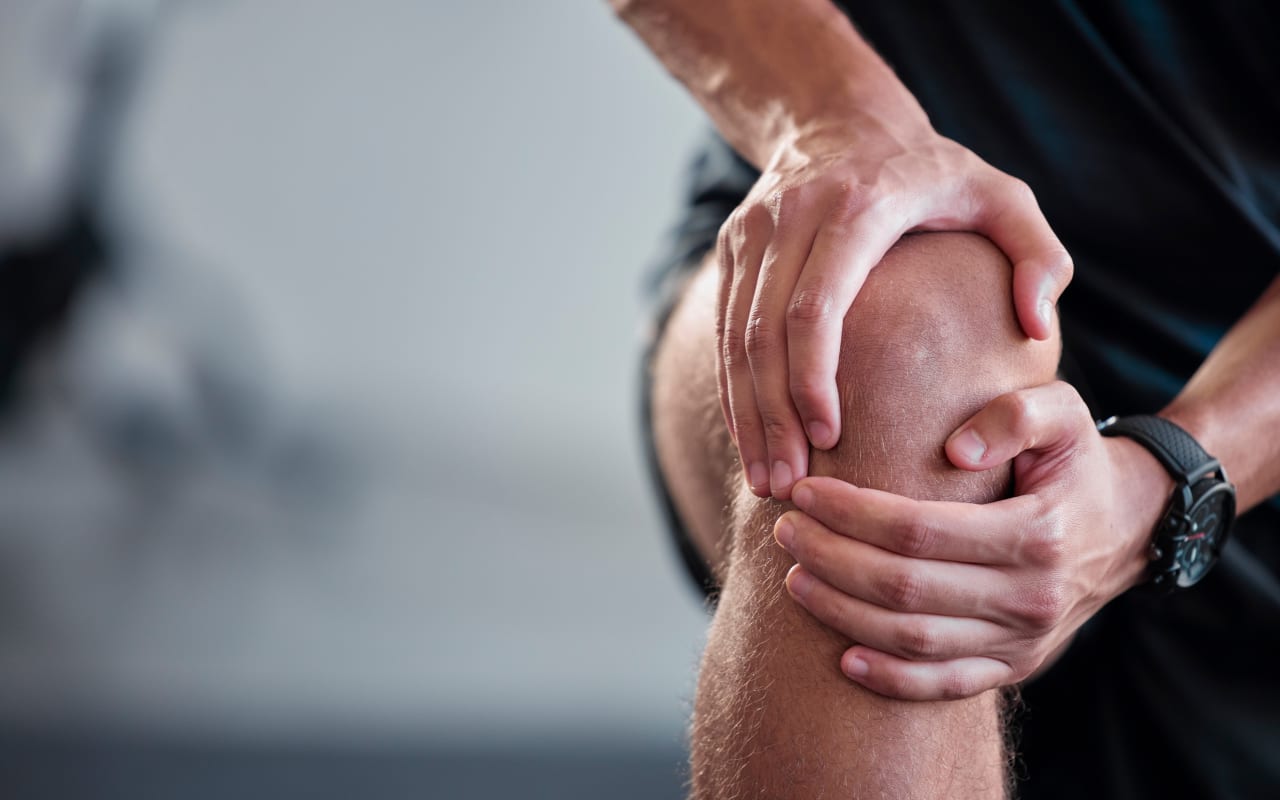
Lifting, walking, running, moving: these are all seemingly harmless everyday actions that depend on the condition of our muscles and joints. Yet we all too often forget that certain mistakes in caring for our joints and muscles can affect our musculoskeletal wellbeing. While athletes are often the first to be affected, they are by no means the only people who suffer from muscle and joint pain. Some precautions, such as avoiding movement for fear of injury, can, in reality, cause even greater problems… So, to help you avoid these pitfalls, this article outlines the main mistakes to avoid when it comes to your muscles and joints, as well as the best habits to adopt instead.
Contents
Related products
Soothing
£11.00
100 ml

Vitality
Stress
£15.00
article
£7.00
50 ml
Sport
Relaxing
£9.00
200 ml
Skin beauty & firmness
£38.00
article
In brief
In short:
Poorly-chosen exercise routines can weaken muscles and joints.
Paradoxically, a sedentary lifestyle can also increase the risk of certain injuries.
Taking care of your overall lifestyle is the first step towards maintaining healthy joints and muscles.
What are the common mistakes that cause muscle and joint pain?
The main mistakes stem from a poorly-chosen exercise routine.
The first mistake is rushing into things without following the principle of gradual progression. If you’re doing sport, it’s best to avoid dramatically increasing the frequency of your training sessions (e.g. going from 1 session to 5 sessions a week) without taking the time to prepare your body. Similarly, be careful not to drastically increase the weights in your strength training exercises overnight. You risk an overuse injury (1).
The second is not listening to your body. For example, if you’ve been injured before, it’s essential to allow for a rehabilitation period to give your tissues time to heal (2). And even without a previous injury, it’s entirely possible that your body may struggle to adapt to your exercises. If you experience persistent pain while exercising, it’s best not to ignore it.
Third mistake: underestimating the importance of strength training. Perhaps you’ve decided to focus on cardio to improve your performance. However, you also need sufficiently strong muscles to maintain an efficient musculoskeletal system. Some studies suggest a link between muscle weakness and the onset of certain injuries (3).
Mistake number four: neglecting your lifestyle. For example, it has been proven that smoking reduces bone mineral density, contributing to damage to muscles, joints, tendons and ligaments (4). A sedentary lifestyle also puts you at a higher risk of musculoskeletal pain, particularly if you’re returning to sport after a long period of inactivity (1).
Finally, the fifth mistake is to rely solely on stretching to limit muscle strain and joint pain. Admittedly, stretching can provide a certain sense of comfort after physical exertion. However, as things stand, there is no clearly established correlation between a stretching routine and a reduced risk of injury (2).
You may be making these mistakes if:
You are about to resume or have just resumed exercise after a long period without any significant physical activity.
You experience tenderness or even localised or generalised pain during certain movements and possibly while at rest.
You have noticed a recent decline in your performance during training, particularly during strength exercises.
Why does poor exercise technique damage joints and muscles?
Poor technique during training can lead to overuse injuries.
Scientific evidence points to the idea that muscle or joint injuries stem primarily from poor training methods. No single technique is inherently riskier than another. There is considerable individual variation in how the body responds to stress; it is not the exercises themselves but rather poor execution that is to blame.
Researchers, backed by the International Olympic Committee (6), point out, for example, that the majority of injuries stem from an overly abrupt increase in training load (frequency, volume, intensity). This rushed approach does not allow your tissues – particularly your muscles and joints – time to adapt to the mechanical stresses. From one session to the next, they accumulate micro-damage that leads to overuse injuries. One example of this is patellofemoral syndrome, which affects the knee joint and causes pain around the kneecap, particularly when using stairs.
Another risk factor for your joints and muscles during training is a lack of recovery (7). Without adequate rest, your tissues will inevitably accumulate fatigue. Consequently, they do not have the opportunity to repair themselves fully and regain the mechanical condition required to cope optimally with future exertion. Combined with high loads, this increases the risk of muscle injury.
See also: Sport and wellbeing: good habits to adopt after exercise
What are the best habits to adopt?
The best way to look after your muscles and joints on a daily basis is to maintain a healthy and balanced lifestyle.
Whether you consider yourself sporty or not, some very simple measures can help you maintain your musculoskeletal well-being. It’s never too late to do things right: while ageing tends to reduce the body’s ability to adapt and for tissues to recover, it doesn't automatically mean resigning yourself to frailty. It’s primarily your lifestyle and state of health that make the difference.
Protective habit | Further details |
Get active several times a week | Aim for 150 to 300 minutes of moderate-intensity physical activity, spread over the seven days of the week. Halve this time if you opt for a higher intensity (5). Examples: brisk walking, cycling, swimming, running. |
Reduce your sedentary time | If you work sitting down, stand up at least every 30 minutes and at most every hour. Do a few exercises: this could involve climbing the stairs, stretching any numb limbs or simply walking for 2 to 5 minutes (5). |
Do strength training | Plan two sessions a week, alternating between different muscle groups (5). Examples of exercises to include: squats, lunges, core exercises, push-ups and pull-ups. |
Try to maintain a stable weight | Avoid both gradual weight gain and extreme yo-yo loss-and-gain cycles, which are often caused by overly restrictive diets. The aim is to avoid placing excessive mechanical strain on your joints, particularly your knees. |
Look after your lifestyle | Get enough sleep to aid your muscle recovery (for an adult, the recommended amount is between 7 and 9 hours of sleep). Make sure you include enough protein in your daily meals (around 1.2 to 1.6 g of protein per kg of body weight per day). Avoid smoking, and seek help to quit if you smoke currently. |
Key points to remember for adopting healthy habits:
Find the right balance between a sedentary lifestyle and overtraining.
Dedicate several training sessions weekly to strength training.
Make sure you get enough sleep and eat enough protein.
Expert advice
'What are the signs that muscle or joint tension warrants a more holistic approach? When muscle or joint tension becomes recurrent, persists despite rest, or is accompanied by other symptoms such as chronic fatigue, digestive problems, sleep disturbances or low energy levels, it is worth taking a broader view. In functional medicine, we seek to understand why tissues remain in a state of tension: low-grade inflammation, nutritional deficiencies, chronic stress, poor recovery or hormonal imbalances may all contribute to this. The symptom is therefore merely the visible part of a more comprehensive imbalance.'
Dr Yoni Assouly, functional medicine practitioner and author
Our tailored treatments
Combined with appropriate daily precautions, these treatments can help you maintain the comfort of your muscles and joints. Natural and/or organic, they are mostly based on the muscle-relaxing and soothing benefits of essential oils. In addition to topical treatments, you can complement your wellbeing routine with carefully selected dietary supplements.
To quickly target localised discomfort
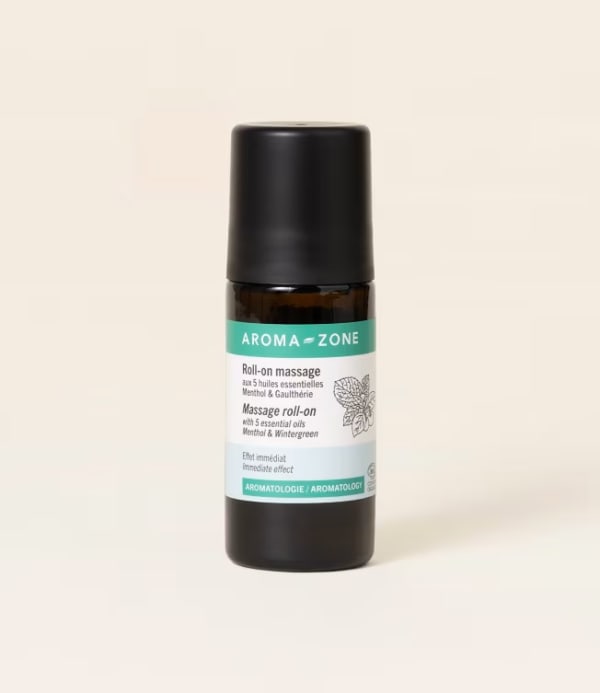
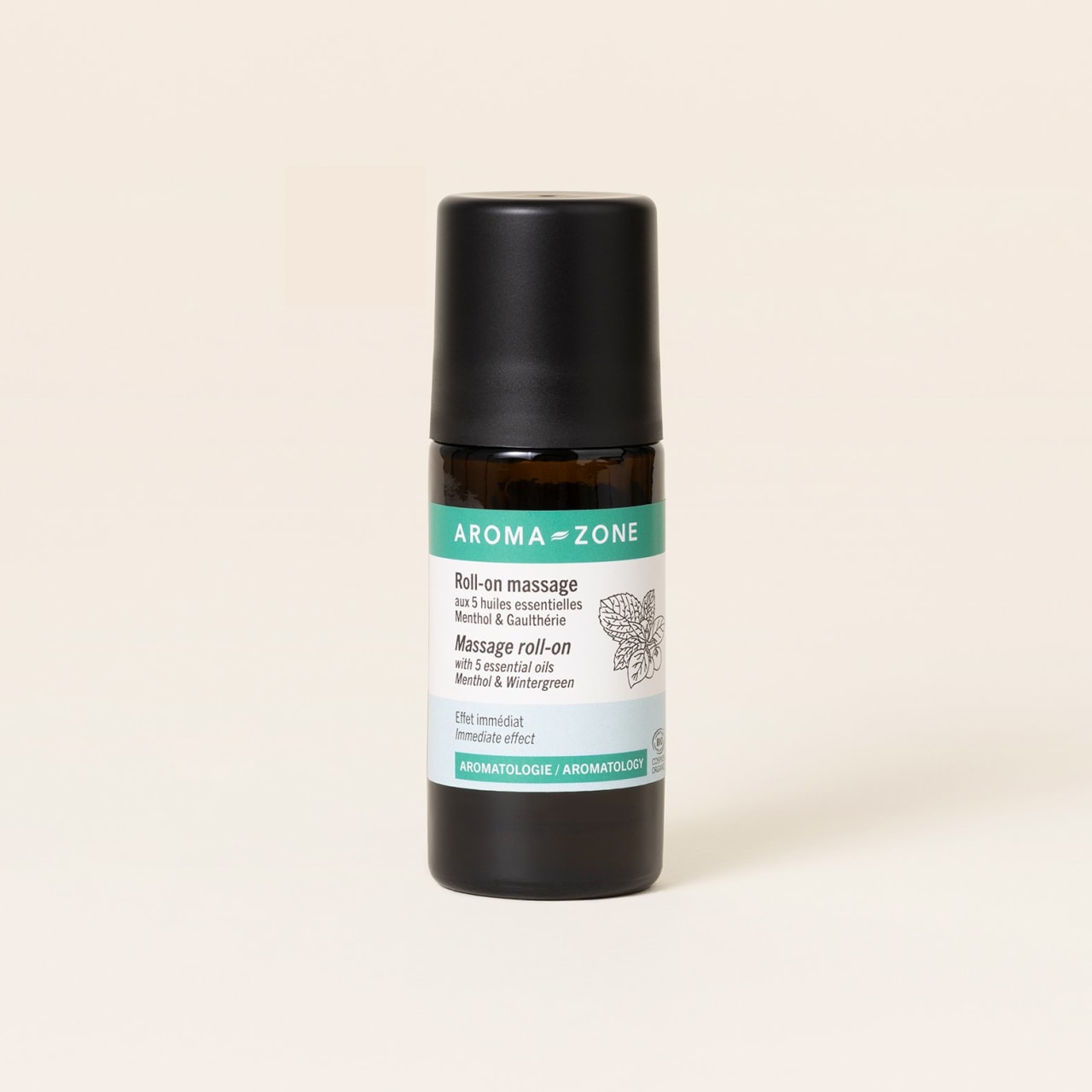
Massage roll-on with 5 essential oils
Roll the massage ball over the areas where you feel discomfort and massage until the formula is completely absorbed. Its cooling gel texture helps to relax muscles and joints, whilst offering a refreshing scent. Do not use on pregnant women, children under 10 years of age, or on people with epilepsy, allergies, asthma or a history of seizures.

Organic Muscle & Joint Comfort Essential Oil Trio Set
The essentials for making your own quick massage oil, following the recipes in the leaflet included in the kit. The essential oils of lemon eucalyptus, wintergreen and copahu balm combine soothing, warming and muscle-relaxing properties. Always read the specific precautions for use relating to the essential oils used. Keep essential oils out of the reach of children and pets. Store your essential oil bottles in a cool, dry place, away from light, to preserve all their properties.
Discover the Organic Muscle & Joint Comfort Essential Oil Trio Gift Set
To support your recovery after exercise

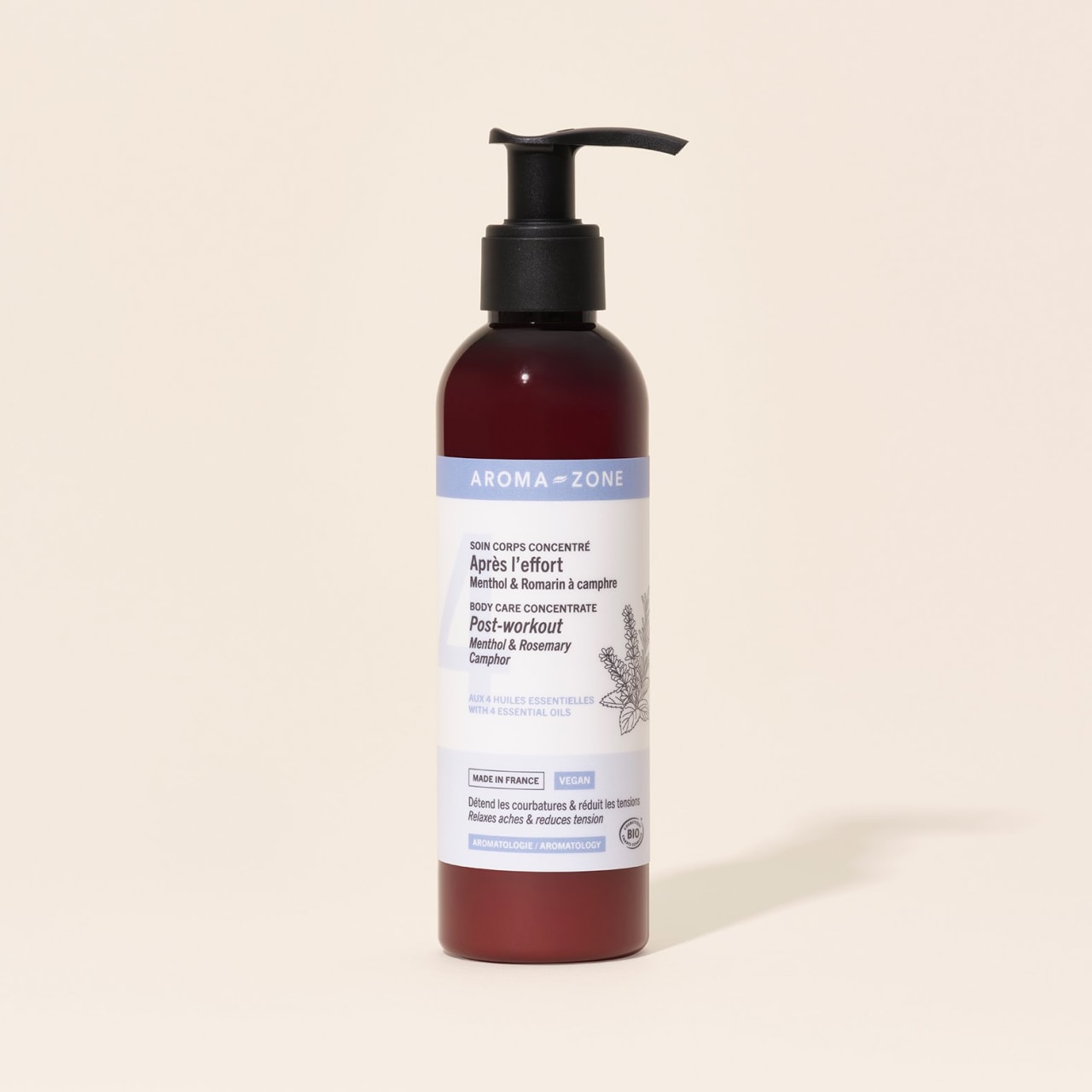
Organic Concentrated Post-Workout Body Care
If you prefer a gel texture that melts into the skin with an ‘ice cube’ effect. Proven effectiveness: provides a sensation of muscle relaxation and promotes muscle recovery. Enriched with menthol crystals and soothing essential oils, its aloe vera base absorbs easily without leaving a greasy or sticky film. Do not use on children, or on pregnant or breastfeeding women.

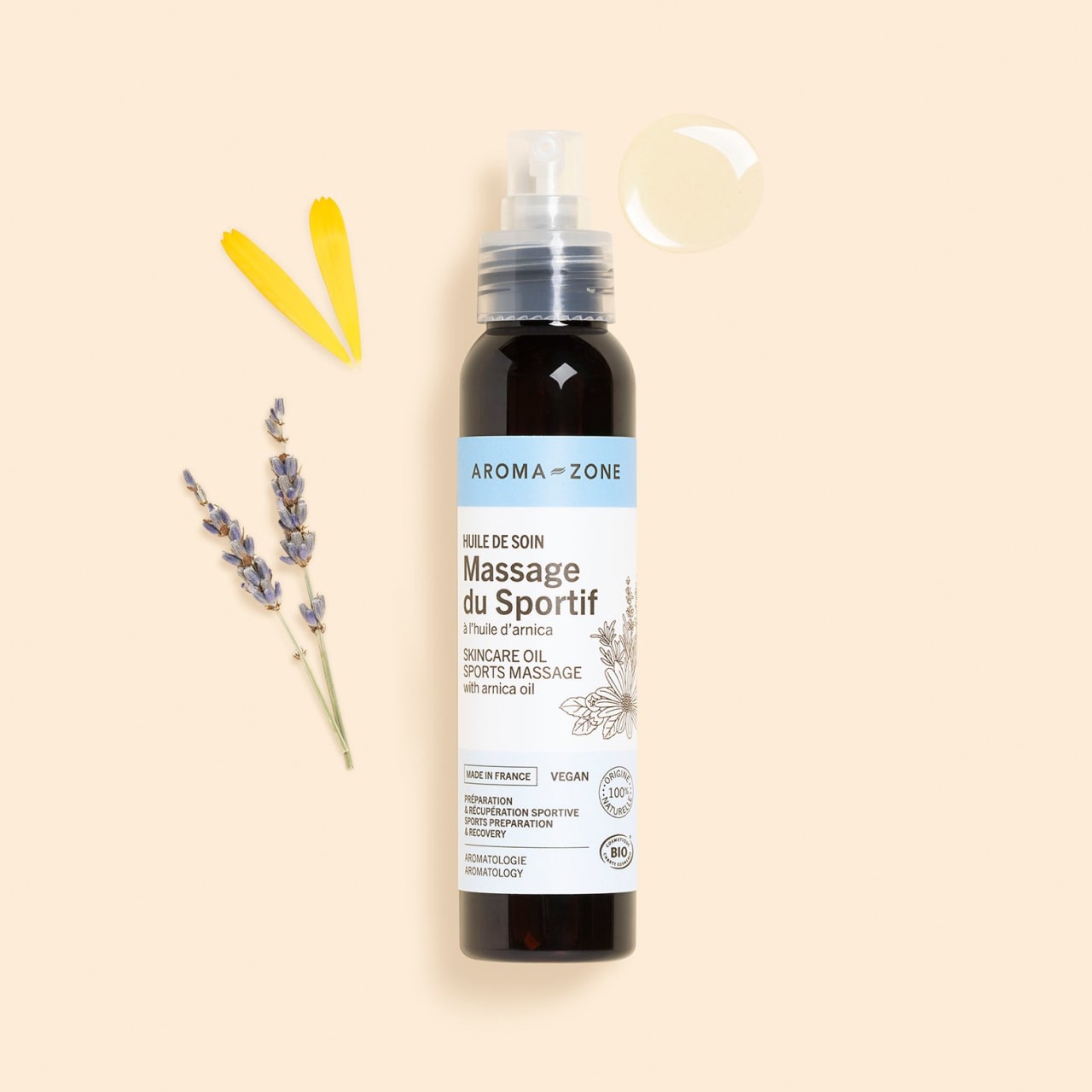
Sports Massage Oil
If you prefer an oil-based texture with a smooth glide that facilitates a prolonged massage and leaves the skin feeling silky smooth. Proven effectiveness: relaxes muscles and helps relieve tension. Enriched with organic arnica oil macerate and essential oils renowned for their soothing and relaxing effects. Do not use on children, or on pregnant or breastfeeding women.
To support your fitness training from the inside out
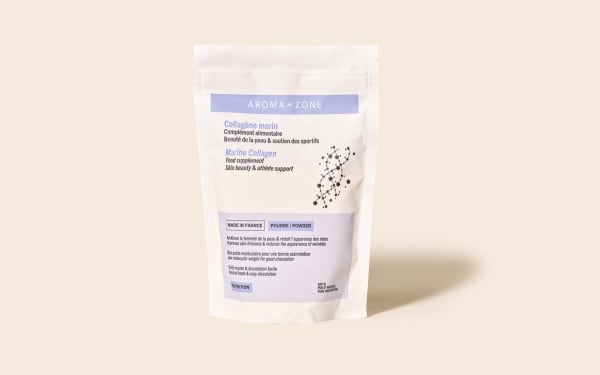
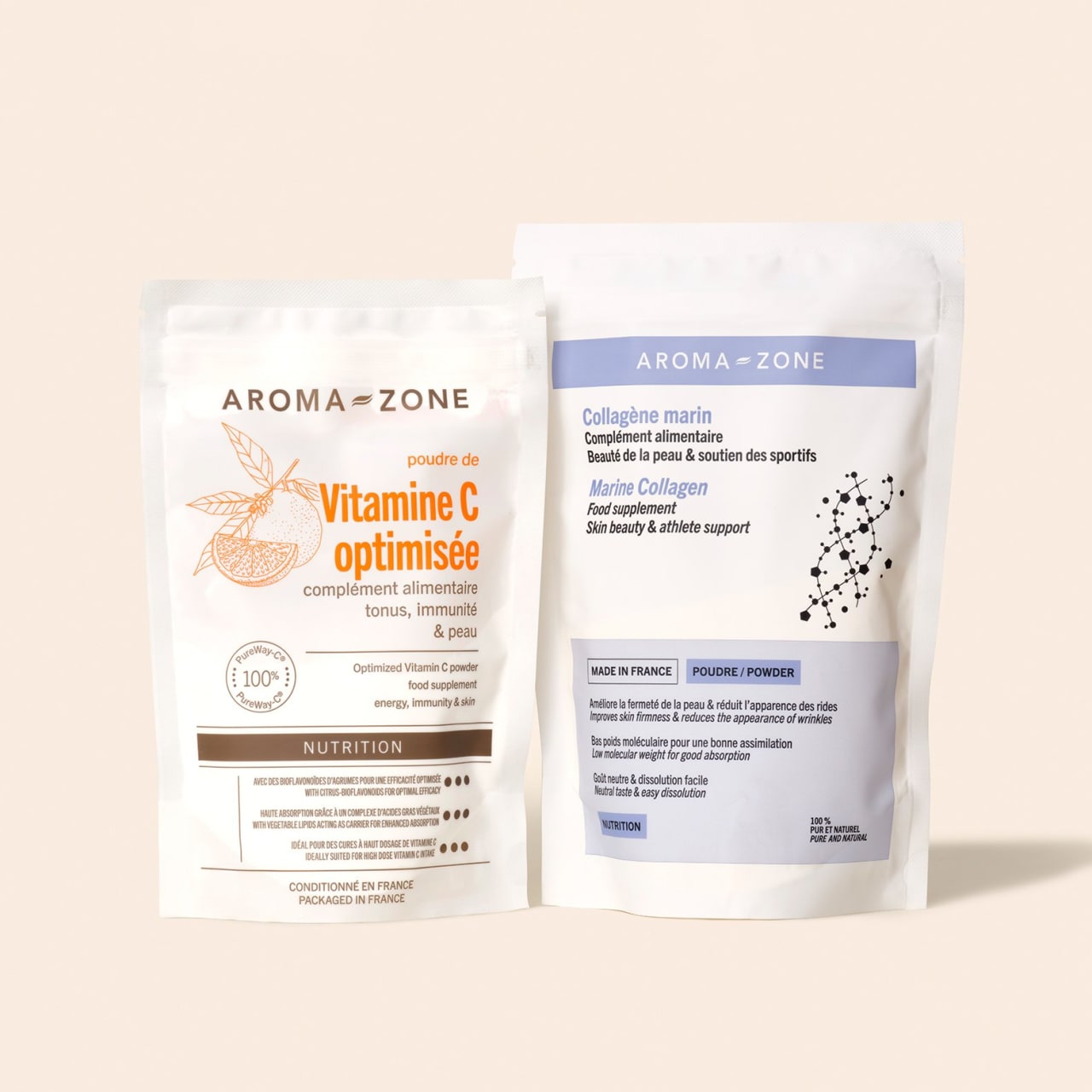
Marine collagen
This product contains fish collagen peptides sourced from aquaculture, hydrolysed to a low molecular weight (2000 Da) for optimal absorption. Known for supporting joint flexibility, this supplement is ideal to take alongside a fitness regime. Recommended dosage: 10 g per day for athletes, to be dissolved in a drink, ideally for 3 months. For adults only; not recommended in cases of kidney failure or hypercalcaemia without medical advice; pregnant or breastfeeding women are advised to seek the advice of a healthcare professional before taking any supplements.

Triple Magnesium
This is a unique combination of magnesium bisglycinate, marine magnesium and organic sea lettuce extract, developed to offer enhanced bioavailability and an optimal dose of magnesium. Traditionally recommended for cramps or muscle fatigue, magnesium is known to play a crucial role in muscle function and post-exercise recovery. Recommended dosage: up to 3 capsules per day for athletes. For adults only; pregnant or breastfeeding women should seek advice from a healthcare professional before taking any supplements; magnesium may have a laxative effect in some people. Organic sea lettuce extract (seaweed) provides a small amount of iodine: if you have thyroid problems, please consult your doctor.
Precautions
Are you experiencing persistent pain in a muscle or joint? We advise you to consult a healthcare professional as soon as possible, particularly if the intensity of the pain is interfering with your daily activities or your sleep. You should also keep an eye out for any swelling, loss of function or worsening pain. In these cases, it’s best to seek medical advice as soon as possible.
Expert advice
We often think of muscles and joints as independent structures, when in fact they function as a chain. Knee discomfort can sometimes be exacerbated by a lack of ankle mobility, whilst tension in the neck may originate in the shoulders or upper back. When discomfort recurs regularly in the same place, it can be helpful to look at the movement as a whole rather than focusing solely on the painful area. You might also consider consulting an osteopath.
Focus on Our Writer: Hélène Betoux

Hélène Betoux is a French beauty journalist specialising in web media. Every day she writes tips, advice, and guides to help consumers choose the right beauty products. With a strong interest in natural, organic, and clean cosmetics, she analyses and shares trends and innovations in the sector.
Bibliography
Orejel Bustos A, Belluscio V, Camomilla V, Lucangeli L, Rizzo F, Sciarra T, Martelli F, Giacomozzi C. Overuse-Related Injuries of the Musculoskeletal System:
Systematic Review and Quantitative Synthesis of Injuries, Locations, Risk Factors and Assessment Techniques. Sensors (Basel). 1 April 2021;21(7):2438. doi: 10.3390/s21072438. PMID: 33916269; PMCID: PMC8037357.
Quarmby A, Zhang M, Geisler M, Javorsky T, Mugele H, Cassel M, Lawley J. Risk factors and injury prevention strategies for overuse injuries in adult climbers: a systematic review.
Front Sports Act Living. 12 December 2023;5:1269870. doi: 10.3389/fspor.2023.1269870. PMID: 38162697; PMCID: PMC10756908.
Orejel Bustos A, Belluscio V, Camomilla V, Lucangeli L, Rizzo F, Sciarra T, Martelli F, Giacomozzi C. Overuse-Related Injuries of the Musculoskeletal System:
Systematic Review and Quantitative Synthesis of Injuries, Locations, Risk Factors and Assessment Techniques. Sensors (Basel). 1 April 2021;21(7):2438. doi: 10.3390/s21072438. PMID: 33916269; PMCID: PMC8037357.
Al-Bashaireh AM, Haddad LG, Weaver M, Kelly DL, Chengguo X, Yoon S. The Effect of Tobacco Smoking on Musculoskeletal Health:
A Systematic Review. J Environ Public Health. 11 July 2018;2018:4184190. doi: 10.1155/2018/4184190. PMID: 30112011; PMCID: PMC6077562.
WHO Guidelines on Physical Activity and Sedentary Behaviour. Geneva: World Health Organisation; 2020. EXECUTIVE SUMMARY.
Available from: https://www.ncbi.nlm.nih.gov/books/NBK566048/
Soligard T, Schwellnus M, Alonso JM, Bahr R, Clarsen B, Dijkstra HP, Gabbett T, Gleeson M, Hägglund M, Hutchinson MR, Janse van Rensburg C, Khan KM, Meeusen R, Orchard JW, Pluim BM, Raftery M, Budgett R, Engebretsen L. How much is too much? (Part 1) International Olympic Committee consensus statement on load in sport and risk of injury.
Br J Sports Med. 2016 Sep;50(17):1030-41. doi: 10.1136/bjsports-2016-096581. PMID: 27535989.
Jones, C.M., Griffiths, P.C. & Mellalieu, S.D. Training Load and Fatigue Marker Associations with Injury and Illness:
A Systematic Review of Longitudinal Studies. Sports Med 47, 943–974 (2017). https://doi.org/10.1007/s40279-016-0619-5