What are the benefits of almond protein?

Let's find out more about the benefits of almonds. This hard-shelled fruit, popular since ancient times, has survived the ages, making its way into most traditional cuisines as well as our beauty routines, thanks to its many benefits. In this article, we'll explore why to eat them, in what forms and in what quantities, with a particular focus on the benefits of almond protein.

Reading time: 0 min.

What are almonds?

Botanically speaking, an almond is the seed contained in the stone of a fruit. In everyday language, the term "almond" is used for several things: the fruit of the almond tree (Prunus dulcis) as found on the tree, the shell once the fruit has been peeled or the seed enclosed in this shell (called "almond" in the trade).

Almonds are nuts from the almond tree (Prunus dulcis). Rich in multiple nutrients, they are excellent for your health. Used in a variety of ways, plain, in culinary preparations or as a skin and haircare product, almonds are popular the world over thanks to the wonders they produce.

Why eat almonds?

As well as their delicious taste, both when eaten and in a variety of healthy, gourmet recipes, almonds have a host of benefits. On the beauty front, they can enhance your hair's shine and health. They can also help to improve and protect your skin, thanks in particular to their high vitamin E content. Vitamin E is an excellent antioxidant, protecting the skin from the damaging effects of free radicals and slowing down the ageing process.

Almonds are also invaluable for your health. By lowering cholesterol levels, these nuts help to reduce the risk of cardiovascular problems. If you suffer from high blood pressure, eating almonds can be an excellent idea. Rich in magnesium, they help regulate blood pressure and improve bone and muscle health.

Also rich in fibre, almonds are particularly recommended for digestive problems.

Finally, if you suffer from diabetes, almonds are the oilseed of choice in your dietary routine. Thanks to their low glycaemic index, you can use them in the preparation of your snacks, for example, or enjoy them as a healthy alternative to sweets.

What are the benefits of almond protein powder?

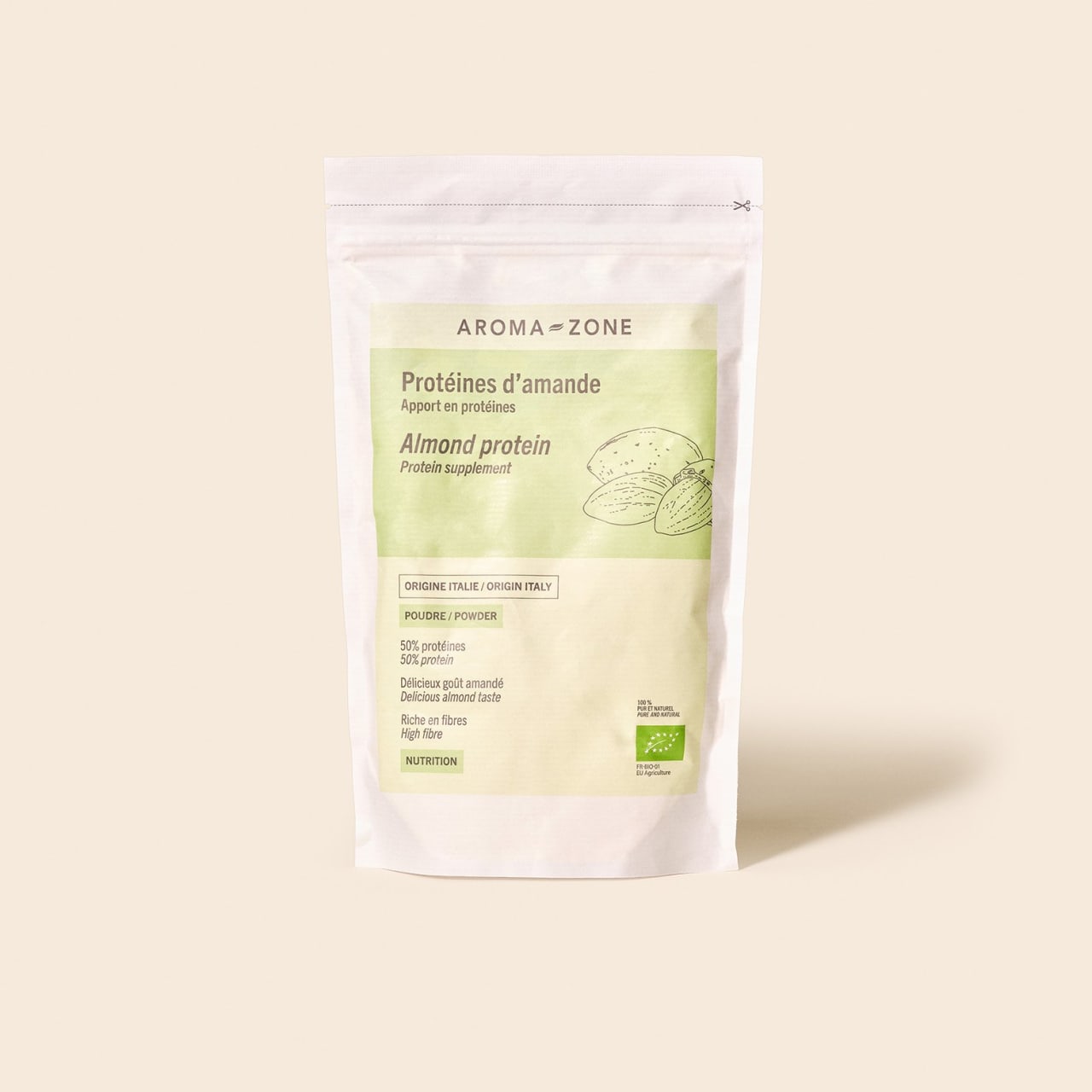
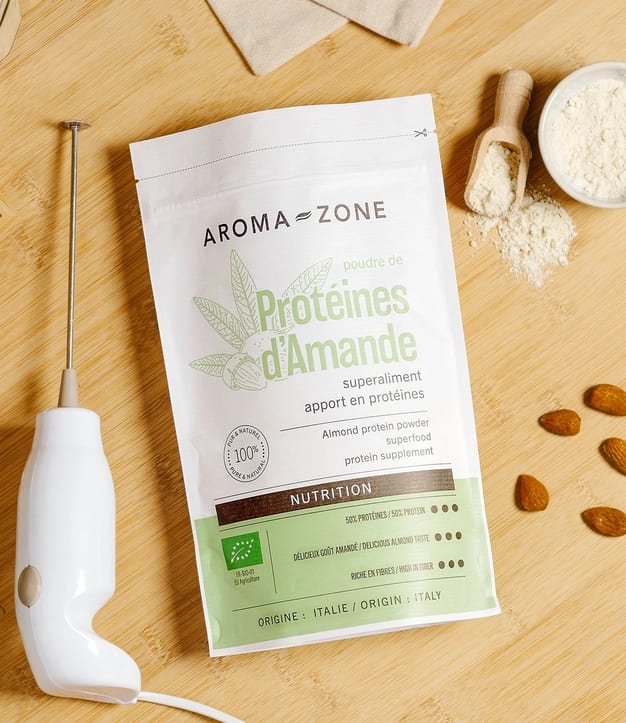
  • Withits high protein content (50% protein) , this powder can be used to supplement the required daily protein intake. Ideal for vegetarian, vegan and high-protein diets, it's ideal for supporting athletes during their training.

  • It is easy to incorporate into all types of preparations: With its fine texture and slightly modified flavour, it's easy to add to protein shakes and everyday recipes.

  • Its high fibre content aids digestion.

What are the benefits of almonds?

On the skin

Almonds can be eaten and used in a variety of ways to care for your skin. From almonds to chew to almond oils and milk, the possibilities are endless. Almonds are an ingredient with the ability to soothe irritated skin, reduce itching and relieve certain skin problems such as eczema and psoriasis.

Its intense nourishing power brings comfort to all sensitive or dry skin, including children's skin. Its fortifying properties act on the skin's hydrolipidic film to encourage cell regeneration, leaving skin suppler and more protected. Finally, thanks to its antioxidants, it helps to slow down the signs of ageing, such as fine lines and wrinkles.

On the hair

Naturally containing biotin, Almond oil is an excellent choice for strengthening your hair and promoting faster growth. Another interesting benefit of Almond oil is its ability to reduce the formation of dandruff on your scalp. Sweet Almond oil is particularly recommended for babies suffering from cradle cap or people prone to seborrhoeic dermatitis.

In addition to these benefits, you can also use Sweet Almond oil in your hair care products to deeply moisturise and nourish your hair fibre, whether it's dry, dull, frizzy or split. This plant oil effectively repairs your hair, leaving it soft and shiny.

On digestion

Digestive problems affect many people on a daily basis. Whether it's constipation or intestinal irritation, for example, finding a natural solution to relieve these discomforts can sometimes prove complex... But have you thought about eating almonds? Very rich in fibre, almonds are an effective way of combating constipation and other digestive problems. They stimulate bowel movements, providing rapid relief.

What's more, thanks to their great satiating power, almonds are particularly recommended when you want to maintain your weight or lose a few kilos, to reduce snacking throughout the day.

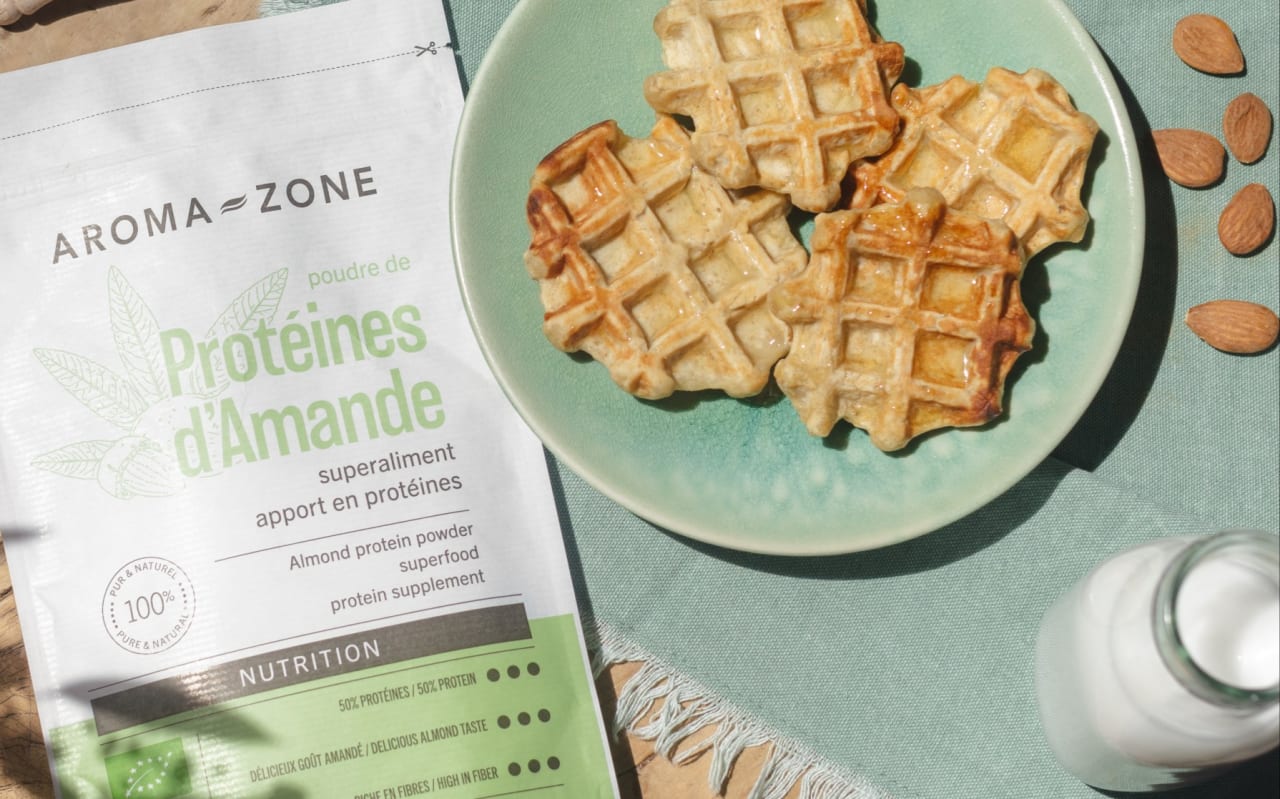
Product Focus: Almond protein

How to consume almond protein

Smoothies and shakes

Almond protein powder, added to your smoothies and shakes, provides a high-quality source of plant-based protein. Ideal as part of a high-protein diet, it promotes muscle recovery, making it ideal for snacks or after a training session.

Latte

Incorporating almond protein powder into your latte adds a dose of nutrients and proteins while providing a creamier texture and a pleasant, slightly amended taste.

Yoghurt or fromage frais

Mixed with yoghurt or fromage frais, almond protein powder helps boost protein content while providing a smoother texture. Rich in fibre and protein, it increases the feeling of satiety and aids digestion.

As a flour substitute

It can easily be substituted for flour in most culinary preparations, such as cakes, to the extent of 5 to 20% of the total flour content. What's more, its fine, light texture makes it easy to disperse in your drinks and preparations without lumps.

Sprinkled over dishes

Almond protein powder is an excellent addition to enrich your dishes with proteins and nutrients. It can be sprinkled on most sweet or savoury dishes. For example, sprinkled on granola, it provides extra protein and is perfect for a more balanced breakfast. In addition to its satiety benefits, its subtle almond flavour goes perfectly with fruit, yoghurt or cereals.

Almond protein: how do I use it?

Who should use almond protein?

Almond protein is suitable for most people. It is ideal for vegetarians and vegans looking to cut out animal protein from their diet, but also for athletes as part of a high-protein diet and to support muscle recovery. They are also an interesting supplement for the elderly, to supplement protein intake and prevent muscle wasting.

What is the desired effect?

Almond proteins provide essential amino acids, fibre and a high protein content that help maintain and develop muscle mass, promote satiety, encourage post-exercise recovery and support digestion.

When to eat Oats?

Almond protein can be consumed at any time of day, after a training session to help muscle recovery, or as part of a breakfast or snack to provide an extra source of energy. It can easily be incorporated into meals to increase protein intake.

What quantity?

We recommend 1/2 to 2 tablespoons a day, depending on the preparations in which it is incorporated. As a flour substitute, it can replace 5-20% of the total flour. This concentration guarantees a sufficient dose of protein in your mixtures while maintaining a pleasant texture.

How many almonds should I eat a day?

Many preconceived ideas have long held that you shouldn't eat too many almonds a day. However, according to nutritional recommendations, the recommended amount of almonds to eat is a handful a day. To give you an idea, a handful is equivalent to around 30 grams, or an average of 23 almonds, giving you a total of 6 grams of plant protein and 4 grams of fibre.

These nuts are therefore rich in nutrients that are essential for good health, including vitamin E (an excellent antioxidant), plant protein, calcium, magnesium and phytosterols (which help to reduce cholesterol levels, among other things).

Our selection of Almond-based products

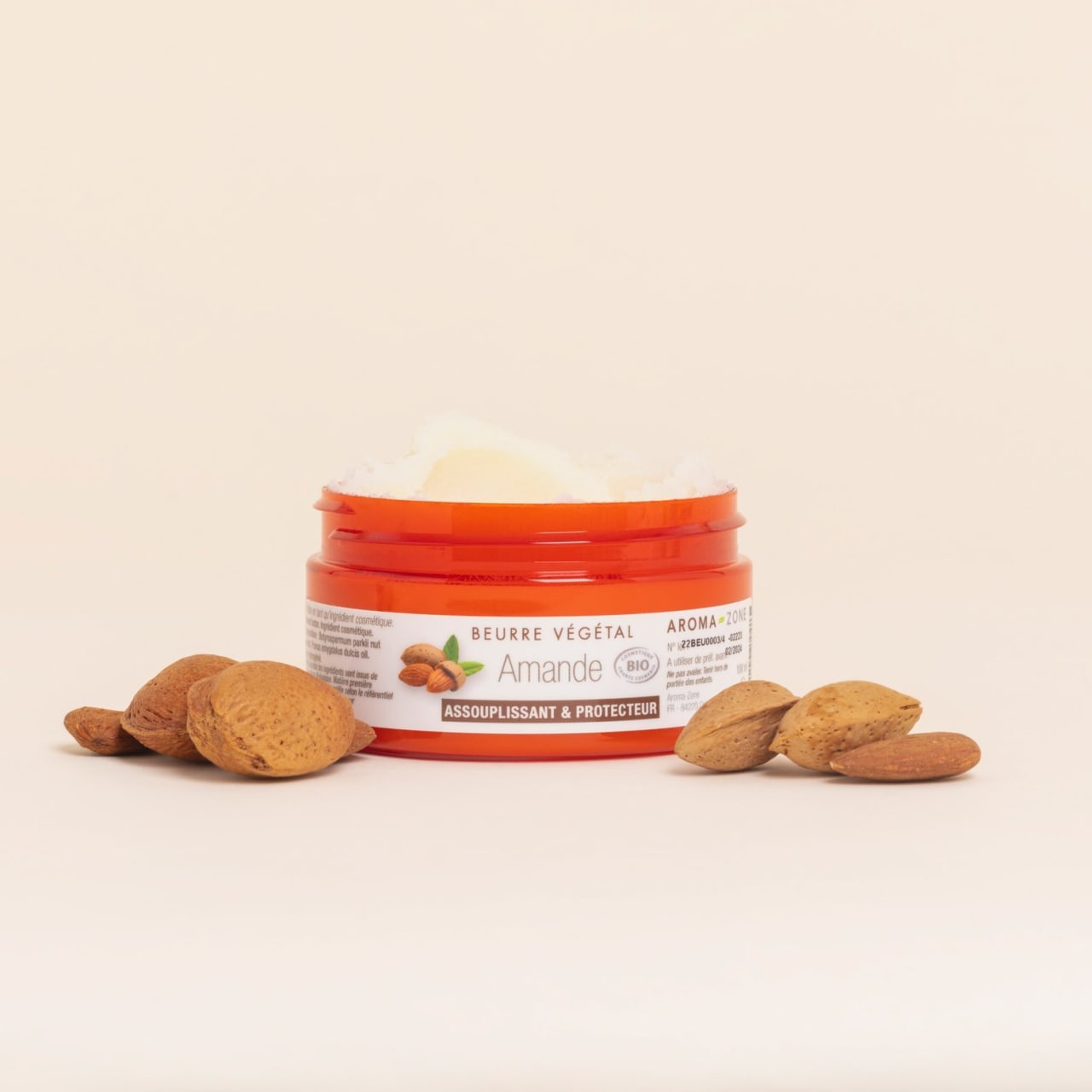
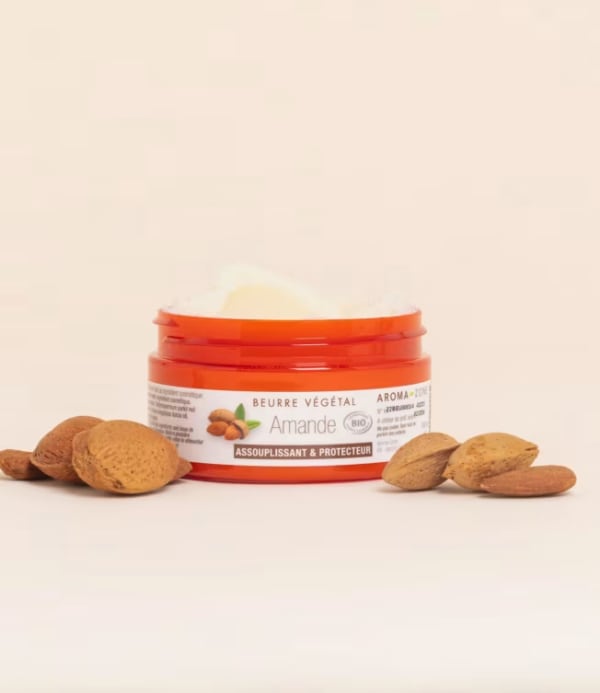
ORGANIC Almond Butter

Obtained from ORGANIC Sweet Almond oil and without hydrogenation, this butter has a rich, velvety feel and is a wonderful active ingredient for caring for dry skin and hair. Rich in natural antioxidants and phytosterols, it provides a nourishing and restructuring action to your mixtures, and prevents the signs of ageing. It can be incorporated remarkably well into your creams, balms, sticks, etc. It is perfect for gourmet-themed skincare products.

Discover ORGANIC Almond Butter

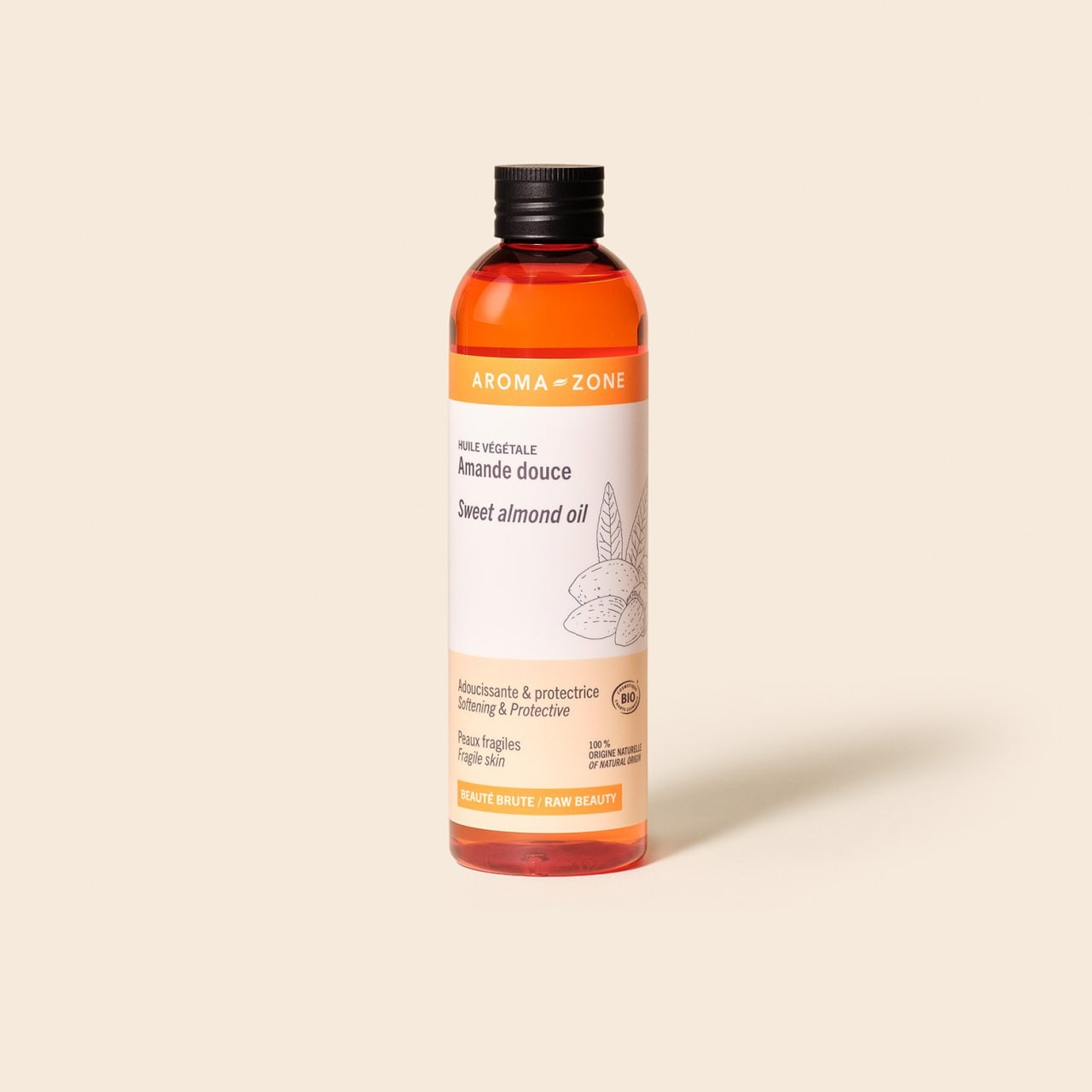
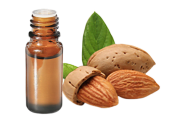
ORGANIC Sweet Almond Oil

Sweet Almond oil has long been known for its soothing and softening action on delicate, dry skin. It can be used to prepare nourishing skincare products for all skin types, especially tight, uncomfortable skin.

Discover ORGANIC Sweet Almond Oil

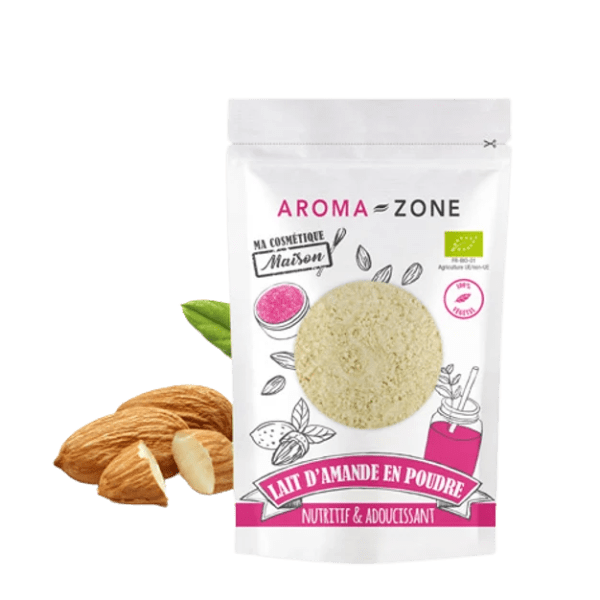
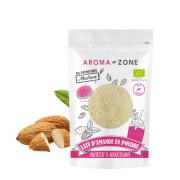
Active ingredient - ORGANIC sweet almond milk (powder)

This deliciously almond-scented powder disperses in water to create a soft, nourishing almond milk for skin and hair. It's a wonderfully simple way to make soothing lotions and repairing hair sprays... Almond milk leaves skin and hair very soft and slows down dehydration. Used as an ingredient in your bath products, this active ingredient softens the skin and reduces the dryness associated with hard water and foaming products, particularly on sensitive skin.

Active ingredient - ORGANIC sweet almond milk (powder)

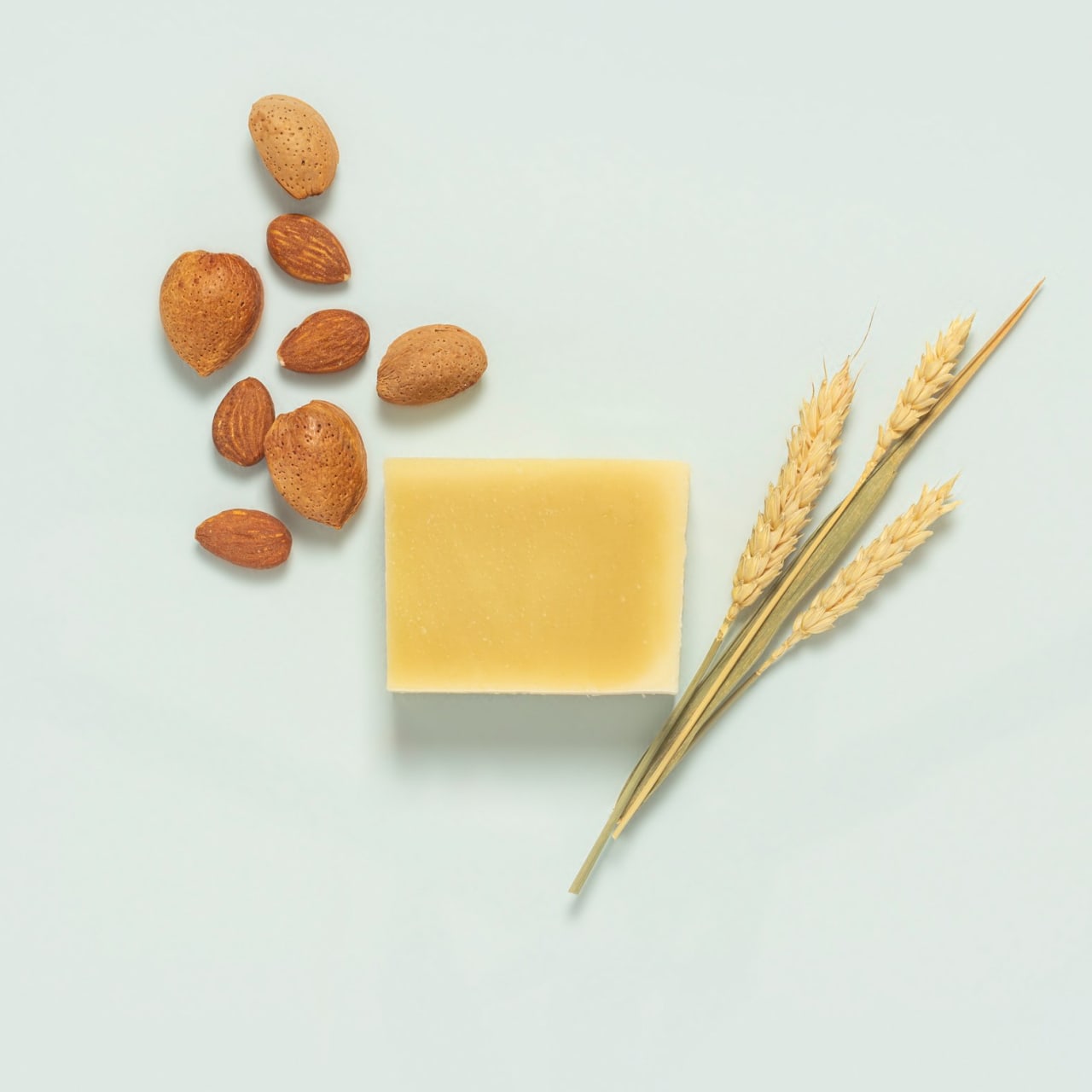
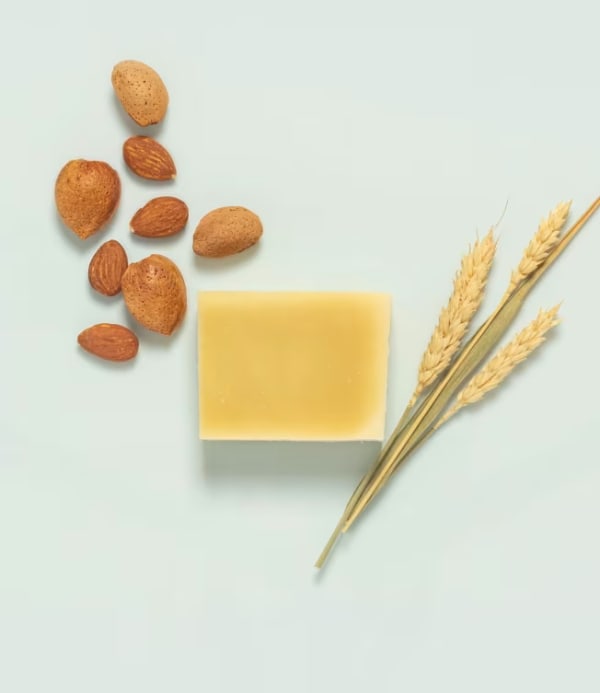
Gentle Almond handmade soap - Cold-process soap-making - Plant-based

Made using traditional cold saponification, this cereal and almond soap is a gentle treatment for all skin types. Certified ORGANIC, it is enriched with ORGANIC Shea butter, ORGANIC Wheat Germ and Sweet Almond oils and ORGANIC Vanilla oily macerate, known for their nourishing and softening properties. Delicately scented with the luxurious notes of Bitter Almond, this soap is also enriched with Oatmeal powder, the perfect ally for delicate skin. A treat for your skin!

Discover Gentle Almond handmade soap - Cold-process soap-making - Plant-based

How can you incorporate almond protein into your diet?

  1. Protein smoothie: Add 1 to 2 tablespoons of almond protein to your smoothie (fresh fruit, bananas, strawberries, blueberries, plant-based milks and yoghurts are preferable). Blend together and eat for breakfast or after sport.

  2. Enriched porridge: Add 1 tablespoon of almond protein to your hot porridge to increase your daily protein intake.

  3. Homemade energy bars: Mix 2 tablespoons of almond protein with rolled oats, honey and dried fruit. Form into bars and leave to cool in the fridge.

Contraindications

If you are allergic to nuts, we strongly advise against eating almonds, including almond protein. It is therefore essential to consult a health professional if you have any doubts about your allergy.

What's more, although almonds are beneficial when included in a balanced diet, it is important to eat them in moderation. If ingested in excessive quantities, they can cause intestinal transit problems. This can lead to bloating, abdominal pain or diarrhoea.

Our almond-based recipes

Energy balls with goji berries

Ingredients with scales

1

Blend the goji berries in a mini blender to reduce them to a powder.

2

Pour the almond powder into a bowl, add the goji powder, agave syrup and white almond purée. Mix vigorously with a fork, adding the orange blossom water.

3

Take a large piece and roll it between your hands to form a ball and place it on a plate. Continue in this way until you have used up all the dough. Depending on the consistency of the dough, you may add a few more drops of floral water to the bowl, mixing well.

Essential Growth and Fortification Cure

Ingredients with scales

1

Add to your vitamin-packed smoothies for tenfold benefits!

White chocolate with essential oils

Ingredients with scales

1

Melt the white cocoa butter in a bain-marie, then remove from the heat.

2

Add the icing sugar and almond milk powder and mix until smooth.

3

Add the essential oils, mix and pour the chocolate into a mould.

4

Leave your chocolate to harden in the fridge for 2 hours before removing from the mould.

Expert advice

The best way to store almond protein is in an airtight container, away from light and moisture and preferably in a cool place. This will preserve its nutritional qualities and keep it fresh for longer.

Find out more

Is it a good idea to eat almonds every day?

Contrary to popular belief, studies have shown that eating a small handful of almonds every day is good for your health. They help keep the bowels moving, reduce bad cholesterol and regulate carbohydrate levels in the blood.

What are the health benefits of almonds?

Almonds have many health benefits. According to some studies, they help reduce cardiovascular problems, help lower cholesterol levels thanks to the phytosterols they contain and slow down cell ageing thanks to their antioxidant content. They also regulate blood sugar levels and help with digestive problems thanks to their high fibre content, which helps to promote or maintain good intestinal transit.

Are almonds fattening?

Almonds are one of the highest calorie nuts, but also one of the healthiest foods. The question of whether or not almonds are fattening has been the subject of debate for years. According to a scientific study by the NCBI, eating one or two handfuls of almonds a day will not lead to weight gain. This is due in particular to the fact that they provide a high level of satiety and act effectively on intestinal transit.

Bibliography

1

Singh, D., Gohil, J. K., Rajput, R., & Sharma, V. (2022).

Almond ( Prunus amygdalus Batsch.): A Latest Review on Pharmacology and Medicinal Uses. RJPT, 3301-3308. doi:10.52711/0974-360X.2022.00553.

2

Esfahlan, A. J., Jamei, R., & Esfahlan, R. J. (2010).

The Importance of Almond (Prunus amygdalus L.) and Its By-Products. Food Chemistry, 120, 349–360.