Magnesium and pregnancy: what you need to know

Did you know that your magnesium requirements increase during pregnancy? The foetus consumes a large proportion of your reserves, making it essential to increase your intake of this essential mineral. How do you achieve the recommended daily intake? From a balanced diet rich in magnesium to marine magnesium supplements, we offer a complete overview of magnesium sources, benefits and requirements before, during and after pregnancy.

Reading time: 0 min.

Magnesium: what is it?

First of all, it's important to know that magnesium is not manufactured by the body. Yet this mineral is essential to the human body: it is involved in over 300 biochemical reactions in our bodies.

More specifically, it balances your absorption of calcium. It's also important for our nerve cells, it protects against stress, mood disorders and depression, and cardiovascular disease by preventing high blood pressure. Last but not least, magnesium is essential for preventing cramps and lockjaw.

In the human body, most magnesium is stored in the bones, which contain around 50% of our magnesium reserves.


What is the role of magnesium in pregnancy?

Magnesium is involved in many of the body's essential enzymatic reactions. It is necessary for bone formation, healthy teeth and good nerve and muscle function. Magnesium is involved in the metabolism of potassium and above all calcium. One of magnesium's main roles is to balance calcium uptake by contributing to calcium fixation in the bones.

For mothers-to-be, magnesium plays an essential role in the healthy development of the foetus, who draws on the mother's magnesium reserves.

The benefits of magnesium during pregnancy

For pregnant women, as well as providing the quantity of magnesium required for the healthy development of the foetus, sufficient magnesium intake helps to:

  • Reduce high blood pressure and helps regulate the heartbeat.

  • Prevent muscle cramps and lockjaw. It may also help prevent premature uterine contractions.

  • Reduce fatigue.

  • Promote energy production by supporting the energy metabolism.

  • Reduce stress, ease anxiety, prevent the risk of depression and improve mood disorders. It contributes to the normal functioning of the nervous system.

  • Improve digestive comfort and reduce the risk of constipation.

Some clinical studies have shown that taking magnesium sulphate as part of a medical follow-up could help to reduce the risk of pre-eclampsia, a rare disease during pregnancy, which is a combination of an increase in blood pressure (gravid hypertension) and the presence of proteins in the urine.

Why take magnesium during pregnancy?

Lack of magnesium during pregnancy

Physiologically, and excepting other factors, daily magnesium requirements are estimated at 6 mg/Kg/day. These requirements are higher depending on physica activity, pregnancy, age and lifestyle.

During pregnancy, magnesium requirements are increased because the foetus draws on the mother's magnesium reserves. It is estimated that the needs of an adult woman increase from 330 mg of magnesium per day to 480 mg per day.

Several factors linked to pregnancy can also lead to a magnesium deficiency. In the first half of the pregnancy, nausea and vomiting can lead to a loss of minerals and a magnesium deficiency.

Last but not least, the stress that sometimes accompanies pregnancy can create a magnesium deficiency. Prolonged stress causes excess magnesium to be excreted in the urine.


Magnesium and breastfeeding

Magnesium requirements continue to be higher than average during breastfeeding, as this draws on the mother's reserves of micronutrients. It is estimated that magnesium requirements during breastfeeding are 390 mg per day.

During breastfeeding, the magnesium in breast milk helps to prevent constipation in infants, promotes healthy bone growth and helps to bind calcium to the bones.

For mothers-to-be, a sufficient daily intake of magnesium helps to regulate stress, anxiety and irritability, prevent insomnia and reduces fatigue. A sufficient intake of magnesium also promotes normal bone health in mothers. It provides a wealth of support during your breastfeeding journey.

What are the risks of a magnesium deficiency during pregnancy?

A magnesium deficiency during pregnancy could lead to uterine contractions, premature labour, intense fatigue, anxiety disorders or high blood pressure.

A lack of magnesium in the mother-to-be may also cause the follow symptoms:

  • Fatigue: you may feel exhausted as soon as you wake up and have several bouts of tiredness during the day.

  • Stress: you may feel overwhelmed and find it hard to manage your stress levels.

  • Mood disorders: you may feel nervous, irritable, depressed, or down.

  • Muscle cramps: these can occur at any time, with calf cramps frequently occurring at night.

  • Insomnia: a lack of magnesium can lead to sleep disorders, difficulty falling asleep, waking up at night and insomnia.

  • Eyelid tremor: this is often one of the first signs of magnesium deficiency. The eyelid twitches (or the lower eye twitches) uncontrollably.

  • Tingling: a magnesium deficiency can cause numbness or tingling sensations in the extremities.

  • Palpitations: extrasystoles (disturbances of the heartbeat) can be caused by a lack of magnesium. You may feel your heartbeat is irregular or stronger than usual. In all cases, you should consult your doctor.

Can I take magnesium during pregnancy?

A mother-to-be's essential needs increase during pregnancy, so magnesium or other trace element supplements should be considered only after medical advice. Always remember this little reminder: do not self-medicate during pregnancy.

The supplement that is usually prescribed during pregnancy and before the start of pregnancy is vitamin B9, also known as folic acid or folates. Vitamin B9 plays a key role in the foetus developing normally and the proper development of the nervous system, and helps to prevent stunted growth or serious malformations in the unborn baby.

Other essential micronutrients for pregnant women are vitamin D, iodine, calcium, magnesium and iron.

Generally speaking, there are no known contraindications to magnesium supplementation during pregnancy. However, any supplementation should be supervised by your doctor or midwife, who will recommend the most suitable supplements.

What are sources of magnesium?

Foods rich in magnesium

During your pregnancy, opt for a balanced diet rich in sources of magnesium, with a daily intake of foods high in magnesium.

  • Wholegrain cereals: spelt, buckwheat, millet, rice, wheat, barley, oats, maize.

  • Dark green leafy vegetables: spinach, kale and cabbage, rocket, chard.

  • Dark chocolate and raw cocoa: an excellent source of magnesium, provided you choose quality dark chocolate with very little sugar.

  • Oilseeds: Brazil nuts, hazelnuts, almonds, sesame, cashew nuts.

  • Dried fruit: dried apricots, figs, dates.

  • Seeds: pumpkin seeds, chia seeds, flax seeds.

  • Seafood: periwinkles, mussels, clams, cockles, oysters.

  • Pulses: dried beans, white beans, lentils, chickpeas.

  • Banana: the fruit richest in magnesium.

The rainbow plate tip: a good way to ensure you eat a balanced diet is to vary the colours on your plate, with a combination of coloured foods (e.g. green vegetables such as green beans, lettuce, and kale, purple vegetables such as red cabbage and beetroot, orange vegetables such as carrots and squash).

An example of a colourful plate rich in magnesium, iron and vitamins: sautéed spinach, cooked green lentils, a little cooked wholegrain cereal of your choice (e.g. buckwheat, millet, spelt), a few pumpkin seeds and one or two Brazil nuts (which will also provide you with selenium!), raw beetroot and raw carrots with a sauce of tahini and lemon juice!

To avoid the constipation that sometimes comes with pregnancy, choose fibre-rich foods (e.g. fresh seasonal fruit and vegetables, wholegrain cereals, legumes). Don't forget foods rich in magnesium, which help to keep your bowels moving smoothly. Last but not least, certain magnesium-rich mineral waters can help with intestinal transit. Never take a laxative without medical advice.


Treatments: magnesium supplementation

As a general rule, always seek your doctor's advice before starting a course of anything during pregnancy. The doctor or midwife monitoring your pregnancy will help you with your diet and supplement needs to avoid deficiencies. Health professionals may also prescribe a blood test to detect any deficiency in magnesium or certain trace elements such as iron.

Magnesium and postpartum, an anti-fatigue go-to

Magnesium is ideal as an anti-fatigue food supplement, and may help you after birth and in the months that follow to sustain your energy, soothe anxiety and worries that often go with a new life as a parent, help you get back to restful sleep, and reduce stress. Magnesium can also help you when you return to physical activity by promoting good muscle recovery. If you are breastfeeding, ask your doctor or midwife for advice before starting a course of magnesium supplements.


Which magnesium should you choose during pregnancy?

Marine magnesium for pregnancy

Marine magnesium is reputed to be one of the best sources of magnesium in supplement form because it is easily absorbed by the body.

However, the best source of natural magnesium remains a balanced, seasonal, varied and colourful diet rich in fruit, vegetables, wholegrain cereals, oilseeds and pulses!


Magnesium treatments and pregnancy

There are no known contraindications to taking a triple magnesium food supplement during pregnancy or while breastfeeding. However, pregnant or breastfeeding women are advised to seek the advice of a health professional before taking any food supplements.

A closer look at Aroma-Zone's marine magnesium food supplement

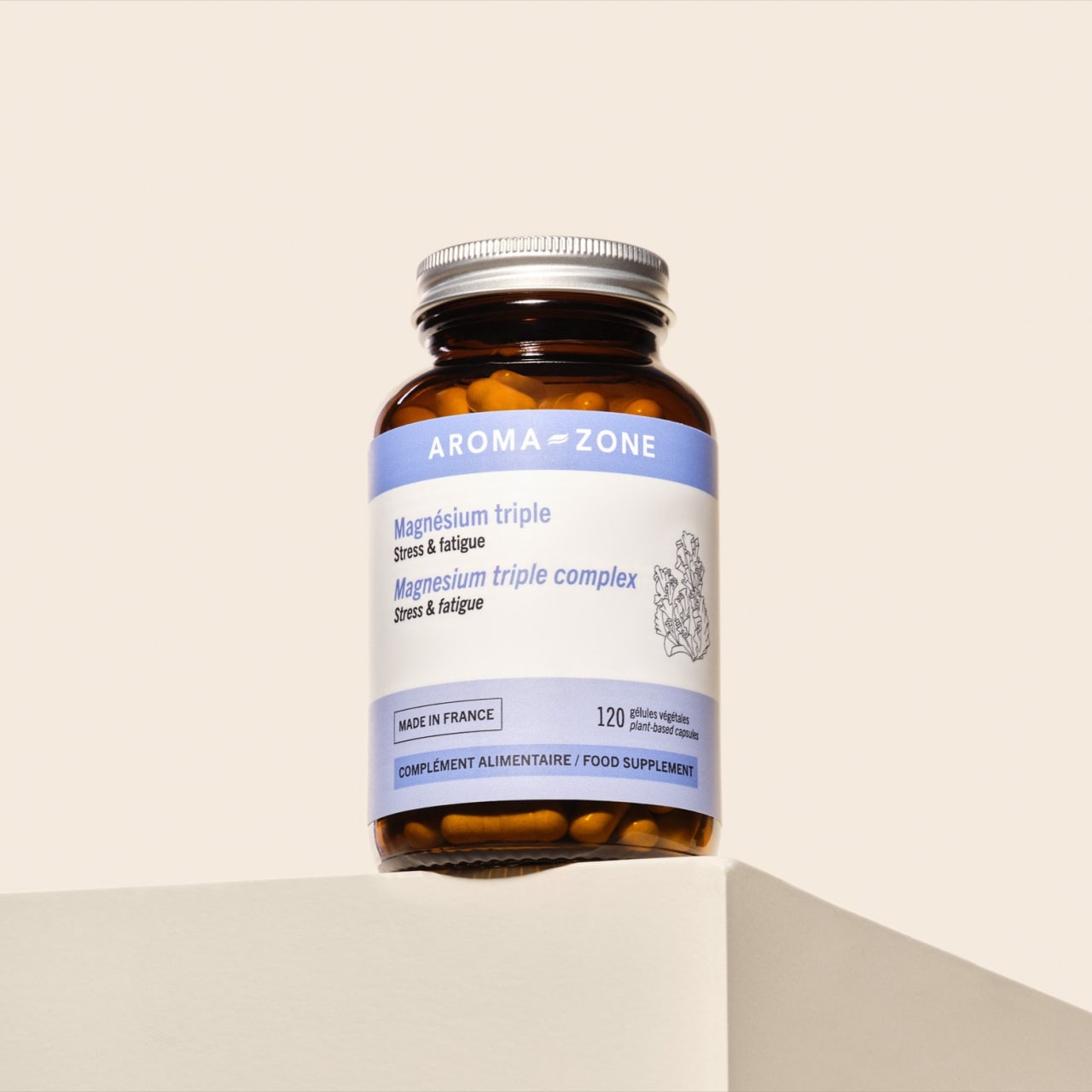
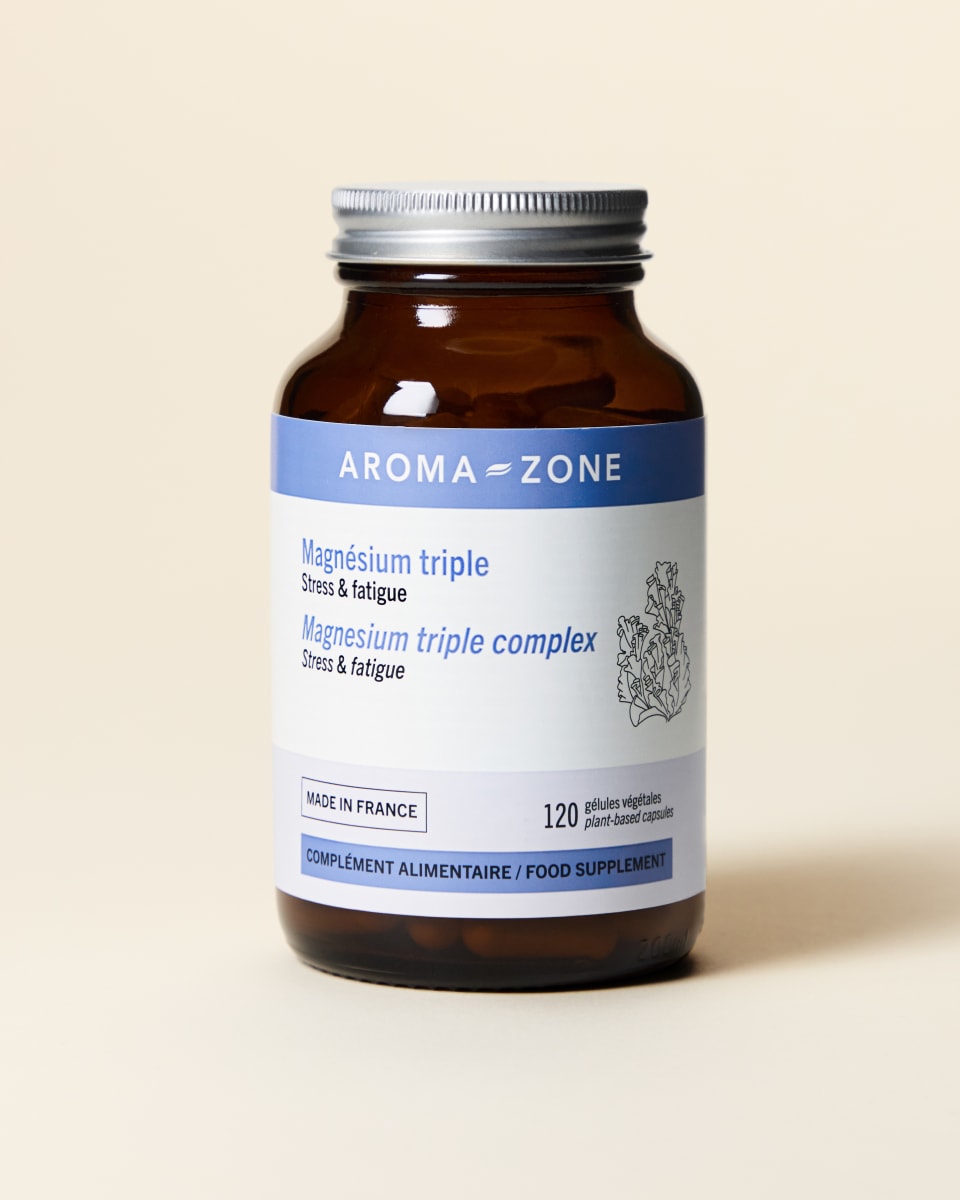
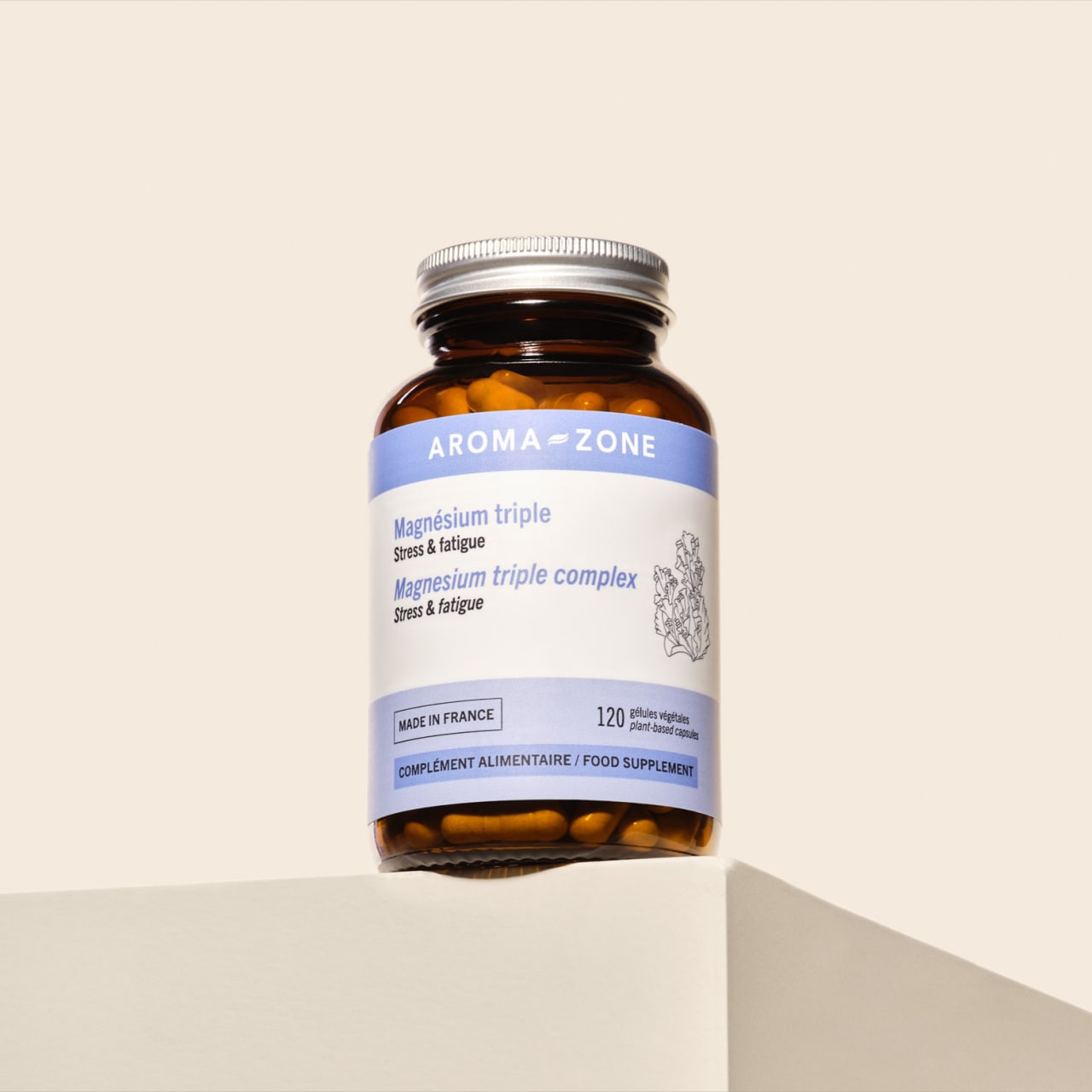
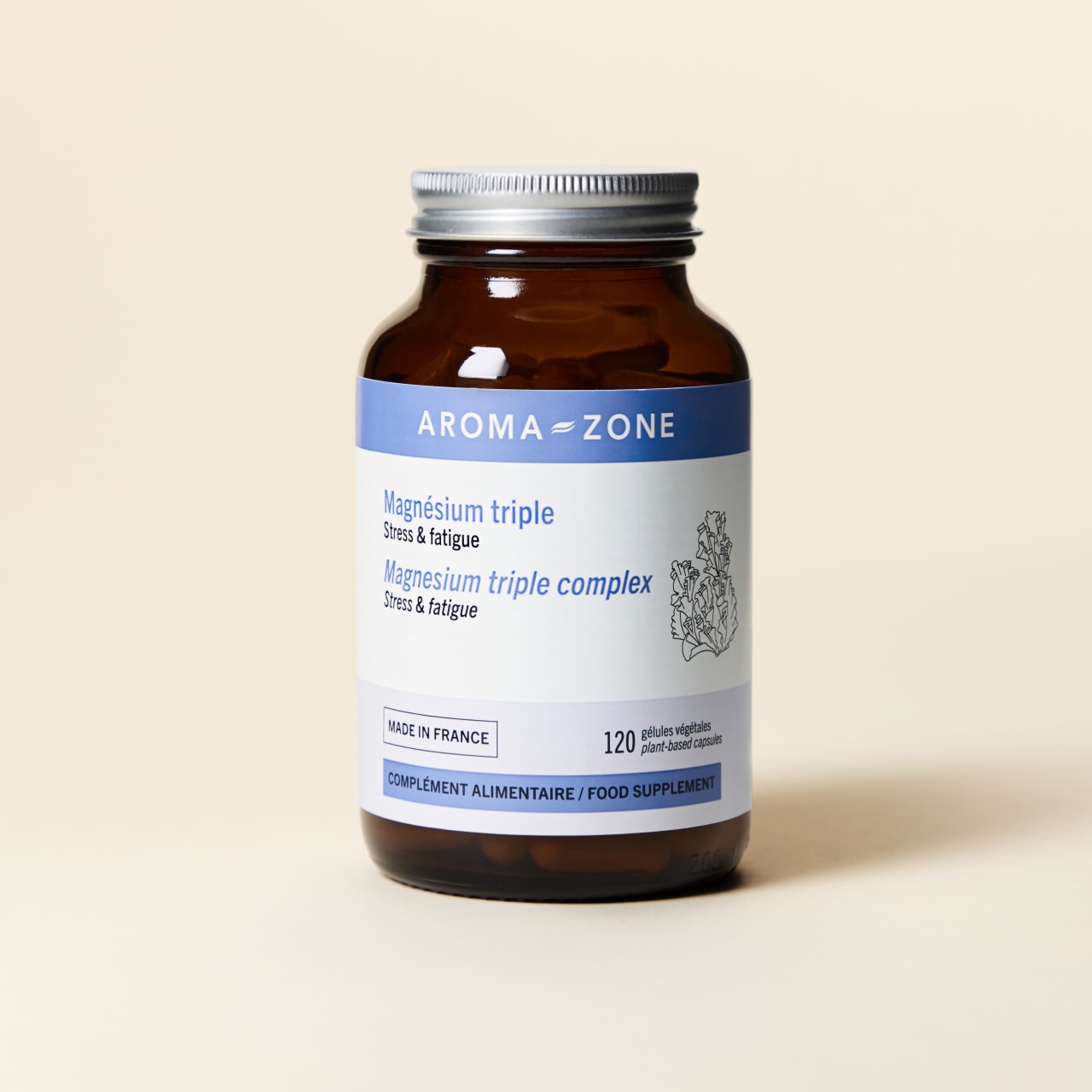
This vegan marine magnesium food supplement combines a unique combination of three magnesiums for improved bioavailability, good digestive tolerance and optimal assimilation. It contains no unnecessary additives and the capsules are 100% plant-based. Its formula is a combination of:

  • 100% pure, 100% chelated magnesium bisglycinate, with no magnesium oxide, containing 11% magnesium by mass.

  • Marine magnesium, a highly purified 100% naturally-occurring magnesium extracted from seawater off the coast of Ireland. It contains 72 other trace minerals that act synergistically to boost the effectiveness of this magnesium.

  • Organic sea lettuce extract, a 100% natural form of magnesium containing 25% magnesium.

This food supplement is recommended if you suffer from fatigue and stress, and for muscle recovery. It helps reduce fatigue, contributes to the proper functioning of the nervous system, improves protein synthesis and promotes good bone health.

The correct dose: 1 to 3 capsules a day are recommended to cover the most commonly recommended daily intake of magnesium. Take with meals for better assimilation. However, during pregnancy, it is essential to consult your doctor or midwife before starting a course of treatment.


Discover Aroma-Zone Triple Magnesium Food Supplement


How much magnesium should I take every day during pregnancy?

In Europe, the nutritional reference value (NRV) for an adult is set at 375 mg of magnesium per day. Part of this magnesium requirement is provided by our daily diet.

However, magnesium requirements vary from one person to another, depending on age (the needs will be different for an adolescent or an elderly person), level of physical activity, stress, and each person's eating habits.

The recommended magnesium requirement during pregnancy is 480 mg per day.

If your diet is insufficient in magnesium during pregnancy, a course of marine magnesium may be appropriate, on medical advice, to rapidly boost your magnesium reserves and restore your energy levels.

In France, regulations set the maximum magnesium content of a food supplement at 300 mg per day, which corresponds to 80% of the NRV (nutritional reference value).

Our recipe ideas for taking magnesium

Magnesium-rich anti-morning sickness breakfast

  • 1 banana

  • Two slices of natural sourdough wholemeal bread

  • Fresh ginger

  • A little fresh lemon juice

  • A teaspoon of honey (optional)

  1. In a bowl, mash the banana to a smooth paste, then add the equivalent of a teaspoon of fresh lemon juice.

  2. Grate a little fresh ginger over the mixture (1 to 2 cm depending on your taste) and mix well.

  3. Spread this mixture on the lightly toasted slices of bread, like a normal jam. If necessary, sweeten with a little honey.

  4. Enjoy immediately!

Granola with raw cocoa nibs

  • 100 g organic raw cocoa nibs

  • 200 g rolled oats

  • 120 g acacia honey

  • 100 g almonds

  • 100 g hazelnuts

  • 4 tablespoons of coconut or olive oil

  1. Blend the almonds and hazelnuts in a food processor to break them up.

  2. Mix the rolled oats and the crushed almonds and hazelnuts in a large bowl.

  3. Heat the honey and olive or coconut oil over a low heat for 3 minutes.

  4. Pour the honey-oil mixture over the rolled oats, almonds and hazelnuts. Mix well to coat everything. Add the raw cacao nibs.

  5. Place the granola on an oven tray with a sheet of baking paper, no more than 1 to 2 cm thick.

  6. Bake for approximately 30 minutes at 150°C.

  7. Leave to cool when removed from the oven, then store in a jar, crushing it lightly to make tasty granola clusters.

  8. Keep away from light and moisture for 7 days.

Enjoy with yoghurt or milk (for example, a plant-based option such as almond milk).

Precautions when taking magnesium during pregnancy

During pregnancy, it is important to take certain precautions when taking magnesium supplements, even though magnesium is generally considered safe when ingested in normal doses from food sources.

Here are a few precautions to bear in mind:

  1. Medical consultation: Before starting any magnesium supplement, it is essential to consult your healthcare professional, such as your GP or obstetrician/gynecologist. They will be able to assess your specific situation and recommend the appropriate dosage.

  2. Dosage: Always follow the dose recommended by your healthcare professional. An overdose of magnesium can lead to side effects such as nausea, vomiting, diarrhoea and even more serious complications.

  3. Drug interactions: Tell your doctor about all the medicines you are taking, as magnesium can interact with certain drugs, including blood pressure medication and antibiotics.

  4. Balanced diet: Try to get as much magnesium as possible from your daily diet by eating magnesium-rich foods such as green leafy vegetables, nuts, seeds, pulses and wholegrain cereals.

Spotlight on our Naturopathic editor, Lucie Granjon

Passionate about plants and their properties, she started her career as a perfumer before moving to the world of natural beauty and aromatherapy over 10 years ago. Lucie supports ethical and committed brands with strategy development, product formulation and expert advice for their customers. She has worked with the Aroma-Zone team on several books, including "Le grand guide de l'Aromathérapie et des cosmétiques naturels" ("The Complete Guide to Aromatherapy and Natural Cosmetics"). She also has years of training in aromatherapy, herbalism and essential oil distillation, and supports the work of French plant growers.

Bibliography

1

Use of magnesium sulphate for the prevention of eclampsia. Retrospective study of 105 cases. Gynaecology and obstetrics. 2010. dumas-006726111

Athena Naeimi.

2

Preeclampsia and benefit form magnesium sulphate. About 105 cases

A.Naiemi, M.Rieu, F.Le Guen, L.Marpeau.