What are the early signs of pregnancy before your period?

What are the early signs of pregnancy before your period?


By Marine Leleux

Published on: Thursday, March 28, 2024, Updated on: Thursday, September 24, 2026

The early stages of pregnancy are accompanied by various signs even before a missed period occurs. Early pregnancy symptoms can vary from woman to woman. However, this period filled with anticipation is generally associated with a variety of subtle clues! Do you think you might be pregnant? Follow this guide to discover the most common signs of pregnancy.

Contents

What happens in early pregnancy?

The onset of pregnancy triggers a cascade of hormonal changes in the expectant mother. At the moment of fertilization, the egg meets the sperm in the fallopian tube to form the baby’s first cell: the zygote. 

A few days after fertilization, the zygote begins cell division and implants itself in the uterine wall. This cluster of cells is commonly called the blastocyst. Its implantation marks the start of human chorionic gonadotropin (hCG) production, a hormone essential for maintaining healthy progesterone levels during early pregnancy. The process of implantation in the uterus is called nidation. 

The initial phase of pregnancy is accompanied by hormonal fluctuations in women, particularly related to the balance between estrogen and progesterone. These changes lead to a variety of physiological signs: the first symptoms of pregnancy.

When do pregnancy signs appear?

The first symptoms of pregnancy begin to appear when the blastocyst implants itself in the uterine wall, under the influence of the hCG hormone. For some women, pregnancy symptoms appear 1 to 2 weeks after conception! For other moms, the signs show up a little later.

How can you tell if you’re pregnant before your period is due?

A missed period is a key sign of early pregnancy! However, there are various early signs of pregnancy that can help you determine if you’re pregnant well before your period is late. 

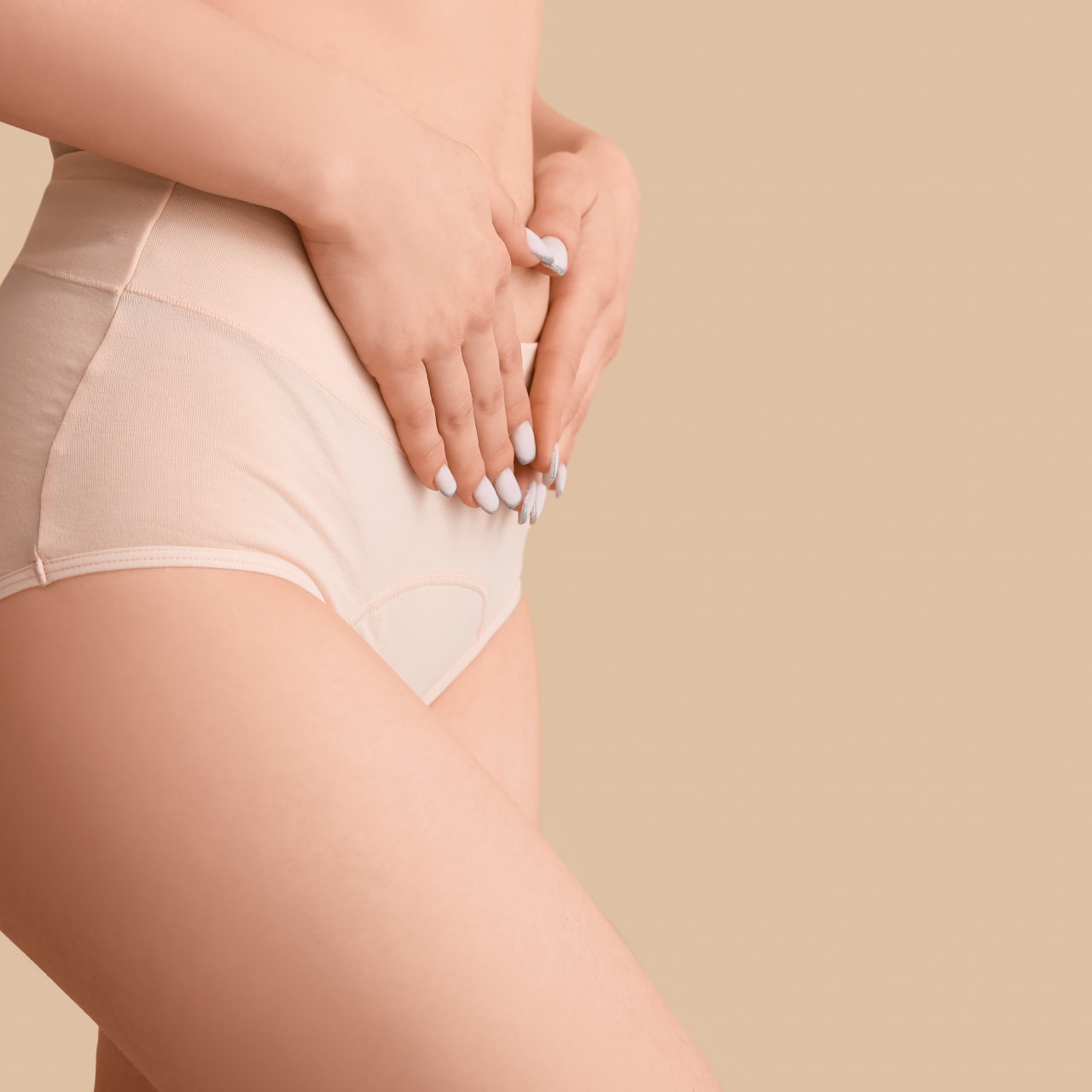
Tugging sensation in the lower abdomen: At the time of implantation, it is common to feel pressure in the lower abdomen. This tugging sensation can be confused with the well-known PMS (Premenstrual Syndrome), which can cause similar effects. In most cases, the implantation of the blastocyst in the uterus is not painful. However, a pregnant woman may experience uncomfortable pressure in the lower abdomen. 

Breast tenderness: A common early sign of pregnancy is breast tenderness. If you are pregnant, your breasts may become swollen or tender as early as the first few weeks after fertilization. In some expectant mothers, an increase in breast size can already be observed as early as the second week of pregnancy.

Food cravings: Craving strawberries? You might be pregnant! Many expectant mothers experience strong food cravings or food aversions from the very beginning of pregnancy. These feelings are usually sudden and intense. Conversely, certain foods may become very appealing and lead to strong cravings. 

Headaches: Hormonal fluctuations associated with changes in blood circulation in pregnant women can cause headaches. These headaches are generally mild and occur only occasionally. If you experience regular headaches, don’t hesitate to discuss this with your doctor.

Skin changes: The texture of our skin is closely linked to our hormonal balance. When progesterone levels rise in the expectant mother’s body, skin changes may occur. Many women notice that their skin becomes drier or observe the appearance ofpregnancy acne or pigment spots on their face. 

Mood swings: It is common for pregnant women to feel emotions more intensely than usual. If you feel particularly emotional, this is completely normal! Once again, hormonal fluctuations are the cause of this early sign of pregnancy. 

Changes in bowel movements: One of the first signs of pregnancy is a change in bowel movements. In most cases, digestion slows down due to increased levels of progesterone in the blood. Many expectant mothers experience episodes of constipation early in pregnancy. Generally, bowel movements naturally return to normal after a few weeks. 

Frequent urination: Following the baby’s implantation, the blood volume increases in the expectant mother’s body. This change, typical of the first weeks of pregnancy, is essential for the health of the uterine lining. This physiological change puts increased pressure on thebladder, which can lead to frequent trips to the bathroom! 

Morning sickness: Pregnancy nausea is well known! It is certainly a clear sign, especially when it occurs in the morning upon waking. However, nausea usually appears later than other early signs of pregnancy. For most women, nausea occurs between the 4th and 6th week of pregnancy. 

Period symptoms or pregnancy symptoms: what’s the difference?

The first signs of pregnancy can easily be confused with certain symptoms of PMS (Premenstrual Syndrome). It can be hard to tell whether your period is coming or if a baby is on the way! The big difference? Pregnancy signs last, while PMS symptoms are temporary. The best way to know where you stand is to take a pregnancy test.

Can I take a pregnancy test before my period?

The best way to find out if you’re pregnant is to get a pregnancy test! Pregnancy tests sold at pharmacies can be used at home. They reliably detect pregnancy by identifying the presence of the hCG hormone. It is recommended to take the test first thing in the morning upon waking because that is when urine has the highest concentration of hCG. You can also contact your doctor to request a blood test. A blood test is the most reliable way to determine if you are pregnant!

Learn more about the Menstrual Cycle: Understanding the Ovulation Phase and Supporting It Naturally

Expert advice

If you’re hoping to get pregnant, you’re likely on the lookout for potential signs! It’s beneficial for women to listen to their bodies and navigate their cycles with awareness. Tracking your hormonal rhythm throughout your menstrual cycle is an excellent way to understand where you stand and honor your deepest needs. There are various methods for tracking the female menstrual cycle, such as the symptothermal method

Spotlight on Our Naturopathic Writer, Marine Leleux

Marine is a naturopath specialising in children's well-being and is also a parenting coach. With 10 years' experience in supporting families, she draws on her experience to help her community by sharing natural, caring advice.

Frequently Asked Questions

Frequently Asked Questions